1. The Soul of Central Vietnam: What Makes Da Nang’s Food Culture Unique?
Da Nang, a vibrant coastal gem wedged between the historic imperial capital of Hue and the ancient trading port of Hoi An, has forged a food identity that is fiercely distinct from its northern and southern neighbors. While Hanoi is celebrated for its delicate, subtle flavors and Ho Chi Minh City for its sweet, herb-laden abundance, Central Vietnam—and Da Nang specifically—revels in bold, unapologetic intensity.
Here, the culinary profile leans heavily into salty, spicy, and deeply savory notes. The surrounding geography shapes everything on the plate. Facing the East Sea and backed by the fertile Truong Son mountains, Da Nang's local cooks have immediate access to world-class fresh seafood and pristine mountain agriculture. This intersection of environments means that sea flavors permeate almost everything, not just in obvious grilled fish dishes, but through fermented stocks, dried shrimp toppings, and rich dipping sauces like mắm nêm (fermented anchovy paste).
Furthermore, the influence of Hue’s royal court cuisine has trickled down over centuries, manifesting in a love for small, intricate, labor-intensive bites such as steamed rice cakes (bánh bèo) and highly complex broth building. The local street food scene is remarkably affordable, raw, and vibrant. Eating in Da Nang is not just a culinary activity; it is a sensory immersion into plastic-stool street dining, where the air is thick with the aroma of charcoal-grilled meats, simmering broths, and the sweet perfume of fresh herbs.
2. The 10 Absolute Must-Try Da Nang Vietnam Food Masterpieces
To truly experience Da Nang Vietnam food, you must move beyond standard bowls of Pho and explore the local dishes that define the region. Here are the iconic creations you cannot miss, along with the exact local spots where you can find them.
Mỳ Quảng (Quang-Style Noodles)
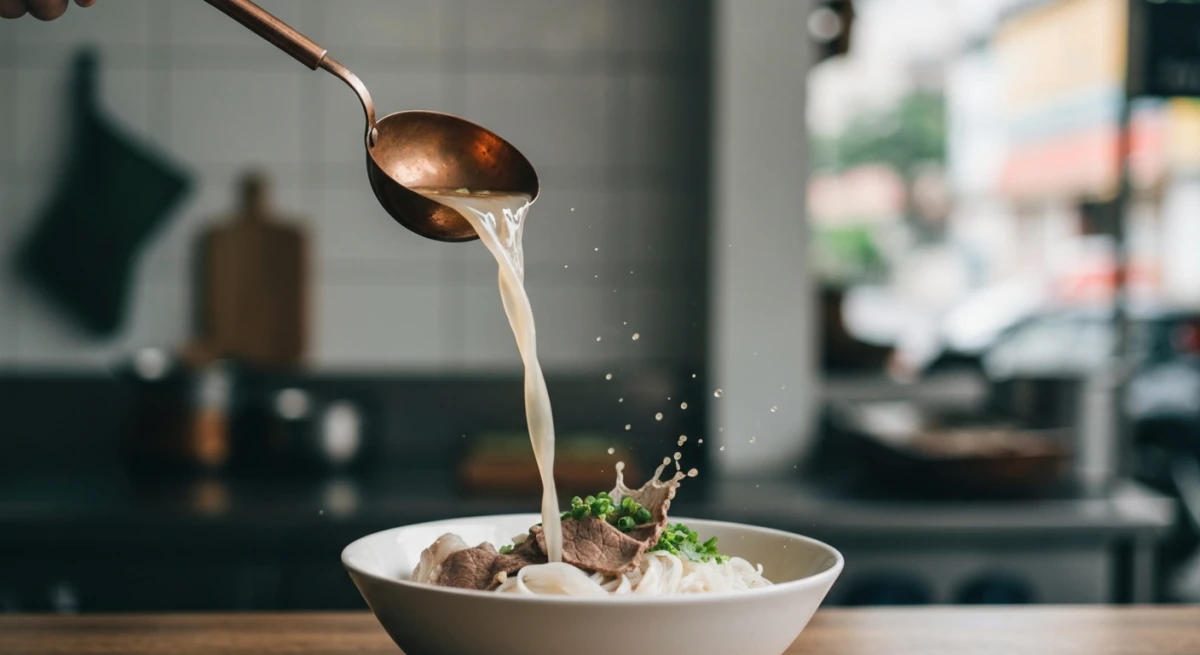
If Da Nang has a culinary mascot, it is unquestionably Mỳ Quảng. Originating from the surrounding Quang Nam province, this dish is a beautifully chaotic assembly of textures and flavors. Unlike typical Vietnamese noodle soups, Mỳ Quảng is served with very little broth—just a shallow ladle of concentrated, highly savory turmeric-infused stock poured over wide, flat rice noodles (which are sometimes naturally stained yellow with turmeric).
The legend of Mỳ Quảng is rooted in the resourcefulness of local farmers, who combined whatever ingredients were fresh from the fields and rivers into a single, satisfying meal. The protein options vary, ranging from pork, shrimp, and chicken to quail eggs and even frog (Mỳ Quảng Ếch). What truly elevates the dish is its toppings: a generous handful of toasted peanuts, crispy sesame rice crackers (bánh tráng), fresh banana blossoms, mint, coriander, and perilla leaves. The crunchy crackers contrast perfectly with the chewy noodles and rich, concentrated broth.
Where to try it:
- Mì Quảng Quê Xưa: (165 Phan Thanh, Thanh Khe, Da Nang) - Famous for its highly traditional, robustly flavored broth and generous portions.
- Nữ Đồ Mì Quảng: (Hai Chau District, Da Nang) - Recently selected by the Michelin Guide, this spot is celebrated for its elevated, clean flavors and beautiful presentation crafted by a local Master Chef.
Bánh Xèo & Nem Lụi (Sizzling Crepes & Lemongrass Pork Skewers)
Bánh Xèo is a masterpiece of sensory eating. Named after the loud sizzling sound the rice batter makes when poured onto a scorching hot skillet, these crispy, golden crepes are filled with pork, shrimp, and a handful of fresh bean sprouts. Central-style Bánh Xèo is smaller and thicker than its southern counterpart, ensuring a satisfying crunch with every single bite. The batter is made from fermented rice flour mixed with turmeric powder and sometimes coconut milk, fried on small cast-iron pans until the edges are golden and paper-thin.
It is always paired with Nem Lụi—savory, finely minced pork skewers wrapped around lemongrass stalks and grilled over glowing charcoal. To eat this, you take a sheet of dry rice paper, lay down a piece of the crispy crepe, pull a pork skewer off its lemongrass stick, add a dense bouquet of fresh herbs (including lettuce, mint, sour starfruit, and green banana slices), and roll it tightly. The real magic, however, lies in the dipping sauce: a thick, warm, rich concoction made from pork liver, peanuts, and sesame seeds, rather than the standard sweet chili fish sauce.
Where to try it:
- Bánh Xèo Bà Dưỡng: (K280/21 Hoàng Diệu, Hải Châu, Da Nang) - Hidden deep in a famous alley, this is the legendary birthplace of Da Nang’s favorite Bánh Xèo. It's constantly bustling, and their liver-peanut dipping sauce is unrivaled.
- Bánh Xèo Lăng: (Another phenomenal local favorite, loved for its crispy texture and spacious, comfortable seating).
Bún Chả Cá (Fish Cake Noodle Soup)
Being a coastal city, Da Nang boasts some of the finest seafood-based soups in Southeast Asia, and Bún Chả Cá is the absolute king of them. This dish features a light, sweet, and slightly tangy broth brewed from fish bones, pumpkin, cabbage, pineapple, and tomatoes. The inclusion of caramelized pineapple and bamboo shoots gives the broth a complex, refreshing acidity that balances any fishiness.
The star of the show is the chả cá (fish cakes), which are made by scraping fresh fish meat (usually mackerel, featherback fish, and barracuda), seasoning it with garlic, shallots, pepper, and dill, and then either steaming or frying it to chewy perfection. The bowl is loaded with rice vermicelli, these savory fish cakes, sometimes chunks of fresh tuna or mackerel, and a scoop of sweet crab paste. Top it with pickled shallots, fresh chili, and a small spoonful of shrimp paste (mắm ruốc) to fully unlock the deep coastal flavor.
Where to try it:
- Bún Chả Cá Bà Phiến: (63 Lê Hồng Phong, Hải Châu, Da Nang) - Operating for decades, this local institution is famous for its rich, complex broth and generous portions of mixed fried and steamed fish cakes.
- Bún Chả Cá 109: (109 Nguyễn Chí Thanh, Hải Châu, Da Nang) - A great local spot that serves clean, incredibly flavorful bowls with lightning-fast service.
Bánh Tráng Cuốn Thịt Heo (Rice Paper Rolls with Pork)
This dish may sound simple, but its preparation and execution are highly sophisticated. Bánh Tráng Cuốn Thịt Heo features meticulously sliced boiled pork (traditionally cut so that each slice has a ribbon of skin and fat on both ends) served alongside a vast platter of wild green herbs and vegetables—often containing up to a dozen different varieties.
You assemble the roll by layering a sheet of dry, thin rice paper with a wet, soft sheet of steamed rice noodle (bánh ướt). You then pack it with herbs, green mango, cucumber, and the tender pork, roll it up, and dip it into mắm nêm. This pungent, spicy, fermented anchovy dipping sauce is flavored with crushed pineapple, garlic, and fresh chili. It is a bold, funk-forward flavor profile that is deeply beloved by locals and adventurous food travelers alike.
Where to try it:
- Quán Mậu: (35 Đỗ Thúc Tịnh, Cẩm Lệ, Da Nang) - Highly popular among locals for its premium pork cuts and exceptionally well-balanced mắm nêm sauce.
- Bánh Tráng Thịt Heo Trần: (4 Lê Duẩn, Hải Châu, Da Nang) - A more modern, spacious restaurant option that is perfect for families and first-time visitors looking for a comfortable introduction to the dish.
Bún Mắm Nêm (Noodles with Fermented Anchovy Sauce)
If you fall in love with the bold taste of fermented anchovy sauce, Bún Mắm Nêm is your next mandatory stop. Unlike noodle soups, this is a dry vermicelli salad bowl. The bottom of the bowl is lined with fresh lettuce, herbs, and cucumber. It is then piled high with cold rice noodles, crispy roasted pork belly (with crackling skin), boiled pork, fermented pork sausage (nem chua), and boiled beef sausage (chả bò).
A generous ladle of fiery, aromatic mắm nêm is poured over the top, along with roasted peanuts and crispy fried shallots. You mix the entire bowl together before eating. The contrast of the hot, crispy pork skin with the cool herbs and the intensely pungent, sweet, spicy sauce is absolute culinary magic.
Where to try it:
- Bún Mắm Ngọc: (20 Đoàn Thị Điểm, Hải Châu, Da Nang) - A legendary alleyway spot that serves massive, incredibly cheap bowls packed with crispy pork.
- Bún Mắm Cô Thảo: (Located near Con Market) - Famous for its intense, authentic sauce that doesn't compromise for foreign palates.
Hải Sản (Fresh Coastal Seafood)
No trip to Da Nang is complete without spending at least one evening gorging on fresh seafood along the coast. The city’s beachfront streets are lined with massive, open-air restaurants where live seafood is kept in glass tanks. You walk up, point to what you want, negotiate the price by the kilogram, and specify how you want it cooked.
Local favorites include chíp chíp (small local clams steamed with lemongrass, ginger, and chili), grilled oysters with scallion oil and crushed peanuts (hàu nướng mỡ hành), and salt-and-chili roasted crab. The seafood here is remarkably fresh, often caught by local fishermen earlier that same day.
Where to try it:
- Năm Đảnh Seafood: (139/59/38/10 Trần Quang Khải, Sơn Trà, Da Nang) - Hidden deep within a maze of narrow residential alleyways in the Son Tra peninsula, this legendary spot is perpetually packed. The seafood is incredibly cheap, heavily spiced, and ridiculously fresh. Getting lost trying to find it is part of the adventure!
- Eo Gió Seafood: (97 Nguyễn Phan Vinh, Sơn Trà, Da Nang) - Offers an incredible beachfront dining experience with great sea breezes and excellent grilled scallops.
Cháo Vịt (Comforting Duck Porridge)
While chicken rice (Cơm Gà) is popular throughout Central Vietnam, Da Nang has a deep love affair with duck, particularly in the form of Cháo Vịt (duck porridge). This is the ultimate comfort food, usually eaten in the late afternoon or evening.
The porridge is cooked using a rich duck bone broth and roasted rice, resulting in a nutty, deeply savory flavor. It is served with a side of perfectly poached, tender local duck meat, sliced thinly and paired with a vibrant salad of shredded cabbage, banana blossoms, and fresh herbs. The star of the table is the ginger fish sauce (nước mắm gừng), which cuts through the richness of the duck and adds a brilliant, fiery kick.
Where to try it:
- Cháo Vịt Nhân: (Tucked in a residential alleyway) - A Michelin-selected spot that is beloved by locals. The duck here is incredibly tender, devoid of any gamey odors, and the warm bowls of porridge are exceptionally comforting.
Cơm Gà Quay (Crispy Roasted Chicken Rice)
While Hoi An is famous for its shredded chicken rice mixed with turmeric, Da Nang has put its own spin on the dish with Cơm Gà Quay. This dish features a large, skin-on chicken leg that is seasoned, roasted, and then fried until the skin is impossibly crispy while the meat inside remains incredibly juicy.
It is served over a bed of savory, orange-tinted rice that has been cooked in rich chicken stock and fat, accompanied by a small bowl of clear cabbage soup and pickled green chilies. It is a hearty, filling, and incredibly satisfying dish that serves as the perfect quick lunch.
Where to try it:
- Cơm Gà A Hải: (96 Phan Châu Trinh, Hải Châu, Da Nang) - A legendary local eatery where the woks are constantly roaring, churning out the best crispy chicken rice in the city.
Ốc Hút (Sucking Snails)
For the truly adventurous food lover, Ốc Hút is a quintessential Da Nang street food experience. Typically eaten as a late-night snack alongside a cold local beer, this dish consists of small mud snails or freshwater snails cooked in a highly aromatic broth of lemongrass, ginger, garlic, and an intense amount of fresh red chili.
To eat them, you pick up a snail and suck the meat directly out of the shell (hence the name "sucking snails"), releasing a burst of spicy, sweet, and savory lemongrass broth along with the tender snail meat. It is messy, fiery, and deeply social.
Where to try it:
- Ốc Hút Hạnh: (Near the university area) or any of the popular outdoor stalls surrounding the exterior of Con Market in the evening.
Cà Phê Muối (Salted Coffee) & Local Drink Culture
While not technically a food, Da Nang's local beverage culture is an inseparable part of the daily culinary ritual. While Hanoi has egg coffee and Saigon has sweet iced milk coffee, Central Vietnam is the birthplace of Cà Phê Muối (Salted Coffee).
This genius creation features a base of intensely strong, dark Vietnamese robusta drip coffee topped with a thick, velvety layer of salted cream. The salt cuts the natural bitterness of the robusta bean while highlighting its rich, chocolatey undertones, resulting in a sweet, savory, and highly addictive pick-me-up.
Where to try it:
- Cà Phê Muối Lọc: (Various central locations) or Út Tịch Café (gorgeous vintage-style cafe along the Han River).
3. Da Nang’s Best Street Food Markets & Food Hubs
If you want to maximize your culinary exploration in a short amount of time, skip the sit-down restaurants and head straight to Da Nang's bustling markets. These are the sensory epicenters of the city's food culture.
Con Market (Chợ Cồn)
Con Market is the undisputed street food capital of Da Nang. Located in the bustling commercial heart of the city, the market features a massive, dedicated indoor food court (Khu Ẩm Thực) that is a dizzying labyrinth of small stalls, colorful signs, and steam-filled air.
Here, vendors sit behind towering displays of colorful sweet soups, platters of freshly steamed rice cakes, and simmering pots of snail noodle soups. It is loud, crowded, and incredibly cheap. You can easily bounce from stall to stall, trying small portions of bánh bèo, bún mắm nêm, and fresh summer rolls, wrapping up your feast with a refreshing bowl of chè (sweet dessert soup) for just a few dollars.
Han Market (Chợ Hàn)
Located closer to the Han River and the tourist center, Han Market is highly accessible and a great place to buy edible souvenirs. While the dry goods section is famous local specialties like dried squid, beef jerky, and fermented shrimp paste, the food stalls inside serve up highly reliable, hygienic versions of Mỳ Quảng and Bún Chả Cá. It is slightly more tourist-friendly and a great place for beginner foodies to ease into the local dining scene.
Helio Night Market
For a more modern, energetic, and clean street food experience, Helio Night Market (open nightly from 5:30 PM onwards) is spectacular. It features a massive outdoor dining space under string lights, with hundreds of stalls serving not just traditional Da Nang street food, but grilled seafood, skewers, international street food, and fresh local beers. It's incredibly lively, often featuring live music, making it the perfect spot for a casual, fun dinner with friends.
4. Insider Tips for Dining in Da Nang
To navigate the Da Nang Vietnam food scene like a seasoned professional, keep these highly practical, local tips in mind:
- Master the Table Setup: When you sit down at a local street food spot, you will notice a container of fresh lime wedges, jars of pickled garlic and baby green chilies, and a tub of chili paste. Locals customize every bowl of noodles. Taste the broth first, then squeeze in lime for acidity, add garlic for punch, and a dollop of chili paste for depth and heat.
- Embrace the Herb Platter: Every savory dish in Da Nang is served with a mountain of fresh herbs (rau sống). Do not ignore them! They are not a garnish; they are an essential component of the flavor profile, adding freshness, texture, and digestive-friendly enzymes to rich dishes.
- Vegetarian/Vegan Dining ("Ăn Chay"): If you are vegetarian or vegan, Da Nang is incredibly accommodating. Due to deep Buddhist traditions, many locals eat vegetarian food on the 1st and 15th days of the lunar calendar. Look for signs that say "Quán Chay" or "Cơm Chay" for highly affordable, delicious plant-based versions of local dishes.
- Understand the Tipping Culture: Tipping is generally not expected or required at local street food stalls and casual eateries. However, in mid-to-high-end Western restaurants or for exceptional service from a food tour guide, a small tip (around 5-10%) is highly appreciated.
- Use the Grab App: Many of the absolute best, most authentic local spots are located down residential alleyways (kiệt) away from the main tourist beaches. Download the Grab app (Southeast Asia's ride-hailing app) to easily book cheap motorbike or car rides directly to these hidden addresses without any language barrier.
5. Frequently Asked Questions (FAQ)
Is street food in Da Nang safe to eat?
Yes, street food in Da Nang is generally very safe and highly hygienic. Because of the high volume of customers at popular local spots, ingredients are fresh and rotated rapidly throughout the day. To be safe, choose stalls that are crowded with local families, ensure the food is cooked hot to order, and drink bottled water.
What is the average price of a meal in Da Nang?
Da Nang is one of the most budget-friendly food destinations in Vietnam. A local bowl of noodles like Mỳ Quảng or Bún Chả Cá typically costs between 30,000 to 50,000 VND ($1.20 to $2.00 USD). A massive feast of fresh coastal seafood for two people will generally cost between 300,000 to 600,000 VND ($12 to $24 USD).
How does Da Nang food differ from Hoi An food?
While the two cities are only 40 minutes apart, they have distinct culinary landscapes. Hoi An is famous for hyper-local dishes that rely on the town's unique history and well water, such as Cao Lầu (chewy noodles tinted with wood ash) and White Rose Dumplings. Da Nang’s food is broader, heavily focused on fresh seafood, bold fermented dipping sauces (mắm nêm), and diverse Central Vietnamese noodle dishes.
Where is the best area to stay in Da Nang for foodies?
For those who want immediate access to traditional street food markets and local residential spots, staying in the Hải Châu district (city center near the Han River) is ideal. If you prefer a mix of modern western cafes, seafood spots, and a beach atmosphere, the An Thượng area or the coastal streets of Sơn Trà are excellent choices.
6. Conclusion: Eat Your Way Through Da Nang
From the fiery, pungent depths of a rich bowl of Bún Mắm Nêm to the satisfying, crispy crunch of Bánh Xèo fresh off the skillet, the Da Nang Vietnam food scene is a thrilling adventure for any food lover. It is a city where luxury beach resorts sit just blocks away from generational street food stalls, offering an incredibly diverse culinary playground. Do not be afraid to step away from the tourist paths, pull up a tiny plastic stool, and dive headfirst into the bold, unforgettable flavors of Central Vietnam. Your palate will thank you.