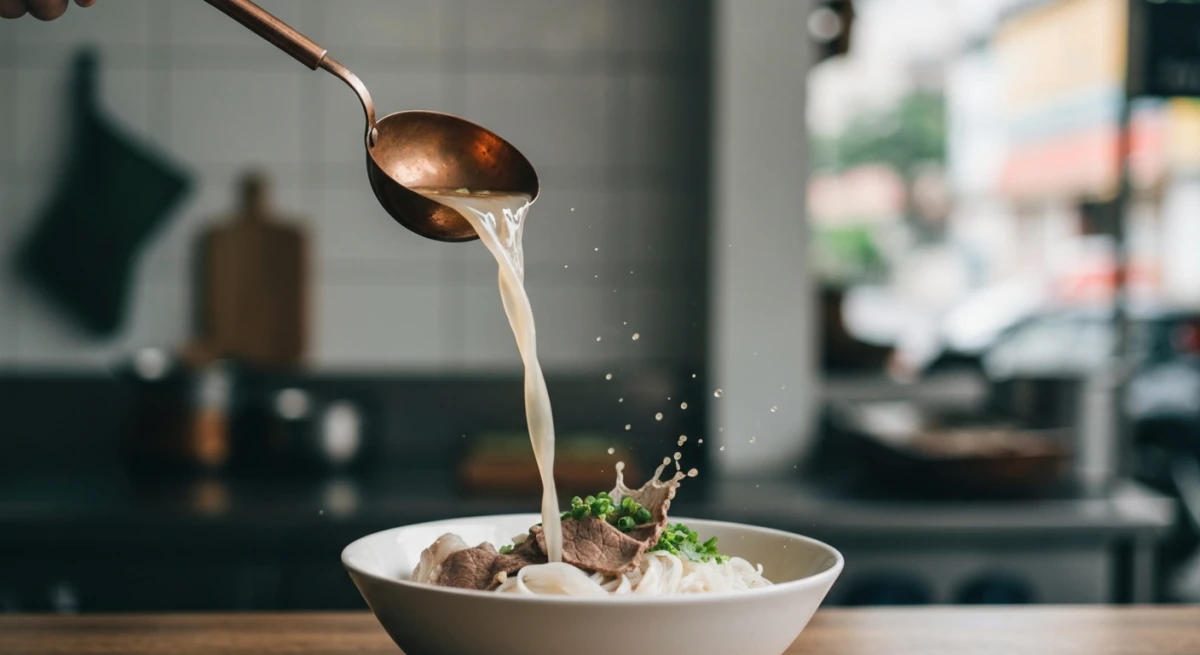
While Hanoi has its delicate pho and Ho Chi Minh City boasts its bustling sweet-and-savory street stalls, Da Nang is Vietnam's true culinary dark horse. Positioned squarely in the middle of the country, this coastal city acts as a delicious melting pot of flavors. If you are looking for the absolute best da nang things to eat, you have landed in the right place. From the rustic, turmeric-infused noodles of Quang Nam province to the hyper-fresh seafood hauled straight out of the East Sea, Da Nang's food scene is bold, herbal, and unapologetically vibrant.
In this comprehensive local food guide, we will take you on a culinary tour of the streets, alleyways, and seaside shacks of Da Nang. You will discover not only what to eat but exactly where to find the most authentic versions of each dish, how to eat them like a local, and the culinary secrets that set Central Vietnamese cooking apart.
1. The Soul of Da Nang: Iconic Local Dishes You Cannot Miss
To truly understand Da Nang's culinary DNA, you must start with the dishes that locals eat daily. Unlike the milder flavors of the North, Central Vietnamese food leans heavily on fresh herbs, intense chilies, and complex, fermented seafood pastes.
Mì Quảng (Quang-style Noodles)
If Da Nang had an official dish, it would undoubtedly be Mì Quảng. Originating from the surrounding Quang Nam province, this dish is a beautiful chaos of textures and colors.
Unlike traditional Vietnamese noodle soups that swim in broth, Mì Quảng is served with only a shallow ladle of intensely savory, concentrated broth. The noodles themselves are wide, flat, and frequently tinted yellow with turmeric. Atop this bed of noodles, cooks pile a choice of proteins—ranging from tender pork belly and shrimp to chicken, beef, or even hard-boiled quail eggs.
But the magic of Mì Quảng lies in its toppings. It is served with a mountain of fresh greens (including banana blossom, mint, and Vietnamese coriander), roasted peanuts, scallions, and a giant, toasted sesame rice cracker (bánh tráng).
- How to Eat It Like a Local: Do not just dig in. First, crush the toasted rice cracker directly over your bowl. Squeeze in a wedge of lime, add a spoonful of charred chili paste, and toss everything together so the herbs, peanuts, and cracker shards get coated in that rich, concentrated broth. Every bite should be simultaneously crunchy, chewy, spicy, and herbaceous.
- Where to Try It:
- Nu Đồ (11/1 Lưu Quang Thuận): Run by Chef Tuyet, this cozy spot elevates traditional Mì Quảng with premium ingredients and a gorgeous presentation.
- Mì Quảng Bà Mua (95A Nguyễn Tri Phương): A beloved local institution with several branches, famous for its rich, authentic broth.
Bánh Tráng Cuốn Thịt Heo (Pork Belly Wrapped in Rice Paper)
Simple in concept but extraordinary in execution, Bánh Tráng Cuốn Thịt Heo is the ultimate interactive meal. This dish features paper-thin slices of boiled pork belly that boast a perfect ratio of lean meat to creamy fat, served alongside an enormous platter of raw herbs, cucumbers, green bananas, and pickled carrots.
What truly defines this dish is mắm nêm—a pungent, fermented anchovy sauce that is seasoned with minced pineapple, garlic, chili, and lime juice. It is an absolute umami bomb. If you are squeamish about fermented fish sauces, this dish will convert you; the sweet acidity of the pineapple cuts through the funk perfectly.
- How to Eat It Like a Local: Place a sheet of dry rice paper on your palm, then lay a sheet of wet, square rice paper on top of it. Layer a selection of fresh herbs, a slice of green banana (for astringency), a slice of cucumber (for crunch), and a piece of pork belly. Roll it up tightly, dip it generously into the mắm nêm, and enjoy.
- Where to Try It:
Bún Chả Cá (Fish Cake Noodle Soup)
Being a coastal city, Da Nang has mastered the art of seafood-based broths. Bún Chả Cá is a testament to this mastery. This colorful noodle soup features a light, sweet, and slightly sour broth made by simmering fish bones with local vegetables like pumpkin, cabbage, pineapple, and tomatoes.
The star of the bowl is the fish cakes (chả cá), which are made from fresh mackerel, featherback fish, or barracuda. The fish paste is seasoned with garlic, pepper, and dill, then kneaded vigorously to create a bouncy, springy texture before being either steamed or fried.
- How to Eat It Like a Local: Take advantage of the condiments on the table. A dollop of minced garlic, a squeeze of fresh lime, and some purple shrimp paste (mắm ruốc) will completely transform the broth, elevating its natural sweetness.
- Where to Try It:
- Bún Chả Cá Hờn (113/3 Nguyễn Chí Thanh): Always packed with locals, this spot is legendary for its deeply flavorful broth and generous portions.
- Bún Chả Cá 109 (109 Nguyễn Chí Thanh): Another fantastic, historic spot running for decades.
Bánh Xèo & Nem Lụi (Sizzling Pancakes & Lemongrass Pork Skewers)
Bánh Xèo (literally "sizzling cake") is a crispy pancake made from rice flour, water, and turmeric, filled with pork, small shrimp, and bean sprouts. In Da Nang, Bánh Xèo is smaller, thicker, and far crispier than its giant, thin Southern counterpart.
It is almost always ordered alongside Nem Lụi—minced pork skewers seasoned with garlic, shallots, and spices, wrapped around stalks of lemongrass, and grilled over hot coals.
Instead of a simple fish sauce, Da Nang-style Bánh Xèo is served with a rich, warm, brown dipping sauce made from pork liver, ground peanuts, and toasted sesame seeds. It is incredibly creamy and nutty.
- How to Eat It Like a Local: Tear off a piece of the crispy pancake, wrap it in a sheet of dry rice paper along with fresh lettuce, mint, and a piece of the grilled nem lụi (slide the pork off the lemongrass stalk using the wrap itself). Roll it up, dip it into the warm liver-peanut sauce, and prepare for a flavor explosion.
- Where to Try It:
- Quán Bà Dưỡng (K280/23 Hoàng Diệu): Tucked deep down a narrow alleyway, this iconic eatery is a sensory overload of smoke, sizzling grills, and hundreds of hungry diners.
2. Hidden Gems & Michelin-Recognized Street Food
While the big-name dishes grab the headlines, Da Nang's backstreets harbor incredible culinary secrets. Thanks to recent international recognition, several of the city's humble, family-run stalls have gained global fame.
Quán Nhân: The Legendary Michelin Bib Gourmand Duck Porridge
If you think porridge is only for sick days, Quán Nhân will radically change your mind. Awarded a coveted Bib Gourmand by the Michelin Guide, this humble family-run street food stall has been drawing massive crowds for its sensational Cháo Vịt (duck porridge) and poached duck.
Using a specific breed of duck sourced from nearby Cam Nam Island, the kitchen slow-simmers the meat to achieve an incredibly tender, melt-in-your-mouth texture. The broth is then used to cook a rich, velvety rice porridge infused with mung beans and coix seeds, giving it an earthy, nutty undertone.
- What to Order: Do not just get the porridge. Order a plate of their poached duck (vịt luộc) or their zesty duck salad (gỏi vịt), which is tossed with shredded cabbage, banana blossoms, fresh herbs, and a fiery ginger-fish dipping sauce. Dip the duck into the ginger sauce, take a bite, and follow it with a spoonful of hot, comforting porridge.
- Where to Find It: 83 Phan Tứ, Mỹ An Ward, Ngũ Hành Sơn District.
Bún Mắm Nêm (Fermented Fish Sauce Noodle Salad)
If you want to experience the true, unfiltered flavor of Central Vietnam, Bún Mắm Nêm is your ultimate culinary test. This dry noodle dish consists of cold vermicelli noodles, crispy-skinned roasted pork belly, tender boiled pork, beef sausage, and fresh herbs, all drenched in the infamous mắm nêm sauce.
It is loud, spicy, pungent, and utterly delicious. The addition of crunchy roasted peanuts, fried shallots, and sour pickled young papaya balances out the sheer intensity of the fermented fish sauce.
- Tasting Tip: This dish is spicy by default. If you cannot handle high heat, make sure to ask the vendor for "ít cay" (less spicy) or "không cay" (no chili), though locals will tell you that the chili is essential to cut through the richness of the fermented sauce.
- Where to Try It:
- Quán Vân (K23/14 Trần Kế Xương): Located in a famous "food alley," this is arguably the best spot in the city for an authentic, unapologetically bold bowl of Bún Mắm Nêm.
Bún Bò Huế (Da Nang-Style Beef Noodle Soup)
While Bún Bò Huế originated in the nearby imperial city of Hue, Da Nang has put its own unique stamp on this beloved beef noodle soup. The broth is still intensely aromatic, steeped with lemongrass, shrimp paste, and chili oil, but the Da Nang version tends to be slightly sweeter and features a wider array of toppings.
Expect a bowl loaded with tender beef shank, soft pork knuckles, cubes of congealed pig's blood, and bouncy beef balls, all served with thick, round rice noodles.
- Where to Try It:
- Bún Bò Bà Thương (23 Trần Quốc Toản): Serving customers since the 1970s, this historic shop is famous for its clear, deeply savory broth that doesn't rely on excessive grease.
3. Ocean-to-Table: Navigating Da Nang's Legendary Seafood Scene
No list of da nang things to eat is complete without mentioning seafood (hải sản). With kilometers of pristine coastline along the Son Tra Peninsula and My Khe Beach, Da Nang is a paradise for ocean lovers.
Unlike Western seafood restaurants where you order off a static menu, the best local spots in Da Nang operate like live-well markets.
How to Order Seafood Like a Local
When you walk into a traditional seaside seafood restaurant, you will see rows of plastic tubs filled with live crabs, clams, prawns, snails, and fish, all bubbling with oxygenators.
- Select Your Catch: Walk up to the tubs and point out what you want.
- Weigh It: The staff will scoop your selection into a basket and weigh it on a scale in front of you. They will quote you a price per kilogram (which includes cooking).
- Choose Your Preparation: This is where it gets exciting. You must specify how you want each item cooked.
- Sả Ớt: Steamed with lemongrass and chili (perfect for clams and snails).
- Mỡ Hành: Grilled with green scallion oil and crushed peanuts (incredible for oysters and scallops).
- Rang Me: Sautéed in a sweet, tangy tamarind sauce (the ultimate way to enjoy mud crab).
- Nướng: Charcoal grilled (best for fresh squid and prawns).
- Find a Table: Grab a seat, order a cold Larue beer (the local favorite), and wait for your freshly prepared feast to arrive.
Must-Try Seafood Delicacies
- Chip Chip (Lemongrass Clams): These small, local clams are the quintessential Da Nang beer food. Steamed quickly with stalks of lemongrass, ginger, and chili, they are sweet, briny, and incredibly addictive.
- Gỏi Cá Nam Ô (Nam Ô Raw Fish Salad): Often called the "Vietnamese Sashimi," this dish originates from the Nam Ô fishing village. Fresh herring is filleted, marinated in ginger, garlic, and fish sauce, and coated in toasted rice powder. It is wrapped in wild forest leaves and dipped in a rich, spicy sesame-peanut sauce.
- Where to Try Seafood:
- Quán Bà Rô (115 Lý Tử Tấn, Sơn Trà): Located away from the tourist-heavy beach strip, this is where local families go for incredibly cheap, ultra-fresh, and perfectly seasoned seafood.
- Hải Sản Bé Mặn (Lô 11 Võ Nguyên Giáp): A massive, chaotic, and high-energy seaside restaurant. It is touristy and loud, but the quality of the live seafood is undeniable.
4. A Foodie's Geographic Guide: Where to Stay and Eat in Da Nang
Da Nang is roughly divided into three main foodie zones. Knowing where to base yourself can make all the difference when planning your culinary adventures.
| Foodie District | Best For | Vibe | Key Dishes |
|---|---|---|---|
| Hải Châu (City Center) | Authentic local street food, historical coffee shops, night markets | Bustling, local, traditional | Mì Quảng, Bún Chả Cá, Bún Mắm Nêm |
| Mỹ An / An Thượng | Expat-friendly cafés, vegan/vegetarian food, craft beer, international fusion | Laid-back, beachy, international | Michelin Duck Porridge, Smoothie bowls, Specialty coffee |
| Sơn Trà (Peninsula & Beach) | Ultra-fresh seafood, ocean-view dining, local fishing village specialties | Scenic, breezy, high-energy | Live seafood (clams, oysters, crabs), Gỏi Cá Nam Ô |
City Center (Hải Châu)
If your primary goal is to eat traditional street food on tiny plastic stools, base yourself in Hải Châu. The labyrinth of streets here—particularly around Con Market (Chợ Cồn) and Han Market (Chợ Hàn)—is a goldmine for cheap, authentic eats. Don't miss the food court inside Con Market, where you can sample dozens of sweet and savory snacks (like Bánh Bột Lọc tapioca dumplings and Chè sweet soup) for less than $1 USD per plate.
The Expat Haven (An Thượng / Mỹ An)
If you want a mix of local street food and trendy Western-style comforts, My An is the place to be. This neighborhood boasts a thriving specialty coffee scene, excellent craft beer bars, and top-tier plant-based options like Roots Plant-Based Cafe and Loving Vegan. It is also home to the Michelin-starred Quán Nhân duck porridge.
5. Crucial Da Nang Dining Etiquette & Pro Tips
Eating in Vietnam is highly social and wonderfully informal, but there are a few local customs and practical tips that will help you navigate the food stalls like a seasoned pro.
What to Drink: Salt Coffee & Coconut Coffee
No food guide to Da Nang is complete without diving into its highly unique coffee culture. While Hanoi is famous for egg coffee, Da Nang and its neighboring town of Hue are the birthplace of Cà Phê Muối (Salt Coffee). This delicious concoction features a base of intense, dark-roasted Vietnamese robusta coffee topped with a layer of salted cream. The salt acts as a flavor enhancer, cutting through the natural bitterness of the robusta and elevating the sweet, caramelly notes of the condensed milk.
Another local favorite is Cà Phê Cốt Dừa (Coconut Coffee), which is essentially a robusta espresso poured over a velvety, thick slushie made from blended coconut cream and condensed milk. It is the ultimate refreshing treat on a hot tropical afternoon.
Essential Local Customs
- Embrace the Plastic Chairs: The best food in Da Nang is almost always served at establishments with low-slung, colorful plastic tables and chairs spilling onto the sidewalk. Do not be intimidated by the humble setup; these spots have often spent decades perfecting a single, legendary recipe.
- The Wet Wipe Traps: At most local sit-down restaurants, you will find packed wet wipes (khăn lạnh) on the table. Note that these are not free; you will be charged a small fee (usually around 2,000 to 5,000 VND) per wipe used.
- Sanitize Your Utensils: Before digging into your noodles, it is customary to take a lime wedge from the condiment tray, squeeze a little juice onto a napkin, and use it to wipe down your chopsticks and spoon.
- Tipping Culture: Tipping is not expected or traditional in local Vietnamese eateries. In upscale Western restaurants or high-end hotel dining rooms, a 5-10% tip is appreciated but entirely optional.
- Carry Cash: While high-end restaurants accept credit cards, almost 90% of street food vendors, local cafes, and market stalls in Da Nang are cash-only. Keep a stash of small-denomination bills (10,000 VND, 20,000 VND, and 50,000 VND) handy.
6. FAQ: Frequently Asked Questions About Eating in Da Nang
Is street food in Da Nang safe to eat?
Yes, street food in Da Nang is generally safe and highly hygienic. Because of the high turnover rate of popular stalls, ingredients are purchased fresh daily and cooked right in front of you. To play it safe, eat at stalls that are crowded with local families—high traffic is the ultimate seal of quality and freshness. Avoid drinking tap water; stick to bottled water or the free iced green tea (trà đá) provided by most stalls.
What is the average price of a meal in Da Nang?
Eating in Da Nang is incredibly affordable. A bowl of local noodles (like Mì Quảng or Bún Chả Cá) at a street food stall typically costs between 30,000 and 50,000 VND ($1.20 to $2.00 USD). A sit-down dinner featuring crispy Bánh Xèo and Nem Lụi for two will set you back about 150,000 to 200,000 VND ($6.00 to $8.00 USD). Even a massive fresh seafood feast with live crabs and clams usually costs less than $15 to $20 USD per person.
What is the most famous food in Da Nang?
The most famous and iconic dish in Da Nang is Mì Quảng (Quang-style turmeric noodles). It is deeply tied to the cultural heritage of the Central region and is an absolute must-eat for any visitor.
Are there vegetarian or vegan options in Da Nang?
Absolutely. Da Nang has a strong Buddhist heritage, meaning you will find many traditional vegetarian restaurants (look for signs that say Quán Chay). In addition, the An Thuong neighborhood features modern, plant-based cafes serving everything from vegan smoothie bowls to gourmet chickpea burgers.
Concluding Your Culinary Adventure in Da Nang
Da Nang's culinary scene is a vibrant tapestry woven from the ocean's bounty, fertile river plains, and centuries of central Vietnamese tradition. It is a city where you can feast on Michelin-recommended duck porridge for breakfast, graze on crispy pork-filled pancakes in a hidden alleyway for lunch, and crack open live, lemongrass-steamed clams by the sea as the sun sets.
The next time you visit this beautiful coastal gem, skip the generic hotel buffets. Step out onto the bustling sidewalks, pull up a tiny plastic stool, and let your taste buds guide you through the rich, spicy, and unforgettable landscape of Da Nang's street food.