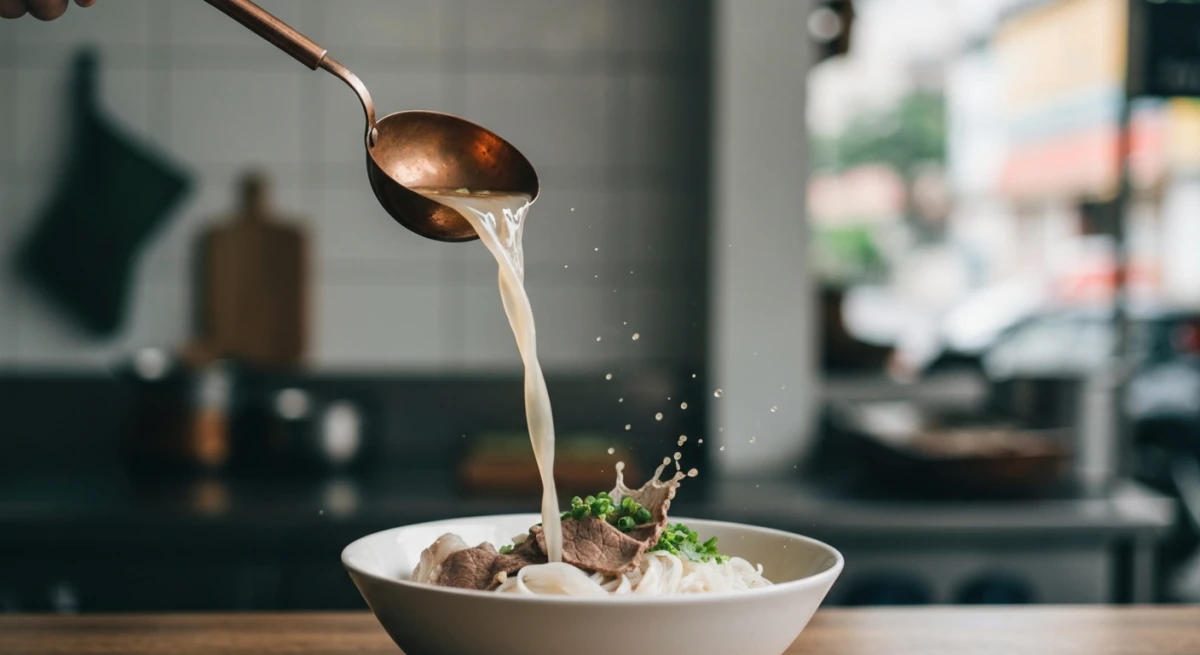
The Soul of Central Vietnam: An Introduction to Da Nang's Culinary Identity
Da Nang is not only famous for its golden beaches and stunning bridges but also for its rich, unforgettable food culture. Da Nang specialty food represents a vibrant fusion of flavors. Located in the heart of Central Vietnam, the city serves as a culinary crossroads, blending the royal refinement of Hue, the rustic heartiness of Quang Nam, and its own fresh coastal bounty. Unlike the sweeter profile of Southern dishes or the delicate, subtle flavors of the North, the food in Da Nang is characterized by bold, robust spices, a generous use of fresh herbs, and pungent dipping sauces that leave a lasting impression on your palate.
If you are looking for the absolute best da nang specialty food, you are in for a culinary adventure of a lifetime. The magic of this city's cuisine lies in its diversity—from rich turmeric-scented noodles to fresh, fermented seafood dishes and crispy savory crepes. Understanding how geography and local tradition have shaped these local dishes is the first step to truly appreciating the complex flavor profiles you will encounter on every street corner, from bustling neighborhood markets to tiny alleyways lined with plastic red stools. Let us dive deep into this ultimate guide to Da Nang's local food scene and discover what to eat, how to eat it, and where to find the most authentic bites.
The Iconic Dishes You Cannot Afford to Miss
1. Mì Quảng (Quang-Style Noodles)
If there is one dish that represents the absolute pinnacle of da nang specialty food, it is Mì Quảng. Originating from the neighboring Quang Nam province, this dish is a beloved staple that locals eat for breakfast, lunch, and dinner. It represents the rustic agricultural heritage of the region, where farmers needed a hearty, portable meal to sustain them during long hours in the rice fields.
What makes Mì Quảng distinct from other Vietnamese noodle soups like Pho is the structure of the dish. Instead of being submerged in broth, Mì Quảng is served with only a small ladle of intense, highly concentrated, turmeric-infused broth that barely covers the bottom of the bowl. This historical low-volume broth was intentional, ensuring the noodles did not get soggy while being carried to the fields. The noodles themselves are wide, flat, and made from rice flour, often infused with turmeric to give them a vibrant yellow hue.
The proteins in Mì Quảng vary widely, allowing you to choose your own culinary adventure. Classic options include tender pork slices, fresh shrimp, quail eggs, and chicken. For a truly adventurous and hyper-local experience, you must try 'Mì Quảng Ếch' (Quang noodles with frog meat), where tender, lemongrass-marinated frog is simmered in a clay pot and served alongside the noodles.
No bowl of Mì Quảng is complete without its essential toppings: a handful of fresh roasted peanuts, crispy scallions, fresh herbs, and a large piece of toasted sesame rice cracker ('bánh tráng'). A traditional herb basket contains at least nine different types of greens, including baby mustard greens, mint, Vietnamese coriander (rau răm), basil, perilla, green onion, and finely shredded banana blossom. To eat it like a local, break the rice cracker into small pieces, mix it directly into the bowl to add a smoky crunch, squeeze a wedge of lime, add a few slices of fresh green chili ('ớt xiêm xanh'), and toss the entire mixture together so every strand of noodle is coated in the savory broth.
2. Bánh Tráng Cuốn Thịt Heo (Sliced Pork Wrapped in Rice Paper)
Bánh Tráng Cuốn Thịt Heo is a masterclass in the balance of textures and fresh ingredients. Although it may sound like a simple pork wrap, this da nang specialty food is a highly refined dish that requires precision in sourcing and preparation.
The star of the show is the pork belly. Local chefs specifically select pork from pigs of a certain weight (typically 55kg to 60kg) to ensure the meat is exceptionally tender, with a perfect ratio of lean meat to fat. The pork is boiled with ginger, shallots, and onions until fully cooked, then sliced thin. The hallmark of an authentic Da Nang preparation is the 'two-skin pork' ('thịt heo hai đầu da'), which means each slice is cut so expertly that a thin layer of translucent skin remains at both ends of the slice.
To assemble the roll, you are presented with a dry sheet of rice paper and a soft, steamed rice noodle sheet ('bánh ướt'). The contrast of the hot, moist steamed rice sheet and the dry, chewy rice paper creates a fascinating dual-textured wrap. You place the dry rice paper down, press the soft rice noodle sheet onto it, and then layer a slice of the pork belly along with an abundant platter of fresh, raw vegetables. This herb platter is massive and includes lettuce, basil, perilla, mint, green banana slices, cucumber, and green mango.
The final piece of the puzzle is 'mắm nêm', a strong, fermented anchovy dipping sauce. Mixed with minced garlic, chili, sugar, lime juice, and finely chopped pineapple, this sauce is a complex sweet, sour, spicy, and deeply savory umami bomb. If you are hesitant about fermented fish sauce, this is the dish that will convert you.
3. Bún Chả Cá (Fish Cake Noodle Soup)
Being a coastal city, Da Nang has access to an incredible bounty of fresh seafood, which is beautifully utilized in Bún Chả Cá. This fish cake noodle soup is a comforting, vibrant, and incredibly fragrant da nang specialty food that highlights the delicate essence of the sea.
The broth is the heart of this dish. Unlike beef-based broths, the broth for Bún Chả Cá is boiled from fish bones, sweet pumpkin, cabbage, pineapple, tomatoes, and bamboo shoots. This combination yields a naturally sweet, slightly tart, and incredibly clear broth that is completely free of any fishy smell. The addition of pumpkin and pineapple acts as natural sweetening agents, giving the broth a rich depth of flavor without the need for artificial additives.
The noodles are topped with two types of handmade fish cakes: 'chả cá chiên' (golden fried fish cakes) and 'chả cá hấp' (delicate steamed fish cakes). These cakes are made from mackerel, barracuda, or lizardfish, spiced with black pepper, garlic, and dill, and kneaded vigorously by hand to achieve a chewy, springy texture.
When your bowl is served, it is accompanied by a plate of fresh raw herbs, split water spinach, and banana flowers. To elevate the flavors, locals always add a spoonful of pungent purple shrimp paste ('mắm ruốc'), a squeeze of fresh lime, and a few spoonfuls of sweet pickled shallots and minced chilies. The contrast between the hot, sweet-savory broth, the chewy fish cakes, and the spicy, tangy condiments makes every spoonful a delight.
4. Gỏi Cá Nam Ô (Nam Ô Raw Fish Salad)
For food explorers looking to push their culinary boundaries, Gỏi Cá Nam Ô is the ultimate da nang specialty food to try. Often referred to as 'Da Nang's local sashimi,' this dish originates from the ancient Nam Ô fishing village, located at the foot of the scenic Hai Van Pass. This 500-year-old fishing village at the mouth of the Cu De River is famous for its high-quality fish sauce and exceptionally sweet, fresh catches.
This dish is typically prepared using freshly caught herring or anchovies. The fish is deboned, sliced thin, and marinated in a mixture of lime juice, vinegar, ginger, and garlic to gently cook the flesh through acidity. There are two variations of this salad:
- 'Gỏi cá khô' (Dry fish salad): After marinating, the fish is drained and tossed in a fragrant, dry mixture of toasted ground rice ('thính'), sesame seeds, and chili powder.
- 'Gỏi cá ướt' (Wet fish salad): The marinated fish is kept in a rich, spicy, and savory sauce made from boiled fish broth, ginger, chili, and local fish sauce.
What truly elevates Gỏi Cá Nam Ô is the incredible variety of wild forest herbs and leaves served alongside it. These herbs are hand-picked from the slopes of the Truong Son mountain range and the Hai Van Pass, including unique leaves like 'lá trâm', 'ngạnh', 'mơ', and 'đinh lăng'. These herbs are not just for flavor; they are traditionally believed to aid digestion and neutralize the raw nature of the fish. To eat, you wrap the fish and wild leaves in a sheet of dry rice paper, roll it up, and dip it into a dense, sweet-savory dipping sauce made from Nam Ô fish sauce and crushed peanuts.
5. Bún Mắm Nêm (Rice Vermicelli with Fermented Anchovy Sauce)
If you fell in love with the dipping sauce from the pork rolls, then Bún Mắm Nêm is the next da nang specialty food you need to seek out. This is a rustic, intensely flavored noodle salad that is a favorite among locals looking for a quick, punchy meal.
Unlike Bún Chả Cá, this dish is served dry without any hot broth. In a bowl, rice vermicelli noodles are layered over a bed of fresh greens, including lettuce, mint, basil, and shredded green papaya. The bowl is then loaded with various toppings, such as crispy-skinned roast pork ('heo quay'), boiled pork, chewy pig ears, and seasoned beef patties ('chả bò'). Often, it is paired with 'Mít Trộn' (shredded young jackfruit salad), which adds a pleasant, starchy crunch.
The entire bowl is generously drizzled with pure, seasoned 'mắm nêm'. Topped with roasted peanuts, crispy fried shallots, and a spoonful of spicy red chili jam, you mix the entire bowl together before diving in. It is fiery, pungent, salty, and incredibly addictive.
6. Bánh Xèo & Nem Lụi (Crispy Crepes & Lemongrass Pork Skewers)
While Bánh Xèo can be found throughout Vietnam, the Da Nang version has its own distinct regional style. Da Nang's Bánh Xèo is much smaller and thicker than the giant, paper-thin crepes found in the South, resulting in a significantly crunchier bite.
The batter is made from rice flour, coconut milk, and turmeric powder, which gives it a bright yellow color. It is fried in a small, sizzling pan until the edges become ultra-crispy, then filled with pork, fresh shrimp, and bean sprouts.
To eat Bánh Xèo, you pair it with 'Nem Lụi'—savory pork skewers wrapped around stalks of lemongrass and grilled over hot charcoal, infusing the meat with a smoky, citrusy aroma.
The wrapping process is an art form: you take a sheet of dry rice paper, place a piece of the crispy crepe and a pork skewer (sliding the lemongrass stalk out) inside, add a handful of fresh lettuce, mint, and sour starfruit or green banana slices, and roll it tightly. Instead of the standard sweet fish sauce, Da Nang locals dip these rolls into a warm, thick, and incredibly savory peanut-liver sauce ('nước lèo'), which is made from ground pork liver, peanuts, and sesame seeds. It is rich, nutty, and completely unforgettable.
Delightful Local Snacks and Sweet Treats
No culinary journey through Da Nang is complete without exploring the city's rich street snacking culture and sweet desserts.
1. Bánh Bèo, Bánh Nậm, and Bánh Lọc (Steamed Rice Cakes)
These three delicate steamed cakes are Central Vietnamese specialties that have been perfected in Da Nang:
- 'Bánh Bèo': Tiny, individual ceramic saucers filled with a steamed rice flour batter, topped with savory minced shrimp, crispy pork rinds, scallion oil, and a drizzle of sweet-and-spicy fish sauce. You eat them by scraping the cake out of the saucer with a small bamboo spoon.
- 'Bánh Nậm': A flat, rectangular rice flour cake wrapped in banana leaves, filled with a paste of minced pork and shrimp, and steamed. It is soft, silky, and melts in your mouth.
- 'Bánh Lọc': Chewy, translucent tapioca dumplings filled with a whole caramelized shrimp and a small piece of pork belly. The chewiness of the tapioca paired with the savory, sweet filling is a texturally exciting experience.
2. Mít Trộn (Shredded Young Jackfruit Salad)
An often overlooked gem of da nang specialty food, Mít Trộn is a refreshing, savory salad made from boiled young jackfruit. The jackfruit is shredded and tossed with boiled pork skin, shrimp, Vietnamese coriander, roasted peanuts, and fried shallots, seasoned with a sweet chili fish sauce. It is served with a crispy sesame rice cracker, which you use as a spoon to scoop up the salad. The contrast between the soft, starchy jackfruit, the chewy pork skin, and the crunchy cracker is highly addictive.
3. Bánh Mì Đà Nẵng
Unlike the lighter, airier baguettes of Saigon, Da Nang's Bánh Mì features a denser, crispier bread. The filling is a savory powerhouse: rich homemade pate, mayonnaise, thick cuts of premium Vietnamese ham ('chả lụa'), headcheese, and grilled pork, topped with green onions and a unique, concentrated savory sauce instead of the typical pickled daikon and carrots.
4. Kem Bơ (Avocado Ice Cream)
To beat the tropical heat of Central Vietnam, locals flock to market stalls for a glass of Kem Bơ. This beloved dessert consists of a thick, velvety puree of fresh avocado at the bottom of the glass, topped with a scoop of sweet, creamy coconut ice cream, a splash of coconut milk, and a handful of crispy toasted coconut shreds and roasted peanuts. It is incredibly rich, satisfying, and not overly sweet.
5. Chả Bò Đà Nẵng (Da Nang Beef Sausage)
If you want to bring a piece of da nang specialty food home with you, Chả Bò is the perfect edible souvenir. This unique beef sausage is made from high-quality lean beef, seasoned generously with garlic, black pepper, and fish sauce, then wrapped tightly in banana leaves and boiled. It has a beautiful pink color, a firm and springy texture, and a bold, peppery kick. You will often see it sliced and served as an appetizer, added to noodle soups, or eaten alongside local sticky rice.
Where to Find the Best Da Nang Specialty Food
To truly experience these local delicacies like a local, you must know where to go. Here are the top culinary hubs in Da Nang:
1. Con Market (Chợ Cồn)
Located in the heart of the city, Con Market is the ultimate food paradise. The market is split into an indoor food court ('Khu ẩm thực trong nhà') and an outdoor food street ('Khu ẩm thực ngoài trời'). Here, you can walk from stall to stall and try almost every single da nang specialty food mentioned in this guide for incredibly cheap prices, typically ranging from 15,000 to 40,000 VND ($0.60 to $1.70 USD) per dish. The atmosphere is loud, energetic, and filled with intoxicating aromas.
2. Han Market (Chợ Hàn)
While Han Market is more geared toward tourists looking for souvenirs and dried goods, the surrounding streets are lined with legendary local eateries. It is a fantastic place to shop for dried seafood, 'Bánh Khô Mè' (sesame cakes), and packed 'Chả Bò' to take home, while also enjoying premium bowls of Mì Quảng and Bún Chả Cá at nearby established family restaurants.
3. Helio Night Market & Son Tra Night Market
If you prefer a vibrant night-time atmosphere, these night markets are fantastic. Helio Night Market is clean, spacious, and features live music alongside hundreds of food stalls serving fresh seafood, local street eats, and refreshing drinks. Son Tra Night Market, located right next to the iconic Dragon Bridge, is perfect for grab-and-go snacks while watching the Dragon Bridge breathe fire and water on the weekend.
Frequently Asked Questions (FAQ)
Is Da Nang specialty food spicy?
Generally, yes. Central Vietnamese cuisine is known for having a spicier kick than Northern or Southern food. However, most spice in Da Nang is served on the side. Dishes like Mì Quảng or Bún Chả Cá are not inherently fiery; instead, plates of fresh chilies, chili jam, and satay are provided at your table, allowing you to customize the heat level to your liking.
What is the difference between Mì Quảng and Pho?
The primary differences lie in the noodles, the broth, and the herbs. Pho uses thin, delicate white rice noodles submerged in a large volume of clear, aromatic beef or chicken broth that has been simmered for hours. Mì Quảng uses wide, flat noodles (often colored yellow with turmeric) served in a very small amount of rich, concentrated, savory broth. Mì Quảng also incorporates a wider variety of fresh forest herbs, crushed peanuts, and crispy sesame rice crackers, giving it a much more textured, rustic mouthfeel.
Is 'Mắm Nêm' safe for foreigners to eat?
Yes, 'mắm nêm' is perfectly safe to eat, as it is prepared using traditional fermentation methods that preserve the fish while killing harmful bacteria. However, because it is made from fermented anchovies, it has a very strong, pungent aroma and a deep, salty flavor. If you are new to fermented fish sauces, start by mixing a small amount into your dishes or asking the vendor to dilute it with a little more pineapple juice and sugar.
How much should I expect to pay for a meal in Da Nang?
Street food in Da Nang is incredibly affordable. A bowl of Mì Quảng or Bún Chả Cá at a local stall typically costs between 30,000 and 50,000 VND ($1.25 to $2.10 USD). Pork rolls ('Bánh Tráng Cuốn Thịt Heo') cost around 50,000 to 80,000 VND ($2.10 to $3.35 USD) per portion. A glass of avocado ice cream ('Kem Bơ') is about 20,000 to 35,000 VND ($0.85 to $1.50 USD).
Savoring Every Bite
Da Nang is a city that captures the hearts of travelers not just through its scenic landscapes, but through its kitchen. Exploring da nang specialty food is an active immersion into the culture, history, and daily life of the local people. Each bite of crispy crepe, each slurp of rich turmeric broth, and each wrap of tender pork belly tells a story of resilience, creativity, and a deep respect for the land and sea.
Whether you are dining on plastic stools on a busy sidewalk or sitting in a bustling market hall, keep an open mind, embrace the bold aromas of fermented sauces, and let your taste buds guide you through the rich culinary landscape of this coastal gem.