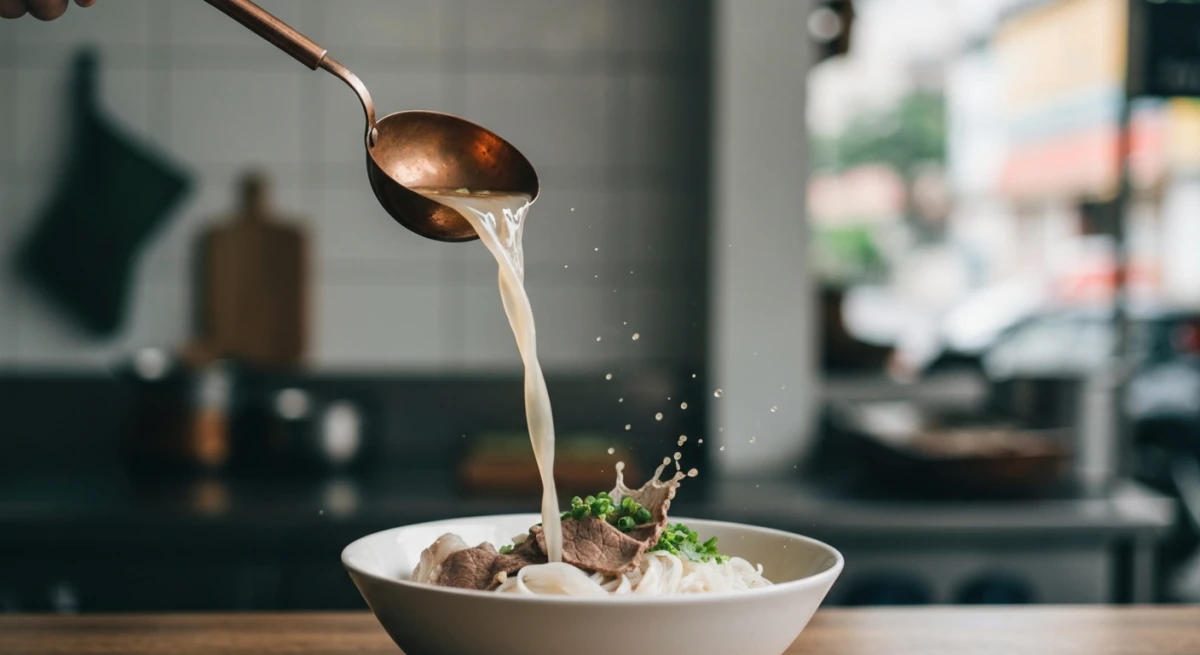
Finding the danang best food isn't just about ticking off a list of highly-rated restaurants—it is an immersion into a unique culinary crossroads. Located in the heart of Central Vietnam, Da Nang serves as a vibrant melting pot where the rustic, fiery flavors of neighboring Quang Nam and Hue provinces collide with the fresh, bountiful catches of the East Sea. Whether you are wandering through bustling local markets, sitting on a low plastic stool in a hidden alleyway, or dining beachfront with the ocean breeze in your hair, this coastal city offers an unforgettable culinary adventure.
In this definitive guide, we will dive deep into the essential dishes that define the region's food scene, reveal the exact locations where locals eat, explore the city's legendary food markets, and give you practical tips to navigate the street food landscape like a seasoned pro.
1. The Holy Grail of Noodle Dishes
No exploration of Da Nang's food scene is complete without indulging in its legendary noodle culture. Unlike the southern region with its sweet broths or the northern region with its delicate, clear soups, Central Vietnamese noodles are bold, textural, and intensely flavorful.
Mì Quảng (Quang-style Noodles)
If Da Nang had an official culinary ambassador, it would undoubtedly be Mì Quảng. Originating from the surrounding Quang Nam province, this dish is the quintessential soul food of the region.
What sets Mì Quảng apart is its construction. Instead of a deep bowl of soup, it is a semi-dry noodle salad. The noodles are wide, flat, and thick, made from rice flour and sometimes tinted a vibrant golden-yellow with turmeric. The broth is highly concentrated—a rich, savory reduction made from pork bones, shrimp, shallots, garlic, and black pepper. Only a small ladleful of this intense broth is poured over the noodles, just enough to coat them.
The protein toppings vary wildly: tender pork belly, whole river shrimp, quail eggs, chicken, or even frog (Mì Quảng Ếch), which is slow-cooked in turmeric and lemongrass. Finally, the dish is crowned with a mountain of fresh herbs (banana blossom, mint, perilla, coriander), toasted peanuts, green scallions, and a crispy sesame rice cracker (bánh tráng mè).
- How to eat it: Break up the crispy rice cracker and toss it directly into the bowl. Add a squeeze of fresh lime juice, a spoonful of local chili jam, and mix the ingredients thoroughly so the noodles absorb the concentrated broth. Take a bite of a raw green chili between mouthfuls for the authentic local experience.
- Best Spots to Try:
- Mì Quảng Bà Mua: 95A Nguyễn Tri Phương, Hải Châu (famous multi-generational brand with an incredibly rich broth).
- Mì Quảng Ếch Bếp Trang: 24-26 Lê Hồng Phong (known for serving their turmeric-braised frog in individual clay pots).
- Nu ĐỒ Noodle: 11/1 Lưu Quang Thuận (a modern, boutique spot where the chef elevates traditional family recipes with high-quality ingredients).
Bún Chả Cá (Fish Cake Noodle Soup)
Being a coastal city, Da Nang has mastered the art of fish cakes (chả cá). Bún Chả Cá is a breakfast and dinner staple that captures the essence of the ocean.
The magic of this dish lies in its balance of flavors. The broth is exceptionally light, sweet, and tangy, simmered for hours using fish bones, pumpkin, pineapple, tomatoes, cabbage, and fermented bamboo shoots. This combination cuts through any fishiness, leaving a refreshing, aromatic soup. The star of the bowl is the fish cakes, which are hand-kneaded from fresh mackerel or featherback fish, then either steamed to a springy texture or fried to a golden crisp.
- How to eat it: Elevate your bowl with a small dollop of shrimp paste (mắm tôm), pickled garlic, minced chilies, and a large handful of fresh herbs and raw beansprouts.
- Best Spots to Try:
- Bún Chả Cá 109 Nguyễn Chí Thanh: 109 Nguyễn Chí Thanh, Hải Châu (an iconic establishment that has been serving locals for over 40 years).
- Bún Chả Cá Hờn: 139/5 Hùng Vương, Hải Châu (hidden down a busy alley, famous for its deeply flavorful broth).
Bún Mắm Nêm (Noodle Salad with Fermented Anchovy Sauce)
For those seeking a true flavor explosion, Bún Mắm Nêm is the ultimate test of your culinary adventurousness. It is pungent, spicy, savory, and absolutely addictive.
Instead of a mild broth, this dry noodle dish is dressed with mắm nêm—a thick, fermented anchovy sauce spiked with minced pineapple, garlic, sugar, lime juice, and lots of fresh chili. The noodles are thin rice vermicelli (bún), topped with a variety of textures: crispy roast pork (heo quay) with perfectly crackled skin, boiled pork, Vietnamese ham (chả lụa), shredded green papaya, herbs, and toasted peanuts.
- How to eat it: Don't let the strong smell deter you. Stir the bowl thoroughly to distribute the pungent dressing. The sweetness of the pineapple and the heat of the chili perfectly balance the rich, salty fermented fish sauce.
- Best Spots to Try:
- Bún Mắm Bà Thuyên: K424/03 Lê Duẩn, Thanh Khê (a legendary alleyway stall that has perfected this dish over decades).
- Bún Mắm Ngọc: 20 Đoàn Thị Điểm, Hải Châu (highly popular among local students for its generous portions and fiery sauce).
2. Sizzling Crepes and Savory Wraps
The interactive nature of Central Vietnamese cuisine is best experienced through its wraps and rolls. Eating here is a hands-on activity where you assemble your own perfect bites.
Bánh Xèo (Vietnamese Savory Crispy Pancakes)
While Southern Vietnam is famous for its large, thin, coconut-infused crepes, Da Nang's version of Bánh Xèo is smaller, thicker, and spectacularly crispy.
These savory pancakes are cooked in individual, small cast-iron pans over high heat. The batter, made from rice flour, water, and turmeric powder, is ladled into the sizzling oil, followed by a handful of pork belly strips, fresh river shrimp, and crunchy bean sprouts. It is fried until the edges are golden, lacy, and shatteringly crisp.
In Da Nang, Bánh Xèo is almost always ordered alongside Nem Lụi—succulent, grilled pork skewers wrapped around lemongrass stalks.
- How to eat it: Place a sheet of dry, thin rice paper (bánh tráng) on your palm. Layer it with a leaf of mustard greens or lettuce, fresh herbs (mint, perilla, basil), and a strip of pickled green papaya or cucumber. Fold a piece of the crispy Bánh Xèo in half, place it on the greens, and add a Nem Lụi (sliding the lemongrass skewer out). Roll everything tightly. The defining element is the dipping sauce (nước lèo): a warm, thick, velvety paste made from ground pork liver, roasted peanuts, sesame seeds, and soy sauce. It is rich, nutty, and savory, offering a massive contrast to the typical fish-sauce-based dips found elsewhere.
- Best Spots to Try:
- Bánh Xèo Bà Dưỡng: K280/23 Hoàng Diệu, Hải Châu (tucked deep at the end of a narrow alley, this is the uncontested king of Bánh Xèo in Da Nang. Despite the crowds, the quality remains superb).
- Bánh Xèo Tôm Nhảy Cô Ba: 248 Trưng Nữ Vương, Hải Châu (famous for using 'jumping' fresh shrimp that sweeten every bite).
Bánh Tráng Cuốn Thịt Heo (Pork Wrapped in Rice Paper)
On a hot tropical afternoon, there is nothing more refreshing than a platter of Bánh Tráng Cuốn Thịt Heo. It is a deceptively simple dish that relies entirely on the quality and freshness of its ingredients.
The centerpiece is boiled pork, but not just any cut. Locals prize the 'thịt heo hai đầu da'—a specific cut of pork belly where both ends of the slice feature a strip of tender, gelatinous rind. This pork is served alongside an incredibly diverse plate of raw greens (up to 15 varieties, including fish mint, perilla, lettuce, banana blossom, cucumber, green banana, and sour starfruit).
- How to eat it: Take a sheet of dry rice paper, press a sheet of thin, wet rice noodle (bánh ướt) onto it to create a soft, dual-textured wrapper. Layer your mountain of herbs, a slice of green banana, a slice of pork, and roll it up. Dip the roll into a bowl of mắm nêm (fermented anchovy sauce) sweetened with pineapple and kicked up with chili.
- Best Spots to Try:
- Quán Trần: 4 Lê Duẩn, Hải Châu (a beautifully designed, upscale restaurant perfect for experiencing this dish in an air-conditioned, clean environment).
- Quán Mậu: 35 Đỗ Thúc Tịnh, Cẩm Lệ (a rustic, beloved local spot that offers an incredibly authentic and budget-friendly version of the dish).
3. Coastal Bounties: The Fresh Seafood Culture
With miles of pristine coastline stretching along My Khe and Non Nuoc beach, Da Nang is a paradise for seafood lovers. The local seafood culture is casual, vibrant, and incredibly fresh.
The coastal strip along Võ Nguyên Giáp Street is lined with massive, open-air seafood restaurants (quán hải sản). Here, the dining experience is highly interactive. You walk up to rows of blue plastic water basins filled with live crabs, prawns, clams, oysters, and fish. You choose your seafood, pay by the weight, and instruct the kitchen on how you want it prepared.
Must-Try Seafood Dishes
- Chíp Chíp hấp sả: Chíp chíp are small, sweet local clams unique to this stretch of coast. They are steamed rapidly in a metal pot with fresh lemongrass, ginger, and chili. The broth is sweet and salty, perfect for drinking straight.
- Mực chiên mắm: Tender baby squid deep-fried and tossed in a rich, caramelized fish sauce glaze.
- Hàu nướng mỡ hành: Plump oysters grilled over live charcoal, topped with sizzling scallion oil, crispy fried shallots, and crushed roasted peanuts.
- Cua / Ghẹ rang me: Mud crabs or blue swimmer crabs stir-fried in a thick, tangy, and slightly sweet tamarind sauce.
Best Spots to Try:
- Hải Sản Năm Đảnh: K139/H59/38 Trần Quang Khải, Sơn Trà. This is the stuff of local legend. Located deep in a labyrinth of residential alleys in the Son Tra peninsula, this massive, hyper-casual venue is packed daily. They serve exceptionally fresh seafood at incredibly low, near-wholesale flat prices (most dishes are historically around 60,000 VND). Avoid peak hours as the wait times can be long.
- Hải Sản Bé Mặn: Lô 11 Võ Nguyên Giáp, Sơn Trà. If you want the classic beachside experience, Bé Mặn is an institution. It is massive, noisy, brightly lit, and highly energetic. You eat on steel tables while watching the ocean, drinking cold local beers over ice, and devouring fresh catches of the day.
4. The Sweet Side: Local Desserts and Coffee Culture
After indulging in the savory and spicy delights of Da Nang, your palate will crave something sweet and refreshing. The city offers unique desserts and a coffee culture that rivals any other destination in Vietnam.
Kem Bơ (Avocado Ice Cream)
While avocado is treated as a savory ingredient in many Western countries, in Vietnam, it is the star of one of the country's best sweet treats. To experience the absolute danang best food, you must seek out this creamy concoction.
Kem Bơ is a simple yet genius dessert. It starts with a base of freshly blended, velvety-smooth avocado purée (which is rich but not overly sweet). This is topped with a generous scoop of homemade, creamy coconut ice cream. The magic lies in the toppings: a heavy sprinkle of toasted coconut flakes and dried sweet jackfruit.
- How to eat it: Grab a spoon and mix the green avocado paste with the melting coconut ice cream. Each bite is a luxurious contrast of textures—the buttery avocado, the sweet coconut cream, and the tropical crunch of the dried coconut chips.
- Best Spots to Try:
- Kem Bơ Cô Vân: Inside the food court of Chợ Bắc Mỹ An (Bac My An Market). This humble stall is legendary, drawing students, locals, and tourists from all over the city. It is arguably the birthplace of the modern Kem Bơ craze.
The Rise of Salted Coffee (Cà Phê Muối)
Though Salted Coffee originated in the imperial city of Hue, Da Nang has embraced this caffeinated masterpiece and made it its own.
A standard Cà Phê Muối consists of robust Vietnamese robusta coffee brewed through a traditional metal filter (phin), dripping directly over a layer of condensed milk. This is topped with a thick, velvety layer of salted cold cream foam.
- How to eat it: Stir the salt-infused cream foam into the dark coffee and condensed milk. The salt acts as a flavor enhancer, cutting down the natural bitterness of the robusta beans while highlighting the caramel sweetness of the condensed milk.
- Best Spots to Try:
- Cà Phê Muối Alley (K142/34 Điện Biên Phủ): A quiet, charming spot hidden away from the main roads that serves an incredibly balanced salted coffee.
- Út Tịch Café: 102 Bạch Đằng (located right on the scenic Han Riverfront, this cafe blends retro, vintage design with fantastic local coffees).
5. Culinary Neighborhoods and Markets: Where to Wander
If you have limited time and want to maximize your culinary exploration, heading directly to one of Da Nang's iconic food markets or neighborhoods is the best strategy.
Chợ Cồn (Con Market)
- Location: Corner of Hùng Vương and Ông Ích Khiêm, Hải Châu.
- The Vibe: Con Market is the culinary beating heart of Da Nang. The indoor food court ('Khu ẩm thực') is a sensory playground. Narrow lanes are lined with dozens of food stalls, each managed by local matriarchs who have spent decades perfecting a single dish.
- What to eat: Here you can graze on small, cheap portions of everything: bánh bèo (steamed rice cakes in tiny porcelain cups), ram cuốn cải (crispy spring rolls wrapped in mustard leaves), bún mắm, and a colorful array of chè (Vietnamese sweet dessert soups).
Chợ Bắc Mỹ An (Bac My An Market)
- Location: 25 Nguyễn Bá Lân, Ngũ Hành Sơn.
- The Vibe: Located near the University of Economics, this market is a magnet for students and budget-conscious foodies. It is smaller than Con Market but highly energetic, with a focus on cheap, fast, and intensely delicious street food.
- What to eat: Kem Bơ Cô Vân is a mandatory stop. Afterward, grab a plate of ốc hút (spicy, lemongrass-braised freshwater snails that you suck straight out of the shell) or a plate of hot, crispy fried spring rolls from Quán Cô Mười.
FAQ: Navigating Da Nang's Best Food Scene
What is the absolute most famous food in Da Nang?
Without a doubt, Mì Quảng (Quang-style turmeric noodles) is the most famous and representative dish of Da Nang. No trip to the city is complete without trying it.
Where can I find the danang best food on a budget?
For an concentrated street food safari that won't break the bank, head to the food court of Chợ Cồn (Con Market) during the afternoon (2:00 PM to 6:00 PM) or explore the student-friendly stalls of Chợ Bắc Mỹ An (Bac My An Market) where dishes cost as little as 10,000 to 30,000 VND.
Is Da Nang seafood expensive?
Seafood prices can vary. If you dine at upscale, tourist-centric beachfront restaurants, prices can be comparable to Western standards. However, if you head to local, rustic joints like Hải Sản Năm Đảnh, you can feast on incredibly fresh seafood for a fraction of the price. Always confirm the price per kilogram before ordering at live seafood markets.
What is the best way to travel between food spots?
The easiest, safest, and most convenient way to travel around Da Nang's food scene is by using Grab (the Southeast Asian equivalent of Uber). You can easily book a GrabBike (motorcycle taxi) or GrabCar directly to the restaurant addresses listed in this guide.
Is the street food in Da Nang safe for travelers?
Yes, street food in Da Nang is generally safe and hygienic. Because of the high turnover rate at popular local spots, ingredients are fresh and cooked daily. To be safe, look for stalls that are busy with locals, ensure that hot dishes are served steaming hot, and opt for bottled water.
Conclusion
Da Nang's culinary landscape is a beautifully unfiltered reflection of its geographic location—fresh, bold, and heavily influenced by the mountains, rivers, and sea that surround it. From the delicate, multi-textured crunch of a perfectly rolled Bánh Xèo to the robust, ocean-sweet broth of Bún Chả Cá, the city offers an endless array of flavors waiting to be discovered. Grab a low plastic stool, keep an open mind, and dive into the remarkable world of Da Nang's culinary scene. Your tastebuds will thank you.