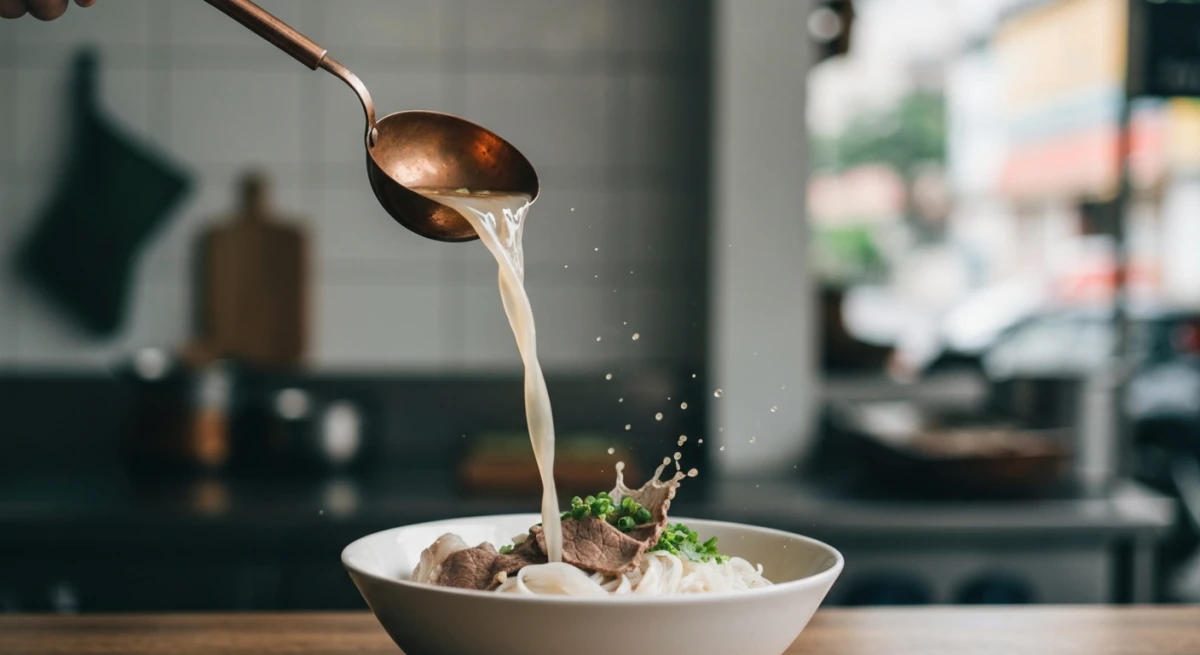
Nestled in the heart of Central Vietnam, Da Nang is a city defined by its dramatic geography, coastal charm, and a rich, deeply satisfying culinary heritage. If you are searching for a "danang food center," you are likely on a mission to experience this culinary magic firsthand. Interestingly, this search leads to two distinct but equally exciting paths: a popular physical restaurant called the "Danang Food Center" located on the scenic riverfront, and a network of traditional wet markets, vibrant night markets, and modern street food complexes that serve as the collective culinary epicenters of the city.
In this comprehensive guide, we will explore both. Whether you want a comfortable, sit-down introduction to local flavors or you are ready to plunge fork-first into the chaotic, delicious energy of Da Nang's street food hubs, this guide covers everything you need to know to navigate the food center landscape of Da Nang.
The "Danang Food Center" on Tran Hung Dao: A Gentle Introduction
For travelers who have just arrived in Central Vietnam, jumping straight into a bustling wet market can feel overwhelming. That is where the Danang Food Center restaurant comes in. Located at A30 Tran Hung Dao, Son Tra District, this dining hub sits right along the romantic Han River, just a short walk from the iconic Dragon Bridge (Cầu Rồng) and the whimsical Love Lock Bridge.
Unlike chaotic street stalls, this establishment offers a casual, clean, open-air environment with an extensive menu designed to showcase the best of local, Thai, and Japanese casual cuisines. It functions as a culinary safety net—a comfortable space where you can sit on proper chairs, read an English-translated menu, and order classic Central Vietnamese dishes alongside familiar regional favorites.
Why Start Here?
- Prime Location: It is highly accessible, situated right next to major riverfront hotels like the Melia Vinpearl Danang Riverfront and the Wink Hotel Da Nang Riverside. It is the perfect place to grab a bite before or after watching the Dragon Bridge breathe fire on the weekend.
- Diverse Menu: While specializing in authentic Vietnamese cuisine, the menu also features popular Asian dishes, making it an excellent option for families or groups with diverse tastes.
- Hygienic Environment: If you have a sensitive stomach but still want to taste authentic local marinades, this restaurant prepares its food with high hygiene standards, using filtered water and freshly sourced ingredients.
While the restaurant provides a superb, stress-free introduction to the local palate, the real soul of Da Nang's gastronomy lies in its public food courts. Let us cross the river to explore the legendary, bustling markets that locals consider the true "food centers" of the city.
Traditional Food Centers: Da Nang's Legendary Wet Markets
If you want to eat like a local, you must go where the locals go. In Da Nang, daily life revolves around traditional markets. These historic structures house dense, highly organized food courts (known locally as Khu Ẩm Thực) where family recipes have been passed down through generations.
1. Con Market (Chợ Cồn) – The Street Food Holy Grail
Located at 290 Hung Vuong Street, Hai Chau District, Con Market is widely recognized as the ultimate street food haven in Central Vietnam. Operating from early morning until around 7:00 PM, this market is a sensory overload of sights, sounds, and unforgettable aromas.
The food court inside Con Market is divided into two distinct zones: the indoor food court (Chợ Trong) and the outdoor food street (Chợ Ngoài).
- The Indoor Court (Chợ Trong): This is a long, narrow corridor lined with dozens of small, spotless metal stalls. Each vendor specializes in only one or two dishes. You sit on tiny plastic stools right in front of the food prep station, watching the vendor assemble your bowl. The prices here are incredibly low, with most dishes costing between 15,000 to 40,000 VND ($0.60 to $1.70 USD).
- The Outdoor Court (Chợ Ngoài): Starting around 3:00 PM, the street flanking the market transforms into an open-air culinary theater. Vendors set up low tables on the sidewalk, serving steaming bowls of noodles, crispy snacks, and sweet desserts to crowds of hungry locals returning from work.
Must-Try Dishes at Con Market:
- Ốc Hút (Sucking Snails): Tiny freshwater snails slow-cooked in a rich broth of lemongrass, chili, and ginger. You suck the seasoned meat straight out of the shell.
- Bánh Bèo, Bánh Nậm, Bánh Lọc: A trio of delicate steamed rice cakes served with sweet-savory fish sauce, crispy pork rinds, and minced shrimp.
- Mì Quảng: The iconic noodle dish of Da Nang, featuring thick flat rice noodles, a savory turmeric broth, pork, shrimp, fresh herbs, and a crunchy sesame rice cracker.
2. Han Market (Chợ Hàn) – The Tourist-Friendly Hub
Situated at 119 Tran Phu Street, Hai Chau District, Han Market is the most famous market in the city center. Because of its proximity to the Han River Bridge and major shopping avenues, it is highly popular among international travelers.
While the second floor of Han Market is dedicated to clothing, tailored dresses, and souvenirs, the ground floor is a bustling food labyrinth. The market is split between vendors selling dried seafood specialties (like sun-dried squid and local fish sauce) and a small, vibrant food court serving freshly prepared hot meals.
Because it caters to tourists, the vendors here generally speak basic English, and many menus feature photos. It is the perfect spot for a quick lunch of Bún Chả Cá (fish cake noodle soup) or a crispy plate of Bánh Xèo (turmeric-tinted crepes).
3. Bac My An Market (Chợ Bắc Mỹ An) – The Budget-Friendly Local Gem
If you want to escape the tourist crowds completely, head south of the city center to 25 Nguyen Ba Lan Street, Ngu Hanh Son District. Bac My An Market is located near several university campuses, meaning the food court here is optimized for hungry students on a budget.
This market is famous across Da Nang for two specific culinary creations:
- Kem Bơ Cô Vân (Ms. Van's Avocado Ice Cream): A legendary dessert consisting of fresh, rich avocado purée topped with a scoop of coconut ice cream, sweet condensed milk, toasted coconut flakes, and crushed peanuts. It is sweet, creamy, and incredibly refreshing on a humid tropical day.
- Bún Mắm Nêm: A pungent, intensely flavorful noodle dish. Cold rice vermicelli is topped with crispy roasted pork belly (thịt quay), boiled pork, fresh herbs, raw vegetables, and a generous ladle of fermented anchovy sauce (mắm nêm). It is bold, spicy, and unforgettable.
Modern Food Centers: Vibrant Night Markets and Complexes
As the sun sets and the tropical heat begins to dissipate, Da Nang's culinary scene moves outdoors. The city has fully embraced the modern food court concept, establishing several vibrant night markets that combine delicious street food, live music, and shopping.
1. Helio Night Market – Clean, Vibrant, and Family-Friendly
Located on 2/9 Street, Hai Chau District (near Asia Park), Helio Night Market is arguably the most well-organized and diverse modern food center in Da Nang. Operating Friday through Sunday from 5:30 PM to 10:30 PM, this market is designed to be a festive, highly aesthetic evening destination.
Helio is divided into beautifully themed zones, including a massive seafood square where you can select live crabs, shrimp, clams, and snails from water tanks and have them cooked to your liking on the spot. If you are traveling with children or prefer a clean, spacious dining environment with ample seating and live acoustic music, Helio is your best bet.
2. Son Tra Night Market – The Heart of the Nightlife
Situated on Mai Hac De Street, Son Tra District, right at the foot of the Dragon Bridge, Son Tra Night Market is a bustling, high-energy street market. Open daily from 6:00 PM to midnight, it is the ultimate destination for street food lovers.
Here, the air is filled with the smoke of charcoal grills. Stalls are packed with towering skewers of meat, giant grilled lobsters brushed with garlic butter, and fresh fruit juice stands. It is crowded, loud, and incredibly fun. After eating, you can easily walk down to the riverbank to enjoy the cool breeze and take photos of the illuminated bridges.
3. 43 TOWN Food Complex – Beachside Gourmet Dining
For a modern, beachside dining experience, visit 43 TOWN, located right opposite the scenic Vo Nguyen Giap beach. This chic, beautifully designed food complex brings together multiple high-quality local eateries and international food stalls under one roof. It is a fantastic option if you want to transition directly from a day of swimming at My Khe Beach to a relaxed, multi-course meal featuring fresh seafood, hot pot, or fusion dishes.
Masterclass: How to Order and Eat Da Nang's Iconic Dishes
To truly master the Danang food center experience, you need to know what to order and, more importantly, how to eat it. Central Vietnamese cuisine is highly experiential; many dishes require assembly at the table. Here is your cheat sheet for the four must-try dishes.
| Dish Name | Key Ingredients | Sensory Profile | How to Eat It Like a Local |
|---|---|---|---|
| Mì Quảng | Flat rice noodles, turmeric, savory pork/shrimp broth, quail eggs, herbs, sesame rice cracker. | Rich, nutty, complex, low-liquid. | Crush the toasted sesame cracker (bánh tráng) directly into the bowl. Toss the fresh herbs, a squeeze of lime, and green chili. Mix thoroughly so the shallow broth coats every noodle. |
| Bánh Xèo & Nem Lụi | Crispy turmeric rice crepes with shrimp and pork + grilled lemongrass minced pork skewers. | Crispy, savory, smoky, rich peanut-pork dipping sauce. | Place a sheet of rice paper flat on your hand. Lay down a piece of crispy crepe, a pork skewer (slide it off the lemongrass stick), lettuce, and herbs. Roll it up tightly, dip it deep into the warm peanut-liver sauce, and bite. |
| Bún Chả Cá | Rice vermicelli, handmade fish cakes, sweet-and-sour broth (pumpkin, pineapple, tomato). | Sweet, sour, comforting, herbaceous. | Add a spoonful of minced garlic, fresh chili, and a squeeze of lime to the broth. Toss in a handful of fresh split morning glory and basil leaves. Stir and enjoy hot. |
| Bún Mắm Nêm | Vermicelli, roasted pork belly, fresh herbs, pineapple, fermented anchovy sauce. | Funky, intensely savory, spicy, sweet. | Pour the pungent fermented anchovy sauce (mắm nêm) over the noodles. Mix everything vigorously so the herbs, roasted pork, and noodles are fully coated in the sauce. Do not skip the raw garlic! |
Practical Survival Tips for Exploring Da Nang's Food Courts
To make your culinary adventure as smooth as possible, keep these local tips in mind:
- Carry Cash (Vietnamese Dong): While modern complexes like 43 TOWN and some night market vendors accept digital payments, traditional wet markets are strictly cash-only. Keep small denominations (10,000, 20,000, and 50,000 VND) handy, as vendors may not have change for large 500,000 VND bills.
- Look for the Crowd: The simplest hygiene tip in Southeast Asia is to follow the locals. Stalls with high turnover and a crowd of local diners guarantee that the ingredients are fresh, rotated constantly, and delicious.
- Download Grab: Taxis are readily available, but using the Grab app (Southeast Asia's ride-hailing giant) is the safest, cheapest, and most convenient way to travel between different food centers across the city.
- Don't Fret the Language Barrier: Many local stall owners do not speak fluent English. Pointing at ingredients, using your fingers to indicate quantities, or keeping Google Translate open on your phone will get you exactly what you need. A smile goes a long way!
- Watch the Operating Hours: Traditional market food courts are liveliest between 11:00 AM and 2:00 PM. By 4:00 PM, many lunch vendors pack up to make way for evening street food sellers. Night markets typically kick off around 5:30 PM.
Frequently Asked Questions (FAQ)
Is street food in Da Nang safe for international travelers?
Yes, street food in Da Nang is generally very safe and hygienic. Because of the city's coastal location, seafood is incredibly fresh and cooked on the spot. To minimize the risk of a sensitive stomach, choose stalls that are busy with locals, drink bottled water, and look for vendors who wear gloves or use clean utensils.
Where is the actual "Danang Food Center" located?
There is a popular local restaurant called Danang Food Center located at A30 Tran Hung Dao, Son Tra District, right near the Dragon Bridge and the Han River. It serves as a comfortable, clean, open-air spot to try various regional dishes in one place.
What is the average cost of a meal at a Da Nang food market?
Dining at traditional wet markets like Con Market or Bac My An Market is incredibly budget-friendly. A hearty bowl of Mì Quảng or Bún Chả Cá costs between 20,000 to 40,000 VND ($0.85 to $1.70 USD). A full plate of Bánh Xèo with Nem Lụi typically costs around 50,000 to 80,000 VND ($2.10 to $3.40 USD). Night markets and modern complexes may be slightly higher but remain very affordable.
What makes Da Nang's food unique compared to Hanoi or Saigon?
Central Vietnamese cuisine is known for its bold, punchy, and intensely savory flavors. While northern food (Hanoi) is subtler and balanced, and southern food (Saigon) is sweeter and coconut-heavy, Central food features spicy chilis, complex marinades, and fermented pastes (like mắm nêm and shrimp paste), influenced heavily by the royal culinary traditions of nearby Hue.
Conclusion
Da Nang is far more than just a gateway to Hoi An or a beautiful beach stopover; it is a premier culinary destination in its own right. Whether you choose to ease into the local food scene at the comfortable Danang Food Center restaurant on Tran Hung Dao, dive into the bustling, aromatic corridors of Con Market, or spend a breezy evening sampling grilled seafood at Helio Night Market, you will find that the city's food centers are where its true culture and hospitality come alive. Grab your chopsticks, keep an open mind, and prepare for a culinary journey you will remember long after you return home.