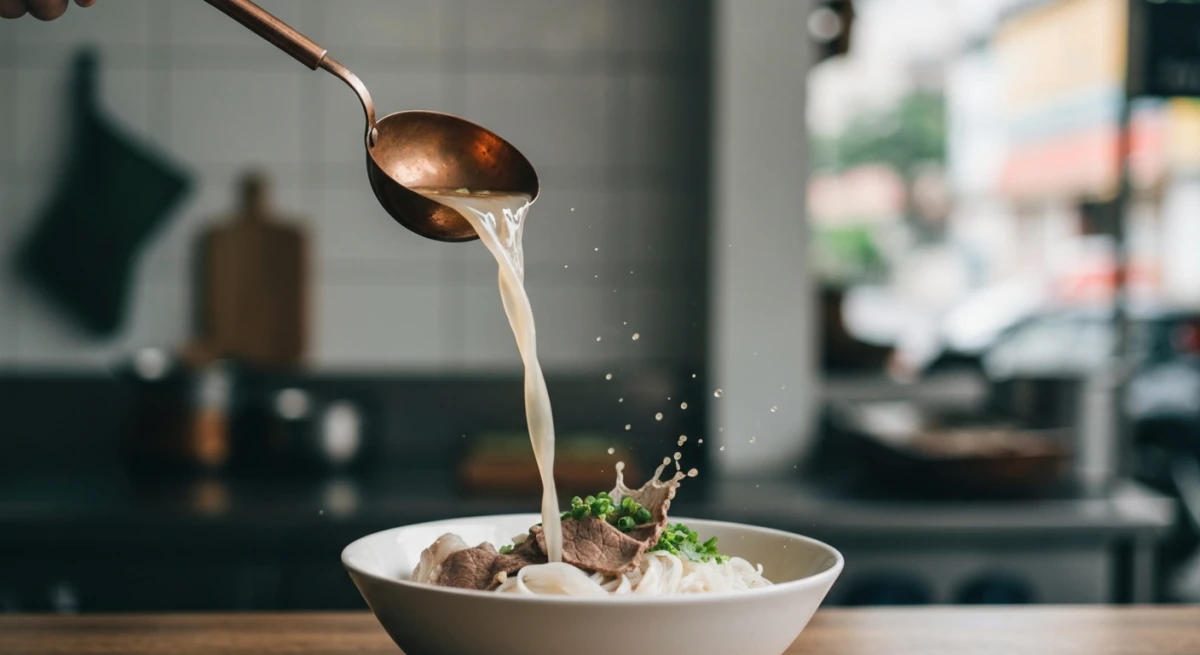
In Hanoi, food isn't just sustenance—it's a form of poetry. Unlike the sweeter, bolder flavors of southern Vietnam, Hanoi’s culinary philosophy is defined by elegant balance, understated simplicity, and an obsession with subtle, clean stocks. Seeking out the most famous hanoi food is your ticket to understanding the heartbeat of this 1,000-year-old capital. From Michelin-honored street stalls to hidden alleyway vendors, this comprehensive guide covers the essential dishes you must eat, the history behind them, and the exact spots where locals queue up every single day.
The Soul of Hanoi on a Plate: Understanding Northern Vietnamese Cuisine
For centuries, Hanoi has served as the culinary anchor of Vietnam. To truly appreciate famous hanoi food, one must understand the stark culinary dividing line between northern and southern Vietnamese gastronomy. In southern cities like Ho Chi Minh City, dishes are characterized by bold, sweet, and fiery profiles, influenced heavily by Cambodia, Thailand, and the abundance of sweet coconut palms.
By contrast, Hanoi's cuisine is built on a foundation of clean elegance, purity of flavor, and deep respect for the natural state of fresh ingredients. Northern chefs rarely overwhelm their dishes with sugar, heavy spices, or massive handfuls of hot chili peppers. Instead, they rely on complex bone-simmered broths, a precise balance of saltiness (often derived from premium fish sauce), and the subtle brightness of locally grown herbs like dill, perilla, and Vietnamese balm.
To eat in Hanoi is also to embrace the theater of the streets. Sidewalk dining is not a subculture here; it is the culture itself. Pulling up a miniature blue plastic stool, sitting on a historic, narrow sidewalk in the Old Quarter, and watching the steam rise from a giant soup pot is an essential sensory experience that elevates the food from simple nourishment to pure memory.
The Big Three: Legendary Noodle and Pork Masterpieces
1. Phở (Beef and Chicken Noodle Soup)
No list of famous hanoi food can begin anywhere else but with Phở. While this dish has become a global symbol of Vietnamese culture, it is in Hanoi where it was perfected. Northern Phở (Phở Bắc) is radically different from the southern style. In Hanoi, you will not find baskets of raw bean sprouts, sweet hoisin sauce, or Sriracha bottles on the table. The emphasis is entirely on the clarity, aroma, and depth of the broth.
To prepare traditional beef Pho (Phở Bò), marrow-rich beef leg bones are parboiled to extract impurities, rinsed, and then simmered over low heat for 12 to 18 hours. A delicate blend of charred aromatics—including shallots, ginger, star anise, black cardamom, cinnamon bark, and cloves—is enclosed in a spice bag and infused into the broth. The resulting soup is crystal-clear, subtly sweet from marrow, and highly aromatic. It is poured piping hot over flat, silky rice noodles, topped with paper-thin cuts of beef (such as tender raw flank or slow-braised brisket), and finished with a generous handful of green scallions and cilantro.
- Phở Gia Truyền Bát Đàn (49 Bát Đàn Street, Hoan Kiem): A legendary establishment operating since the 1940s. Here, diners wait in an organized queue, pay in advance, and carry their own steaming bowls to low wooden tables. Their Phở Tái Nạm (half-cooked and beef flank) is a masterpiece of texture.
- Phở Bò Ấu Triệu (34 Ấu Triệu Street, Hoan Kiem): A Michelin Bib Gourmand-recognized spot nestled next to the St. Joseph's Cathedral. Run by the daughter of the famous street chef Pho Tu Lun, it is famous for its rich, slightly cloudy broth and raw minced beef.
- Phở Gà Nguyệt (5 Phủ Doãn Street, Hoan Kiem): If you prefer chicken pho (Phở Gà), this Bib Gourmand spot is an absolute must. Try the Phở Trộn Gà (dry mixed chicken noodles), which features tender, juicy chicken cuts tossed in a savory soy-based sauce with crispy fried shallots, roasted peanuts, and fresh herbs.
2. Bún Chả (Charcoal-Grilled Pork with Rice Noodles)
If Phở is Hanoi's morning ritual, Bún Chả is its lunchtime obsession. This dish captures the smoky, rustic spirit of Hanoi’s street food better than almost any other. A typical serving consists of three distinct components served separately: a warm bowl of dipping sauce containing smoky grilled pork, a plate of fresh, cold rice vermicelli noodles (bún), and a massive basket of fresh herbs (including lettuce, coriander, perilla, and Vietnamese balm).
The soul of Bún Chả lies in the pork and the dipping sauce. Two varieties of pork are grilled over glowing red-hot charcoal: ground pork patties seasoned with shallots and fish sauce (chả viên), and thin strips of fatty pork belly (chả miếng). The dipping sauce is a highly delicate mixture of fish sauce, sugar, lime juice, vinegar, and water, kept warm and served with floating slices of crunchy green papaya and kohlrabi.
To eat Bún Chả like a local, grab a small bundle of vermicelli noodles, dip them into the warm, savory-sweet sauce along with a piece of charred pork and a pinch of fresh herbs, and eat them in a single, harmonious bite.
- Bún Chả Ta (21 Nguyễn Hữu Huân Street, Hoan Kiem): A highly popular Michelin Bib Gourmand spot in the Old Quarter. It offers clean, rustic, multi-floor dining and is famous for its perfectly seasoned grilled pork and exceptional crispy seafood spring rolls (Nem Cua Bể).
- Bún Chả Đắc Kim (1 Hàng Mành Street, Hoan Kiem): A historic spot known for serving massive, rich portions. Perfect for hungry travelers looking for robust, garlic-heavy flavors.
- Bún Chả Hương Liên (24 Lê Văn Hưu Street, Hai Ba Trung): Forever immortalized as "Obama Bun Cha," this is the multi-story eatery where former US President Barack Obama and chef Anthony Bourdain famously dined together in 2016. The exact table they used is preserved in glass, but the food remains a solid representation of classic Hanoi flavors.
3. Bánh Mì Hanoi (The Minimalist Masterpiece)
Bánh Mì has conquered the world, but the style of Bánh Mì you find in Hanoi is vastly different from the ingredient-heavy versions found in southern Vietnam. Hanoi's Bánh Mì is all about simplicity, texture, and restraint. Instead of stuffing a massive baguette with dozens of cold cuts, sweet mayonnaise, and pickled daikon, Hanoi vendors focus on a few high-quality, perfectly balanced components.
A traditional Hanoi Bánh Mì starts with a small, exceptionally light baguette that is toasted over charcoal until the crust is paper-thin and shatters upon the first bite. The interior is spread with a rich, smooth, pork-liver pate, followed by a light smear of savory mayonnaise, a dusting of dried pork floss (ruốc), and a few crisp slices of fresh cucumber and cilantro. A small drizzle of homemade chili sauce is added to tie it all together.
Another unique local variation is Bánh Mì Sốt Vang (Baguette with Red Wine Beef Stew). This comfort dish consists of a crispy, plain baguette served alongside a steaming bowl of rich, thick beef stew flavored with red wine, cinnamon, star anise, and fresh herbs.
- Bánh Mì 25 (25 Hàng Cá Street, Hoan Kiem): A globally famous spot that serves a wide variety of fillings, catering brilliantly to both traditionalists and western travelers with options like avocado or mushroom.
- Bánh Mì Trâm (252 Cửa Nam Street, Hoan Kiem): The absolute gold standard for Bánh Mì Sốt Vang. The beef stew is intensely savory, tender, and deeply comforting on a cool Hanoi evening.
- Bánh Mì Phố Cổ (38 Đinh Liệt Street, Hoan Kiem): A tiny, no-frills street cart that has been serving traditional pate-stuffed baguettes to locals for decades.
Northern Specialties Found Nowhere Else
4. Chả Cá Lã Vọng (Turmeric Dill Fish Sizzle)
Few culinary experiences in Vietnam are as theatrical and aromatic as dining on Chả Cá Lã Vọng. This dish is so famous that the historic street where it was born was officially renamed "Pho Cha Ca" in its honor. It is a brilliant representation of the northern genius for flavor pairing, combining earthy turmeric, herbaceous dill, pungent shrimp paste, and fresh fish.
When you order Chả Cá, a portable stove is placed in the center of your table, topped with a small skillet of hot oil. Inside the skillet are pre-marinated chunks of catfish (traditionally Hemibagrus, or "cá lăng"), which have been rubbed with turmeric, galangal, ginger, and fermented rice. The waiter will then pile a mountain of fresh dill (thì là) and green scallions directly onto the sizzling fish. As the herbs wilt and infuse the oil with their bright, licorice-like aroma, you assemble your bowl.
Fill your small bowl with cold rice vermicelli, top it with a piece of the sizzling golden fish, some wilted dill and scallions, a spoonful of the hot, fragrant oil, a sprinkle of roasted peanuts, and a splash of frothy mắm tôm (fermented shrimp paste whipped with lime juice, chili, and sugar). It is a complex explosion of textures and flavors.
- Chả Cá Thăng Long (65 Đường Thành Street, Hoan Kiem): A highly recommended, Michelin Bib Gourmand-listed establishment that occupies several beautifully restored old buildings on Duong Thanh Street. Their service is efficient, and the quality of their fish is remarkably fresh.
- Chả Cá Lã Vọng (14 Chả Cá Street, Hoan Kiem): The original birthplace of the dish, operated by the Doan family for over a century. While some locals feel the quality has become tourist-oriented, visiting this historic, creaking wooden house remains a powerful culinary pilgrimage.
5. Bánh Cuốn (Steamed Rice Rolls)
Bánh Cuốn is a highly popular breakfast or late-night street food in Hanoi. Watching a skilled Bánh Cuốn vendor at work is pure artistry. The cook sits in front of a large metal pot filled with boiling water, covered with a tightly stretched white cotton cloth.
With a quick ladle, they spread a thin layer of fermented rice flour batter onto the cloth, sealing it with a wooden lid. In less than ten seconds, the steam cooks the batter into an incredibly thin, translucent rice sheet. Using a long, flat bamboo stick, the cook lifts the delicate sheet from the cloth, lays it on a greased surface, fills it with a seasoned mixture of minced pork and wood-ear mushrooms, and rolls it up. It is served with a generous topping of golden, crispy fried shallots, slices of Vietnamese pork sausage (Chả Lụa), and a warm dipping sauce made of diluted fish sauce, lime juice, and sugar.
- Bánh Cuốn Gia Truyền Thanh Vân (14 Hàng Gà Street, Hoan Kiem): Renowned for its incredibly delicate, melt-in-your-mouth rice sheets. You can choose from classic pork, shrimp, or chicken fillings.
- Bánh Cuốn Bà Hoành (66 Tô Hiến Thành Street, Hai Ba Trung): Famous for serving "Bánh Cuốn Thanh Trì," which are flat, unfilled rice sheets eaten cold alongside slices of grilled pork and a deeply savory dipping sauce.
6. Cháo Sườn Sụn (Pork Cartilage Rice Porridge)
If you wander the streets of Hanoi during a cool autumn or chilly winter evening, you will inevitably spot locals clustered around steaming aluminum pots, eating bowls of Cháo Sườn Sụn. Unlike the grainy, water-heavy congee found in other regions, Hanoi-style pork rib porridge is prepared by grinding wet rice into a fine paste before cooking it slow in a rich, velvety pork bone broth.
The resulting porridge has a smooth, silky, custard-like texture. It is cooked with tender chunks of pork ribs and crunchy pork cartilage, which dissolves into gelatinous goodness. Each bowl is customized with crispy fried dough sticks (quẩy) cut into bite-sized pieces and a generous dusting of savory pork floss (ruốc) or black pepper.
- Cháo Sườn Huyền Anh (14 Đồng Xuân Street, Hoan Kiem): Located near the iconic Dong Xuan Market, this spot is wildly popular with late-night food hunters. It is comfort food at its absolute finest.
7. Bánh Tôm Hồ Tây (West Lake Shrimp Fritters)
Originating in the mid-20th century along the banks of Hanoi's massive West Lake (Hồ Tây), Bánh Tôm is the quintessential lakeside snack. This dish consists of whole, fresh freshwater prawns caught directly from the lake, encased in a light, sweet potato-infused batter, and deep-fried to a stunning golden-orange crunch.
The sweetness of the shredded sweet potato batter perfectly complements the natural brine of the prawn shell (which is left on to provide maximum crispiness). To eat Bánh Tôm, wrap a piece of the crispy fritter in fresh lettuce, add herbs, and dip it into a sweet-and-sour fish sauce containing pickled green papaya and carrots.
- Nhà Hàng Thanh Tâm (43 Phủ Tây Hồ, Tay Ho): A fantastic, casual spot near the historic Phu Tay Ho temple, serving some of the crispiest shrimp fritters in the city.
- Nhà Hàng Bánh Tôm Hồ Tây (1 Thanh Niên Street, Tay Ho): The historic state-run restaurant overlooking the lake, offering beautiful sunset views alongside their famous fritters.
Sip and Street Culture: Egg Coffee & Bia Hơi
8. Cà Phê Trứng (Hanoi's Iconic Egg Coffee)
No culinary journey through Hanoi is complete without experiencing Cà Phê Trứng, or egg coffee. This decadent drink is essentially Hanoi’s answer to tiramisu. It was invented in 1946 by Mr. Nguyen Van Giang, a bartender at the prestigious Sofitel Legend Metropole Hanoi hotel, during a severe wartime milk shortage. Determined to find a creamy substitute for milk, he whisked raw egg yolks, condensed milk, sugar, and honey into a velvety, thick foam, and layered it over robust, dark-roast Vietnamese robusta coffee.
The result is a delicious contrast of temperatures and flavors: a thick, warm, sweet custard top layer followed by the intense, bitter, earthy kick of the hot coffee below. It is traditionally served in a small bowl of hot water to keep the coffee warm while you slowly spoon up the rich, sweet cream.
- Café Giảng (39 Nguyễn Hữu Huân Street, Hoan Kiem): The legendary birthplace of egg coffee, tucked away at the end of a long, narrow alleyway. It remains run by Mr. Giang's family and serves the original recipe.
- Café Lâm (60 Nguyễn Hữu Huân Street, Hoan Kiem): One of Hanoi's oldest and most historic cafes, once a gathering spot for local artists, writers, and intellectuals who exchanged paintings for free cups of coffee.
9. Bia Hơi Culture (Fresh Sidewalk Draft Beer)
Bia Hơi is more than just draft beer; it is a daily social phenomenon. Brewed fresh every night with no preservatives and delivered to local sidewalk stalls in large steel kegs every morning, Bia Hơi is exceptionally light, crisp, and refreshing (typically sitting at around 3% to 4% alcohol).
As the sun sets, local workers and travelers alike pull up plastic stools on street corners to enjoy ice-cold glasses of Bia Hơi for a fraction of a dollar. It is traditionally enjoyed alongside simple, salty street snacks like deep-fried tofu tossed with scallions and salt (Đậu Lướt Ván), dry-grilled squid (Mực Khô), or fermented pork skewers (Nem Chua Nướng).
- Tạ Hiện Street (Beer Street, Hoan Kiem): The energetic, chaotic epicenter of Hanoi's nightlife. While highly touristy, it is a rite of passage for any visitor to experience the sensory overload of Ta Hien on a weekend night.
- Bia Hơi Bát Đàn (Bát Đàn Street, Hoan Kiem): A much more authentic, local-heavy spot where you can drink draft beer alongside Hanoian elders talking about their day.
The Ultimate Hanoi Food Tour Blueprint: Neighborhood Guide
To make the most of your culinary adventure, it is highly useful to understand the geographic distribution of Hanoi's food scene. Navigating the city by neighborhood allows you to cluster your dining stops and avoid long, traffic-heavy taxi rides.
- The Old Quarter (Hoan Kiem District): This is the beating heart of Hanoi's food scene. This dense maze of ancient, narrow streets has the highest concentration of historic street food vendors in the country. Almost all of the city's legendary Pho, Bun Cha, and Egg Coffee spots are located within walking distance of each other here. It is best explored entirely on foot, popping into narrow, dark alleys where secret dining rooms are tucked away.
- Trúc Bạch & Ba Đình District: Located just north of the Old Quarter, this leafier, quieter neighborhood surrounds the peaceful Truc Bach Lake. It is famous for inventing Phở Cuốn (Pho rolls), where sheets of uncut steamed rice noodle are wrapped around stir-fried beef and fresh herbs, served cold with dipping sauce. Try Phở Cuốn Hưng Bền (33 Nguyễn Khắc Hiếu Street) for the ultimate version.
- Tay Ho (West Lake District): The expansive, breezy expat haven of Tay Ho is the best place to go for scenic lakeside dining. Head here in the late afternoon for fresh Bánh Tôm (shrimp fritters) or to explore modern, elevated Vietnamese dining and upscale cafes.
Sidewalk Etiquette: Practical Street Dining Tips for Travelers
Eating street food in Hanoi is incredibly rewarding, but it can feel intimidating for first-time visitors. Follow these simple tips to dine like a local with confidence:
- Embrace the Tiny Plastic Stool: Do not let the lack of formal tables turn you away. In Hanoi, the lower the stool, the better the food. These tiny stools are a practical solution to narrow, crowded sidewalks and represent a highly democratic dining culture where everyone sits together.
- Observe the Crowd: The best indicator of food safety and quality is a high customer turnover. Look for stalls that are packed with locals—this guarantees that ingredients are fresh and being cooked constantly throughout the day.
- The Chopstick Ritual: Before eating, it is common practice to take a lime wedge from the table container and squeeze it onto a dry paper napkin, using it to thoroughly wipe down your metal chopsticks and spoon. It adds a pleasant citrus touch and ensures cleanliness.
- Cash is King: The vast majority of street food vendors and small family-run cafes do not accept credit cards or digital payments from foreign bank accounts. Always carry small-denomination bills (VND 10,000, 20,000, 50,000, and 100,000) to pay easily.
- Point and Order: Many of the best street stalls serve only one single dish (e.g., they only sell Bun Cha or only sell Pho). If there is no English menu, simply point at what other diners are eating, indicate how many bowls you want with your fingers, and sit down.
Frequently Asked Questions About Famous Hanoi Food
What is the most famous dish in Hanoi?
While Pho is globally synonymous with Vietnamese cuisine, Bun Cha (charcoal-grilled pork with rice noodles) is arguably the most famous local specialty native to Hanoi itself. Both are absolutely essential eats.
Why does Hanoi food taste different from southern Vietnamese food?
Hanoi food is generally less sweet, less spicy, and lighter than southern cuisine. Northern cooks prioritize delicate, clean, marrow-simmered broths and natural herbal balances, whereas southern dishes tend to feature heavier amounts of sugar, garlic, chili, and coconut cream.
Is street food in Hanoi safe for tourists?
Yes, street food in Hanoi is highly safe when approached with common sense. To avoid stomach issues, prioritize busy stalls with high local turnover, ensure your soups are boiling hot when served, and stick to fully cooked meats.
What is the original spot to try Egg Coffee?
The absolute original is Café Giảng (39 Nguyễn Hữu Huân Street in the Old Quarter). It was founded in 1946 by Mr. Nguyen Van Giang, who invented the iconic recipe.
Are there vegetarian options for famous Hanoi food?
While traditional Hanoi food is heavily meat-based, the city has a rapidly growing vegetarian scene. You can find vegetarian versions of classic dishes (labeled as "Chay"). Ưu Đàm Chay (55 Nguyễn Du Street) is an exceptional, Michelin Bib Gourmand-listed vegetarian restaurant serving plant-based northern classics in a gorgeous, temple-like setting.
Conclusion
Hanoi is a city that must be tasted to be truly understood. Its ancient streets are a living, breathing culinary museum where recipes are passed down like precious family heirlooms and the boundary between kitchen and sidewalk is beautifully blurred. By leaving the comfort of formal restaurants behind, pulling up a plastic stool, and diving headfirst into the world of famous hanoi food, you will discover the true warmth, history, and soul of Vietnam’s capital. Pack your appetite, explore with an open mind, and let Hanoi’s legendary street flavors sweep you away.