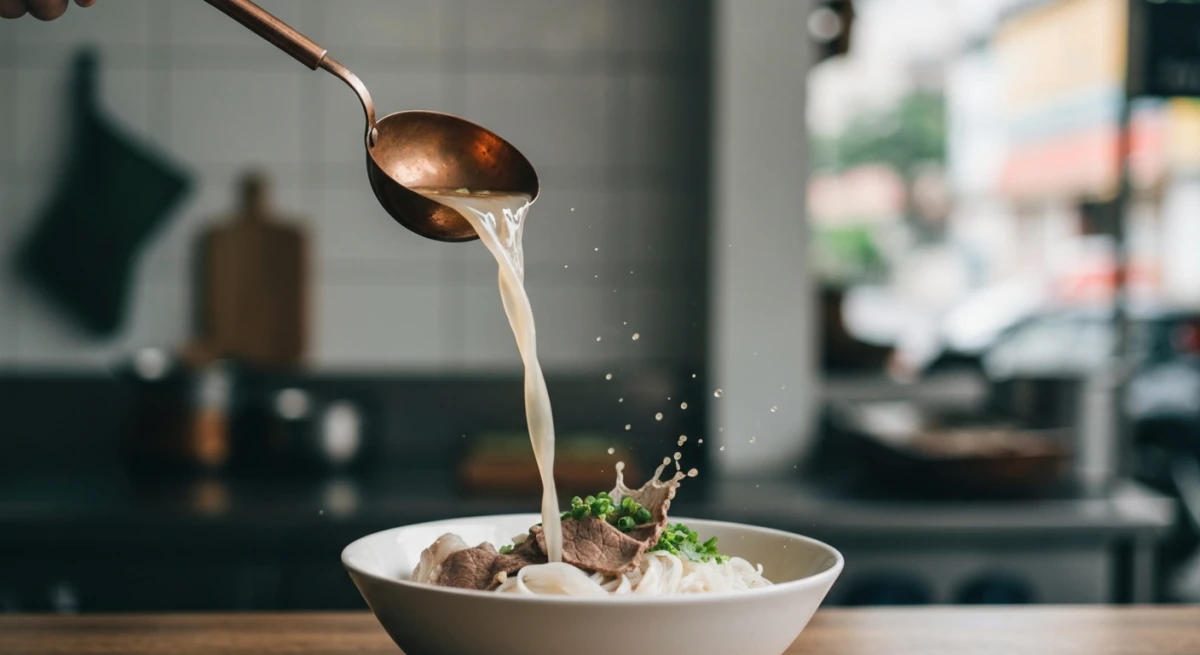
For food lovers traveling to Vietnam, nothing is more iconic than a steaming bowl of beef noodle soup. In Ho Chi Minh City, the culinary scene is a vibrant, chaotic symphony of flavors, where the aroma of charred ginger, star anise, and slow-simmered beef bones fills the humid air. If you are searching for the most famous pho in saigon, you are not just looking for a quick meal; you are seeking a gateway into the city's complex history, cultural migration, and regional identity.
While Hanoi is the undisputed birthplace of pho, Saigon has spent the last seven decades transforming this humble noodle soup into a bold, sweet, and herb-laden masterpiece. From legendary multi-generational institutions and historic wartime hideouts to innovative modern stone bowls, the city offers an unparalleled culinary adventure. This ultimate guide will take you through the absolute best and most famous pho in saigon, explore the critical differences between Northern and Southern styles, and teach you exactly how to eat like a true local.
The Great Divide: Northern vs. Southern Pho Styles in Saigon
To truly appreciate the legendary bowls of pho you will encounter in Ho Chi Minh City, you must first understand the great culinary dividing line of Vietnam: the difference between Northern style (Phở Bắc) and Southern style (Phở Nam).
Pho was born in the early 20th century in Northern Vietnam, specifically in the Nam Dinh and Hanoi regions. In 1954, following the partition of the country, nearly a million northerners migrated south, bringing their beloved noodle soup recipes with them. Once the dish arrived in the fertile, sun-drenched South, it adapted to the local abundance of sugar cane, sweet herbs, and fresh produce. The result was a dramatic culinary divergence that continues to spark passionate debates among food purists.
Phở Bắc (Northern Style: Minimalist and Pure)
- The Broth: Clear, delicate, and subtly savory. It relies heavily on the natural sweetness of beef bones, charred ginger, and toasted onions, with a very light touch of spice.
- The Noodles: Slightly wider, flat, and softer.
- The Garnishes: Simple and sparse. Only sliced green onions, cilantro, and perhaps a splash of rice vinegar or a squeeze of fresh lime.
- What is Missing: You will not find bean sprouts, Thai basil, hoisin sauce, or Sriracha at a traditional Northern stall. To add these is considered a culinary distraction from the chef's hard work on the pure broth.
Phở Nam (Southern Style: Bold and Herbaceous)
- The Broth: Darker, sweeter, and more intensely spiced. Southern chefs simmer the broth for 12 to 24 hours, often adding rock sugar and a heavier blend of star anise, cinnamon, cloves, coriander seeds, and black cardamom.
- The Noodles: Thinner, ribbon-like, and slightly chewier.
- The Garnishes: A literal mountain of fresh herbs, including Thai basil (rau quế), culantro (ngò gai), rice paddy herb (ngò ôm), and raw or blanched bean sprouts (giá).
- The Condiments: Sweet black hoisin sauce (tương đen) and spicy red chili sauce (tương đỏ) are staple table condiments used to dip the meats or enrich the broth.
Saigon is the ultimate melting pot. Here, you can find pure, unchanged Northern-style pho, intensely sweet Southern-style pho, and fascinating hybrid bowls that bridge the gap between the two. Knowing what style a restaurant serves is key to finding your perfect bowl of famous pho in saigon.
Saigon's 6 Most Legendary Pho Spots
Now, let's dive into the list of the most celebrated noodle shops in the city. These are not merely popular tourist traps; they are culinary institutions that have stood the test of time, loved by generations of locals.
1. Phở Hòa Pasteur: The Grand Old Institution of Saigon
- Address: 260C Pasteur, Ward 8, District 3
- Style: Classic Southern
- The Vibe: Bustling, noisy, and absolutely electric. Spread over two floors, the restaurant is lined with stainless-steel tables, tiled walls, and yellowing photographs of its early days.
If you ask any local or frequent traveler where to find the most famous pho in saigon, Phở Hòa Pasteur is almost always the first name mentioned. Located on Pasteur Street—which was famous in the 1950s and 60s for its concentrated strip of street-side pho carts—Phở Hòa has been in business for over half a century. It is the gold standard of Southern-style pho.
The broth here is incredibly robust, sweet, and deeply fragrant with anise and cinnamon. The portions are notoriously massive, packed with rice noodles and your choice of beef cuts.
The Pasteur Street Secret: When you sit down, you will notice plates of quẩy (crispy fried Chinese dough sticks), bánh xu sê (traditional coconut-mung bean cakes), and bananas already resting on your table. Be aware: these are not free appetizers! The staff keeps track of what you consume and adds it to your bill at the end. However, do not let that deter you. Grabbing a piece of quẩy, ripping it in half, and dunking it into your boiling hot broth until it becomes soft and saturated is one of the greatest food pleasures in Saigon.
2. Phở Lệ: The Rich, Charcoal-Simmered Powerhouse
- Address: 413-415 Nguyen Trai, Ward 7, District 5
- Style: Rich Southern (Cantonese-influenced)
- The Vibe: Fast-paced, bright, and deeply local. Located in the heart of Saigon's Chinatown (Chợ Lớn), it is always packed to the gills with diners shouting their orders over the din of clanging bowls.
Phở Lệ is an absolute legend, celebrated for serving the most flavorful, unapologetically rich Southern broth in Ho Chi Minh City. What makes Phở Lệ stand out is its cooking method: the broth is simmered continuously over natural charcoal for up to 15 hours. This slow, smoky heat coaxes out a rich, gelatinous texture and deep beefiness that is hard to find anywhere else.
The broth leans quite sweet, characteristic of both Southern Vietnamese cuisine and the Cantonese heritage of District 5. If you prefer a lighter, more delicate soup, this might be overwhelming, but for lovers of bold flavors, it is heaven in a bowl.
What to Order: You must try the Phở Đặc Biệt (Special Combination), but pay special attention to their bò viên (beef meatballs). Unlike the chalky, mass-produced meatballs found at lesser stalls, Phở Lệ's meatballs are made in-house. They are incredibly springy, juicy, and heavily seasoned with garlic and black pepper.
3. Phở Bình: Peace Noodles with a Side of War History
- Address: 7 Ly Chinh Thang, Ward 8, District 3
- Style: Northern-leaning Hybrid
- The Vibe: Quiet, humble, and deeply nostalgic. From the outside, it looks like any other run-down, blue-collar noodle shop in Saigon, with simple wooden stools and steel tables. But look closer, and you'll see historic plaques declaring it a National Heritage Site.
Phở Bình, which translates beautifully to "Peace Noodles," is perhaps the most unique historical food destination in the world. In the mid-1960s, the original owner, Ngo Van Toai, purchased this shop using funds provided covertly by the Viet Cong.
During the Vietnam War, Phở Bình became the secret headquarters for the F100 Viet Cong cell. It was an incredibly audacious operation: American GIs, military police, and diplomats would sit downstairs, blissfully slurping their morning bowls of beef noodle soup, completely unaware that directly above their heads, VC commanders were drawing up maps, hoarding secret communications, and planning the 1968 Tet Offensive—the turning point of the entire conflict.
The pho served here is a quiet, understated star. It leans heavily toward the Northern style: the broth is lighter, clearer, and much less sweet than Phở Hòa or Phở Lệ, though it is accompanied by the standard Southern herb platter.
The Ultimate Insider Move: Order your bowl of pho downstairs, enjoy the delicate broth, and then politely ask the family elders, "Can I see upstairs?" They will lead you up a narrow, creaky wooden staircase into a room frozen in time. The walls are covered in black-and-white portraits of the fighters, revolutionary medals, and the actual wooden dining table where the attacks were planned. It is a profound, surreal experience that combines culinary heritage with living history.
4. Phở Phú Vương: The Meat Lover's Modern Champion
- Address: 339 Le Van Sy, Ward 1, Tan Binh District
- Style: Modern Southern
- The Vibe: Clean, spacious, well-lit, and incredibly efficient. It has the vibe of a well-oiled modern kitchen, with a massive prep station at the front where chefs slice meats with surgical precision.
While older spots rely on decades of nostalgia, Phở Phú Vương has earned its title as one of the best and most famous pho in saigon through sheer consistency and ingredient quality. It is beloved by middle-class locals who want a premium bowl of noodle soup without the chaotic street-side atmosphere.
The broth at Phú Vương is a masterpiece of balance. It is deeply beefy and aromatic, but it achieves its sweetness naturally from simmered bones and onions rather than excessive rock sugar.
What to Order: The true draw here is the sheer variety of customizable beef cuts. While most tourists stick to rare beef (tái) or flank (nạm), Phú Vương allows you to build a bowl containing tender oxtail (đuôi bò), rich and creamy bone marrow (tủy), and gelatinous beef tendon (gân). The meats are incredibly tender and sliced fresh for every bowl. Don't forget to try their signature house-made chili sauce, which is smoky, tangy, and packs a genuine punch.
5. Phở Minh: Nostalgia in a Quiet Alleyway
- Address: 63/6 Pasteur, Ben Nghe Ward, District 1
- Style: Traditional Northern
- The Vibe: Serene, slow-paced, and peaceful. Tucked deep down a quiet residential alley just off busy Pasteur Street, this open-air shop feels like a sanctuary from Saigon's relentless traffic.
Established in 1945 by Mr. Tran Minh, a migrant from the northern province of Ha Dong, Phở Minh is a precious relic of old Saigon. It has remained virtually unchanged for over seventy years, passed down through the family.
If you want to understand what pho tasted like before the culinary boom of the South, this is where you go. The broth is extremely clear, light, and delicate. There is no heavy fat, no intense sweetness, and no aggressive spice blend. Instead, it is a subtle, comforting brew of clean beef bones simmered gently over wood and charcoal, accented with charred ginger.
The Morning Ritual: Phở Minh is strictly a morning affair. They open around 6:00 AM and often sell out completely by 10:00 AM. It is a favorite spot for the city's older generation. Sit on a wooden bench, order a bowl of phở chín (well-done beef brisket), pair it with a slow-dripping glass of cà phê sữa đá (Vietnamese iced coffee), and listen to the birds chirping in the alley. It is a beautiful, slow-motion contrast to the chaotic modern metropolis outside.
6. Phở Việt Nam (Bến Thành): The Michelin-Selected Stone Bowl Innovation
- Address: 14 Pham Hong Thai, Ben Thanh Ward, District 1
- Style: Interactive Modern/Traditional
- The Vibe: Bright, clean, modern, and highly professional. This outlet of a well-known artisanal chain is located steps away from the iconic Ben Thanh Market, making it highly accessible to travelers.
Recognized by the prestigious MICHELIN Guide, Phở Việt Nam has made waves in the Saigon food scene by combining traditional, artisanal noodle-making with an innovative dining concept: Phở Thố Đá (Stone Bowl Pho).
Unlike traditional pho where everything is assembled in the kitchen, the stone bowl version separates the components. You are presented with a roaring hot, pre-heated stone pot filled to the brim with bubbling, intensely fragrant beef broth. On the side, you receive a wooden tray holding fresh, house-made rice ribbon noodles (made from scratch daily), a mountain of fresh herbs, and plates of raw premium beef—including options like marbled wagyu, oxtail, or rich beef ribs.
How to Eat It: You become the chef. First, plunge the raw meats into the boiling broth—the intense heat cooks them in seconds. Next, add your fresh rice noodles and herbs. Because the stone pot retains its heat to the very last drop, your noodles never get cold, and the beef remains perfectly tender and hot throughout the entire meal. It is an interactive, luxurious, and highly delicious experience.
How to Eat Pho Like a Local in Saigon (The Etiquette Guide)
Eating a bowl of pho in Saigon is not just about consuming food; it is an active, sensory ritual. If you want to eat like a true Sài Gòn local, follow these steps to maximize your flavor experience:
Appreciate the Craft (Sip First): When your bowl arrives, do not immediately dump sauces, lime, or herbs into it. Take your spoon and sip the pure broth first. Taste the cook's hours of labor. Is it sweet? Salty? Spicy? Appreciating the natural flavor of the broth is a sign of respect to the kitchen.
The Herb Ritual: Saigon pho is famous for its fresh greenery. Take a few leaves of Thai basil (rau quế) and culantro (ngò gai). Do not throw them in whole. Instead, tear the leaves into bite-sized pieces with your hands to release their essential oils. Push the torn herbs underneath the hot noodles to let them wilt slightly and infuse the broth.
Decide on Your Sprouts: You will be served a plate of bean sprouts. You can eat them raw (giá sống) for a refreshing, watery crunch, or ask the server for blanched sprouts (giá chín). Blanched sprouts are warm and soft, which prevents them from cooling down your piping hot broth.
Master the Sauce Plate: On every table, you will see bottles of sweet black hoisin sauce and red Sriracha/chili sauce. Do not squeeze these directly into your bowl—doing so muddies up and completely alters the carefully balanced broth. Instead, squirt both sauces onto the small plastic saucer provided. Using your chopsticks, pick up a slice of beef from your bowl, dip it into the sauce mixture, and eat it. This allows you to enjoy the rich sauces while keeping your broth clean.
The Citrus and Spice Kick: If the broth needs brightening, squeeze a wedge of lime over the bowl. For heat, add a few slices of fresh bird's eye chili. Be warned: these tiny red and green chilis are incredibly spicy. Let them sit in the broth for a minute to release their heat, or eat them directly if you have a high spice tolerance.
Practical Tips for Your Saigon Pho Adventure
To ensure your culinary journey through Ho Chi Minh City is seamless, keep these practical tips in mind:
- Carry Cash: While high-end restaurants and malls accept cards, legendary street-side spots like Phở Bình or Phở Minh are strictly cash-only. Always keep small Vietnamese Dong (VND) bills on hand (such as 20,000, 50,000, and 100,000 VND).
- Understanding the Wet Wipes: You will often find a wrapped wet wipe (khăn lạnh) on your table. These are highly convenient in the humid Saigon heat, but they are rarely free. Restaurants will charge a small fee (typically 2,000 to 5,000 VND) per wipe used. It is a tiny fee, but good to know so you aren't surprised by your bill.
- Understanding the Menu Cuts:
- Tái: Thinly sliced rare beef (it cooks gently in the hot broth as it's served).
- Chín: Well-done beef brisket or flank.
- Nạm: Flank steak with a bit of fat.
- Gầu: Fatty, rich brisket.
- Gân: Chewy, gelatinous tendon.
- Tủy: Creamy, rich bone marrow.
- Bò viên: Beef meatballs.
- Phở Gà: Chicken pho (a lighter, incredibly comforting alternative to beef).
- Look for the Crowd: The golden rule of street food in Vietnam is simple: if a shop is packed with locals sitting shoulder-to-shoulder on tiny plastic stools, the food is guaranteed to be fresh, clean, and delicious. High turnover means the broth and meats never sit around.
Frequently Asked Questions (FAQ)
What is the average price of a bowl of famous pho in Saigon?
At traditional, local noodle shops (like Phở Bình or Phở Lệ), a standard bowl of pho typically costs between 55,000 VND to 90,000 VND (approximately $2.20 to $3.60 USD). Premium versions, such as the Michelin-selected stone bowl pho or specialty wagyu bowls, can range from 120,000 VND to 180,000 VND ($5.00 to $7.50 USD).
Is pho eaten for breakfast, lunch, or dinner in Vietnam?
Historically, pho was strictly a breakfast dish, designed to provide farmers and laborers with a hearty, warm start to their day. In modern Saigon, however, pho is loved around the clock. You can find locals eating it for breakfast, lunch, dinner, or as a late-night post-party meal at 2:00 AM. Many legendary spots are open 24/7.
Is street food pho safe to eat for tourists?
Yes, eating street food pho in Saigon is generally very safe. Because the broth is kept at a rolling boil all day long, it is naturally sterilized. To ensure maximum safety, choose busy stalls with high customer turnover, and opt for well-done beef (chín) or chicken (gà) if you have a sensitive stomach.
Can I find vegetarian pho in Saigon?
Absolutely! Saigon has a deep-rooted Buddhist culture, and vegetarian food (đồ chay) is widely popular, especially on the 1st and 15th days of the lunar month. Look for signs that say "Phở Chay" or "Quán Chay." These vegetarian bowls use complex broths made from simmered daikon, carrots, apples, and mushrooms, served with tofu and mock meats.
What is the best time of day to eat pho in Saigon?
For the ultimate experience, go early in the morning (between 6:30 AM and 8:30 AM). The morning air is still relatively cool, the broth is at its absolute freshest and most aromatic, and you will get to experience the beautiful local ritual of starting the day with a steaming bowl and hot coffee.
Conclusion: Savoring the Soul of Saigon
Every steaming bowl of pho in Saigon is more than just a meal—it is an edible history lesson. It is the story of Northern families fleeing war in 1954, bringing nothing but their culinary secrets, and adapting those secrets to the sweet, vibrant, herb-laden abundance of the South. It is the story of a noodle shop that helped plan a revolution, and a modern kitchen using volcanic stone to keep ancient recipes blazing hot.
To find the most famous pho in saigon, you must look beyond the glossy travel brochures. Step into the quiet alleys of District 1, brave the chaotic streets of District 5, and pull up a plastic stool. Grab your chopsticks, tear your herbs, sip that slow-cooked broth, and savor the complex, beautiful soul of Ho Chi Minh City.