Introduction: The Growing Halal Food Scene in Ho Chi Minh City
Welcome to Ho Chi Minh City, historically known as Saigon—a high-octane metropolis where French colonial architecture sits alongside futuristic skyscrapers, and an endless sea of motorbikes pulses through the streets. For food lovers, Ho Chi Minh City is a culinary dreamland. From the fragrant steam of street-side noodle stalls to upscale rooftop dining, the city is defined by its bold, fresh, and complex flavors. However, for Muslim travelers, navigating this vibrant food landscape presents a unique set of challenges. In a country where pork is the default protein and lard is a fundamental cooking fat, finding meals that align with Islamic dietary laws requires careful planning.
Fortunately, finding high-quality halal food ho chi minh city has become vastly easier. Over the past decade, the local halal food scene has experienced a significant boom. Driven by a growing community of local Cham Muslims, expatriates from Malaysia, Singapore, and India, and a conscious effort by tourism boards to cater to Muslim-friendly travel, Saigon has transformed into a highly navigable destination. You no longer have to compromise your dietary requirements to enjoy the best of Vietnam. Whether you want to savor a steaming bowl of authentic halal beef pho, bite into a crispy halal banh mi, or enjoy a rich Malaysian chicken curry, Saigon's culinary map has you covered. This guide provides a comprehensive, up-to-date look at the city's best halal-certified restaurants, street food hubs, hidden neighborhood gems, and essential survival tips to help you dine with complete confidence.
Understanding Halal Certification and Standards in Vietnam
Before diving into where to eat, it is crucial to understand how halal dining works in Vietnam. Unlike neighboring Malaysia or Singapore, Vietnam is not a Muslim-majority country. Consequently, there is no centralized, state-run Islamic authority (such as JAKIM or MUIS) to monitor and regulate food standards. Instead, halal certification is managed by several independent, private organizations. The most prominent among these are Halal Vietnam (HVN) and the Islamic Representative Board of Ho Chi Minh City.
Because of this decentralized system, you will encounter different tiers of halal compliance across the city:
- Fully Halal-Certified Restaurants: These establishments have gone through rigorous audits by organizations like HVN. They prominently display a valid Halal certificate, use only certified halal ingredients, do not serve alcohol, and run kitchens completely free from non-halal cross-contamination. These are typically the safest options for strict eaters.
- Muslim-Owned Eateries (The Cham & Expat Community): Many small, family-run restaurants—particularly those owned by local Cham Muslims or Malaysian and Indian expats—may not possess formal, expensive corporate certificates, but they are fully Muslim-owned. Their ingredients are sourced from trusted halal suppliers, and the food is prepared in strict accordance with Islamic laws. Local Muslims dine here regularly, and these spots offer some of the most authentic and budget-friendly meals in the city.
- Muslim-Friendly Establishments ("No Pork, No Lard"): Many mainstream Vietnamese or international restaurants label themselves as "Muslim-friendly" or advertise "No Pork, No Lard." While they may avoid pork, they might still serve non-halal beef or chicken, use cooking alcohol, or serve alcoholic beverages to other customers. If you choose to dine at these spots, it is highly recommended to verify their ingredient sourcing and cooking processes with the staff beforehand.
A Crucial Warning on Street Food Cross-Contamination
While the aroma of street food stalls in Ho Chi Minh City is incredibly tempting, Muslim travelers should exercise extreme caution. In traditional Vietnamese cuisine, pork fat (known as "mỡ heo") is widely used to grease grills, fry rolls, and flavor vegetable dishes. Moreover, many broths (including some beef noodle soups) use pork bones as a base to add depth and sweetness. Even if you ask for a dish without meat, the pan, utensils, or broth may have been in direct contact with pork. To enjoy street-style eating safely, it is always best to stick to certified halal vendors, Muslim-owned stalls, or established vegetarian outlets.
The Two Major Halal Food Hubs in Ho Chi Minh City
If you want to base your culinary adventures in areas with the highest density of halal dining options, Ho Chi Minh City has two distinct "halal hubs" that you should explore.
1. The Ben Thanh Market Area & Nguyen An Ninh Street ("Malaysia Street")
Located in the beating heart of District 1, the streets surrounding the iconic Ben Thanh Market are the busiest tourist areas in Saigon. For Muslim travelers, the absolute center of gravity here is Nguyen An Ninh Street, widely referred to as "Malaysia Street."
This vibrant street earned its nickname due to the high volume of Malaysian and Indonesian tourists who flock to the area for shopping. Over the years, the street has evolved into a dedicated enclave catering to Muslim needs. Here, you will find travel agencies, shops selling traditional hijabs, baju kurung, and prayer mats, and a dense concentration of restaurants serving halal-certified food.
Key dining spots in the Ben Thanh area include:
- Kampung Pandan (53 Thu Khoa Huan Street): Just a short walk from Ben Thanh Market, this massive, airy restaurant is a legendary favorite. Kampung Pandan serves an incredible selection of over 200 dishes spanning Vietnamese, Malaysian, and Indian cuisines. It is the perfect place for a group of travelers with diverse cravings. You can enjoy classic beef pho alongside fresh roti canai and spicy fish curry, all prepared under strict halal standards.
- Kedai Muslim Al-Amin (40 Nguyen An Ninh Street): Centrally located on Malaysia Street, Al-Amin is a beloved staple. The restaurant offers a warm, welcoming environment and a menu that successfully fuses Vietnamese local favorites with traditional Malaysian comfort food. Their Nasi Lemak, paired with sweet Malay milk tea, is spectacular, and their halal-style Vietnamese spring rolls are a crowd-pleaser.
- Halal@Saigon (31 Dong Du Street): Situated directly across the street from the historic Saigon Central Mosque, this unassuming yet highly rated eatery is a must-visit. It is famous for its "borderless halal food" concept, blending the rich, fiery flavors of Malaysian sambals with the light, aromatic herbs of Vietnamese cuisine. The beef rendang and tom yam here are outstanding, as is their signature halal beef pho.
2. The Nancy Mosque (Jamiul Islamiyah) Area on Tran Hung Dao
For a more local, authentic neighborhood feel away from the bustling tourist corridors, head to the intersection of District 1 and District 5 along Tran Hung Dao Street. This area is home to the Jamiul Islamiyah Mosque, also known as the Nancy Mosque, which serves as a central spiritual and cultural hub for Saigon's Cham Muslim community.
The streets and alleys surrounding this mosque are packed with local Muslim-owned businesses, offering a rare glimpse into the daily lives of Saigon’s domestic Islamic population. The food here is cheap, authentic, and deeply satisfying.
- Pho Muslim (Alley 505, TK25/18 Tran Hung Dao): This humble, open-air alleyway stall is legendary among both local Muslims and international travelers. It is arguably the best place in the city to experience authentic Vietnamese noodle soup that conforms fully to halal requirements. Because it is run by local Muslims, you can enjoy your meal in an incredibly welcoming, community-focused environment.
- Halal Banh Mi (Alley 553, Tran Hung Dao): Located nearby, this small street-side cart is one of the few places in the city where you can grab a safe, completely halal version of Vietnam's world-famous baguette sandwich.
Where to Find Authentic Halal Vietnamese Food
One of the most common complaints of Muslim tourists visiting Vietnam is that they are often funneled into eating Indian curries or Malaysian fried rice at every meal. While these international cuisines are delicious, most travelers want to experience the true, local flavors of the country they are visiting. If you are eager to taste authentic Vietnamese dishes prepared with proper halal ingredients, make sure to add these specific spots to your itinerary.
1. Savoring the Ultimate Halal Pho at "Pho Muslim"
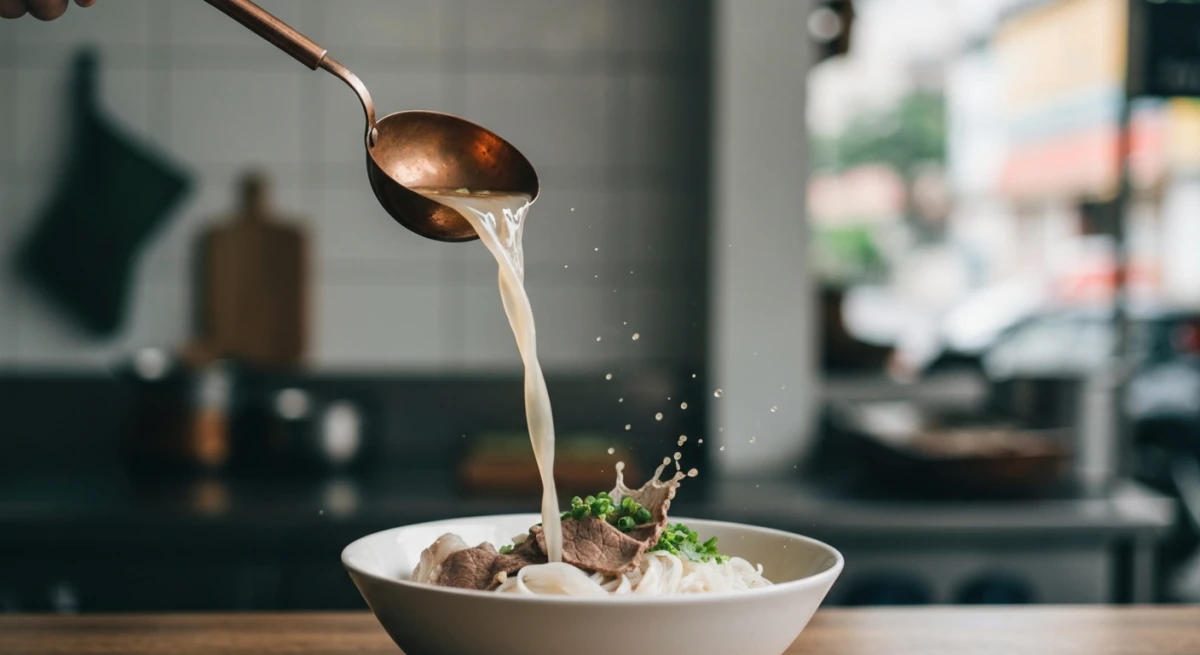
Pho is the undisputed crown jewel of Vietnamese cuisine—a delicate, soul-warming bowl of flat rice noodles, tender meat, and highly aromatic broth. To experience this national dish without worry, Pho Muslim is your go-to destination.
This local eatery operates with a unique schedule: they serve beef pho ("pho bo") in the morning and transition to serving Bun Bo Hue (spicy, lemongrass-infused beef noodle soup from Central Vietnam) in the evening.
The magic of their beef pho lies in the broth. Traditional Vietnamese cooks often use pork bones to sweeten their soups, but Pho Muslim’s chefs craft a broth using exclusively halal-certified beef bones, slow-simmered for over twelve hours. Infused with charred ginger, onions, star anise, cinnamon, cloves, and cardamom, the broth is beautifully clear, fragrant, and deep in flavor. When your bowl arrives, it is topped with thin slices of tender beef brisket and rare beef that cooks gently in the hot broth.
- How to Eat It Like a Local: Before taking your first bite, taste the broth in its pure state. Then, squeeze in a wedge of fresh lime, add a few slices of fresh bird's eye chili, and tear in fresh herbs like sweet basil and saw-tooth herb. Dip the beef slices into a mixture of hoisin sauce and sriracha for the ultimate flavor combination.
- Address: Alley 505, TK25/18 Tran Hung Dao Street, District 1.
- Opening Hours: Morning session (Pho) from 6:30 AM to 11:30 AM; Evening session (Bun Bo Hue) from 4:00 PM to 10:00 PM.
2. Grabbing a Crispy "Halal Banh Mi" on the Go
The Vietnamese banh mi is globally celebrated as one of the world's best sandwiches—a perfect fusion of French culinary influence (the crispy, airy baguette) and vibrant local ingredients. However, a traditional banh mi is a minefield for Muslims, typically smeared with pork liver pâté and stuffed with various processed pork cold cuts.
The Halal Banh Mi stall in District 1 solves this dilemma beautifully. This small, clean street cart replaces all pork components with high-quality, halal-certified alternatives.
- The Fillings: You can choose from a variety of delicious fillings, including lemongrass-marinated grilled chicken, savory stir-fried minced beef, or freshly fried eggs.
- The Assembly: The baguette is toasted to a perfect crisp over hot coals, sliced open, and spread with a homemade egg mayonnaise (free from animal fats). It is then stuffed with your choice of meat, pickled daikon and carrots for a sweet-and-sour crunch, fresh cucumber slices, cilantro, and a drizzle of savory soy-based sauce. A touch of fresh chili can be added if you prefer some heat.
- Address: Alley 553, Tran Hung Dao Street, Cau Kho Ward, District 1.
- Vibe: Primarily takeaway, perfect for a quick, affordable, and incredibly delicious lunch while exploring the city.
3. "Halal@Saigon" for a Full Vietnamese Feast
For a sit-down dining experience where you can sample a wide variety of classic Vietnamese family-style dishes, Halal@Saigon is highly recommended. Located opposite the Saigon Central Mosque, this restaurant boasts an extensive menu designed to showcase local flavors in a certified halal environment.
Must-try local dishes here include:
- Banh Xeo (Vietnamese Rice Pancake): A large, crispy, turmeric-infused rice batter pancake stuffed with juicy shrimp, minced chicken, and bean sprouts. To eat it, you tear off a piece, wrap it in a large mustard leaf or lettuce leaf along with fresh herbs, and dip it into a specially prepared sweet-and-sour dip (which uses halal-compliant fish sauce).
- Goi Cuon (Fresh Summer Rolls): Translucent rice paper wraps packed with fresh herbs, vermicelli noodles, cooked shrimp, and chicken. It is served with a rich, savory peanut dipping sauce.
- Clay Pot Caramelized Fish (Ca Kho To): A classic southern Vietnamese comfort dish where fresh fish is simmered in a thick, caramelized sauce inside a clay pot, yielding a savory, sweet, and deeply flavorful dish that pairs perfectly with steamed white rice.
- Address: 31 Dong Du Street, Ben Nghe Ward, District 1.
Best International Halal Restaurants in Ho Chi Minh City
While exploring Vietnamese food is a highlight of any trip, there are times when you might crave international comfort food. Ho Chi Minh City boasts an impressive selection of high-quality international halal restaurants.
1. Indian & Pakistani Cuisine: Baba's Kitchen
If you speak to expats or frequent travelers to Saigon about where to eat, the name Baba's Kitchen will almost certainly come up. Located in the bustling backpacker district of Bui Vien, this legendary restaurant is consistently ranked as one of the best dining spots in the city.
While the surrounding area of Bui Vien is famously chaotic, Baba’s Kitchen is an oasis of warm hospitality and incredible food. The menu is entirely halal-certified and features an extensive list of North and South Indian favorites, as well as Pakistani specialties.
- What to Order: Their mutton biryani is highly acclaimed—fragrant, long-grain basmati rice layered with tender, spiced mutton. Pair it with their creamy butter chicken, rich tandoori meats, and freshly baked garlic naan straight from the clay oven.
- Why It Stands Out: Aside from the exceptional food quality, the service at Baba's Kitchen is famous. The staff is incredibly attentive, and they often treat guests to a complimentary dessert, such as sweet kheer (rice pudding), at the end of the meal.
- Address: 164 Bui Vien Street, Pham Ngu Lao Ward, District 1.
2. Turkish & Mediterranean: Kebaby
If you are looking for a break from heavy rice and noodle dishes, head slightly outside the immediate tourist center to Binh Thanh District to visit Kebaby. This cool, modern restaurant is located in Pham Viet Chanh, a trendy neighborhood known for its artistic vibe and excellent eateries.
Kebaby specializes in authentic, gourmet Turkish Döner and Mediterranean-inspired street food. It is German-Turkish owned, ensuring that the kebabs served here match the high standards of the famous street food found in Berlin or Istanbul.
- What to Order: Choose from tender, vertically roasted chicken or juicy lamb wrapped in fresh, house-made flatbread (pita or durum wraps). They also serve highly nutritious "Kebaby Bowls" packed with fresh, crisp Mediterranean salad, hummus, pickled red cabbage, and flavorful garlic and yogurt sauces. All meats used are strictly certified halal.
- Address: 112 Pham Viet Chanh, Ward 19, Binh Thanh District.
3. Middle Eastern Fine Dining: Pasha
For a more upscale, relaxed Middle Eastern dining experience, Pasha on Dong Du Street is an excellent choice. This beautifully decorated restaurant features a cozy, traditional interior and a peaceful atmosphere that makes it perfect for a long dinner after a busy day of sightseeing.
- The Menu: Fully halal and alcohol-free, Pasha serves exceptional Lebanese, Turkish, and Moroccan dishes. From smooth, olive oil-drizzled hummus and smoky baba ghanoush to perfectly charred shish kebabs and slow-cooked lamb tagines, the quality of ingredients is top-notch. End your meal with a cup of strong Turkish coffee and a plate of sweet, flaky baklava.
- Address: 25 Dong Du Street, Ben Nghe Ward, District 1.
Muslim Travel Survival Tips: Navigating Street Food & Language Barriers
Traveling in a country where your primary language isn't spoken can make communicating dietary restrictions difficult. To ensure your trip is smooth and worry-free, keep these practical tips in mind.
1. Essential Vietnamese Phrases for Muslim Travelers
While translation apps are incredibly useful, memorizing a few key Vietnamese phrases can save time and help you communicate directly with local vendors.
- "Tôi chỉ ăn đồ ăn Halal."
- Meaning: I only eat Halal food.
- Pronunciation: Toy chee an doh an Halal.
- "Không ăn thịt heo / thịt lợn."
- Meaning: I do not eat pork. (Note: "Thịt heo" is used in the South/Saigon, while "thịt lợn" is used in the North/Hanoi).
- Pronunciation: Khong an teet heo / teet lon.
- "Không dùng mỡ heo."
- Meaning: Do not use lard / pork fat.
- Pronunciation: Khong zoong muh heo.
- "Món này có chay không?"
- Meaning: Is this dish vegetarian?
- Pronunciation: Mon nay co chay khong?
- "Không dùng nước mắm."
- Meaning: Do not use fish sauce. (Useful if you want to avoid fish sauce that might have been processed alongside non-halal elements, though rare).
- Pronunciation: Khong zoong nuoc mam.
2. Vegetarian Restaurants ("Quán Chay") as a Safe Alternative
If you find yourself exploring a neighborhood far from District 1 with no halal-certified restaurants in sight, do not panic. Your best safety net is to look for a Quán Chay (Vietnamese vegetarian or vegan restaurant).
Because of Vietnam’s strong Buddhist traditions, vegetarianism is incredibly common. Buddhist vegetarian food in Vietnam is strictly plant-based. These restaurants do not use any meat, fish, poultry, animal fats (including lard), or alcohol in their cooking. The kitchens are entirely free from pork contamination. Dining at a reputable Quán Chay is an excellent, stress-free way to enjoy authentic local Vietnamese dishes—such as vegetarian pho, mushroom spring rolls, and braised tofu—with total peace of mind.
3. Finding Prayer Rooms and Mosques in Ho Chi Minh City
Planning your meals around your prayer times is easy in Saigon, as most of the major halal restaurants are located within walking distance of the city's historic mosques.
- Saigon Central Mosque (Dong Du Mosque): Located at 45 Dong Du Street, District 1. Built in 1935 by French-Indian Muslims, this stunning, pale green mosque is the largest and most famous in the city. It features a beautifully clean prayer hall, excellent ablution facilities, and a peaceful courtyard. It is situated right in the middle of major shopping streets and is surrounded by halal eateries like Halal@Saigon and Pasha.
- Jamiul Islamiyah Mosque (Nancy Mosque): Located at TK25/18 Tran Hung Dao, District 1. This mosque serves a local neighborhood and is the perfect place to pray before heading out to enjoy a bowl of Pho Muslim or shopping for local Cham textiles.
- Al Rahim Mosque: Located at 45 Nam Ky Khoi Nghia, District 1. Another beautiful, historic mosque right in the commercial center, convenient for travelers visiting the nearby Saigon Square or Takashimaya department store.
Frequently Asked Questions (FAQ)
Is it easy to find halal food in Ho Chi Minh City?
Yes, finding halal food in Ho Chi Minh City is very manageable, especially compared to other cities in Vietnam. The areas around Ben Thanh Market (specifically Nguyen An Ninh Street) and the major mosques in District 1 are packed with certified halal and Muslim-owned restaurants.
Are KFC and McDonald's halal in Vietnam?
No. Unlike in Malaysia, Singapore, or Indonesia, international fast-food chains like KFC, McDonald's, and Burger King are not halal-certified in Vietnam. Their kitchens process pork products, and their poultry is not sourced from halal-certified suppliers. If you want quick-service fried chicken, look for local halal-certified alternatives like the fried chicken stalls near Ben Thanh Market.
Can I trust seafood restaurants to be halal-friendly?
While seafood itself is halal, dining at regular Vietnamese seafood restaurants requires caution. Many of these venues use lard to grill or fry seafood, fry their items in the same oil used for pork dishes, or use pork-based bouillon powders for seasoning. It is always safer to consume seafood at certified halal restaurants, local Muslim-owned eateries, or Buddhist vegetarian spots.
What is the average price of a halal meal in Saigon?
Prices vary depending on where you dine. At local street stalls like Pho Muslim or Halal Banh Mi, a highly satisfying meal will cost between 30,000 VND and 70,000 VND (approximately $1.20 to $3.00 USD). Sit-down halal restaurants around Ben Thanh Market or Dong Du Street typically charge between 120,000 VND and 250,000 VND ($5.00 to $10.00 USD) per main dish.
Are vegetarian restaurants in Vietnam completely safe for Muslims?
Yes, traditional Buddhist vegetarian restaurants (labeled "Quán Chay") are excellent safety nets. They are strictly plant-based, meaning they use absolutely no meat, seafood, animal stock, or animal fats (no lard). They also do not serve alcohol. This completely eliminates the risk of pork or non-halal meat cross-contamination.
Conclusion
Embarking on a journey to Ho Chi Minh City does not mean you have to miss out on Vietnam’s world-renowned food culture. By utilizing this guide, you can confidently navigate the city's streets, knowing exactly where to find the absolute best halal food ho chi minh city has to offer. From the warming broth of a freshly made halal pho near Nancy Mosque to the sweet and spicy flavors of Malaysia Street, Saigon is a city that warmly welcomes Muslim travelers. Respect the local customs, learn a few key phrases, and dive headfirst into one of Southeast Asia's most exciting and delicious destinations!