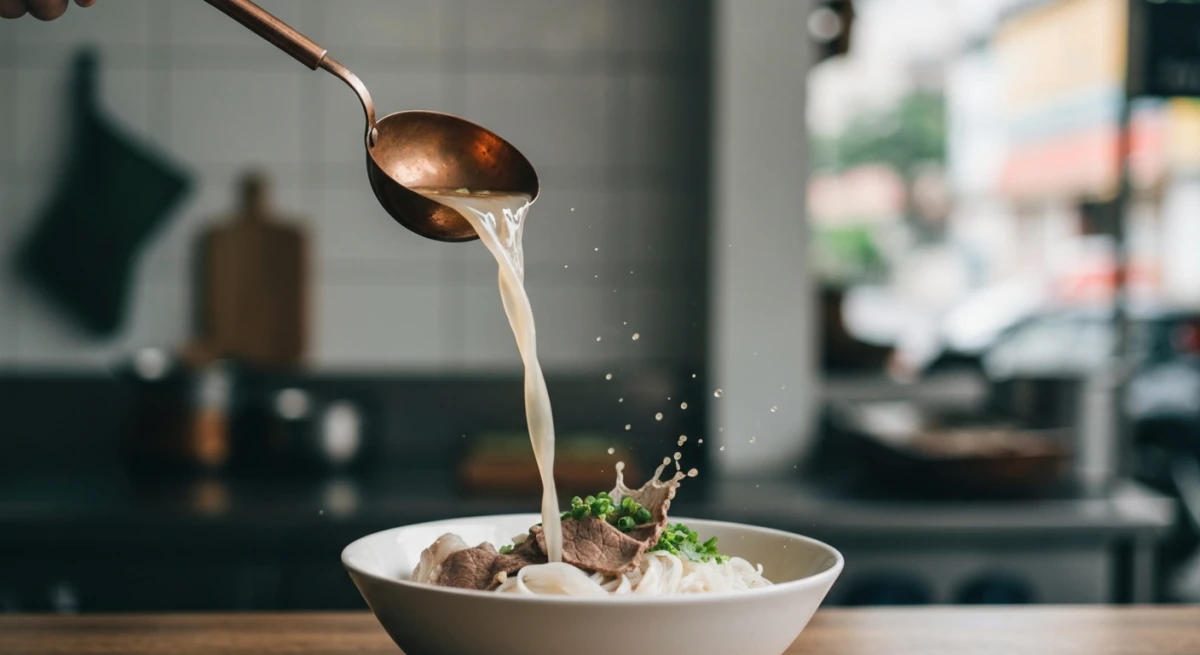
Saigon (Ho Chi Minh City) is a sensory overload. Motorbikes buzz like bees, the aroma of roasted coffee fills the air, and towering skyscrapers stand shoulder-to-shoulder with French colonial relics. For Muslim travelers, however, the primary question isn't how to navigate the traffic, but how to find reliable halal food in vietnam ho chi minh. You might worry that visiting a country where pork is a culinary cornerstone means surviving on convenience store snacks. Fortunately, Saigon's halal scene is thriving, dynamic, and incredibly diverse. Thanks to a growing community of local Cham Muslims, Malaysian expats, and global tourists, you can effortlessly savor everything from steaming bowls of authentic Halal beef pho to rich Malaysian curries and sizzling Indian naans. This ultimate guide will reveal the best culinary spots, safety tips, and hidden locations to ensure your trip is delicious, worry-free, and deeply satisfying.
Demystifying Halal Food in Ho Chi Minh City: Certification vs. Muslim-Owned
The culinary scene in Ho Chi Minh City can be incredibly exciting, but for Muslim travelers, navigating it requires some basic knowledge of the local food ecosystem. Unlike neighboring countries like Malaysia or Indonesia, where Halal standards are rigorously regulated by a single, national body (such as JAKIM or MUI), Vietnam’s Halal framework is decentralized. This means that finding authentic halal food in vietnam ho chi minh requires understanding the three distinct categories of dining options you will encounter.
First are the Officially Halal-Certified Restaurants. These establishments have undergone comprehensive, voluntary audits by independent, private certification bodies operating within Vietnam, such as the Halal Vietnam Association (HVN) or the Halal Certification Agency (HCA). These venues prominently display a valid, official Halal certificate on their walls and are required to source all of their meats from certified Halal slaughterhouses. Because of the substantial administrative costs and regular auditing fees associated with maintaining these certifications, this category is generally made up of mid-range to high-end restaurants, hotel dining rooms, and established international dining brands.
Second are the Muslim-Owned Restaurants. These are highly reliable, local, family-run eateries operated by members of the local Cham Muslim community, Malaysian and Indonesian expats, or South Asian immigrants. While many of these smaller, street-side stalls and casual diners do not display an expensive, formal certificate on their walls, they are strictly and fully compliant with Islamic dietary laws. The families who run them understand the deep spiritual importance of Halal preparation, source their meats exclusively from trusted Muslim wholesale butchers, and do not permit alcohol or non-halal items on their premises. For budget-conscious travelers, these Muslim-owned spots are excellent, safe, and highly recommended options.
Third are the Muslim-Friendly or "No Pork, No Lard" Establishments. This is the category where Muslim travelers must exercise the highest degree of caution. While these restaurants may omit pork and lard from their menus to attract Muslim or health-conscious diners, they often lack a true understanding of Halal principles. They may serve alcohol, use sauces containing alcohol or non-halal flavorings, or prepare their meals in kitchens where cross-contamination is a constant risk. Without dedicated halal utensils, cooking surfaces, and storage areas, these venues cannot guarantee strict Halal compliance. For a truly worry-free vacation, it is always safest to stick to officially certified or genuinely Muslim-owned restaurants.
The Primary Halal Hubs: Saigon's Muslim Quarters
Rather than wandering aimlessly through Ho Chi Minh City’s sprawling districts, travelers can focus their search on three primary culinary hubs. Each of these unique neighborhoods has its own distinct personality, making it easy to plan your daily sightseeing, shopping, and prayer stops around your meals.
The Ben Thanh Market Area (Nguyen An Ninh "Malaysia Street")
Located directly adjacent to the western gate of the historic Ben Thanh Market in District 1, Nguyen An Ninh Street is widely known as Saigon’s "Malaysia Street". This lively, bustling avenue is a dedicated sanctuary tailored specifically for Muslim travelers, especially those visiting from Malaysia, Indonesia, and Brunei. Here, the street signs are often translated into Malay and English, and the area is packed with Malaysian-owned restaurants, halal-certified Vietnamese diners, and boutique shops selling beautiful hijabs, traditional clothing, and souvenirs. At night, the street transforms into a vibrant, pedestrian-friendly market where you can enjoy local street food snacks, sweet desserts, and refreshing drinks in a lively, welcoming atmosphere.
The Dong Du Street Area (Saigon Central Mosque Hub)
Centering around the beautiful and historic Saigon Central Mosque (Jamia Al Musulman) in the heart of District 1, the Dong Du Street neighborhood offers a slightly more cosmopolitan, international dining experience. Because the mosque attracts Muslims from all over the world for daily congregational prayers, the surrounding blocks are populated with some of the city's finest Halal restaurants. Here, you will find a highly sophisticated blend of authentic Vietnamese, North and South Indian, Middle Eastern, and Malaysian cuisines. It is the perfect area for a relaxed, sit-down lunch or dinner after completing your prayers.
The Tran Hung Dao & Cau Kho Area (Nancy Mosque District)
Tucked away in the quiet, narrow alleyways of District 1 near the border of District 5, this local neighborhood surrounds the Jamiul Islamiyah Mosque (commonly known as the Nancy Mosque). Unlike the heavily touristed streets of Malaysia Street, the Cau Kho area offers an authentic, unvarnished look into the daily lives of Saigon’s local Cham Muslim population. This is the birthplace of the city’s legendary halal street-food scene, where you can sit alongside local residents and enjoy incredibly cheap, fresh, and authentic Vietnamese home-style cooking prepared with absolute Halal integrity.
The Ultimate List of Best Halal Restaurants in Ho Chi Minh City
To help you plan your culinary itinerary, we have curated a comprehensive list of the best, highly recommended halal food in Vietnam Ho Chi Minh, ranging from humble street stalls to elegant dining rooms.
1. Pho Muslim (The Holy Grail of Halal Street Food)
- Address: TK25/18 Tran Hung Dao, Cau Kho, District 1.
- Hours: Daily, 6:30 AM – 12:00 PM (Morning shift) & 3:30 PM – 10:00 PM (Evening shift).
- Price Range: 80,000 VND – 120,000 VND ($3.20 – $4.80 USD) per bowl.
- The Experience: If your dream is to sit on a low plastic stool in a narrow Saigon alleyway and slurp down a bowl of steaming, authentic pho, Pho Muslim is an absolute must-visit. Located directly behind the Nancy Mosque, this humble, family-run street stall is legendary among Muslim travelers. In the morning, they serve their signature Phở Bò (beef noodle soup). The clear, rich broth is simmered for hours with beef bones, charred ginger, onions, star anise, and cinnamon, entirely free of non-halal additives. It is served with tender, thinly sliced beef, chewy rice noodles, and a mountain of fresh local herbs. In the afternoon, the menu shifts to Bún Bò Huế (spicy lemongrass beef noodle soup), offering a bolder, fiery flavor profile.
2. Halal@Saigon (An Elegant Taste of Vietnam and Malaysia)
- Address: 31 Dong Du, Ben Nghe Ward, District 1.
- Hours: Daily, 10:00 AM – 10:00 PM.
- Price Range: 100,000 VND – 300,000 VND ($4.00 – $12.00 USD) per dish.
- The Experience: Situated directly opposite the entrance to the Saigon Central Mosque, Halal@Saigon is an air-conditioned, highly comfortable restaurant run by a passionate Malaysian Muslim owner. It is widely considered the best venue in the city to experience authentic Vietnamese cuisine that is fully Halal-certified. Must-try local delicacies include Bánh Xèo (a crispy, golden rice pancake stuffed with prawns, chicken, and bean sprouts), Gỏi Cuốn (fresh, translucent rice paper spring rolls packed with prawns, herbs, and vermicelli, served with a rich peanut dipping sauce), and Cá Kho Tộ (savory caramelized fish simmered in a traditional claypot). For those craving familiar comfort foods, they also serve exceptional Malaysian Nasi Lemak and spicy Thai Tom Yum soup.
3. The Daun Restaurant (Pan-Asian & Western Comfort Foods)
- Address: 48 Le Lai, Ben Thanh Ward, District 1.
- Hours: Daily, 10:00 AM – 10:30 PM.
- Price Range: 90,000 VND – 250,000 VND ($3.60 – $10.00 USD) per dish.
- The Experience: Located near the bustling Ben Thanh Market, The Daun Restaurant is a favorite for families and tour groups who want a wide variety of dining choices. Since opening in 2012, this spacious, modern restaurant has built an outstanding reputation for its massive, diverse menu featuring over 150 dishes. Here, you can enjoy a comforting bowl of Halal beef pho, followed by crispy spring rolls, Malaysian chicken satay with peanut sauce, Singapore-style black pepper crab, or even a classic Western beef steak. The ingredients are strictly Halal-certified, and the kitchen operates under strict cross-contamination prevention guidelines.
4. Kampung Pandan (Three Culinary Cultures Under One Roof)
- Address: 25 Truong Dinh Street, Ben Thanh Ward, District 1.
- Hours: Daily, 7:00 AM – 10:00 PM.
- Price Range: 85,000 VND – 220,000 VND ($3.40 – $8.80 USD) per dish.
- The Experience: Kampung Pandan is a highly popular, spacious, and modern dining venue that specializes in three major culinary streams: Malaysian, Indian, and Vietnamese. It is the perfect spot if you are traveling with a group of friends or family members with differing tastes. Their Vietnamese menu offers wonderful Halal versions of local claypot chicken, stir-fried morning glory with garlic, and seafood fried rice. Their Malaysian kitchen serves highly authentic Roti Canai with dhal curry, Mee Goreng, and Nasi Goreng Kampung. They also feature a dedicated Indian kitchen that prepares delicious, aromatic tandoori chicken, buttery naans, and rich, spiced curries.
5. Baba's Kitchen (The King of Halal Indian Cuisine in Saigon)
- Address: 274 Bui Vien Street, Pham Ngu Lao Ward, District 1.
- Hours: Daily, 11:00 AM – 10:30 PM.
- Price Range: 120,000 VND – 280,000 VND ($4.80 – $11.20 USD) per dish.
- The Experience: Sometimes, you need a break from local noodle soups and rice plates. When those cravings for rich, spiced, and buttery Indian food strike, Baba’s Kitchen on the famous Bui Vien Street is the ultimate destination. While located in the heart of Saigon’s lively nightlife district, Baba’s Kitchen is a clean, family-friendly, and highly professional establishment that uses strictly Halal-sourced meats. Their Biryani is legendary, featuring perfectly cooked, fragrant, long-grain basmati rice layered with tender, spiced mutton or chicken. Other crowd-favorites include their creamy Butter Chicken, Mutton Rogan Josh, and a vast selection of traditional vegetarian options like Paneer Tikka Masala.
6. Pho Rahim (Authentic Local Flavor Near the Mosque)
- Address: 45 Nam Ky Khoi Nghia, District 1.
- Hours: Daily, 6:00 AM – 11:00 PM.
- Price Range: 70,000 VND – 110,000 VND ($2.80 – $4.40 USD) per bowl.
- The Experience: Conveniently located right next to the historic Al Rahim Mosque, Phở Rahim is a fantastic local-style diner that is popular with both neighborhood residents and travelers looking for a quick, comforting meal after prayers. The restaurant serves some of the best and most affordable Pho in District 1. You can choose from various cuts of tender, Halal-certified beef, or opt for a light, fragrant chicken pho (Phở Gà). The service is incredibly fast and friendly, and the portions are highly generous.
How to Safely Navigate Street Food and Local Ingredients
One of the greatest joys of visiting Vietnam is immersing yourself in the legendary street food culture. However, as a Muslim traveler, you must exercise a high level of vigilance. Traditional Vietnamese cuisine is heavily pork-centric, and pork-derived ingredients can often hide in seemingly safe, vegetarian, or poultry-based dishes. To safely enjoy your travels outside of dedicated Halal restaurants, keep these crucial guidelines in mind.
1. Beware of "Mỡ Hành" (Green Onion Oil)
Mỡ Hành is an incredibly popular Vietnamese garnish made by flash-frying chopped green scallions in oil. It is routinely drizzled over grilled eggplants, broken rice plates, noodle bowls, and seafood dishes to add a rich flavor and beautiful shine. However, at traditional local street stalls, this oil is almost universally made using rendered pork fat (lard) rather than vegetable oil. Always ask the vendor to omit this garnish by saying "Không dùng mỡ hành" (Do not use green onion oil) or confirm if vegetable oil was used.
2. Pay Close Attention to Noodle Broths ("Nước Dùng")
Many local street vendors selling noodle soups like chicken pho (Phở Gà), crab noodles (Bún Riêu), or southern-style noodles (Hủ Tiếu) will simmer pork bones in their broths to add a deep, natural sweetness. Even if you order a dish that appears to be pork-free, such as chicken or beef noodles, the liquid broth itself is highly likely to contain pork-bone extract. Unless you are dining at a dedicated, certified Halal venue, do not assume that a noodle dish is safe. It is always best to stick to dry noodle dishes or verify the broth ingredients.
3. Understand the Nuances of Fish Sauce ("Nước Mắm")
While pure, high-quality fish sauce is made simply from fermented anchovies and salt (making it naturally Halal), street-side stalls often mix their dipping sauces with other non-halal flavor enhancers or prepare them on the same countertops where pork is handled. If you are dining at a regular vegan or vegetarian restaurant, ensure that they are using purely plant-based soy sauce or a vegan version of fish sauce (Nước Mắm Chay) to avoid any cross-contamination.
Essential Vietnamese Phrases for Dining
To help you communicate your dietary needs clearly, write down or save these phrases on your phone:
- "Tôi không ăn thịt heo" — I do not eat pork.
- "Tôi không ăn mỡ heo" — I do not eat lard.
- "Không dùng nước dùng heo" — Do not use pork broth.
- "Tôi ăn chay" — I eat vegetarian (This is a highly useful phrase, as Buddhist vegetarian food in Vietnam is typically completely vegan and free of meat, pork, and animal fats).
Practical Guide for Muslim Travelers: Mosques and Prayer Rooms
A seamless and enjoyable travel experience isn't just about finding great food; it is also about knowing where you can perform your daily prayers comfortably. Fortunately, Ho Chi Minh City has a historic and welcoming network of mosques that double as excellent spiritual and community hubs.
1. Saigon Central Mosque (Jamia Al Musulman)
- Address: 66 Dong Du Street, Ben Nghe Ward, District 1.
- About: Built in 1935 by South Indian Muslims, this stunning mosque is the largest and most prominent Islamic landmark in Ho Chi Minh City. It features gorgeous, colonial-era architecture painted in calming pastel green and white. The mosque is exceptionally clean, spacious, and fully equipped with modern ablution (wudu) areas and separate prayer halls for men and women. It offers a incredibly peaceful, quiet sanctuary away from the chaotic streets of District 1. After completing your prayers, you can step directly outside and choose from several excellent Halal restaurants located just steps away.
2. Jamiul Islamiyah Mosque (Nancy Mosque)
- Address: 459 Tran Hung Dao Street, Cau Kho, District 1.
- About: Serving a vibrant local congregation of Vietnamese and Cham Muslims, this mosque has a very warm, community-focused atmosphere. It is the perfect place to visit if you want to experience the daily lives of local Vietnamese Muslims. The alleyway immediately adjacent to the mosque is also home to the legendary Pho Muslim restaurant, making it an incredibly convenient stop for a combined prayer and meal break.
3. Al Rahim Mosque
- Address: 45 Nam Ky Khoi Nghia Street, Nguyen Thai Binh Ward, District 1.
- About: Established in 1885 by Malaysian and Indonesian Muslims, Al Rahim is one of the oldest mosques in Vietnam. It is beautifully maintained and features distinct architectural details that reflect the cultural heritage of the Malay Archipelago. The mosque is conveniently located in the commercial heart of District 1, and the popular Phở Rahim diner is located right next door.
Frequently Asked Questions (FAQ)
Is it easy to find halal food in Ho Chi Minh City?
Yes, finding halal food in Vietnam Ho Chi Minh is surprisingly easy, especially in District 1. The areas around the Saigon Central Mosque on Dong Du Street and "Malaysia Street" (Nguyen An Ninh Street) near Ben Thanh Market are packed with Halal-certified and Muslim-owned restaurants. You will find a wide variety of cuisines, including local Vietnamese, Malaysian, Indonesian, Indian, and Middle Eastern options.
Are major fast-food chains like McDonald's, KFC, or Lotteria Halal in Vietnam?
No. Unlike in Malaysia, Singapore, or Indonesia, international fast-food chains in Vietnam—including McDonald's, KFC, Burger King, and Lotteria—are not Halal-certified. They source their meats from non-halal suppliers and prepare them in kitchens where cross-contamination occurs. It is highly recommended to avoid these chains and stick to dedicated Halal restaurants.
Can I eat seafood at regular local Vietnamese restaurants?
While seafood itself is halal, dining at regular local seafood restaurants in Saigon carries a high risk of cross-contamination. Many local kitchens fry seafood in the same oil used for pork, brush grills with lard, or use cooking wines and non-halal oyster sauces for seasoning. If you want to enjoy fresh seafood, it is much safer to order seafood dishes at established, certified Halal restaurants.
What is "Malaysia Street" in Saigon and where is it located?
"Malaysia Street" is the local nickname for Nguyen An Ninh Street, located just outside the western gate of Ben Thanh Market in District 1. It earned this name because of the high concentration of Malaysian-owned restaurants, halal food stalls, and clothing boutiques catering specifically to tourists from Malaysia, Indonesia, and Singapore.
Is Vietnamese fish sauce halal?
Pure fish sauce (Nước Mắm) made traditionally from anchovies, salt, and water is naturally halal. However, many street vendors and commercial brands use additives, MSG, or process their sauces in facilities that handle pork products. For absolute safety, look for fish sauce used in certified Halal restaurants, or opt for vegan fish sauce (Nước Mắm Chay) at trusted vegetarian diners.
Conclusion
Embarking on a journey to Saigon doesn't mean you have to compromise on your dietary values or miss out on the country’s world-famous culinary wonders. By utilizing this guide, you can confidently navigate the vibrant food scene and savor the very best halal food in vietnam ho chi minh. From the comforting warmth of a morning bowl of Pho Muslim to the authentic Malaysian spices of Nguyen An Ninh Street, the city offers a warm and welcoming environment for every Muslim traveler. Plan your stay near District 1, keep a few essential Vietnamese phrases handy, and prepare yourself for an unforgettable culinary adventure in the heart of Vietnam's largest metropolis.