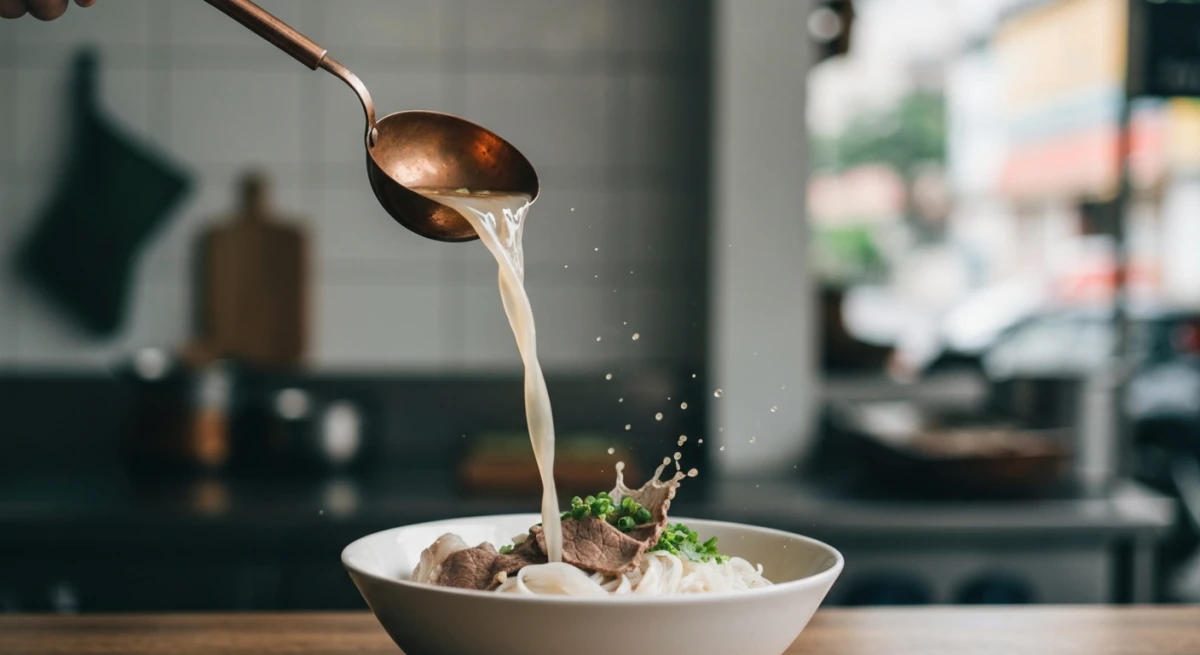
The minute you step onto the bustling streets of Ho Chi Minh City (formerly and still affectionately known as Saigon), your senses are immediately flooded with energy. The melodic hum of thousands of motorbikes, the aromatic steam rising from roadside soup stalls, and the vibrant colors of French-colonial architecture create an intoxicating travel experience. Yet, for Muslim travelers, this excitement is often accompanied by an immediate, anxious question: Where can I find safe, authentic food? Given that pork and lard are foundational pillars of traditional Vietnamese cuisine, discovering reliable halal ho chi minh options can feel like searching for a needle in a haystack.
But here is the exciting truth that most generic travel guides fail to mention: Ho Chi Minh City is home to a deeply rooted, historical Muslim community. Driven by the local ethnic Cham Muslims and decades of trade with Malaysia, Indonesia, and Singapore, Saigon has evolved into one of the most Muslim-friendly destinations in non-Muslim Southeast Asia.
Whether you are looking for a steaming bowl of authentic halal Pho, a crispy Bánh Mì, or the comforts of Malaysian Nasi Lemak, this comprehensive guide will show you exactly how to navigate the city. We will explore the hidden culinary pockets, dissect local food ingredients to keep you safe, and review the absolute best halal restaurants in District 1 and beyond.
1. The Secrets of Saigon’s Muslim Heritage and Halal Hubs
To truly appreciate the halal ho chi minh food scene, it helps to understand its origins. Unlike cities where halal food exists solely to cater to international tourists, Saigon's halal infrastructure is built on a living history.
The Cham Muslim Connection
A significant portion of Vietnam’s Muslim population belongs to the Cham ethnic group, descendants of the ancient Champa Kingdom. Over the centuries, many Cham people embraced Islam. Following migrations from the Mekong Delta and central Vietnam, a vibrant Cham Muslim community established itself in Ho Chi Minh City.
Because of deep linguistic and cultural ties with Malaysia (many Cham Muslims speak fluent Malay and have studied or worked in Malaysia), they became the natural bridge for Southeast Asian Muslim travelers. When Malaysian and Indonesian tourists began visiting Vietnam in large numbers in the 1990s and 2000s, it was the local Cham community that stepped up to open the first home-style halal eateries.
The Two Major Halal Zones in Saigon
When navigating the city, you will find that most halal options are concentrated in two primary geographic pockets in District 1:
- "Malaysia Street" (Nguyen An Ninh Street): Located right outside the West Gate of the iconic Ben Thanh Market, this single street is the undisputed headquarters of halal dining and modest fashion in Saigon. Lined with Malaysian-owned and Cham-run businesses, it feels like a miniature Kuala Lumpur in the heart of Vietnam.
- The Saigon Central Mosque Area (Dong Du Street): Surrounding the stunning, historic mosque built in 1935, this area features high-quality sit-down restaurants offering Vietnamese, Indian, and Middle Eastern halal-certified cuisines.
Understanding these hubs makes planning your itinerary incredibly easy, as you are never more than a few minutes away from a certified halal meal while exploring the city's main landmarks.
2. Iconic Vietnamese Dishes Made Halal: What to Eat & Where to Find Them
One of the biggest tragedies of travel is visiting a country and missing out on its national dishes. Fortunately, you do not have to compromise your Islamic dietary principles to experience the best of Vietnamese gastronomy. Local Muslim chefs have meticulously adapted traditional recipes, replacing pork elements with halal beef, chicken, or seafood, and ensuring all seasonings are strictly permissible.
Here are the iconic Vietnamese dishes you must try, along with the specific venues that prepare them safely:
Halal Phở (Vietnamese Beef Noodle Soup)
Traditional Pho is art in a bowl, but it is highly risky for Muslims. Standard street vendors often simmer pork bones alongside beef bones to sweeten the broth, or cook pork-based noodle soups in the same pots.
- The Halal Alternative: Head directly to Pho Muslim (TK25/18 Tran Hung Dao, Cau Kho Ward). Tucked away in a quiet alleyway near the Thanh Duong Jamiul Islamiyah Mosque, this legendary, open-air eatery has been operated by a Cham Muslim family for generations.
- The Taste: Their broth is deeply aromatic, simmered exclusively with halal-certified beef bones, star anise, cinnamon, and charred ginger. Served with tender slices of beef, fresh basil, saw-leaf herb, and a squeeze of lime, it is widely regarded as the most authentic halal Pho in the country. Note that they serve Pho in the morning (6:30 AM to 11:30 AM) and shift to other dishes in the evening.
Halal Bánh Mì (The Famous Vietnamese Baguette)
A standard Vietnamese Bánh Mì is a pork-heavy minefield, typically packed with pork belly, pork floss, liver pâté (usually made from pork liver and pork fat), and slathered in lard-infused mayonnaise.
- The Halal Alternative: You do not have to skip this world-famous sandwich. Along Nguyen An Ninh Street, several halal street carts and small cafes serve dedicated halal versions.
- The Taste: These baguettes are stuffed with lemongrass beef, savory shredded chicken, or fried eggs, topped with pickled daikon and carrots, fresh cucumber, cilantro, and a drizzle of halal-certified chili sauce. The bread is incredibly crispy on the outside and fluffy on the inside—perfect for a quick, budget-friendly lunch on the go.
Halal Bún Chả Giò (Crispy Spring Roll Vermicelli)
Bún Chả Giò is a refreshing noodle bowl featuring cold rice vermicelli, fresh herbs, pickled vegetables, crushed peanuts, and crispy fried spring rolls, all drizzled with a sweet and savory sauce. In local spots, the spring rolls are filled with minced pork, and the dipping sauce (nước chấm) is sweetened fish sauce.
- The Halal Alternative: Dine at Halal@Saigon (31 Dong Du Street) or Restaurant Halal Osman (Nguyen An Ninh Street).
- The Taste: Their spring rolls are stuffed with minced chicken, crab, wood-ear mushrooms, and glass noodles, fried to a perfect golden crunch. Combined with the sweet chili dipping sauce (which uses halal-certified ingredients), this dish offers a spectacular balance of hot, cold, crunchy, and savory textures.
3. The Ultimate Directory: Top Halal Restaurants in Ho Chi Minh City
While street-side adapters are fantastic, sometimes you want a comfortable, air-conditioned dining experience. Here is a curated, verified directory of the top halal-certified and Muslim-owned restaurants in Ho Chi Minh City, categorized by culinary style.
Category A: Authentic Vietnamese Halal
1. Halal@Saigon
- Address: 31 Dong Du Street, Ben Nghe Ward, District 1 (Opposite Saigon Central Mosque)
- The Vibe: Cozy, clean, and highly strategic. It is the perfect place to relax after performing your prayers at the Central Mosque.
- Must-Try Dishes: Claypot Fish (Cá Kho Tộ), Halal Beef Pho, and Spicy Tom Yam Soup. They also offer a fantastic range of Indian vegetarian options.
- Why It’s Special: This restaurant is incredibly popular with both local Muslims and international diplomats. The service is prompt, and they maintain strict halal certification.
2. Restaurant Halal Osman
- Address: 35 Nguyen An Ninh Street, Ben Thanh Ward, District 1
- The Vibe: Bustling and casual, capturing the lively energy of Malaysia Street.
- Must-Try Dishes: Bún Chả Giò (Spring Roll Noodles), Beef Luc Lac (shaking beef), and their authentic Malaysian Mee Goreng.
- Why It’s Special: Halal Osman is famous for its massive menu that bridges Vietnamese local specialties with Malaysian comforts, making it a crowd-pleaser for families with diverse cravings.
Category B: Malaysian & Singaporean Comfort Food
3. Kampung Pandan Restaurant
- Address: 52 Truong Dinh Street, Ben Thanh Ward, District 1
- The Vibe: Spacious, modern, and excellent for larger tour groups or families. It occupies the space of a historic local establishment and has built an incredible reputation.
- Must-Try Dishes: Nasi Lemak with Ayam Goreng (fried chicken), Roti Canai with curry, and Singaporean-style Chili Crab.
- Why It’s Special: Operated by a Malaysian-Vietnamese family, the authenticity of the spices here is unmatched. They import many of their key spice pastes directly from Malaysia to ensure that familiar, comforting taste.
4. The Daun Restaurant
- Address: 194 Le Thanh Ton Street, District 1
- The Vibe: Warm, welcoming, and situated just a short stroll from Ben Thanh Market.
- Must-Try Dishes: Beef Rendang, Nasi Goreng Kampung, and Western favorites like grilled steaks.
- Why It’s Special: The Daun is highly rated for its generous portion sizes and exceptional customer service. The staff speaks excellent English and Malay, making ordering a breeze.
Category C: Indian & Middle Eastern Excellence
5. Baba's Kitchen
- Address: 232 Bui Vien Street, Pham Ngu Lao Ward, District 1
- The Vibe: Lively and energetic, located on the edge of the famous backpacker district.
- Must-Try Dishes: Butter Chicken, Tandoori Platter, and Garlic Naan.
- Why It’s Special: Though not a local Vietnamese restaurant, Baba's Kitchen is a legendary Saigon institution. It is fully halal-certified, offers outstanding North and South Indian food, and provides a complimentary dessert at the end of your meal.
6. Al Sham Middle-Eastern Restaurant
- Address: 314 Vo Van Kiet Street, Co Giang Ward, District 1
- The Vibe: Elegant and beautifully decorated, ideal for a slower, relaxed dinner.
- Must-Try Dishes: Shawarma platters, Hummus with fresh Arabic bread, and Shish Tawook.
- Why It’s Special: Owned and operated by Syrian expats, Al Sham offers a genuine taste of the Levant. It is a fantastic option if you want a break from Asian spices and noodle soups.
4. The "Malaysia Street" Experience and Historic Mosques of Saigon
For many Muslim travelers, a trip to Saigon is centered around Nguyen An Ninh Street, universally known as Malaysia Street.
Walking Through Saigon’s "Malaysia Street"
Stepping onto this 100-meter stretch of road is a fascinating cultural experience. The signage is written in Vietnamese, Malay, and English. Shopkeepers—many of whom are Cham Muslims—will greet you with a warm "Apa khabar?" (How are you?) or "Terima kasih" (Thank you).
- Shopping for Modest Fashion: This street is a goldmine for Muslimahs. The shops here sell high-quality, beautifully designed Hijabs, Baju Kurung, Telekung (prayer outfits), and modest silk dresses at prices significantly lower than in Kuala Lumpur or Jakarta. Popular shops like Haji Basiroh (pioneered by the beloved Cham educator and entrepreneur Haji Basiroh) are famous for custom tailoring.
- Currency Convenience: Because the street caters almost exclusively to tourists from Malaysia, Singapore, and Indonesia, many vendors gladly accept Malaysian Ringgit (MYR) and US Dollars (USD) alongside Vietnamese Dong (VND). While we recommend keeping VND for the best exchange rates, it is incredibly convenient to know you can buy a bottle of water or a souvenir with Ringgits in a pinch.
Sacred Spaces: The Historic Mosques of District 1
Sightseeing in Ho Chi Minh City is easy to plan around your daily prayers, thanks to the stunning mosques located right in the city center.
- Saigon Central Mosque (Jamia Al Musulman):
- Address: 66 Dong Du Street, District 1.
- History: Built by South Indian Muslims in 1935, this is the most famous mosque in the city. Its striking turquoise-and-white architecture, clean courtyard, and peaceful atmosphere provide a serene escape from the chaotic streets outside. It has dedicated, clean ablution (wudu) spaces for both men and women.
- Thanh Duong Jamiul Islamiyah Mosque (Nancy Mosque):
- Address: 495B Tran Hung Dao Street, District 1.
- History: Located slightly further west, this mosque serves a large portion of the local Cham Muslim community. It is surrounded by small, budget-friendly halal food stalls (including Pho Muslim), making it an excellent stop for a combined prayer-and-lunch break.
- Al Rahim Mosque:
- Address: 45 Nam Ky Khoi Nghia Street, District 1.
- History: Built in 1885 by Malaysian and Indonesian Muslims, this is one of the oldest mosques in Vietnam. It features beautiful wood carvings and historic architectural details.
5. Survival Guide: Navigating Non-Halal Environments in Ho Chi Minh City
While staying within the "halal bubble" of District 1 is easy, you will likely want to explore other parts of the city, such as the War Remnants Museum in District 3, the Cholon Chinatown in District 5, or take a day trip to the Cu Chi Tunnels. When you venture away from certified halal hubs, dining becomes a challenge.
Use these expert survival tips to protect your dietary choices without staying locked in your hotel:
1. Beware the "Mỡ Hành" (Scallion Oil) Trap
Many travelers assume that ordering a simple vegetarian dish or grilled seafood from a standard street vendor is perfectly safe. However, in Southern Vietnam, almost all grilled dishes—including corn, sweet potatoes, eggplant, and seafood—are brushed with mỡ hành (scallion oil).
- The Danger: Traditionally, mỡ hành is prepared by frying green onions in rendered pork lard, not vegetable oil.
- How to Avoid It: Always ask the vendor how they prepare their scallion oil, or specifically request: "Không lấy mỡ hành" (Do not add scallion oil) or "Chỉ dùng dầu thực vật" (Only use vegetable oil).
2. The Shared Utensil & Broth Risk at Vegetarian Stalls
Ho Chi Minh City has an abundance of Buddhist vegetarian restaurants, marked by the sign "Quán Chay". While these spots are strictly meat-free, they are not always strictly Halal due to cross-contamination.
- The Danger: Some Quán Chay booths in public markets lease space right next to meat stalls and may share washing areas, pots, or utensils. Additionally, some pre-packaged vegetarian seasoning powders (hạt nêm chay) used by home cooks contain trace flavor enhancers that may not be certified halal.
- The Verdict: Eating at established, clean, stand-alone vegetarian restaurants (nhà hàng chay) is generally safe and a wonderful way to try Vietnamese vegetables, tofu, and mushroom dishes. However, try to avoid crowded, informal market stalls unless you can verify their kitchen practices.
3. Essential Vietnamese Phrases for Muslim Travelers
To make your journey smoother, save these handy phrases on your phone or practice saying them:
- "Tôi không ăn thịt heo" (pronounced: toy khom an tit heo) — I do not eat pork. (Note: Use heo in the South; Northern Vietnam uses lợn).
- "Tôi không ăn mỡ heo" (pronounced: toy khom an muh heo) — I do not eat pork lard.
- "Món này có thịt không?" (pronounced: mon nay co tit khom?) — Does this dish contain meat?
- "Đồ chay" (pronounced: doh chai) — Vegetarian food.
- "Nhà hàng Halal" (pronounced: nha hang halal) — Halal restaurant.
6. Frequently Asked Questions (FAQ)
Is halal food expensive in Ho Chi Minh City?
Because certified halal ingredients (especially meat) are often imported or sourced from specialized local Muslim suppliers, dining at halal restaurants is slightly more expensive than eating at standard local Vietnamese street food stalls. Expect to pay between 100,000 VND to 250,000 VND ($4 to $10 USD) per person for a satisfying meal at a mid-range halal restaurant. However, street-style spots like Pho Muslim remain incredibly affordable, with a massive bowl of Pho costing around 70,000 to 100,000 VND.
Can I find halal food at Tan Son Nhat International Airport (SGN)?
Within the international departures terminal, there are a few vegetarian options and international coffee chains that offer seafood or egg sandwiches, but strictly certified halal-designated hot food stalls can be limited or subject to change. It is highly recommended to have a hearty meal in District 1 before heading to the airport, or pack some halal snacks from the convenience stores on Nguyen An Ninh Street for your flight.
Can I trust seafood and vegetarian restaurants to be halal?
If a restaurant is not certified halal, you must exercise caution. While seafood (like grilled prawns, squid, or steamed fish) is inherently permissible, it is frequently cooked using the same grills, pans, oil, and utensils used to cook pork dishes. Furthermore, marinades often contain cooking wine or oyster sauce of unverified origin. When dining at seafood restaurants, look for established, clean venues, and ask them to cook your food using clean foil or separate pans.
What is the best area to stay in Ho Chi Minh City for Muslim travelers?
Without a doubt, the best area to stay is District 1, near the Ben Thanh Market (specifically around Nguyen An Ninh Street or Truong Dinh Street). Staying here means you can walk to dozens of halal restaurants, shop for modest clothing, and easily reach the Saigon Central Mosque. It saves you the stress of commuting for meals, especially after a long day of sightseeing.
Conclusion
Navigating the vibrant landscape of Ho Chi Minh City does not mean you have to miss out on the rich tapestry of Vietnamese culinary culture. By understanding the historical roots of the local Cham Muslim community, focusing your stay around the key halal hubs of District 1, and keeping a watchful eye out for hidden ingredients like mỡ hành, you can enjoy a safe, deeply rewarding, and incredibly delicious travel experience.
From the aromatic, slow-simmered broth of Pho Muslim to the warm hospitality of the shopkeepers on Malaysia Street, Saigon welcomes the global Muslim community with open arms and a table full of unforgettable flavors. Pack your bags, practice your Vietnamese phrases, and get ready to experience a unique, halal-friendly side of this mesmerizing Southeast Asian metropolis.