The Culinary Soul of Saigon: An Introduction
When you first step onto the frantic streets of Saigon, the sensory onslaught is immediate. Motorbikes buzz past like a mechanical swarm, neon signs flicker through the tropical humidity, and the air is thick with the sweet scent of charred pork, star anise, and fresh herbs. For any traveler or culinary enthusiast planning an itinerary, figuring out ho chi minh city where to eat is both an exhilarating adventure and a delicious challenge. This is a metropolis where culinary boundaries blur seamlessly; a place where you can savor a meticulously crafted tasting menu at a Michelin-starred establishment before walking three paces to sit on a low plastic stool for the best snail dish of your life.
Saigon’s food culture is a beautiful tapestry woven from various historical influences. Here, the traditional cooking styles of Southern Vietnam—characterized by a love for fresh herbs, sweetness, and abundant seafood—are layered with Chinese techniques, Khmer ingredients, and French colonial pastry and coffee traditions. Deciding where to dine can feel overwhelming because of the sheer volume of choices. Street food carts claim almost every square meter of sidewalk space, while trendy modern restaurants continually redefine what Vietnamese cuisine can be. This guide will demystify the sprawling landscape of Saigon’s dining scene, mapping out the absolute best spots so you can eat like a local.
Section 1: The Iconic Street Food Stalls & Where to Find Them
In Saigon, the street is the dining room. To understand the city’s heart, you must eat on its sidewalks. Here are the non-negotiable, legendary institutions that have defined Saigon's street food culture for decades.
Phở Lệ: The Southern Beef Soup Masterclass
Address: 415 Nguyễn Trãi, Ward 7, District 5, Ho Chi Minh City
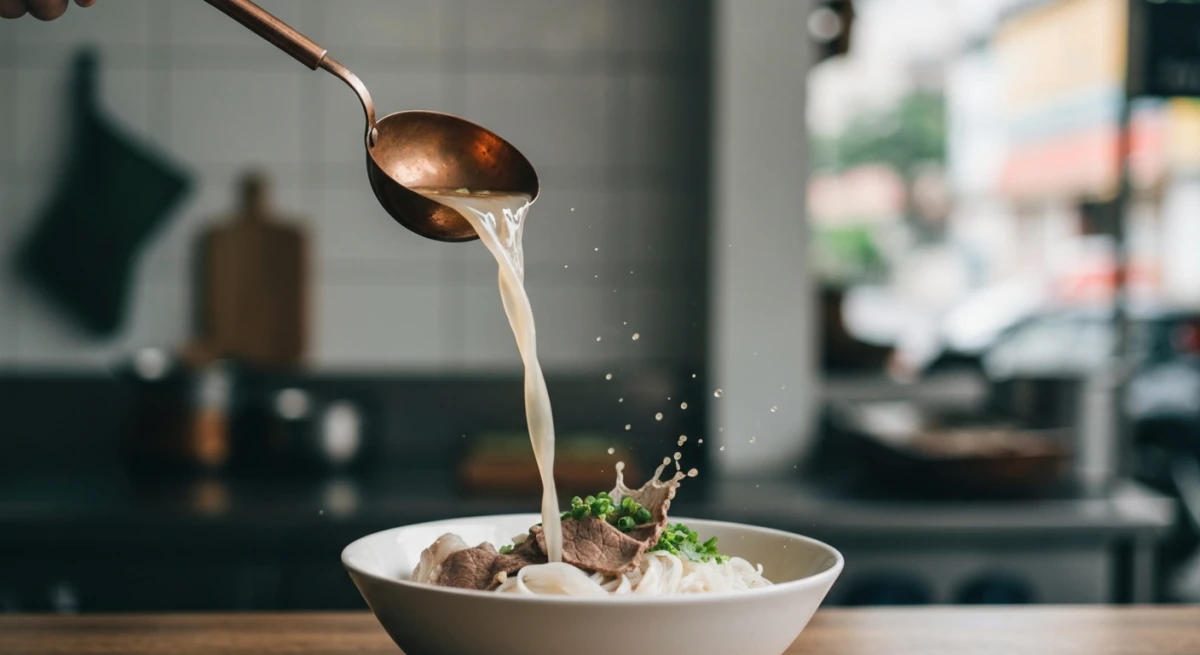
While Northern Vietnam claims the birth of Pho, the South has perfected its own hyper-vibrant, herb-heavy rendition. For the absolute pinnacle of Southern-style pho, head straight to Phở Lệ in District 5. Unlike the delicate, minimalist broths of Hanoi, Phở Lệ’s broth is deep, slightly sweet, intensely aromatic, and shimmering with beef fat. When you order the Phở Tái Nạm (rare beef and flank), your bowl arrives steaming hot, loaded with tender cuts of meat and chewy rice noodles. You are presented with a veritable mountain of fresh table herbs: sawtooth coriander, sweet basil, rice paddy herb, and mint. The local way to eat this is to tear the herbs directly into the hot broth, squeeze in a touch of lime, and create a dipping dish on the side mixing hoisin and chili sauce to dip your beef slices. It is a masterclass in balance, texture, and fragrance.
Bánh Mì Huỳnh Hoa: The Multi-Layered Heavyweight
Address: 26 Lê Thị Riêng, Phạm Ngũ Lão Ward, District 1, Ho Chi Minh City
Often called the "multilayered monster" or the "heavyweight champion" of Vietnamese sandwiches, Bánh Mì Huỳnh Hoa is a polarizing but absolutely mandatory stop. Located in District 1, this bakery serves a sandwich so packed with cold cuts, house-made pork floss, rich buttery mayonnaise, and velvety, savory pate that a single baguette can easily feed two people. The queue outside Huỳnh Hoa is legendary, moving with military precision as staff slather, slice, and wrap baguettes at breakneck speed. The bread itself is incredibly crispy on the outside while remaining light and airy inside, providing the perfect vehicle for the rich meats and the sharp, refreshing crunch of pickled cucumbers, daikon, and carrots. For a fantastic, lighter alternative, try Bánh Mì Hồng Hoa or the historic Bánh Mì Bảy Hổ, which has been serving crisp baguettes since the 1930s.
Cơm Tấm Ba Ghiền: The Sidewalk Sizzling Legend
Address: 84 Đặng Văn Ngữ, Ward 10, Phú Nhuận District, Ho Chi Minh City
Cơm Tấm, or broken rice, is the quintessential culinary symbol of Southern Vietnam. Historically made from fractured rice grains that couldn't be sold commercially, it began as a cheap, working-class breakfast staple before capturing the hearts of all Saigonese. At Cơm Tấm Ba Ghiền, located in the residential Phu Nhuan district, you will find what is widely considered the most legendary plate in the city. The star of the show here is a giant, sweet-savory marinated pork chop (sườn nướng) grilled over open charcoal right on the sidewalk. The smoke carries the sweet scent of caramelized lemongrass, honey, and fish sauce down the block, acting as an irresistible beacon. The pork chop is served over a bed of broken rice, topped with a fried egg, scallion oil, shredded pork skin, a baked egg custard, pickled daikon, and a generous splash of sweet, garlicky fish sauce. This is a hearty, savory, and incredibly satisfying dish that you can enjoy at any hour of the day.
Section 2: Navigating Saigon by Neighborhood: A District-by-District Culinary Map
Ho Chi Minh City is divided into several administrative districts, each possessing its own unique culinary subculture. To truly understand where to eat, you must understand how these neighborhoods function.
District 1: The Beating Heart and Epicurean Hub
District 1 is the commercial center where old meets new. Here, colonial architecture stands next to soaring skyscrapers. For foodies, District 1 offers the greatest density of dining options, ranging from historic wet markets to modern bistros. While Ben Thanh Market is a must-visit for first-timers, the real culinary magic happens just outside its gates or in the historic Ton That Dam wet market nearby. If you are looking for trendy cafes, specialty coffee houses, or upscale fusion restaurants, the leafy neighborhood of Da Kao in District 1 is your best bet.
District 3: Alleys, Apartments, and Local Secrets
Directly bordering District 1, District 3 feels slightly more residential and local while remaining highly accessible. It is famous for its leafy, tree-lined streets and historic alleyways (hẻm). The Nguyen Thien Thuat apartment block is a legendary street food enclave where you can find everything from sizzling plates of beef to sweet, chewy banana cakes. District 3 is the perfect place to wander without a plan; simply follow the smoke of charcoal grills down any narrow alley.
District 4: The Sizzling Seafood Heaven
District 4 was once a gritty port area, but today it is legendary among locals as the ultimate destination for Ốc (sea snails and shellfish). Vinh Khanh Street is the main artery of this culinary wonderland. As the sun sets, this street transforms into an energetic, open-air seafood party. Dozens of stalls set up metal tables on the sidewalks, displaying baskets of fresh clams, snails, crabs, and prawns. Sit down, order some local beers, and feast on dishes like garlic-fried mud creepers, lemongrass steamed clams, and grilled scallops topped with scallion oil and peanuts.
Binh Thanh & Phu Nhuan: The True Local Corridors
For travelers willing to venture slightly off the beaten path, Binh Thanh and Phu Nhuan districts offer some of the most authentic, untouched culinary corridors in the city. Phan Xich Long street in Phu Nhuan is a legendary food strip, while Van Kiep Street (bordering Binh Thanh) is widely celebrated as one of Saigon's finest street food hubs. Here, you will find virtually no English menus or tourist crowds—just spectacular local dishes served at incredibly low prices.
Section 3: Traditional Home-Style & Elevating Modern Vietnamese Dining
While street food is the soul of Saigon, the city’s indoor dining scene is experiencing an astonishing renaissance. Chefs are taking traditional family recipes and high-quality local ingredients to create world-class dining experiences.
Cục Gạch Quán: Nostalgic Countryside Comfort
Address: 10 Đặng Tất, Tân Định Ward, District 1, Ho Chi Minh City
Housed in a beautifully restored French colonial villa with a tranquil garden and pond, Cục Gạch Quán offers a nostalgic journey back to traditional Vietnamese family dining. The philosophy here is simple: fresh, rustic, and organic home-style food cooked without MSG. The menu is presented like a vintage notebook, offering dishes such as claypot braised pork belly, caramelized tofu, and stir-fried pumpkin flowers with garlic. Eating here feels like being invited into a grandmother’s countryside kitchen, despite being in the center of a roaring metropolis. It is no wonder this spot was famously frequented by Brad Pitt and Angelina Jolie, and has since retained its legendary status.
Anan Saigon: The Michelin-Starred Pioneer
Address: 89 Tôn Thất Đạm, Bến Nghé Ward, District 1, Ho Chi Minh City
No discussion of Ho Chi Minh City's modern culinary landscape is complete without mentioning Anan Saigon. Founded by Chef Peter Cuong Franklin and located right inside the bustling Ton That Dam wet market, Anan is Saigon's premier Michelin-starred restaurant. Franklin takes classic Vietnamese street foods and elevates them using French culinary techniques and premium ingredients. The result is pure genius: Bánh Xèo (savory crêpes) transformed into elegant tacos, foie gras spring rolls, and the infamous $100 Bánh Mì (which features truffle, wagyu beef, and foie gras). Anan’s multi-course tasting menus offer an unforgettable sensory journey that honors traditional flavors while pushing the boundaries of what Vietnamese cuisine can be.
Section 4: The Must-Try Southern Dishes You Can't Leave HCMC Without Tasting
To truly navigate the question of ho chi minh city where to eat, you must know what specific dishes to look for. Southern Vietnamese cuisine is characterized by its abundant use of fresh herbs, coconut milk, sugar, and seafood. Here are the regional masterpieces you must seek out.
Ốc: The Art of Eating Snails
In Saigon, eating snails (ăn ốc) is not just about the food; it is a vital social ritual. Groups of friends gather after work around low tables to drink cold beer and share plate after plate of shellfish. The varieties are endless. You can order Ốc Hương (sweet snails) sautéed in a rich, buttery salted egg yolk sauce, Nghêu (clams) steamed in a fragrant lemongrass broth, or Sò Điệp (scallops) grilled over charcoal with scallion oil and crushed roasted peanuts. Be sure to use a piece of crusty Vietnamese bread to mop up every drop of the savory sauces.
Bánh Xèo: The Sizzling Savory Crepe
Bánh xèo translates literally to "sizzling cake," named after the sound the rice batter makes when poured into a roaring hot, oil-slicked skillet. Southern-style bánh xèo are massive, thin, and impossibly crispy crepes colored bright yellow with turmeric powder. They are stuffed to the brim with pork belly, shrimp, mung beans, and fresh bean sprouts. To eat it, tear off a piece of the crispy crepe, wrap it in a large mustard leaf along with fresh herbs like mint and perilla, roll it up, and dip it into a sweet-and-sour fish sauce (nước chấm). It is a spectacular explosion of hot and cold, crispy and herbaceous.
Bò Lá Lốt: Beef Wrapped in Betel Leaves
Walk down any street food alley in the early evening, and you are bound to encounter the sweet, smoky aroma of Bò Lá Lốt cooking over charcoal. To make this dish, seasoned minced beef is wrapped into tight cylinders using wild betel leaves (lá lốt), then skewered and grilled. The betel leaves char beautifully, locking in the juices of the beef and infusing it with a unique, herbaceous, slightly peppery flavor. Serve it by wrapping the beef rolls in rice paper with vermicelli noodles, green banana slices, starfruit, and herbs, then dip it into mắm nêm, a pungent, fermented pineapple-anchovy sauce that is intensely delicious.
Section 5: Essential Tips for Eating Like a Local in Ho Chi Minh City
To ensure your culinary journey in Saigon is seamless, delicious, and safe, keep these practical dining tips in mind.
Embrace the Wet Wipes and Tissues
When you sit down at a local street food stall, you will often find a package of wet wipes (khăn lạnh) on the table. Be aware that these are usually not free; stalls charge a very nominal fee (about 2,000 to 5,000 VND) per wipe used. However, they are invaluable for cleaning your hands and wiping down chopsticks or spoons before eating. Feel free to use them!
Navigating the Ice (Trà Đá)
A common concern for travelers is whether the ice is safe to consume. In Ho Chi Minh City, almost all ice used in restaurants and established street stalls is commercially produced in clean factories (đá bi) and is perfectly safe. If you see ice that comes in large, irregular hand-crushed blocks, you might want to exercise caution, but the standard cylindrical tube ice is absolutely fine. Ordering a glass of Trà đá (iced green tea) is the cheapest and most refreshing way to wash down a spicy meal.
The Condiment Symphony
Vietnamese dining is highly interactive. When a dish is served, it is rarely considered "finished" by the cook. The table will be laden with condiments: lime wedges, fresh chilis, chili paste, soy sauce, fish sauce, garlic vinegar, and hoisin. Taste the broth or dish first, then customize it to your exact liking. If a broth is too sweet, add a squeeze of lime; if you want more depth, add a splash of fish sauce.
Peak Dining Hours
Saigon eats early. Breakfast spots (like Com Tam or Pho stalls) open as early as 6:00 AM and are often sold out or closed by 10:00 AM. Lunch typically runs from 11:30 AM to 1:30 PM. The street food scene truly comes alive after dark, starting around 6:00 PM, with night markets and seafood stalls bustling late into the night. Plan your eating schedule accordingly to catch vendors at their freshest.
FAQ: Your Ho Chi Minh City Dining Questions Answered
Is street food in Ho Chi Minh City safe to eat?
Yes, street food in Saigon is remarkably safe, provided you follow a few basic guidelines. Look for stalls with high foot traffic and a fast turnover of food—if a stall is packed with locals, the ingredients are guaranteed to be fresh. Choose vendors where you can see the food being cooked hot and fresh to order. Avoid raw shellfish unless you are at a highly reputable Ốc joint with high turnover.
How much does a typical meal cost in Saigon?
Dining in Ho Chi Minh City is incredibly affordable. A bowl of world-class street pho or a plate of Com Tam will cost between 40,000 and 80,000 VND ($1.60 to $3.20 USD). A casual meal at an air-conditioned local restaurant will run about 150,000 to 300,000 VND ($6 to $12 USD) per person. Fine dining tasting menus, such as those at Anan Saigon, can range from $80 to $150+ USD per person, which is still exceptional value for Michelin-starred cuisine.
What district has the best food in Ho Chi Minh City?
While District 1 has the most diverse concentration of dining options (from street food to fine dining), District 3 offers a fantastic, highly accessible local street food experience. For seafood and a lively evening atmosphere, District 4 is unmatched. For travelers seeking a deeply authentic local culinary adventure, the streets of Phu Nhuan and Binh Thanh districts are absolute goldmines.
Do I need to tip at restaurants in Saigon?
Tipping is not traditional in Vietnam. At casual local eateries and street food stalls, tipping is not expected, and leaving extra change might actually confuse the staff. However, at upscale Western restaurants, modern bistros, and high-end hotels, a service charge of 5% to 10% is often added to the bill. If it is not included, leaving a 5% to 10% tip for good service is highly appreciated.
How do I book a table at Michelin-starred restaurants like Anan Saigon?
For high-end and popular restaurants like Anan Saigon or Cuc Gach Quan, advanced reservations are highly recommended, especially for weekend dining. You can easily book tables online through their official websites or by emailing them directly. For Anan Saigon, it is wise to book at least 2 to 4 weeks in advance to secure a spot.
Conclusion
Ho Chi Minh City is a culinary wonderland that rewards the curious and the brave. Whether you find yourself tucked into a dim, atmospheric alleyway in District 3 chewing on smoky grilled pork, or staring out at the sparkling city skyline from a chic rooftop bar in District 1, the food of Saigon will leave an indelible mark on your soul. When planning your trip, don't be afraid to step out of your comfort zone, sit on those tiny plastic stools, and let the incredible flavors of Southern Vietnam guide your journey. Bon appétit, or as they say in Vietnam, Chúc ngon miệng!