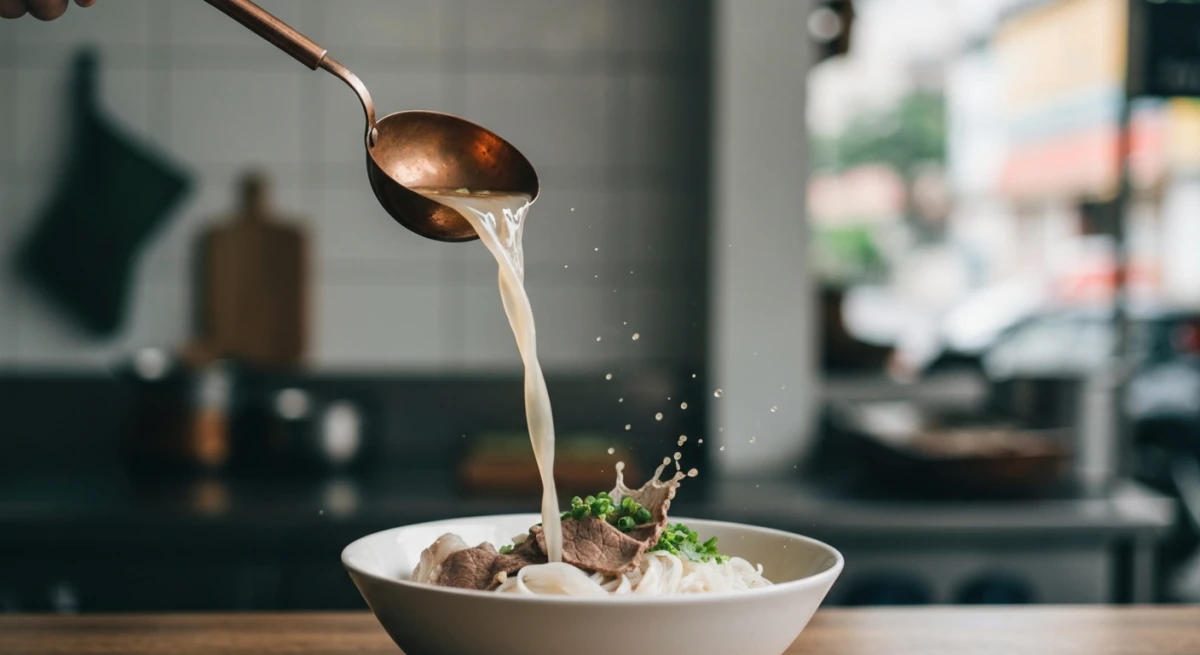
To step onto the chaotic streets of Ho Chi Minh City—still affectionately known by locals as Saigon—is to enter one of the most electric, sensory-rich culinary arenas on Earth. The air here is a thick, intoxicating perfume of charred lemongrass, bubbling beef bones, roasting coffee, and fermented fish sauce, punctuated by the relentless symphony of millions of motorbikes. For food lovers, this city is not just a destination; it is an obsession. In this comprehensive Ho Chi Minh food guide, we will bypass the sterile tourist traps of District 1 and dive straight into the labyrinthine alleys where the real heart of Saigon’s street food beats, helping you eat exactly like a local.
Whether you are a first-time visitor trying to figure out the difference between Northern and Southern noodle broths, or a seasoned culinary traveler searching for the ultimate neighborhood food safari, this guide will provide you with the deep cultural context, local insider tips, and precise street locations you need to master Saigon’s culinary landscape.
The Philosophy of the Southern Palate: Understanding Saigon's Flavors
Before you sit down on your first low plastic stool, it is essential to understand what makes Southern Vietnamese cuisine so distinct from its Northern counterpart. While Northern Vietnamese food leans toward subtle, savory, and black-pepper-forward profiles, Southern cuisine is a wild, uninhibited celebration of bold contrasts. Here, sweetness reigns supreme. Influenced heavily by the tropical abundance of the Mekong Delta, Southern cooks utilize freshly pressed coconut milk, palm sugar, and a dizzying variety of sweet fruits and fresh herbs.
Furthermore, the South is a melting pot of historical migrations. In every bite, you can taste the deep culinary fingerprints of the Khmer (Cambodians), Teochew and Hokkien Chinese immigrants, and French colonial occupiers. This intersection has birthed a food culture that is playful, highly adaptable, and incredibly generous. A typical Southern meal is never complete without a mountain of fresh herbs—mint, Thai basil, sawtooth coriander, fish mint, and banana blossoms—offered alongside every dish to provide a clean, bitter, and refreshing balance to rich, fried, or sugary flavors. This balance of Yin (cooling, raw elements) and Yang (heating, cooked elements) is the golden thread running through every kitchen in Ho Chi Minh City.
The Big Six: Essential Saigon Dishes and Where to Find Them
To navigate the thousands of street food stalls in Saigon, you need a targeted hit list. These six iconic dishes represent the pinnacle of Southern Vietnamese culinary history. Skip the hotel breakfast and head straight to these legendary local spots.
1. Cơm Tấm (Broken Rice)
Historically, cơm tấm was a clever survival food. During the harvest, thrifty Mekong Delta farmers who could not sell their fractured, broken rice grains kept them for personal consumption. When Saigon urbanized, these broken grains made their way to the city, where street vendors paired them with inexpensive cuts of marinated pork. Today, it is Saigon's ultimate comfort dish—an iconic breakfast and late-night staple.
The magic of a perfect plate of cơm tấm lies in the harmony of its elements. First is the sườn nướng, a thin pork chop marinated in lemongrass, garlic, fish sauce, and honey, grilled over screaming-hot charcoal until caramelized and charred at the edges. Next is the chả trứng, a dense, steamed egg and pork meatloaf packed with glass noodles and wood-ear mushrooms. Add bì (thinly shredded pork skin tossed in toasted rice powder) and a fried egg (ốp la) with a runny yolk. The entire plate is drizzled with mỡ hành (scallion oil) and served with pickled daikon, carrots, and a sweet, garlic-and-chili-infused fish sauce.
- How to eat it: Do not pour all the fish sauce over your rice at once. Drizzle a spoonful or two at a time, making sure to break the runny egg yolk so it mixes with the scallion oil and the warm, dry grains of broken rice.
- Where to go: Cơm Tấm Ba Ghiền (84 Đặng Văn Ngữ, Phú Nhuận District). This legendary spot serves massive pork chops that literally hang off the edges of the plate. It is smoky, chaotic, and utterly delicious.
2. Bánh Mì
The French brought the baguette, pâté, and mayonnaise to Indochina, but it was Saigon’s creative bakers who revolutionized it. By adding rice flour to the wheat dough, they created a bread that is impossibly light, airy, and thin-crusted—perfectly suited to the humid Southern climate.
While Northern bánh mì is minimalist (often just pâté, butter, and a few slices of ham), Saigon's version is heavily loaded. A classic Southern bánh mì thịt is a masterclass in texture and flavor layering. The bread is sliced open and slathered with rich liver pâté and homemade egg-yolk mayonnaise. Next comes a layer of cold cuts, including chả lụa (pork roll), giò thủ (headcheese), and barbecued pork. To slice through the fatty richness, vendors pack the sandwich with fresh cucumber strips, cilantro, scallions, pickled daikon, carrots, and a fiery splash of bird’s eye chili sauce.
- Where to go: For an absolute flavor bomb, head to Bánh Mì Huỳnh Hoa (26 Lê Thị Riêng, District 1). It is the heaviest, most indulgent bánh mì in the city, packed with layers of premium meats. For a completely different, rustic experience, seek out Bánh Mì 37 Nguyễn Trãi (37 Nguyễn Trãi, District 1) in the late afternoon, where a vendor grills sweet, charcoal-scented pork patties on the street and slips them fresh into warm, crispy baguettes.
3. Phở Nam (Southern-Style Pho)
Many travelers arrive in Vietnam thinking all pho is created equal, but the rivalry between Northern and Southern styles is fierce. Southern-style pho (phở Nam) features a darker, sweeter, and more spiced broth than its Northern sibling, simmered for up to 24 hours with charred onions, ginger, star anise, cinnamon, and cloves.
The noodles are thinner, and the beef options are far more extensive—you can order thin slices of raw beef (tái) that cook instantly in the hot broth, brisket (gầu), chewy tendon (gân), tripe (sách), or seasoned beef meatballs (bò viên).
The defining difference, however, is the table setup. Southern pho is served with a veritable forest of fresh table greens: Thai basil, sawtooth herb, rice paddy herb, and blanched bean sprouts. You are also provided with hoisin sauce (tương đen) and chili sauce (tương ớt).
- How to eat it: Do not squirt the sauces directly into the bowl immediately; this masks the chef’s carefully crafted broth. Taste the broth first. Then, squeeze a bit of lime, tear the herb leaves into bite-sized pieces, and submerge them in the soup. Squeeze a dollop of hoisin and chili sauce onto a small side saucer, and dip your beef slices directly into this mixture before eating.
- Where to go: Phở Lệ (415 Nguyễn Trãi, District 5). Known for its exceptionally rich, beefy broth and incredibly tender cuts of meat, this Cholon-adjacent institution is a masterclass in Southern-style noodle soup.
4. Hủ Tiếu Nam Vang (Phnom Penh Noodle Soup)
While pho gets all the international glory, hủ tiếu is arguably more beloved by Saigonese locals for breakfast or a comforting dinner. This dish traces its ancestry to Cambodia (Nam Vang is the Vietnamese name for Phnom Penh) and was brought to Saigon by Chinese immigrants. It is a stunning culinary hybrid.
The bowl features chewy tapioca noodles topped with a colorful array of ingredients: sliced pork, minced pork, a couple of plump shrimp, quail eggs, and sometimes pork liver or heart. It is served with a mountain of Chinese celery, garlic chives, and crown daisy herbs.
You can order it two ways: nước (wet, in a sweet pork-bone broth) or khô (dry). The dry version is the connoisseur’s choice. The noodles are tossed in a savory, sweet soy-based house sauce and topped with crispy fried garlic and shallots, while the hot broth is served on the side in a small bowl, allowing you to alternate between chewy bites and sips of soup.
- Where to go: Hủ Tiếu Thanh Xuân (62 Tôn Thất Thiệp, District 1). Running for over seven decades, this humble spot is famous for its sweet-and-sour crab-claw sauce that coats the dry noodles beautifully.
5. Ốc (Street Snails & Shellfish)
You have not truly experienced Saigon's nightlife until you have spent an evening eating ốc. In Vietnamese, "ốc" translates literally to "snails," but in the context of street food, it refers to an entire universe of fresh shellfish, clams, oysters, and sea snails. Eating snails is synonymous with the cultural practice of nhậu—sitting on the sidewalk on low plastic stools with friends, cracking shells, dipping seafood into fiery sauces, and washing it all down with ice-cold local beer.
The snails are ordered by species and preparation. Popular options include ốc hương (sweet snails), ốc móng tay (razor clams), and sò lông (blood cockles). Preparations are highly customizable: stir-fried in rich garlic butter (xào bơ tỏi), tossed in sweet and tangy tamarind sauce (xào me), roasted with chili salt (rang muối ớt), or simmered in a luscious salted egg yolk sauce (sốt trứng muối).
- How to eat it: Use a safety pin or toothpick to pry the snail meat from its shell, drag it through a dipping bowl of sweet ginger fish sauce or chili-lime salt, and devour. Don't forget to use bread (bánh mì) to mop up the leftover garlic butter or salted egg sauce from the plate.
- Where to go: Make a pilgrimage to Vĩnh Khánh Street in District 4. As dusk falls, this long street transforms into a neon-lit, smoke-filled outdoor dining room. Grab a table at Ốc Oanh (534 Vĩnh Khánh) and let the feast begin.
6. Bánh Xèo & Bánh Khọt
Bánh xèo translates to "sizzling cake," named after the loud hiss the rice batter makes when poured onto a scorching-hot, oil-slicked skillet. Southern bánh xèo is massive—easily the size of a hubcap—made from a thin batter of rice flour, turmeric powder (which gives it its signature golden hue), and coconut milk. It is stuffed with pork belly, small shrimp, mung beans, and a handful of fresh bean sprouts.
Its smaller cousin, bánh khọt, uses a similar batter but is cooked in specialized heavy iron trays with half-sphere molds, resulting in bite-sized, crispy cups topped with a single shrimp, scallion oil, and a dusting of dried shrimp powder.
- How to eat it: Do not use chopsticks to eat these directly. Tear off a piece of the crispy crepe. Take a large mustard green or lettuce leaf, place the piece of bánh xèo inside, layer it with fresh mint, perilla, and basil, roll it up like a taco, and dip it deep into a bowl of nước chấm (light, sweet-sour fish sauce).
- Where to go: Bánh Xèo 46A (46A Đinh Công Tráng, District 1). Anthony Bourdain famously ate here, and for good reason: they cook their crepes over traditional charcoal braziers, yielding a smokiness and crunch that is hard to replicate.
A Neighborhood-by-Neighborhood Safari: Where to Find the Best Street Food
To find the absolute best food in Ho Chi Minh City, you must understand the geography of its districts. Each neighborhood has its own culinary personality and specialty streets. Here is how to navigate the city like an expert guide.
| District | Food Personality | Must-Visit Food Street | Specialty |
|---|---|---|---|
| District 1 | Downtown, blending tourist hubs with hidden local alleyways | Cô Giang Street & Trần Khắc Chân Street | Quick bites, high-turnover local noodle shops, and classic bánh mì |
| District 3 | Leafy residential avenues, colonial villas, and authentic markets | Nguyễn Thiện Thuật Street | Old apartment complexes hiding incredible bánh căn and hủ tiếu stalls |
| District 4 | The ultimate street food playground; historic, dense, and energetic | Vĩnh Khánh Street | Street snails (ốc), grilled seafood, and sizzling bánh xèo |
| District 10 | Untouched by mass tourism, a vibrant student-friendly hub | Sư Vạn Hạnh Street | Heavy concentration of street-side barbecue, fruit desserts, and bánh khọt |
District 1: The Hidden Alleys of the Center
While District 1 is the commercial hub, it hides pockets of culinary heritage. Avoid the overpriced restaurants on the main boulevards and walk down Trần Khắc Chân Street. This buzzing strip is home to incredibly popular bánh canh ghẹ (crab tapioca noodle soup) stalls and busy fruit smoothie carts. Another gem is the area around Cô Giang Street, where smoky barbecue embers illuminate the night, and vendors sell incredible plates of bò lá lốt (beef wrapped in wild betel leaves and grilled over charcoal).
District 3: The Modernist Apartment Blocks
Just adjacent to the city center lies District 3, a leafy neighborhood of old colonial villas and modern high-rises. Head to Nguyễn Thiện Thuật Street, specifically the alleys around the historic modernist apartment blocks built in the 1960s. These courtyards transform into massive open-air dining rooms at night, offering everything from central Vietnamese mì quảng (turmeric wheat noodles) to sweet Southern desserts like chè (sweet soup with coconut milk, beans, and jelly).
District 4: From Gangster Haven to Food Heaven
Historically, District 4 was a rugged port area known as the territory of Saigon’s underworld. Today, it has completely shed its dangerous reputation and is celebrated as the undisputed street food capital of the city. Walk through Xóm Chiếu Market during the day for a chaotic, marvelous sensory experience, then head to Vĩnh Khánh Street at sunset. The street is lined with dozens of seafood stalls where diners sit on low plastic chairs, enjoying the cool night air and some of the freshest shellfish in Southeast Asia.
District 10: The Local Student Hub
If you want to escape foreign tourists entirely, jump on a ride-share scooter and head to District 10, specifically the area around the Ngô Gia Tự Apartment Complex on Sư Vạn Hạnh Street. This neighborhood is packed with university students and young locals, meaning the food is incredibly cheap, highly creative, and fast-paced. Look out for stalls selling bánh tráng trộn (shredded rice paper salad tossed with quail eggs, jerky, green mango, and chili oil)—the ultimate street snack of Saigon’s youth.
Liquid Saigon: From Morning Ca Phe to Nighttime Craft Beer
Saigon’s culinary genius is not restricted to solid food. The city’s beverage scene is a vibrant, multi-layered culture that shifts seamlessly from morning caffeine rituals to nighttime social drinking.
The Lifeblood: Cà Phê Sữa Đá
In Saigon, coffee is not just a drink; it is a lifestyle. The standard order is cà phê sữa đá—iced dark roast Robusta coffee brewed slowly through a metal drip filter (phin) directly onto a thick layer of sweet condensed milk, then poured over a tall glass of crushed ice. The robusta beans pack a massive caffeine punch, while the condensed milk provides a velvety, sweet balance to the intense bitterness.
If you want to branch out, try cà phê cốt dừa (coconut coffee slushy) or seek out Hanoi's famous cà phê trứng (egg coffee), which has found a massive, appreciative audience in Saigon's trendy cafes. For a truly local experience, look for cà phê bệt (sidewalk coffee) near the Notre Dame Cathedral, where youth sit on cardboard sheets on the pavement, sipping cheap iced coffee from plastic cups.
The Modern Revolution: Craft Beer
In the evenings, Saigon’s drinking culture shines. While standard commercial beers like Bia Saigon and Tiger are served in massive quantities with ice cubes (đá) in every local restaurant, Ho Chi Minh City has also quietly transformed into the craft beer capital of Southeast Asia. Head to District 1 or the trendy neighborhood of Thảo Điền in District 2 to sample award-winning brews infused with local Vietnamese ingredients like jasmine, lemongrass, passion fruit, and even Phu Quoc black pepper.
A Local’s Survival Guide: Food Safety and Etiquette
Navigating the raw energy of Saigon's street food scene can be intimidating for beginners. Follow these golden rules to eat safely and confidently.
- Is the ice safe? Yes, in almost all cases. In Saigon, ice is produced in clean, industrial factories in the form of hollow cylinders called đá bi (tube ice). If your ice has a hole through the middle, it is safe to consume. Avoid crushed block ice, which is sometimes used to keep seafood cold on displays.
- Look for high-turnover stalls: The best indicator of food safety is a crowd of locals. A stall packed with Saigonese families guarantees that the ingredients are fresh, rotated constantly, and highly delicious.
- Embrace the wet wipes: On the tables of local restaurants, you will often find pre-packaged wet wipes (khăn lạnh). Note that these are not free; they usually cost around 2,000 to 5,000 VND (about $0.10 to $0.20 USD) per wipe, which will be added to your bill. They are incredibly useful for cleaning your hands after peeling sticky street snails or wrapping crispy bánh xèo.
- Master the table sauces: Do not be afraid to customize your food. Vietnamese chefs expect you to adjust the seasoning of your bowl at the table. Add a squeeze of fresh lime for acidity, fresh bird’s eye chilies for heat, or a spoonful of garlic-infused vinegar to cut through rich broths.
Frequently Asked Questions (FAQ)
What is the best time of day to eat street food in Ho Chi Minh City?
While you can find incredible noodle soups and cơm tấm in the early morning, the street food scene truly comes alive in the late afternoon and evening (from 5:00 PM to 10:00 PM). This is when the heat of the day breaks, and vendors set up their charcoal grills and plastic tables along the sidewalks, creating a vibrant, social atmosphere.
Can vegetarians easily find food in Saigon?
Absolutely. Buddhism is deeply integrated into Vietnamese culture, and locals regularly eat vegetarian food on the 1st and 15th days of the lunar month. Look for signs that say Chay (which means vegetarian). A Quán Chay or Cơm Chay stall will serve delicious, plant-based meals, often utilizing highly creative mock meats made from mushrooms, tofu, and jackfruit.
How much does a typical street food meal cost in Saigon?
Street food in Ho Chi Minh City is exceptionally affordable. A hearty bowl of pho or a plate of broken rice at a local street stall will typically cost between 35,000 and 75,000 VND ($1.50 to $3.00 USD). A fresh bánh mì from a street cart costs around 20,000 to 45,000 VND ($0.80 to $1.80 USD). Even a massive feast of street snails and beer for two will rarely exceed 350,000 VND ($14.00 USD).
Is tap water safe to drink in Ho Chi Minh City?
No, do not drink tap water in Ho Chi Minh City. Stick to bottled water, which is readily available at every convenience store and street food cart. However, boiled water used in hot noodle soups and tea (trà đá) served at street stalls is perfectly safe to drink.
Conclusion: Dive Into the Alleys
Ho Chi Minh City’s culinary soul does not reside in pristine, air-conditioned dining rooms; it is found on the humid asphalt, under the glow of fluorescent lights, and around the warm steam of sidewalk cauldrons. To truly appreciate Saigon is to embrace its beautiful chaos.
Armed with this Ho Chi Minh food guide, step out of your comfort zone, flag down a local scooter taxi, head into the winding alleys of District 3 or District 4, pull up a tiny plastic stool, and order a steaming bowl of noodles or a plate of sizzling street snails. Your taste buds will thank you.