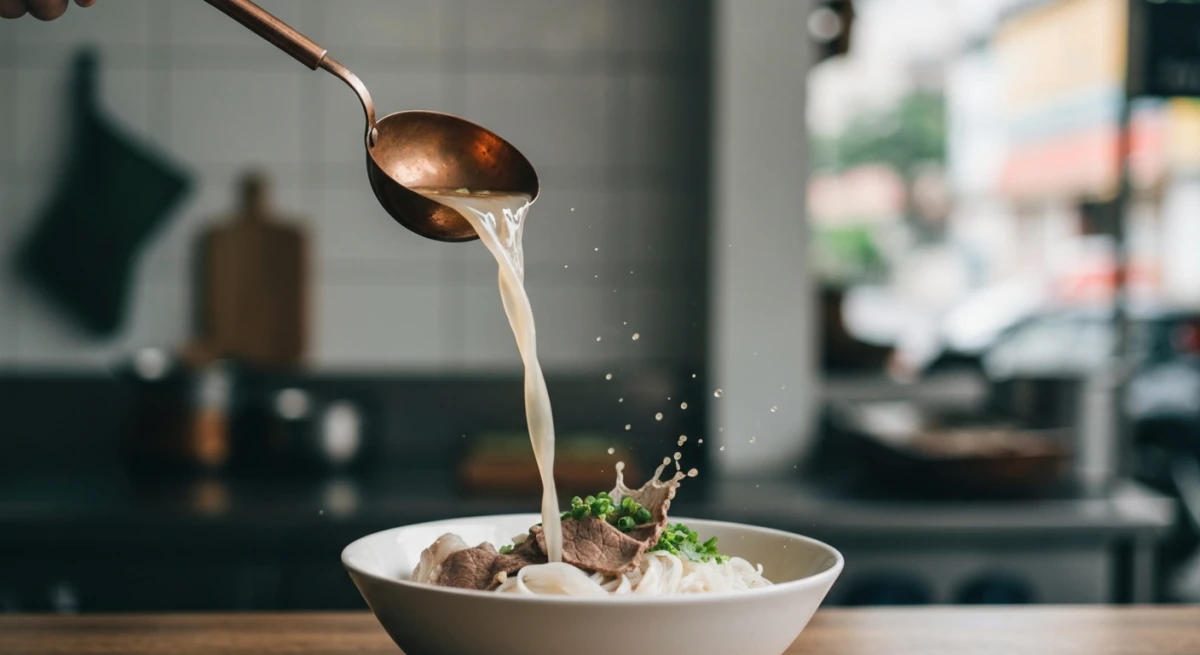
There is a common saying among travelers and locals alike: to truly understand Ho Chi Minh City, you must pull up a tiny plastic stool, sit on a bustling sidewalk, and eat. The culinary pulse of southern Vietnam does not beat inside air-conditioned, five-star establishments; instead, it thrives on the chaotic, neon-lit pavements of the classic ho chi minh food street. From the sensory overload of sizzling seafood grills to the sweet, aromatic steam of slow-cooked noodle broths, the city's street food culture is a brilliant testament to its history, geography, and social spirit.
In this comprehensive guide, we will bypass the generic tourist traps and take a deep dive into six of the absolute best street food streets in Ho Chi Minh City. Whether you are hunting for legendary sea snails, craving crispy Vietnamese crepes, or seeking out obscure regional desserts, these local enclaves offer an authentic taste of Saigon that you will not find in any glossy travel brochure.
The Raw Energy of Saigon's Street Food Culture
Before mapping out where to go, it is essential to understand why street food reigns supreme in Ho Chi Minh City (still fondly called Saigon by locals). Dining in this metropolis is a highly social, outdoor affair. As dusk falls and the intense tropical heat begins to break, families, students, and office workers spill out onto the streets. Neighborhood pathways transform into massive, open-air communal dining rooms.
You will quickly notice the iconic setups: low-slung red and blue plastic tables and chairs that seem designed for toddlers rather than adults. This layout is not just practical for quick setup and teardown; it keeps diners close to the ground, close to the action, and close to each other. The air is thick with the scent of charcoal smoke, lemongrass, garlic, and fish sauce. Above the din of passing motorbikes, you will hear the rhythmic, boisterous clinking of beer glasses accompanied by the classic Vietnamese dining chant: "Một, Hai, Ba, Dô!" (One, Two, Three, Cheers!).
What makes the Saigon street food scene particularly fascinating is its culinary diversity. As the commercial powerhouse of Vietnam, Ho Chi Minh City has attracted migrants from every corner of the country. On a single street, you can sample the fiery, lemongrass-infused noodle soups of Central Vietnam, the delicate and balanced noodle broths of the North, and the sweet, herb-packed delicacies of the Mekong Delta.
Let's explore the six legendary food streets that offer the ultimate self-guided culinary safari.
1. Vinh Khanh Food Street (District 4): The Snail and Seafood Paradise
If you ask a seasoned local where to find the absolute best street food in Saigon, there is a high probability they will point you toward District 4. Once known as a gritty, labyrinthine neighborhood ruled by local legends and gangsters, District 4 has transformed into a safe, incredibly vibrant culinary district. At the absolute center of this transformation is Vĩnh Khánh Food Street.
Running for several blocks, Vinh Khanh is a sensory explosion. By day, it is a relatively quiet thoroughfare. But after 5:00 PM, the street transforms into a roaring street party. The air fills with smoke from hundreds of tabletop charcoal grills, neon signs blink to life, and vendors showcase mountains of fresh, raw seafood on ice.
What to Eat on Vinh Khanh Street
The undisputed king of Vinh Khanh is Ốc (Vietnamese sea snails and shellfish). Do not let the word "snail" intimidate you; in Vietnam, ốc is a beloved culinary art form. The variety of shellfish on offer is staggering—from mud creepers and sweet snails to razor clams, scallops, and oysters.
- Ốc Len Xào Dừa (Mud Creepers in Coconut Milk): These small, spiral snails are simmered in a rich, sweet, and aromatic sauce of fresh coconut milk and lemongrass. To eat them, you cover the opening with your mouth and suck the meat out—an interactive and highly addictive dining experience.
- Sò Điệp Nướng Mỡ Hành (Grilled Scallops with Scallion Oil): Fresh scallops are grilled over open charcoal, then topped with a savory mixture of scallion oil, fried shallots, and crushed roasted peanuts.
- Ốc Hương Rang Muối Ớt (Sweet Snails Roasted with Chili Salt): These firm, meaty snails are tossed in a searing wok with chili and sea salt, creating a dry, spicy crust that pairs perfectly with a cold local beer.
- Chân Gà Nướng (Charcoal-Grilled Chicken Feet): If you want to take a break from seafood, follow the smoke to the grills serving heavily marinated chicken feet, wings, and pork ribs.
Where to Go
- Ốc Oanh (504 Vĩnh Khánh): Arguably the most famous stall on the street, immortalized by various international food hosts. It is loud, chaotic, and incredibly crowded, but the quality of their seafood and their signature spicy dipping sauces are unmatched.
- Ốc Vũ (372 Vĩnh Khánh): A slightly more relaxed but equally delicious alternative, famous for its speedy service and incredibly fresh selection of clams and scallops.
2. Van Kiep Food Street (Binh Thanh District): The Local Feast Off the Beaten Path
For those looking to escape the tourist crowds of District 1 completely, heading north to the border of the Phú Nhuận and Bình Thạnh districts is a must. Here lies Vạn Kiếp Street, a contender for the most densely packed food street in the entire city.
Van Kiep is a narrow, bustling street that serves as a vital artery for local commuters. Because of this, dining here means eating alongside locals heading home from work or meeting up with friends. The street is a neon-lit showcase of classic Vietnamese home-style cooking and street eats, with over a hundred small stalls and shops crammed into a relatively short stretch.
What to Eat on Van Kiep Street
The sheer variety of dishes on Van Kiep can be overwhelming. It is the perfect street to visit if you have a group of people who cannot agree on what to eat, as you can find almost everything here.
- Bánh Canh Cua (Crab Tapioca Noodle Soup): A thick, comforting, gelatinous soup made from crab broth, loaded with thick tapioca noodles, fresh crab meat, shrimp, quail eggs, and pork cake. The broth is deeply savory and slightly sweet, perfect for a rainy evening.
- Nem Nướng (Grilled Pork Skewers): Originating from Nha Trang, this dish features sweet, savory minced pork skewers grilled over charcoal. It is served with flat rice paper, an array of fresh herbs, wild lettuce, sliced green bananas, starfruit, and crispy fried roll skins. You wrap everything together and dip it into a warm, thick peanut-and-pork-liver sauce.
- Bún Mắm (Mekong Fermented Fish Noodle Soup): For the adventurous foodie, bún mắm is a must. This heavy noodle soup is flavored with a pungent, deeply complex fermented fish paste and loaded with seafood, crispy roasted pork belly, eggplant, and fresh water vegetables.
- Bánh Mì Chảo (Skillet Banh Mi): A deconstructed banh mi served sizzling in a small metal skillet containing fried eggs, pate, laughing cow cheese, tiny sausages, and a rich tomato-based sauce, accompanied by a warm, crispy baguette.
Where to Go
Simply start walking from the intersection of Phan Xích Long and Vạn Kiếp, and let your nose guide you. Look for stalls that have crowds of locals parked on motorbikes waiting for takeout—this is always the ultimate seal of approval in Saigon.
3. Ho Thi Ky Food Street (District 10): The Flower Market Turned Night Feast
Located in District 10, Hồ Thị Kỷ is famous during the day as the city's largest wholesale flower market. It is a stunning maze of narrow alleys packed with vibrant roses, lilies, and orchids imported from Đà Lạt and the Mekong Delta. However, as the sun goes down, the floral aromas are joined by the mouth-watering scents of grilling meats and frying spices.
Ho Thi Ky Food Street is unique because it functions more like a traditional night market than a standard street. The alleyways are pedestrian-friendly (though you still need to watch out for the occasional rogue motorbike), making it one of the easiest and most enjoyable food streets to explore on foot.
What to Eat on Ho Thi Ky Street
Because of its youthful, trendy atmosphere, Ho Thi Ky is a hotbed for street food innovation, offering a mix of traditional Vietnamese dishes, regional Cambodian specialties (due to the nearby Cambodian community), and modern Asian street snacks.
- Chén Trứng Nướng (Baked Quail Eggs): Tiny, individual ceramic bowls are greased with butter, filled with quail eggs, green onions, minced pork, and cheese, then baked over hot coals. They are served with a sweet tamarind sauce.
- Bò Nướng Bơ Campuchia (Cambodian Butter Grilled Beef Skewers): Heavily marinated beef skewers are slathered in butter and grilled over charcoal, served with a side of crunchy papaya pickles and warm bread.
- Bánh Tráng Nướng (Vietnamese Street Pizza): A round sheet of thin rice paper acts as the crust. It is grilled over charcoal and topped with butter, quail eggs, green onions, minced pork, dried shrimp, and sweet chili sauce, then folded in half for a crunchy, savory bite.
- Kem Bơ (Avocado Ice Cream): A sweet, creamy treat consisting of fresh, rich avocado mash topped with a scoop of coconut ice cream, toasted coconut flakes, and condensed milk.
Insider Tip
Because Ho Thi Ky is incredibly popular with local university students, it gets packed very early. Arrive around 5:30 PM to beat the rush, and make sure to bring plenty of small-denomination cash, as most small vendors do not accept card payments.
4. Nguyen Thuong Hien Street (District 3): The Fast-Paced Snack Strip
If you are looking for a highly dynamic, quick-bite experience, head to Nguyễn Thượng Hiền Street in District 3. This street is exceptionally narrow and incredibly chaotic, with motorbikes buzzing by constantly. Despite the tight squeeze, it has carved out a massive reputation as Saigon's premier destination for quick snacks and finger foods.
In fact, the street is so famous for its culinary density that parts of it have been designated as a walking food street on weekend evenings, allowing visitors to graze without constantly dodging traffic.
What to Eat on Nguyen Thuong Hien Street
This street is the spiritual home of Saigon's favorite afternoon snack: Bánh Tráng Trộn.
- Bánh Tráng Trộn (Mixed Rice Paper Salad): Thin strips of dry rice paper are tossed in a metal bowl with chili oil, sour mango strips, fresh Vietnamese coriander (rau răm), hard-boiled quail eggs, dried beef jerky, dried shrimp, and a squeeze of calamansi juice. The result is an incredible combination of chewy, crunchy, sour, spicy, and savory flavors.
- Trái Cây Tô (Fruit Bowls): Vietnam is blessed with incredible tropical fruit. On Nguyen Thuong Hien, you will find stalls displaying colorful mountains of freshly cut mango, jackfruit, dragon fruit, papaya, and avocado. They are served in a bowl with crushed ice, sweet yogurt, and condensed milk.
- Nước Mía (Sugarcane Juice): To wash down the spicy snacks, grab a cold freshly squeezed sugarcane juice, often flavored with a hint of calamansi or tangerine.
5. Su Van Hanh Street (District 10): Sizzling Crepes and Sweet Desserts
Another gem in District 10, Sư Vạn Hạnh Street is famous for its massive, aging public housing apartment blocks. These Soviet-style concrete structures have created a unique, hyper-local ecosystem where generations of families have run small food businesses out of ground-floor alleyways.
Su Van Hanh is best known for two things: crispy, savory southern-style crepes and an unbelievable array of traditional sweet dessert soups.
What to Eat on Su Van Hanh Street
- Bánh Xèo (Sizzling Vietnamese Crepes): These massive, thin, and incredibly crispy crepes are made from a batter of rice flour, turmeric, and coconut milk. They are fried in sizzling woks and stuffed with pork belly, whole shrimp, and bean sprouts. To eat it, you tear off a piece, wrap it in a giant mustard green leaf along with fresh herbs, and dip it into a sweet-and-sour fish sauce (nước chấm).
- Chè Mâm (Dessert Platter): This is the ultimate dream for anyone with a sweet tooth. At the famous Chè Khánh Vy stall, instead of ordering one dessert, you can order a giant tray containing 16 different small bowls of warm and cold sweet dessert soups. These soups feature ingredients like sweet sticky rice, black-eyed peas, taro, coconut cream, banana, and grass jelly.
6. Co Giang Street (District 1): Authentic Flavors on the Edge of Downtown
For travelers staying in the heart of the city who want an authentic food street experience without traveling far, Cô Giang Street in District 1 is the perfect destination. Located just a short walk from the backpacker hub of Bùi Viện Street, Co Giang feels like an entirely different world.
While Bui Vien is filled with westernized sports bars and loud clubs, Co Giang remains steadfastly Vietnamese. It is a leafy, older street where barbecue grills line the sidewalks and the pace of life feels wonderfully nostalgic.
What to Eat on Co Giang Street
- Bò Lá Lốt (Beef in Betel Leaves): This is one of the most fragrant dishes in the Vietnamese culinary lexicon. Minced beef is seasoned, rolled into cigar-like shapes inside wild betel leaves, and grilled over hot coals. The grilling process releases an incredible, smoky, herbaceous aroma. The rolls are served with thin rice vermicelli noodles, rice paper, fresh herbs, and a pungent fermented pineapple dipping sauce (mắm nêm).
- Hủ Tiếu Nam Vang (Phnom Penh Noodle Soup): A historic noodle dish that reflects the historical ties between Southern Vietnam and Cambodia. The soup features a clear, pork-bone broth loaded with chewy tapioca noodles, minced pork, pork liver, shrimp, quail eggs, and fresh garlic chives.
Essential Insider Tips for Conquering Ho Chi Minh Food Streets
Navigating the bustling food streets of Saigon can be intimidating for first-timers. To ensure you have an incredible, safe, and delicious adventure, keep these practical tips in mind:
1. The "Busy Stall" Rule for Food Safety
One of the most common concerns for travelers is food safety. The easiest way to avoid an upset stomach is to follow the crowds. Look for stalls that are packed with local families and young people. A high turnover of customers means the ingredients are incredibly fresh and do not sit around in the tropical heat. Additionally, look for kitchens where you can see the food being cooked fresh to order right in front of you.
2. Ice and Water Hygiene
In Ho Chi Minh City, the vast majority of ice used in street food stalls is commercially manufactured block ice, which is perfectly safe for consumption. If the ice is cylindrical with a hole through the middle, it is factory-made and safe. However, to be completely safe, stick to bottled water or canned beers, and avoid drinking tap water.
3. Mastering the Condiment Station
Every street food table is equipped with a tray of condiments: chili paste, fresh chilies, garlic slices, soy sauce, fish sauce, and lime wedges. Vietnamese cuisine is highly personalized; the cook provides the base flavor, but it is up to you to customize the dish to your liking. Do not be afraid to squeeze some lime or add a spoonful of chili sauce to your noodle broth after taking your first sip.
4. Don't Expect Napkins
Instead of soft paper napkins, most street food stalls provide small packages of wet tissues (khăn lạnh) or boxes of rough, pink toilet-paper-style napkins. Note that many stalls will charge a tiny fee (usually around 2,000 to 5,000 VND) for using the wet tissues, which will be added to your final bill.
5. Transport: Ditch the Taxi
The absolute best way to travel between different food streets is on the back of a motorbike. Download the Grab or Gojek app on your phone; they allow you to easily book motorbike taxis for incredibly cheap rates, bypassing traffic and dropping you directly at the entrance of narrow food alleys.
Frequently Asked Questions (FAQ)
What is the best food street in District 1, Ho Chi Minh City?
Cô Giang Street is widely considered the best authentic food street in District 1. It offers traditional dishes like bò lá lốt and hủ tiếu in a classic, local atmosphere, located just minutes away from the busy tourist hubs of Ben Thanh and Bui Vien.
Is street food in Ho Chi Minh City safe to eat?
Yes, street food in Saigon is generally very safe, hygienic, and fresh. Because of the sheer volume of customers, ingredients are bought daily and consumed quickly. To minimize risk, choose busy stalls, ensure your food is served hot, and stick to bottled beverages.
What time do the food streets in Saigon open?
While some noodle stalls open for breakfast, the true "food street" experience begins in the late afternoon. Most street vendors start setting up their tables around 4:30 PM or 5:00 PM, and the busiest, most atmospheric dining hours are between 6:30 PM and 9:30 PM.
How much does street food cost in Ho Chi Minh City?
Street food in Saigon is incredibly affordable. A hearty bowl of noodle soup, a plate of fresh sea snails, or a serving of crispy bánh xèo will typically cost between 30,000 VND and 80,000 VND ($1.20 to $3.20 USD). A full feast for two people, including drinks, rarely exceeds $10 to $15 USD.
Do street food vendors in Ho Chi Minh City accept credit cards?
No, the vast majority of small street food stalls only accept cash (Vietnamese Dong). It is highly recommended to carry smaller bills (such as 10,000, 20,000, and 50,000 VND notes) to make transactions smooth, as vendors may struggle to make change for 500,000 VND bills.
Conclusion
To skip the street food scene in Ho Chi Minh City is to miss out on the very soul of the city. Each ho chi minh food street represents a unique neighborhood story, brought to life through smoking grills, fragrant herbs, and the welcoming smiles of local vendors. By stepping away from standard restaurants and diving into these vibrant open-air culinary hubs, you will discover that the best dining experiences in Vietnam do not require a reservation—just an open mind, an empty stomach, and a tiny plastic stool.