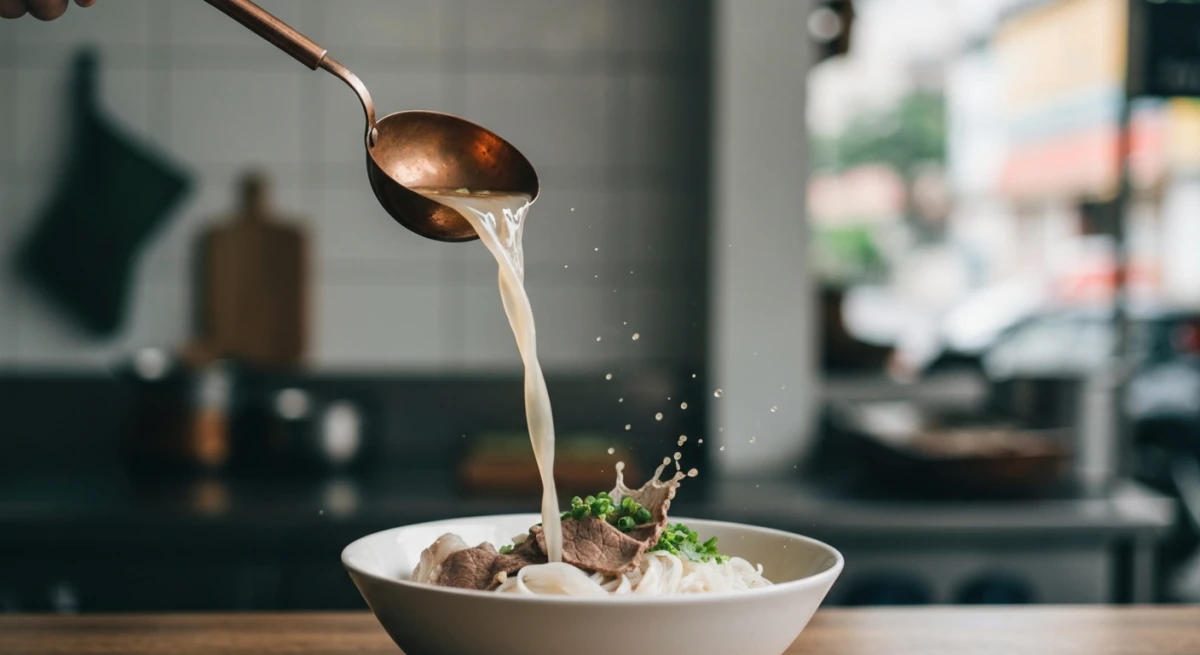
When you first step onto the chaotic streets of Saigon, the sensory overload is immediate. A sea of motorbikes surges past, the tropical air is thick with the scent of lemongrass and charcoal smoke, and the sidewalk is lined with locals perched on tiny, brightly colored plastic stools. In this energetic metropolis, life happens on the pavement, and food is the universal language. For any culinary traveler, building a list of ho chi minh city must eat dishes is the key to unlocking the soul of southern Vietnam.
Unlike the more conservative and minimalist flavor profiles of Northern Vietnam, southern cuisine is bold, unapologetic, and incredibly diverse. Influenced by its tropical climate, rich agricultural surroundings, Khmer neighbors, and historical Chinese and French connections, Saigon’s food scene is sweet, herb-forward, savory, and deeply satisfying. This comprehensive guide is designed to bypass the tourist traps and direct you to the historic street stalls, hidden alleyways, and local institutions that define Saigon’s gastronomy.
The "Big Three" Saigon Culinary Icons (And Where to Find the Real Deal)
If you only have 48 hours in Saigon, these three dishes are absolutely non-negotiable. They are the bedrock of the city's food culture, eaten from sunrise to well past midnight.
1. Cơm Tấm (Broken Rice)
Historically, cơm tấm was a humble dish born out of poverty. During poor harvests, farmers couldn't sell fractured rice grains that broke during the milling process, so they cooked and ate them themselves. Today, this "broken rice" has been elevated into Saigon’s most iconic breakfast and lunch dish. The smaller grain size gives the rice a unique, slightly dry, and fluffy texture that perfectly absorbs the savory juices of its toppings.
- The Anatomy of the Dish: The ultimate order is Cơm Tấm Sườn Bì Chả. This features a thin, charcoal-grilled pork chop (sườn) marinated in lemongrass, garlic, and honey; shredded pork skin (bì) tossed in toasted rice powder; and a slice of steamed egg-and-pork meatloaf (chả). It is served with pickled daikon and carrot, a bowl of light broth, and a generous drizzle of sweetened fish sauce (nước mắm đường).
- The Elite Spot: Cơm Tấm Ba Ghiền (84 Đặng Văn Ngữ, District Phú Nhuận). This Michelin Bib Gourmand-recognized spot is famous for serving pork chops so massive they entirely cover the plate. The smoke from their street-side grill will lead you there from a block away.
- Local Alternative: For an equally elite but slightly less touristy version, try Cơm Tấm Nguyễn Văn Cừ (74 Nguyễn Văn Cừ, District 5). The prices here are premium, but the quality of the pork chop—thick, juicy, and caramelised to perfection—is unmatched.
2. Bánh Mì
While the French introduced the baguette to Vietnam, Saigonese bakers transformed it by adding rice flour to the dough, creating an incredibly light, airy interior and a paper-thin, shatteringly crisp crust. In Saigon, a bánh mì is a masterclass in contrasting textures and flavors: rich, savory fats balanced by crisp, acidic vegetables.
- The Anatomy of the Dish: A classic southern Bánh Mì Thịt nguội (cold cut sandwich) is layered with house-made pork liver pâté, rich mayonnaise, headcheese, Vietnamese ham (chả lụa), sliced cucumber, cilantro, fresh chili, and pickled daikon and carrots.
- The Elite Spot: Bánh Mì Huỳnh Hoa (26 Lê Thị Riêng, District 1). Often called the "heavyweight champion" of Saigon's sandwich scene, this spot serves a massive, multi-layered sandwich packed with meat. Be prepared to wait in a chaotic line, and consider sharing one with a partner, as it is incredibly rich.
- Local Alternative: If you prefer a lighter, more balanced sandwich where the bread is the star, head to Bánh Mì Hồng Hoa (62 Nguyễn Văn Tráng, District 1). Their baguettes are baked fresh in-house throughout the day, ensuring a warm, crispy bite every single time.
3. Phở (Southern-Style)
To understand Vietnamese food, you must understand the great Pho divide. While Northern Pho (from Hanoi) is minimalist, featuring a clear, delicate broth, wide noodles, and a simple garnish of green onions, Southern-style Pho is a vibrant, chaotic celebration of flavor.
- The Anatomy of the Dish: The broth in Saigon is sweeter, richer, and heavily spiced with star anise, cinnamon, and cloves. It is served with a massive basket of fresh herbs (Thai basil, culantro, rice paddy herb), fresh bean sprouts, lime wedges, and sliced bird's eye chilies. Crucially, locals squirt hoisin sauce (tương đen) and chili sauce (tương ớt) directly into the bowl or onto a small side saucer for dipping the meat.
- The Elite Spot: Phở Lệ (415-417 Nguyễn Trãi, District 5). Located in the heart of Chinatown (Chợ Lớn), Phở Lệ has been serving a deeply flavorful, slightly sweet beef broth since 1970. Order the Phở Tái Nạm (rare beef and flank) and don't forget a side of quẩy (fried dough sticks) to dip in your soup.
- Local Alternative: Phở Hòa Pasteur (260C Pasteur, District 3). This historic, multi-generational restaurant is a Saigon legend, famous for its massive herb plates and rich, aromatically complex beef broth.
Beyond Pho: 4 Noodle Bowls That Rule Saigon's Streets
While Pho gets the global spotlight, locals know that Saigon is a city of diverse noodle soups. If you want to eat like a local, seek out these four incredible bowls.
1. Bún Thịt Nướng (Cold Rice Noodles with Grilled Pork)
If the midday Saigon heat makes hot soup unappealing, bún thịt nướng is the perfect alternative. This cold noodle bowl is a harmony of temperature, texture, and flavor.
- What to Expect: A base of fresh rice vermicelli noodles (bún) is topped with warm, smoky charcoal-grilled pork, crispy deep-fried spring rolls (chả giò), a mountain of shredded lettuce, fresh herbs, crushed peanuts, and scallion oil (mỡ hành). The entire bowl is then drenched in sweet, garlicky fish sauce and tossed like a salad.
- Where to Try It: Bún Thịt Nướng Chị Tuyền (195 Cô Giang, District 1). Famous for its perfectly marinated grilled pork and exceptionally crispy spring rolls, this alleyway stall is a beloved institution.
2. Bún Riêu Cua (Crab and Tomato Noodle Soup)
Bún riêu is a rustic, intensely flavorful noodle soup that showcases the Vietnamese talent for seafood-based broths. It is sweet, sour, and deeply savory.
- What to Expect: The broth is made from pork bones, tomatoes, and freshwater crab paste, giving it a vibrant reddish hue. Floating in the soup are tender blocks of tofu, congealed pig's blood (huyết), tomatoes, and fluffy crab-and-egg soufflé patties. It is typically served with split water spinach stems, banana flower curls, and a dollop of pungent purple shrimp paste (mắm tôm) for an extra layer of umami depth.
- Where to Try It: Bún Riêu Gánh Chợ Bến Thành (163 Lê Thánh Tôn, District 1). Located just outside the East Gate of Ben Thanh Market, this legendary stall has been serving its signature sweet-and-savory crab noodle soup to locals and celebrities alike for over 40 years.
3. Hủ Tiếu Nam Vang (Phnom Penh Noodle Soup)
Nothing represents Saigon's multicultural heritage better than Hủ Tiếu Nam Vang. This dish originated in Cambodia (Nam Vang is the Vietnamese name for Phnom Penh) but was heavily modified by Chinese and Vietnamese merchants in the Mekong Delta.
- What to Expect: The soup features thin, chewy tapioca noodles in a sweet pork bone broth, topped with minced pork, sliced pork, shrimp, quail eggs, pork liver, and heart. It is served with raw celery, Chinese chives, and lettuce. The best way to eat it is Hủ Tiếu Khô (dry style), where the noodles are tossed in a savory sweet soy-based sauce, and the hot pork broth is served in a separate bowl on the side.
- Where to Try It: Hủ Tiếu Nam Vang Nhân Quán (122D Cách Mạng Tháng 8, District 3). This bustling local chain is open late and offers some of the freshest, most flavorful dry-style hủ tiếu in the city.
4. Bún Bò Huế (Spicy Beef Noodle Soup)
Though hailing from the royal city of Huế in Central Vietnam, Bún Bò Huế has found a passionate second home in Saigon, where locals have adapted the recipe to be slightly sweeter and more robust.
- What to Expect: Thick, cylindrical rice noodles are served in a deeply aromatic beef and pork broth flavored with lemongrass, chili oil, and fermented shrimp paste (mắm ruốc). The bowl is packed with tender beef shank, pork knuckles, and cubes of blood pudding.
- Where to Try It: Bún Bò Huế Út Hưng (6C Tú Xương, District 3). Tucked away in a quiet, tree-lined street, this shop serves a wonderfully balanced broth that strikes the perfect note between spicy, lemongrass-forward, and savory.
Interactive Street Dining: The Art of Snails, Wraps, and Sizzling Crepes
In Saigon, dining is often an active, hands-on experience. Some of the best meals require you to assemble your own wraps or master the art of extracting meat from shells on busy sidewalks.
1. Ốc (Snails and Shellfish) & "Nhậu" Culture
If you want to experience authentic Saigonese nightlife, you must go out for Ốc (snails). In Vietnam, eating snails is more than just a culinary choice; it is a social ritual known as nhậu (eating, drinking beer, and socializing late into the night with friends).
- How it Works: Street-side snail stalls display baskets of raw shellfish. You select your snail or clam variety and choose how you want it cooked: stir-fried with sweet-and-savory salted egg yolk sauce, grilled with scallion oil, sautéed in garlic butter, or steamed with lemongrass and chili.
- What to Order: Try Ốc Hương Sốt Trứng Muối (sweet snails in salted egg yolk sauce—make sure to order a loaf of French bread to dip in the rich, creamy sauce) and Sò Lông Nướng Mỡ Hành (grilled ark clams with scallion oil and crushed peanuts).
- Where to Go: Vĩnh Khánh Street in District 4 is the spiritual heart of Saigon’s snail dining scene. Grab a table on the sidewalk at Ốc Oanh (537 Vĩnh Khánh) and enjoy the lively, chaotic energy of fire-breathers, street musicians, and cold local beer.
2. Bánh Xèo (Sizzling Crepe)
Named after the loud sizzling sound the batter makes when poured onto a scorching hot iron skillet, Bánh Xèo is a massive, crispy rice flour crepe colored bright yellow with turmeric powder.
- The Anatomy of the Dish: The crepe is stuffed with pork belly, small shrimp, mung beans, and fresh bean sprouts. To eat it, tear off a piece of the crispy crepe, wrap it inside a large mustard leaf or lettuce leaf along with fresh herbs (mint, Thai basil), roll it up tightly, and dip it into a sweet, tangy chili-lime fish sauce (nước chấm).
- Where to Try It: Bánh Xèo 46A (46A Đinh Công Tráng, District 1). This is the legendary spot made famous by Anthony Bourdain. Watching the cooks manage a dozen blazing wood-fired stoves simultaneously is just as satisfying as eating the crepe itself.
3. Bò Lá Lốt (Grilled Beef in Wild Betel Leaves)
Bò Lá Lốt is one of the most fragrant and addictive street foods you will encounter in Ho Chi Minh City.
- What to Expect: Ground beef is seasoned with spices, rolled into finger-sized tubes wrapped in wild betel leaves (lá lốt), and grilled over charcoal. The heat of the grill releases the natural oils of the betel leaf, infusing the beef with a unique, smoky, slightly herbaceous, and peppery flavor. Like Bánh Xèo, you wrap these juicy beef parcels in rice paper with vermicelli noodles, pineapple slices, green banana, herbs, and dip them in a pungent fermented anchovy sauce (mắm nêm).
- Where to Try It: Bò Lá Lốt Thanh Vy (267 Minh Phụng, District 11). Though located outside the main tourist hub, this spot is an absolute pilgrimage site for food lovers looking for the perfect smokiness and fresh ingredients.
Liquid Gold: Saigon's Legendary Iced Coffee & Dessert Culture
No culinary journey through Ho Chi Minh City is complete without diving into the beverage and dessert culture that fuels this sleepless city.
Cà Phê Sữa Đá (Vietnamese Iced Milk Coffee)
Saigon runs on caffeine. Unlike the delicate coffee culture of Europe, Vietnamese coffee is dark, intense, and robust. Heavy, dark-roasted Robusta beans are brewed slowly through a metal drip filter (phin) directly over a thick layer of sweet condensed milk. The mixture is stirred vigorously and poured over a tall glass of ice.
- The Experience: To drink coffee like a true Saigonese, seek out Cà Phê Bệt (sidewalk coffee). Locals grab a piece of cardboard to sit on the ground under the shade of trees near the Notre Dame Cathedral or in quiet park spaces, sipping their coffee out of plastic cups.
- The Heritage Spot: For a historic brew, visit Cà Phê Vợt Phan Đình Phùng (330/2 Phan Đình Phùng, Phú Nhuận). This 24-hour alleyway stall has been brewing coffee continuously for over 70 years using traditional clay pots and cloth filters (vợt). The result is a smooth, chocolatey, and exceptionally strong cup.
Chè (Sweet Dessert Soups)
To cool down after a spicy meal, head to a street stall selling Chè, a broad category of sweet dessert soups, puddings, and drinks. Southern Chè heavily features rich coconut milk, tropical fruits, jellies, and sweetened beans. Try Chè Ba Màu (three-color dessert with mung bean paste, red beans, and green pandan jelly) or Chuối Nếp Nướng (grilled bananas wrapped in sweet sticky rice, drizzled with warm coconut sauce and toasted sesame seeds).
The Smart Traveler's Saigon Street Food Etiquette & Safety Guide
Eating street food in Ho Chi Minh City is highly rewarding, but navigating the sidewalk stalls can be intimidating for first-timers. Use these practical tips to eat like a seasoned local while keeping your stomach happy.
- Look for High Turnover: The safest street food stall is a busy one. If a stall is packed with locals, it means the ingredients are being used up quickly and replenished fresh throughout the day. Avoid empty stalls where raw meats have been sitting in the tropical heat.
- Is the Ice Safe? Yes! In Ho Chi Minh City, virtually all ice (đá) used in commercial food stalls is manufactured in dedicated ice factories using purified water. Safe ice is easily recognizable: it consists of machine-made cylindrical tubes with holes in the middle. Avoid large, irregular hand-crushed blocks of ice, which are occasionally used for cooling food crates rather than direct consumption.
- Sanitize Your Utensils: When you sit down at a street stall, you will usually find a basket containing chopsticks, spoons, and small dipping saucers. Do what the locals do: take a piece of lime from the herb platter or a clean tissue, and wipe down your chopsticks and spoon before eating.
- Don't Fear the Herb Platter: The massive plate of fresh herbs served with your noodles or wraps is meant to be eaten. These herbs (such as Thai basil, mint, and Vietnamese coriander) act as natural digestifs. If you are worried about food safety, look for herbs that are dry and free of visible dirt. You can also dunk them into boiling hot noodle broth for a few seconds to sterilize them.
- Cash is King: While modern cafes and upscale restaurants in Saigon readily accept credit cards, almost all street stalls, market vendors, and sidewalk coffee carts are cash-only operations. Always keep small denominations of Vietnamese Dong (such as 10,000, 20,000, and 50,000 VND notes) on hand. Paying with a 500,000 VND bill at a street cart can be difficult for vendors to change.
Frequently Asked Questions About Eating in Ho Chi Minh City
What is a absolute must-eat food in Saigon?
If you have to choose just one dish, it is Cơm Tấm (Broken Rice). While Pho and Bánh Mì can be found throughout Vietnam, Cơm Tấm is the quintessential taste of Saigon. The smoky aroma of charcoal-grilled pork chops mingling with sweet-and-savory fish sauce over broken rice grains is the defining culinary scent of the city.
Is street food safe in Ho Chi Minh City?
Yes, street food in Saigon is generally very safe, hygienic, and fresh. Because vendors typically specialize in just one or two dishes, they refine their supply chain and preparation methods over decades. To minimize the risk of foodborne illness, choose busy stalls with high local turnover, drink bottled water, and ensure your hot dishes are served steaming hot.
How much does street food cost in Ho Chi Minh City?
Street food in Saigon is exceptionally budget-friendly. A classic bowl of Pho or Bun Thit Nuong generally costs between 40,000 and 70,000 VND ($1.60 to $2.80 USD). A high-quality Bánh Mì ranges from 25,000 to 60,000 VND ($1.00 to $2.40 USD). A full evening of eating snails with local beer will usually cost around 150,000 to 250,000 VND ($6.00 to $10.00 USD) per person.
What is the difference between Northern and Southern Vietnamese food?
Northern Vietnamese food is known for its subtle, balanced, and delicate flavors, relying heavily on black pepper, salt, and MSG for seasoning. Southern Vietnamese food is much sweeter, bolder, and spicier. The south makes extensive use of coconut milk, sugar cane, fresh chilies, and a vast abundance of fresh green herbs.
The Final Bite
Ho Chi Minh City doesn't just feed you; it wraps you in its chaotic energy and invites you to pull up a plastic stool and join the family. From the rich, comforting broth of a multi-generational Pho stall in District 3 to the smoke-filled alleyways of District 4 where fresh snails are tossed in garlic butter, eating here is an active adventure. Armed with this guide, venture past the tourist centers, follow the rich aromas of charcoal and lemongrass, and discover why Saigon is one of the world's absolute greatest street food capitals.