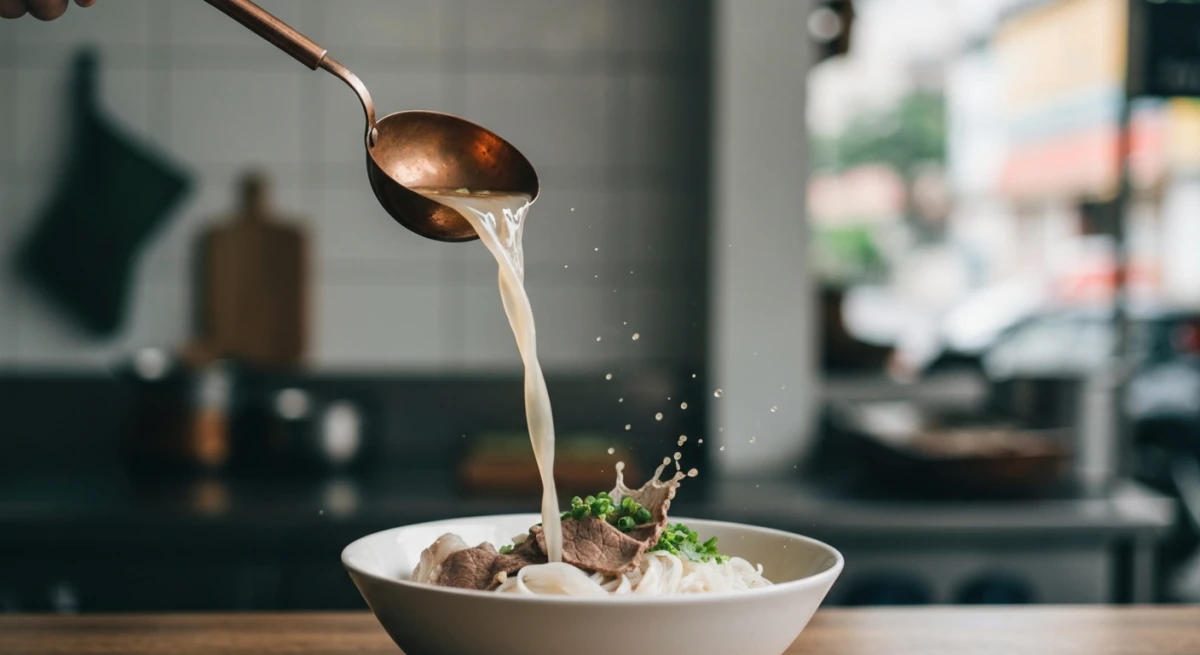
For over five decades, one name has reigned supreme in the bustling culinary landscape of Saigon's noodle scene: Phở Lệ. If you are searching for the ultimate bowl of beef noodle soup, visiting pho le ho chi minh city is an absolute rite of passage. This legendary establishment, which has earned a well-deserved spot on the prestigious Michelin Bib Gourmand list, represents the absolute pinnacle of Southern-style Vietnamese pho. While Hanoi may claim the historical origin of this iconic dish, Saigon has spent generations perfecting its own vibrant, bold, and herb-heavy adaptation. In this definitive guide, we will take you on a deep dive into the rich history, secret recipe, location details, and sensory wonders of Phở Lệ, proving why it remains a beloved local favorite and an essential pilgrimage for food lovers from all corners of the globe.
1. The Legacy of Phở Lệ: From 1970 to Michelin Acclaim
To understand the magic of Phở Lệ, one must travel back to the year 1970. The restaurant's story begins with its founder, a Chinese-Vietnamese immigrant who settled in the vibrant, culturally rich neighborhood of Cho Lon (Saigon's Chinatown) in District 5. He married a local Vietnamese woman named Lệ, and together they opened a modest, family-run pho stall. Combining Chinese culinary techniques—specifically the art of slow-simmering bones to extract maximum depth and clarity—with traditional Southern Vietnamese ingredients, they created a flavor profile that immediately captured the hearts of local residents.
What started as a single, steaming cart quickly evolved into a bustling brick-and-mortar shop on Nguyen Trai Street. Over the decades, Ho Chi Minh City underwent massive transformations, evolving from a post-war metropolis into a glittering modern mega-city. Yet, throughout all of this change, Phở Lệ remained a comforting, delicious constant. The family preserved their original recipe with fierce dedication, passing down the closely guarded secrets of their broth and homemade sauces from one generation to the next.
In recent years, this local treasure received the ultimate international stamp of approval. The Michelin Guide inspectors, venturing deep into Saigon's street food culture, awarded Phở Lệ the highly coveted Bib Gourmand status. This recognition, reserved for establishments that offer high-quality cooking at an excellent value, catapulted the restaurant from a local secret to a global sensation. Today, on any given day, you will find a vibrant mix of multi-generational Vietnamese families, local office workers, and adventurous international tourists sitting side-by-side, united by their shared love for a steaming bowl of Phở Lệ.
2. Northern vs. Southern Style Pho: Where Does Phở Lệ Stand?
For travelers arriving in Vietnam, the regional differences in pho can be surprising. The dish is broadly categorized into two distinct styles: Northern Pho (Phở Bắc) and Southern Pho (Phở Nam). Understanding these differences is crucial to appreciating what makes Phở Lệ so unique.
Northern Pho, which originated in the provinces surrounding Hanoi, is characterized by its elegant simplicity and minimalism. The broth is crystal clear, delicate, and subtly seasoned, allowing the pure flavor of the beef and clean rice noodles to take center stage. You will find no bean sprouts, no heavy herbs, and certainly no sweet hoisin sauce on a Northern table. At most, a bowl of Northern pho is garnished with a sprinkle of green onions, cilantro, a splash of rice vinegar, and perhaps some pickled garlic or fresh bird's eye chilies.
Southern Pho, by contrast, is a bold, maximalist celebration of flavor, texture, and color. When the dish migrated south in the mid-20th century, Saigon's cooks adapted it to suit the sweeter, more robust palate of the south. The broth became richer, oilier, and more deeply spiced with aromatics like cinnamon, star anise, and cloves. Most importantly, Southern pho is served alongside a veritable forest of fresh herbs, raw or blanched bean sprouts, lime wedges, and a duo of essential dipping sauces: sweet, dark hoisin sauce (tương đen) and spicy, fermented red chili sauce (tương đỏ).
Phở Lệ is widely regarded by culinary critics as the quintessential champion of Southern-style pho. Its broth is unapologetically rich, displaying a beautiful, shimmering layer of beef fat on top that keeps the soup piping hot throughout your meal. It carries a distinct, natural sweetness that is balanced by a complex array of toasted spices. If you want to experience the true, unadulterated soul of Saigon's noodle culture, Phở Lệ is the gold standard.
3. Anatomy of the Perfect Bowl: The Broth, the Beef, and the Noodles
What actually goes into a bowl of Phở Lệ, and why does it taste so incredibly good? The secret lies in a meticulous, uncompromising commitment to quality ingredients and traditional cooking techniques. Let's break down the three core pillars of their legendary recipe.
The Golden Broth: An 8-Hour Labor of Love
The absolute heart and soul of any pho is its broth. At Phở Lệ, the kitchen staff begins preparation in the early hours of the morning, long before the first customers arrive. The foundation of their broth consists of massive quantities of high-quality beef marrow bones and knuckle bones. These bones undergo a rigorous cleaning process, including blanching and washing, to remove any impurities that might cloud the soup or introduce a sour taste.
Once prepped, the bones are placed into giant stainless-steel cauldrons and simmered gently for a minimum of eight hours. This slow, low-heat extraction melts the collagen and marrow into the water, resulting in a broth that is incredibly rich, body-heavy, and deeply savory. To flavor this liquid gold, the chefs add a fragrant bouquet of toasted aromatics: cinnamon bark, star anise star, black cardamom pods, cloves, coriander seeds, and fennel seeds. These spices are carefully balanced with charred ginger, roasted shallots, and a touch of sugarcane to impart that signature Southern sweetness, completely avoiding the harsh, artificial taste of heavy MSG.
The Beef Selection: From Tender Brisket to Springy Meatballs
A great bowl of pho requires superior proteins, and Phở Lệ excels in this department. They offer an array of meticulously prepared beef cuts, allowing diners to customize their bowl to their exact liking. The primary options include:
- Tái (Rare Beef Slices): Paper-thin slices of fresh, high-grade beef that are placed raw over the noodles. When the boiling broth is ladled over them, they flash-cook instantly, retaining a tender, juicy texture.
- Nạm (Well-Done Brisket): Tender, slow-simmered beef brisket with a delicate ribbon of fat that melts in your mouth.
- Gầu (Fatty Flank): A richer, highly prized cut of beef that offers a wonderful chew and deep, beefy flavor.
- Gân (Beef Tendon): Slow-cooked for hours until it transforms from a tough connective tissue into a soft, gelatinous, melt-in-your-mouth delicacy.
- Bò Viên (Beef Meatballs): The true crown jewel of Phở Lệ. Many local food critics believe that Phở Lệ serves the absolute best beef meatballs in the entire city. Unlike the spongy, flour-heavy meatballs found in lesser establishments, Phở Lệ's bò viên are homemade, incredibly springy, dense, and packed with seasoned beef, cracked black pepper, and garlic.
The Custom Noodles: Soft with a Firm Bite
The canvas upon which the beef and broth are painted is the rice noodles (bánh phở). Rather than buying mass-produced, dried noodles from the local market, Phở Lệ sources custom-ordered, fresh wet rice noodles. These noodles are slightly wider than average and possess a beautiful, translucent white color. When blanched quickly in boiling water just before serving, they strike the perfect balance between soft, slippery, and elastic, holding up beautifully against the hot, heavy broth without turning mushy.
4. District 5 vs. District 3: The Ultimate Location Showdown
Phở Lệ operates two main branches in Ho Chi Minh City, each offering a completely different dining atmosphere while maintaining the exact same high standard of flavor. Depending on what kind of traveler you are, one branch may suit you better than the other.
The Original Branch: District 5 (Cho Lon Area)
- Address: 413 - 415 Nguyễn Trãi Street, Ward 7, District 5, Ho Chi Minh City
- Opening Hours: 5:30 AM – 12:00 AM (Midnight)
- The Vibe: Authentic, chaotic, historic, and incredibly high-energy.
Located in the heart of Saigon's Chinatown, the District 5 location is the historic birthplace of the brand. Walking into this branch is a sensory overload in the best possible way. The front of the restaurant features a massive, open-air kitchen line where pots of boiling broth steam constantly, and chefs slice beef with lightning speed. The dining area is filled with classic stainless-steel tables, plastic chairs, and the ambient hum of motorbikes roaring down Nguyen Trai Street. It is loud, hot, and fast-paced. If you are looking for an authentic, raw, and nostalgic street-food-style dining experience, this is the branch you must visit. It is also open until midnight, making it the ultimate destination for late-night food cravings.
The Modern Branch: District 3
- Address: 303 - 305 Võ Văn Tần Street, Ward 5, District 3, Ho Chi Minh City
- Opening Hours: 6:30 AM – 10:00 PM
- The Vibe: Clean, comfortable, modern, and air-conditioned.
For those who prefer a more relaxed and comfortable dining environment, the District 3 branch is an absolute dream. Located closer to the city center and main tourist attractions like the War Remnants Museum, this multi-story location is fully enclosed and boasts powerful modern air-conditioning—a massive relief during Saigon's humid, tropical afternoons. The space is exceptionally clean, well-lit, and spacious, making it ideal for families traveling with children, large groups, or anyone who wants to enjoy a premium bowl of pho without breaking a sweat. Despite the modern setting, the kitchen uses the exact same recipe and ingredients, ensuring an identical flavor profile to the District 5 original.
5. How to Eat Southern-Style Pho Like a True Saigonese
When your bowl of Phở Lệ arrives at your table, it is accompanied by a colorful, aromatic array of side dishes. For first-time visitors, the sheer number of condiments and herbs can be intimidating. To truly appreciate the culinary genius of this dish, you should follow the traditional, step-by-step local ritual of eating Southern pho.
Step 1: Respect the Broth (The First Sip)
Before you add a single herb, squeeze of lime, or drop of sauce, pick up your spoon and take a sip of the pure, unaltered broth. This allows you to taste the baseline flavor that the chefs spent eight hours perfecting. Appreciate the natural sweetness of the bone marrow, the warmth of the cinnamon, and the deep, comforting saltiness.
Step 2: The Herb Infusion
Next, turn your attention to the massive basket of fresh herbs on your table. Southern pho is designed to be a balance of rich meats and fresh, bright botanicals. Take several sprigs of húng quế (Thai basil) and ngò gai (sawtooth coriander). Tear the leaves off the stems with your hands—this bruising process releases the aromatic essential oils—and submerge them directly under the hot noodles. The heat of the soup will gently wilt the herbs, infusing the broth with sweet anise and bright, citrusy notes.
Step 3: Raw vs. Blanched Sprouts
You will also be served a plate of bean sprouts (giá). Locals will often ask the waiter for blanched sprouts (giá chần) if they prefer them soft, but the raw sprouts provided on the table offer a wonderful, refreshing textural crunch. Add a handful to your bowl, burying them under the hot noodles alongside your herbs.
Step 4: Squeeze of Citrus and Fresh Heat
Squeeze a fresh wedge of lime over the bowl, running the juice over the meat. The acid of the lime cuts through the rich beef fat, brightening up the entire flavor profile. If you enjoy spicy food, add a few slices of fresh red bird's eye chilies (ớt hiểm). Be warned: these little chilies pack a serious punch, so start with one or two slices and let them steep in the broth.
Step 5: Master the Dipping Sauce Ritual
This is where many tourists make a classic mistake: they squirt a massive amount of hoisin and chili sauce directly into their bowl of soup. Doing this completely overpowers the delicate flavor of the broth. Instead, grab a small plastic side dish from the table. Squirt a 50/50 mix of sweet hoisin sauce and spicy chili sauce into the dish, and stir them together with your chopsticks. When you eat, pick up a piece of beef or a beef ball, dip it into this sweet-and-spicy mixture, and enjoy. This keeps your broth clean and clear while delivering a burst of concentrated flavor with every bite of meat.
6. Practical Visitor Guide: Prices, Menu, and Insider Tips
To make your visit to Phở Lệ as smooth as possible, here is a practical breakdown of what to expect in terms of pricing, ordering, and logistics.
The Menu and Pricing
Phở Lệ operates a incredibly simple, highly focused menu. They do not serve chicken pho, vegetarian options, or side dishes; they specialize strictly in high-quality beef noodle soup. When ordering, you will choose your bowl size and your preferred combination of beef cuts. The standard pricing structure is incredibly reasonable for a Michelin-recognized establishment:
- Small Bowl (Tô Nhỏ): ~80,000 VND (approx. $3.20 USD). Perfect for light eaters or those planning to sample multiple street foods.
- Regular Bowl (Tô Thường): ~90,000 VND (approx. $3.60 USD). A generous, highly satisfying portion that will comfortably fill up most diners.
- Special/Combination Bowl (Tô Đặc Biệt): ~100,000 VND (approx. $4.00 USD). The ultimate experience. This massive bowl contains a generous portion of every single beef cut, including raw beef, brisket, flank, tendon, and their legendary beef meatballs.
What to Drink
To complement the rich, piping hot soup, locals almost always order a refreshing, cold beverage. We highly recommend ordering a glass of Nước Sâm (traditional Vietnamese herbal tea). It is a slightly sweet, deeply cooling beverage made from nettles, grass jelly, sugar cane, and other botanicals, designed to balance the physical 'heat' of eating a rich beef soup in a tropical climate. Alternatively, a glass of cold Trà Đá (iced jasmine tea) or a fresh, cold fresh coconut (dừa tươi) will keep you perfectly hydrated.
Insider Tips for a Perfect Visit
- Avoid Peak Hours: To beat the massive crowds, try to visit outside of prime lunch and dinner hours. Arriving between 8:30 AM and 11:00 AM, or between 2:30 PM and 5:00 PM, will ensure you get a table immediately and receive lightning-fast service.
- Use Grab Transport: Parking motorbikes at the District 5 branch can be chaotic, and car parking is virtually non-existent. The easiest way to get to either location is by booking a ride via the Grab app, which is cheap, safe, and highly efficient.
- Mind the Napkins: In traditional Vietnamese street food restaurants, it is completely normal to throw used tissues and lime wedges onto the floor beneath your table. Do not be shocked by this; the staff sweeps the floors constantly between diners to keep the space clean.
- Cash is King: While some branches are beginning to accept local bank transfers, it is always best to have physical Vietnamese Dong (VND) on hand to pay for your meal, especially if you are a foreign tourist.
7. Frequently Asked Questions
Is Phở Lệ expensive compared to other pho spots in Saigon?
Yes, Phở Lệ is slightly more expensive than your average street-side pho cart, which typically ranges from 40,000 to 60,000 VND. However, the slightly higher price point (80,000 to 100,000 VND) is entirely justified by the significantly larger portion sizes, the exceptional quality and freshness of the beef cuts, the strict hygiene standards, and their prestigious Michelin recognition.
Does Phở Lệ use MSG in its broth?
Phở Lệ prides itself on cooking traditional, high-quality pho. Their signature sweetness and depth of flavor come primarily from slow-simmering massive quantities of fresh beef marrow bones for over 8 hours, alongside natural rock sugar and sugarcane, rather than relying on heavy artificial MSG seasonings.
Which Phở Lệ location is better to visit?
If you want a highly comfortable, cool, and clean dining experience with modern air-conditioning, go to the District 3 branch on Vo Van Tan. If you are a foodie who wants to experience the authentic, high-energy, and historic street food atmosphere of Saigon's Chinatown, you must visit the original District 5 branch on Nguyen Trai.
Can I order chicken pho at Phở Lệ?
No. Phở Lệ is a dedicated beef pho specialist (Phở Bò). Their entire kitchen, stockpots, and ingredient prep are optimized exclusively for beef. If you are looking for high-quality chicken pho (Phở Gà), we highly recommend visiting Phở Miến Gà Kỳ Đồng in District 3.
Is Phở Lệ safe for tourists with sensitive stomachs?
Absolutely. Both branches of Phở Lệ maintain excellent hygiene standards. Their ingredients are delivered fresh daily, the beef is meticulously prepared, and their high customer turnover means that food never sits around. It is widely considered one of the safest and cleanest places for tourists to enjoy traditional street-style food in Ho Chi Minh City.
Conclusion: A Masterpiece in a Bowl
In a city that boasts tens of thousands of noodle shops, pho le ho chi minh city stands tall as an undisputed icon of Vietnamese culinary heritage. By masterfully preserving the bold, rich, and customizable traditions of Southern-style pho, it offers diners far more than just a meal—it provides a window into the culinary soul of Saigon. From the deep, aromatic complexities of its 8-hour beef bone broth to the legendary, springy snap of its homemade beef meatballs, every element of Phở Lệ is crafted with an extraordinary level of pride, passion, and decades of family history. Whether you pull up a plastic stool in the historic, high-energy alleyways of District 5 or enjoy a cool, air-conditioned bowl in District 3, dining at Phở Lệ is a sensory journey that will redefine your understanding of what a perfect bowl of soup can be. Do not leave Saigon without experiencing it for yourself.