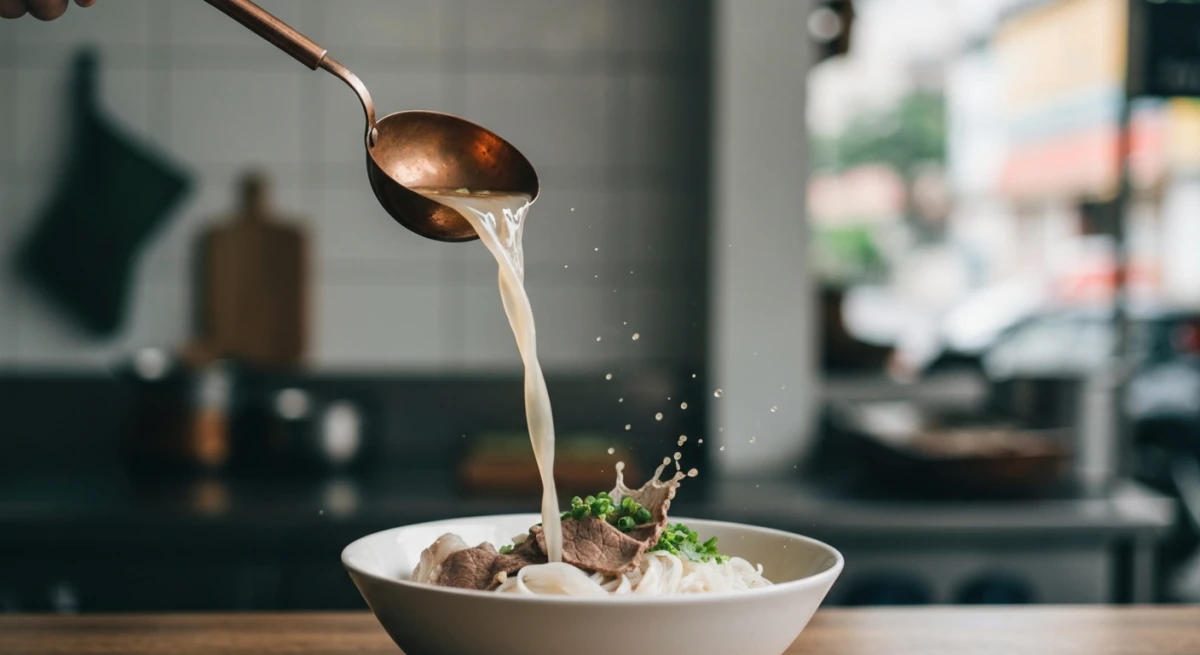
The smell of charcoal-grilled pork and simmering bone broths hangs heavy in the humid tropical air. Motorbikes zip past in a dizzying choreography of organized chaos, their headlights illuminating plumes of steam rising from roadside giant metal pots. This is Ho Chi Minh City—affectionately still referred to by its locals as Saigon. For any passionate culinary traveler, becoming a Saigon foodie is the ultimate rite of passage. Food here is not merely a means of sustenance; it is a shared lifestyle, an round-the-clock obsession, and a direct window into the resilient, adaptive soul of southern Vietnam.
Whether you are navigating the dense maze of alleyways (known locally as hẻm) or dining at recently crowned Michelin-starred establishments, the sheer variety of culinary treasures can be overwhelming. To truly conquer this city like a seasoned Saigon foodie, you must look beyond the standard recommendations found in generic brochures. You need to understand how historical migrations, Chinese-Vietnamese fusion, and a tropical abundance of fresh herbs have shaped one of the world's most dynamic culinary capitals. This comprehensive guide will equip you with the essential knowledge, district secrets, and practical tips to eat your way through Saigon with confidence.
The Pillars of Saigonese Street Food: Beyond Pho and Banh Mi
When most travelers think of Vietnamese cuisine, their minds instinctively drift to pho and banh mi. While these are undisputed classics, a true Saigon foodie knows that the city's culinary landscape is incredibly diverse, boasting dozens of unique dishes that highlight the sweeter, bolder, and more herb-forward palate of southern Vietnam.
Bánh Mì (The Iconic Street Sandwich)
While banh mi is served across Vietnam, the Saigon-style version is a class of its own. It is lighter, crispier, and more generously filled than its northern counterpart. A proper Saigon banh mi combines a light, airy French baguette with layers of rich, savory pork liver pâté, house-made mayonnaise, cold cuts like chả lụa (pork roll) and headcheese, sweet pork floss, crunchy pickled daikon and carrots, fresh cucumber slices, cilantro, and a fiery kick of fresh bird's eye chilies. To experience the ultimate decadent version, head to Bánh Mì Huỳnh Hoa on Lê Thị Riêng Street, famous for a sandwich so densely packed with meat that it weighs nearly half a kilogram. For a completely different, historically rich breakfast experience, visit Bánh Mì Hòa Mã in District 3, where you dine on a low plastic stool in a quiet alley while eating bánh mì chảo—a sizzling personal skillet of fried eggs, pate, and caramelized meats served alongside a warm, crusty loaf.
Cơm Tấm (Broken Rice)
There is perhaps no dish more synonymous with Saigon than cơm tấm. Originally a humble, inexpensive meal created by working-class farmers who utilized fractured rice grains that could not be sold, broken rice has evolved into a beloved citywide staple eaten for breakfast, lunch, and dinner. The star of the show is the sườn nướng—a thin pork chop marinated in lemongrass, garlic, and sweet fish sauce, then grilled over open charcoal until caramelized and beautifully charred. It is accompanied by bì (thinly shredded pork skin tossed with toasted rice powder), chả trứng (a steamed pork and egg meatloaf featuring wood-ear mushrooms and glass noodles), a sunny-side-up egg with a runny yolk, and a generous drizzle of scallion oil (mỡ hành). The entire plate is brought together by a sweet-and-sour fish sauce (nước chấm), which you pour liberally over the rice. To taste this like a local, seek out open-air street stalls where the sweet smoke of grilling pork billows onto the sidewalk.
Hủ Tiếu (The Noodle of the South)
While Hanoi is famous for its delicate pho, Saigon is the undisputed home of hủ tiếu. This dish beautifully encapsulates the multicultural history of the city, originating in Cambodia (Nam Vang is the Vietnamese name for Phnom Penh) and refined by Chinese immigrants before being embraced by southern Vietnamese cooks. Hủ tiếu Nam Vang features thin, chewy tapioca noodles served in a rich, clear broth simmered for hours from pork bones, dried shrimp, dried squid, and rock sugar. The bowl is packed with toppings: minced pork, sliced pork loin, quail eggs, plump shrimp, liver, and sometimes heart. It is served with an abundant plate of fresh herbs, including Chinese celery, lettuce, garlic chives, and chrysanthemum greens. To eat it like a seasoned Saigon foodie, try the dry version (hủ tiếu khô). The noodles are tossed in a savory, slightly sweet soy-based sauce, while the piping hot broth is served on the side in a separate bowl, allowing you to alternate between the intense flavors of the seasoned noodles and the comforting warmth of the soup.
Bánh Xèo (Crispy Southern Pancake)
Do not mistake the southern-style bánh xèo for its smaller, thicker central Vietnamese counterparts. In Saigon, this crispy crepe is a massive, theatrical affair. A thin batter made of rice flour, coconut milk, and turmeric (which gives it its signature golden hue) is poured into a blazing hot, oiled wok. It sizzles furiously—hence the name xèo, which mimics the sound of frying. The crepe is stuffed with pork belly, small shrimp, mung beans, and a mountain of fresh bean sprouts. To eat it, tear off a piece of the crispy crepe, wrap it inside a large, leafy green mustard leaf or lettuce leaf along with fresh herbs like mint, fish mint, and Thai basil, roll it up tightly, and dip it deep into a sweet, chili-infused fish sauce. It is a messy, hands-on, and extraordinarily rewarding dining experience.
Ốc (Vietnamese Street Snails & Shellfish Culture)
For a Saigon foodie, there is no greater social ritual than "ăn ốc" (eating snails). Sidewalk snail stalls open in the late afternoon and run deep into the night, serving as gathering hubs for friends to chat, drink cold Saigon beer, and share dozens of small plates. The term ốc is a catch-all for a staggering variety of freshwater and saltwater mollusks, including sweet snails, mud creepers, blood cockles, clams, and scallops. The true magic lies in the preparations. Snails are stir-fried in rich garlic butter (xào bơ), simmered in spicy lemongrass chili broth (hấp sả), roasted with chili salt (rang muối), or bathed in sweet, creamy coconut milk (xào dừa). A modern favorite among locals is ốc hương sốt trứng muối—sweet snails cooked in a velvety, savory-sweet salted egg yolk sauce. Order a side of crusty baguette to soak up the leftover sauces, and do not be afraid to use safety pins or tiny forks to extract the tender meat from the shells.
Bột Chiên (Fried Rice Cakes)
If you find yourself wandering the streets of Saigon late at night, look for a vendor standing over a massive, flat cast-iron skillet. They are likely whipping up bột chiên, a street food classic with distinct Chinese roots. Cubes of dense, chewy rice flour cakes are pan-fried until the exteriors are golden and shatteringly crisp, while the interiors remain soft and pillowy. The vendor then cracks one or two eggs directly over the cakes, scattering a handful of chopped green onions on top. The rhythmic metallic clank of the spatulas against the hot griddle serves as the late-night soundtrack of Saigon's back alleys. Once the egg is set, the messy pancake is sliced up and served with a mountain of crunchy, thinly shredded green papaya and a sweet, tangy soy dipping sauce. It is greasy, carb-heavy, and utterly delicious comfort food.
Navigating the Districts: A Saigon Foodie’s Neighborhood Guide
To truly master the local food scene, you must understand that Ho Chi Minh City is divided into distinct administrative districts, each possessing its own unique culinary subculture. While District 1 is the shiny tourist center, the real soul of the Saigon foodie scene lies in the surrounding neighborhoods.
District 1: The Gateway Alleys and Elevated Dining
While District 1 is home to high-rise hotels and tourist landmarks, it also harbors some of the city's most accessible street food hubs if you know where to look. Alley 76 Hai Bà Trưng is a legendary lunch-hour destination where local office workers congregate for cheap, fast, and incredibly delicious eats. Here, you can find vendors selling everything from bún thái (spicy seafood noodle soup) to bột chiên and fresh spring rolls (gỏi cuốn) for a fraction of the price of nearby sit-down restaurants.
At the same time, District 1 has become the epicentre of Saigon’s modern culinary revolution. The city’s contemporary dining scene has exploded, boasting several Michelin-starred and Michelin-selected spots that reinterprets classic Vietnamese flavors with global techniques. From the creative street-food-inspired tasting menus at Ănăn Saigon (nestled right in the middle of a wet market) to the boundary-pushing fermentation-driven dishes at Coco Dining or the innovative contemporary Vietnamese plates at CieL Dining, a Saigon foodie can easily transition from a roadside plastic stool to a world-class dining room within the span of a single block.
District 3: Traditional Charm and Cafe Culture
Just northwest of the city center lies District 3, a neighborhood characterized by leafy, tree-lined streets, French colonial villas, and a deeply local dining vibe. It is the perfect place to experience Bánh Mì Hòa Mã on Cao Thắng Street. Unlike the portable grab-and-go sandwiches, here you eat bánh mì chảo—a sizzling personal skillet filled with fried eggs, pate, pork rolls, and sausages, served alongside a freshly baked, warm baguette and a small plate of pickled vegetables.
District 3 is also the heart of Saigon’s hidden cafe culture. Deep inside the concrete residential blocks built in the mid-20th century, you will find tiny, hip cafes serving specialty coffee alongside traditional street vendors. It is an area that demands slow exploration, wandering down quiet residential alleys to discover multi-generational noodle shops that have been serving the same family recipes for over fifty years.
District 4: The Uncontested Street Food Kingdom
Cross the bridge south from District 1, and you will enter District 4. Once a gritty port district, it has transformed into a legendary food sanctuary. This is the ultimate playground for any dedicated Saigon foodie. The neighborhood is incredibly dense, with narrow streets designed for foot and motorbike traffic rather than cars.
The culinary nerve center here is Vĩnh Khánh Street, famous worldwide for its endless stretch of street-side seafood and snail restaurants. As night falls, the street comes alive with flashing neon signs, the roar of motorbikes, and the lively clink of beer glasses. It is loud, chaotic, and intoxicating. For a more daytime-centric adventure, head to Chợ 200 (Market 200), a labyrinthine wet market where every turn reveals a new culinary delight, from sweet banana cake wrapped in grilled banana leaves (chuối nướng) to rich, comforting bowls of phá lấu—a sweet, savory, and coconut-rich stew of tender beef offal served with a crispy baguette.
District 5: Cholon (Chinatown)
For a completely different flavor profile, journey west into District 5, home to Cholon, one of the world's largest Chinatowns. The culinary landscape here is defined by generations of Chinese-Vietnamese fusion. The air smells of five-spice, roasted meats, and herbal medicine.
In Cholon, you will find some of the best vịt quay (roasted duck) in the region, with shatteringly crisp skin and succulent, spiced meat. It is also the home of hủ tiếu mì, which pairs chewy egg noodles with delicate pork broth and wontons. Do not leave District 5 without stopping at a traditional Chinese sweet soup stall (chè) like Chè Hà Ký on Châu Văn Liêm to try comforting bowls of warm black sesame soup, gingery sweet tofu, or herbal teas that are believed to restore balance and cool the body in the tropical heat.
The Liquid Gold of Saigon: Coffee, Tea, and Craft Beer
No culinary exploration of Ho Chi Minh City is complete without diving headfirst into its beverage culture. For a Saigon foodie, drinking is just as important as eating, serving as both a social glue and a refreshing respite from the tropical sun.
Cà Phê Sữa Đá (Iced Milk Coffee)
In Saigon, coffee is not just a morning pick-me-up; it is a ritual that spans the entire day. The quintessential drink is cà phê sữa đá. Coarsely ground dark-roasted Robusta beans are brewed slowly through a small metal drip filter (phin) directly onto a thick layer of sweet condensed milk. Once fully brewed, the mixture is stirred vigorously and poured over a glass packed with crushed ice. The result is a bold, intensely sweet, chocolatey, and incredibly strong beverage that cuts through the heat and provides an instant jolt of energy. You can enjoy this at high-end specialty cafes or on the sidewalk, sitting on low plastic stools under the shade of a banyan tree (a style known as cà phê bệt).
Cà Phê Muối (Salt Coffee)
While cà phê sữa đá is the timeless classic, cà phê muối (salt coffee) has captured the hearts of modern Saigon foodies. Originating in the imperial city of Huế, this drink has taken Saigon by storm. It features a base of strong Robusta coffee sweetened with condensed milk, topped with a dense, velvety layer of salted cream foam. The saltiness of the cream cuts through the inherent bitterness of the dark roast and tempers the cloying sweetness of the condensed milk, creating a complex, savory-sweet flavor profile that is highly addictive.
Craft Beer and Sidewalk "Nhậu"
As the sun sets, the beverage scene shifts toward alcohol. The local word for gathering to drink and eat social foods is nhậu. Traditionally, this involved drinking mass-market light lagers over ice. However, Saigon has rapidly evolved into the craft beer capital of Southeast Asia. Innovative local breweries are infusing classic Western beer styles with distinct Vietnamese ingredients, creating passion fruit wheat beers, jasmine IPAs, and stouts brewed with local cacao nibs and Vietnamese coffee. Visiting a local taproom or a lively street-side nhậu spot is the perfect way to wind down a long day of food hunting.
Practical Tips for the Modern Saigon Foodie
To ensure your culinary adventure is memorable for all the right reasons, keep these practical, expert tips in mind:
- Follow the Crowds: This is the golden rule of street food. If a stall is packed with locals, especially multi-generational families, the food is guaranteed to be fresh, delicious, and safe. High turnover means the ingredients do not sit out in the heat.
- Embrace Digital Payments: The street food scene in Saigon is highly modernized. While physical cash (Vietnamese Đồng) is still necessary for small, mobile carts, almost every permanent street food stall and market vendor now prominently displays a QR code. You can easily pay using local e-wallets like MoMo or digital banking apps, making transactions incredibly seamless.
- Master the Table Condiments: Vietnamese dining is highly customizable. Do not hesitate to use the array of lime wedges, fresh chilies, pickled garlic, chili sauce, and sweet hoisin sauce on your table. Adjusting the broth to your exact taste is expected, not insulting to the chef.
- Dress for the Occasion: Street food dining in Saigon is a casual affair. Wear comfortable, breathable clothing and closed-toe shoes. You will likely be sitting on very low plastic stools right next to busy roadways, so leave your formal wear at the hotel.
Saigon Foodie Frequently Asked Questions (FAQ)
Is street food in Saigon safe for tourists?
Yes, street food in Saigon is generally very safe, provided you follow basic precautions. Stick to busy stalls with high customer turnover, look for vendors with clean preparation areas, and ensure your food is cooked hot and fresh to order. Avoid drinking tap water; however, the ice (đá) used in Saigon's cafes and restaurants is commercially manufactured from purified water and is perfectly safe to consume.
What is the best time of day to go on a street food crawl?
While you can find incredible food at any hour, the absolute best time for a street food hunt is from late afternoon (around 5:00 PM) to late night. This is when the temperature cools down, local office workers flood the streets, and the vibrant night markets and street-side nhậu (eating/drinking) stalls open up, offering the most lively atmosphere and diverse menu options.
How much does a typical street food meal cost?
Street food in Saigon remains incredibly affordable. A hearty bowl of noodles like hủ tiếu or a plate of cơm tấm typically costs between 35,000 to 60,000 VND ($1.50 to $2.50 USD). A high-quality bánh mì ranges from 20,000 to 50,000 VND. Even a multi-dish snail feast with drinks for a small group rarely exceeds $10 to $15 USD per person.
Can vegetarians find good options in Saigon?
Absolutely. Vietnam has a deep Buddhist tradition, which means vegetarian food (chay) is widely available and incredibly delicious. Look for signs that say "Quán Chay" or "Cơm Chay." These spots serve plant-based versions of classics like phở chay, bún huế chay, and mock-meat broken rice plates that are packed with flavor and utilize fresh tofu, mushrooms, and local herbs.
Conclusion: Crafting Your Own Culinary Adventure
At its heart, being a Saigon foodie is about embracing curiosity, stepping out of your comfort zone, and letting your senses guide you. It is about pulling up a tiny plastic stool on a bustling sidewalk, raising a cold glass of beer, and sharing a smile with the street vendor who has spent decades perfecting a single, magical recipe. The flavors of Ho Chi Minh City are complex, bold, and unforgettable—a beautiful reflection of the vibrant, fast-paced, and deeply welcoming city itself. So, put down the tourist maps, venture into the winding alleyways, and prepare to embark on the ultimate culinary journey of a lifetime.