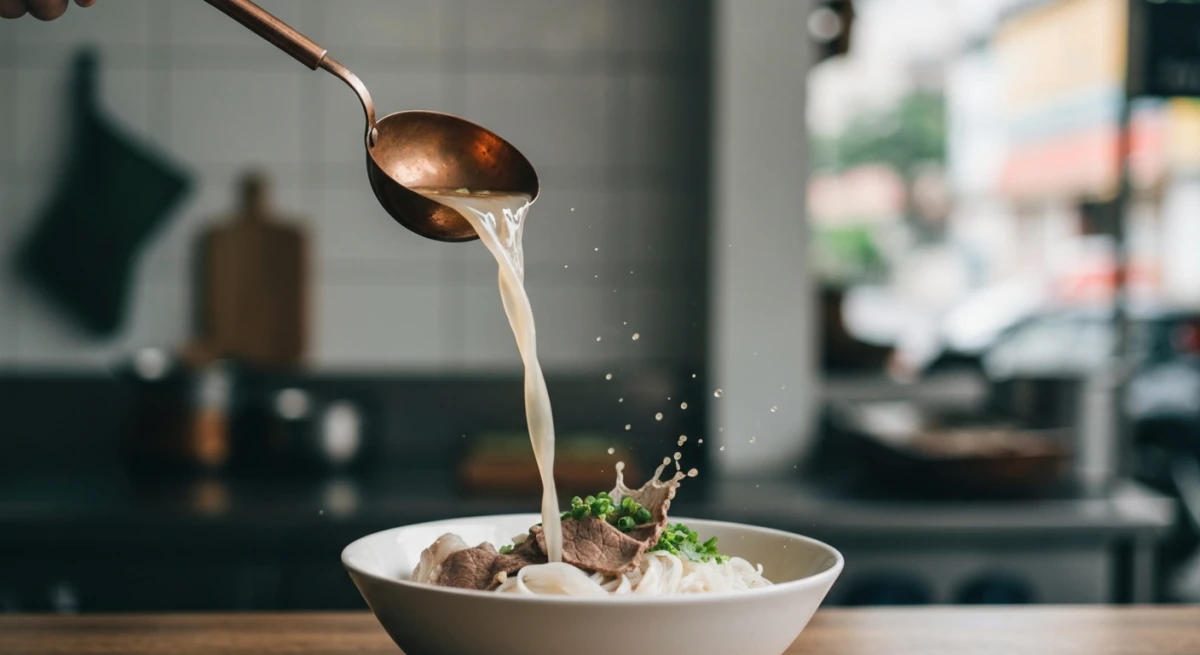
The Sensory Symphony of Saigon's Sidewalks
From the moment twilight falls over Ho Chi Minh City, the sidewalks transform into a sprawling, open-air dining room. Blue and red plastic stools are unstacked, woks hiss over roaring gas flames, and the air fills with the intoxicating aroma of charred lemongrass pork, bubbling bone broths, and sizzling seafood. For any traveler, diving into saigon vietnam street food is not just an activity—it is a mandatory rite of passage. In this sprawling metropolis of over nine million people, food is a living, breathing culture that connects families, traditions, and travelers across makeshift sidewalk tables.
Whether you are looking for the crunchiest bánh mì, a towering plate of cơm tấm (broken rice), or a lively evening of eating fresh ốc (snails) on a busy sidewalk, this comprehensive, local-approved guide will help you navigate Saigon's legendary food scene. Here is everything you need to know about the best dishes, where to find them, and how to eat like a true Saigonese.
The Flavor Profile of Southern Vietnamese Street Food
To truly appreciate Saigon's culinary landscape, one must understand how it differs from other parts of Vietnam. While Hanoi's northern cuisine is defined by subtlety, restraint, and deep, savory simplicity, Saigon's southern food is a riot of bold, expressive flavors. Influenced heavily by the tropical climate, neighboring Cambodia and Thailand, and a history of diverse migration and trade, southern cuisine is unapologetically sweet, spicy, and heavily reliant on fresh herbs and coconut milk.
In Saigon, sweetness is a key flavor enhancer. Almost every savory broth, sauce, or marinade has a touch of sugar or coconut water to balance the intense saltiness of fermented fish sauce (nước mắm). Additionally, the abundance of fresh herbs is unmatched here. A single dish of noodles or savory pancakes will routinely be accompanied by a massive platter of leafy greens, including Vietnamese coriander, sweet basil, perilla leaves, fish mint, and banana blossoms. Texture is another critical element: the perfect bite must combine something crispy, something soft, something fresh, and something rich. When you eat saigon vietnam street food, you are experiencing a carefully calibrated culinary ecosystem where contrasting elements sing in perfect harmony.
The city's food scene is also a melting pot. Waves of migration from the Mekong Delta, Central Vietnam, and the North have brought their respective regional specialties to Saigon, where they have been adapted to suit the sweeter, bolder southern palate. Combined with historic French culinary techniques and Chinese-Teochew cooking methods, Saigon has evolved into one of the most dynamic, diverse culinary capitals on earth.
The Must-Eat Saigon Street Food Dishes (and Where to Find Them)
To prevent your culinary adventure from feeling overwhelming, here is the ultimate checklist of essential street food dishes in Saigon. These are the classics that locals eat on a daily basis, along with the precise locations of legendary vendors who have perfected these recipes over decades.
1. Bánh Mì (The Iconic Baguette)
While you can find bánh mì on virtually every corner of Vietnam, the Saigon version is in a league of its own. It features a light-as-air baguette with an ultra-crispy crust, generously slathered with rich pork liver pâté, homemade egg yolk mayonnaise, and loaded with layers of cold cuts (like chả lụa or Vietnamese ham), head cheese, and roast pork. The heavy meat filling is balanced by crisp cucumbers, pickled daikon and carrots (đồ chua), cilantro, and fresh Thai chilies.
- Where to try it: Bánh Mì Huỳnh Hoa (26 Lê Thị Riêng, District 1). Often dubbed the "Michelin-selected heavy hitter," their bánh mì is packed with an absurd amount of meat and pâté, easily enough for two. For a more classic, lighter option, try Bánh Mì Bảy Hổ (19 Huỳnh Khương Ninh, District 1), which has been serving locals for over 80 years.
2. Cơm Tấm (Broken Rice)
Originally a humble dish eaten by poor rice farmers who utilized the fractured grains damaged during milling, Cơm Tấm is now Saigon's favorite comfort food. A plate of fluffy broken rice is topped with a sweet-and-savory grilled pork chop (sườn nướng), marinated in lemongrass and garlic. It is typically served with chả trứng (a steamed pork and egg meatloaf), bì (shredded pork skin tossed in toasted rice powder), a fried egg, green onion oil (mỡ hành), and a sweet, garlicky chili fish sauce.
- Where to try it: Cơm Tấm Ba Ghiền (84 Đặng Văn Ngữ, Phu Nhuan District). Famous for its massive, charcoal-grilled pork chops that overflow the plate. For a stellar central option, head to Tiệm Cơm 67 Tấm (99/1B Võ Văn Tần, District 3).
3. Hủ Tiếu Nam Vang (Phnom Penh Noodle Soup)
While Pho remains Vietnam's national dish, the absolute king of breakfast and late-night noodle soups in Saigon is Hủ Tiếu. Originating from Cambodian and Chinese influences, Hủ Tiếu Nam Vang features a sweet, clear broth brewed from pork bones, dried squid, and rock sugar. The bowl is loaded with tapioca noodles (which have a chewy texture), minced pork, sliced pork, shrimp, quail eggs, and liver, topped with fried garlic, shallots, and Chinese celery. You can order it nước (with soup) or khô (dry, where the noodles are tossed in a savory soy-based sauce and the hot broth is served on the side).
- Where to try it: Hủ Tiếu Nhân Quán (122D Cách Mạng Tháng Tám, District 3). A legendary institution open late into the night, serving incredibly rich, savory bowls.
4. Bún Thịt Nướng (Grilled Pork Vermicelli)
If you are looking for a refreshing dish on a hot Saigon afternoon, Bún Thịt Nướng is the perfect choice. This dry noodle bowl consists of cold rice vermicelli noodles, fresh herbs, shredded lettuce, cucumber, bean sprouts, and warm, charcoal-grilled pork (thịt nướng). It is topped with crispy fried spring rolls (chả giò), crushed peanuts, green onion oil, and pickled veggies. To eat, you pour a generous amount of sweet, chili-flecked fish sauce over the bowl, mix it thoroughly, and enjoy.
- Where to try it: Bún Thịt Nướng Chả Giò Số 1 (1 Nguyễn Trung Trực, District 1). Tucked away in the busy streets of central Saigon, they serve some of the freshest and most delicious grilled meat bowls in town.
5. Bột Chiên (Fried Rice Cake)
Essentially the Vietnamese version of late-night comfort food, Bột Chiên is a street food staple popular among students and late-night workers. Thick squares of rice flour cake are pan-fried on a massive, flat iron skillet until the exterior is extremely crispy while the interior remains soft and chewy. The cook then cracks one or two eggs over the cakes, tops it with a handful of chopped green onions, and flips it. It is served with a mountain of shredded green papaya to cut the grease and a sweet soy dipping sauce.
- Where to try it: Bột Chiên Đạt Thành (277 Võ Văn Tần, District 3). A long-standing local favorite that serves incredibly crispy portions with an perfectly balanced dipping sauce.
6. Bò Lá Lốt (Beef Wrapped in Betel Leaves)
You will likely smell this dish before you see it. Bò Lá Lốt consists of minced beef seasoned with garlic, shallots, and spices, rolled into cylinder shapes using wild betel leaves (lá lốt), and grilled over charcoal. The grilling process releases the fragrant, peppery essential oils of the betel leaves into the beef. It is served with rice paper sheets, thin vermicelli noodles (bánh hỏi), an array of fresh herbs, green bananas, and starfruit. You roll everything together and dip it in mắm nêm, a pungent, sweet pineapple-anchovy dipping sauce.
- Where to try it: Bò Lá Lốt Cô Giang (District 1). A classic sidewalk dining experience where rows of skewers smoke over hot coals, drawing crowds of hungry patrons every evening.
7. Ốc (Sidewalk Snails & Shellfish)
Eating ốc (which translates literally to "snails" but encompasses all kinds of shellfish) is the ultimate social dining experience in Saigon, known as ăn ốc. Locals gather in the evenings to drink cold beers and share plates of sea snails, sweet snails, clams, and scallops cooked in various delicious sauces—such as sweet lemongrass broth, rich salted egg yolk sauce (sốt trứng muối), or stir-fried with garlic, butter, and chili. Be sure to order a loaf of bánh mì to mop up the luxurious leftover sauces!
- Where to try it: Ốc Đào (212B/C79 Nguyễn Trãi, District 1) or any stall along Vĩnh Khánh Street in District 4, the city's undisputed snail capital.
8. Bánh Xèo (Sizzling Southern Crepe)
Named after the sizzling sound the batter makes when poured into a roaring hot skillet, Bánh Xèo is a giant, crispy, golden-yellow crepe made from rice flour, water, turmeric powder, and coconut milk. It is stuffed with pork belly, shrimp, mung beans, and bean sprouts. To eat, you tear off a piece of the crispy crepe, wrap it inside a large mustard leaf or lettuce leaf along with fresh herbs, roll it up tightly, and dip it into sweet chili fish sauce.
- Where to try it: Bánh Xèo 46A (46A Đinh Công Tráng, District 1). While tourist-friendly, they still fry up incredible, massive crepes over traditional charcoal stoves.
9. Phở Bò (Saigon-Style Beef Noodle Soup)
While Pho originated in the North, Saigon put its own baroque spin on this iconic dish. Unlike the minimalist, clear-brothed Hanoi version, Saigon-style Pho features a sweeter, bolder broth seasoned heavily with star anise, cloves, cinnamon, and grilled ginger. It is served with thin noodles, a variety of beef cuts (including brisket, flank, tendon, and juicy beef balls), and an array of sauces (hoisin and Sriracha) squirted directly into the bowl or onto a dipping plate. Crucially, it comes with a massive basket of fresh sweet basil (húng quế), culantro (ngò gai), and rice paddy herb.
- Where to try it: Phở Lệ (415 Nguyễn Trãi, District 5). Widely considered the gold standard for Southern-style beef broth, always packed with locals and visitors.
10. Phá Lấu (Offal Braised in Coconut Milk)
A true Saigon specialty of Chinese (Teochew) origin, Phá Lấu is a delicious street snack featuring pork or beef offal (stomach, intestines, lungs, and tripe) slow-braised in a rich, orange-hued coconut milk broth spiced with five-spice powder, curry, and lemongrass. It is served steaming hot in a small bowl, accompanied by a crispy bánh mì baguette or instant noodles, with a sweet-and-sour chili-tamarind dipping sauce. Do not let the ingredients intimidate you; the slow cooking renders the meats incredibly tender and savory.
- Where to try it: Phá Lấu Marie Curie (433/44 Sư Vạn Hạnh, District 10). A favorite gathering spot for local students, offering rich, flavorful bowls.
The Alchemy of the Saigon Street Table: Condiments & Herbs Demystified
One of the most intimidating yet rewarding aspects of eating saigon vietnam street food is facing the chaotic cluster of jars, bottles, and fresh herbs sitting in the middle of every table. To the uninitiated, these can look like a chemistry experiment. However, mastering these condiments is the key to customizing your meal and elevating your dining experience from delicious to transcendent.
- Nước Mắm Pha (Prepared Fish Sauce): This is the soul of Vietnamese cuisine. It is fish sauce diluted with lime juice, sugar, garlic, and red chili. A bowl of dry noodles or a plate of rice is incomplete without a generous drizzle of this balanced, savory-sweet elixir.
- Tương Đen (Hoisin Sauce) & Tương Ớt (Chili Sauce): Typically squeezed onto small plastic saucers at Pho stalls. Do not squirt them directly into your soup immediately; instead, use them as a dipping sauce for your beef slices, or add them sparingly after tasting the broth's natural profile.
- Giấm Tỏi (Garlic Vinegar): Slices of fresh garlic pickled in white vinegar, often containing small green bird's-eye chilies. This acid is crucial for cutting through heavy, fatty broths like Pho or pork-based noodle soups.
- Sa Tế (Lemongrass Chili Paste): A fiery, oily paste of fried chili, garlic, and lemongrass. A tiny dollop adds an intense heat and complex smoky depth to any noodle broth.
- The Herb Basket: Do not ignore the green leaves! They are not a decorative garnish; they are an active ingredient. Rip basil leaves, culantro, and mint with your hands to release their aromatic oils, then drop them directly into your hot soup or roll them inside your crepes.
A District-by-District Guide to Saigon's Street Food Hubs
To truly master the art of finding the best saigon vietnam street food, you need to venture beyond the tourist-heavy lanes of central District 1. Saigon is divided into numerous districts, each boasting its own distinct culinary personality and specialized food lanes.
District 1: The Gateway to Street Food
While District 1 is the commercial heart of the city, it still holds historic pocket markets and hidden alleys where street food thrives. The area around Bến Thành Market offers street food, though it is often priced higher for tourists. For a more authentic experience, seek out Cô Giang Street or the alleys of Thái Văn Lung, where office workers crowd around tiny noodle stalls during lunchtime. At night, the area around the Nguyen Hue Walking Street comes alive with vendors selling bánh tráng nướng (Vietnamese pizza) and bánh tráng trộn (mixed rice paper salad) to young locals socializing in the evening breeze.
District 3: Local Charm Meets Heritage Alleys
Bordering District 1, District 3 offers a slightly more relaxed atmosphere while remaining incredibly rich in culinary heritage. The streets surrounding Bàn Cờ Market (specifically Hẻm 212 Nguyễn Thiện Thuật) and Nguyễn Thượng Hiền Street (famous for its high concentration of street food stalls) are legendary. Here, the prices drop, the portions remain generous, and you are surrounded by locals rather than tour groups. It is the perfect district to explore on foot, ducking into narrow alleyways to discover hidden soup vendors and sizzling wok stations.
District 4: The Legendary Street Food Capital of Saigon
Historically a gritty port district, District 4 is now internationally renowned as a street food paradise. Specifically, Vĩnh Khánh Street comes alive at dusk. Under the glow of neon signs, the street turns into a half-mile long outdoor seafood restaurant. It is noisy, chaotic, filled with street performers (such as fire-breathers and traveling musicians), and serves some of the freshest shellfish and snails in the city. Another must-visit is the Xóm Chiếu Market, which offers endless stalls of sweet soups (chè), noodle bowls, and savory snacks.
District 10: The Student Food Paradise
If you want to find budget-friendly, highly innovative street food, District 10 is the place to go. Home to several major universities, the area around Sư Vạn Hạnh Street and Nguyễn Tri Phương Street is packed with cheap eats. This is the birthplace of many trendy street food snacks, sweet dessert shops, and bustling BBQ joints where you can dine alongside young locals. The alleyways around the Ngo Gia Tu apartment complexes are also famous for their incredible bột chiên and fruit dessert stalls.
Pro Tips for Navigating Street Food Safely
While street food in Ho Chi Minh City is generally safe, fresh, and highly delicious, a few smart strategies will ensure your stomach stays happy throughout your trip.
- Look for High Turnover: The golden rule of street food is to eat where the locals eat. A stall packed with families and young locals means the food is fresh, ingredients are being rotated rapidly, and the recipe is top-notch.
- Embrace the Hygiene Standards: Post-pandemic hygiene awareness has remained strong in Vietnam. Many street food vendors now wear gloves, cover their food displays with glass screens, and proudly display cleanliness certificates. Don't let the low stools fool you; the food is often prepared with immense care.
- Navigating the Ice (Trà Đá): The iced green tea (trà đá) served at street stalls is an absolute lifesaver on hot days. Rest assured, the ice used in Saigon's food stalls is almost always commercially manufactured in safe, purified ice factories (look for cylindrical ice cubes with holes in the middle). It is generally perfectly safe to consume.
- Celiac and Gluten-Free Dining: If you have celiac disease or are gluten-free, Saigon is a relatively friendly destination. Most noodle dishes (like phở, hủ tiếu, bún) are made from pure rice flour. However, you must avoid bánh mì (wheat baguettes) and always double-check soy-sauce-based marinades or deep-fried items. Bringing a Vietnamese translation card explaining your allergy is highly recommended.
- Carry Small Cash: While mobile banking (such as VNPay or MoMo) is incredibly popular among locals, many small sidewalk cart vendors still prefer physical cash. Keep small denominations like 10,000, 20,000, and 50,000 VND bills handy.
The Ultimate Self-Guided Evening Street Food Tour
If you only have one night in Ho Chi Minh City, this curated self-guided walking itinerary will take you through some of Saigon's best street food experiences without requiring complex transportation.
- 5:00 PM - The Appetizer: Start your evening in District 3 at Bún Thịt Nướng Chả Giò Số 1 on Nguyễn Trung Trực street. Enjoy a light, fresh bowl of cold rice vermicelli topped with smoky grilled pork and crispy spring rolls to open up your appetite.
- 6:30 PM - The Main Event: Grab a ride-hailing app (like Grab or Gojek) and head over the bridge into District 4 to Vĩnh Khánh Street. Find a table at a bustling stall like Ốc Oanh. Order a plate of grilled scallops with spring onion oil and peanuts (sò điệp nướng mỡ hành), garlic butter sweet snails (ốc hương xào bơ tỏi), and a cold Saigon Beer. Enjoy the lively, bustling atmosphere as local musicians perform along the curbs.
- 8:00 PM - The Late-Night Snack: Wander back towards the edge of District 4 to find a vendor selling Bột Chiên (fried rice cakes with egg). Watch the rhythmic chopping and frying on the flat iron skillet and enjoy a small plate of these crispy, golden squares.
- 9:00 PM - The Sweet Finish: Complete your tour with a bowl of Chè (Vietnamese sweet dessert soup) at a nearby local market stall. Try the chè thái (a tropical fruit cocktail with jackfruit, longan, and coconut milk) or warm chè trôi nước (ginger sweet soup with glutinous rice balls filled with mung bean paste).
Frequently Asked Questions (FAQ)
How much does street food cost in Saigon?
Generally, street food in Saigon is incredibly affordable. A bowl of noodles or a plate of broken rice will cost between 35,000 VND and 70,000 VND ($1.50 to $3.00 USD). A basic bánh mì costs around 20,000 to 45,000 VND ($0.80 to $1.90 USD). Even a feast of fresh seafood and snails will usually average only 150,000 to 250,000 VND ($6.00 to $10.00 USD) per person.
Is it safe to eat raw herbs at street stalls?
Yes, but with caution. Most street food vendors wash their herbs meticulously. However, if you have a highly sensitive stomach, you can ask the vendor to blanch the vegetables in boiling water (rau chần) before eating them, or stick to cooked toppings.
What is the best time to go out for street food in Saigon?
While you can find excellent breakfast street food (like Pho, Hu Tieu, and Com Tam) from 6:00 AM to 9:00 AM, the street food scene truly peaks in the evening. From 5:30 PM to 10:00 PM, the streets come alive with night markets, snail stalls, BBQ vendors, and dessert carts.
Are there vegetarian street food options in Saigon?
Absolutely! Look for stalls displaying the sign "Chay" (which means vegetarian/vegan in Vietnamese). Saigon has a rich Buddhist tradition, and many street stalls serve purely plant-based versions of classics like Hủ Tiếu Chay, Bún Riêu Chay, and vegetarian Bánh Mì.
Should I tip street food vendors in Vietnam?
Tipping is not customary or expected at street food stalls in Vietnam. The best way to show your appreciation is to pay the exact amount, thank the cook with a warm smile, and say "Cảm ơn" (thank you).
Conclusion
Embarking on a culinary journey through saigon vietnam street food is about so much more than satisfying your hunger. It is an immersive sensory experience that forces you to slow down, sit shoulder-to-shoulder with locals on tiny plastic chairs, and appreciate the incredible complexity of Southern Vietnamese culinary arts. By stepping out of your comfort zone, exploring local districts like District 3 and District 4, and trying unfamiliar dishes, you will discover the true beating heart of Ho Chi Minh City—one steaming bowl, crispy pancake, and grilled skewer at a time. Pack your appetite, keep an open mind, and get ready for a culinary adventure of a lifetime.