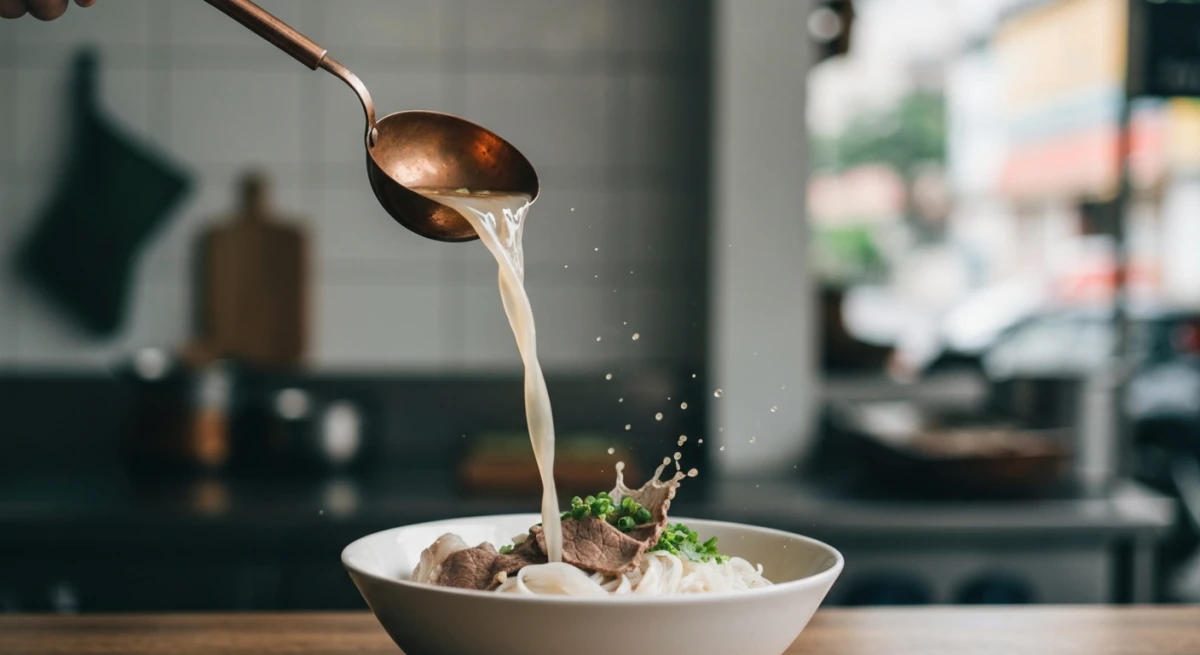
Hanoi is a city that lives to eat. From the moment the sun rises over the mist-shrouded waters of Hoan Kiem Lake, the streets of Vietnam's capital awaken with the rhythmic sounds of chopping knives, bubbling cauldrons of broth, and the clinking of tiny plastic cups. If you are planning a visit, your journey will inevitably be defined by the incredible array of special food in hanoi. More than just sustenance, the local culinary scene is a living testament to centuries of history, regional pride, and a culture of obsessive perfection.
Unlike the sweeter, heavily spiced dishes of southern Vietnam, northern cuisine is characterized by its subtlety, balance, and clean, delicate flavors. Every alleyway in the Old Quarter harbors a master who has spent decades perfecting a single recipe, whether it is a crystal-clear beef broth or a perfectly charred pork patty. In this comprehensive culinary guide, we will dive deep into the ultimate special food in hanoi, revealing the stories behind the dishes, where to find the most authentic versions, and how to eat like a true local.
1. The Soul of Hanoi Cuisine: What Makes It Different?
To truly appreciate the special food in hanoi, one must first understand the philosophy behind northern Vietnamese cooking. While southern dishes are characterized by bold sweetness, fiery chilis, and an abundance of fresh coconut milk, northern cuisine favors a more restrained, nuanced flavor profile. This distinction is heavily influenced by geography, climate, and history.
The north of Vietnam experiences four distinct seasons, including a cold winter. This climate historically dictated the availability of ingredients. Rather than relying on the year-round bounty of tropical herbs and fruits found in the Mekong Delta, Hanoian cooks learned to coax deep, satisfying flavors out of a limited palette of ingredients. The hallmark of Hanoi cooking is balance: a dish should never be too sweet, too salty, too sour, or too spicy.
Instead of heavy spices, Hanoi chefs rely on high-quality black pepper, light soy sauce, and fish sauce (nuoc mam) to season their dishes. Fresh herbs are used selectively to complement, rather than overpower, the main ingredients. Dill, perilla (tía tô), and Vietnamese balm (kinh giới) are carefully paired with specific proteins. For instance, dill is almost exclusively reserved for fish dishes, while ginger and green onions are the preferred aromatics for beef.
Furthermore, Hanoi is the birthplace of many of Vietnam's most iconic dishes. The street food culture here is not just a cheap way to grab a bite; it is a community-wide ritual. Dining takes place on tiny blue and red plastic stools clustered on narrow sidewalks, where high-court judges and construction workers sit shoulder-to-shoulder, united by their shared pursuit of the perfect bowl of noodles.
2. The Iconic Legends: Must-Try Special Foods in Hanoi
To help you navigate this sprawling culinary wonderland, we have compiled the ultimate list of essential dishes that define the Hanoi food experience. These are the legendary specialties that you simply cannot miss.
Phở Bắc (Northern-Style Beef Pho)
While phở has achieved global fame, the version you find in Western capitals is almost always modeled after southern Vietnamese phở Nam. To taste the dish in its purest, most traditional form, you must eat phở Bắc (Northern Pho) in Hanoi.
Unlike its southern counterpart, which is served with a basket of bean sprouts, sweet hoisin sauce, and sriracha, Northern Pho is a study in minimalist elegance. The broth is the star of the show. It is brewed by simmering beef marrow bones for up to 18 hours alongside charred ginger, onions, star anise, cinnamon, clove, and black cardamom. The resulting liquid is remarkably clear, light, and deeply savory.
The bowl is assembled with flat, delicate rice noodles, tender slices of beef (ranging from rare steak, phở tái, to slow-cooked brisket, phở chín), and a generous handful of thinly sliced scallions and cilantro. Locals season their broth solely with a squeeze of fresh lime juice, a splash of garlic-infused vinegar (dấm tỏi), and a few slices of fresh bird's eye chili. To complete the experience, order a side of quay—crispy, golden fried dough sticks designed to be dipped into the warm, fragrant broth.
Bún Chả (Charcoal-Grilled Pork with Vermicelli)
If Pho is Hanoi’s breakfast soul, then bún chả is its undisputed lunchtime king. This beloved special food in hanoi fills the midday streets with clouds of aromatic, caramelized woodsmoke, guiding hungry diners toward small charcoal grills set up on the sidewalks.
Bún chả consists of two types of pork: tender pork belly strips and seasoned ground pork patties (chả). Both are marinated in a mixture of fish sauce, sugar, garlic, and shallots, then grilled over red-hot charcoal until they achieve a perfect, smoky char.
Rather than being served dry, the grilled pork is submerged in a warm, diluted dipping sauce made of fish sauce, sugar, vinegar, and lime juice. Floating in this amber broth are crisp slices of pickled green papaya and carrots, which provide a refreshing contrast to the rich meat. To eat bún chả like a Hanoian, take a small bundle of cold bún (rice vermicelli noodles), dunk it into the warm dipping sauce, grab a piece of pork and some fresh herbs (such as perilla, mint, and lettuce), and eat it all in one glorious, multi-textured bite.
Chả Cá Lã Vọng (Sizzling Turmeric Fish with Dill)
Few dishes in the world have an entire street named after them, but Chả Cá Lã Vọng is one of them. Originating from a single family-run restaurant on Cha Ca Street in the Old Quarter during the French colonial era, this dish is a sensory masterpiece.
The star of the dish is typically catfish or hemibagrus (cá lăng), a firm-fleshed river fish. The fish chunks are marinated in turmeric, galangal, ginger, and garlic, then partially grilled over charcoal. When you order the dish, a portable gas stove is set up right at your table. A small brass skillet is filled with oil, and the marinated fish is tossed in to sizzle.
As the fish reheats, your server or you will add a massive mountain of fresh dill and green scallions to the pan. Within seconds, the herbs wilt and infuse the hot oil with their aromatic oils. To assemble your bowl, place some rice vermicelli at the bottom, top it with a piece of the sizzling golden fish, some wilted dill and scallions, a spoonful of the aromatic oil, roasted peanuts, and a splash of mắm tôm (a pungent, purple fermented shrimp paste sweetened with sugar and activated with fresh lime juice). If the intense flavor of shrimp paste is too intimidating, you can substitute it with a sweet-savory fish sauce, though purists argue that mắm tôm is essential to the dish's soul.
Bánh Cuốn (Steamed Rice Rolls)
For a delicate, light breakfast or mid-day snack, Hanoians turn to bánh cuốn. This dish showcases the incredible skill of the local cooks, who operate specialized steamers with mesmerizing speed.
The cook spreads a thin ladle of fermented rice batter onto a tightly stretched piece of white cloth suspended over a pot of boiling water. A lid is placed over it for mere seconds, steaming the batter into a paper-thin, translucent sheet.
Using a long bamboo stick, the cook lifts the delicate sheet and places it on a greased surface. The sheet is then stuffed with a savory mixture of minced pork, wood-ear mushrooms, and minced shallots before being rolled up. Topped with a generous scattering of crispy, golden-fried shallots, the rolls are served warm alongside slices of chả quế (cinnamon pork paste). The dipping sauce is a delicate blend of warm water, fish sauce, sugar, and lime juice. Some traditional stalls still offer a drop of cà cuống (giant water bug essence) in the dipping sauce, which lends a highly prized, uniquely floral, and slightly spicy aroma to the dish.
Bún Riêu Cua (Crab and Tomato Noodle Soup)
Bún riêu cua is an explosion of color and flavor, offering a complex balance of sweet, sour, and savory notes that makes it a favorite special food in hanoi during both hot summers and cool winters.
The soul of bún riêu lies in its broth, which is crafted from a base of crushed freshwater paddy crabs. The crab meat is boiled down, forming pillowy, flavorful clouds of crab paste (riêu cua) that float on the surface of the soup. This broth is stewed with fresh, juicy tomatoes, which lend a vibrant red hue and a natural acidity, and dấm bỗng (rice wine dregs), which provides a subtle, fermented sourness.
A standard bowl of bún riêu is loaded with thin vermicelli noodles, fried tofu puffs that absorb the rich broth, and a topping of fresh green onions. Many vendors offer optional add-ons, such as tender beef slices, pork snails (bún ốc), or slices of Vietnamese pork sausage (giò lụa). It is traditionally served with a plate of finely shredded banana blossoms, water spinach stems, and perilla leaves. A small dollop of shrimp paste and a spoonful of chili paste are highly recommended to elevate the broth to its full potential.
Phở Cuốn & Phở Chiên Phồng (Truc Bach Island Specialties)
If you want to see how Hanoi’s culinary traditions continue to evolve, take a short trip to Truc Bach Island, a peaceful lakeside neighborhood known as the birthplace of two modern variations of Pho: phở cuốn and phở chiên phồng.
Phở cuốn (rolled pho) was born out of a happy accident at a late-night noodle stall. When the cook ran out of broth but still had plenty of uncut sheets of fresh pho noodles, she decided to wrap the noodles around grilled beef and herbs instead. The result is a fresh, hand-held roll filled with savory, garlic-marinated stir-fried beef, lettuce, and cilantro, all encased in a soft, chewy sheet of rice noodle. It is dipped into a sweet-savory fish sauce.
At the same stalls, you will find phở chiên phồng (deep-fried puffed pho). For this dish, square layers of fresh pho sheets are stacked and deep-fried until they puff up into hollow, golden-brown pillows that are incredibly crispy on the outside and soft on the inside. These crispy pillows are piled onto a plate and smothered in a rich, savory gravy filled with stir-fried beef, mustard greens, carrots, and onions. The contrast between the crunchy, fried rice pastry and the savory, gravy-laden beef is absolutely addictive.
Cà Phê Trứng (Hanoi Egg Coffee)
No culinary tour of Hanoi is complete without experiencing its legendary cà phê trứng, often described as liquid tiramisu or "dessert in a cup".
This iconic beverage was invented in 1946 by Nguyen Van Giang, a bartender at the prestigious Metropole Hotel. During a severe milk shortage caused by the First Indochina War, Giang found himself without condensed milk or fresh cream for his coffee. Drawing on his culinary training, he decided to whisk egg yolks with sugar and a dash of honey to create a thick, creamy foam that could sit atop a shot of strong, dark Vietnamese Robusta coffee.
The experiment was an instant success, and Giang went on to open the historic Café Giảng, which still serves the city's most famous egg coffee today. The drink is served in a small cup nestled in a bowl of warm water to maintain its temperature. To drink it, use a small spoon to taste the sweet, velvety egg meringue first, then gently stir it into the bitter, hot espresso-like coffee beneath to create a perfectly balanced, luxurious drink.
Bún Thang (The Elegant Multi-Ingredient Noodle Soup)
While many of Hanoi’s dishes are rustic street foods, bún thang represents the peak of Hanoian sophistication and culinary precision. Traditionally prepared during the Lunar New Year (Tết) to utilize leftover festive ingredients in a respectful and beautiful way, this dish is a feast for both the eyes and the palate.
Bún thang is a multi-colored mandala in a bowl. The ingredients are meticulously shredded into incredibly thin, uniform strips and arranged in neat, color-coded sections over a bed of fine rice vermicelli. A typical bowl features pale yellow strips of paper-thin fried egg, shredded white chicken breast, pink slivers of Vietnamese pork ham (giò lụa), dark brown wood-ear mushrooms, and fragrant green herbs like scallions and Vietnamese coriander (rau răm).
The broth is a culinary work of art, simmered slowly from chicken bones, pork bones, and dried squid or shrimp to create a crystal-clear liquid with a deep, naturally sweet flavor. A drop of fermented shrimp paste and a tiny drop of cà cuống (water bug essence) are traditionally added just before serving to complete this masterpiece of culinary balance.
3. Sidewalk Culture: How to Eat in Hanoi Like a Local
To truly appreciate the special food in hanoi, you must embrace the sensory chaos of its dining environment. In this city, the best food is rarely found inside air-conditioned, white-tablecloth restaurants. Instead, it is found on the busy streets, where the boundary between the kitchen and the public sidewalk is completely blurred.
The Plastic Stool Phenomenon
In Hanoi, the height of your dining stool is inversely proportional to the quality of the food. The most legendary culinary institutions in the city operate out of narrow alleys or shopfronts where diners sit on tiny plastic stools that are barely a foot off the ground.
While this style of dining can feel intimidating to first-time visitors, it is an essential part of the Hanoian culinary experience. Sitting low to the ground keeps you close to the energy of the street, the sizzle of the woks, and the steam of the broth cauldrons. Embrace the intimacy; you will likely be sharing a small table with local families or office workers, all focused entirely on the culinary masterpiece in front of them.
Dining Etiquette and Table Customs
When you sit down at a street food stall, there are a few local customs and etiquette rules that will help you blend in:
- Sanitize Your Utensils: You will notice a small container of fresh limes on almost every table. It is common practice for locals to take a slice of lime and squeeze the juice over a napkin, then use it to thoroughly wipe down their chopsticks and spoons before eating.
- The Herb Sharing System: Most noodle and grilled meat dishes are accompanied by a large plate of fresh, raw herbs. This plate is shared among the entire table. Simply use your clean chopsticks to pluck the herbs you want and add them directly to your bowl or dipping sauce.
- Chili and Garlic Management: Hanoians are highly specific about how they season their broth. Always taste the broth in its pure form first before adding condiments. If a dish needs acid, add a squeeze of lime or a spoonful of garlic-infused vinegar. If it needs heat, add a slice of fresh bird's eye chili, but do so sparingly—these tiny chilis pack a serious punch.
- Paying Cash: Street food vendors in Hanoi almost exclusively accept cash. It is best to carry small denominations of Vietnamese Dong (VND), such as 10,000, 20,000, and 50,000 bills. Trying to pay for a 40,000 VND bowl of noodles with a 500,000 VND bill can drain a small vendor of all their change.
4. Hidden Gems and Overlooked Specialties
While Pho and Bun Cha occupy the global spotlight, Hanoi’s culinary repertoire includes dozens of lesser-known dishes that are deeply cherished by locals but frequently overlooked by tourists. If you want to dive deeper into the city's food scene, seek out these hidden gems.
Bún Ốc (Snail Vermicelli Soup)
Snails are a beloved delicacy in northern Vietnam, and bún ốc is the ultimate expression of this love. This dish features chewy, plump freshwater pond snails nestled in a vibrant, steaming broth.
The broth of bún ốc is light, tangy, and incredibly refreshing, made from tomato, snail broth, and dấm bỗng (fermented rice wine vinegar). The acidity of the broth perfectly cuts through the earthy, slightly sweet flavor of the snails. The dish is topped with fried tofu, fresh scallions, and a spoonful of fried chili paste, creating a beautiful interplay of textures and temperatures.
Xôi Xéo (Turmeric Sticky Rice with Mung Bean)
For a hearty, comforting breakfast that will keep you full for hours, look for the street vendors selling xôi xéo. This vibrant yellow dish is a masterclass in comforting, rustic textures.
Glutinous rice is soaked with turmeric powder to give it a beautiful golden color, then steamed until perfectly sticky. When you order, the vendor will scoop a portion of the hot rice onto a banana leaf, then use a sharp knife to shave thin, velvety layers of a compressed mung bean paste directly over the rice. The dish is topped with a generous handful of crispy fried shallots and finished with a rich drizzle of rendered pork fat. For an extra indulgent version, you can add toppings like braised pork belly, chicken, or ruốc (salted pork floss).
Bánh Tôm Hồ Tây (West Lake Shrimp Cakes)
If you find yourself wandering around the scenic shores of West Lake (Hồ Tây) in the late afternoon, you will likely notice the fragrant aroma of deep-fried pastries. This is the home of bánh tôm, a beloved local snack.
Bánh tôm consists of fresh, sweet-fleshed freshwater shrimp caught directly from West Lake. The shrimp, often left whole with their shells on, are embedded in a sweet potato batter that has been seasoned with turmeric. The entire patty is deep-fried until the sweet potato shreds turn into a golden, ultra-crispy nest. To eat it, wrap a piece of the crispy cake in a fresh lettuce leaf with herbs, and dip it into a tangy-sweet fish sauce filled with pickled green papaya and carrot.
5. Navigating Hanoi as a Vegetarian or Vegan
Historically, navigating a meat-centric food culture like Vietnam's could be challenging for plant-based travelers. However, the vegetarian and vegan dining scene in Hanoi has experienced a massive boom, making it one of the most plant-friendly capitals in Southeast Asia.
The Power of "Chay"
To find vegetarian or vegan food in Hanoi, your most important vocabulary word is Chay (pronounced like "try" but with a "ch" sound). When a restaurant has the word Chay in its name, it indicates that the establishment is vegetarian or, in many cases, entirely vegan.
The roots of vegetarian eating in Vietnam are deeply intertwined with Buddhism. Many locals eat strictly vegetarian food on the 1st and 15th days of the lunar month. As a result, Hanoi has a long-standing tradition of quán chay (veggie eateries), ranging from humble pagoda-style buffets to high-end, artistic fine-dining restaurants.
Reimagined Classics and Where to Eat
One of the greatest joys of exploring the vegan scene in Hanoi is tasting plant-based versions of the city's iconic meat dishes. Skilled vegan chefs use ingenious ingredients like mushrooms, tofu skin (tàu hũ ky), young jackfruit, and seitan to recreate the textures of beef, pork, and seafood.
- Veggie Castle: This highly popular, vintage-styled buffet chain offers a daily-changing menu of rustic, home-style Vietnamese vegan dishes for a very affordable flat rate. Here, you can pile your plate high with vegan bún chả (made with grilled mushroom patties), fried tofu in tomato sauce, and savory stir-fries.
- Ưu Đàm Chay: For an upscale, tranquil dining experience, this multi-story oasis in the French Quarter is unmatched. The menu is an artistic showcase of nutritious, beautifully plated plant-based creations, including fresh rolls, mushroom hot pots, and creative tofu dishes.
- Quán Phở Chay Anh Hải: A beloved local spot in the Hoan Kiem district that serves comforting, incredibly cheap bowls of vegan Pho. The broth is simmered from root vegetables, mushrooms, and traditional Pho spices, offering a depth of flavor that rivals any beef-based original.
6. Frequently Asked Questions (FAQ)
Is it safe to eat street food in Hanoi?
Yes, eating street food in Hanoi is generally safe and highly recommended. To minimize the risk of a sensitive stomach, follow the locals: eat at busy stalls with a high turnover of customers, where the food is cooked fresh to order and doesn't sit out. Look for stalls where the ingredients look fresh and the preparation area is clean.
Is the ice in Hanoi safe to drink?
Most ice (đá) used in Hanoi's restaurants and street food stalls today is industrially manufactured tube ice, which is made using purified water and is safe for consumption. If you are highly sensitive, you can avoid iced drinks and opt for bottled water or hot teas.
How much does a typical street food meal cost in Hanoi?
Hanoi is one of the most budget-friendly food destinations in the world. A classic bowl of Pho or a plate of Bun Cha at a street side stall typically costs between 40,000 and 70,000 VND (approximately $1.60 to $2.80 USD).
What is the best time of day to go on a food tour in Hanoi?
The best times to explore Hanoi's food scene are early morning (from 7:00 AM to 9:00 AM) for breakfast specialties like Pho and Banh Cuon, or late afternoon/evening (from 5:30 PM to 8:30 PM) when the street markets and sidewalk stalls come alive with dinner crowds. Many of the best vendors specialize in only one dish and close as soon as they sell out, so timing is key.
Conclusion
The culinary landscape of Hanoi is far more than a collection of recipes; it is a sensory journey that requires you to step out of your comfort zone, pull up a tiny plastic stool, and open your palate to new textures and flavors. Whether you are slurping a bowl of crystal-clear Pho at dawn, breathing in the sweet charcoal smoke of a busy Bun Cha stall, or sipping a velvety egg coffee in a hidden courtyard, you are participating in a rich, centuries-old cultural tradition.
By seeking out both the legendary classics and the lesser-known street specialties, you will discover why the special food in hanoi is considered by many to be the absolute pinnacle of Southeast Asian cuisine. Travel hungry, stay curious, and let your taste buds guide you through the historic, flavorful streets of Vietnam's enchanting capital.