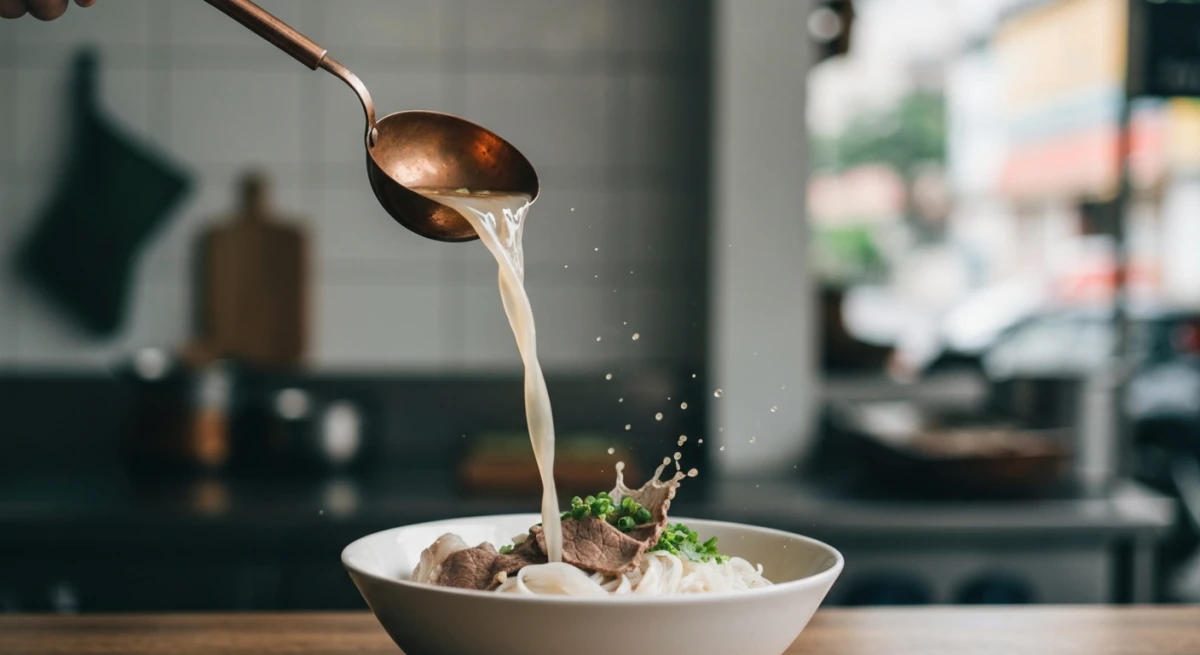
Few places on earth stimulate the senses quite like Ho Chi Minh City, formerly known as Saigon. It is a metropolis defined by a symphony of sounds: the mechanical hum of millions of motorbikes, the laughter of locals gathered over shared plates, and the rhythmic sizzle of ingredients hitting searing-hot woks on the sidewalk. For anyone searching for the pinnacle of street food Asia Ho Chi Minh City represents the ultimate, undisputed culinary wonderland. Here, the sidewalk is not merely a pedestrian walkway; it is a communal dining room, an open-air theater, and a repository of generations-old recipes that tell the story of Vietnam’s complex history.
If you are a traveler looking to dive headfirst into this gastronomic capital, you might feel overwhelmed by the sheer volume of choices. The smell of sweet lemongrass charcoal smoke wafts from one corner, while a steaming cauldron of aromatic beef broth beckons from another. This comprehensive guide will take you beyond the superficial tourist trail, deep into the culinary alleys (hẻms) and bustling local neighborhoods. We will explore the historical fusions that created these flavors, map out the ultimate food districts, highlight the legendary dishes you absolutely cannot miss, and provide the essential insider etiquette to help you eat like a seasoned local.
The Flavor Profile: Why Ho Chi Minh City is the Epicenter of Asian Street Food
To understand why the street food Asia Ho Chi Minh City offers is so universally celebrated, one must understand the unique geography and cultural history of Southern Vietnam. Unlike the colder northern regions like Hanoi, where cuisine leans toward subtle, delicate, and black pepper-heavy flavor profiles, Saigon’s climate is tropical, hot, and humid year-round. This has given rise to a food culture that is vibrant, fresh, and unashamedly bold.
Saigon’s culinary landscape is a melting pot. It has been shaped by migrations of Northern and Central Vietnamese families, who brought their regional classics like phở and bún bò Huế and adapted them to southern tastes. Furthermore, the city’s proximity to Cambodia and historical Chinese settlements in Cholon (District 5) have infused the food with a variety of sweet, herbal, and wok-kissed dimensions. French colonial history left an indelible mark on the city's baked goods and coffee culture.
The overarching philosophy of Southern Vietnamese cooking is balance—specifically, the harmony of sweet, salty, sour, spicy, and umami. Dishes are almost always accompanied by a massive plate of fresh herbs (including Vietnamese coriander, sweet basil, culantro, fish mint, and perilla), which provide crisp texture and essential oils that cool the body. Sugarcane and coconut milk are used generously to add a natural sweetness, while lime juice, tamarind, and kumquat provide the sour counterpart. It is a cuisine designed to be eaten outdoors, keeping you refreshed and energized even on the steamiest afternoon.
The Legendary Dishes: 8 Must-Eat Street Foods and Where to Find Them
While it is easy to find excellent food on almost any corner in Ho Chi Minh City, there are several foundational dishes that every visitor must experience. These are not merely meals; they are cultural institutions, perfected by specialized vendors over decades.
1. Bánh Mì: The Crispy, Savory French-Vietnamese Masterpiece
To understand the true genius of the Vietnamese bánh mì, one must look at the history of cultural adaptation. When French colonizers introduced the wheat baguette to Indochina, it was initially a luxury item enjoyed only by elite classes, spread with expensive European butter and pâté. Over decades, resourceful local bakeries adapted the recipe, incorporating rice flour to yield an incredibly airy, thin-crust baguette that could withstand the tropical humidity. They replaced the butter with homemade egg yolk mayonnaise, stuffed it with local ingredients like headcheese, pork floss, and lemongrass-marinated grilled meats, and brightened it with a refreshing array of cilantro, cucumber, and pickled daikon and carrots.
Where to Eat It:
- Bánh Mì Huỳnh Hoa (26 Lê Thị Riêng, District 1): Known as the heavy-hitter of Saigon, this stall serves a legendary, meat-packed bánh mì. It is massive, layered with multiple types of pork roll, thick pâté, and rich butter. It is easily large enough to share between two people.
- Bánh Mì Hồng Hoa (54 Nguyễn Văn Tráng, District 1): For a lighter, crunchier, and more classic breakfast experience, Hồng Hoa offers impeccably fresh, warm baguettes filled with roasted pork or fried eggs, finished with a generous handful of fresh herbs.
2. Cơm Tấm: The Smoky Soul of Saigon’s Sidewalks
Historically, broken rice (cơm tấm) was a peasant's food, made from the fractured grains that fell apart during the milling process. Because these broken grains could not be sold on the open market, poor rice farmers in the Mekong Delta cooked them for their own families. However, as Ho Chi Minh City rapidly urbanized, these farmers brought their beloved dish to the streets of Saigon, where it evolved into one of the country's most iconic breakfast and lunch items.
Today, the star of the plate is a thin, tender pork chop (sườn) marinated in a sweet and savory mixture of lemongrass, garlic, honey, and fish sauce, before being grilled over natural wood charcoal right on the sidewalk, sending plumes of fragrant smoke into the air. The meat is sliced and placed over a bed of fluffy, steamed broken rice, drizzled with fragrant scallion oil (mỡ hành), and served alongside pickled carrots and daikon, crispy pork skin (bì), and a steamed egg meatloaf (chả trứng). To tie everything together, diners pour a sweet, slightly thickened fish sauce (nước mắm pha) over the entire plate.
Where to Eat It:
- Cơm Tấm Ba Ghiền (84 Đặng Văn Ngữ, Phú Nhuận District): This legendary institution, recognized by the Michelin Guide, is famous for serving a pork chop so massive it completely obscures the rice beneath. The marinade is deeply caramelized, smoky, and absolutely addictive.
3. Bún Thịt Nướng: A Symphony of Textures in a Bowl
If phở is Vietnam’s national soup, bún thịt nướng is the ultimate cold noodle dish of the south. It is a masterful composition of contrasting temperatures, textures, and flavors. At the bottom of the bowl lies a bed of fresh, cold rice vermicelli noodles and a handful of shredded lettuce, bean sprouts, and herbs. On top, vendors pile warm, smoky grilled pork, crispy deep-fried spring rolls (chả giò) filled with taro and minced pork, a spoonful of crushed roasted peanuts, and a drizzle of rich green scallion oil.
To eat it, you pour sweet-and-sour fish sauce (nước mắm) over the bowl and mix everything together. Every bite provides a combination of the crunch from the spring rolls, the savory chew of the grilled pork, the freshness of the herbs, and the sweet tang of the dressing. It is incredibly refreshing, making it the perfect midday fuel.
Where to Eat It:
- Bún Thịt Nướng Nguyễn Trung Trực (1 Nguyễn Trung Trực, District 1): Located just a short walk from Ben Thanh Market, this sidewalk cart is easily identifiable by the thick clouds of charcoal smoke rising from the street-side grill. Their pork is exceptionally juicy, and the spring rolls are fried to a blistered, golden-brown perfection.
4. Phá Lấu: The Adventurous Foodie’s Aromatic Stew
For those with an adventurous culinary spirit, no exploration of street food Asia Ho Chi Minh City has to offer is complete without a bowl of phá lấu. Originally brought to Southern Vietnam by Chinese immigrants, this dish has been thoroughly localized into a beloved street snack, particularly popular among high school and university students looking for an affordable, high-flavor afternoon treat.
Phá lấu consists of various cuts of beef or pork offal—including stomach, intestines, tripe, and ears—braised in a rich, deeply savory soup infused with sweet coconut milk, lemongrass, ginger, five-spice powder, and annatto seed oil for a vibrant orange-red color. The offal is simmered for hours until incredibly tender yet retaining a satisfyingly chewy bite. It is served steaming hot in a small bowl, accompanied by a freshly baked, crusty baguette (bánh mì) for dipping, and a small side of sweet, tart kumquat-infused fish sauce.
Where to Eat It:
- Phá Lấu Cô Thảo (243/29G Tôn Đản, District 4): Hidden deep within the maze of alleyways in District 4, this legendary stall has been simmering pots of rich, creamy phá lấu for decades. Pair it with a cold glass of sweetened cane juice.
5. Ốc: The Tactile Nighttime Snacking Culture
To truly immerse yourself in the social fabric of Ho Chi Minh City, you must participate in the nocturnal ritual known as 'đi ăn ốc' (literally translating to 'go eat snails'). While Western travelers might initially hesitate at the prospect of eating snails, the Vietnamese culinary approach to shellfish is nothing short of extraordinary. On any given evening, groups of friends, colleagues, and families gather around low steel tables on the sidewalk, surrounded by mountains of discarded shells, cold beers, and lively conversation.
Street food vendors specializing in ốc offer dozens of varieties of fresh water and sea snails, clams, scallops, and mud creepers. Each type of shellfish can be prepared in multiple ways: stir-fried in a rich garlic butter sauce (xào bơ), coated in a spicy, salty, and sweet salted egg yolk sauce (sốt trứng muối), grilled with scallion oil and crushed peanuts (nướng mỡ hành), or steamed with lemongrass and chili. The experience is tactile, messy, and intensely social; you use safety pins or tiny forks to pry the sweet, tender meat from the shells, dip it in sweet-and-sour ginger fish sauce, and wash it down with an ice-cold local beer.
Where to Eat It:
- Ốc Đào (212B/C79 Nguyễn Trãi, District 1): Tucked away in a quiet alley, this spacious open-air spot is wildly popular with locals. Their sweet snails in salted egg yolk sauce (ốc hương sốt trứng muối) is a masterpiece of sweet, savory, and rich flavors.
- Ốc Oanh (534 Vĩnh Khánh, District 4): Located on the city’s premier street food strip, Ốc Oanh offers an intense, sensory-heavy dining experience with tables stretching along the busy roadway.
6. Bột Chiên: The Crispy, Chewy Comfort Food
If you find yourself craving something fried and comforting after a long day of exploring, bột chiên is the answer. Introduced to Saigon by Chinese immigrants from the Chaoshan region, this dish has become a staple of late-night street dining. It consists of thick, square chunks of rice flour cake that are pan-fried on a massive, heavy iron flat-top griddle until the exterior forms a crispy, golden-brown crust while the interior remains wonderfully soft and chewy.
As the rice cakes crisp up, the cook cracks one or two eggs directly over them, scattering a handful of chopped green onions on top. The eggs bind the rice cakes together into a cohesive, crispy pancake. It is served hot off the griddle with a side of crunchy pickled green papaya to cut through the richness, and a sweet, dark soy sauce mixed with a touch of chili paste.
Where to Eat It:
- Bột Chiên Đạt Thành (277 Võ Văn Tần, District 3): This bustling neighborhood spot has been churning out perfect plates of bột chiên for years. Watch the chef work the massive griddle with incredible speed right at the entrance.
7. Bánh Xéo: The Spectacular Sizzling Crepe
Named after the loud 'sizzling' sound (xéo) that occurs when the batter hits the smoking-hot pork-fat-greased pan, bánh xéo is a giant, crispy crepe that is as fun to eat as it is delicious. The batter is made of rice flour, turmeric powder (which gives it its signature golden-yellow color), and creamy coconut milk.
Once the thin batter is swirled around the wok, the chef fills it with pork belly, small shrimp, and a generous handful of mung beans and fresh bean sprouts. It is folded in half and cooked until the edges are paper-thin and shattering-crisp. To eat it, you tear off a piece of the warm crepe, wrap it inside a broad mustard leaf or a lettuce leaf along with a selection of fresh mint, sweet basil, and perilla, and roll it up. You then dip this parcel into a sweet, garlicky fish sauce. The contrast of the hot, crispy, savory crepe with the cool, peppery green leaves is spectacular.
Where to Eat It:
- Bánh Xéo Bà Hai (119 Lê Văn Linh, District 4): A fantastic, unassuming spot in District 4 where the crepes are cooked to order, ensuring maximum crunchiness. They serve an extraordinarily generous basket of fresh, wild herbs.
8. Bánh Tráng Trộn: The Ultimate Modern Youth Snack
While many of Saigon’s street foods have decades of history, bánh tráng trộn (mixed rice paper salad) is a relatively modern phenomenon that has taken the city by storm over the last two decades. It represents the constantly evolving, youthful spirit of the city's food culture.
To make this highly addictive snack, street vendors take thin, shredded strips of dry rice paper and place them in a plastic bag or bowl. They then add a dizzying array of ingredients: shredded sour green mango, hard-boiled quail eggs, dried beef jerky, tiny dried shrimp, fried shallots, crushed peanuts, fresh Vietnamese coriander (rau răm), and a drizzle of sweet-tart tamarind sauce, chili oil, and kumquat juice. The bag is shaken and mixed thoroughly until the rice paper softens slightly, absorbing all the sweet, spicy, sour, and savory juices. It is typically eaten on the go using a pair of wooden chopsticks.
Where to Eat It:
- Bánh Tráng Trộn Cart (Tôn Thất Thiệp, District 1): You will find numerous mobile carts along Tôn Thất Thiệp and near the Notre-Dame Cathedral in the late afternoon. Just look for the carts decorated with hanging bags of colorful ingredients and lines of local students waiting patiently.
The Ultimate Saigon Food Districts: Beyond District 1
While District 1 is the historical and tourist heart of Ho Chi Minh City, staying solely within its borders means missing out on the real depth of the street food scene. To truly understand why Ho Chi Minh City is the king of street food Asia has to offer, you must cross the canals and venture into the local neighborhoods where the sidewalks are wider, the traffic is wilder, and the flavors are untouched by tourist preferences.
District 4: The Untamed Kingdom of Seafood and Snails
Historically, District 4 was known as a rough, working-class dock area, famously ruled by local gangsters. Today, it has transformed into a vibrant, peaceful culinary destination that is widely considered the street food capital of the city. Separated from District 1 by a narrow canal, District 4 feels like a different world.
The main artery of food here is Vĩnh Khánh Street. As soon as the sun sets, this street lights up with neon signs and fills with hundreds of low tables and plastic stools. The air is thick with the scent of grilled seafood and roasting garlic. Here, you can experience the ultimate 'ốc' dinner, accompanied by live street musicians, fire-breathers, and a chaotic, joyful atmosphere. For a daytime adventure, head to the bustling alleys around Chợ Xóm Chiếu (Xom Chieu Market), where you will find unmatched noodle bowls, sweet desserts, and fried snacks.
District 3: Historic Alleys and Old Apartment Blocks
District 3 offers a slightly greener, more relaxed atmosphere than District 1, characterized by colonial-era villas, shady tree-lined streets, and deep webs of residential alleys. It is home to several historic apartment complexes built in the mid-20th century, which have become self-contained micro-neighborhoods with their own thriving street food ecosystems.
The Nguyễn Thiện Thuật Apartment Area is a prime example. The courtyards between these older, weathered apartment buildings are packed with stalls serving excellent bột chiên, traditional Southern Vietnamese sweet soups (chè), and various regional noodle dishes. Walking through these alleys provides an intimate look at the daily lives of Saigonese families, who live, socialize, and eat in these shared spaces.
Phu Nhuan and Binh Thanh: The Heart of Local Youth Culture
Located just north of the city center, the adjoining districts of Phú Nhuận and Bình Thạnh are densely populated residential areas that attract a young, trendy local crowd. These districts are characterized by a massive density of cafes, milk tea shops, and innovative street food stalls.
Vạn Kiếp Street, which straddles the border of both districts, is one of the most intense food streets in the city. It is relatively narrow, meaning you are intimately close to the traffic as you eat. The street features an endless line of stalls selling everything from charcoal-grilled pork skewers and phở to trendy snacks like grilled rice paper (bánh tráng nướng) and coconut ice cream. It is loud, sensory, and highly authentic.
District 10: The Flower Market Turned Food Bazaar
By day, Hồ Thị Kỷ is the largest wholesale flower market in Ho Chi Minh City, filled with beautiful, fragrant blooms imported from Da Lat and the Mekong Delta. However, by late afternoon, the narrow residential alleyways running adjacent to the flower stalls transform into a massive, packed night market dedicated entirely to street food.
This market is particularly famous for its diverse, multi-cultural snack offerings. Because of District 10's historical Cambodian-Vietnamese population, you can sample unique Cambodian-style grilled beef skewers marinated in lemongrass and kaffir lime, sweet coconut-infused desserts, and unique noodle dishes, alongside modern trends like spicy Korean-style noodles and street-side sushi rolls. It is a dense, high-energy walk that is a must-visit for any dedicated foodie.
Street Food Etiquette & Insider Tips for 2026
Eating on the streets of Ho Chi Minh City is an exhilarating experience, but it can be intimidating for first-timers. To help you navigate the sidewalk scene smoothly, keep these essential tips in mind:
- Understand the Plastic Stool Hierarchy: In Vietnam, the height of the stool is often inversely proportional to the price and directly proportional to the authenticity of the food. Low red and blue plastic stools are a symbol of approachability and communal eating. Do not be shy; pull up a stool, find a spot wherever there is space, and embrace being close to the ground.
- Ice Safety is No Longer an Issue: A common concern for travelers is water and ice safety. In Ho Chi Minh City today, almost all street vendors use commercially produced tube ice (which has a hollow hole through the middle) made from purified water. This ice is completely safe to consume. You can confidently enjoy a refreshing glass of Trà Đá (iced green tea) or Nước Mía (sugared cane juice) to cool down.
- Table Hygiene Hacks: When you sit down, you will notice a container of chopsticks and spoons on the table. It is common practice among locals to wipe their utensils with a clean paper napkin before eating. If there are fresh lime wedges on the table, squeeze a little lime juice onto a napkin and use it to sanitize your utensils. Additionally, note that the packaged, wet, cold towels (khăn lạnh) provided on the table are not free; they usually cost around 2,000 to 5,000 VND ($0.10–$0.20 USD) each, but they are incredibly useful for wiping sticky hands after eating seafood or banh mi.
- Digital Payments in 2026: Ho Chi Minh City has rapidly transitioned into a highly digital society. In 2026, almost every street food vendor—even those operating tiny carts in remote alleys—displays a laminated VietQR code or a MoMo QR code. If you have a local bank account or a compatible digital wallet, you can easily pay with a quick scan. However, as a traveler, it is still highly recommended to carry small cash denominations (10,000, 20,000, and 50,000 VND bills) to ensure smooth, fast transactions.
FAQ: Navigating the Street Food Capital of Vietnam
Is street food in Ho Chi Minh City safe for tourists?
Yes, street food in Saigon is remarkably safe, provided you follow a few basic rules. Look for stalls with high turnover—if a place is packed with locals, the ingredients are guaranteed to be fresh because they are constantly replenishing stock. Additionally, try to choose vendors where you can see the food being cooked fresh and hot in front of you. Avoid raw vegetables if you have a highly sensitive stomach, and stick to hot, fully cooked dishes.
What is the average cost of street food in Saigon?
Street food in Ho Chi Minh City remains incredibly affordable. In 2026, a classic bowl of noodles (like hủ tiếu or bún thịt nướng) or a plate of cơm tấm typically costs between 35,000 and 65,000 VND (approximately $1.40 to $2.60 USD). A freshly pressed bánh mì or a bag of bánh tráng trộn costs around 20,000 to 45,000 VND ($0.80 to $1.80 USD). It is one of the most budget-friendly food destinations in the world.
Do I need to speak Vietnamese to order street food?
Not at all! While learning a few basic phrases is always appreciated, most street vendors are highly skilled at communicating with international visitors. The 'point-and-smile' technique works perfectly. Simply point to what you want, hold up fingers to indicate the quantity, and use basic body language. You can use the phrase 'Một' (pronounced like 'mote', meaning one) and 'Tính tiền' (pronounced like 'tinh teen', meaning 'check, please') to navigate your meal.
What is the best time of day to experience street food?
Street food in Saigon is a 24-hour affair, but different dishes dominate different times of day. Morning (6:00 AM to 9:00 AM) is all about quick breakfasts: hot phở, hủ tiếu, and grab-and-go bánh mì. Afternoon (2:00 PM to 5:00 PM) is the time for light snacks, known as 'ăn vặt', which includes bánh tráng trộn and sweet chè desserts. Evening and late-night (6:00 PM to midnight) is when the city truly comes alive, with groups heading out for 'đi nhậu' (drinking and eating), specializing in grilled meats, hot pots, and endless plates of ốc.
Conclusion: Embracing the Chaos of Saigon's Sidewalks
At first glance, Ho Chi Minh City’s street food scene can seem chaotic, loud, and intimidating. But once you take that first step off the sidewalk, pull up a tiny plastic stool, and dive into a steaming bowl of noodles or a crispy bánh mì, you will realize that this chaos is actually a beautifully orchestrated daily dance. The street food of Saigon is not just about fuel; it is about community, history, and a shared love for bold, fresh flavors. By venturing out of your comfort zone and into the local alleys, you will discover why this spectacular city is the beating heart of street food in Asia.