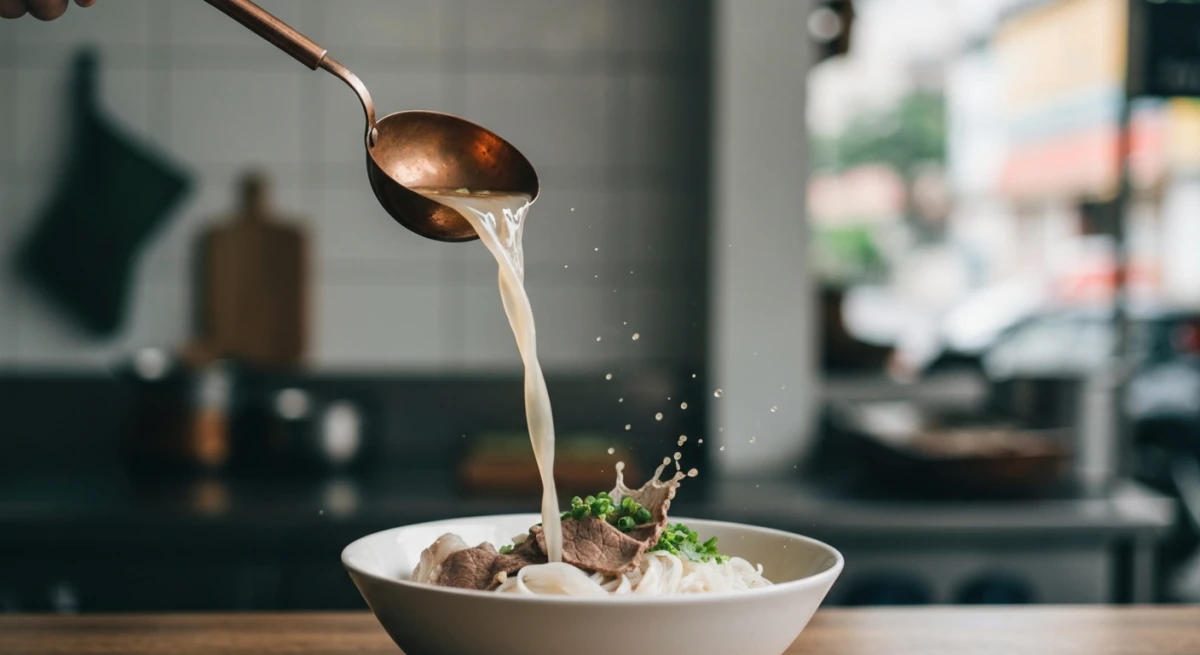
Stepping into the beating heart of District 1, Ho Chi Minh City, the irresistible aroma of sizzling lemongrass, simmering beef broth, and sweet coconut milk makes it clear: you have arrived at Saigon's culinary epicenter. Navigating the street food ben thanh market landscape can be an incredibly exciting, chaotic, and sometimes overwhelming sensory adventure. Whether you are hunting for traditional daytime bowls inside the historic market hall, exploring the bustling night market stalls, or hanging out at the modern food hall nearby, this ultimate foodie guide will show you exactly what, where, and how to eat like a seasoned local in 2026.
To the uninitiated, the food around this landmark can seem like a singular entity. However, there are actually three distinct food zones, each with its own character, operating hours, and culinary highlights. Failing to understand these divisions is the number-one mistake first-time travelers make, often leading them to miss out on the most authentic stalls. In this comprehensive guide, we will break down the geometry of Ben Thanh's food scene, deep-dive into the must-try regional delicacies, and arm you with the insider knowledge needed to dine with absolute confidence.
Decoding the Ben Thanh Food Zones: Indoor, Outdoor, and the Trendy Hall
To master the street food ben thanh market experience, you must first understand that "Ben Thanh" refers to three completely different dining environments located within a three-minute walk of one another.
1. The Daytime Indoor Food Court (Chợ Bến Thành)
- Hours: 6:00 AM – 6:00 PM daily
- The Vibe: Authentic, chaotic, hot, and highly communal.
- Where to find it: Located in the center-to-back section of the main historic market building under the soaring concrete rafters. Here, you will find rows of tightly packed stalls, each specializing in a handful of traditional Southern Vietnamese dishes. Diners squeeze onto tiny plastic or wooden stools, elbow-to-elbow with market vendors taking their lunch breaks and tourists consulting their maps. There is no air conditioning, but the high ceilings and giant fans keep the air moving.
2. The Ben Thanh Night Market
- Hours: 6:00 PM – 11:00 PM daily
- The Vibe: Vibrant, smoky, open-air, and energetic.
- Where to find it: As the indoor market closes, the parallel streets flanking the east and west gates (Phan Boi Chau Street and Phan Chu Trinh Street) are closed to traffic. In a matter of minutes, vendors assemble metal-framed stalls, hook up gas-powered burners, display fresh seafood on beds of crushed ice, and set up hundreds of plastic tables directly on the asphalt. This is the place to go for charcoal-grilled meats, chilled beer, and late-night seafood feasts under the stars.
3. The Ben Thanh Street Food Market (134 Nam Ky Khoi Nghia)
- Hours: 9:00 AM – midnight daily
- The Vibe: Modern, hipster, clean, and highly sanitized.
- Where to find it: Located just a block away at 134 Nam Ky Khoi Nghia Street, this is a purpose-built, semi-open-air food hall designed specifically for travelers. It features industrial steel beams, colorful graffiti murals of old Saigon, long wooden picnic tables, and a highly organized layout. While it lacks the raw, gritty atmosphere of the historic market, it offers exceptional food hygiene, English-speaking staff, and a massive variety of both local and international cuisines, often accompanied by live acoustic music in the evenings.
Must-Try Dishes at the Historic Indoor Market
During the daylight hours, the indoor food court of Ben Thanh Market is a treasure trove of Southern Vietnamese culinary heritage. While almost every Vietnamese dish is represented here, a few standout stalls have spent decades perfecting their recipes.
Bé Chè (Stalls 1154-1156): A Sweet Legacy Since 1968
No culinary tour of Ben Thanh is complete without a visit to Bé Chè, a legendary dessert stall located near Door Number 7 that has been operating continuously for well over half a century. Run by generations of the same family, this colorful stall is a visual masterpiece, displaying bowls of brightly colored jellies, beans, and syrups behind a clean glass counter.
- What to order: Try the Chè Ba Màu (Three-Color Dessert), which features layers of sweet yellow mung bean paste, red kidney beans, and vibrant green pandan jelly ribbons, all drenched in crushed ice and rich, savory-sweet coconut cream. Another local favorite is Chè Sương Sa Hạt Lựu, featuring crunchy "pomegranate seeds" made from water chestnut coated in tapioca starch, served with grass jelly and coconut milk. It is the ultimate antidote to Saigon's midday heat.
Bún Thịt Nướng: The Perfect Southern Lunch
If you want a savory dish that perfectly balances sweet, salty, sour, and fresh elements, seek out a Bún Thịt Nướng (grilled pork noodles) stall inside the market, such as the highly rated Xuân Mai stall. Unlike Northern Vietnam's famous Bun Cha, where the ingredients are served separately, Southern Bún Thịt Nướng is a beautifully assembled single-bowl meal.
- What to expect: The base of the bowl is packed with cool, thin rice vermicelli noodles, shredded lettuce, and a mountain of fresh Vietnamese herbs like mint, Thai basil, and perilla. Atop this sits strips of smoky, tender pork shoulder marinated in lemongrass, garlic, and honey, grilled over live charcoal right in the aisle. It is garnished with crispy, deep-fried spring rolls (chả giò), pickled daikon and carrots, a spoonful of scallion oil, and a generous sprinkle of crushed roasted peanuts. To eat, pour the accompanying cup of sweet, garlic-and-chili-infused fish sauce (nước chấm) over the bowl and toss everything together.
Gỏi Cuốn: Fresh and Light Summer Rolls
For a lighter bite between shopping sessions, pull up a stool at a cold appetizer stall and order a plate of Gỏi Cuốn (fresh summer rolls). Because these rolls are not fried, they showcase the pure flavors of fresh, local ingredients.
- The anatomy of a roll: A sheet of translucent, slightly chewy rice paper is moistened and tightly wrapped around tender slices of boiled pork belly, fresh river shrimp, rice vermicelli, crisp lettuce, and fresh herbs, with a green chive leaf left poking out of the end. The secret to a great Gỏi Cuốn lies in the dipping sauce: a thick, warm, fermented soybean and peanut paste topped with a splash of chili oil and pickled carrots. It is savory, sweet, and incredibly satisfying.
The Legendary Bún Riêu Gánh: A 40-Year-Old Culinary Landmark
While technically located just outside the market's northern perimeter at 163 Lê Thánh Tôn, no discussion of the street food ben thanh market scene is complete without highlighting Bún Riêu Gánh. Originally starting as a humble sidewalk "gánh" (a wooden yoke carried on the shoulders of the owner's mother over 40 years ago), this family-run business now operates out of a permanent, clean storefront and is widely considered one of the absolute best noodle experiences in the city.
What Makes This Broth Different?
Bún Riêu is a crab-and-tomato-based noodle soup that originated in the North, but Bún Riêu Gánh serves a distinctly Southern variation that has captivated locals, tourists, and visiting chefs alike. The broth is a deep, glowing orange-red, achieved by sautéing ripe tomatoes with rich crab fat. It is intensely savory, slightly sweet, and simmered for hours with pork bones and dried shrimp.
The Signature Crab Meatball
Instead of the loose, crumbly crab mixture found in most roadside stalls, Mrs. Mai Thi Lien (the current second-generation owner) serves her soup with a massive, firm, and pillowy crab meatball (riêu cua). This proprietary recipe combines fresh freshwater crab paste, minced pork, shrimp, and eggs, resulting in an incredibly rich, savory bite that holds its shape in the boiling soup.
How to Eat It Like a Local
Your steaming bowl of Bún Riêu will arrive packed with rice vermicelli noodles, the signature crab meatball, chunks of fried tofu that act like sponges for the savory broth, a slice of stewed tomato, and a thick piece of huyết (congealed duck blood, which has a mild, savory flavor and a texture similar to silken tofu).
To enjoy it to the fullest, follow these steps:
- Add the greens: Plunge the accompanying plate of fresh shredded morning glory stems (rau muống chẻ), banana flower shreds, bean sprouts, and split herbs directly into the boiling hot broth so they wilt slightly but retain their crunch.
- The Southern seasoning: Unlike Northern versions that use lime juice for acidity, Bún Riêu Gánh serves theirs with a small dish of sour tamarind paste. Stir a spoonful of tamarind paste and a touch of pungent purple shrimp paste (mắm tôm) into your broth. The shrimp paste adds a deep umami backbone, while the tamarind provides a bright, fruity acidity that cuts through the richness of the crab.
- Dip the protein: Use your chopsticks to break off pieces of the crab cake or tofu, dip them into the tamarind-shrimp paste mixture, and savor the explosion of contrasting flavors.
The Sunset Transformation: Navigating the Ben Thanh Night Market
As twilight descends upon Saigon around 6:00 PM, a dramatic transformation takes place. The historic market building locks its heavy wooden doors, and the surrounding asphalt of Phan Boi Chau and Phan Chu Trinh streets is claimed by the night market. The atmosphere becomes electric. The clattering of metal poles, the hiss of cold water poured over fresh seafood on ice, and the thick, sweet smoke of charcoal grills create an unforgettable sensory experience.
Savoring Saigon's Famous "Ốc" (Shellfish) Culture
Saigon is famous for its late-night shellfish culture, and the Ben Thanh Night Market is a fantastic place to dive in. Stalls feature rows of metal trays piled high with sweet snails, mud crabs, scallops, clams, and giant prawns, all kept fresh on beds of ice.
- Sò Điệp Nướng Mỡ Hành: Plump sea scallops grilled in their shells over open embers, constantly basted with fragrant scallion oil (mỡ hành) and topped with crunchy roasted peanuts and fried shallots. The result is a smoky, sweet, and nutty bite that pairs perfectly with a cold beer.
- Sò Huyết Cháy Tỏi: Fresh blood cockles flash-fried in a roaring wok with an absurd amount of minced garlic and sweet soy sauce. The garlic caramelizes on the shell, creating a sweet and savory glaze that you lick off before popping the tender cockle into your mouth.
Bột Chiên: The Ultimate Late-Night Comfort Food
If you hear a rhythmic chopping and scraping sound coming from a flat, cast-iron griddle, you have found a Bột Chiên stall. This Chinese-influenced dish is a staple of Saigon's late-night street food scene.
- The cooking process: Cubes of chewy, steamed rice flour cake are fried in lard on a massive griddle until they develop a deeply crispy, golden-brown exterior while remaining soft and pillowy on the inside. Right before serving, the cook tosses in a couple of whisked eggs and a handful of green onions, letting the eggs cook into a crispy lacy edge that binds the rice cakes together.
- The seasoning: It is served piping hot, topped with a mountain of crunchy, thinly shredded green papaya to cut through the grease, and accompanied by a small bowl of sweet, tangy seasoned soy sauce for dipping.
The Modern Alternative: Ben Thanh Street Food Market (134 Nam Ky Khoi Nghia)
For travelers who want to experience the flavors of Vietnamese street food but are hesitant about dining on chaotic roadsides, the Ben Thanh Street Food Market at 134 Nam Ky Khoi Nghia is an absolute must-visit.
Built for the Modern Traveler
This trendy, semi-outdoor food hall was specifically designed to provide a highly hygienic, relaxed, and accessible introduction to Vietnam's culinary landscape. The space is beautifully designed, blending industrial elements with rustic wooden furniture and warm string lights. Unlike the traditional markets, there is no pushy selling here; you can wander leisurely from stall to stall, browse clearly written English menus with listed prices, and watch the chefs prepare your food behind clean glass partitions.
A Culinary Crossroads
With over 30 independent food stalls, this market is essentially a curated "best of" list of Vietnamese cuisine, alongside select international options.
- The Classics: You can find exceptionally clean, high-quality bowls of beef Phở, crispy Bánh Xèo (Southern savory crepes stuffed with pork and shrimp), and freshly baked Bánh Mì packed with homemade pâté and cold cuts.
- Creative Fusion: Stalls also offer modern twists, such as grilled cheese oysters, spicy seafood hot pots, and lemongrass pork skewers served with local craft beer.
- The Drink Scene: This is one of the few places in District 1 where you can enjoy authentic street food alongside a wide selection of local craft beers on tap (featuring local legends like Pasteur Street Brewing Co. and Heart of Darkness), fresh fruit smoothies, and local iced specialty coffees.
Who is this market for?
While purists might argue that the Ben Thanh Street Food Market lacks the "gritty authenticity" of roadside dining, it is an invaluable spot for solo travelers, families traveling with young children, and those with sensitive stomachs who want to ease into the local food culture without worry. The prices are slightly higher than typical street-side stalls (averaging 50,000 to 120,000 VND per dish), but the exceptional hygiene, clean restrooms, and lively atmosphere make it worth every dong.
Essential Insider Tips for Eating at Ben Thanh Market
To ensure your culinary adventure is memorable for all the right reasons, keep these practical, safety-focused tips in mind:
1. Master the Art of the Food Court "Walk-Through"
When walking through the indoor food court during the day, stall vendors can be incredibly assertive. They will wave menus in your face, shout friendly greetings, and physically try to guide you toward their plastic stools. Do not let this fluster you. Keep a warm smile, say a polite "Không, cảm ơn" (No, thank you), and keep moving until you find the stall that has the highest concentration of local Vietnamese diners—this is always the universal sign of superior quality and high turnover.
2. Food Safety: Look for the Steam
While food hygiene around Ben Thanh is generally good due to high tourist traffic and strict city regulations, basic street food safety rules still apply. Choose stalls where the broths are kept at a rolling boil and the meats are cooked fresh to order rather than sitting pre-cooked in a display case. When it comes to drinks, ice is generally safe in Saigon if it is the hollow, machine-made tube ice (which comes from purified water factories). Avoid large, hand-crushed blocks of ice, which are often transported in less-than-hygienic conditions.
3. Pricing and Payment: Cash is Still King
Unlike the souvenir and textile stalls at Ben Thanh where aggressive bargaining is mandatory, food prices are almost always fixed. Most reputable stalls will have a printed menu with prices clearly listed in Vietnamese Dong (VND). If a stall does not have visible prices, always ask "Bao nhiêu tiền?" (How much money?) before sitting down to avoid any unexpected "tourist tax" markups.
While the modern Ben Thanh Street Food Market at 134 Nam Ky Khoi Nghia accepts credit cards and mobile bank transfers (VietQR), the traditional indoor and outdoor night market stalls are strictly cash-only. Always carry small denominations of Vietnamese Dong (such as 10,000, 20,000, 50,000, and 100,000 VND bills), as street vendors often struggle to make change for large 500,000 VND notes.
4. Watch Your Belongings
Because the markets are crowded and highly distracting, they can occasionally be targets for petty pickpocketing. Keep your backpack worn on your front, secure your phone and wallet in zipped pockets, and be mindful of your surroundings, especially when squeezing through narrow indoor aisles or dining close to the busy street edge at the night market.
Frequently Asked Questions
Is the street food at Ben Thanh Market safe for tourists?
Yes, the street food around Ben Thanh Market is generally very safe for tourists. Because of the massive daily turnover of customers, ingredients are bought fresh every morning and rarely sit around. For those with highly sensitive stomachs, starting your culinary journey at the modern Ben Thanh Street Food Market (134 Nam Ky Khoi Nghia) is a highly recommended way to ease into the local flavors with maximum peace of mind.
What is the exact difference between Ben Thanh Market and Ben Thanh Street Food Market?
Ben Thanh Market is the historic, 100-year-old market building featuring a traditional indoor food court during the day and street-side stalls outside at night. Ben Thanh Street Food Market (at 134 Nam Ky Khoi Nghia) is a separate, modern, trendy food hall located a block away, featuring industrial design, live music, and highly sanitized, tourist-friendly stalls.
When is the best time to visit Ben Thanh Market for food?
For a traditional, local lunch experience and sweet desserts, visit the indoor food court between 11:30 AM and 1:30 PM. For an exciting, open-air dinner of grilled meats, seafood, and cold beers, head to the surrounding streets from 6:30 PM onwards when the night market is in full swing.
Do the food vendors speak English?
Yes, due to the central location in District 1, almost all food vendors in and around Ben Thanh Market speak functional English. Menus are also widely printed in English, often featuring photos of the dishes, making ordering incredibly easy for international visitors.
Conclusion
Whether you find yourself perched on a tiny plastic stool inside the historic, humid hall of the daytime market, peeling garlic cockles under the neon lights of the night market, or clinking craft beer glasses at the trendy food hall nearby, eating your way through the street food ben thanh market scene is an essential rite of passage for anyone visiting Saigon. By understanding the distinct dining zones, seeking out historic multi-generational stalls like Bé Chè and Bún Riêu Gánh, and practicing basic street-smart dining habits, you will unlock a world of complex, unforgettable flavors that define the culinary soul of southern Vietnam. Skip the sterile hotel restaurants, head to the clock tower, follow the smoke, and let your palate lead the way.