If you are searching for the the best food in HCMC, you are about to embark on one of the most exciting culinary journeys of your life. Formerly known as Saigon, Ho Chi Minh City is a sprawling, high-energy metropolis where the air is thick with the sweet smoke of charcoal grills, the herbaceous fragrance of bubbling broths, and the continuous hum of millions of motorbikes. Here, eating is not just a daily necessity—it is a communal lifestyle. From humble sidewalk stalls on plastic stools to Michelin-selected alleyways, we have compiled the ultimate guide to navigating the food scene like a seasoned local.
In this comprehensive guide, we will dive deep into the city's complex flavors, contrast Southern and Northern culinary philosophies, and reveal exactly where to find the absolute best food in HCMC. Whether you are a first-time traveler looking for the ultimate Bánh Mì or an experienced foodie seeking hidden neighborhood gems, this is the only roadmap you will ever need.
The Culinary DNA of Ho Chi Minh City: How Southern Flavors Differ
To truly understand and appreciate the best food in HCMC, one must understand how Southern Vietnamese cuisine differs from its counterparts in the North and Center. Saigon is a geographic and cultural melting pot. Its position as an economic powerhouse has drawn residents from all corners of Vietnam, particularly the lush agricultural heartland of the Mekong Delta. Additionally, centuries of historical influences from Chinese merchants in Cholon (District 5), neighboring Khmer (Cambodian) communities, and French colonial settlers have left an indelible mark on the local palate.
Unlike the delicate, savory, and often austere culinary style of Hanoi, the flavor profile of Ho Chi Minh City is bold, uninhibited, and distinctly sweet.
Key Characteristics of Southern Flavors:
- The Sweet & Savory Balance: Southern cooks embrace sweetness. Sugar cane juice, palm sugar, and rich coconut milk are used liberally in marinades, curries, and broths. This is beautifully contrasted with the salty punch of high-quality fish sauce (nước mắm).
- A Forest of Fresh Herbs: In Saigon, herbs are not merely a garnish; they are treated as a primary vegetable. Every meal is served with a mountain of fresh leaves—sweet basil, sawtooth herb (ngò gai), rice paddy herb (ngò ôm), spearmint, coriander, and fish mint. Locals tear these herbs by hand and drop them directly into hot noodle soups or wrap them tightly around grilled meats.
- Textural Variety: Saigonese cuisine loves contrast. You will find crispy fried pork rinds (tóp mỡ) scattered over soft broken rice, crunchy crushed peanuts topping slippery noodles, and soft, gelatinous tendons floating in a piping hot bowl of beef broth.
Understanding these characteristics is essential because it prepares your taste buds for what makes the street food and restaurants here so uniquely addictive.
The Iconic "Holy Trinity" of HCMC Street Food (and Where to Eat Them)
When people think of Vietnamese food, three dishes inevitably stand out: Bánh Mì, Phở, and Cơm Tấm. In Ho Chi Minh City, these are not just dishes; they are institutions. However, finding the absolute best representation of these classics requires navigating past tourist traps to discover where the locals actually queue.
1. Bánh Mì: The French-Vietnamese Masterpiece
Bánh Mì represents the ultimate culinary fusion: the crispy French baguette stuffed with rich Vietnamese ingredients. The classic Saigonese Bánh Mì Thập Cẩm (mixed sandwich) features layers of house-made pork pâté, mayonnaise-like butter spread, various Vietnamese cold cuts (chả lụa), jambon, pork floss, pickled daikon and carrots, fresh cucumber slices, cilantro, and a fiery dash of fresh bird’s-eye chili.
- The Famous Titan: Bánh Mì Huỳnh Hoa (26 Lê Thị Riêng, District 1) Often called the "organic queue" of Saigon, Huỳnh Hoa is legendary. Their sandwich is a massive, multi-layered beast packed with thirteen different cold cuts, an incredibly rich, savory pâté, and thick butter. One sandwich is easily large enough for two people. Pro-Tip: The queue here can be chaotic. If you want to bypass the wait, consider ordering via ride-hailing apps like Grab or Gojek during off-peak afternoon hours.
- The Crisp Classic Alternative: Bánh Mì Hồng Hoa (54 Nguyễn Văn Tráng, District 1) If Huỳnh Hoa feels too heavy or overwhelming, Hồng Hoa is a beloved local favorite. The baguettes here are baked fresh continuously, offering an incredibly light, shattered-glass crust. Try their Bánh Mì Thịt Nướng (grilled pork) or their crispy roasted pork belly variant.
- The Charcoal-Grilled Icon: Bánh Mì 37 Nguyễn Trãi (37 Nguyễn Trãi, District 1) This humble street cart opens in the late afternoon and serves a unique variation. Instead of cold cuts, they stuff their crispy baguettes with small, round pork patties grilled over live charcoal, slathered in a rich, sweet, dark glaze. It is smoky, crunchy, and absolutely delicious.
2. Phở: The Herb-Loaded Southern Style
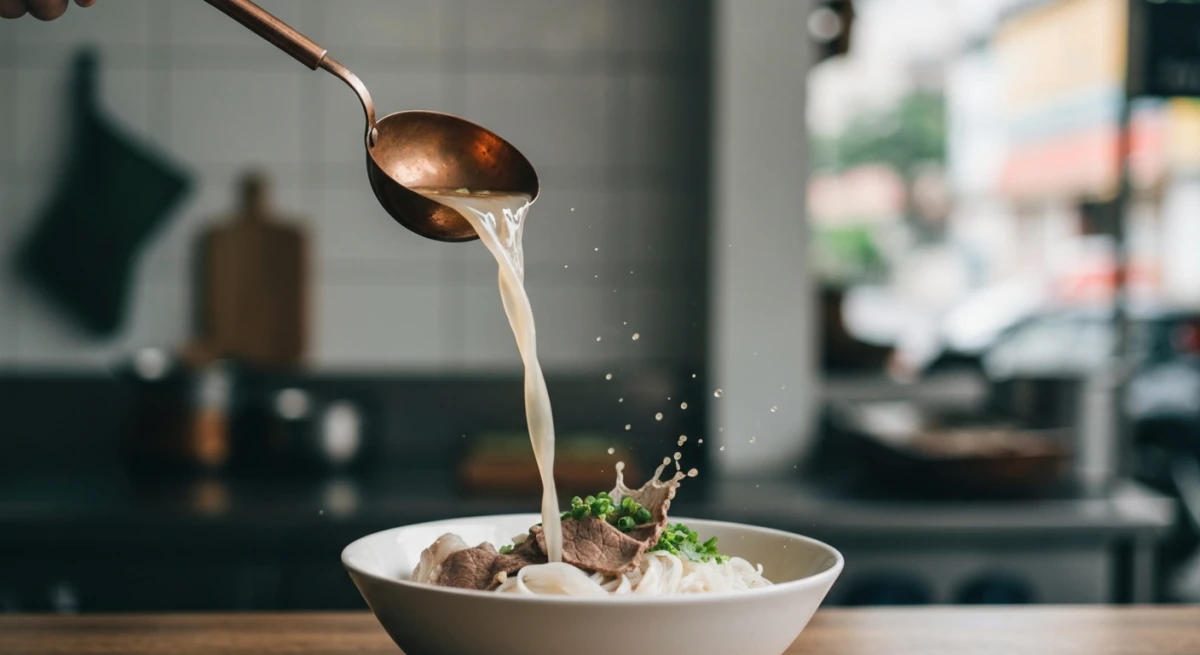
While Phở originated in Northern Vietnam, the Southern version (Phở Nam) is a completely different beast. While Northern Phở is minimalist, focusing on a clear, pure beef broth and wide noodles, Southern Phở features a slightly sweeter, darker broth spiced heavily with charred onions, ginger, star anise, cinnamon, and cloves. It is served with thin, delicate rice noodles and a massive plate of fresh herbs, bean sprouts, lime, and fresh chilies. Furthermore, locals sweeten and spice their bowls with black sweet bean sauce (tương đen) and hot chili sauce (tương ớt).
- The Rich & Hearty Institution: Phở Lệ (303-305 Võ Văn Tần, District 3) Phở Lệ is widely regarded as one of the best places for Southern-style beef noodle soup. The broth is rich, slightly sweet, and boasts a thin layer of flavorful oil on top that keeps it piping hot. Their beef meatballs (bò viên) are famously springy and packed with garlic flavor, while the rare beef (tái) and brisket (nạm) are exceptionally tender.
- The Canal-Side Gem: Phở Phượng (25 Hoàng Sa, District 1) Tucked away near the canal, Phở Phượng offers an incredibly aromatic broth and a relaxed, local atmosphere. If you want to take your Phở to the next level, order their "bát đá" (stone bowl) version or request a slow-cooked beef rib (sườn bò) to be added to your bowl—the meat literally slides off the bone.
3. Cơm Tấm: The Heart and Soul of Saigon
No dish is more deeply associated with Ho Chi Minh City than Cơm Tấm, or "broken rice." Historically, broken rice consisted of fractured grains that were damaged during the milling process. Because they couldn't be sold easily, poor farmers and laborers cooked them for themselves. Over the decades, this humble dish evolved into Saigon's favorite meal.
A standard plate of Cơm Tấm Sườn Bì Chả features a bed of fragrant, dry broken rice topped with a sweet-savory charcoal-marinated grilled pork chop (sườn), shredded pork skin tossed in toasted rice powder (bì), and a slice of steamed egg and pork meatloaf (chả trứng). It is always served with a side of sweetened fish sauce and pickled vegetables.
- The Giant Portion: Cơm Tấm Ba Ghiền (84 Đặng Văn Ngữ, Phú Nhuận District) This Michelin Bib Gourmand recipient is famous for serving a pork chop so massive it completely covers the plate of rice. The meat is marinated in a secret blend of spices and honey, then grilled over a massive, smoky charcoal pit right at the front of the restaurant. Be prepared for a rustic, intense street-side atmosphere and clothes that smell of delicious smoke.
- The Premium Classic: Cơm Tấm Nguyễn Văn Cừ (74 Nguyễn Văn Cừ, District 1) If you want the absolute pinnacle of execution, head here. While significantly more expensive than average street stalls, the pork chops here are exceptionally thick, juicy, and grilled to absolute caramelized perfection.
Essential Southern Specialties You Won't Find on Standard Tourist Lists
While Bánh Mì and Phở dominate international headlines, the true magic of the best food in HCMC lies in its regional Southern specialties. These are the dishes that locals eat on a daily basis, and they represent a profound depth of flavor.
1. Hủ Tiếu Nam Vang (Phnom Penh-Style Noodle Soup)
If Phở is the national dish of Vietnam, Hủ Tiếu is the undisputed everyday champion of Saigon. This dish has Cambodian-Chinese roots (Nam Vang is the Vietnamese name for Phnom Penh). It features springy, chewy tapioca noodles (which have a much firmer bite than Phở noodles) served in a savory broth brewed from pork bones, dried shrimp, and dried squid.
Toppings include ground pork, sliced pork, whole shrimp, quail eggs, and sometimes pork offal like liver and heart. How to Order: You can order it "Nước" (in hot soup) or "Khô" (dry). We highly recommend ordering it "Khô." The dry version tosses the chewy noodles in a sweet, savory, soy-based sauce, and the hot pork broth is served in a separate bowl on the side.
- Where to Eat: Hủ Tiếu Hồng Phát (389-391 Võ Văn Tần, District 3) is a legendary establishment that has been serving a premium, exceptionally clean version of this noodle soup for decades. For a late-night, high-volume local chain, Hủ Tiếu Nhân Quán is a fantastic alternative.
2. Bún Thịt Nướng (Grilled Pork Vermicelli Salad)
For those hot, humid Saigonese afternoons when a steaming bowl of noodle soup feels too intense, Bún Thịt Nướng is the perfect antidote. This cold noodle salad features rice vermicelli noodles topped with charred, lemongrass-marinated grilled pork, crispy fried spring rolls (chả giò), fresh herbs, shredded cucumber, pickled carrots, and roasted peanuts. You pour a generous amount of sweet, chili-flecked fish sauce over the entire bowl and mix it up.
- Where to Eat: Bún Thịt Nướng Chị Tuyền (175 Cô Giang, District 1). This legendary spot is famous for its exceptionally juicy pork, crispy spring rolls, and the addition of stir-fried beef (bò xào) to add another layer of flavor.
3. Bột Chiên (Fried Rice Flour Cakes)
This is Saigon's ultimate comfort snack and a classic late-night street food ritual. Starchy cubes of rice flour and tapioca starch are fried on a massive, shallow cast-iron griddle in lard until the exterior turns golden-brown and incredibly crispy, while the interior remains soft and chewy. The cook then cracks one or two eggs over the cakes, scatters green onions, and flips it. It is served hot with a tangy, sweet, diluted dark soy sauce and a mountain of shredded raw green papaya to cut through the richness.
- Where to Eat: Bột Chiên Đạt Thành (277 Võ Văn Tần, District 3). A bustling, no-frills neighborhood joint that has perfected the balance of crispy and chewy textures.
4. Bò Lá Lốt (Grilled Beef in Wild Betel Leaves)
Bò Lá Lốt is an incredibly aromatic dish that you will smell long before you see it. Minced beef is mixed with garlic, shallots, and lemongrass, then wrapped tightly in wild betel leaves (lá lốt) to resemble small cigars. These rolls are brushed with oil and grilled over hot charcoal. The betel leaves char slightly, releasing an unforgettable smoky, herbal, and slightly peppery aroma. You wrap these beef rolls in rice paper along with vermicelli noodles, green banana, starfruit, and wild herbs, then dip them into a funky, sweet, fermented anchovy sauce called mắm nêm.
- Where to Eat: Quán Ăn Cô Liêng (321 Võ Văn Tần, District 3). This humble spot has been serving sensational Bò Lá Lốt for nearly thirty years, offering incredibly flavorful beef rolls and exceptionally fresh herbs.
Late-Night Rituals: The Seafood and Shellfish Culture on Vĩnh Khánh Street
You cannot truly claim to have experienced the best food in HCMC without participating in a late-night "ốc" feast. In Vietnamese, "ốc" translates literally to "snails," but in the context of Saigon's food culture, it represents an entire culinary subculture dedicated to fresh sea snails, freshwater snails, clams, scallops, crabs, and shrimp.
"Đi ăn ốc" (going out for snails) is a vital social ritual. It usually begins after dark, when groups of friends gather on low plastic stools on busy sidewalks to drink light Vietnamese lagers, peel seafood, and chat for hours. The sheer variety of preparations is staggering:
- Xào Xả Ớt: Stir-fried with lemongrass and chili.
- Xào Tỏi: Drenched in sweet garlic butter and crispy fried garlic.
- Xào Dừa: Simmered in a rich, sweet, and aromatic coconut cream curry.
- Nướng Muối Ớt: Grilled over charcoal with a spicy chili-salt crust.
- Sốt Trứng Muối: Enrobed in a rich, savory salted egg yolk sauce (perfect for dipping crispy French bread!).
Where to Go for the Ultimate Ốc Feast:
- Vĩnh Khánh Street (District 4): This is the undisputed epicenter of Saigon's seafood nightlife. As soon as the sun goes down, this long street turns into a chaotic, smoke-filled, neon-lit theater of street dining. Motorbikes squeeze past sidewalk tables while live musicians perform, and the scent of grilled shellfish fills the air.
- Ốc Oanh (534 Vĩnh Khánh, District 4): The most famous restaurant on the street. It is loud, chaotic, and perpetually packed, but their Ốc Hương Sốt Trứng Muối (sweet snail in salted egg yolk sauce) and Sò Điệp Nướng Mỡ Hành (grilled scallops with scallion oil and crushed peanuts) are absolutely legendary.
- Ốc Đào (212/C79 Nguyễn Trãi, District 1): If you want an experience closer to the city center, Ốc Đào is tucked away down a deep alley. It offers a slightly calmer environment than District 4 but serves spectacular seafood, especially their snails cooked in tangy tamarind sauce (sốt me).
The Ultimate Self-Guided Food Streets in Saigon
For travelers who prefer to wander and eat spontaneously rather than chasing down specific restaurant addresses, Ho Chi Minh City has several dedicated street food corridors. Walking down these streets is a complete sensory experience where you can hop from stall to stall, trying a different dish at each stop.
| Street Name | District | Primary Speciality | Vibe & Atmosphere |
|---|---|---|---|
| Vạn Kiếp Street | Phú Nhuận / Bình Thạnh | Bún Mắm, Bánh Xèo, Grill Skewers | Extremely local, dense concentration of stalls, highly energetic. |
| Vĩnh Khánh Street | District 4 | Sea Snails, Seafood, Grilled Meats | Late-night drinking culture, smoky, vibrant, noisy. |
| Phan Xích Long | Phú Nhuận | Regional Noodles (Bún Bò Huế, Hủ Tiếu) | A mix of modern eateries and authentic street vendors. |
| Nguyễn Thượng Hiền | District 3 | Bánh Tráng Trộn (Mixed Rice Paper Salad) | Narrow, bustling street famous for creative snacks. |
Vạn Kiếp Street: The Local Foodie Paradise
Located just outside the tourist-heavy District 1, Vạn Kiếp Street is a goldmine of local culinary gems. It represents the absolute best food in HCMC for budget travelers. Within a three-block radius, you can find legendary Bún Mắm (a deeply flavorful, fermented fish noodle soup loaded with seafood, crispy pork belly, and eggplant), sizzling Bánh Xèo (savory crispy rice flour pancakes), and sweet Chè (traditional Vietnamese dessert soups with beans, jelly, and coconut milk).
Pro-Tips for Navigating the Saigon Food Scene Safely and Authentically
Eating street food in Saigon is an incredibly rewarding experience, but it can be intimidating for newcomers. To ensure you have a smooth, safe, and delicious adventure, keep these local secrets in mind:
- Follow the Crowds: The ultimate rule of food safety in Vietnam is high turnover. If a street stall is packed with locals, it means the ingredients are exceptionally fresh and are being replenished constantly. Avoid stalls that look empty or have food sitting out in the open heat.
- The Wet Tissue Trap (Khăn Lạnh): When you sit down at almost any local restaurant, the staff will place pre-packaged wet tissues on your table. These are not free. They usually cost between 2,000 to 5,000 VND ($0.10 to $0.20 USD) each. If you use them, they will be added to your bill. If you don't want to pay, simply push them aside unused.
- Is the Ice Safe? Yes! In Ho Chi Minh City, virtually all ice used in restaurants and street stalls is "đá bi" (tube ice) manufactured in commercial factories using purified water. It is perfectly safe to enjoy in your iced coffee (Cà Phê Sữa Đá) or iced tea (Trà Đá). However, avoid large, crushed blocks of ice (đá bào), which are handled with less hygiene.
- Keep Small Cash Handy: Street food vendors do not accept credit cards. Always keep a stack of smaller denomination bills (10,000, 20,000, 50,000, and 100,000 VND) in an accessible pocket. Paying for a 30,000 VND bowl of noodles with a 500,000 VND bill can cause stress for small vendors who might not have enough change.
- The Magic of Food Apps: If the heat, humidity, or chaotic traffic of Saigon feels too overwhelming, download the Grab or Gojek apps. Both have incredibly sophisticated food delivery services. You can order almost any legendary street food dish mentioned in this guide directly to your hotel lobby for a nominal delivery fee.
Frequently Asked Questions (FAQ)
What is the most famous food in HCMC?
The most famous foods in Ho Chi Minh City are Bánh Mì (the iconic French-Vietnamese baguette sandwich), Phở (specifically the sweet, herb-loaded Southern style), and Cơm Tấm (broken rice served with grilled pork chops).
Is street food in Ho Chi Minh City safe to eat?
Yes, street food in HCMC is generally very safe. To minimize any risk of an upset stomach, choose busy stalls with high customer turnover, ensure your food is cooked hot to order, drink bottled beverages, and only consume factory-made tube ice.
What is the main culinary difference between Hanoi and HCMC?
Hanoi (Northern) cuisine is older, more traditional, subtle, and savory, using black pepper for spice and focusing on pure, clean broths. Ho Chi Minh City (Southern) cuisine is sweeter, bolder, spicier, utilizes a massive variety of fresh herbs, and incorporates rich coconut milk and palm sugar heavily.
How much does street food cost in Ho Chi Minh City?
Street food in HCMC is incredibly affordable. A standard bowl of Phở or Hủ Tiếu costs between 40,000 to 70,000 VND ($1.60 to $2.80 USD). A classic Bánh Mì ranges from 25,000 to 50,000 VND ($1.00 to $2.00 USD), while a plate of Cơm Tấm usually costs around 35,000 to 80,000 VND ($1.40 to $3.20 USD).
What is the best street food street in HCMC?
For seafood and sea snails (ốc), Vĩnh Khánh Street in District 4 is unmatched. For a diverse, highly local mix of traditional noodles, savory pancakes, and desserts, Vạn Kiếp Street on the border of Phú Nhuận and Bình Thạnh districts is the absolute best.
Conclusion
Finding the best food in HCMC is not about booking reservations at expensive, air-conditioned restaurants; it is about embracing the vibrant, smoky, and chaotic streets of Saigon. It is about sitting on a low plastic stool on a crowded sidewalk, watching traffic zoom past, while sipping on an iced tea and slurping down a bowl of chewy Hủ Tiếu Nam Vang or biting into a warm, crunchy Bánh Mì. By exploring the legendary stalls, seeking out regional Southern specialties, and participating in the late-night dining rituals of the locals, you will discover why Ho Chi Minh City is truly one of the greatest food capitals of the world.