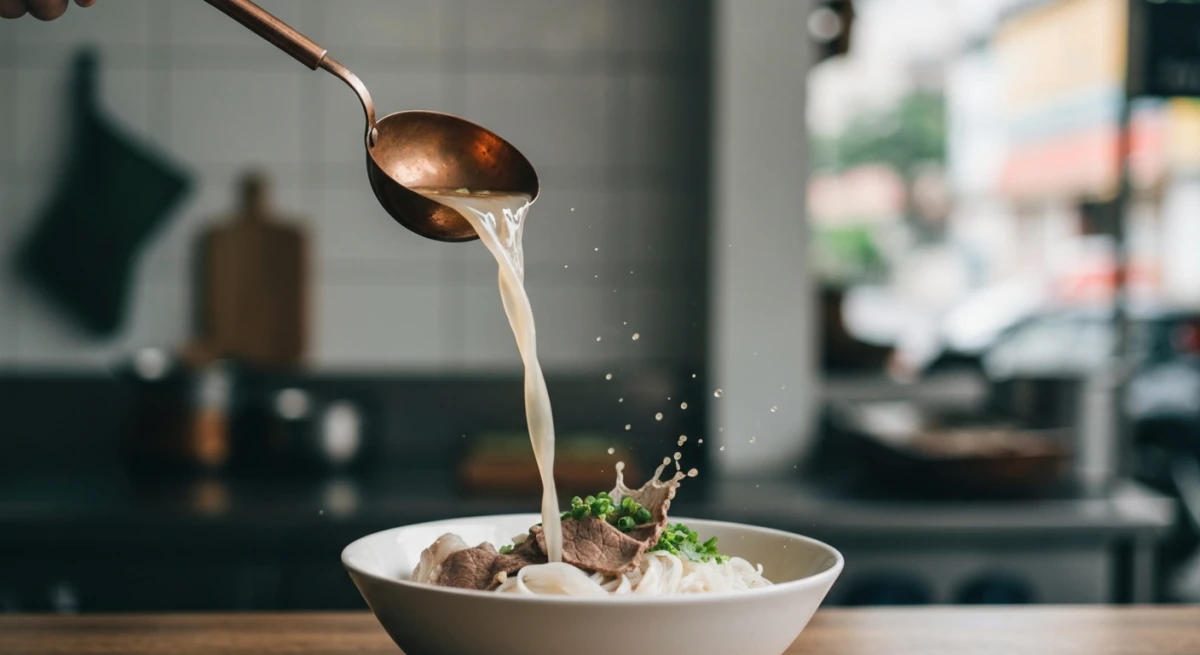
Imagine this: the sun has set over Ho Chi Minh City, and the humid tropical air is filled with the intoxicating aroma of sizzling pork, lemongrass, and open charcoal. Around you, a sea of red taillights flows like liquid neon through the streets. You are sitting on the back of a vintage scooter, weaving effortlessly through traffic, guided by a local friend who knows every hidden culinary secret in the city. This is the magic of a motorbike food tour saigon.
For any traveler visiting Vietnam, exploring the culinary landscape of Ho Chi Minh City (formerly Saigon) is a rite of passage. But to truly experience its soul, you must step away from the sanitized restaurants of District 1 and plunge into the labyrinth of local alleys (hẻm) where the real magic happens. In this definitive guide, we will unpack everything you need to know about booking the perfect motorbike food tour saigon, from the must-eat dishes that define the city to the historic districts you will explore, and critical safety tips that competitors leave out.
Why a Motorbike Food Tour Saigon is the Ultimate HCMC Experience
To understand Ho Chi Minh City, you must understand the motorbike. With over 8 million registered scooters for a population of 9 million, two-wheelers are not just transportation here; they are a lifestyle, a social venue, and a mobile living room. Saigon is a city built on a scale that cars and tour buses simply cannot navigate.
The best street food vendors do not operate out of bright, air-conditioned storefronts on main avenues. Instead, they are tucked deep inside the residential alleys (hẻm) of the outer districts. These alleys, often no wider than two meters, form the vibrant capillaries of the city. A standard tourist bus or private car is physically blocked from entering them. On a motorbike, however, you can glide effortlessly into these hidden neighborhoods, parking right next to a steaming vat of broth or a charcoal grill.
Furthermore, riding a scooter in Saigon offers an unparalleled sensory immersion. In a closed car, you are a passive observer behind glass. On the back of a motorbike, you feel the heat radiating from charcoal griddles, smell the fragrant wild betel leaves grilling on the roadside, hear the rhythmic clinking of beer glasses accompanied by the local cheer ("Một, hai, ba, dô!"), and feel the cool evening breeze after a hot tropical day.
Many first-time visitors are terrified by the prospect of Saigon's traffic, which looks like an unregulated, chaotic swarm. However, once you are sitting as a passenger (a "pillion") behind a highly trained local guide, you will quickly notice the fluid, unspoken rhythm of the road. Saigon's drivers do not drive aggressively; they "flow like water," moving smoothly around obstacles like a school of fish. It is an exhilarating, meditative experience that connects you instantly to the heartbeat of the city.
A District-by-District Culinary Map of Saigon
While most tourists spend their entire trip within the borders of District 1—viewing the Notre-Dame Cathedral, the Central Post Office, and Ben Thanh Market—the true culinary heart of Saigon beats in the outer districts. A high-quality motorbike food tour saigon will quickly whisk you away from the tourist bubble and introduce you to the unique food cultures of these distinct neighborhoods.
District 3: Historic Apartments and Local Alleys
Bordering District 1, District 3 is characterized by leafy, tree-lined streets and historic French colonial villas. It is also home to some of the city's oldest residential apartment blocks, such as the Nguyễn Thiện Thuật apartment complex built in 1968. At night, the ground floors and courtyards of these apartment blocks transform into a bustling food market. Here, local families set up small plastic tables and stools, serving up regional specialties to neighbors. It is a fantastic place to sample Southern-style noodle soups and fresh snacks in an incredibly authentic, community-centric setting.
District 4: The Seafood and Snails Sanctuary
Historically, District 4 was a rugged, isolated island surrounded by canals, once infamous as the stronghold of Saigon's criminal underworld and the legendary mob boss Năm Cam. Today, District 4 has shed its dangerous past and is celebrated as the undisputed street-food capital of the city, particularly for its ốc (sea snails and shellfish) culture. The main artery of this culinary wonderland is Vĩnh Khánh Street. As dusk falls, this street erupts with smoke, music, and the roar of hundreds of diners sitting roadside, feasting on fresh seafood cooked to order.
District 10: Markets and Cambodian Influences
District 10 is a densely populated residential area that receives very little conventional tourism. Its crown jewel is the Hồ Thị Kỷ Flower Market, a massive, 24-hour wholesale market that floods the surrounding streets with the scent of lilies, roses, and lotus flowers. Deep within the market's alleyways lies an incredible food market that specializes in sweet street treats, grilled skewers, and unique Cambodian-influenced dishes, reflecting the heritage of the immigrants who settled in this neighborhood decades ago.
District 5 (Chợ Lớn): The Historic Chinatown
Chợ Lớn is one of the largest Chinatowns in the world, with a heritage dating back to the late 18th century. The architecture here is noticeably different from the rest of Saigon, featuring weathered Chinese-style shophouses, ornate temples, and traditional medicine shops. The culinary scene in District 5 is a spectacular fusion of Cantonese cooking techniques and Vietnamese ingredients. On a motorbike food tour, you will zip past historic temples to sample hand-pulled noodles, steamed dim sum, and earthy herbal desserts that you won't find anywhere else in the city.
10 Legendary Street Food Dishes You Must Try
While Phở and Bánh Mì are the undisputed global ambassadors of Vietnamese cuisine, they represent only a tiny fraction of the culinary treasures awaiting you on the streets of Saigon. A top-tier motorbike food tour saigon is specifically designed to expand your culinary horizons by introducing you to lesser-known, regional dishes. Here are ten legendary street food dishes you must try:
Bánh Khọt (Savory Mini Crispy Pancakes): These bite-sized golden discs are cooked in specialized dimpled cast-iron plates. Made from a batter of rice flour, coconut milk, and turmeric, they are topped with a single juicy shrimp, scallion oil, and a dusting of savory dried shrimp powder. Wrap the hot pancake inside a mustard green or lettuce leaf, pack it with fresh herbs, roll it up, and dunk it into sweet-and-sour fish dipping sauce (nước mắm pha).
Bánh Xèo (Sizzling Southern Crepe): The giant, dramatic cousin of bánh khọt. Named after the loud sizzling sound (xèo) the batter makes when splashed onto a searing hot pan, this large crepe is made from rice flour, turmeric, and coconut milk. It is stuffed with thin slices of pork belly, small shrimp, and crunchy mung bean sprouts, then folded in half. Tear off crispy pieces, wrap them in fresh greens with herbs, and dip them in fish sauce.
Bò Lá Lốt (Beef Wrapped in Wild Betel Leaves): One of the most aromatic dishes in the Vietnamese culinary catalog. Minced beef is seasoned with garlic, lemongrass, and spices, then rolled into neat cylindrical packages using dark green wild betel leaves (lá lốt). These rolls are grilled over open charcoal, infusing the tender beef with an earthy, peppery fragrance. Assemble them into DIY rolls with rice paper, fine vermicelli noodles (bánh hỏi), starfruit, green banana, and fermented pineapple sauce (mắm nêm).
Chuối Nếp Nướng (Grilled Sticky Rice Banana): This is a masterclass in contrasting textures. A ripe, sweet banana is encased in a layer of glutinous sticky rice that has been sweetened and infused with coconut milk. The bundle is wrapped tightly in banana leaves and grilled over charcoal until the outer rice develops a caramelized, crispy, and smoky crust. It is chopped up, placed in a bowl, drowned in a warm, sweet coconut cream sauce with tiny sago pearls, and finished with toasted sesame seeds.
Bánh Tráng Nướng (Vietnamese Street Pizza): A modern, youthful street food phenomenon that originated in the highlands of Đà Lạt but became a staple of Saigon's night scene. A round sheet of thin dry rice paper is placed directly over glowing charcoal. The vendor paints it with butter, cracks a tiny quail egg directly onto the surface, and scrambles it with chopped green scallions, minced pork, and dried baby shrimp. It is grilled until crispy, drizzled with sweet chili sauce and mayonnaise, folded, and served in a paper sleeve.
Ốc (Local Sea Snails and Shellfish): Eating ốc is a massive part of Saigon's "nhậu" (socializing and drinking) culture. It refers to an entire category of fresh, local shellfish prepared in a dizzying array of styles. Must-try variations include Ốc Hương (sweet snails) sautéed in a rich, velvety salted egg yolk sauce (sốt trứng muối)—best enjoyed by wiping up the remaining sauce with a piece of crusty French baguette—and Nghêu (clams) steamed in a fiery broth of lemongrass, ginger, chili, and pineapple.
Hủ Tiếu Nam Vang (Cambodian-Style Noodle Soup): Originally bringing influences from Phnom Penh, this noodle soup is the defining noodle dish of Southern Vietnam. It features chewy, translucent tapioca noodles served in a sweet, clear broth simmered for hours from pork bones, dried shrimp, and dried squid. It is laden with toppings like pork, minced meat, quail eggs, whole shrimp, fresh chives, and celery. You can order it "wet" (with the broth) or "dry" (noodles tossed in a sweet soy-garlic sauce with broth on the side).
Bún Thịt Nướng (Grilled Pork with Rice Vermicelli): A wonderfully refreshing dish that is perfect for a warm Saigon evening. A bowl of cold rice vermicelli noodles is layered over shredded lettuce, cucumber, mint, and fresh herbs. It is topped with hot, tender strips of charcoal-grilled pork marinated in lemongrass, crispy deep-fried spring rolls (chả giò), pickled carrots and daikon, crushed peanuts, and scallion oil. Pour a sweet, garlic-chili fish sauce over the entire bowl and toss like a salad.
Kem Bơ (Avocado Coconut Ice Cream): A legendary dessert that is incredibly satisfying. It starts with a thick, smooth, and buttery puree of fresh, ripe avocados. This rich, green base is topped with a generous scoop of sweet, homemade coconut ice cream, a drizzle of condensed milk, and a handful of crunchy toasted coconut flakes. The combination of buttery avocado and sweet, cold coconut is a brilliant flavor pairing.
Chè Mè Đen (Black Sesame Sweet Soup): Also known as Xi Ma, this comforting dessert is a historic fusion food introduced to the Cholon district by Chinese immigrants. Made from ground black sesame seeds, coconut water, sugar, and traditional Chinese herbs, it is served warm. It has a glossy, jet-black appearance and a deeply nutty, earthy, and mildly sweet flavor that is believed to have medicinal, cooling properties.
Safety, Insurance, and Street Hygiene: The Insider Reality
When planning a motorbike food tour saigon, safety and logistics are paramount. While many travel blogs gloss over these details, understanding the practical and legal reality of riding a motorcycle in Vietnam is critical for a smooth trip.
The Legal and Insurance Reality
One of the most common mistakes travelers make is renting a scooter and driving themselves. Under Vietnamese traffic law, to drive a motorcycle over 50cc legally, you must hold a valid Vietnamese driver's license or an International Driving Permit (IDP) from a country that signed the 1968 Vienna Convention. Notably, countries like the United States, Canada, and Australia signed the 1949 Geneva Convention instead, meaning their IDPs are technically not legally recognized in Vietnam without a lengthy conversion process.
If you drive yourself unlicensed and get into an accident, your travel insurance policy will be completely voided, leaving you with astronomical medical bills.
By booking a professional motorbike food tour saigon, you ride as a passenger (pillion) behind an experienced, licensed local driver. This legally compliant arrangement ensures your travel insurance remains fully valid. However, you must verify that your tour operator is a Licensed International Tour Operator (such as Saigon Adventure or XO Tours). Many cheap, informal tours booked through social media or unlicensed street agencies operate illegally without public liability insurance, which can also compromise your insurance coverage. Always ask if your tour company is fully legal and licensed before booking.
Pillion Riding Etiquette: Sit Like a Local
Sitting on the back of a motorbike for four hours might sound intimidating, but following a few simple rules will make your ride comfortable and safe:
- The "Butt-Button" Trap: Avoid wearing pants or shorts with heavy metal buttons, zippers, or studs on the back pockets. Sitting on a vibrating motorcycle seat with a metal button pressing directly into your tailbone is an excruciating mistake you will regret within twenty minutes!
- What to Wear: Wear comfortable shorts, trousers, or jeans. Ladies should completely avoid skirts or loose dresses, as they can blow in the wind, get caught in the motorcycle's wheels or chain, or make mounting and dismounting highly awkward. Wear sturdy, closed-toe shoes rather than loose flip-flops.
- How to Hold On: In conservative Vietnamese culture, holding tightly around the driver's waist can feel overly intimate. Instead, hold onto the metal grab bar located behind your seat, or rest your hands comfortably on your knees.
- Lean with the Bike: Do not fight the movement of the scooter. When the driver corners or leans into a turn, simply relax your body and lean with the bike. Trying to sit up straight or leaning in the opposite direction makes it highly difficult for the driver to steer safely.
Personal Safety and Bag Snatching
Ho Chi Minh City is generally very safe, but petty opportunist crime, specifically drive-by phone and bag snatching, does occur. To protect yourself:
- Leave your passport, large amounts of cash, and expensive jewelry in your hotel safe.
- Avoid wearing a shoulder bag loosely over one shoulder. If you must bring a bag, wear a small backpack securely over both shoulders, or ask your driver to store your bag under the motorcycle seat.
- When taking photos or videos from the back of the bike, hold your phone with a tight, two-handed grip and keep an eye out for passing scooters.
Street Food Hygiene: Avoiding "Saigon Belly"
Eating on the street is one of the safest ways to eat in Vietnam because the food is cooked right in front of you at extremely high temperatures. However, to keep your stomach happy:
- The "Crowded Stall" Rule: Look for food stalls that are packed with local families. A high turnover of customers means the ingredients are bought fresh daily and have not been sitting out.
- The Truth About Ice: Many tourists avoid ice in Vietnam, fearing contaminated tap water. In modern Saigon, almost all commercial food stalls purchase safe, factory-made cylindrical ice cubes with holes in the middle (đá ống). This ice is made from purified water and is perfectly safe. Avoid crushed block ice, but feel free to enjoy the iced tea (trà đá) served at street stalls.
- Sanitize Your Utensils: Before eating, grab a paper napkin from the table dispenser and wipe down your chopsticks and metal spoons. This is a standard habit that you will see local Vietnamese do at every meal.
How to Choose and Book the Right Saigon Motorbike Tour
With dozens of operators offering motorbike food tours in Ho Chi Minh City, finding the right one depends on your budget, travel style, and dietary needs.
Shared vs. Private Tours
- Shared Tours: Typically capped at 8 to 12 participants, shared tours are highly social, making them perfect for solo travelers, couples, or groups of friends looking to meet people. They offer incredible value and a high-energy atmosphere.
- Private Tours: If you are traveling as a family, have specific mobility concerns, or want a customized culinary itinerary, booking a private tour is highly recommended. It allows you to go at your own pace, spend more time at your favorite stops, and tailor the food selection to your exact tastes.
Specialized Tour Concepts
- All-Female Driver Teams: Pioneered by companies like XO Tours and KissTour, these highly rated experiences feature a team of professional, English-speaking female drivers dressed in the traditional Vietnamese Áo Dài (a beautiful, flowing silk tunic). They are celebrated for their exceptional safety standards, cultural depth, and warm hospitality.
- Craft Beer & Street Food Combo: Saigon has a booming microbrewery and craft beer scene. Several modern tour operators offer tours that combine traditional street food stops with visits to local taprooms, tasting some of Vietnam's finest locally brewed IPAs and lagers.
- Dietary Restrictions and Custom Menus: A common misconception is that a street food tour is impossible for vegetarians, vegans, or those with gluten sensitivities. Reputable, licensed tour operators are highly accommodating and can easily substitute dishes. They can prepare vegetarian bánh mì, tofu-filled bánh xèo, and mushroom-based dipping sauces instead of fish sauce. Always inform your tour operator of any allergies or dietary restrictions at least 24 hours in advance so they can curate a bespoke menu for you.
Frequently Asked Questions (FAQ)
Is a motorbike food tour in Saigon safe for elderly travelers or children?
Yes! Reputable tour companies routinely host travelers of all ages, from toddlers to seniors in their 80s. Children under the age of 7 typically ride on the same bike sandwiched safely between the professional driver and an adult guardian. Children aged 8 and older ride on their own bike with a dedicated driver. Drivers are trained to ride defensively and at slow, comfortable speeds.
What happens if it rains during the tour?
Saigon's tropical rain showers, particularly during the wet season (May to November), are usually heavy but short-lived. Tour operators are fully prepared for this; they will provide you with a high-quality, reusable rain poncho and continue the tour. If the rain becomes exceptionally heavy, the group will pull over at a covered street food stall, enjoy a hot dish or drink, and wait for the rain to pass before resuming.
How hungry should I be before the tour starts?
Arrive starving! A typical motorbike food tour saigon features between 6 and 10 different dishes, along with drinks and desserts. The portions are generous, and the goal is to make sure you leave completely full. Avoid eating a heavy lunch or snacking in the afternoon before your tour begins.
Can I book a tour if I don't eat seafood or have a peanut allergy?
Absolutely. Vietnam's street food is incredibly versatile. Professional tour companies can easily accommodate allergies or dietary preferences (such as no seafood, no beef, or no peanuts) by taking you to vetted stalls that can customize your dishes on the spot. Just ensure you notify the company when booking.
What is typically included in the price of a motorbike food tour?
A standard, reputable tour is fully all-inclusive. The price covers hotel pick-up and drop-off (usually within Districts 1, 3, and 4), a high-quality helmet, a dedicated professional driver and English-speaking guide, fuel, accident insurance, and all food, desserts, and drinks (including beer, soft drinks, and local water) at every stop. There are no hidden fees.
Will my travel insurance cover me on a motorbike food tour?
Yes, provided that you are riding as a passenger (pillion) behind a licensed driver and that your tour is operated by a fully licensed, legal international tour operator. Doing so keeps you legally compliant with local Vietnamese laws, which is a key requirement for most travel insurance providers. Avoid unlicensed "freelance" street operators.
Conclusion
A motorbike food tour saigon is far more than just a culinary excursion; it is a thrilling, deeply personal gateway into the culture, history, and daily life of Ho Chi Minh City. By leaving the tourist-heavy streets of District 1 behind and zipping through the vibrant, smoke-filled alleys of Districts 3, 4, and 10, you will experience the city exactly as locals do. From the satisfying crunch of a fresh bánh khọt to the smoky perfection of bò lá lốt, the flavors of Saigon's street food are unforgettable.
Book your tour with a licensed, professional operator, put on your helmet, hop on the back of the scooter, and prepare for the absolute highlight of your Vietnamese adventure!