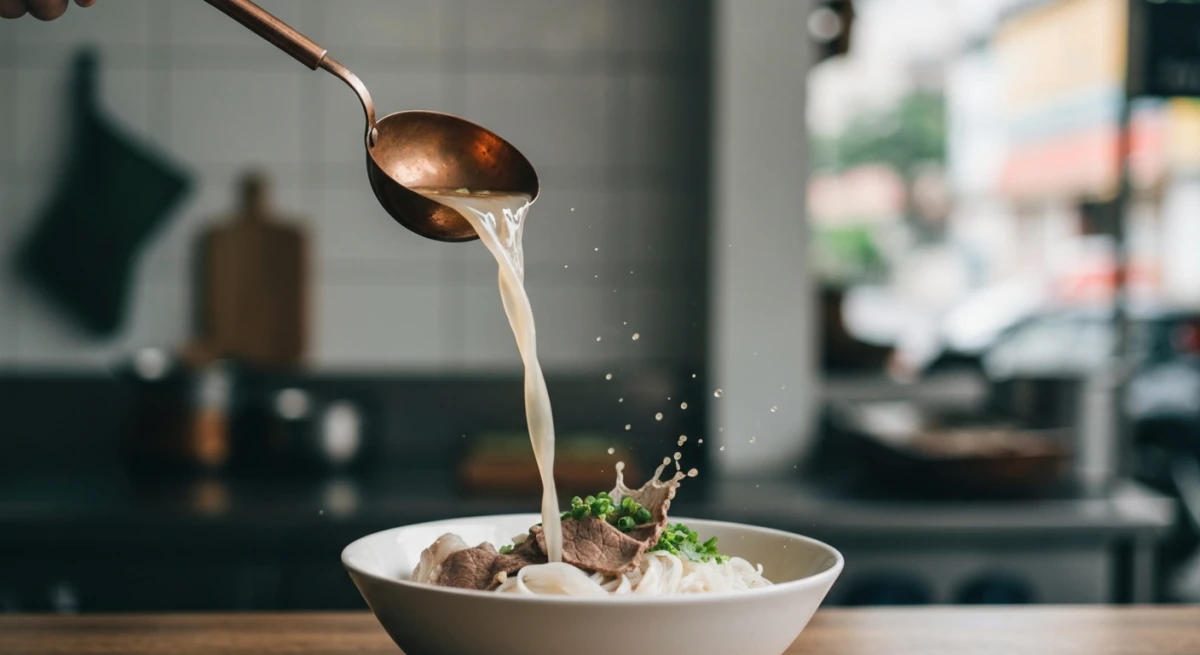
Ho Chi Minh City, formerly and still affectionately known as Saigon, is a whirlwind for the senses. From the synchronized ballet of millions of motorbikes to the dizzying neon lights and the rich, complex aroma of charcoal-grilled meats drifting from street stalls, it is a city defined by energy and appetite. For plant-based travelers, however, navigating this culinary titan might initially seem daunting. Vietnamese food is legendary for its reliance on fish sauce, pork bone broths, and seafood. But scratch beneath the surface, and you will discover that Saigon is one of the most exciting, progressive, and deeply rooted vegetarian havens in Southeast Asia.
Whether you are a lifelong vegan, a health-conscious traveler, or a curious foodie looking to expand your culinary horizons, finding the best vegetarian food ho chi minh has to offer is an extraordinary adventure. The city perfectly bridges ancestral Buddhist traditions with a modern, cutting-edge plant-based movement. In this comprehensive guide, we will unpack the rich history of Vietnamese "Chay" culture, navigate the city's top-tier vegetarian dining spots district by district, explore legendary street food classics, and equip you with the essential linguistic tools to eat safely and deliciously across Saigon.
The Cultural Roots of "Chay" in Ho Chi Minh City
To truly appreciate the best vegetarian food Ho Chi Minh City provides, one must understand the Vietnamese word "Chay" (pronounced like "chai" with a rising tone). Derived from Buddhist traditions, eating chay is not a modern Western wellness trend in Vietnam; it is a centuries-old spiritual practice.
For practicing Mahayana Buddhists, who make up a significant portion of the Vietnamese population, eating plant-based is a way to cultivate compassion, practice mindfulness, and generate positive karma. This devotion follows a monthly rhythm tied to the lunar calendar. On the first day (mồng một) and the fifteenth day (ngày rằm) of every lunar month, millions of Saigonese eat strictly vegetarian. On these days, the city undergoes a fascinating transformation. Local "Quán Chay" (vegetarian diners) overflow onto the sidewalks, temples serve free communal meals, and temporary food carts pop up on almost every street corner, selling incredibly cheap and delicious plant-based dishes.
However, traditional Buddhist chay has its own unique rules. It is historically vegan—devoid of meat, poultry, seafood, dairy, and eggs. Traditional Buddhist cooking also avoids the "Ngũ Vị Tân" (the five pungent roots and herbs): garlic, onions, scallions, chives, and leeks. These are believed to excite the senses and disrupt spiritual focus. While upscale modern vegetarian restaurants in Saigon often use garlic and onions to appeal to international palates, traditional temple-style eateries remain completely free of them.
For the discerning vegan traveler, this cultural context is a double-edged sword. While it means that "Chay" is naturally free of animal fats and dairy, some commercial mock meats (very popular in traditional Vietnamese vegetarian cooking) may occasionally use egg whites (albumin) or whey protein as binders. Furthermore, some modern cafes might add condensed milk to coffee or mayonnaise to vegetarian banh mi. Understanding these nuances is key to safely enjoying the city's rich vegetarian food scene, and we will guide you on how to navigate these challenges with ease.
District-by-District Guide to Saigon's Best Vegetarian Restaurants
Saigon is a massive, sprawling metropolis divided into numbered and named districts. Traveling between them can take time, so understanding the culinary landscape of each major neighborhood is essential for planning your food journey. Here is a curated, deeply researched list of the absolute best vegetarian and vegan dining spots in Ho Chi Minh City, categorized by district.
District 1: The Vibrant Heart of the City
District 1 is the central business district, home to major landmarks like the Saigon Opera House, Notre-Dame Cathedral, and the Ben Thanh Market. It is also where you will find some of the most innovative and refined vegetarian dining experiences in the country.
Hum Vegetarian (Hum Signature)
Hum Vegetarian is widely regarded as the gold standard of vegetarian dining in Vietnam. Located in a beautifully restored colonial villa (with multiple branches, including a stunning location near the War Remnants Museum in District 3), Hum offers an oasis of tranquility away from the chaotic city streets. The architecture utilizes natural materials like warm wood, textured stone, lotus ponds, and soft, warm lighting to create a deeply meditative atmosphere.
The menu at Hum is a sensory masterpiece, focusing on fresh, locally sourced ingredients prepared in a way that respects their natural flavors and nutritional profiles. Must-try dishes include their signature Square Sticky Rice with Wild Mushrooms, where fragrant pandan-infused glutinous rice is wrapped around a rich, savory filling of lotus seeds and local fungi. Another standout is the Winged Bean Salad, featuring crisp, raw winged beans tossed with toasted coconut flakes, peanuts, and a tangy sweet-and-sour lime dressing. Hum is upscale but highly accessible, making it the perfect spot for a special dinner.
Tales by Chapter
For those seeking a truly ground-breaking culinary experience, Tales by Chapter is Saigon's first zero-waste, 100% plant-based fine dining establishment. Tucked away in a sleek, minimalist space in District 1, this restaurant offers a multi-course tasting menu centered around an intimate chef's counter.
Every dish at Tales by Chapter tells a story, highlighting hyper-local, organic ingredients sourced directly from small farms in the Da Lat highlands. The chefs utilize advanced culinary techniques—such as koji fermentation, dehydration, and ancestral open-fire cooking—to transform humble root vegetables into masterpieces of flavor and texture. Think smoky eggplant pâté that mimics the richness of bone marrow, or slow-roasted turnips served in a deeply reduced jus of roasted root vegetables. It is an elevated, artistic dining experience that rivals Michelin-starred venues globally.
Banh Mi Xanh
If you are looking for a quick, affordable, and incredibly satisfying lunch in District 1, head to Banh Mi Xanh on Le Thi Rieng street. While street-side banh mi stalls can sometimes present cross-contamination risks for strict vegetarians, Banh Mi Xanh is a dedicated vegetarian eatery specializing in gourmet, plant-based versions of Vietnam's iconic sandwich.
Their freshly baked, shatteringly crisp baguettes are stuffed with flavorful lemongrass-marinated soy curls, a rich house-made mushroom pâté (an incredibly savory substitute for pork liver pâté), fresh cucumber, cilantro, pickled carrots and daikon, and a splash of spicy house sauce. It is cheap, clean, and undeniably delicious.
District 3: Historic Colonial Charm and Local Hipster Hangouts
Bordering District 1, District 3 is characterized by quiet, tree-lined streets, French-colonial villas, and a distinctly local, creative vibe. It is home to some of the most charming and cozy vegetarian bistros in the city.
Pi Vegetarian Bistro
Hidden up a vintage concrete staircase off Vo Van Tan street, Pi Vegetarian Bistro is a bohemian-chic sanctuary. With rustic brick walls, hanging lush green plants, and warm wooden tables, it feels like stepping into a stylish friend's living room.
Pi Bistro specializes in pan-Asian vegetarian fusion, focusing on comfort food made with whole ingredients rather than heavy mock meats. Their Claypot Tofu and Wild Mushrooms caramelized in a rich, black pepper soy sauce is a comforting masterpiece that pairs perfectly with brown jasmine rice. Their Banana Blossom Salad is another crowd-pleaser, featuring crunchy shredded blossoms, fresh herbs, and toasted peanuts tossed in a sweet-and-sour lime vinaigrette. The portions are generous, and the staff is exceptionally warm and welcoming.
Phở Chay Như
To experience how local Saigonese eat daily, a visit to Phở Chay Như is non-negotiable. This humble, no-frills, family-run diner in District 3 serves outstanding noodle soups for a fraction of the price of tourist-oriented restaurants.
Their broth is a revelation: while traditional beef phở takes its depth from hours of simmering animal bones, Phở Chay Như coaxes immense umami out of white radishes, carrots, sugarcane, pears, and charred ginger, spiced with toasted star anise, cloves, and cinnamon. The resulting broth is clean, naturally sweet, and deeply aromatic, served over flat rice noodles and topped with fresh oyster mushrooms, fried tofu puffs, and delicate sheets of yuba (tofu skin). Grab a plastic stool, order a bowl, and enjoy the authentic flavors of Saigon.
Chay Garden
Nestled deep in a quiet alleyway, Chay Garden is a peaceful, upscale retreat designed in the style of a traditional Vietnamese garden home. The restaurant features a leafy, romantic courtyard and elegant indoor seating.
The menu at Chay Garden is extensive, offering beautiful interpretations of traditional Vietnamese home cooking. Highly recommended is their Pomelo Salad with Grilled Mushrooms, which features juicy, sweet-and-sour sacs of local pomelo tossed with fresh herbs and smoky, grilled mushrooms. Their Claypot Eggplant with Ginger and Green Bananas is a deeply satisfying, rustic dish that showcases the complexity of traditional Southern Vietnamese braising techniques.
District 2 / Thao Dien: The Expat Enclave and Wellness Hub
Located across the Saigon River, Thao Dien in District 2 is a trendy, leafy enclave popular with expats and young professionals. Here, the vegetarian scene is heavily influenced by Western wellness culture, offering fantastic vegan cheeses, brunch spots, and organic cafes.
Kashew Cheese Deli
Kashew Cheese Deli is a legendary institution among plant-based foodies in Saigon. Founded by an expat who wanted to recreate high-quality European cheeses using local Vietnamese ingredients, Kashew produces artisanal, raw, fermented cashew cheeses that are incredibly rich and complex.
Their menu features gourmet sourdough paninis, wraps, and cheese platters. The Kashew Spicy Panini—stuffed with house-made vegan mozzarella, herbed cream cheese, aged sharp cheddar, sun-dried tomatoes, fresh basil pesto, and a kick of chili—is a revelation of flavors and textures. Pair it with a cold-brewed kombucha or a vegan cashew milk latte while sitting in their beautiful garden courtyard.
Roots Plant-Based
If you are craving fresh, vibrant, nutrient-dense whole foods after days of traveling, Roots Plant-Based in Thao Dien is your ultimate haven. This modern, bright cafe specializes in colorful smoothie bowls, cold-pressed juices, and creative Western brunch items.
Their Green Matcha Bowl, blended with kale, spinach, mango, and matcha, topped with house-made coconut granola and fresh local berries, is incredibly refreshing. They also offer a fantastic Smashed Avocado Toast served on artisanal sourdough with heirloom tomatoes, vegan feta cheese, and a drizzle of balsamic glaze. It is the perfect spot to work, relax, and nourish your body.
The Ultimate Saigon Vegetarian Street Food Guide
While dining in beautifully designed restaurants is wonderful, the true soul of Saigon's food culture resides on its sidewalks. Eating street food is an essential part of the local experience, and being vegetarian does not mean you have to miss out. Here are the classic street food dishes you must try, along with tips on how to find their plant-based versions.
Bánh Mì Chay (Vegetarian Baguette)
Perhaps Vietnam's most famous culinary export, the Bánh Mì is a masterclass in texture and flavor contrast. The vegetarian version (Bánh Mì Chay) replaces the pork liver pâté with a rich, earthy paste made from lentils, mung beans, or mushrooms. Instead of cold cuts and pork belly, vendors use flavorful marinated tofu strips, seasoned seitan, or shredded wood-ear mushrooms.
This savory base is topped with pickled carrots and daikon, fresh cucumber spears, a generous handful of cilantro, and a drizzle of sweet soy sauce and chili. It is sweet, savory, crunchy, and spicy all at once. Look for local street carts with the word "CHAY" displayed prominently on their glass cases.
Hủ Tiếu Chay (Southern Noodle Soup)
While Phở reigns supreme in the north, Hủ Tiếu is the beloved noodle soup of the south. Originating from the Mekong Delta, Hủ Tiếu is defined by its sweet, clear broth and chewy noodles (which can be either tapioca-based or thin rice noodles).
In Hủ Tiếu Chay, the broth is brewed from root vegetables and daikon, flavored with roasted shallots. It is typically garnished with fried tofu, mock shrimp made of konjac, seasoned soy curls, and fresh herbs like chives and bean sprouts. It is a lighter, sweeter alternative to Phở that is incredibly comforting, especially on a rainy afternoon.
Bún Thịt Nướng Chay (Cold Rice Noodles with "Grilled Pork")
If you visit Saigon during the hot dry season, Bún Thịt Nướng Chay is the ultimate refreshing meal. This dish is built in layers: a bed of shredded lettuce, fresh mint, sweet basil, cucumber, and bean sprouts is topped with soft, room-temperature vermicelli rice noodles.
On top of the noodles, vendors pile savory lemongrass-marinated soy curls (which mimic the smoky flavor of charcoal-grilled pork), crispy vegetarian spring rolls (chả giò chay), toasted peanuts, and green scallion oil. Instead of the traditional fish sauce dressing, it is served with a tangy, sweet-and-sour vegetarian dressing made from pineapple juice, light soy sauce, lime, and chili. Pour the dressing over the bowl, mix everything together, and enjoy a perfect harmony of temperatures, textures, and flavors.
Bột Chiên Chay (Pan-Fried Rice Cakes)
A beloved late-night street snack, Bột Chiên consists of thick cubes of rice flour cake that are pan-fried on a massive flat iron skillet until the exterior is shatteringly crisp while the interior remains soft and chewy.
While the standard version is fried with an egg, you can easily ask the vendor to skip the egg to make it completely vegan. It is served with a sweet soy dipping sauce and a mountain of shredded green papaya to cut through the richness. It is greasy, savory, and incredibly satisfying after a long day of exploring.
Practical Survival Guide: How to Order Vegetarian in Vietnam
Navigating local, non-English-speaking street stalls can be intimidating, but a few key Vietnamese phrases will open doors to a world of safe, delicious dining. Print or save this quick reference guide to communicate your dietary needs clearly.
| English Phrase | Vietnamese Translation | Phonetic Pronunciation |
|---|---|---|
| I eat vegetarian / vegan | Tôi ăn chay | Toy an chai |
| No fish sauce | Không nước mắm | Khong nuoc mam |
| No meat (beef, pork, chicken) | Không thịt | Khong thit |
| No seafood | Không hải sản | Khong hai san |
| No eggs | Không trứng | Khong trung |
| No milk / dairy | Không sữa | Khong sua |
| No pork lard / animal fat | Không mỡ heo | Khong mo heo |
| No MSG | Không bột ngọt | Khong bot ngot |
| Vegetarian restaurant / stall | Quán chay | Kwan chai |
| Is this vegetarian? | Cái này chay phải không? | Kai nay chai fai khong? |
Pro-Tips for Gluten-Free and Strict Vegan Travelers
- Beware of Hidden Broths: Many street vendors sell dishes that appear vegetarian (like noodle soups with tofu) but use a pork-based broth as the foundation. Always look for a dedicated "Quán Chay" sign to ensure the broth is 100% vegetable-based.
- Soy Sauce vs. Fish Sauce: While fish sauce is ubiquitous in Vietnam, dedicated vegetarian spots will replace it with "Nước tương" (soy sauce) or "Nước mắm chay" (a spectacular vegetarian fish sauce made from fermented pineapple, salt, and soybeans).
- Gluten Sensitivity: Traditional Vietnamese food uses a lot of rice flour, making many dishes naturally gluten-free. However, vegetarian mock meats (often made of wheat gluten/seitan) are highly popular in Saigon. If you are gluten-sensitive, stick to fresh tofu, mushrooms, and vegetable-forward dishes rather than mock meat options.
Frequently Asked Questions
Is vegetarian food safe in Ho Chi Minh City?
Yes, vegetarian food is highly safe and hygienic in Ho Chi Minh City, especially when dining at dedicated vegetarian restaurants ("Quán Chay") or established bistros. At street food stalls, look for vendors that have a high turnover of local customers, which guarantees that the ingredients are fresh and have not been sitting out.
Does traditional Vietnamese vegetarian food use MSG?
Many local, low-cost "Quán Chay" diners use MSG (bột ngọt) to enhance the savory flavors of their broths and stir-fries. While MSG is completely safe for most people, if you have a sensitivity, you can easily ask the kitchen to prepare your food without it by saying "không bột ngọt".
Are vegetarian restaurants in Saigon crowded on certain days?
Yes! On the 1st and 15th days of the lunar month (mồng một and ngày rằm), a significant portion of the local population eats vegetarian. On these days, popular vegetarian restaurants will be exceptionally busy. It is highly recommended to make reservations in advance for mid-to-high-end spots like Hum Vegetarian or Chay Garden, or dine slightly earlier or later than usual to avoid the crowds.
Can I find Western vegetarian food in Saigon?
Absolutely. In districts like District 1 and District 2 (Thao Dien), there is a thriving international culinary scene. You can easily find high-quality Western plant-based dishes, including artisan sourdough pizzas with vegan cheese, vegan burgers, smoothie bowls, and plant-based European pastries.
Conclusion
Ho Chi Minh City is a paradise of contrasts, and its plant-based culinary scene is no exception. By seamlessly blending deep-rooted Buddhist traditions with ultra-modern, zero-waste gastronomy and vibrant street food culture, Saigon has rightfully earned its reputation as one of the premier vegetarian destinations in the world.
Whether you are slurping a two-dollar bowl of aromatic Phở Chay on a plastic stool in a hidden alleyway or indulging in an artistic, multi-course plant-based tasting menu in District 1, the flavors of the city will captivate you. Do not be afraid to step off the beaten path, practice your Vietnamese phrases, and dive heart-first into the nourishing, delicious world of Saigon's vegetarian food scene. Your taste buds—and the planet—will thank you.