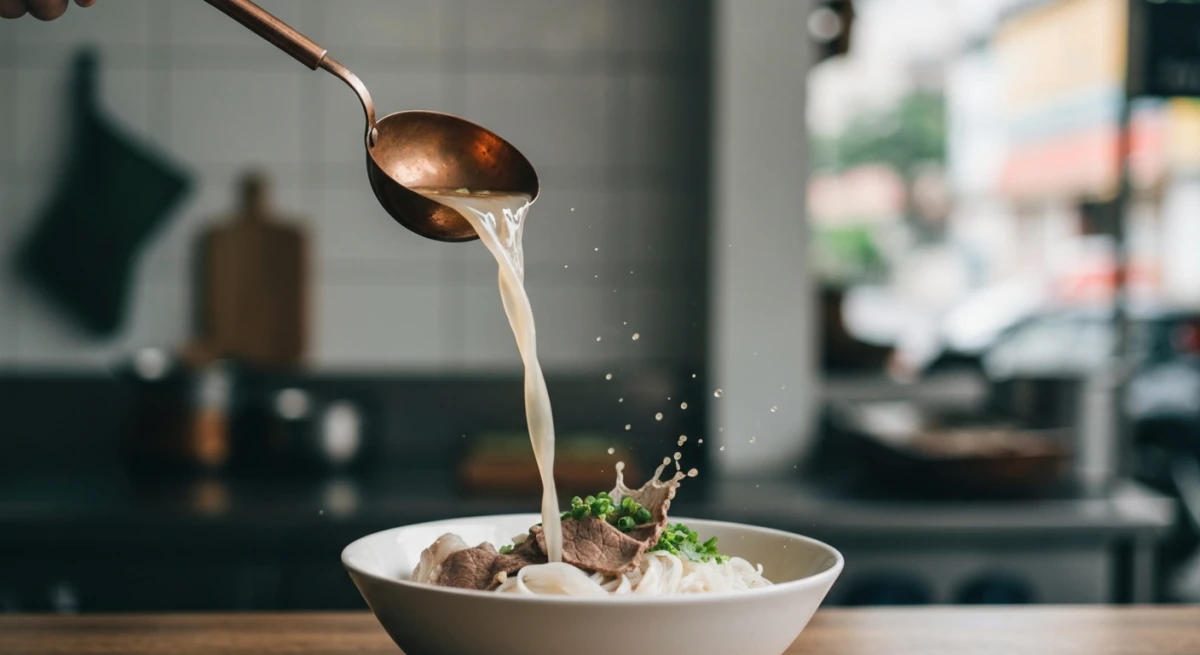
Welcome to the culinary epicenter of Vietnam. Walking through Ho Chi Minh City, the air is thick with the sweet aroma of caramelized pork, bubbling beef bone broths, and roasted coffee beans. For anyone searching for the best vietnamese food saigon has to offer, this city is an absolute playground. But unlike other culinary destinations where top-tier dishes are hidden behind heavy velvet curtains, the finest flavors of Saigon are found on the humid streets, served on bright blue plastic stools just inches from zooming motorbikes.
To truly understand Saigon’s food culture, you must realize that it is a culinary sponge. It absorbs the delicate, pepper-driven nuances of the North, the fiery spice and complexity of Central Vietnam, and blends them with the sweet, herb-packed, coconut-infused traditions of the Mekong Delta. The result is a vibrant, sweet-forward, herb-heavy food scene that is entirely unique. Whether you are seeking a comforting bowl of broth, a crispy French-fusion sandwich, or sizzling fresh seafood, this comprehensive guide will steer you directly to the best vietnamese food saigon locals eat every single day.
The Holy Trinity of Saigon Street Food: Pho, Banh Mi, and Com Tam
To kick off your culinary expedition, you must conquer the three cornerstones of the city's food culture. While these dishes are available nationwide, Saigon has put its own unmistakable stamp on each.
1. Saigon-Style Pho: The Sweet, Herb-Laden Broth
While Pho originated in the North, Northern and Southern Pho (Pho Nam) are vastly different beasts. In Hanoi, the broth is clear, minimalist, and focuses on a delicate, savory beef profile. In Saigon, the broth is sweeter, richer, and served with a literal forest of fresh herbs, bean sprouts, and condiments.
- The Flavor Profile: Sweet beef bone broth infused with star anise, cinnamon, and charred ginger, topped with your choice of beef cuts (tai - rare beef, nam - flank, gau - brisket, or bo vien - meatballs).
- How to Eat It Like a Local: Do not just dive in. First, taste the broth. Then, pluck the leaves off your plate of herbs—Thai basil (rau que), culantro (ngo gai), and rice paddy herb (rau om)—tear them slightly to release their oils, and submerge them in the piping hot soup. Add a squeeze of lime, some sliced fresh chilies, and a squeeze of sweet hoisin sauce and spicy Sriracha.
- Where to Find the Best:
- Phở Hòa Pasteur (260C Pasteur, District 3): Operating for decades, this is arguably the most famous Pho shop in town. It is constantly busy, serves generous portions of meat, and their broth is deeply fragrant.
- Phở Việt Nam (14 Pham Hong Thai, District 1): If you want an elevated experience, try their Stone Bowl Pho. The broth arrives boiling hot in a stone bowl, allowing you to cook your raw beef slices and noodles table-side.
- Phở Minh (63/6 Pasteur, District 1): Tucked down a narrow residential alley, this historic, low-key spot serves a lighter, more Northern-influenced broth that has comforted locals since the 1940s.
2. Banh Mi: The Ultimate French-Vietnamese Fusion
Born out of French colonial influence, the Banh Mi is a masterpiece of balance: warm, crusty baguette on the outside, and a cold, savory, acidic, and spicy medley on the inside. Saigon is the spiritual home of the modern Banh Mi, where vendors pack their rolls to near-bursting point.
- The Flavor Profile: A crispy-light rice and wheat flour baguette smeared with rich pork liver pâté, airy egg mayonnaise, and stuffed with layers of cold cuts (giò lụa), headcheese, roasted pork, pickled daikon and carrots (đồ chua), fresh cucumber, cilantro, and a fiery kick of bird's eye chili.
- Where to Find the Best:
- Bánh Mì Huỳnh Hoa (26 Le Thi Rieng, District 1): This is the undisputed heavyweight champion of Saigon Banh Mi. Be prepared to wait in a long queue. Their sandwich is a monster, packed with nearly a dozen layers of meats and an incredibly rich pâté. It is easily large enough for two people to share.
- Bánh Mì Hồng Hoa (54 Nguyen Van Trang, District 1): For a lighter, crunchier, and more balanced alternative that won't leave you in a food coma, Hong Hoa is a local favorite. Their roasted pork baguette (banh mi heo quay) is phenomenal.
3. Cơm Tấm: Broken Rice, the Heartbeat of Saigon
If Pho is Vietnam's national dish, Com Tam is Saigon's personal love letter. Historically, broken rice grains (damaged during the milling process) were sold cheaply to working-class locals. Over time, it evolved into a beloved culinary staple eaten at any time of day.
- The Flavor Profile: Soft, slightly nutty broken rice grains topped with a sweet-savory marinated grilled pork chop (sườn nướng), steamed egg and pork meatloaf (chả trứng), shredded pork skin tossed in toasted rice powder (bì), and a sunny-side-up egg. The entire dish is drizzled with scallion oil (mỡ hành) and served with a side of sweet-spicy fish sauce (nước mắm pha).
- Where to Find the Best:
- Cơm Tấm Ba Ghiền (84 Dang Van Ngu, Phu Nhuan District): Featured in the Michelin Guide, this legendary open-air spot is famous for its colossal, charcoal-grilled pork chops that overflow the plate. The marinade is sweet, intensely smoky, and incredibly addictive.
- Cơm Tấm Nguyễn Văn Cừ (74 Nguyen Van Cu, District 1): Though significantly pricier than your average street stall, this spot is renowned for sourcing the absolute highest-quality pork chops, grilled to caramelized perfection over hot coals.
Beyond the Classics: Saigon's Best Kept Noodle and Soup Secrets
While Pho and Banh Mi get the global headlines, true food connoisseurs know that the best vietnamese food saigon offers lies in its diverse array of alternative noodle soups and dry noodle dishes. If you want to eat like a true Saigonese, step out of your comfort zone and try these local gems.
1. Hủ Tiếu Nam Vang (Phnom Penh Noodle Soup)
Though its roots trace back to Cambodia and Southern China, Hu Tieu Nam Vang has been thoroughly embraced and adapted by the people of Saigon. It is the definitive southern noodle soup.
- The Dish: Chewy tapioca noodles (or thin rice noodles) served in a sweet, clear pork bone broth. The bowl is loaded with minced pork, slices of pork loin, whole shrimp, quail eggs, and liver. It is always served with a plate of fresh chrysanthemums, Chinese celery, and raw garlic chives.
- Dry vs. Wet: You can order it nước (soup) or khô (dry). The dry version is highly recommended: the noodles are tossed in a rich, sweet soy-based sauce and served with a side bowl of the hot broth.
- Where to Eat: Hủ Tiếu Thanh Xuân (62 Ton That Thiep, District 1): Running for over 70 years, this spot is famous for its unique crab claw topping and incredibly savory dry sauce recipe.
2. Bún Thịt Nướng (Cold Rice Vermicelli with Grilled Pork)
When the Saigon heat becomes unbearable, a hot bowl of soup can be daunting. Enter Bun Thit Nuong—the perfect refreshing alternative.
- The Dish: A bed of cold rice vermicelli noodles topped with warm, charcoal-grilled pork, crispy deep-fried spring rolls (chả giò), fresh lettuce, mint, sweet basil, cucumber, pickled vegetables, and roasted peanuts. You pour a generous amount of sweet, chili-flecked fish sauce over the top, mix it all together, and enjoy.
- Where to Eat: Bún Thịt Nướng Chả Giò Nguyễn Trung Trực (District 1): A humble street-side stall where the scent of grilling pork on the sidewalk acts as a natural billboard. The flavors here are sharp, sweet, and perfectly balanced.
3. Bún Bò Huế (Saigon Style Spicy Beef Soup)
Hailing from the imperial city of Hue in Central Vietnam, Bun Bo Hue is a robust, spicy, and deeply complex beef and pork noodle soup. In Saigon, the broth is dialed up with a touch more sweetness and a more generous array of meat toppings to suit the local palate.
- The Flavor Profile: Thick, round rice noodles swimming in a vibrant orange broth flavored with lemongrass, fermented shrimp paste (mắm ruốc), chili oil, and beef bones. Typical toppings include tender beef shank, pork knuckle (giò heo), congealed pig's blood (huyết), and Vietnamese ham (chả lụa).
- Where to Eat: Bún Bò Huế Chú Há (224/1 Nguyen Thuong Hien, District 3): An absolute gem tucked inside a famous foodie street, known for its punchy lemongrass aroma and perfectly tender beef.
4. Bún Riêu (Crab and Tomato Noodle Soup)
This rustic, comforting soup is beloved for its beautiful balance of sweet, savory, and sour notes.
- The Dish: A tomato-based broth rich with freshwater crab paste, served with vermicelli noodles, fried tofu puffs, pork ribs, congealed blood, and airy crab-and-pork meatballs. The soup gets its tangy sourness from tamarind or split peas.
- Where to Eat: Bún Riêu Nguyễn Cảnh Chân (18 Nguyen Canh Chan, District 1): A legendary neighborhood favorite where you can customize your bowl with extra snail (bún riêu ốc) or tender pork cartilage.
The District-by-District Street Food Safari
Saigon is massive, organized into numbered and named districts. Each district has its own unique personality, architectural style, and culinary specialties. To uncover the best vietnamese food saigon holds, you must leave the comfort of District 1 and embark on a cross-district safari.
District 1: The Core and the Tourist Hub
While District 1 is the commercial center, it shouldn't be dismissed as a dining destination. Amidst the high-end hotels and modern cafes, ancient culinary pockets still thrive.
- Ben Thanh Market Area: During the day, the market's food court offers a dizzying array of dishes, though prices are slightly marked up. At night, the surrounding side streets come alive with outdoor seafood stalls and charcoal grills.
- Le Thanh Ton Alleys: Known as Saigon's "Little Japan," the alleys here hide excellent Japanese eateries, but also legendary local spots like Bếp Mẹ Ỉn, which serves gorgeous rustic Vietnamese classics like bánh xèo (savory sizzling pancakes) in a retro, colorful setting.
District 3: The Alleyway Haven
Just a short walk or motorbike ride from the city center, District 3 feels more residential and laid-back. It is famous for its leafy, tree-lined streets and incredibly deep networks of residential alleys (hẻm) where culinary magic happens.
- Nguyen Thien Thuat Apartment Complex: Built in the late 1960s, this historic apartment block is a goldmine for street food. The ground-floor courtyards and surrounding streets are packed with stalls selling everything from bánh mỳ phá lấu (organ meat stew in coconut milk) to sweet dessert soups (chè).
- Ban Co Market: A bustling wet market where you can squeeze past vegetable vendors to find stalls steaming fresh rice rolls (bánh cuốn) right before your eyes.
District 4: The Shellfish and Snail Capital
Historically a gritty port district, District 4 has evolved into the street food heart of Saigon. Specifically, it is the epicenter of Saigon’s obsessed-over snail and shellfish culture (ăn ốc).
- Vĩnh Khánh Street: As soon as the sun sets, this long street transforms into a sensory overload of neon lights, grilling seafood, and plastic chairs spilling onto the asphalt. Group dining here is an art form. You order a dozen different plates of snails, clams, scallops, and crabs, all cooked in varying sauces like chili salt, garlic butter, lemongrass broth, or sweet tamarind.
- Must-Try Dishes: Ốc hương rang muối ớt (sweet snail sautéed in chili and salt) and Sò lông nướng mỡ hành (grilled cockles topped with green onions and crushed peanuts).
District 5: Cho Lon (Chinatown)
Home to Vietnam’s largest ethnic Chinese community, District 5 offers a fascinating blend of Cantonese cooking techniques and Southern Vietnamese ingredients.
- The Food Scene: Expect to see rows of roasted ducks hanging in windows, giant steaming woks of pulled noodles (mì kéo), and traditional Chinese herbal medicine shops.
- Where to Eat: Head to Hà Tôn Quyền Street, famous entirely for its hand-folded wontons and dumpling shops (sủi cảo). Try Sủi Cảo Thiên Thiên for incredibly plump, shrimp-filled dumplings in a crystal-clear broth.
Saigon's Modern Culinary Renaissance: Elevating the Classics
While street-side dining is the soul of Ho Chi Minh City, a thrilling culinary revolution is sweeping through the city. Talented chefs are taking traditional Vietnamese flavors, high-quality local produce, and modern techniques to create world-class fine dining experiences.
Anan Saigon: The Michelin-Starred Trailblazer
Located in the middle of a bustling, historic wet market (Cho Cu) in District 1, Anan Saigon is the brainchild of Chef Peter Cuong Franklin. It made history as Saigon's first restaurant to win a Michelin star.
- The Concept: Chef Peter reinvents street food classics with premium ingredients. He gained global fame for his $100 Banh Mi (featuring truffle, foie gras, and wagyu beef) and his creative takes on bún chả and bánh xèo tacos. Dining here is an exciting sensory experience that bridges the gap between old-world street food and avant-garde gastronomy.
Ingredient-Led Dining: NÚC Kitchen and Bar
A newer sensation capturing the attention of food enthusiasts is NÚC Kitchen and bar (located in the heart of Saigon).
- The Concept: Embracing the philosophy of "Gastronomy with Nature in Mind," this upscale yet approachable venue focuses heavily on seasonal Vietnamese ingredients and local produce. They interpret traditional kitchen heritage (bếp núc) through refined culinary techniques. It is the perfect spot for diners who want to experience the clean, vibrant flavors of the Vietnamese countryside elevated to a fine-art level.
Street Food Etiquette: How to Eat Like a Local in Saigon
Navigating Saigon’s bustling street food stalls can feel intimidating for first-time visitors. To ensure you have the best possible experience and blend in seamlessly, keep these local tips in mind:
- The Wet Wipe Rule: At almost every street food stall, a small packaged wet wipe (khăn lạnh) will be placed on your table. Note that these are not free; they usually cost around 2,000 to 5,000 VND ($0.10 to $0.20 USD). If you use it, it will be added to your bill. If you want to save a few cents, bring your own tissues!
- Embrace the Plastic Stools: Sitting on a tiny plastic chair just inches off the ground can feel strange at first, but it is an essential part of the experience. It is casual, democratic, and places you right in the middle of the city's energy.
- Master the Condiment Caddy: Every table features a caddy filled with lime wedges, bird’s eye chilies, garlic vinegar, fish sauce, soy sauce, and chili paste. Locals always customize their bowls. Taste your food first, then use these tools to balance the sweet, sour, salty, and spicy elements to your exact preference.
- Look for High Turnover: Concerned about food hygiene? The golden rule of street food safety in Vietnam is simple: look for crowds. A stall packed with locals indicates two things: the food is delicious, and the ingredients are fresh because the high turnover means nothing sits around for long.
- Payment: Street food in Saigon is mostly a cash-only economy. Always carry small bills (10,000, 20,000, and 50,000 VND notes). Vendors appreciate it, as they often don't have change for a 500,000 VND bill.
Frequently Asked Questions About Dining in Saigon
Is street food in Saigon safe to eat?
Yes, street food in Saigon is generally very safe and highly hygienic, provided you use basic common sense. Stick to stalls that have a high volume of local customers, as this guarantees fresh ingredients. Opt for hot, freshly cooked dishes, and ensure your soup broths are boiling hot when served. For water, stick to bottled water, though ice (đá) in Saigon is typically manufactured in factories and safe to consume in major stalls.
How much does a typical street food meal cost?
Street food in Saigon is incredibly affordable. A standard bowl of Pho, Hu Tieu, or Com Tam at a local street stall typically costs between 40,000 to 80,000 VND ($1.60 to $3.20 USD). A Banh Mi can range from 20,000 to 60,000 VND ($0.80 to $2.40 USD). Even a massive seafood feast in District 4 will rarely exceed $10 to $15 USD per person.
What is the best time of day to eat Com Tam (Broken Rice)?
Historically a breakfast dish for workers, Cơm Tấm is now enjoyed around the clock. However, many of the most legendary stalls operate either strictly in the morning (from 6:00 AM to 10:00 AM) or late into the night (from 6:00 PM to midnight). For the freshest, most tender pork chops, aim for early morning or early evening dining.
Are there vegetarian options in Saigon?
Absolutely. Vietnam has a deep Buddhist heritage, which means vegetarian food (đồ ăn chay) is widely available and incredibly delicious. Look for the word "Chay" on signs. Saigon has hundreds of dedicated vegetarian restaurants, ranging from humble street buffet stalls (quán cơm chay) to beautiful, upscale dining spots like Chay Garden.
Conclusion: Pull Up a Plastic Stool
Saigon is not a city where you come to look at monument after monument; it is a city you experience through your senses, and primarily, through your palate. From the sweet, rich steam of a boiling bowl of Southern-style Pho to the crunch of a freshly baked Banh Mi baguette on a busy street corner, the culinary landscape of Ho Chi Minh City is unmatched.
Don't be afraid of the roaring motorbikes, the humid night air, or the tiny plastic chairs. Take a leap of faith, venture deep into the labyrinthine alleyways of District 3 and the bustling seafood rows of District 4, and discover for yourself why the best vietnamese food saigon has to offer is found right on its vibrant streets.