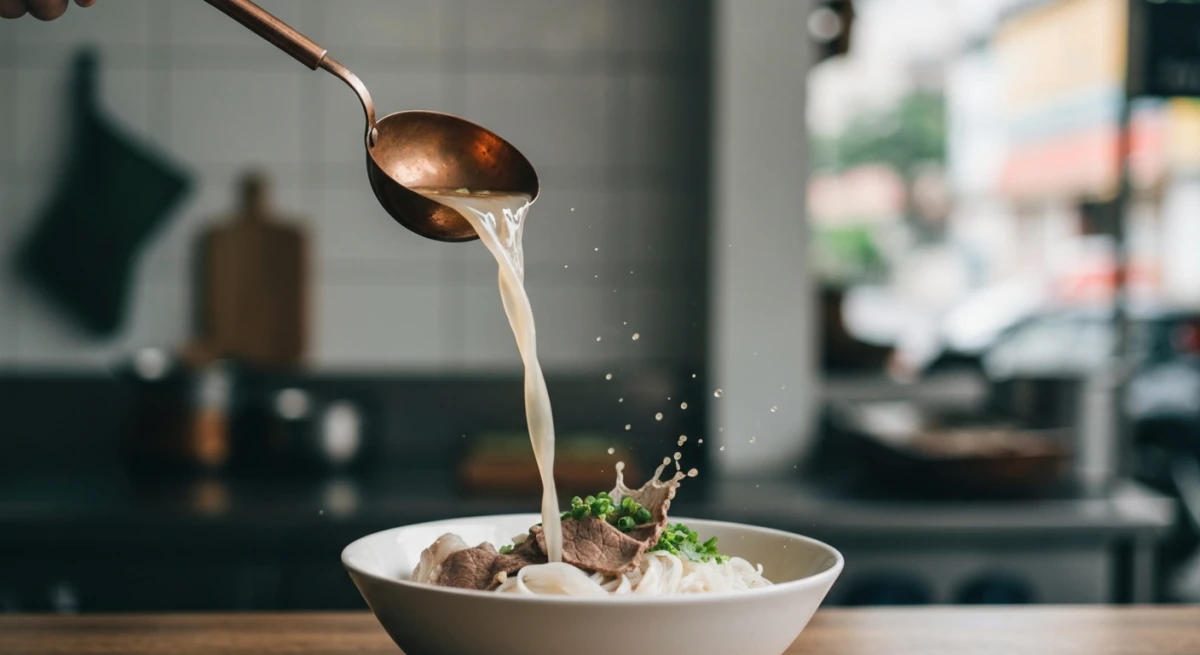
For culinary travelers, hunting down the best vietnamese food in saigon is less of a hobby and more of a full-scale obsession. Ho Chi Minh City (still affectionately called Saigon by locals) is a sprawling, high-octane metropolis where food is the ultimate language of connection. From the moment the sun rises over the Saigon River until midnight when neon signs light up wet alleyways, the city is a symphony of sizzling woks, bubbling cauldrons, and the irresistible aroma of charcoal-grilled pork.
But with tens of thousands of street food stalls, bustling wet markets, and hidden alley eateries, knowing where to start can be overwhelming. To help you navigate this massive food capital, we have created the definitive, local-approved guide to Saigon's absolute best dining experiences, taking you deep into the neighborhoods where real food magic happens.
The Culinary DNA of Ho Chi Minh City: A Regional Melting Pot
To truly appreciate the best vietnamese food in saigon, you must first understand the city's unique history as Vietnam's ultimate culinary melting pot. Unlike other cities in Vietnam that guard their regional culinary traditions fiercely, Saigon is a welcoming metropolis that embraces, adapts, and elevates dishes from every corner of the country.
The city's food landscape is defined by three major waves of influence:
- Internal Migration: Over the decades, millions of Vietnamese from the North, Central Highlands, and the Mekong Delta migrated to Saigon in search of opportunity, bringing their ancestral recipes with them. This is why you can find authentic Hanoi-style Phở, fiery Central Vietnamese Bún Bò Huế, and sweet Mekong-style Hủ Tiếu all on the same street block.
- The Chinese-Teochew Heritage: The historic neighborhood of Chợ Lớn (Saigon's Chinatown in District 5) has been home to a massive Chinese-Vietnamese population for centuries. Their influence introduced stir-fry techniques, slow-braised meats, and thin, springy egg noodles that have permanently merged with Southern Vietnamese tastes.
- French Colonial Legacy: The French left an undeniable mark on Saigon's food scene. The iconic baguette was transformed into the legendary Bánh Mì; French pâté and mayonnaise became daily staples; and the French style of drip coffee was combined with local sweetened condensed milk to create the world-famous Cà Phê Sữa Đá.
Because of this rich, multi-layered history, eating in Saigon is not just about tasting Southern Vietnamese cuisine—it is a journey through the culinary soul of the entire nation.
The 7 Essential Dishes You Must Eat in Saigon (and Exactly Where to Find Them)
If you only have a few days in Ho Chi Minh City, do not waste your meals on mediocre tourist traps. These seven iconic dishes represent the absolute pinnacle of Saigon's food culture. We have bypassed the generic recommendations to bring you the legendary local spots where the quality remains unchallenged.
1. Cơm Tấm (Broken Rice)
Historically, cơm tấm was a dish born of poverty. Farmers in the Mekong Delta would save the fractured, broken rice grains that could not be sold in the markets and cook them for their own families. When they migrated to the city, they brought this humble grain with them, transforming it into Saigon's definitive breakfast and lunch dish. The broken rice grains have a unique, slightly dry, and fluffy texture that perfectly absorbs the sweet, savory juices of grilled meats.
A classic plate of Cơm Tấm Sườn Bì Chả features a thin, charcoal-grilled pork chop (sườn) marinated in lemongrass and honey, shredded pork skin tossed in toasted rice powder (bì), and a baked egg custard meatloaf (chả trứng). The dish is topped with a generous spoonful of scallion oil (mỡ hành) and served with sweet-and-sour pickled vegetables and a sweet garlic fish sauce.
- Where to eat it: Cơm Tấm Ba Ghiền (84 Đặng Văn Ngữ, Phú Nhuận District)
- Why it’s special: This legendary institution is so famous it earned a Michelin Bib Gourmand. They grill their pork chops over an open charcoal fire right on the street side, creating a plume of sweet-smelling smoke that lures in hungry diners from blocks away. The pork chops here are gargantuan, incredibly juicy, and perfectly caramelized.
2. Hủ Tiếu Nam Vang (Phnom Penh-Style Noodle Soup)
While Phở gets all the international glory, hủ tiếu is arguably the true soul of Southern Vietnamese noodle soups. Originating in Phnom Penh, Cambodia (hence the name Nam Vang), the dish was brought to Saigon by Chinese-Teochew immigrants and adapted to local tastes.
You can order hủ tiếu in two ways: nước (wet, served in a rich pork-bone broth seasoned with dried squid and rock sugar) or khô (dry). We highly recommend ordering it khô. The chewy tapioca noodles are tossed in a savory, dark soy-based glaze, while a steaming bowl of intensely flavorful broth is served on the side. The dish is loaded with toppings: minced pork, sliced pork heart, quail eggs, plump shrimp, and fresh herbs like celery and garlic chives.
- Where to eat it: Hủ Tiếu Thanh Xuân (62 Tôn Thất Thiệp, District 1)
- Why it’s special: Operating for over 70 years in a quiet alleyway in the heart of District 1, this family-run spot serves a stunning dry hủ tiếu topped with fresh crab claw meat and a signature tomato-pork sauce that has kept locals coming back for generations.
3. Bánh Mì (The Ultimate Vietnamese Sandwich)
You cannot talk about the best vietnamese food in saigon without discussing the bánh mì. While you can find this sandwich throughout Vietnam, the Saigon version is famous for its sheer decadence. Unlike the minimalist, pate-focused bánh mì of Hanoi, a Saigon baguette is sliced open and packed to the brim with a dizzying array of ingredients.
A proper Saigon bánh mì features a smear of rich, homemade pork liver pâté, a thick layer of French-style egg yolk mayonnaise, several varieties of cold cuts (ham, headcheese, and Vietnamese pork roll), pickled white radish and carrots, fresh cucumber spears, cilantro, and fiery bird's eye chilies, all encased in a warm, impossibly crispy baguette.
- Where to eat it: Bánh Mì Huỳnh Hoa (26 Lê Thị Riêng, District 1) vs. Bánh Mì Hồng Hoa (54 Nguyễn Văn Tráng, District 1)
- Why they are special: If you want the ultimate, heavy-hitting, meat-stuffed sandwich, join the queue at Huỳnh Hoa. It is incredibly rich, heavily spiced, and easily big enough for two people to share. If you prefer a more balanced, lighter, and classic baguette with exceptionally crispy bread baked fresh on-site, head over to Hồng Hoa. Both offer distinctly delicious takes on the classic.
4. Phở Nam (Southern-Style Phở)
Phở originated in Northern Vietnam, where it is served with a clean, clear, minimalist broth, thick rice noodles, and minimal garnishes. But when Phở traveled south to Saigon in the mid-20th century, the locals gave it a dramatic makeover.
Southern-style Phở (Phở Nam) features a darker, sweeter, and more robust broth spiced heavily with star anise, cinnamon, and charred ginger. More importantly, it is served with a mountain of fresh table greens—including Thai basil, saw-tooth herb (ngò gai), rice paddy herb (ngổ), and bean sprouts. Diners are expected to customize their bowl, adding handfuls of herbs, a squeeze of fresh lime, and squirts of hoisin sauce and sriracha-style chili sauce.
- Where to eat it: Phở Lệ (415 Nguyễn Trãi, District 5)
- Why it’s special: Located on the edge of Chinatown, Phở Lệ has been brewing one of Saigon's finest broths for decades. The soup here is wonderfully aromatic and rich, with just the right amount of fat to coat the noodles. Be sure to order the phở tái nạm gầu bò viên (a bowl with rare beef, flank, brisket, and springy beef meatballs).
5. Bún Thịt Nướng (Cold Noodle Salad with Grilled Pork)
If the humid Saigon heat makes hot noodle soups unappealing, bún thịt nướng is your savior. This refreshing, cold noodle salad is a masterclass in contrasting temperatures, textures, and flavors.
The base of the bowl consists of cool, soft rice vermicelli noodles (bún), finely shredded lettuce, herbs, cucumber, and crunchy pickled daikon. On top of this cool bed sits hot, smoky, lemongrass-marinated pork freshly grilled over charcoal, crispy imperial rolls (chả giò), roasted peanuts, and a splash of scallion oil. To eat, you pour sweet, tangy, garlic-chili fish sauce (nước chấm) over the entire bowl, toss it like a salad, and enjoy the perfect bite of hot, cold, crunchy, and savory.
- Where to eat it: Bún Thịt Nướng Chị Tuyền (175 Cô Giang, District 1)
- Why it’s special: Tucked away in District 1, this spot is legendary for its marinated pork, which is incredibly tender and carries a deep lemongrass aroma. Their spring rolls are fried to a blistered, golden-brown perfection, adding a spectacular crunch to every mouthful.
6. Bánh Xèo (Sizzling Savory Crepe)
Named after the loud, sizzling sound (xèo) the batter makes when poured onto a searing hot iron skillet, bánh xèo is a crispy, savory crepe made from rice flour, water, turmeric powder, and coconut milk. The crepe is stuffed with pork belly, whole shrimp, mung beans, and a handful of fresh bean sprouts.
Eating bánh xèo is an interactive, hands-on experience. You do not use chopsticks directly on the crepe. Instead, you tear off a piece of the crispy golden crepe, place it onto a giant mustard green leaf or a leaf of lettuce, pile on fresh herbs (like mint and fish mint), roll it up tightly into a wrap, and dip it deep into a bowl of sweet-and-sour fish sauce.
- Where to eat it: Bánh Xèo Ba Hai (119 Lê Văn Linh, District 4)
- Why it’s special: Located in a lively wet market alley in District 4, Ba Hai serves rustic, exceptionally crispy crepes using a traditional recipe that keeps the batter light and non-greasy. The generous portion of fresh herbs they provide is unmatched.
7. Ốc (Saigon’s Street Snails and Seafood)
You cannot fully understand Saigon's nightlife until you have experienced đi ăn ốc (going out for snails). In Saigon, eating snails is not a formal delicacy; it is a highly social, casual street food ritual. Locals gather around low plastic tables in the evening, cracking open cold beers and sharing dozens of small plates of fresh shellfish and marine snails.
The variety is astounding. You can order mud creepers cooked in sweet coconut milk, sweet snails sautéed with garlic butter, clams steamed in lemongrass broth, or oysters grilled with scallion oil and peanuts. Don't miss out on dishes cooked in rich, creamy salted egg yolk sauce—perfect for dipping pieces of local baguette.
- Where to eat it: Quán Ốc Đào (212B/D28 Nguyễn Trãi, District 1) or any stall on Vĩnh Khánh Street (District 4)
- Why they are special: Ốc Đào is a legendary alleyway spot in District 1 that offers a massive menu of fresh, perfectly seasoned shellfish in a lively, chaotic atmosphere. For an even wilder street vibe, head to Vĩnh Khánh Street in District 4, where the entire road transforms into an open-air seafood barbecue after dark, complete with street performers and live music.
Beyond the Basics: High-Low Gastronomy in Saigon
While street food is the undisputed king, searching for the best vietnamese food in saigon also reveals a fascinating modern culinary revolution. Ho Chi Minh City has successfully bridged the gap between rustic street food and high-end gastronomy, offering travelers a vibrant spectrum of dining experiences.
The Modern Culinary Revolution
At the forefront of this movement is Anan Saigon (89 Tôn Thất Đạm, District 1), a Michelin-starred restaurant located inside Chợ Cũ, Saigon's oldest wet market. Founded by Chef Peter Cuong Franklin, Anan is famous for its "Cuisine Mới" (New Vietnamese Cuisine). Here, classic street dishes are elevated with premium ingredients and global techniques.
Their infamous "$100 Bánh Mì" features truffle pâté, foie gras, sliced wagyu beef, and fresh herbs, served alongside a glass of French champagne. By placing a high-end restaurant in the middle of a traditional wet market, Anan pays homage to the street food culture that inspired it, showing that Saigon's flavors can hold their own on the global stage.
Authentic Vietnamese Home Cooking
If you want to experience the comforting, soulful meals that Vietnamese grandmothers cook at home, seek out a cơm gia đình (family-style) restaurant. Unlike street food stalls that specialize in just one dish, these restaurants serve a variety of home-style plates meant to be shared with a bowl of steamed white rice.
- Cục Gạch Quán (10 Đặng Tất, District 1): Housed in a beautifully restored French colonial villa filled with antique wooden furniture and leafy courtyards, this restaurant serves rustic country-style food. Expect dishes like claypot caramelized pork belly (thịt kho tộ), garlicky sautéed pumpkin flowers, and fresh tofu made daily in-house. It is a peaceful escape from the city's frantic pace.
- Quán Bụi (Multiple locations, including 17A Ngô Văn Năm, District 1): Quán Bụi offers a slightly more modern, stylish setting while keeping the recipes strictly traditional. Their caramelized claypot fish and sour seafood soups (canh chua) are exceptional representations of classic Southern home cooking.
The District-by-District Street Food Survival Guide
Saigon is divided into numbered districts, each possessing its own distinct personality, lifestyle, and culinary specialties. Understanding this layout is key to planning a successful food crawl.
| District | Culinary Vibe | Key Dishes to Seek Out | Famous Food Streets / Alleys |
|---|---|---|---|
| District 1 | Historic, fast-paced, high-low dining | Bánh Mì, Hủ Tiếu, Modern Vietnamese | Lê Thị Riêng, Tôn Thất Đạm, Nguyễn Trung Trực |
| District 3 | Tree-lined streets, local cafe culture | Bún Bò Huế, Bánh Tráng Trộn, street snacks | Nguyễn Thiện Thuật Apartments, Kỳ Đồng |
| District 4 | Gritty, high-energy, seafood paradise | Ốc (Snails), Bánh Xèo, shellfish barbecue | Vĩnh Khánh Street, Lê Văn Linh |
| District 5 (Cholon) | Historic Chinese-Vietnamese fusion | Mì Vịt Tiềm, Sủi Cảo (Dumplings), herbal tea | Hà Tôn Quyền, Nguyễn Trãi |
How to Plan the Ultimate Food Crawl
To maximize your stomach capacity and minimize travel time, tackle the city one district at a time.
- The Morning Crawl (District 1): Start your day early with a bowl of Hủ Tiếu Thanh Xuân, then grab an iced coffee from a street-side vendor. Wander through the historical Tôn Thất Đạm wet market to see vendors selling fresh produce, and wrap up with a fresh Bánh Mì Hồng Hoa for lunch.
- The Afternoon Snack Crawl (District 3): Head to the historic Nguyễn Thiện Thuật apartment complex in District 3. Built in the late 1960s, this neighborhood's narrow alleys are packed with food stalls. Try bánh tráng nướng (Vietnamese street pizza made on grilled rice paper) and fresh tropical fruit juices.
- The Nighttime Seafood Feast (District 4): As soon as the sun goes down, take a short taxi ride across the canal to District 4. Walk down Vĩnh Khánh Street, find a stall with a mountain of fresh shellfish on display, pull up a low plastic stool, and order a round of snails, grilled scallops, and cold beers.
Table Etiquette: How to Eat Like a Saigon Local
Eating at street food stalls in Saigon is incredibly rewarding, but it can be intimidating for first-timers. To help you blend in seamlessly and eat like a local, keep these unwritten rules in mind.
1. Master the Herb Platter (Rau Sống)
Almost every savory Vietnamese dish is served with a large, communal basket of fresh, raw herbs and leafy greens. These are not just garnishes; they are crucial components of the meal designed to add crunch, freshness, and digestion-aiding enzymes. Do not eat them whole. Tear the leaves off their woody stems and drop them directly into your noodle broth, or wrap them around your grilled meats before dipping. Common herbs you will encounter include:
- Húng Quế: Thai basil (sweet, anise-like flavor)
- Ngò Gai: Saw-tooth herb (strong, earthy cilantro flavor)
- Kinh Giới: Vietnamese balm (lemony, minty notes)
- Tía Tô: Perilla leaves (earthy, slightly licorice-like flavor)
2. Decode the Sauce Setup
Every table in Saigon is equipped with an array of condiments: fresh lime wedges, sliced bird's eye chilies, pickled garlic slices, fish sauce, hoisin sauce, and chili paste. Take a small plastic saucer and create your own dipping sauce. For noodle soups, squeeze lime juice and add a few slices of fresh chili directly to the broth, but always taste the broth first before adjusting. For dry dishes and spring rolls, use the sweet, amber-colored nước chấm fish sauce provided by the vendor.
3. The Truth About "Khăn Lạnh" (Wet Wipes)
When you sit down at a local restaurant, the server will often place packaged, chilled wet wipes on your table. It is important to know that these wet wipes are not free. They usually cost between 2,000 to 5,000 VND ($0.10 to $0.20 USD) each, and you will see them added to your final bill if you open them. If you are traveling on a strict budget, carry your own tissues or pocket hand sanitizer.
4. Hydrate with "Trà Đá"
While you can always order bottled water, soft drinks, or local beers (like Saigon Special or 333), the ultimate local beverage of choice is trà đá (iced jasmine tea). It is served in large glasses filled to the brim with crushed ice, costing next to nothing (often around 2,000 to 4,000 VND, and sometimes even free). It is incredibly refreshing, light, and cleanses the palate perfectly between bites of spicy, savory food.
5. Cash is King
While high-end restaurants and cafes in District 1 accept credit cards, almost all street food vendors and small local diners in Saigon operate strictly on a cash-only basis. Always keep a stack of smaller bills (10,000, 20,000, and 50,000 VND) handy. Giving a vendor a 500,000 VND bill for a 30,000 VND bowl of noodles is heavily frowned upon as they often do not have enough change early in the day.
Frequently Asked Questions (FAQ)
Is street food in Saigon safe for tourists to eat?
Yes, street food in Saigon is generally very safe and highly hygienic because of the rapid turnover of ingredients. Because these stalls serve hundreds of customers a day, food rarely sits around. To stay safe, follow these rules: choose stalls that are packed with locals, ensure noodle broths are boiling hot when served, and avoid raw shellfish that does not look fresh. Ice in Saigon is also generally safe, as most vendors use commercially manufactured tube ice made from purified water.
What is the main difference between food in Hanoi and food in Saigon?
Northern (Hanoi) cuisine is subtle, delicate, and deeply traditional, relying on black pepper and salt for savory profiles rather than sugar or chilies. Southern (Saigon) cuisine is bolder, sweeter, and more adventurous. Southerners use generous amounts of sugar, coconut milk, and fresh chilies in their cooking, and they serve almost every dish with a massive basket of fresh herbs, which is uncommon in the North.
How much does a typical street food meal cost in Ho Chi Minh City?
A standard bowl of noodle soup, a plate of broken rice, or a fresh bánh mì at a local street stall will cost between 30,000 VND and 60,000 VND ($1.25 to $2.50 USD). If you visit sit-down restaurants or go out for a seafood and snail feast with beers, expect to pay between 150,000 VND and 300,000 VND ($6.00 to $12.00 USD) per person.
Can vegetarians easily find food in Saigon?
Absolutely. Vietnam has a deep Buddhist heritage, meaning vegetarian food (ăn chay) is widely popular and highly creative. Look for signs that say Quán Chay or Cơm Chay. These spots serve spectacular plant-based versions of classic Vietnamese dishes, using tofu, mushrooms, and wheat gluten to recreate the textures of pork, beef, and seafood.
When is the best time of day to go food hunting in Saigon?
Saigon's food scene operates on a strict schedule. Morning dishes like cơm tấm and breakfast noodle soups are best enjoyed between 6:00 AM and 9:00 AM. Many local lunch spots open from 11:00 AM to 1:30 PM. The street food scene truly comes alive after dark, from 6:00 PM onward, when the heat of the day dissipates and night markets, snail stalls, and outdoor barbecues open up.
Conclusion
Savoring the best vietnamese food in saigon is about far more than just filling your stomach; it is an immersive, sensory dive into the heart of a city that never stops moving. Whether you are sitting on a tiny plastic stool on a crowded District 4 sidewalk with a plate of garlic-butter snails, or admiring the city lights from a chic rooftop restaurant in District 1, Saigon's culinary landscape will challenge your palate and capture your heart. Pack your appetite, leave your culinary comfort zone behind, and let the streets of Saigon guide you to your next unforgettable meal.