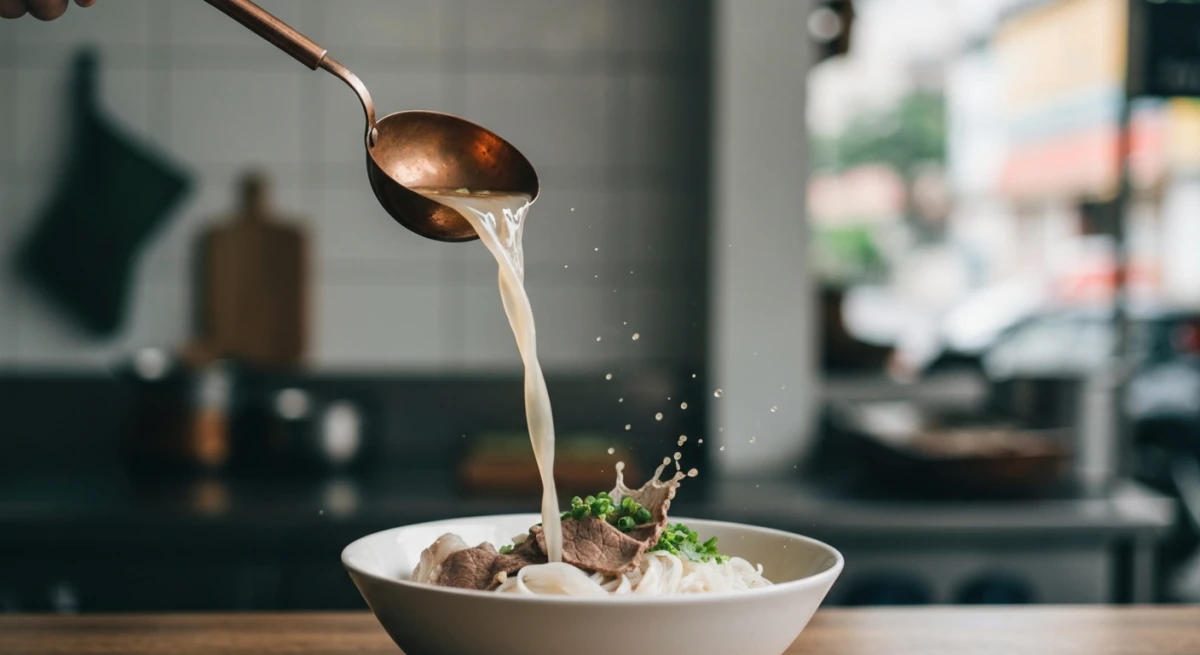
Stepping onto the bustling streets of Saigon, the irresistible aroma of star anise, charred ginger, and simmering broth is everywhere. But if you’re plant-based, finding a bowl that matches the depth of traditional beef noodle soup can feel like a challenge. Fortunately, the city's rich Buddhist heritage makes finding the best vegetarian pho Ho Chi Minh has to offer an absolute joy. From humble, multi-generational alleyway stalls serving steaming bowls for under two dollars to Michelin-starred garden sanctuaries, Saigon is a paradise for vegetarian and vegan food lovers.
In this comprehensive guide, we will explore the culinary art of crafting a perfect meatless pho broth, explain the critical difference between eating at a standard noodle shop versus a dedicated vegetarian restaurant, review the top seven spots in the city, and share local insider secrets on how to customize and eat your bowl like a true Saigoneer.
1. The Art of the Meatless Broth: What Makes a Great Vegetarian Pho (Phở Chay)?
To appreciate a truly great bowl of vegetarian pho (known locally as phở chay), one must understand the culinary wizardry required to create it. The soul of any traditional pho lies in its broth. In conventional meat-based pho, this is achieved by boiling beef or chicken bones for up to 24 hours, which slowly releases gelatin, fat, and deep umami flavors that give the liquid its rich, velvety mouthfeel.
Replicating this complex flavor profile and heavy mouthfeel using entirely plant-based ingredients is a masterclass in Vietnamese culinary heritage, known as ẩm thực chay. Rather than relying on simple vegetable stock cubes, master chefs in Saigon employ a meticulous multi-step brewing process:
- The Sweetness of the Earth: To create a natural, clean, and robust sweet base without animal bones, chefs simmer a variety of root vegetables for hours. The core ingredients include daikon radish (củ cải trắng), carrots, and jicama (củ sắn). In Southern Vietnam, sugarcane (mía) and sweet fruits like apples, pears, or even pineapple are added. As these ingredients simmer, their natural sugars caramelize, perfectly mimicking the rich, comforting sweetness of roasted marrow bones.
- The Charred Aromatics: To give the broth its signature smoky, earthy undertones, whole pieces of ginger (gừng) and shallots (hành tím) are roasted over an open flame until the skins are blackened and charred. They are then peeled, lightly bruised, and added directly to the simmering stock pot, releasing deep, warm, caramelized oils into the liquid.
- The Spice Bouquet: The magical aroma that defines pho comes from a toasted blend of spices. Star anise (hoa hồi), cassia cinnamon bark (quế), whole cloves (đinh hương), black cardamom (thảo quả), coriander seeds (hạt ngò), and fennel seeds are toasted on a dry skillet until they release their fragrant essential oils. These are then placed into a cloth spice bag and dropped into the broth during the final hours of simmering to prevent the broth from becoming bitter.
- The Umami Boost: To replicate the savory depth of meat, chefs rely heavily on mushrooms. Dried shiitake mushrooms (nấm đông cô) provide a rich, dark color and a deep, earthy glutamate punch, while fresh oyster mushrooms or straw mushrooms add lighter, sweet notes. Many chefs also use a high-quality plant-based seasoning powder made from mushrooms, known as hạt nêm nấm.
The Battle of the Bowls: Southern vs. Northern Style Pho Chay
Because Ho Chi Minh City is a melting pot of regional cultures, you will encounter two distinct regional styles of vegetarian pho:
- Southern Style (Phở Nam): This is the dominant style in Saigon. The broth leans sweeter, is highly aromatic, and is served with slightly thinner rice noodles. It is accompanied by a massive basket of fresh herbs and an array of sweet-and-spicy condiments, allowing the diner to customize the bowl entirely to their liking.
- Northern Style (Phở Bắc): Originating in Hanoi, this style is minimalist and elegant. The broth is crystal clear, lighter, and focuses entirely on the pure, delicate aroma of the toasted spices and charred ginger. It is typically garnished only with finely sliced green onions and cilantro, and is traditionally enjoyed with crispy fried dough sticks (quẩy) rather than a heap of raw herbs.
2. The Golden Rule of Eating Vegetarian in Saigon: "Quán Chay" vs. Standard Noodle Shops
For travelers seeking the best vegetarian pho Ho Chi Minh has to offer, there is one absolutely critical golden rule that will save you from a major culinary disappointment: Always eat at a dedicated vegetarian restaurant.
In Ho Chi Minh City, it is incredibly common to see standard, meat-serving street-side pho stalls offer a menu item called "phở chay," especially on the first and fifteenth days of the lunar month (when many local Buddhists practice temporary vegetarianism). However, unless the establishment is completely vegetarian, there is a very high probability that the kitchen does not maintain a separate pot of broth.
Instead, they may ladle the standard beef or chicken bone broth over your noodles, leave out the meat slices, add a few pieces of tofu and mushrooms, and serve it as "vegetarian pho". In Vietnamese street-food culture, "ăn chay" is sometimes casually interpreted as simply "not eating physical pieces of meat," rather than a strict avoidance of animal-derived stocks. This means cross-contamination with pork fat, fish sauce (nước mắm), and bone broth is common in non-vegetarian shops.
How to Spot a 100% Plant-Based Eatery
To ensure a completely stress-free, 100% vegetarian or vegan dining experience, look for these key words on signboards and menus:
- CHAY: This is the universal Vietnamese word for vegetarian or vegan. If a restaurant's sign says "Cơm Chay" (vegetarian rice), "Phở Chay" (vegetarian pho), or simply "Quán Chay" (vegetarian eatery), you can dine with absolute confidence. The entire kitchen, including all sauces, cooking oils, and broths, is completely free of animal products.
- Nhà Hàng Chay: This indicates a more upscale, sit-down vegetarian restaurant, which often features beautiful decor and a refined menu.
- Không Nước Mắm: Literally translating to "no fish sauce". While dedicated vegetarian spots will naturally use vegan soy-based fish sauce (nước mắm chay), this is a useful phrase if you are dining at a transitional stall.
By sticking exclusively to dedicated quán chay and nhà hàng chay, you can unlock the full, authentic spectrum of Vietnamese plant-based gastronomy without any worries.
3. The Best Vegetarian Pho Ho Chi Minh: Top 7 Restaurants Reviewed
While Ho Chi Minh City is home to thousands of vegetarian establishments, finding a bowl of pho chay that is truly extraordinary requires a bit of curation. Here are the top seven spots in Saigon, ranging from rustic, budget-friendly street stalls to elegant, Michelin-recommended dining sanctuaries.
1. Phở Chay Như (District 3) - The Legendary Heritage Alleyway Spot
- Address: 54 Trương Quyền, Võ Thị Sáu Ward, District 3, Ho Chi Minh City
- Vibe: Traditional, bustling, casual local eatery tucked down a quiet street
- Price Range: 30,000 – 45,000 VND ($1.25 – $1.90 USD)
Phở Chay Như is a legendary establishment that has been serving the local community for over 35 years. It is a classic "hẻm" (alleyway) gem that perfectly captures the energy of Saigon’s street-food scene. The setup is simple: low aluminum tables, plastic stools, and a busy open kitchen where fresh ingredients are assembled in seconds.
Their signature bowl of pho chay is nothing short of spectacular. The broth is light, clean, and highly aromatic, carrying a delicate balance of cinnamon and star anise. What truly sets this bowl apart is the texture. In addition to tender rice noodles, the bowl is packed with fresh oyster mushrooms, rolled bean curd skin (tàu hũ ky), and their famous crispy fried wontons (hoành thánh chiên). The wontons add a wonderful, decadent crunch to the soft, comforting soup.
Insider Tip: Unlike most Buddhist-run vegetarian spots in Saigon that strictly forbid alcohol, Phở Chay Như keeps its refrigerator stocked with cold Tiger and Heineken beers. Open from 6:00 AM to 9:00 PM, it is the perfect spot for a relaxed, late-night bowl of noodles and a cold brew.
2. Chay Garden (District 3) - The Michelin Bib Gourmand Sanctuary
- Address: 52 Võ Văn Tần, Võ Thị Sáu Ward, District 3, Ho Chi Minh City (additional branch with a buffet in Thảo Điền, District 2)
- Vibe: Premium, tranquil, elegant Indochine-style garden villa
- Price Range: 90,000 – 120,000 VND ($3.80 – $5.00 USD)
For those who wish to experience award-winning plant-based cuisine in a breathtaking setting, Chay Garden is an absolute must-visit. Recognized as a MICHELIN Guide Bib Gourmand winner for three consecutive years (2023, 2024, and 2025), this restaurant is located at the end of a quiet pedestrian alleyway in the heart of District 3, offering a peaceful sanctuary far removed from the city's frantic traffic.
Housed in a meticulously restored French-colonial villa with a lush, green courtyard, Chay Garden blends nostalgic Indochine aesthetics with modern hospitality. Their vegetarian pho is a masterclass in culinary refinement. The broth is crystal clear yet carries an incredibly rich and deep aroma of charred ginger, shallots, and toasted spices. Simmered using organic root vegetables and sweetened with premium rock sugar, the pho is served with a selection of fresh, locally sourced specialty mushrooms, delicate sheets of fresh bean curd, and a pristine plate of hand-washed heirloom herbs. It is clean, elegant, and visually stunning.
3. Hum (District 3 & Thảo Điền) - Elite Plant-Based Fine Dining
- Address: Hum Signature: 32 Võ Văn Tần, Ward 6, District 3; Hum Garden: 32 D10 Street, Thảo Điền, District 2
- Vibe: High-end, artistic, serene, and beautifully designed architectural marvel
- Price Range: 120,000 – 150,000 VND ($5.00 – $6.50 USD)
Consistently ranked as one of the top vegetarian and vegan restaurants in the world (including multiple TripAdvisor Traveler's Choice "Best of the Best" awards), Hum represents the absolute pinnacle of plant-based dining in Ho Chi Minh City. With stunning locations in both District 3 and the trendy expat enclave of Thảo Điền, Hum is designed as a peaceful, artistic space to nurture both the body and soul.
Hum's signature vegetarian pho elevates the traditional noodle soup to a high-art culinary experience. The broth is slow-simmered for hours using fresh sugarcane, local jicama, and premium root vegetables, resulting in a naturally sweet, incredibly complex base. The roasted spices are balanced with absolute precision, and the bowl is laden with thick, silky rice noodles, artisanal tofu, slow-braised wild mushrooms, and fresh local greens sourced directly from organic farms. It is a highly sophisticated, multi-sensory dining experience that proves plant-based food can stand shoulder-to-shoulder with the finest dining in the world.
4. Shamballa Vegetarian Restaurant & Tea House (District 1)
- Address: 31 Lý Tự Trọng, Bến Nghé Ward, District 1, Ho Chi Minh City
- Vibe: Intimate, spiritually-inspired, gorgeous Indochine-Tibetan fusion decor
- Price Range: 100,000 – 130,000 VND ($4.20 – $5.50 USD)
Located in the absolute heart of District 1, just a short walk from the Saigon Opera House and Notre-Dame Cathedral, Shamballa is a gorgeous, multi-level haven of tranquility. The restaurant’s design features a striking blend of rustic Vietnamese materials, exposed brickwork, warm lighting, and spiritual Tibetan-inspired elements, accompanied by the gentle aroma of burning incense.
Shamballa's vegetarian pho is highly celebrated for its rich, full-bodied, and deeply satisfying flavor profile. If you are a vegetarian who occasionally misses the heavy, robust, and savory mouthfeel of traditional beef-bone broth, this is the bowl for you. The chef achieves a remarkably deep and heavy umami character by slow-stewing dark forest mushrooms, including wood ear and shiitake, alongside fresh lotus seeds. The noodles are exceptionally fresh and silky, and the soup is beautifully garnished with microgreens and fresh herbs. It is the perfect place to rest your feet and enjoy a premium, comforting lunch after a busy morning of sightseeing.
5. Quán Chay 103 – Veggie House (District 1)
- Address: 103 Đề Thám, Cô Giang Ward, District 1, Ho Chi Minh City
- Vibe: Cozy, welcoming, and highly accessible backpacker-friendly eatery
- Price Range: 40,000 – 55,000 VND ($1.70 – $2.30 USD)
Located near the famous Pham Ngu Lao and Bui Vien backpacking districts, Quán Chay 103 – Veggie House is a beloved neighborhood staple for travelers and budget-conscious locals alike. The restaurant is small, exceptionally friendly, and features an enormous English-friendly menu packed with plant-based iterations of classic Vietnamese dishes.
Their vegetarian pho is rustic, deeply comforting, and represents outstanding value. The broth leans slightly toward the sweeter, traditional Southern style and is packed with generous portions of fried tofu, carrots, white radish, and several varieties of mushrooms. It is a hearty, filling, and honest bowl of noodles that hits the spot perfectly, whether you are looking for an early morning recovery meal or a quick, affordable, and highly satisfying lunch in the city center.
6. Tiệm Chay Dì Tú / Aunt Tu Vegetarian Pho Shop (District 3)
- Address: 42 Nguyễn Đình Chiểu, Ward 4, District 3, Ho Chi Minh City
- Vibe: Clean, bright, and welcoming neighborhood noodle shop
- Price Range: 35,000 – 50,000 VND ($1.50 – $2.10 USD)
Run by a passionate family of local cooks, Tiệm Chay Dì Tú is a favorite midday lunch destination for local office workers in District 3. The shop is modern, clean, well-ventilated, and serves exceptionally high-quality food at local prices.
Their vegetarian pho broth is uniquely rich, aromatic, and slightly herbal. Unlike many local spots that rely on excessive rock sugar or artificial MSG to flavor their soups, Aunt Tu’s broth derives its flavor purely from slow-boiled vegetables, toasted spices, and a delicate touch of sea salt. In addition to their classic "wet" pho, they are highly famous for their "phở khô chay" (dry-mixed vegetarian pho served with a side of piping hot broth) and "phở cuốn" (fresh pho noodle rolls wrapped with fresh herbs and seasoned mock beef). Trying these textural variations is a highly rewarding experience for any noodle enthusiast.
7. Vegetarian Pho 334 (District 7)
- Address: 334 Nguyễn Thị Thập, Tân Quy Ward, District 7, Ho Chi Minh City
- Vibe: Classic, no-frills, high-volume local street shop
- Price Range: 22,000 – 25,000 VND ($0.95 – $1.10 USD)
For those staying in the modern, expat-heavy district of District 7 (Phú Mỹ Hưng) or those willing to travel slightly off the beaten path for the ultimate budget food experience, Vegetarian Pho 334 is a local legend. This high-energy street-side shop is packed with students, motorbike drivers, and local families from sunrise to sunset.
At less than $1.10 USD per bowl, their vegetarian pho is one of the cheapest and most satisfying meals you can find in the entire city. Despite the incredibly low price, the quality of the broth is outstanding—naturally sweet, highly aromatic, and simmered with a generous amount of local vegetables. The bowl is loaded with fresh tofu, straw mushrooms, and thick rice noodles, served with an enormous mountain of fresh, locally grown herbs. It is the ultimate neighborhood-level bowl of pho chay that showcases the beauty of Saigon's affordable food culture.
4. How to Customize and Eat Pho Chay Like a True Saigoneer
In Southern Vietnam, receiving your bowl of pho is only the beginning of the culinary experience. Unlike in the North, where the bowl is served pre-seasoned and eaten as-is, eating pho in Ho Chi Minh City is a highly interactive, customizable ritual.
When your bowl arrives at a local quán chay, it will be accompanied by a massive plate of rau sống (fresh herbs), a small dish of fresh lime and bird's eye chili slices, and a tray of condiments. To eat like a local, follow this step-by-step ritual:
- Sip the Pure Broth First: Before you touch any of the herbs, sauces, or lime, take a deep spoonful of the hot broth. Appreciate the master chef's labor—the balance of sweetness, the warmth of the charred ginger, and the delicate aroma of the toasted star anise and cinnamon.
- Tear and Submerge the Herbs: Take a few sprigs of húng quế (Thai basil) and ngò gai (sawtooth herb / culantro). Do not drop them in whole! Tear the leaves in half with your hands to bruise the cell walls and release their essential aromatic oils, then use your chopsticks to push them deep down under the boiling hot broth so they wilt slightly and infuse the soup.
- Add Acid and Heat: Squeeze a fresh wedge of lime into the broth to add a bright, citrusy acidity that cuts through the sweetness of the Southern-style broth. If you enjoy spicy food, add a few slices of raw bird's eye chili (ớt chỉ thiên).
- Do Not Squirt Sauces Directly in the Broth: This is a common tourist mistake that ruins the clarity of the soup. Instead, take a small side saucer from the table and squeeze a 50/50 ratio of hoisin and chili sauce into it. Use your chopsticks to pick up pieces of tofu, mushrooms, or bean curd from your bowl, dip them into the sauce mixture, and enjoy them between mouthfuls of noodles.
- Two-Handed Eating: Hold your chopsticks in your dominant hand to navigate the noodles and toppings, and hold your flat-bottomed soup spoon in your other hand to scoop up the broth. Take a bite of the herbs and noodles, and immediately follow it with a spoonful of the hot, aromatic broth.
5. Frequently Asked Questions (FAQ)
Is vegetarian pho in Ho Chi Minh City completely vegan?
In almost all cases, yes. In Vietnam, traditional Buddhist vegetarianism (ăn chay) is strictly plant-based, meaning it excludes all meat, seafood, dairy, eggs, and animal-derived cooking fats (such as lard). Dedicated quán chay and nhà hàng chay use vegetable oil, soy-based fish sauce, and completely vegan ingredients. However, some modern Western-style vegetarian cafes might occasionally use dairy or eggs in their drinks or desserts, so strict vegans should always double-check when ordering side items.
Is pho chay gluten-free?
The core elements of vegetarian pho—the rice noodles (bánh phở) and the vegetable-and-spice broth—are naturally gluten-free. However, many popular toppings used in local shops, such as wheat gluten (mì căn) and certain mock meats (like vegetarian ham or sausage), contain wheat flour. Additionally, soy sauce and hoisin sauce contain gluten. If you have a severe gluten allergy or celiac disease, ask for "không mì căn" (no wheat gluten) and stick to pure tofu, fresh mushrooms, and herbs, and avoid using the dipping sauces.
Do vegetarian restaurants in Saigon use MSG?
Monosodium glutamate (MSG, known locally as bột ngọt or mì chính) is a very common flavor enhancer in Vietnamese cuisine. Most dedicated vegetarian restaurants in Saigon prefer to use a plant-based alternative called hạt nêm nấm (mushroom seasoning powder). While this is a healthier and more natural alternative, mushroom seasoning powder does naturally contain some glutamates. If you have an extreme sensitivity to MSG, you can request "không bột ngọt" (no MSG) when ordering, although the baseline broth may already have been seasoned during its morning preparation.
What is the average price of a bowl of vegetarian pho in Ho Chi Minh City?
The price varies significantly depending on the dining environment. At a casual, local street-side quán chay like Vegetarian Pho 334 or Phở Chay Như, a hearty bowl will cost between 22,000 and 45,000 VND ($0.95 – $1.90 USD). At a premium, beautifully decorated restaurant or a Michelin-recommended sanctuary like Chay Garden or Hum, a bowl will range from 90,000 to 150,000 VND ($3.80 – $6.50 USD).
Your Ultimate Saigon Plant-Based Journey
Exploring the best vegetarian pho Ho Chi Minh has to offer is far more than just finding a meatless meal—it is a deeply rewarding journey into the heart of Vietnam's rich culinary heritage. Whether you are sipping a 30,000 VND bowl on a plastic stool in a buzzing District 3 alleyway or dining in a serene, Michelin-recommended garden villa, the depth of flavor, warmth of hospitality, and freshness of ingredients will leave an unforgettable impression on your palate. Grab your chopsticks, step into the vibrant streets of Saigon, and let your plant-based adventure begin!