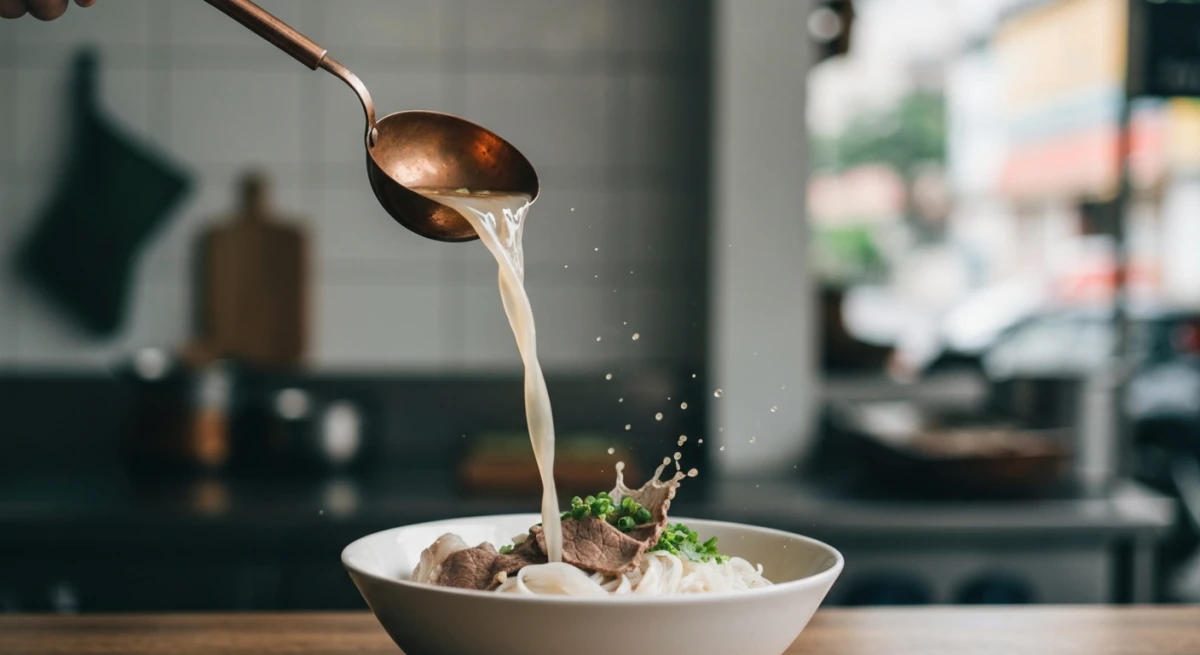
If you think Vietnamese food is just phở and bánh mì, the vibrant world of Da Nang food is about to completely redefine your palate. As the undisputed capital of Central Vietnam's culinary landscape, this coastal metropolis is a legendary playground for food lovers. Da Nang food is highly unique: it bridges the royal, spicy traditions of neighboring Hue with the rustic, savory textures of Hoi An and Quang Nam province, adding its own spectacular coastal bounty. Eating here is a tactile, sensory adventure—a dance of wrapping, dipping, slurping, and crunching, often done while sitting on low plastic stools with the ocean breeze in your hair.
Whether you are looking to tackle intense street-side noodle joints or feast on freshly caught lobsters by the beach, navigating the local dining scene requires a solid game plan. This comprehensive Da Nang food guide breaks down the essential dishes you must try, the cultural rituals of how to eat them, the geographic culinary zones of the city, and the absolute best spots that local foodies keep to themselves.
The Signature Six: Must-Try Da Nang Dishes (And How to Eat Them)
To truly appreciate Da Nang food, you must step away from safe international menus and embrace the local specialties. These six iconic dishes represent the soul of the city's food culture. Each comes with its own complex flavor profile and eating rituals that are essential to master.
1. Mì Quảng (Quang Noodles)
Mì Quảng is not just a dish; it is an institution. Originating from the surrounding Quang Nam province, this is the definitive comfort food of Da Nang.
Unlike traditional noodle soups where the broth submerges the ingredients, Mì Quảng is served with just a shallow pool of intensely concentrated, turmeric-infused broth. The noodles themselves are wide, flat, and cut from sheets of steamed rice flour, often tinted a beautiful golden-yellow with turmeric. The classic proteins are shrimp (tôm), pork belly (thịt heo), and hard-boiled quail eggs, though you will also find variants featuring farm-raised chicken (gà ta), snakehead fish (cá lóc), or even wild frog (ếch).
- The Ritual of How to Eat It: Mì Quảng is all about structural contrast. When your bowl arrives, it will be topped with crushed roasted peanuts, chopped scallions, and a giant, toasted sesame rice cracker (bánh tráng). You will also receive a generous plate of fresh, raw herbs, including shredded banana blossoms, water mint, and crisp baby lettuce. First, snap the crispy rice cracker into small bite-sized shards and scatter them over the noodles. Next, grab a handful of the greens and stuff them directly into the bowl. Toss the entire mixture thoroughly so that the rich, lukewarm broth coats every ribbon of noodle, herb, and peanut. Take a bite that combines the chewy noodle, the crunchy cracker, the refreshing greens, and the nutty peanut. Squeeze a wedge of lime and add a few slices of fresh green chili for a kick of acidity and heat.
- Where to Try It:
- Mì Quảng Bà Mua: (19-21 Trần Bình Trọng, Hải Châu) – This is a highly respected local chain that strikes the perfect balance between clean, consistent flavors and authentic, robust broth. Try the Mì Quảng Đặc Biệt (special mixed bowl) to experience all the proteins at once.
- Mì Quảng 1A: (1A Hải Phòng, Hải Châu) – An old-school, no-frills joint where the noodles are made fresh in-house, offering an incredibly satisfying chew.
2. Bún Chả Cá (Fish Cake Noodle Soup)
Do not confuse this with Hanoi's famous bún chả (which consists of grilled pork patties in a dipping sauce). In Da Nang, Bún Chả Cá is a steaming bowl of thin rice vermicelli noodles (bún) in a vibrant, naturally sweet-and-sour fish bone broth.
The broth gets its iconic complexity from slow-simmering pumpkin, ripe pineapple, fresh tomatoes, green cabbage, and pickled bamboo shoots. Inside your bowl, you will find two distinct types of fish cakes, both crafted from local catches like mackerel, tuna, or featherback fish: chả cá chiên (golden, deep-fried fish patties with a springy chew) and chả cá hấp (delicate, steamed fish cakes wrapped in egg wash).
- The Ritual of How to Eat It: An authentic bowl of Da Nang Bún Chả Cá is incomplete without a dollop of mắm ruốc (fermented purple shrimp paste), which sits in small jars on every table. If you are new to Vietnamese food, the pungent smell might intimidate you, but stirring half a teaspoon of this paste into the hot broth creates a rich, umami depth that brings the sweet vegetables and savory fish cakes into perfect harmony. Balance the richness with fresh lime juice, crushed garlic, pickled shallots, and fresh herbs like Vietnamese coriander and basil.
- Where to Try It:
- Bún Chả Cá Hờn: (113/3 Nguyễn Chí Thanh, Hải Châu) – Recipient of a Michelin Bib Gourmand, this legendary alleyway spot is perpetually packed. Their broth is deeply flavorful, and the generous portions of fish cake are incredibly fresh.
- Bún Chả Cá 109: (109 Nguyễn Chí Thanh, Hải Châu) – Another Michelin-selected institution that has been serving up sweet, clean broths and springy, house-made fish cakes to loyal crowds for decades.
3. Bánh Tráng Cuốn Thịt Heo (Pork Wrapped in Rice Paper)
Bánh Tráng Cuốn Thịt Heo is the ultimate DIY dining experience, showcasing how Central Vietnamese cuisine prioritizes freshness, texture, and hands-on participation.
The dish centers on three main components: incredibly thin, chewy sheets of sun-dried rice paper (bánh tráng phơi sương); razor-thin slices of boiled pork belly that feature a strip of translucent fat at both ends; and a massive basket containing up to a dozen varieties of local herbs and wild greens, from wild mint and fish mint to cucumber, sour carambola (star fruit), and green banana.
- The Ritual of How to Eat It: This dish requires a bit of dexterity. Start by taking a dry sheet of rice paper and laying it flat on your plate. Next, peel a sheet of bánh phở (a wet, delicate sheet of flat rice noodles) and press it directly onto the dry rice paper; the moisture will make them stick together. Then, pile a horizontal layer of herbs, greens, and slices of cucumber or star fruit on top of the noodle. Place a slice of the tender pork belly in the center. Carefully roll the entire bundle into a tight, neat cylinder. Now comes the magic: dip the roll into mắm nêm. This is a highly pungent, thick, unpasteurized fermented anchovy sauce blended with crushed pineapple, chili, garlic, sugar, and lime. It is sweet, salty, intensely funky, and absolutely addictive.
- Where to Try It:
- Quán Đại Lộc: (97 Trưng Nữ Vương, Hải Châu) – Famous for sourcing its pork directly from the Đại Lộc district (known for sweet, tender pork) and serving incredibly generous platters of mountain herbs.
- Bánh Tráng Trần: (4 Lê Duẩn, Hải Châu) – A more upscale, modern restaurant where the pork is sliced with surgical precision, highlighting the classic "fat at both ends" style, and the dining room is fully air-conditioned.
4. Bánh Xèo & Nem Lụi (Sizzling Pancakes & Pork Skewers)
If you walk down the alleys of Da Nang in the late afternoon, you will inevitably hear the sound of sizzling oil and catch the aroma of smoky charcoal. This signals the start of the Bánh Xèo and Nem Lụi rush.
Bánh Xèo translates to "sizzling cake." These are crispy, crepe-like pancakes made from rice flour, turmeric powder, and coconut milk, fried to a golden crunch in searing hot iron pans, and stuffed with pork, whole small shrimp, and fresh bean sprouts. Nem Lụi are seasoned minced pork skewers wrapped around lemongrass stalks and grilled over glowing charcoal coals.
- The Ritual of How to Eat It: Like the pork rolls, this is a hands-on rolling sport. Take a sheet of thin, dry rice paper. Tear a piece of the crispy, hot bánh xèo (including the shrimp and bean sprouts) and place it on the paper. Grab a grilled nem lụi skewer, lay it on top of the pancake, and use the rice paper to clamp down and slide the lemongrass stick out. Add a mixture of wild lettuce, herbs, and pickled green papaya. Roll it up tightly. Instead of the standard sweet-and-sour fish sauce, Da Nang locals dip these rolls into a rich, warm, thick brown sauce made from pork liver, ground peanuts, sesame seeds, and fermented soy. It is savory, nutty, and incredibly velvety.
- Where to Try It:
- Bánh Xèo Bà Dưỡng: (K280/23 Hoàng Diệu, Hải Châu) – Tucked deep at the end of a labyrinthine alleyway, this is the most famous Bánh Xèo spot in Vietnam. Follow your nose through the smoky air. The pancakes here are exceptionally crispy, and their signature liver dipping sauce is legendary.
5. Gỏi Cá Nam Ô (Nam O Raw Fish Salad)
Often referred to as "Vietnamese sashimi," Gỏi Cá Nam Ô is a specialty from the historic Nam Ô fishing village, located near the base of the Hai Van Pass in northern Da Nang.
This dish features ultra-fresh raw fish—typically herring (cá trích) or anchovies—caught by local fishermen in the early hours of the morning. Once cleaned and filleted, the fish is prepared in one of two styles: Gỏi khô (dry salad) or Gỏi ướt (wet salad).
- The Dry vs. Wet Experience:
- Gỏi Khô: The raw fish is cured with lime juice to gently "cook" it via acidity, squeezed dry, and then tossed with a fragrant, nutty mixture of toasted rice powder (thính), sesame seeds, ginger, and chili.
- Gỏi Ướt: The fish is marinated directly in a vibrant, fiery orange broth made from concentrated local fish sauce, minced garlic, ginger, and raw chilies.
- How to Eat It: Both versions are wrapped in rice paper along with unique wild forest leaves (lá rừng) sourced from the nearby Son Tra Peninsula or Hai Van hills, and dipped in a rich, spicy peanut-anchovy dipping sauce. It is a brilliant explosion of oceanic freshness, herbal bitterness, and spicy warmth.
- Where to Try It:
- Gỏi Cá Thanh Hương: (1029 Nguyễn Lương Bằng, Liên Chiểu) – A long-standing local favorite located close to the original Nam Ô village, offering incredibly fresh catches and an authentic array of forest greens.
6. Cơm Gà (Chicken Rice)
While Hoi An's chicken rice is famous for its delicate, shredded style, Da Nang offers a more robust, comforting version. Cơm Gà Da Nang features fragrant, long-grain rice that is cooked in rich chicken fat and tinted a striking yellow with fresh turmeric.
The star of the show is the chicken, which can be ordered as Gà xé (shredded chicken tossed with Vietnamese coriander, lime, and onions) or the crowd-favorite Gà quay (a whole chicken quarter with skin fried to a glass-shattering crispness while the meat remains incredibly juicy).
- The Ritual of How to Eat It: Pour a spoonful of the sweet-and-spicy chili sauce over the golden rice. Mix in the pickled shredded papaya and carrots that are served alongside to cut through the richness of the fried chicken. Enjoy each bite of rice with a piece of crispy-skinned chicken and a sip of the hot, clear green scallion soup provided on the side.
- Where to Try It:
- Cơm Gà A Hải: (96 Phan Châu Trinh, Hải Châu) – Renowned for its hyper-efficient service and incredibly crispy gà quay (roasted/fried chicken) that consistently draws massive local crowds for lunch and dinner.
The Tale of Two Cities: Beachside Food Scene vs. Han River Downtown
When exploring the Da Nang food landscape, it is helpful to understand the city's geographical layout. The Han River divides Da Nang into two distinct culinary zones, each offering a completely different vibe and flavor profile.
       [ WEST SIDE: DOWNTOWN ]                [ EAST SIDE: BEACHSIDE ]
      (Hai Chau & Thanh Khe Districts)           (My An & An Thuong Areas)
                 |                                      |
     * Historic, family-owned stalls         * Live seafood tanks by the beach
     * Deep residential alleyways            * Modern vegan/vegetarian cafes
     * Hyper-local, budget-friendly          * Expat-friendly, trendy eateries
     * Focus: Soups, rolls, and noodles      * Focus: Grilled fish, lobster, coffee
The West Side: Downtown (Hai Chau & Thanh Khe Districts)
The west side of the Han River is where the historic, beating heart of Da Nang lies. This is the "downtown" area, characterized by busy commercial streets and deep residential alleyways (kiệt).
The food here is highly traditional, incredibly cheap, and overwhelmingly local. Generation-old family businesses dominate this side of town, operating out of the ground floors of their narrow tube houses. If you want to eat Mì Quảng, Bún Chả Cá, and Bánh Xèo alongside local families, students, and workers, you must spend your mornings and afternoons wandering the streets of Hai Chau.
The East Side: Beachside (My An & An Thuong Areas)
Cross any of Da Nang's iconic bridges to the east, and you will enter the laid-back, sandy expanse of the beachside districts. Historically a quiet fishing area, the neighborhoods flanking My Khe Beach have evolved into a vibrant tourist and expat enclave.
The culinary scene on the beachside is diverse, modern, and coastal-centric. Here you will find:
- The Seafood Strip: The long coastal highway of Võ Nguyên Giáp is lined with massive, open-air seafood restaurants. Dozens of blue plastic tanks overflow with live crabs, clams, mantis shrimp, oysters, and sea urchins. You point to what you want, agree on a price per kilo, and tell them how you want it prepared (such as grilled with green chili sauce, steamed with lemongrass, or stir-fried in tamarind sauce).
- The Green Cafe Movement: Due to the large international community, My An is the epicenter of Da Nang's vegan and vegetarian revolution. Trendy spots like Roots Plant-Based Cafe and Loving Vegan serve up amazing avocado toasts, cold-pressed juices, and vegan interpretations of classic Vietnamese dishes.
Da Nang's Vibrant Market and Street Food Culture
To experience the raw energy of Da Nang food, you must dive into the sensory overload of its local markets. Markets in Da Nang are not just places to shop; they are communal dining rooms where you can feast on a dozen different street food items in a single afternoon.
1. Con Market (Chợ Cồn)
Located at the busy corner of Ông Ích Khiêm and Hùng Vương streets, Con Market is the culinary crown jewel of the city. While the front of the market sells clothing and household goods, the real magic happens in the indoor food court (Khu ẩm thực) and the outdoor afternoon food alley.
As you walk through, you will pass rows of friendly vendors sitting behind steaming metal pots and towers of colorful ingredients. It is a snacking paradise. You can sit down on a tiny stool and order a plate of bánh bèo (silky steamed rice cakes served in individual porcelain saucers, topped with dried shrimp, crispy pork rinds, and sweet fish sauce), followed by bánh bột lọc (translucent, chewy tapioca dumplings stuffed with whole shrimp and pork belly), and finish with a bowl of chè (traditional sweet dessert soups layered with shaved ice, coconut milk, jellies, and sweetened beans).
2. Son Tra Night Market
Located near the eastern foot of the iconic Dragon Bridge, this market opens daily as the sun sets. It is a lively, sensory spectacle filled with smoky air, neon lights, and music.
The street food here is heavily geared toward grilled delights. You can pick out skewers of marinated octopus, whole fish wrapped in banana leaves, local sausages, and baby lobsters brushed with garlic butter, all grilled right in front of you over hot coals. It is the perfect place to grab an affordable dinner and a cold local Larue beer before watching the Dragon Bridge breathe fire and water on weekend nights.
3. Han Market (Chợ Hàn)
Located closer to the Han River, this historic market is highly popular with tourists. While the food court here is smaller than Con Market's, Han Market is the absolute best place in the city to purchase edible souvenirs. Head to the dry goods section to stock up on high-quality dried squid, dried shrimp, sweetened beef jerky (khô bò), roasted cashews, and jars of local specialty sauces like mắm nêm and nước mắm to recreate the flavors of Da Nang back home.
The Modern Caffeine Craze: Salted Coffee and Beyond
No guide to Da Nang food would be complete without exploring the city's spectacular and dynamic coffee culture. While Hanoi is famous for its egg coffee, Da Nang and its neighboring central provinces have perfected the art of modern, sweet, and savory coffee creations.
Cà Phê Muối (Salted Coffee)
Salted coffee is the ultimate must-try beverage in Da Nang. This brilliant concoction originated in the nearby imperial city of Hue, but it has become an absolute staple of daily life in Da Nang.
It is constructed in layers: a base of rich, sweet condensed milk; a shot of intensely dark, slow-dripping Robusta coffee brewed through a traditional metal filter (phin); and a thick, velvety top layer of salted cream foam.
- How to Drink It: Resist the urge to stir it immediately! First, take a sip of the salted cream foam to experience the velvety texture and savory saltiness. Then, slowly stir the layers together with a spoon. The salt cuts through the bitterness of the dark Robusta coffee and tempers the sugary sweetness of the condensed milk, resulting in a rich, caramel-like flavor profile that tastes remarkably like liquid salted caramel.
Cà Phê Cốt Dừa (Coconut Coffee)
Perfect for hot coastal afternoons, this drink is more of a refreshing dessert than a standard morning beverage. It consists of a strong shot of traditional black coffee poured over a thick, snowy slushy made from blended coconut cream, condensed milk, and shaved ice. It is sweet, icy, and coconut-forward, providing the perfect tropical pick-me-up.
Da Nang Food FAQs
Is street food in Da Nang safe to eat?
Yes, Da Nang street food is generally very safe and highly hygienic. Because of the city's massive local food culture, turnover is incredibly high—meaning ingredients are sourced fresh daily and rarely sit around. To minimize any risk of an upset stomach, always look for stalls that are crowded with local families and school children, as their presence is the ultimate seal of freshness and quality. Stick to bottled or boiled water, and ensure hot soups are served bubbling hot.
What is the average price of a meal in Da Nang?
Da Nang remains one of the most budget-friendly food destinations in Southeast Asia.
- A standard bowl of street-side noodles like Mì Quảng or Bún Chả Cá will cost between 30,000 to 50,000 VND ($1.20 to $2.00 USD).
- A DIY plate of Bánh Tráng Cuốn Thịt Heo or Bánh Xèo costs around 50,000 to 80,000 VND ($2.00 to $3.20 USD).
- A luxurious, multi-course feast of fresh, live seafood by the beach (including crab, clams, and prawns) will run between 300,000 to 600,000 VND ($12.00 to $24.00 USD) per person, depending on your choice of premium catches like lobster.
How do I handle "Mắm Nêm" if I am sensitive to strong smells?
Mắm nêm (fermented anchovy sauce) is a cornerstone of Da Nang food, but its intense, fishy aroma can be challenging for first-time visitors. If you are hesitant, you can always ask the vendor for nước mắm chua ngọt (the familiar, sweet-and-sour clear fish sauce seasoned with garlic and chili) as a milder alternative. However, we highly recommend giving mắm nêm a try—once combined with the rich pork and fresh herbs, the pungency mellows into a beautiful, savory depth.
Are there good vegetarian and vegan options in Da Nang?
Absolutely. Da Nang has a rich Buddhist heritage, which means vegetarian food (ăn chay) is deeply woven into the local culture. On the 1st and 15th days of every lunar month, many locals eat strictly vegetarian, and hundreds of temporary "Quán Chay" stalls pop up across the city. For everyday dining, the My An expat neighborhood offers phenomenal, high-end plant-based cafes serving creative vegan versions of Western and Vietnamese classics.
Mastering Your Culinary Journey in Da Nang
The magic of Da Nang food lies in its accessibility and unpretentious nature. You do not need reservations at Michelin-starred dining rooms to experience the best flavors the city has to offer. In fact, your most memorable meals will likely happen while huddled over a low table in a damp, smoky alley, communicating with a smiling vendor through hand gestures and shared appreciation for a perfect bowl of noodles.
As you plan your culinary adventure, keep these final strategic tips in mind:
- Download the Grab App: Grab is Southeast Asia's premier ride-hailing and food delivery app. It is incredibly convenient for booking cheap scooter or car rides to tucked-away local restaurants in residential neighborhoods.
- Carry Small Cash: Most street food stalls and market vendors do not accept credit cards. Always keep a stack of smaller-denomination bills (10,000, 20,000, and 50,000 VND) handy for quick, seamless payments.
- Embrace the Condiments: The jars of pickled garlic, green chilies, chili paste, and lime wedges on the tables are not decorative. Vietnamese cuisine is designed to be customized by the diner. Don't be afraid to adjust the broth to your exact taste.
Pack your culinary curiosity, leave your food comfort zones behind, and prepare to fall in love with the bold, fresh, and unforgettable flavors of Da Nang.