Introduction: Stepping Into Saigon’s Culinary Chaos
If you are searching for the mark wiens ho chi minh food map, you are looking for the absolute best street food experience in Saigon. Mark Wiens' legendary month-long dive into Ho Chi Minh City's food scene became a cultural blueprint for travelers worldwide. This comprehensive guide retraces his footsteps, diving deep into the exact street food stalls, iconic restaurants, and regional culinary dishes that earned his signature wide-eyed, head-shaking stamp of approval.
Saigon, officially known as Ho Chi Minh City, is a high-octane metropolis where life is lived on the streets. Between the millions of motorbikes weaving through traffic, the air is thick with the sweet, smoky aroma of pork chops grilling over open charcoal and the fragrant, spiced steam of boiling beef bones. It is a city that never stops eating, where every alleyway serves as a dining room and every pavement is lined with low-slung plastic stools. To truly understand Saigon, you must eat your way through it. Mark Wiens did exactly that, engaging his insatiable curiosity and deep respect for local culinary traditions to compile an iconic itinerary. This guide is your ultimate companion to recreating that legendary food journey, loaded with the context, addresses, and dining secrets that other blogs leave out.
The Breakfast Legends: Sizzling Pans and Fresh Baguettes
In Saigon, breakfast is not just a morning routine; it is an outdoor event. Long before the midday heat settles over the city, the alleyways are alive with the sound of metal spatulas clinking against cast-iron pans and the rustle of brown paper bags wrapping freshly baked baguettes. The French colonial era left an indelible mark on Vietnam's culinary landscape, introducing wheat flour, baking techniques, pâté, and butter. However, the Vietnamese did not merely adopt these ingredients—they localized them, creating some of the most famous sandwiches and breakfast dishes on Earth.
Bánh Mì Hòa Mã: The Legendary Alleyway Breakfast
If there is one breakfast spot that encapsulates the charm of morning eating in Ho Chi Minh City, it is Bánh Mì Hòa Mã (located at 53 Cao Thắng, District 3). Founded in 1958 by a couple who migrated from the North, this iconic establishment is widely credited with being one of the first stalls in Saigon to serve the modern Vietnamese baguette sandwich. While they do sell takeaway baguettes, the real reason to visit is to sit on the tiny plastic stools lining the narrow brick walls of Alley 51 and order bánh mì ốp la (sizzling pan eggs).
When your order arrives, it does so in a state of violent, bubbling glory. A personal-sized, scorching-hot metal pan is placed before you, containing two sunny-side-up eggs with caramelized, lacy edges and deep-orange, perfectly runny yolks. Tucked alongside the eggs are slices of fried Vietnamese pork sausage (chả lụa), savory jambon, caramelized sweet onions, and a sprinkle of black pepper. Accompanied by a hot, incredibly airy, shatteringly crisp personal baguette, a small side of house-made liver pâté, rich egg mayonnaise, and a dish of sweet-and-sour pickled carrots and daikon, this is a breakfast designed to awaken every sense.
In his viral video, Mark Wiens describes this meal as "the best breakfast I ate in Saigon." His method of consumption is a masterclass in local dining etiquette: tear off a chunk of the warm, crusty baguette, slather it with the creamy, rich liver pâté, dip it directly into the hot, golden runny egg yolk, and top it with a slice of savory pork sausage and a sweet, caramelized onion. The contrast of the warm, crunchy bread against the rich, velvety egg yolk and savory meats is nothing short of culinary magic. It is an interactive, deeply satisfying experience that sets the tone for a day of eating in the southern capital.
Bánh Mì Hồng Hoa: A Bakery-Fresh Masterpiece
While many travelers flock to the globally famous (and often crowded) Bánh Mì Huỳnh Hoa in the evening, Mark Wiens’ exploration of Saigon’s sandwich culture revealed another gem that operates in the bright morning hours: Bánh Mì Hồng Hoa (located at 62 Nguyễn Văn Tráng, District 1). Mark originally stumbled upon this spot when attempting to visit Huỳnh Hoa in the morning, only to find they were closed. This happy accident introduced him to what he calls one of his absolute favorite bánh mì sandwiches of his entire trip.
Bánh Mì Hồng Hoa is, first and foremost, an active bakery. Throughout the morning, massive baskets of freshly baked baguettes are pulled from the ovens, filling the street with the comforting, yeasty aroma of warm bread. The magic of a southern Vietnamese baguette lies in its structural engineering. By incorporating a high proportion of rice flour with wheat flour, Vietnamese bakers achieve an impossibly light, thin, and brittle crust that shatters upon the first bite, revealing a highly aerated, pillowy, and almost hollow crumb. This prevents the sandwich from being overly heavy or filling, allowing the vibrant ingredients inside to shine.
When you order their classic bánh mì thịt nguội (special mixed meats sandwich), the assembly is a fast-paced choreography. The warm baguette is sliced open, smeared generously with a layer of rich, savory pork liver pâté and a spread of house-made egg yolk mayonnaise. It is then stuffed with a variety of cold cuts: sliced cured pork, Vietnamese meatloaf (giò thủ), and savory roasted pork. To balance the heavy, fatty meats, the vendor adds long batons of fresh cucumber, a handful of fresh cilantro stems, pickled daikon and carrot, and—if you dare—slices of fiery red bird's eye chilies. The result is a perfect harmony of textures and flavors: warm and cold, crispy and soft, fatty and fresh, sweet, savory, and spicy. It is a handheld masterpiece that costs just a couple of dollars, demonstrating why street food is the ultimate equalizer in Saigon.
The Heavyweight Classics: Broken Rice and Legendary Noodles
To truly understand the heart of southern Vietnamese comfort food, one must dive into dishes that are rooted in the working-class history of Saigon. These are substantial, hearty meals that fuel the city's workforce, showcasing how simple, accessible ingredients can be elevated into world-class culinary art.
Cơm Tấm Ba Ghiền: The Grand Slam of Broken Rice
If there is a single dish that defines the flavor profile of Ho Chi Minh City, it is cơm tấm (broken rice). Historically, broken rice consisted of the fractured grains left over from the traditional rice-milling process. Because these damaged grains could not be sold as premium whole-grain rice, they were consumed by poor farmers and laborers in the Mekong Delta. Over time, as rural populations migrated to the city, they brought this humble ingredient with them, transforming it into Saigon's most beloved street food canvas.
For the ultimate expression of this dish, Mark Wiens directs travelers to Cơm Tấm Ba Ghiền (located at 84 Đặng Văn Ngữ, Phú Nhuận District). This legendary restaurant is instantly recognizable from a block away, thanks to the massive plumes of sweet, aromatic smoke billowing from the giant charcoal grills positioned outside. Here, pork chops (sườn nướng) are marinated in a complex mixture of lemongrass, garlic, shallots, fish sauce, sugar, and honey, before being grilled over red-hot coals. The dripping pork fat hits the charcoal, creating an intoxicating smoke screen that serves as the restaurant’s primary advertisement.
Mark Wiens famously ordered the "monster plate" at Ba Ghiền, a culinary mountain that includes the giant, caramelized, incredibly juicy grilled pork chop, a slice of chả trứng (a steamed egg meatloaf made with minced pork, wood-ear mushrooms, and glass noodles), bì (shredded pork skin tossed in toasted rice powder), and a perfectly fried sunny-side-up egg. The plate is garnished with a generous spoonful of green scallion oil (mỡ hành) and served with a side of sweet-and-sour pickled vegetables and a small bowl of sweet-chili fish sauce (nước chấm).
Eating this dish is an exercise in flavor layering. The broken rice grains have a unique, slightly dry, and textured mouthfeel that absorbs the rich scallion oil and sweet fish sauce far more efficiently than whole-grain rice. When you combine a forkful of this seasoned rice with a piece of the smoky, tender, sweet-savory pork chop, a bite of the earthy egg meatloaf, and the rich yolk of the fried egg, you experience a symphony of rustic, bold flavors. It is a heavy, satisfying meal that represents the true culinary soul of Saigon, earned through decades of perfecting simple, charcoal-grilled comfort.
Phở Phượng 25: Southern Heritage with Northern Soul
No trip to Vietnam is complete without exploring the world of phở, the country’s signature noodle soup. However, many travelers are unaware of the fierce regional rivalry between northern Pho (Phở Bắc) and southern Pho (Phở Nam). Northern Pho is characterized by its simplicity: a clear, delicate, clean broth, minimal toppings, and wider noodles, highlighting the pure essence of the beef or chicken. Southern Pho, on the other hand, is a bold, sweet, and complex affair, featuring a darker broth seasoned with rock sugar and served with a massive plate of fresh herbs, bean sprouts, and table condiments like hoisin and chili sauce.
To experience a beautiful bridge between these two styles, Mark Wiens visited Phở Phượng 25 (located at 25 Hoàng Sa, District 1). Tucked along the picturesque canal, this restaurant is run by a family originally from northern Vietnam, meaning they bring generationally honed northern techniques to the ingredient-rich environment of the south. As you walk up to the restaurant, you are greeted by the rich, comforting aroma of beef broth that has been simmering for over twelve hours with beef bones, charred ginger, onions, cinnamon, star anise, cloves, and black cardamom.
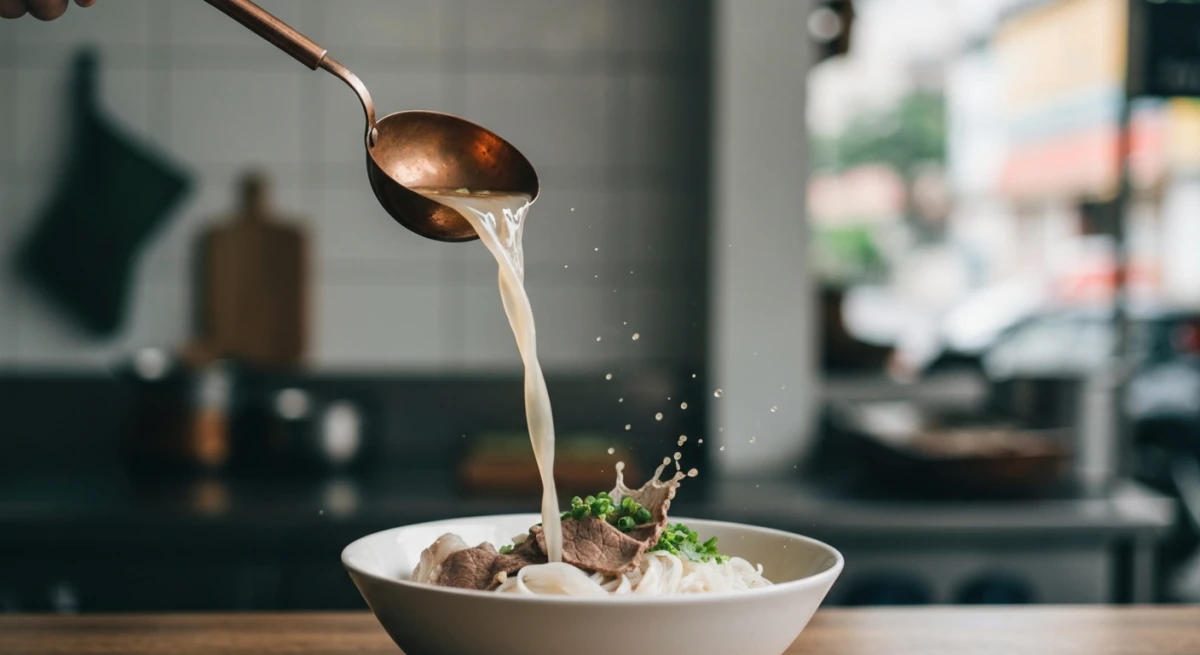
Mark’s choice bowl here is the phở tái, featuring silky, flat rice noodles topped with wafer-thin slices of raw beef. The boiling, aromatic broth is ladled directly over the beef, cooking it to a tender, pink perfection right in your bowl. What makes eating at Phở Phượng 25 so memorable is the sheer abundance of customization. The table is laden with plates of fresh herbs, including culantro (ngò gai), sweet basil (húng quế), and rice paddy herb, along with bowls of pickled garlic slices, fresh bird's eye chilies, and lime wedges. Mark’s signature move is to tear a handful of fresh herbs directly into the hot broth to release their volatile essential oils, add a squeeze of fresh lime, and prepare a small side dish of mixed hoisin and chili sauce for dipping the tender slices of beef. The result is a deeply comforting, aromatic bowl of noodles that showcases the absolute best of Vietnam's national dish.
Bold, Seafood-Forward Masterpieces: Crab Noodles and Snail Feasts
While pork and beef are staple proteins in the Vietnamese diet, the country's vast coastline, countless rivers, and flooded rice paddies have fostered a deep love for seafood. In Saigon, this manifests in incredibly complex, pungent, and savory seafood-forward noodle soups and a vibrant culture centered around eating shells and snails.
Bún Riêu Nguyễn Cảnh Chân: An Umami Crab Symphony
For many seasoned travelers, including Mark Wiens, bún riêu is the ultimate Vietnamese noodle soup, often eclipsing pho in its complexity of flavor. Specifically, bún riêu cua is a crab-based noodle soup that represents a masterclass in culinary balance. The broth is prepared by simmering pork bones with tomatoes, tamarind, and most importantly, freshwater paddy-crabs (cua đồng). These small crabs are pounded, shells and all, into a fine paste, which is then strained. The resulting liquid is simmered, causing the crab meat and proteins to float to the surface, forming fluffy, savory rafts of crab cake.
To experience the gold standard of this dish, Mark Wiens recommends Bún Riêu Nguyễn Cảnh Chân (located at 18 Nguyễn Cảnh Chân, District 1). This small, hyper-local joint is run by a dedicated team that coordinates a massive, simmering pot of tomato-red broth. When you order a bowl, you receive rice vermicelli noodles bathed in this fragrant broth, topped with a fluffy chunk of crab meatball, soft cubes of fried tofu that act as delicious sponges, sweet stewed tomatoes, and sometimes a slice of congealed pig's blood (huyết) for a rich, mineral depth.
But the true magic of Bún Riêu lies in the table condiments. In his videos, Mark emphasizes that a bowl of Bún Riêu is only halfway complete when it leaves the kitchen; the customer must finish the dish at the table. To unlock the full potential of the broth, you must add a spoonful of pungent, purple fermented shrimp paste (mắm tôm), a squeeze of fresh lime, a handful of raw split water spinach stems, shredded banana blossom, and a generous dollop of roasted chili paste. The shrimp paste adds a deep, savory bass note, while the lime cuts through the richness, and the chilies bring a vibrant heat. It is a sensory explosion of sweet, sour, salty, and spicy flavors that leaves an unforgettable impression.
Bún Mắm: The Bold Mekong Delta Noodle Stew
If Bún Riêu is an introductory course in seafood umami, Bún Mắm is the advanced masterclass. Originating in the Khmer-influenced regions of the Mekong Delta, Bún Mắm is a thick, dark, and intensely flavorful noodle soup that is unapologetically bold. The soul of the dish lies in its broth, which is flavored with fermented mud carp fish paste (mắm cá linh) or two-spotted gourami fish paste (mắm cá sặc). The fish paste is boiled down and strained, resulting in a murky, deeply aromatic broth that is balanced with lemongrass, garlic, and sweet coconut water.
Mark Wiens sought out this legendary dish in Saigon, enjoying the complex interplay of ingredients that make it unique. A standard bowl of Bún Mắm is loaded with a luxurious array of toppings: plump shrimp, tender squid, thick chunks of steamed white fish, crispy roasted pork belly with crackling skin (heo quay), and tender chunks of eggplant that absorb the sweet-savory broth. The contrast between the crunchy, fatty roasted pork and the tender seafood is exceptional.
The noodles used are a thicker, rounder variety of rice vermicelli that provides a pleasant, chewy bounce. To accompany the soup, you are served a mountain of unique river herbs, including water mimosa (rau nhút), yellow velvetleaf (kèo nèo), and fresh chives. Dipping the seafood into a side dish of sweet, tamarind-infused fish sauce with crushed chilies completes the experience. It is a rustic, deeply complex dish that challenges the palate and rewards adventurous eaters with some of the most profound flavors in Vietnamese cuisine.
Ốc A Sòi: The Chaotic Joy of Saigon Snail Culture
In Saigon, the word Ốc literally translates to "snail," but in a culinary context, it represents an entire genre of dining. A quán ốc (snail restaurant) is a place where locals gather in the evening to drink cold beer, socialize, and devour plates of various saltwater and freshwater snails, clams, cockles, and crabs. It is a loud, energetic, and highly interactive dining experience that is fundamental to the social fabric of the city.
Mark Wiens’ quest for the ultimate snail feast led him to Ốc A Sòi (located on Nguyễn Thượng Hiền Street, District 3). Nguyễn Thượng Hiền is a narrow, bustling street famous for its high concentration of street food vendors and snail restaurants. At Ốc A Sòi, baskets of raw, live shellfish are proudly displayed at the front of the restaurant, allowing you to choose your ingredients and your preferred cooking method. The options are virtually endless: grilled over charcoal, stir-fried with rich garlic butter, sautéed in sweet coconut milk, or coated in a fiery mix of salt and chili.
During his feast, Mark ordered a variety of dishes, including sweet snails stir-fried in rich, sweet coconut sauce and blood cockles tossed with garlic and chili. The process of eating ốc is hands-on and tactile. Armed with a toothpick, you extract the tender, chewy meat from the spiral shells, dip it into a sweet ginger-chili fish sauce, and enjoy the contrast of textures. Paired with a cold bottle of Saigon Export beer and the ambient roar of passing motorbikes, a night at a quán ốc is the ultimate way to experience the youthful, vibrant energy of Saigon’s street culture.
Interactive Masterpieces: DIY Herb-Wrapped Rolls
Some of the most engaging meals in Vietnam are those that require you to build each bite yourself. These dishes are characterized by the use of fresh, raw herbs, rice paper wrappers, and savory grilled meats, allowing you to customize the flavor and texture profile of every roll.
Cô Liên Bò Lá Lốt: Peppery, Charcoal-Grilled Perfection
For many food lovers, Bò Lá Lốt (grilled beef in wild betel/piper lolot leaves) is the ultimate gateway to Vietnamese street food. The dish consists of minced beef seasoned with garlic, shallots, soy sauce, and five-spice powder, which is then wrapped tightly into shiny, heart-shaped wild betel leaves (lá lốt) to resemble small green cigars. These rolls are skewered, brushed with oil, and grilled over hot charcoal.
During his travels, Mark Wiens visited Cô Liên Bò Lá Lốt (located in District 3), a green-painted restaurant dedicated to this fragrant delicacy. As the rolls grill, the beef fat melts and sizzles, while the betel leaf chars, releasing a unique peppery, smoky, and herbaceous aroma that is utterly irresistible. The leaf acts as a protective casing, keeping the minced beef incredibly juicy and tender while infusing it with a distinct, subtle bitterness.
The fun of eating Bò Lá Lốt lies in the assembly. You are presented with a platter containing the hot grilled beef rolls, sheets of dry rice paper, a mountain of fresh herbs (including bitter mustard greens, lettuce, mint, Vietnamese coriander, and fish mint), tart slices of green banana, sour starfruit, and a pile of thin rice vermicelli noodles. To eat, you lay down a sheet of rice paper, place a broad mustard leaf on top, layer in a selection of fresh herbs, add a pinch of noodles, place a hot beef roll in the center, and wrap it into a tight roll. You then dip this parcel into mắm nêm, a powerful, fermented anchovy and pineapple sauce loaded with chili and garlic. The sweetness of the pineapple and the intense umami of the fermented fish contrast beautifully with the smoky beef, fresh herbs, and tart fruits, creating a perfectly balanced bite.
Bánh Xèo 46A: Saigon’s Most Famous Sizzling Crepe
Another interactive masterpiece is bánh xèo, the massive, crispy savory crepe of Vietnam. The name literally translates to "sizzling cake," referencing the loud, satisfying hiss that occurs when the yellow rice-flour batter is ladled into a scorching-hot, heavily oiled pan over a blazing charcoal stove. Despite its vibrant yellow color, the batter contains no eggs; the color is derived entirely from ground turmeric, which is mixed with rice flour, water, and coconut milk.
To try the most legendary version in the city, Mark Wiens headed to Bánh Xèo 46A (located at 46A Đinh Công Tráng, District 1). This historic establishment has been serving giant crepes for generations and was famously featured by Anthony Bourdain. The cooks here stand before a row of blazing charcoal burners, effortlessly swirling the batter in large, seasoned woks to create paper-thin, incredibly crispy edges.
The crepe is filled with a mixture of pork belly slices, small prawns, sweet onions, and a generous handful of fresh mung bean sprouts, before being folded in half to steam the interior while crisping the exterior. When your bánh xèo arrives, it is accompanied by a massive basket of fresh greens, dominated by large, peppery mustard leaves and a variety of sweet herbs. To eat it like a local, you tear off a piece of the crispy, hot crepe (ensuring you get some pork, shrimp, and sprouts), wrap it tightly inside a mustard leaf along with some fresh mint, and dip it deep into nước chấm (sweet, tangy fish sauce). The shatteringly crisp texture of the crepe combined with the peppery freshness of the mustard green and the sweet-sour dip is a revelation.
FAQ: Navigating the Saigon Street Food Scene Like a Pro
Is street food in Ho Chi Minh City safe to eat?
Yes, street food in Saigon is generally very safe, provided you follow a few basic guidelines. Look for stalls that have a high turnover of local customers, as this guarantees the ingredients are fresh and constantly being replenished. Additionally, choose stalls where the food is cooked to order in front of you, such as boiling noodle soups or hot-off-the-grill meats. Stick to bottled water, and do not be afraid of ice in busy restaurants, as most commercial ice in Saigon is made from purified water.
Are Mark Wiens' recommended food spots still open and worth visiting?
Absolutely. Many of the establishments featured in the mark wiens ho chi minh guides, such as Bánh Mì Hòa Mã, Cơm Tấm Ba Ghiền, and Bánh Xèo 46A, are historic, family-run institutions that have been operating for decades. They remain highly popular with both locals and international travelers. While popularity has increased waiting times at some spots, the quality of the food remains exceptionally high, making them fully worth the pilgrimage.
What is the best way to get around Ho Chi Minh City for a DIY food tour?
The most efficient, affordable, and exciting way to navigate Saigon’s food scene is by using ride-hailing apps like Grab or Gojek. You can book a motorbike taxi (GrabBike), which allows you to zip through the city's infamous traffic jams easily and affordably. It also eliminates the hassle of navigating parking or negotiating taxi fares. For safety, always wear the helmet provided by your driver.
What is the main difference between Northern and Southern Vietnamese food?
Northern Vietnamese food tends to be more subtle, delicate, and balanced, relying on black pepper and fresh herbs rather than heavy spices or sugar. Southern Vietnamese food, influenced by the abundance of the Mekong Delta, is much bolder, sweeter, and spicier. Southern dishes frequently incorporate coconut milk, palm sugar, tamarind, and a wider variety of fresh herbs and seafood.
Conclusion: The Ultimate Culinary Pilgrimage
Embarking on a food tour inspired by the mark wiens ho chi minh guides is more than just a culinary journey; it is an active immersion into the heart and history of Saigon. From the early-morning alleyways of District 3 to the smoke-filled streets of Phú Nhuận, every dish you eat tells a story of migration, adaptation, and resilience. By pulling up a low plastic stool, embracing the chaotic energy of the city, and diving headfirst into these bold, historic flavors, you will discover that the true magic of Saigon is found not in its museums or high-rises, but in its steaming bowls of noodles and sizzling street-side pans.