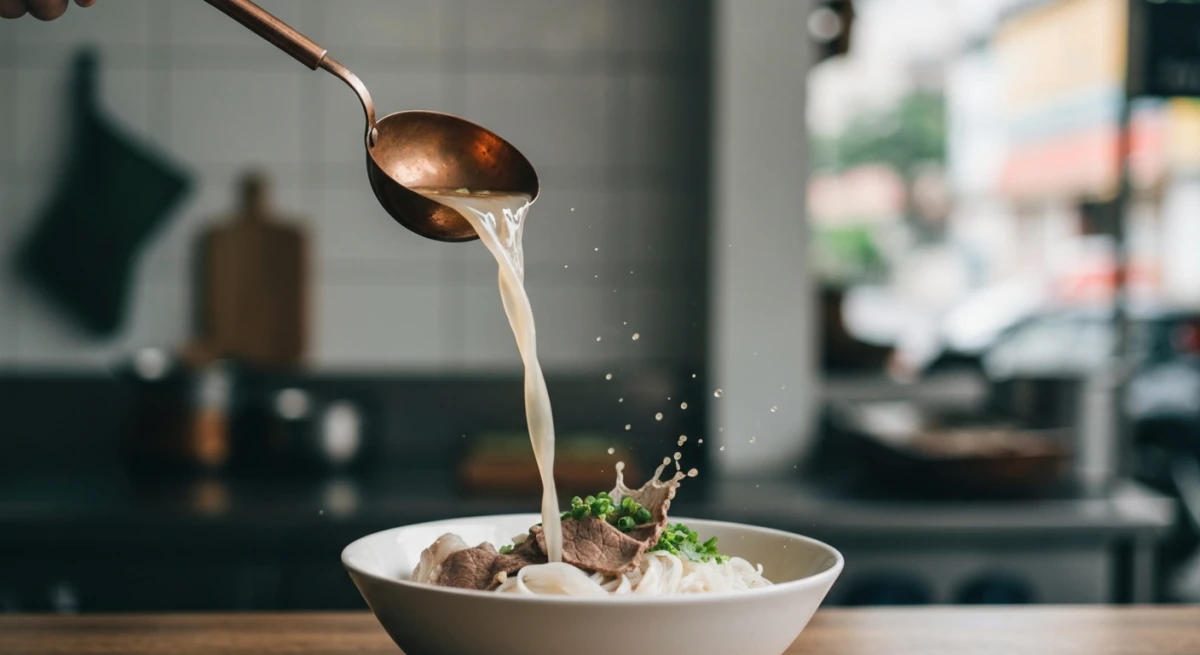
The clatter of metal ladles against deep aluminum pots, the aromatic haze of grilled lemongrass pork drifting through the humid air, and the vivid rainbows of colorful sweet jellies: finding authentic food in ben thanh market is one of Saigon’s ultimate sensory rites of passage. Located in the beating heart of District 1, Ho Chi Minh City, this iconic 100-year-old market is more than just a souvenir haven; it is a legendary culinary microclimate. Whether you are looking to dive into a piping-hot bowl of bún riêu under the soaring rafters during the day or feast on charcoal-grilled seafood under the stars at the outdoor night market, eating here is an unforgettable experience. However, with hundreds of aggressive vendors competing for your attention, navigating this historic food court can feel overwhelming.
In this definitive, local-backed guide, we will cut through the tourist traps, break down the exact stall numbers of legendary vendors, compare the daytime indoor food court to the night market, and give you the ultimate hygiene and navigation playbook to ensure your culinary adventure is nothing short of flawless.
1. Navigating the Sensory Maze: The Anatomy of Ben Thanh’s Food Court
To conquer the food in Ben Thanh Market, you must first understand its geography. Built in 1914 during the French colonial era, the market is a massive, vaulted concrete structure structured around a central clock tower. Inside, the market is roughly divided into specialized zones: textiles, shoes, coffee beans, souvenirs, and a wet market filled with fresh produce. The cooked food court (Khu ẩm thực) is primarily concentrated in the back-center and northern sections of the market, stretching toward the North Gate (Cửa Bắc) on Le Thanh Ton Street.
During the daytime (roughly 6:00 AM to 5:00 PM), this indoor zone is a labyrinth of metal counters, low plastic stools, and hanging laminated menus. Every vendor has a designated stall number painted in red or white above their station. Keeping track of these numbers is the only way to find specific legendary vendors amidst the chaos. The aisles can be narrow, hot, and packed. You will be greeted by enthusiastic stall owners calling out to you, waving menus, and offering you stools. The key is to remain polite, maintain eye contact, and walk with purpose until you find your target stall.
As the afternoon wind-down begins around 5:00 PM, the indoor market shutters its iron gates. But the culinary action doesn't stop. By 6:00 PM, the streets flanking the east and west sides of the market—Phan Boi Chau and Phan Chu Trinh—are closed to vehicular traffic. This is when the Ben Thanh Night Market springs to life. Pop-up canopies, charcoal braziers, and plastic dining tables cover the asphalt. The night market is famous for its lively, smoky atmosphere, cold local beer, and freshly prepared seafood, offering a completely different vibe than the daytime indoor hustle.
2. Iconic Day-Market Stalls and What to Order (With Exact Stall Numbers)
While many blogs list generic dishes, the secret to surviving and thriving inside the market is knowing exactly which stall to go to. Because many stands sell the same dishes, quality can vary wildly between a historic, family-run stall and a tourist-facing copycat. Here are the five legendary, time-tested daytime food stalls you must visit:
Stall 1154 – 1130: Chè Bé (The Legendary Dessert Stall)
Operating continuously since 1968, Chè Bé is an undisputed institution inside Ben Thanh. Southern Vietnamese chè (sweet soup) is the ultimate antidote to Saigon’s tropical heat. At Bé Chè, you will find a colorful display of glass bowls filled with mung bean paste, grass jelly, water chestnut rubies, tapioca pearls, lotus seeds, and pandan jelly.
- What to order: Try the Chè Ba Màu (Three-color dessert), which is served in a tall glass layered with sweet yellow mung bean paste, red beans, green pandan jelly, crushed ice, and drizzled with rich, salted coconut milk. For something warm and comforting, order the Chè Thửng, a classic southern sweet soup made with sweet potatoes, taro, cassava, wood ear mushrooms, and coconut cream.
- Average Price: 30,000 to 45,000 VND ($1.20 – $1.80 USD).
Stall 1162: Bánh Bèo Huế Thanh Anh (Central Vietnamese Delicacies)
Located in the same row as Chè Bé, this stall specializes in the delicate, steamed rice cakes of Huế, the former imperial capital in Central Vietnam. It is an amazing contrast to the sweeter Southern Vietnamese flavor profiles.
- What to order: Get the Dĩa Thập Cẩm (assorted plate). This masterpiece features Bánh Bèo (thin, steamed rice cakes in individual ceramic saucers topped with savory minced shrimp, crispy pork rinds, and green onion oil), Bánh Nậm (flat rice cakes stuffed with minced pork and shrimp, wrapped and steamed in banana leaves), and Bánh Bột Lọc (translucent, chewy tapioca dumplings stuffed with whole shrimp and caramelized pork belly). It is served with a light, sweet-and-spicy fish sauce that ties the savory and chewy textures together perfectly.
- Average Price: 40,000 to 60,000 VND ($1.60 – $2.40 USD).
Stall 1035: Xuân Mai (The Ultimate Bún Thịt Nướng)
If you crave a dish that perfectly balances smoky, savory, sweet, and fresh, Xuân Mai is your destination. This spot specializes in Bún Thịt Nướng (cold rice vermicelli noodles topped with charcoal-grilled marinated pork).
- What to order: The standard bowl of Bún Thịt Nướng với Chả Giò. The pork here is marinated in a secret blend of lemongrass, garlic, shallots, honey, and fish sauce, then grilled over open wood embers right inside the market. It is served over a bed of fresh herbs (Vietnamese coriander, mint, perilla), shredded lettuce, bean sprouts, pickled daikon, and carrots, topped with crushed peanuts and crispy fried spring rolls. Pour the accompanying sweet, tangy nước chấm fish sauce over the top, mix it thoroughly, and enjoy the explosion of hot, smoky meat against cold, crunchy herbs.
- Average Price: 55,000 to 75,000 VND ($2.20 – $3.00 USD).
Stall 1015: Bún Mắm Cửa Đông (Pungent Mekong Delta Noodle Soup)
Located near the East Gate, this stall serves a rustic, fermented fish noodle soup hailing from the Mekong Delta. Bún Mắm is bold, pungent, and unapologetically flavorful—often referred to by culinary enthusiasts as "Vietnamese gumbo."
- What to order: Bún Mắm Thập Cẩm. The broth is brewed from fermented mud carp (mắm cá sặc) or snakehead fish, sweetened with fresh pineapple and lemongrass to temper the intense aroma. The soup is loaded with thick, slippery rice noodles, crispy roasted pork belly (heo quay), fresh shrimp, squid, tender eggplant slices, and stuffed chili peppers. It is served with an array of wild herbs unique to the Delta, including sesbania flowers, water lilies, and yellow velvetleaf.
- Average Price: 75,000 to 95,000 VND ($3.00 – $3.80 USD).
Bún Riêu Gánh (Legendary Crab Paste Vermicelli Soup)
Though this legendary vendor recently transitioned from a humble street stall to a brick-and-mortar storefront right outside the East Gate (at 4 Phan Bội Châu), they still represent the pinnacle of the Ben Thanh food legacy.
- What to order: A bowl of Bún Riêu. The broth is a masterclass in flavor balancing: a rich pork-bone base infused with fresh tomatoes and tamarind for a delicate sourness. It is packed with fried tofu puffs, juicy tomato wedges, congealed pig's blood curd (huyết), and a massive dollop of fluffy, savory crab cake. Add a spoonful of mắm tôm (fermented shrimp paste) and a squeeze of lime to elevate the umami levels to the stratosphere.
- Average Price: 55,000 to 70,000 VND ($2.20 – $2.80 USD).
3. The Sunset Transformation: Conquering the Ben Thanh Night Market
As the sun sets and the indoor stalls pack up, the asphalt roads of Phan Boi Chau and Phan Chu Trinh transform into an open-air culinary theater. The night market caters heavily to the local "nhậu" culture—the Vietnamese art of drinking cold beer while sharing plates of savory, grilled bites with friends.
The Seafood Spectacle
The primary draw of the night market is the abundance of fresh, live seafood. Heavy metal tables are laden with ice, displaying live mud crabs, clams, scallops, snails, and giant freshwater prawns. You select your seafood, weigh it, and specify how you want it cooked.
- Sò điệp nướng mỡ hành (Grilled Scallops): Small scallops are grilled on their shells over hot charcoal, dripping with green scallion oil and sprinkled with toasted crushed peanuts. It is sweet, smoky, and intensely rich.
- Nghêu hấp sả (Steamed Clams with Lemongrass): Fresh clams steamed in a light, aromatic broth of lemongrass, ginger, pineapple, and bird's eye chilies. The broth is so comforting and spicy it acts as a perfect palate cleanser.
- Ốc Hương sốt trứng muối (Sweet Snails in Salted Egg Yolk Sauce): Chewy, sweet sea snails cooked in a thick, velvety, savory-sweet salted egg yolk sauce. Pair this with a fresh Vietnamese baguette (bánh mì) to scoop up every drop of the luxurious sauce.
Sizzling Bánh Xèo under the Stars
The night market is also the best place to watch the theater of cooking Bánh Xèo (sizzling savory crepes). Watch the cooks masterfully swirl ladles of yellow rice batter (colored naturally with turmeric) into scorching hot, oil-slicked woks. The batter crackles and sizzles furiously. They stuff it with sliced pork belly, small river shrimp, and a handful of bean sprouts, folding it in half once the edges become paper-thin and ultra-crispy.
To eat it like a local, tear off a piece of the crispy crepe, wrap it in a large mustard green or lettuce leaf along with fresh herbs (mint and perilla), roll it up tightly, and dip it into a sweet chili fish sauce.
4. The Smart Eater's Playbook: Safety, Currency, and Touts
Eating street food in Vietnam is incredibly rewarding, but a busy tourist hub like Ben Thanh requires a bit of street-smart strategy. Here is your playbook for a flawless dining experience:
Hygiene Hacks for Avoiding "Saigon Belly"
Many travelers skip market street food because they fear getting sick. However, food safety inside Ben Thanh is highly regulated, and the fast turnover ensures ingredients do not sit out. Follow these rules to eat safely:
- Follow the crowds: High turnover is the ultimate guarantee of fresh ingredients. If a stall is packed with locals, the food is being cooked and served instantly.
- Inspect the ice: A common myth is that tourists should avoid ice in Vietnam. In Saigon, almost all commercial ice used in restaurants and markets consists of hygienic, machine-made ice tubes with holes in the middle, manufactured using purified water. This ice is completely safe to consume. Only avoid shaved block ice if you are highly sensitive.
- Choose cooked-to-order dishes: Stick to piping-hot broths (like Phở or Bún Riêu) or freshly grilled meats. Avoid raw blood puddings (tiết canh) or dishes that look like they have been sitting in the open air for hours.
The Fixed-Price Rule of Food
While Ben Thanh Market is infamous for aggressive bargaining when buying souvenirs, clothes, or coffee beans, this does not apply to food. Food prices are almost always fixed. Most stalls will have a clearly printed menu with prices listed in Vietnamese Dong (VND). Do not try to haggle down the price of a bowl of noodles—it is considered highly disrespectful to the cook and won't work.
How to Manage Your Cash
Cash is the undisputed ruler of the market. While some high-end shops or surrounding sit-down restaurants accept cards, the humble food stalls inside and outside the market only accept VND cash.
- Always carry smaller denominations (10,000, 20,000, 50,000, and 100,000 VND notes).
- Avoid handing a vendor a 500,000 VND note for a cheap 40,000 VND bowl of dessert, as they may not have enough change early in the day, and it can disrupt their cash flow.
Dealing with Aggressive Touts
When walking through the food court, touts will put menus in your face or gently touch your arm to guide you to their seats. Keep your hands relaxed, maintain a polite smile, shake your head, and say "Dạ thôi" (No, thank you) or "Không, cảm ơn" as you keep walking. Once you sit down at a stall, you are committed to ordering from that specific stall, though some neighboring vendors might let you cross-order drinks or desserts if they have a friendly alliance.
5. Beyond the Market Walls: Street Food Gems Within a 10-Minute Walk
Because Ben Thanh Market is the epicenter of District 1 tourism, prices can be slightly elevated, and the environment can occasionally feel too hectic. If you want to experience incredible local food without the high-pressure sales pitches, take a short walk to these nearby spots:
Ben Thanh Street Food Market (Thu Khoa Huan Street)
Located just a 3-minute walk from the North Gate of Ben Thanh Market sits this modern, hipster-style food hall. It features colorful graffiti walls, long wooden picnic tables, live acoustic music, and curated stalls representing various cuisines (Vietnamese, Thai, Indian, and Western). It is cleaner, highly ventilated, and has modern restrooms, making it the perfect "gateway" for travelers who are apprehensive about traditional wet markets. The prices are about 20-30% higher than inside Ben Thanh, but the comfort and hygiene standards are top-tier.
The Phan Boi Chau Street Alleys
If you venture south of the market along Phan Boi Chau, you will find narrow, unassuming alleys that open into local micro-neighborhoods. Here, you will find sidewalk noodle carts serving Hủ Tiếu Nam Vang (Phnom Penh-style pork and seafood noodle soup) and Bánh Mì carts frequented by local office workers. A bowl of noodles here will cost you around 35,000 VND compared to the 75,000 VND you might pay inside the market, and the flavor profile is often richer and less adjusted for Western palates.
Co Giang and Co Bac Streets
For a true local food pilgrimage, walk about 10-15 minutes south of Ben Thanh toward the Co Giang ward. This area is completely devoid of souvenir t-shirts. Instead, the streets are lined with smoke-spewing grills cooking Bò Lá Lốt (seasoned minced beef wrapped in wild betel leaves, grilled over charcoal) and Bún Thịt Nướng at authentic local prices.
6. FAQs: Demystifying Your Food Tour of Ben Thanh
Is the food in Ben Thanh Market safe for tourists?
Yes, the food is generally safe. The market is strictly regulated by District 1 food safety boards, and because of the massive volume of daily tourists, vendors take hygiene seriously to maintain their business. To be safe, eat at busy stalls with high turnover, drink bottled water, and stick to fully cooked hot foods.
What is the average price of a meal at Ben Thanh Market?
During the day, a single-dish meal (like a bowl of noodle soup or a plate of broken rice) costs between 45,000 VND and 90,000 VND ($2 to $4 USD). Desserts and drinks cost around 25,000 VND to 45,000 VND ($1 to $2 USD). At the night market, a seafood feast with beer can cost anywhere from 150,000 VND to 400,000 VND ($6 to $17 USD) per person depending on what you order.
Are there vegetarian or vegan food options inside Ben Thanh Market?
Yes! While Vietnamese cuisine is heavily meat- and fish-sauce-based, look for stalls displaying the sign "Chay" (which means vegetarian/vegan in Vietnamese). There are several dedicated vegetarian stalls in the food court serving plant-based versions of Phở Chay, Bún Huế Chay, and spring rolls using tofu, mushrooms, and mock meats.
When is the best time of day to visit Ben Thanh for food?
For the indoor food court, the best time to visit is between 10:30 AM and 1:30 PM, when all stalls are fully prepared and active for the lunch rush. For the outdoor night market, arrive around 7:00 PM to 9:00 PM when the atmosphere is at its most vibrant and the charcoal grills are in full swing.
Can I pay with credit card at the food stalls?
The vast majority of food stalls inside the market and at the night market only accept cash (Vietnamese Dong). Be sure to withdraw cash from nearby ATMs before entering and keep small bills handy.
Conclusion
Tasting the food in ben thanh market is more than just grabbing a quick bite; it is a profound immersion into the culinary soul of Saigon. From the ancestral sweetness of Chè Bé’s dessert cups to the smoky, charcoal-kissed perfection of the night market’s grilled scallops, every dish tells a story of migration, culture, and resilience. By armed with exact stall numbers, practicing smart hygiene habits, and stepping into the surrounding alleys, you will elevate your market visit from a chaotic tourist walk into a world-class culinary journey. Bring your appetite, pack plenty of small cash bills, and prepare to experience Saigon at its most delicious.