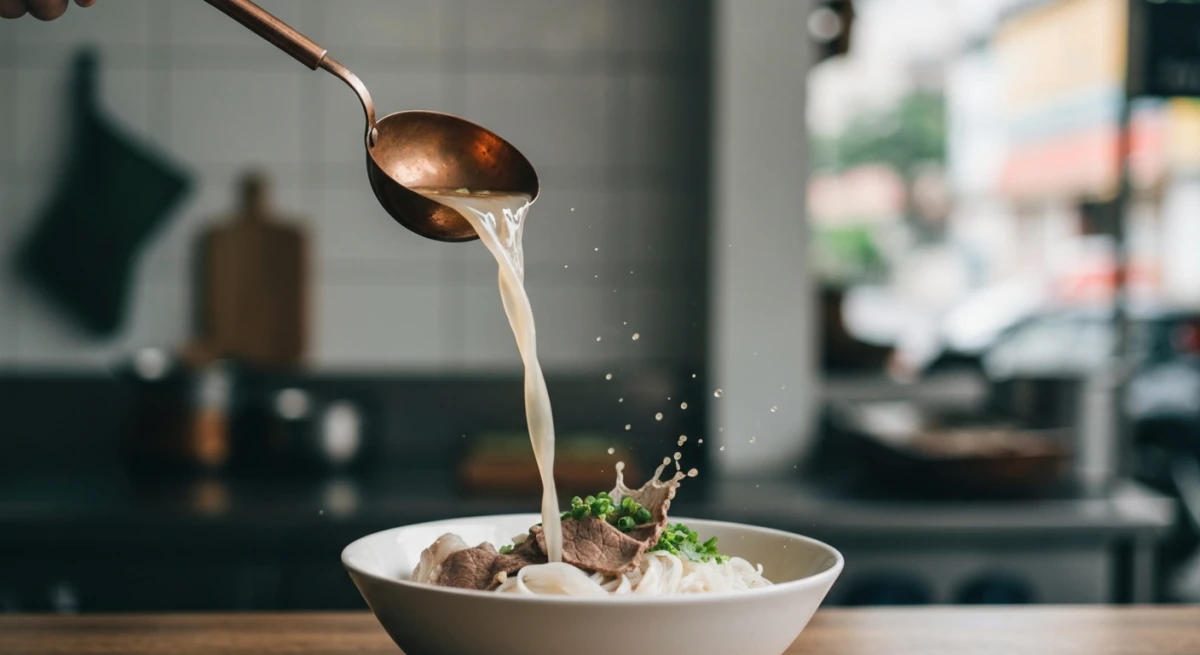
To truly understand Hanoi, you must eat your way through it. In a city where life unfolds on the busy sidewalks and motorbikes buzz past your elbow like a swarm of mechanical dragonflies, food is the true engine of daily life. Finding the best food in Hanoi is not merely about selecting a restaurant; it is a full-sensory immersion into a culinary tradition that has been perfected over centuries. From the delicate, steam-shrouded breakfast spots of the Old Quarter to the chic, Michelin-starred tasting rooms in Ba Dinh, the capital's gastronomic scene is a beautiful paradox of rustic heritage and modern innovation. Whether you are a first-time visitor or a seasoned culinary explorer, this comprehensive guide will walk you through the absolute must-eat dishes, the legendary street stalls, and the top-tier fine dining establishments that make Hanoi one of the world's premier food capitals. Let's dive into the flavors, the history, and the absolute best places to eat in this magnificent city.
The Sidewalk Symphony: Why Hanoi is a Food Lover's Paradise
There is a distinct magic to dining in Hanoi that cannot be replicated anywhere else in the world. Walk through the labyrinthine streets of the Old Quarter at any hour of the day, and you will be greeted by a symphony of sensory inputs: the rhythmic chopping of herbs, the sizzle of pork fat hitting hot charcoal, the rich aroma of simmering beef bones, and the joyful chatter of locals huddled together on tiny, low-to-the-ground plastic stools.
Sidewalk dining is not just a budget option here; it is the very fabric of Hanoian culture. Everyone, from business executives in sharp suits to students and grandmothers, pulls up a plastic stool to share the same communal table. This democratic approach to dining means that the barrier between the kitchen and the diner is entirely removed. You watch your food being prepared fresh right in front of your eyes, utilizing family recipes that have often been passed down through three or four generations. In Hanoi, the street is the dining room, and every meal is an event.
The Flavor Philosophy of the North: Elegant, Fresh, and Balanced
Unlike the bold, sugar-forward profile of Southern Vietnamese cuisine in Ho Chi Minh City or the fiery, chili-laden dishes of Central Vietnam in Hue, Northern culinary style—anchored by Hanoi—is defined by restraint, elegance, and balance. In Hanoi, food is treated as a delicate art form. The distinct four seasons of the North have shaped a seasonal palate that values the natural, clean flavors of high-quality ingredients over heavy-handed seasoning.
Traditional Hanoian cooking relies heavily on clean, savory broths, fresh local herbs, and subtle aromatics. Instead of piling on handfuls of fiery bird's eye chilies or sweet, thick hoisin sauce, Northern chefs favor black pepper, mild local chilies, garlic-infused vinegar, and fresh lime or kumquat juice to gently lift their dishes. Saltiness is achieved through high-quality fermented fish sauce (nước mắm) and dry-salted ingredients, while sweetness comes naturally from hours of simmering marrow bones or freshwater crustaceans. It is a philosophy of clean, complex purity—where every ingredient, from the translucent sheets of steamed rice batter to the charred ginger in a beef broth, has a specific, time-honored purpose to fulfill.
10 Iconic Street Food Dishes You Must Try in Hanoi
1. Phở Bỏ & Phở Gà (Traditional Beef & Chicken Noodle Soup)
No dish is more synonymous with Vietnam than Pho, and there is no better place to experience its authentic, unadulterated form than Hanoi. Unlike the Southern variation which is sweeter and loaded with a forest of raw bean sprouts and herbs, Northern Pho is a masterclass in minimalism. The star of the dish is the broth, simmered for upwards of twelve hours with beef bones, charred shallots, ginger, star anise, cinnamon, and black cardamom. It is clean, deeply savory, and served with flat, silky rice noodles, thin slices of tender beef (Phở Bỏ) or shredded, free-range chicken (Phở Gà), and topped with fresh green onions and cilantro.
- How to Eat It Like a Local: Take a sip of the bare broth first to appreciate the chef's hard work. Then, customize it gently. Add a spoonful of pickled garlic vinegar (giấm tỏi) and a couple of slices of fresh red chili. For the ultimate local experience, order a side of 'quẩy' (golden, crispy fried dough sticks). Dunk them into the hot broth until they become soft, spongy vessels of savory goodness. Never add sweet hoisin sauce, as this is considered a culinary faux pas in the North.
- Where to Try It:
- Phở Gia Truyền Bát Đàn (49 Bát Đàn, Hoàn Kiếm): A legendary institution where locals have queued since the mid-20th century. Come early in the morning, pay at the counter, and grab your own steaming bowl of 'Phở Tái Nạm' (half-cooked and well-done beef). Cost: ~60,000 VND ($2.50 USD).
- Phở Gà Nguyệt (5b Phủ Doãn, Hoàn Kiếm): A Michelin Bib Gourmand winner that specializes in chicken pho. Try their dry chicken noodles (Phở Gà Trộn), tossed in a sweet, savory soy glaze and topped with crunchy peanuts and fried shallots. Cost: ~55,000 - 85,000 VND ($2.30 - $3.60 USD).
2. Bún Chả (Charcoal-Grilled Pork with Rice Noodles)
If Pho is the king of Hanoi's breakfast, Bun Cha is the undisputed queen of lunch. The scent of sweet, smoky pork fat dripping onto hot charcoal embers rises from sidewalk grills all over the city around noon, drawing crowds of hungry office workers and travelers alike. The dish consists of charcoal-grilled pork patties and caramelized slices of pork belly submerged in a warm, light dipping sauce made from fish sauce, sugar, vinegar, and water, garnished with crunchy pickled green papaya and carrots. It is accompanied by a massive plate of cold rice vermicelli noodles (bún) and a basket of fresh perilla, lettuce, and coriander.
- How to Eat It Like a Local: Do not dump all your noodles into the soup bowl at once. Instead, grab a small portion of noodles with your chopsticks, submerge them into the warm broth alongside a piece of pork, add a few fresh herb leaves, and eat them together in one glorious, multi-textured bite. Add minced garlic and fresh chili to the dipping sauce to taste.
- Where to Try It:
- Bún Chả Hàng Quạt (Alley 74 Hàng Quạt, Hoàn Kiếm): Tucked deep inside a narrow, bustling alleyway, this stall serves what many locals consider the absolute best bun cha in Hanoi. The pork patties are incredibly juicy, packed with flavor, and perfectly charred. Cost: ~45,000 VND ($1.90 USD).
- Bún Chả Hương Liên (24 Lê Văn Hưu, Hai Bà Trưng): Famous worldwide as 'Obama Bun Cha,' this is where President Barack Obama and Anthony Bourdain famously shared a meal on blue plastic stools. Order the 'Combo Obama' for a complete experience including a cold beer and a crispy crab spring roll. Cost: ~90,000 VND ($3.80 USD) for the combo.
3. Chả Cá Lã Vọng (Sizzling Turmeric Fish with Dill)
Cha Ca is one of Hanoi's most unique and celebrated culinary inventions—so famous that an entire street in the Old Quarter was renamed after it (Phố Chả Cá). This interactive dish features firm, boneless chunks of freshwater fish (traditionally hemibagrus, or 'cá lăng') marinated in turmeric, galangal, ginger, and fermented rice. The fish is brought to your table in a sizzling cast-iron skillet filled with oil, where it is fried table-side with mountain-sized heaps of fresh dill and spring onions.
- How to Eat It Like a Local: Once the herbs have wilted in the hot oil, assemble your bowl. Place a nest of fresh rice vermicelli noodles at the bottom, top with a piece of turmeric fish, some fried dill and spring onions, and a sprinkle of roasted peanuts. Drizzle a small spoonful of 'mắm tôm'—a highly pungent, purple fermented shrimp paste that has been whipped with fresh lime juice, sugar, and chili until frothy. If the shrimp paste is too intimidating, you can request regular fish sauce (nước mắm), but mắm tôm is the key to unlocking the dish's true, complex flavor profile.
- Where to Try It:
- Chả Cá Thăng Long (21-31 Đường Thành, Hoàn Kiếm): A Michelin Bib Gourmand-recognized restaurant that offers a pristine, high-quality dining experience. The fish is incredibly tender, the herbs are fresh, and the staff will happily help you cook and assemble your bowl if you are a beginner. Cost: ~150,000 VND ($6.30 USD) per person.
4. Bánh Mì (The Vietnamese Baguette)
While Banh Mi can be found across the globe, Hanoi's version is distinct in its simplicity and focus on rich, savory textures. Instead of the massive, veggie-heavy baguettes of the South, a traditional Hanoian Banh Mi focuses on the quality of its crispy, feather-light bread and its rich, warm spread of liver pate. The classic sandwich contains a generous smear of pate, homemade mayonnaise, cold cuts, sweet barbecued pork, a light sprinkle of pickled cucumbers and carrots, and fresh cilantro, finished with a drizzle of spicy chili sauce.
- How to Eat It Like a Local: Eat it while it's hot! The beauty of a great Banh Mi lies in the sensory contrast between the warm, ultra-crispy crust of the bread and the cool, savory, creamy fillings inside.
- Where to Try It:
- Bánh Mì Lãn Ông (20 Lãn Ông, Hoàn Kiếm): A historic stall famous for its traditional Hanoian-style pate. The bread is perfectly toasted, and the pate is incredibly creamy, rich, and spiced with black pepper. Cost: ~30,000 - 40,000 VND ($1.25 - $1.70 USD).
- Bánh Mì 25 (25 Hàng Cá, Hoàn Kiếm): An incredibly popular spot for travelers that successfully balances authentic flavors with a clean, modern setup. They offer a wide variety of fillings, including fantastic vegetarian and vegan options like avocado, mushroom, and tofu. Cost: ~35,000 - 50,000 VND ($1.50 - $2.10 USD).
5. Bánh Cuốn (Steamed Rice Rolls)
Banh Cuon is a delicate, elegant breakfast dish that showcases incredible culinary skill. The chef pours fermented rice batter onto a tightly stretched fabric over a pot of boiling water, spreading it into a translucent, paper-thin sheet. Within seconds, the sheet is steamed, gently lifted off using a bamboo stick, filled with seasoned minced pork and finely chopped wood-ear mushrooms, and rolled up. It is served warm, topped with a generous mound of crispy, fragrant fried shallots.
- How to Eat It Like a Local: Dip each delicate roll into the accompanying bowl of warm, sweet fish dipping sauce (nước chấm). The sauce is typically garnished with fresh coriander and slices of savory 'chả quế' (cinnamon-infused pork sausage). For an ultra-traditional touch, ask the vendor to add a single drop of 'cà cuống'—the concentrated essence of a giant water bug—which gives the dipping sauce a unique, aromatic, pear-like fragrance.
- Where to Try It:
6. Bún Riêu Cua (Crab and Tomato Noodle Soup)
Bun Rieu is a rustic, soul-satisfying noodle soup that captures the agricultural heart of Northern Vietnam. The broth is a beautiful, bright red masterclass in balance, made from pounded freshwater field crabs and ripe tomatoes, giving it a natural, tangy sourness. A standard bowl is packed with springy rice vermicelli, spongy blocks of fried tofu that absorb the savory broth, a soft 'riêu cua' (crab paste and egg mixture), and a mountain of fresh water spinach and banana flower shavings. Many modern stalls allow you to add sliced beef, snails, or tender pork cartilage.
- How to Eat It Like a Local: Stir in a tiny dab of fermented shrimp paste to deepen the broth's umami profile. Squeeze in a fresh lime or kumquat, add a pinch of fresh chili, and stuff a generous handful of raw green herbs into the hot liquid, letting them wilt slightly before taking a big, slurping bite.
- Where to Try It:
- Bún Riêu Hàng Lược (32 Hàng Lược, Hoàn Kiếm): A busy sidewalk spot where you can enjoy your meal on a tiny stool as motorbikes zoom past. Their broth is incredibly rich, tangy, and authentic. Cost: ~45,000 - 60,000 VND ($1.90 - $2.50 USD).
7. Bún Bò Nam Bộ (Southern Beef Noodle Salad)
Despite its name translating to 'Southern-style beef noodles,' this dry noodle salad has found its spiritual home in Hanoi's Old Quarter. Unlike most Vietnamese noodle dishes that rely on steaming hot broth, Bun Bo Nam Bo is a refreshing, warm-temperature salad. It features a bed of soft rice vermicelli noodles topped with garlic-marinated beef that is stir-fried on high heat, fresh bean sprouts, lettuce, mint, and cilantro. The bowl is finished with crushed roasted peanuts, crispy fried shallots, and drizzled with a light, sweet, and tangy fish sauce dressing.
- How to Eat It Like a Local: Do not eat this dish in layers! Use your chopsticks to thoroughly toss and mix the ingredients from the bottom of the bowl, ensuring the sweet-and-sour fish sauce coats every noodle and the dry toppings are evenly distributed.
- Where to Try It:
- Bún Bò Nam Bộ Bách Phương (67 Hàng Điếu, Hoàn Kiếm): A clean, air-conditioned, and highly efficient restaurant that has perfected this dish over decades. The service is incredibly fast, and the combination of savory, garlic-kissed beef and crunchy peanuts is consistently perfect. Cost: ~75,000 VND ($3.15 USD).
8. Cà Phê Trứng (Hanoi Egg Coffee)
No trip to Hanoi is complete without trying Ca Phe Trung, a decadent dessert-like beverage born out of historical necessity. Invented in 1946 by Mr. Nguyen Giang, a bartender at the famous Metropole Hotel, egg coffee was created when fresh milk was scarce due to the war. Mr. Giang whipped creamy egg yolks with condensed milk and vanilla to create a velvety, custard-like foam, pouring it over a shot of strong, dark Vietnamese Robusta coffee.
- How to Eat It Like a Local: The coffee is usually served in a small bowl of hot water to keep it warm. Use a small spoon to eat the rich, velvety egg cream from the top first, appreciating its tiramisu-like sweetness. Then, gently swirl the dark, bitter coffee from the bottom into the cream to create a beautifully balanced, sweet, and bitter masterpiece.
- Where to Try It:
- Café Giảng (39 Nguyễn Hữu Huân, Hoàn Kiếm): The birthplace of egg coffee. Walk down a long, unremarkable alleyway to discover a hidden, multi-level café filled with low wooden chairs and a wonderfully nostalgic atmosphere. Cost: ~35,000 VND ($1.50 USD).
9. Xôi Xéo (Turmeric Sticky Rice with Mung Bean)
Xoi Xeo is the ultimate comfort breakfast for Hanoians on the go. It is a visually striking and deeply filling dish made from glutinous rice cooked with turmeric to give it a vibrant, golden-yellow hue. The warm rice is topped with thin shavings of a compact, savory cooked mung bean ball, a generous drizzle of hot liquid pork fat, and a mountain of crispy, golden-fried shallots. You can customize your bowl with additions like savory pork floss, Chinese sausage, or tender braised pork belly.
- How to Eat It Like a Local: Buy it from a street vendor who wraps it tightly in a fresh banana leaf. The leaf retains the heat and moisture, allowing the flavors to fuse together and imparting a subtle, rustic aroma to the sticky rice.
- Where to Try It:
- Xôi Mây (35 Lý Thường Kiệt, Hoàn Kiếm): A legendary sidewalk stall operated by a swift-moving vendor. Watch her shave the mung bean roll with incredible speed and precision. The queue is long but moves quickly. Cost: ~15,000 - 30,000 VND ($0.65 - $1.25 USD).
10. Bánh Tôm (Crispy West Lake Prawn Fritters)
Banh Tom is an iconic street snack that originated around the tranquil waters of Hanoi's West Lake (Hồ Tây). It consists of fresh, sweet freshwater prawns caught directly from the lake, fried whole (including shells, heads, and tails) on top of a crispy batter made of wheat flour, starch, and shredded sweet potatoes, seasoned with turmeric.
- How to Eat It Like a Local: Cut the hot, crunchy fritter into bite-sized pieces using scissors. Wrap a piece of the fritter inside a fresh lettuce leaf along with coriander and mint, and dip it into a sweet, sour, and mildly spicy dipping sauce filled with crunchy pickled slices of green papaya.
- Where to Try It:
- Nhà hàng Thanh Tâm (43 Phủ Tây Hồ, Tây Hồ): Located right near the historic Phủ Tây Hồ temple on the edge of West Lake. It is the perfect spot to enjoy a cold local beer and a plate of crispy, golden prawn fritters while watching the sunset over the water. Cost: ~60,000 VND ($2.50 USD).
From Plastic Stools to Michelin Stars: Hanoi's Fine Dining Revolution
In recent years, Hanoi's culinary landscape has undergone a thrilling evolution. While the city's heartbeat will always remain on its crowded sidewalks, the arrival and expansion of the Michelin Guide (with its updated editions through 2025 and 2026) has catapulted Hanoi's refined dining scene into the international spotlight. No longer viewed strictly as a budget backpacker destination, the capital now boasts a sophisticated fine dining sector that respects its culinary roots while embracing cutting-edge techniques.
These Michelin-starred establishments offer an exquisite bridge between traditional family recipes and high-concept gastronomy:
- Tầm Vị (1 Michelin Star | 4b Yên Thế, Ba Đình): Housed in a beautifully restored, antique wooden home inspired by traditional northern architecture, Tam Vi serves rustic, home-style Northern Vietnamese family meals. Step inside to escape the chaotic city noise and enjoy timeless dishes like slow-braised pork belly with eggs, crispy fried tofu in a fresh tomato glaze, and tangy sour fish soup. It is a culinary love letter to the comforting meals cooked by Vietnamese mothers for generations. Cost: ~300,000 - 600,000 VND ($12.50 - $25.00 USD) per person.
- Gia (1 Michelin Star | 61 Văn Miếu, Đống Đa): Located opposite the historic Temple of Literature, Gia is the brainchild of Head Chef Sam Tran. This elegant, minimalist restaurant offers a highly sophisticated, multi-course seasonal tasting menu that deconstructs traditional Vietnamese flavors and recreates them using modern, avant-garde culinary arts. Every dish tells a deeply personal story of Vietnamese culture, using hyper-local ingredients in ways you have never imagined. Cost: ~2,500,000+ VND ($105.00+ USD) per person.
- Hibana by Koki (1 Michelin Star | 11 Lê Phụng Hiểu, Hoàn Kiếm): Tucked inside the luxurious Capella Hanoi hotel, this intimate restaurant showcases the pinnacle of Japanese teppanyaki. Led by Chef Hiroshi Yamaguchi, Hibana by Koki reflects Hanoi's growing cosmopolitan nature, serving premium ingredients like A5 Miyazaki wagyu, abalone, and spiny lobster with absolute precision.
Additionally, the Michelin Bib Gourmand category has recognized dozens of local street food gems—including Pho Ga Nguyet and Cha Ca Thang Long—confirming that the absolute best food in Hanoi is defined by quality, technique, and flavor, regardless of whether it is served on a white tablecloth or a low-to-the-ground plastic stool.
Smart Eater's Guide: 5 Practical Tips for Eating in Hanoi
Navigating the chaotic and exhilarating food scene of Hanoi can be intimidating for first-timers. To help you dine like a seasoned local and get the absolute most out of your culinary adventure, keep these five practical tips in mind:
- Embrace the Tiny Plastic Stool Culture: The absolute best food in Hanoi is served on the sidewalks, cooked in tiny mobile kitchens, and eaten while perched on small blue or red plastic stools. Do not let the lack of formal indoor dining deter you. This is where the local community gathers, and it is the only way to experience the true soul of Hanoian street life.
- Look for Crowded, Specialized Stalls: The golden rule of street food safety is simple: follow the crowds. High foot traffic means a rapid turnover of ingredients, ensuring that the meat, noodles, and herbs are fresh and have not been sitting out. Additionally, look for stalls that specialize in just one or two dishes (e.g., only serving Bun Cha or only serving Pho). A family that has cooked the exact same dish for forty years is guaranteed to have perfected it.
- Sanitize Your Chopsticks: When you sit down at a street stall, you will find a container of chopsticks and spoons on the table. It is standard practice among locals to grab a dry tissue from the table dispenser and wipe down their utensils before eating. Squeezing a little fresh lime juice onto the tissue or directly onto the chopsticks acts as a natural, highly effective sanitizer.
- Keep Cash (VND) Handy: Almost all street food vendors, local cafes, and small family-run restaurants in Hanoi operate on a cash-only basis. They do not accept credit cards or international mobile payments. Always carry a small pouch filled with small-denomination Vietnamese Dong (VND) bills, such as 10,000, 20,000, and 50,000 VND. Larger bills (like 500,000 VND) can be difficult for small vendors to change.
- Hydrate with Local Specialties: Skip the standard canned sodas and pair your sidewalk meals with authentic local beverages. Try Trà Đá (iced green jasmine tea), which costs next to nothing and acts as a wonderfully refreshing, unsweetened palate cleanser. Alternatively, look for a vendor pressing Nước Mía (fresh sugarcane juice squeezed with tiny, fragrant calamansi kumquats over ice) for a sweet, energizing treat.
Frequently Asked Questions (FAQ)
Is street food in Hanoi safe for tourists? Yes, street food in Hanoi is generally very safe and highly hygienic, provided you use basic common sense. Always choose stalls that are busy with local families, which ensures that ingredients are exceptionally fresh and highly rotated. Stick to bottled water for drinking, and feel free to enjoy the ice ('đá') in popular local cafes and restaurants, as it is almost always made from purified factory-ice blocks.
How much does a typical meal cost in Hanoi? Hanoi is an incredibly budget-friendly destination. A steaming bowl of street-side Pho or a portion of Bun Cha will typically cost between 40,000 and 75,000 VND ($1.70 - $3.15 USD). A cup of egg coffee costs about 35,000 VND ($1.50 USD). Mid-range traditional restaurants cost around 150,000 to 300,000 VND ($6.30 - $12.50 USD) per person, while high-end Michelin-starred tasting menus start at 2,000,000 VND ($85.00 USD) and up.
What is the main difference between Pho in Hanoi and Pho in Saigon? The difference is a matter of intense pride. Northern (Hanoi) Pho is minimalist and focuses on the absolute purity and clarity of the bone broth, served with wider noodles, green onions, and no sweet herbs or raw bean sprouts. Southern (Saigon) Pho features a sweeter, darker broth seasoned heavily, thinner noodles, and is served with a mountain of fresh herbs, raw bean sprouts, lime, hoisin sauce, and chili paste, allowing the diner to completely transform the flavor profile.
Can vegetarians and vegans easily find food in Hanoi? Absolutely! While Vietnamese cuisine uses fish sauce extensively, Hanoi has a flourishing Buddhist vegetarian culture (called 'ăn chay'). Look for restaurants with 'Chay' in their name. Legendary street food spots like Bánh Mì 25 offer fully vegan baguettes made with marinated tofu and avocado, and there are world-class fine dining vegetarian restaurants like Ưu Đàm Chay (34 Hàng Bài) that serve breathtakingly creative plant-based traditional dishes.
Conclusion
From the very first sip of a piping hot Pho broth on a misty Hanoi morning to the rich, velvety finish of a historic egg coffee in a hidden courtyard, eating in Hanoi is an unforgettable journey. The city's culinary landscape is a testament to its rich history, resilient spirit, and unwavering dedication to flavor. By stepping out of your comfort zone, pulling up a tiny plastic stool on a buzzing sidewalk, and embracing the local dining rituals, you will unlock the true heart and soul of Vietnam's enchanting capital. Pack your appetite, keep your chopsticks ready, and prepare to experience the best food in Hanoi!