Introduction: The Sights, Sounds, and Flavors of Hanoi's Historic Heart
Stepping into the 36 streets of Hanoi's historic core is an immediate sensory overload. Motorbikes zip past in an orchestrated chaos, street vendors call out their daily wares, and the rich, complex aroma of simmering beef bones, charred pork, and fresh herbs hangs heavy in the humid air. If you are searching for the best food hanoi old quarter has to offer, you aren't just looking for a meal; you are embarking on a profound culinary pilgrimage.
Hanoi is widely considered the culinary capital of Vietnam. While Ho Chi Minh City in the south is known for its sweet, bold, and modern flavors, Hanoi remains fiercely traditional, prioritizing balance, subtlety, and centuries-old culinary heritage. In the Old Quarter, dining is a deeply communal, street-level experience. Here, the boundary between the sidewalk and the restaurant is virtually non-existent. You will sit on tiny blue and red plastic stools, elbow-to-elbow with locals, breathing in the steam from a giant broth pot that has been simmering for decades.
This comprehensive guide is designed to help you navigate this ancient culinary maze. Whether you are a first-time traveler trying to distinguish northern-style Pho from its southern counterpart, or a seasoned foodie looking for the most authentic chả cá alleyways, this is your ultimate handbook to finding the best food Hanoi Old Quarter has tucked inside its narrow streets.
The Holy Trinity of Hanoi Street Food: Pho, Bun Cha, and Banh Mi
To truly understand Northern Vietnamese cuisine, you must start with the three pillars that have captured the global culinary imagination. But forget what you think you know about these dishes from Western Vietnamese restaurants; in the Old Quarter, they are prepared with a level of purity, simplicity, and focus that is unmatched.
1. Phở (Traditional Beef and Chicken Noodle Soup)
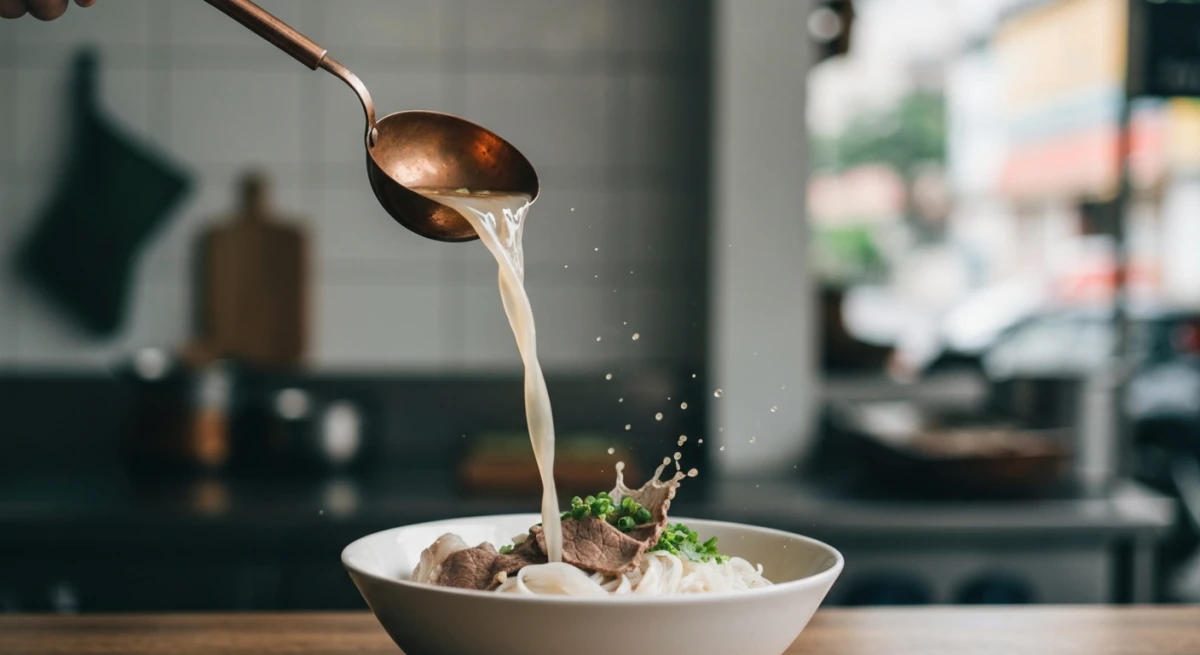
Phở is more than just a noodle soup in Hanoi; it is a cultural institution and a daily ritual. Unlike Southern-style pho, which is accompanied by a forest of herbs, sweet hoisin sauce, and bean sprouts, traditional Hanoian Pho (Phở Bắc) is minimalistic and elegant. The broth is clear, savory, and lightly aromatic with star anise, cinnamon, black cardamom, and charred ginger. The focus is entirely on the quality of the beef and the elasticity of the fresh, hand-cut rice noodles.
- How to Eat It Like a Hanoian: Order Phở Bò Chín (cooked beef) or Phở Bò Tái (rare beef). Squeeze a small lime wedge, add a couple of slices of fresh red chili, and grab a plate of quẩy (crispy fried dough sticks) to dip into the broth. Do not ask for hoisin sauce, or you will break the chef's heart.
- Where to Get the Best Pho in Hanoi Old Quarter:
- Phở Gia Truyền Bát Đàn (49 Bát Đàn Street): This is an old-school institution where you will almost certainly have to queue. The broth is incredibly rich and deeply savory, cooked over wood coals for hours.
- Phở 10 Lý Quốc Sư (10 Lý Quốc Sư Street): A highly popular, Michelin-recommended spot that serves clean, consistently outstanding beef pho in a slightly more modern setting.
2. Bún Chả (Charcoal-Grilled Pork with Vermicelli)
While Pho is Hanoi's national dish, Bún Chả is arguably the city's favorite lunch. Famously eaten by President Barack Obama and Anthony Bourdain in 2016, this dish consists of smoky, charcoal-grilled pork patties and caramelized pork belly swimming in a warm, sweet-and-sour dipping sauce. This sauce is accented with sliced green papaya, vinegar, garlic, and chili. It is served with a mountain of cold rice vermicelli noodles (bún) and a massive basket of fresh herbs like perilla, mint, and coriander.
- How to Eat It Like a Hanoian: Take a small bundle of vermicelli noodles, submerge them into your bowl of warm pork and dipping sauce, add a few fresh herbs, and eat everything in one harmonious bite.
- Where to Get the Best Bun Cha in Hanoi Old Quarter:
- Bun Cha Ta Hanoi (21 Nguyễn Hữu Huân Street): This Michelin-recommended restaurant spans multiple cozy floors and serves an exceptionally clean, well-balanced dipping sauce along with incredibly crispy spring rolls (nem rán).
- Bún Chả 41 Cửa Đông (41 Cửa Đông Street): For a more rustic, local feel, this street-side stall grills its pork over open charcoal right on the sidewalk. The smoky flavor of their pork patties is unrivaled.
3. Bánh Mì (The Vietnamese Baguette)
The French may have introduced the baguette to Vietnam, but Hanoi perfected it. In the Old Quarter, Bánh Mì is characterized by its light, airy crumb and ultra-crispy crust. Unlike the heavily stuffed versions of Ho Chi Minh City, Northern-style banh mi is understated, usually focusing on high-quality pork pâté, salted butter, cucumber, a sprinkle of coriander, and a simple drizzle of chili sauce.
- Where to Get the Best Banh Mi in Hanoi Old Quarter:
- Bánh Mì Mama (54 Lý Quốc Sư Street): A tiny, incredibly popular street-side stall where the pâté is rich, warm, and freshly spread onto hot, toasted baguettes.
- Bánh Mì 25 (25 Hàng Cá Street): What started as a tiny cart is now a major operation with a dedicated dining area. It is perfect for travelers, offering a variety of fillings (including vegetarian options, which are hard to find elsewhere).
Beyond the Classics: Elite Hanoi Specialties
Once you have mastered the basics, it is time to dig deeper. The Old Quarter is home to several highly specialized dishes that are native to Northern Vietnam and rarely executed well outside of Hanoi.
1. Chả Cá Lã Vọng (Turmeric Fish with Dill)
Chả Cá is so famous in Hanoi that an entire street in the Old Quarter—Phố Chả Cá—was named after it. The dish features fresh river fish marinated in turmeric, galangal, and fermented rice. The fish is fried tableside on a portable charcoal burner with massive piles of fresh dill, spring onions, and herbs.
- How to Eat It: Place some cold rice vermicelli noodles in your bowl, top with the sizzling turmeric fish and wilted green herbs, drizzle with a generous spoonful of savory oil from the pan, throw in some roasted peanuts, and season with a splash of mắm tôm (fermented purple shrimp paste). If the pungent smell of shrimp paste is too intimidating, you can opt for fish sauce, but mắm tôm is the authentic soul of the dish.
- Where to Try It:
- Chả Cá Lã Vọng (14 Chả Cá Street): This is the original shop that pioneered the dish over a century ago. The interior is atmospheric, historic, and highly rustic.
- Chả Cá Thăng Long (6B Đường Thành Street): Offering a cleaner, slightly more modern, and highly praised alternative, this Michelin-recommended spot serves phenomenally tender fish with immaculate service.
2. Bánh Cuốn (Steamed Rice Rolls)
Bánh Cuốn is a beloved Hanoian breakfast dish. It consists of thin, delicate sheets of fermented rice batter that are steamed over a stretched cloth on a boiling pot. Once cooked, the paper-thin sheet is filled with a savory mixture of minced pork and earthy wood-ear mushrooms, then rolled up. It is served topped with crispy fried shallots, slices of chả lụa (Vietnamese pork sausage), and a sweet-tangy dipping sauce.
- Where to Try It:
- Bánh Cuốn Gia Truyền Thanh Vân (14 Hàng Gà Street): Watch the chefs skillfully steam and roll the delicate batter right at the entrance. Be sure to order a side of lạp xưởng (sweet Chinese sausage) or ask for a drop of cà cuống (giant water bug essence) in your dipping sauce for a traditionally fragrant kick.
3. Bún Bò Nam Bộ (Dry Beef Noodle Salad)
Though its name translates to "Southern-style beef noodles," Bún Bò Nam Bộ has become a certified Hanoi staple. This is a "dry" noodle dish, meaning there is no hot broth. Instead, cold rice vermicelli is layered with tender stir-fried beef (cooked quickly with garlic and lemongrass), crunchy bean sprouts, fresh lettuce, herbs, pickled green papaya, roasted peanuts, and a mountain of crispy shallots. The entire bowl is brought together by a warm, sweet-and-savory fish sauce vinaigrette poured over the top.
- Where to Try It:
4. Bún Riêu Cua (Northern Crab Noodle Soup)
Bún Riêu is a vibrant, tangy noodle soup made with a tomato-infused broth and freshwater crab paste (crab brick/riêu cua). The northern version of this dish is spectacularly complex yet clean, balancing the sourness of tamarind or vinegar with the sweet richness of the crab. It is typically topped with fried tofu, green onions, and sometimes beef, snail, or pork knuckles, accompanied by shredded banana flower and split water spinach.
- Where to Try It:
- Bún Riêu Cua Hàng Bạc (11 Hàng Bạc Street): A highly local spot with a rich, tomatoey broth. You will sit on the pavement, watching the bustling street while enjoying a steaming bowl of absolute comfort.
5. Bánh Xèo & Bánh Gối (Sizzling Crepes and Pillow Pies)
For those craving something fried, crispy, and highly interactive, the combination of Bánh Xèo and Bánh Gối is unbeatable. Bánh Xèo is a crispy pancake made from rice flour, water, turmeric powder, and stuffed with pork, shrimp, and bean sprouts. Bánh Gối (named for its pillow-like shape) is a deep-fried pastry packed with minced pork, glass noodles, wood-ear mushrooms, and quail eggs.
- How to Eat It: Use a sheet of dry rice paper, place a piece of the crispy crepe or pillow pie inside, add fresh herbs (like mint, lettuce, and perilla), roll it up tightly, and dip it into the sweet-sour chili dipping sauce.
- Where to Try It:
- Cửa Hàng Bánh Gối Lý Quốc Sư (52 Lý Quốc Sư Street): Famous for deep-fried Vietnamese dumplings, this spot serves crispy, fresh pies and crepes that are perfect for a mid-afternoon snack.
Legendary Coffee and Sweet Street Treats
No food guide to Hanoi is complete without addressing the city's legendary café culture. Vietnam is the world's second-largest exporter of coffee, and Hanoi is the epicenter of creative coffee variations.
1. Cà Phê Trứng (Egg Coffee)
In the 1940s, during the French War, milk was extremely scarce in Hanoi. A creative bartender at the Sofitel Legend Metropole named Nguyen Van Giang decided to whisk egg yolks with sugar and condensed milk as a substitute. The result was a thick, velvety, custard-like foam poured over strong, dark Robusta coffee. Thus, Cà Phê Trứng was born.
- How to Eat/Drink It: It usually comes served in a small bowl of hot water to keep the coffee warm. Use a spoon to taste the sweet, creamy egg custard on top first, then gently stir it into the bitter black coffee below for a taste that resembles a liquid tiramisu.
- Where to Try It:
- Café Giảng (39 Nguyễn Hữu Huân Street): Founded by the inventor of egg coffee himself, this hidden, narrow alleyway café is the ultimate birthplace of the drink.
- Café Đinh (13 Đinh Tiên Hoàng Street): Run by Giang's daughter, this rustic, second-floor café overlooks Hoan Kiem Lake. It is drafty, loud, and incredibly charming, offering a slightly stronger, more rustic version of the drink.
2. Xôi Xéo (Turmeric Sticky Rice with Mung Bean and Shallots)
Xôi is Vietnamese sticky rice, and in Hanoi, Xôi Xéo is the ultimate comfort breakfast. It is made of steamed glutinous rice stained a beautiful yellow with turmeric, topped with shaved mung bean paste, crispy fried shallots, and a generous drizzle of liquid chicken fat. You can add toppings like braised pork belly (thịt kho), Vietnamese sausage (giò chả), or shredded chicken.
- Where to Try It:
- Xôi Yến (35B Nguyễn Hữu Huân Street): An iconic multi-story restaurant specializing in sticky rice. It is fast, filling, and perfect for fuel before a long day of walking.
3. Nộm Bò Khô (Dried Beef Salad)
For a refreshing yet highly savory mid-day treat, Nộm Bò Khô is a masterclass in texture. Finely shredded green papaya, carrots, and fresh herbs (mint, coriander) are topped with sweet-and-savory beef jerky, chewy beef lung, and roasted peanuts, dressed in a sweet-sour chili vinaigrette.
- Where to Try It:
- Nộm Bò Khô Long Vĩ Dung (23 Hồ Hoàn Kiếm Street): Conveniently located right on the corner near Hoan Kiem Lake, this is the most famous spot in the city to enjoy this crunchy, sweet-and-sour salad on the street side.
The Best Food Streets and Alleys in the Old Quarter
If you don't want to hunt down specific restaurants and instead want to wander and graze, there are several streets in the Old Quarter that function as open-air food courts.
1. Ngõ Đồng Xuân (Đồng Xuân Market Lane)
Tucked right next to the massive Dong Xuan Market, this narrow, busy alleyway is packed with food stalls from morning until late afternoon. It is one of the cheapest and most authentic places to eat in the city. You can find everything here from bún chả and bánh xèo (savory sizzling crepes) to chè (sweet dessert soup) and bún riêu (crab noodle soup).
2. Tống Duy Tân Street (The Dedicated Food Street)
Known as Hanoi's official food street, Tống Duy Tân is closed to most vehicle traffic and is lined with restaurants and cafés that stay open until late at night. It is particularly famous for cơm đảo gà tần (herbal chicken soup served with fried rice) and hotpot (lẩu). It is a fantastic spot for a late-night feast.
3. Tạ Hiện Street (Beer Street)
While Tạ Hiện is famous for its lively nightlife and cheap, fresh draft beer (Bia Hơi), it is also a fantastic place to grab street snacks. As the sun sets, the street is packed with small plastic stools where people enjoy grilled BBQ skewers, french fries, fried cheese sticks, and steamed clams while sipping cold beer.
A Practical Guide to Eating Street Food Safely
Eating street food in Vietnam is one of life's great pleasures, but it can be intimidating for first-timers. Use these simple, practical tips to ensure your culinary adventure is memorable for the right reasons:
- Follow the Crowds: Look for stalls that are packed with locals. High turnover means the ingredients are fresh, and the food hasn't been sitting out in the heat.
- Inspect the Setup: Choose stalls where the meat is cooked fresh to order, and the broth is kept at a roaring boil.
- Wipe Your Utensils: It is completely normal to grab a tissue from the table and wipe down your chopsticks and spoon before eating. Most tables will also have a bottle of hand sanitizer.
- Embrace the Condiments: Vietnamese tables are stocked with garlic vinegar, fresh chilies, limes, and chili sauce. Don't be afraid to use them to customize your dish—locals always do!
- Watch the Ice: In Hanoi's Old Quarter, the ice used in beverages is typically produced in commercial factories and is safe to consume. If you have a highly sensitive stomach, however, you can ask for drinks without ice (không đá).
Frequently Asked Questions (FAQ)
What is the absolute best food in Hanoi Old Quarter for first-timers?
For your very first meal, you cannot go wrong with Bun Cha or Pho. Bun Cha (grilled pork with noodles) is highly approachable, flavorful, and incredibly satisfying. If you prefer something comforting and warm, a hot bowl of Pho Bo (beef noodle soup) from Pho 10 Ly Quoc Su is the perfect introduction to Hanoi's culinary philosophy.
How much does street food cost in the Old Quarter?
Hanoi's street food is incredibly budget-friendly. A bowl of Pho or Bun Cha typically costs between 40,000 VND to 70,000 VND ($1.70 to $3.00 USD). A Banh Mi costs around 25,000 VND to 40,000 VND ($1.00 to $1.70 USD), while an Egg Coffee costs about 30,000 VND to 45,000 VND ($1.30 to $1.90 USD).
Is it safe to eat street food in Hanoi's Old Quarter?
Yes, street food in Hanoi is generally very safe. Because of high local competition and massive turnover, food is prepared fresh daily and rarely sits around. To be safe, stick to busy stalls, drink bottled water, and make sure meats are thoroughly cooked.
What is the difference between Northern and Southern Vietnamese food?
Northern Vietnamese food (Hanoi style) is subtle, balanced, and savory, relying heavily on black pepper, salt, and light fish sauce rather than heavy spices or sugar. Southern food (Saigon style) is much sweeter, spicier, and uses a vast array of fresh herbs, coconut milk, and chili.
Conclusion
Finding the best food hanoi old quarter has to offer is not about booking tables at expensive fine-dining establishments. The true culinary magic of Hanoi resides on the pavement—under low-slung awnings, amidst the roar of motorbikes, and on tiny plastic stools. By stepping out of your comfort zone, following the delicious smoke of charcoal grills, and embracing the chaotic charm of the street scene, you will discover why Hanoi is globally celebrated as a foodie paradise. Grab your chopsticks, pull up a stool, and let the culinary journey begin.