Welcome to Ho Chi Minh City (still affectionately called Saigon by locals), a dazzling, sensory-overloaded metropolis where the air is thick with the sweet aroma of charcoal-grilled pork, rich bone broths, and freshly roasted robusta coffee beans. For food lovers, Saigon is nothing short of paradise. It is a dynamic culinary melting pot where regional cuisines from all across Vietnam—from the rugged, delicate North to the fertile, vibrant Mekong Delta—collide, adapt, and evolve. If you are planning a trip to this energetic city, knowing the best food to try in ho chi minh is the key to unlocking its vibrant culture and rich history.
But navigating Saigon's culinary landscape can be intimidating for first-timers. With thousands of street-side stalls, low plastic stools cluttering the sidewalks, and motorbikes whizzing past your elbow, how do you know where to go, what to order, and how to eat it like a local? This comprehensive, expert-backed guide covers everything you need to know about the top dishes, historic street stalls, and essential dining customs to elevate your Saigon culinary adventure.
The Soul of Saigon Cuisine: Sweeter, Livelier, and Herb-Loaded
To appreciate the food of Ho Chi Minh City, you first must understand the Southern Vietnamese palate. Unlike Northern Vietnamese cuisine, which values subtle, delicate, and saltier flavor profiles, Southern cooking is unashamedly bold, sweet, and herb-forward. Thanks to the agricultural abundance of the surrounding Mekong Delta, southern chefs have access to an endless variety of fresh vegetables, tropical fruits, sugarcane, and coconut palms. Consequently, you will find that dishes in Saigon frequently incorporate sugar, rich coconut cream, and a vibrant spectrum of fresh, wild herbs.
Furthermore, Saigon's complex history as a global trading hub, French colonial center, and home to a massive Chinese diaspora has heavily influenced its culinary DNA. Here, French baguettes were hollowed out and stuffed with local ingredients to create the iconic bánh mì; Cambodian and Chinese noodle cultures merged to yield the comforting hủ tiếu; and Chinese pan-frying techniques gave rise to crispy, egg-topped street snacks.
Eating in Saigon is also highly social and deeply tied to the outdoors. To experience the true heartbeat of the city, you must step out of air-conditioned dining rooms and embrace the sidewalk dining culture. Sitting on a tiny plastic stool just inches from swirling traffic, chatting with friends over a shared plate of seafood, is where the city's culinary magic truly happens.
Iconic Mains: The Heavy Hitters of Ho Chi Minh City
No culinary journey through Saigon is complete without mastering the classics. These are the historic dishes that define the city's daily food rhythm and are absolutely essential for any visitor.
1. Phở (Southern Style)
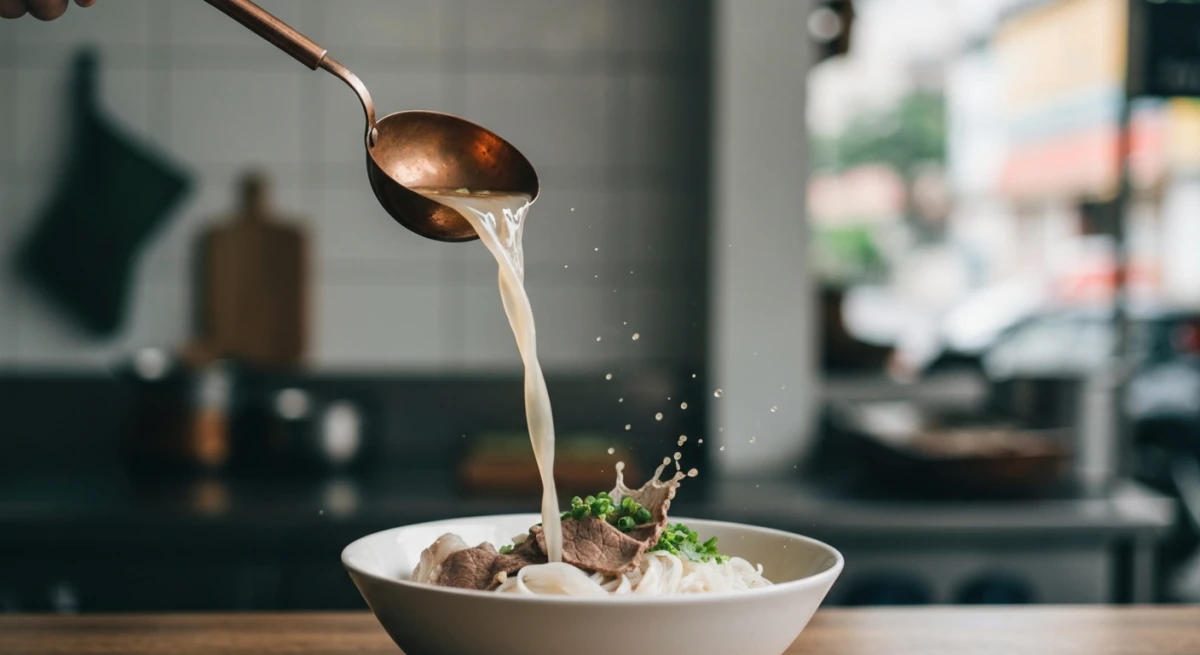
While phở originated in Northern Vietnam, Ho Chi Minh City has spent decades putting its own distinct spin on the national dish. Southern-style phở is immediately distinguishable by its broth, which is darker, sweeter, and more intensely spiced with cinnamon, cloves, coriander seeds, and star anise.
Crucially, a bowl of Southern phở is never served alone. It is always accompanied by a small mountain of fresh raw herbs—including Thai basil, culantro (sawtooth herb), rice paddy herb, and mint—along with a plate of blanched bean sprouts. Saigonese diners love to customize their bowls, adding a squeeze of fresh lime, a few slices of fiery bird's eye chili, a swirl of sweet hoisin sauce, and a dash of spicy chili sauce directly into the broth.
- Where to try: Phở Lệ
- Address: 415 Nguyen Trai, Ward 7, District 5, Ho Chi Minh City. Established in 1970, this legendary establishment is famous for its rich, sweet, and deeply flavorful beef broth. Order the 'phở đặc biệt' (special combination bowl) to enjoy a hearty mix of rare beef, tender flank, bouncy beef meatballs, and gelatinous tendon.
2. Bánh Mì
Bánh mì is the ultimate symbol of culinary fusion, combining French colonial ingredients like baguettes, pâté, and mayonnaise with vibrant Vietnamese elements. Saigonese bakers modified the French baguette by introducing rice flour into the dough, resulting in an incredibly airy, light crumb and a thin, shatteringly crisp crust.
A classic Saigon-style bánh mì is a masterclass in contrasting textures and rich flavors. Inside the crusty roll, vendors layer rich, savory pork liver pâté, creamy homemade mayonnaise, a variety of cold cuts (such as cured pork belly, headcheese, and Vietnamese ham), pickled daikon and carrots, fresh cucumber strips, sprigs of cilantro, and sliced red chilies, all finished with a savory splash of seasoning sauce.
- Where to try: Bánh Mì Huỳnh Hoa
- Address: 26 Le Thi Rieng, Pham Ngu Lao Ward, District 1, Ho Chi Minh City. Often called the most famous bánh mì shop in the city, Huỳnh Hoa serves a massive, heavy-duty sandwich packed with multiple layers of meats and an exceptionally rich, buttery pâté. It is easily large enough for two people. For a lighter, more traditional option, visit Bánh Mì Hồng Hoa (62 Nguyen Van Trang, District 1), which bakes its bread fresh on-site all day long.
3. Cơm Tấm (Broken Rice)
If phở is the pride of Hanoian cuisine, cơm tấm is the undisputed culinary king of Saigon. Historically, this was a humble dish eaten by poor farmers who utilized 'broken' rice grains—fractured pieces that were rejected during the milling process. Because the grains are broken, they cook up into a unique, fluffy, and slightly dry texture that beautifully absorbs savory sauces.
Today, cơm tấm is beloved by all social classes as a hearty breakfast or lunch. The classic plate features a bed of broken rice topped with 'sườn nướng' (a sweet-and-savory grilled pork chop marinated in lemongrass, garlic, and honey, then caramelized over glowing hot charcoal), 'chả trứng' (a savory steamed egg meatloaf made with minced pork, wood-ear mushrooms, and glass noodles), 'bì' (shredded pork skin coated in toasted rice powder), and topped with a generous spoonful of 'mỡ hành' (fragrant scallion oil). It is always served with sweet-and-sour pickled vegetables and a small bowl of sweet-savory chili-garlic fish sauce.
- Where to try: Cơm Tấm Ba Ghiền
- Address: 84 Dang Van Ngu, Ward 10, Phu Nhuan District, Ho Chi Minh City. This legendary street eatery, awarded a Michelin Bib Gourmand, is famous for serving a colossal, deeply marinated grilled pork chop that completely overflows the plate of rice.
Beyond the Classics: Uniquely Southern Noodle and Savory Delights
Once you have sampled the major staples, it is time to dive deeper into the local neighborhood favorites that show off the true complexity of Southern cooking.
Hủ Tiếu Nam Vang (Phnom Penh Noodle Soup)
Hủ tiếu is the quintessential noodle soup of Southern Vietnam, boasting a rich, multicultural history. Originating in Cambodia (Nam Vang is the Vietnamese name for Phnom Penh) and heavily influenced by Teochew Chinese immigrants, this dish was perfected in the streets of Saigon.
At its core, hủ tiếu features thin, chewy noodles made from tapioca starch, doused in a rich, sweet broth brewed from pork bones and dried squid. The bowl is packed with a delicious array of toppings: seasoned minced pork, sliced pork loin, succulent shrimp, quail eggs, and occasionally tender pork liver or heart. It is served in two distinct styles:
- Hủ Tiếu Nước (Wet Style): The noodles and toppings are served submerged in the piping-hot pork broth.
- Hủ Tiếu Khô (Dry Style): The chewy noodles are tossed in a savory, slightly sweet soy-and-oyster sauce blend in one bowl, while the hot, clear broth is served on the side. This is the preferred style of many locals, as it allows you to enjoy the unique bite of the noodles and customize them with garlic chili oil.
- Where to try: Hủ Tiếu Thanh Đạt
- Address: 34 Co Giang, Cau Ong Lanh, District 1, Ho Chi Minh City. Open 24 hours a day, this bustling spot is famous for its clean, intensely flavorful broth and exceptionally fresh ingredients.
Bún Thịt Nướng (Cold Rice Vermicelli with Grilled Pork)
For a refreshing, texturally dynamic meal that is perfect for Saigon's hot and humid tropical afternoons, nothing beats bún thịt nướng. This is a dry noodle dish served cold, making it incredibly light yet satisfying.
The bowl is built from the bottom up: a fresh bed of shredded lettuce, cucumber, bean sprouts, and aromatic Vietnamese herbs is topped with a mountain of cold rice vermicelli noodles. On top, the vendor piles smoky, charcoal-grilled pork, crispy deep-fried spring rolls (chả giò), crushed roasted peanuts, pickled carrots, and green scallion oil. To eat it, you pour a generous amount of sweetened, tangy fish sauce ('nước chấm') over the bowl and toss everything together like a salad.
- Where to try: Bún Thịt Nướng Nguyễn Trung Trực
- Address: 120 Nguyen Trung Truc, Ben Thanh Ward, District 1, Ho Chi Minh City. Located right in the heart of downtown, the aroma of caramelized grilled pork wafting from this stall's street-side charcoal grill draws massive lunchtime crowds daily.
Bánh Xèo (Sizzling Savory Crepe)
Bánh xèo translates to 'sizzling cake,' named after the loud hiss the rice batter makes when poured onto a roaring-hot, oiled skillet. While you can find small, thick versions of this crepe in Central Vietnam, the Southern-style bánh xèo is a massive, paper-thin, and intensely crispy masterpiece.
The batter is made of rice flour, water, and turmeric powder (which gives it its signature bright yellow color), enriched with rich coconut milk. It is pan-fried to a golden crisp and stuffed with pork belly, sweet shrimp, mung beans, and a handful of fresh bean sprouts.
How to eat it like an expert: Do not use chopsticks to eat the crepe directly! Instead, tear off a piece of the crispy crepe with your hands, place it inside a large mustard leaf or lettuce leaf, add a selection of fresh herbs (such as mint, Thai basil, and perilla), roll it up tightly like a spring roll, and dip it into a sweet-and-sour fish sauce.
- Where to try: Bánh Xèo 46A
- Address: 46A Dinh Cong Trang, Tan Dinh Ward, District 1, Ho Chi Minh City. Situated in a charming alleyway near the iconic Pink Church (Tan Dinh), this historic open-air eatery has been frying up crispy, wood-fired crepes for generations.
The Nightly Rituals: Snails, Sizzling Platters, and Street Snacks
When the sun goes down, Saigon truly comes alive. The local youth head out for 'ăn vặt' (street side snacking) and 'ăn ốc' (eating snails), turning dining into an energetic, highly social night-long affair.
1. The Art of 'Ăn Ốc' (Eating Snails)
You cannot claim to have experienced Saigon's culinary culture until you spend an evening at an 'ốc' (snail) restaurant. In Vietnam, eating snails is a beloved social pastime. Groups of friends gather on low plastic stools on the sidewalk, order a dozen different plates of shellfish, and wash them down with ice-cold local beers.
The sheer variety of shellfish on offer is dizzying: mud creepers, sweet snails, blood cockles, scallops, clams, and even crab claws. The real magic, however, lies in the sauces. The shellfish are prepared in an array of decadent styles: stir-fried in rich garlic butter, simmered in sweet-and-sour tamarind sauce, cooked with lemongrass and chili, or coated in a luxurious, creamy salted egg yolk sauce. Be sure to order a warm loaf of plain bánh mì to mop up every drop of the leftover sauces.
- Where to try: Ốc Đào
- Address: 212B/C12 Nguyen Trai, Nguyen Cu Trinh Ward, District 1, Ho Chi Minh City. This is a hidden alleyway gem loved by locals for its fresh shellfish and incredible sauces. Alternatively, head to Vĩnh Khánh Street in District 4, which transforms into a smoky, neon-lit street food paradise lined with dozens of lively snail stalls.
2. Bò Né (Sizzling Beef Steak)
If you are looking for a heavy, satisfying, and deeply comforting local meal, bò né is the answer. Translated literally as 'avoiding beef'—a reference to how diners must lean back to avoid the splattering hot oil when the dish is served—this is the Vietnamese equivalent of steak and eggs.
It consists of marinated beef steak, a fried egg, a rich dollop of creamy pork liver pâté, and a wedge of laughing cow cheese sizzling on a cow-shaped cast-iron platter. It is served with a warm, crusty baguette. To eat, you break open the runny egg yolk, mix it with the melted cheese and pâté, and tear off pieces of bread to scoop up the rich, savory mixture.
- Where to try: Bò Né Lệ Hồng
- Address: 289/4 Nguyen Thien Thuat, Ward 1, District 3, Ho Chi Minh City. Tucked deep inside a bustling residential alleyway in District 3, this legendary joint serves incredibly tender, flavorful beef steak in a lively, atmospheric local setting.
3. Bánh Tráng Trộn (Shredded Rice Paper Salad)
Bánh tráng trộn is Saigon's ultimate street snack, beloved by high school students and office workers alike. It is a brilliant example of culinary resourcefulness. Leftover scraps of dry rice paper are cut into thin strips and tossed in a plastic bag with shredded green mango, hard-boiled quail eggs, beef jerky, dried shrimp, fresh laksa leaves (rau răm), crispy fried shallots, a squeeze of fresh kumquat juice, and a splash of spicy chili oil.
The rice paper absorbs the liquid, becoming chewy and incredibly flavorful. The result is an addictive blend of sweet, salty, sour, spicy, and herbal notes. You will find vendors selling this snack from small carts on almost every street corner, particularly around parks and schools.
Sweet Finishes and Liquid Gold: Dessert & Drinks in Saigon
No meal in Ho Chi Minh City is complete without sampling the local drinks and desserts, which are perfectly engineered to combat the city's year-round tropical heat.
Cà Phê Sữa Đá (Vietnamese Iced Coffee)
Saigon runs on cà phê sữa đá. This iconic beverage is made from dark-roasted, intensely bitter robusta beans slowly brewed through a traditional metal drip filter ('phin') directly over a thick layer of sweet condensed milk. Once the brew is complete, the mixture is stirred vigorously and poured into a tall glass packed with crushed ice. It is a thick, syrupy, sweet, and incredibly potent beverage that provides an instant caffeine rush.
For a truly local experience, try 'cà phê bệt' (sidewalk coffee) near the Notre Dame Cathedral, where you sit on cardboard or newspapers on the ground and enjoy your brew. Alternatively, visit Ca Phe Vy (277 Le Thanh Ton, District 1) to sit on low stools facing the street and watch the city buzz past.
Chè (Traditional Sweet Soup)
When you need to cool down your palate after a spicy meal, look for a chè stall. Chè is a catch-all term for any traditional sweet soup, pudding, or beverage. These desserts are typically layered with ingredients like sweetened mung beans, red beans, grass jelly, tapioca pearls, lotus seeds, water chestnut, and finished with rich, warm coconut milk and crushed ice.
Try 'chè thái' (a vibrant, sweet mix of tropical fruits like jackfruit, longan, and durian swimming in sweetened coconut milk) or 'chè trôi nước' (warm glutinous rice balls stuffed with sweet mung bean paste, served in a warm, fragrant ginger syrup).
- Where to try: Chè Mỹ
- Address: 119 Nguyen Tri Phuong, District 5, Ho Chi Minh City. This bustling dessert shop in Saigon's Chinatown is the absolute epicenter for dessert lovers.
Practical Foodie Survival Guide: Essential Tips for Dining in Saigon
To ensure your culinary journey is safe, comfortable, and deeply rewarding, keep these practical tips in mind:
- Follow the Crowds: The golden rule of street food safety is high turnover. If a street stall is packed with local families and young people, it means the ingredients are exceptionally fresh and do not sit around. Avoid stalls that are completely empty.
- The Chopstick Hygiene Ritual: When you sit down at any local eatery, you will usually find a small container of lime wedges and a box of tissues on the table. Take a tissue, squeeze a few drops of lime juice onto it, and use it to wipe down your chopsticks and spoon before eating. It is a common local habit that ensures your utensils are clean.
- Is the Ice Safe? Yes, the ice in Ho Chi Minh City is generally very safe. Commercial ice factories supply the city's restaurants and street stalls with machine-made 'tube ice' (recognizable by its cylindrical shape and hollow middle), which is made from purified water. Avoid crushed block ice, but feel free to enjoy iced tea ('trà đá') and coffee with tube ice.
- Venture Out of District 1: While District 1 is the tourist hub and has fantastic options, some of the most authentic, affordable, and spectacular culinary gems are hidden in the labyrinthine alleyways of District 3, the street food capital of District 4, and the historic Chinese-Vietnamese neighborhood of District 5 (Cholon). Hop on a Grab bike to explore these culinary goldmines.
Frequently Asked Questions
Is street food safe to eat in Ho Chi Minh City? Yes, street food in Saigon is exceptionally safe and highly hygienic compared to many other cities in Southeast Asia. Because most vendors specialize in cooking only one or two dishes, they source fresh ingredients daily and go through them rapidly. Just look for stalls with high local foot traffic and steaming-hot broths.
How much does a typical street food meal cost in Saigon? Saigon is incredibly affordable for food lovers. A hearty bowl of phở, bún thịt nướng, or hủ tiếu typically costs between 40,000 and 75,000 VND ($1.60 to $3.00 USD). A classic street-side bánh mì ranges from 20,000 to 60,000 VND ($0.80 to $2.40 USD).
What are the best vegetarian food options in Ho Chi Minh City? Thanks to Vietnam's strong Buddhist heritage, vegetarian food (known as 'món chay') is widely available and incredibly delicious. Look for signs that say 'Quán Chay' or 'Cơm Chay' to enjoy plant-based versions of classic dishes, which often utilize fresh tofu, mushrooms, and creative mock meats.
What makes Southern Vietnamese food different from Northern style? Southern cuisine is characterized by bolder, sweeter, and more vibrant flavors, frequently using sugar, coconut cream, fresh chilies, and an abundance of fresh, raw herbs. Northern cuisine, on the other hand, is older and focuses on subtle, clean, and savory flavors with less sweetness and minimal spice.
Conclusion
From the early morning steam of a rich bowl of phở to the late-night clatter of snail shells and cold beers on a bustling sidewalk, eating in Ho Chi Minh City is a journey of endless discovery. The city's food scene is not just about physical sustenance; it is a vibrant social ritual that brings communities together. Pack your adventurous spirit, bring an open mind, pull up a tiny plastic stool, and prepare to fall in love with one of the world's absolute greatest food capitals.