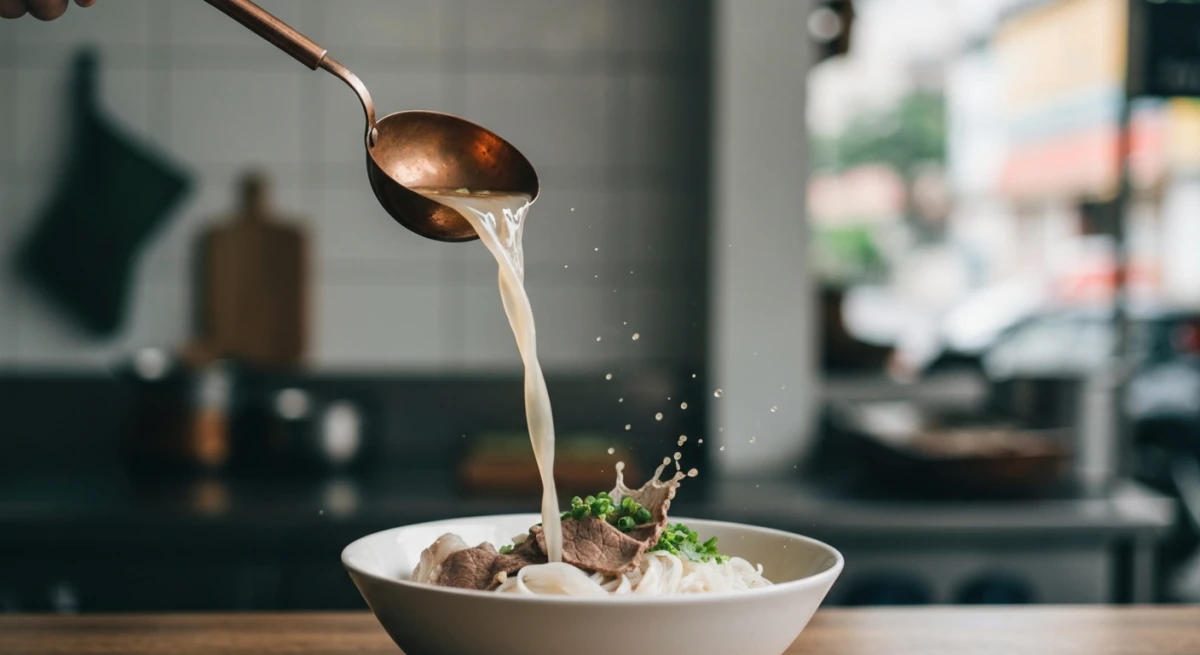
As the sun sets over the golden sands of My Khe Beach and the neon lights of the Dragon Bridge flicker to life, the coastal city of Da Nang transforms into a sprawling, open-air kitchen. For hungry travelers, booking or planning a da nang street food tour is the ultimate way to dive into the soul of Central Vietnam. Unlike the sweeter palates of Saigon or the delicate, subtle flavors of Hanoi, Da Nang’s food scene is defined by bold seasonings, intensely savory dipping sauces, and incredibly fresh seafood. Whether you are looking to book a guided motorcycle adventure or design your own DIY walking itinerary, this ultimate food guide will lead you straight to the absolute best local bites the city has to offer.
1. Central Vietnamese Cuisine: Why Da Nang's Food Scene is Unique
To understand why a da nang street food tour is so special, you have to look at the unique culinary geography of Central Vietnam. Located roughly halfway between Hanoi in the north and Ho Chi Minh City in the south, Da Nang serves as a brilliant cultural melting pot. However, rather than simply copying its neighbors, Da Nang has fused regional influences into a distinct food identity that is intensely bold, deeply savory, and unapologetically rustic.
While Northern Vietnamese cuisine leans toward clean, subtle broths and minimal spices, and Southern food embraces coconut cream and sweet flavor profiles, Central Vietnamese food is an explosion of heat, texture, and fermentation. Here, dishes are characterized by three core pillars:
- Pungent Fermented Sauces: From the fiery anchovy kick of mắm nêm to the earthy depth of mắm ruốc (shrimp paste), Da Nang cuisine relies on fermented seafood to build an irreplaceable umami foundation.
- Herbaceous Complexity: Every street food table in Da Nang is blanketed with a jungle of fresh greens—baby mustard greens, banana blossoms, wild mint, and Vietnamese coriander (rau răm). These aren't garnishes; they are structural components of the meal.
- Textural Contrast: Crispy sesame rice crackers (bánh tráng) are crumbled into soft noodles; crunchy peanuts top gelatinous rice cakes; sizzling, crispy crepes are wrapped inside soft, pliable rice paper sheets.
Because Da Nang is a coastal hub, the seafood is pulled straight from the East Sea and cooked hours later. Combined with the historic recipes of the nearby Imperial City of Hue and the rustic farm-to-table traditions of Quang Nam province, the local food scene is an endless treasure hunt for adventurous foodies.
2. The 6 Non-Negotiable Dishes of Da Nang (And Where to Find Them)
If you are going to embark on a da nang street food tour, you cannot leave the city without trying these six iconic delicacies. While you can find these dishes in many tourist-facing restaurants, the magic truly happens at the humble, single-item street stalls where families have spent decades perfecting a single recipe.
1. Mì Quảng (Quang-Style Noodles)
Mì Quảng is the undisputed king of Da Nang’s culinary landscape. Originating in the neighboring Quang Nam province, this dish defies easy classification. It is not a soup, nor is it a dry noodle dish. Instead, wide, flat rice noodles (often colored a vibrant yellow with turmeric) are nested in a bowl with a very small amount of intensely concentrated, aromatic broth made from simmering pork bone, chicken, or duck.
- The Flavor Profile: Rich, savory, and nutty. The broth coats the noodles like a sauce rather than submerging them.
- How to Eat It Like a Local: Do not start eating immediately! First, grab a handful of fresh herbs and baby mustard greens and press them into the bowl. Squeeze a fresh lime wedge, throw in a couple of pickled green chilies, and crumble a piece of toasted sesame rice cracker (bánh tráng nướng) over the top. Toss the entire mixture thoroughly. Every bite should contain soft noodles, crunchy peanuts, crispy crackers, and fresh herbs.
- Where to Go:
- Mỳ Quảng Bà Mua: 95A Nguyen Tri Phuong, Hai Chau District. (A beloved local institution with a rich, traditional broth recipe).
- Mỳ Quảng Cô Sáu: 372 Hung Vuong, Hai Chau District. (Highly rated by locals for its incredibly tender chicken and mixed pork-shrimp options).
2. Bánh Xèo & Nem Lụi (Sizzling Savory Pancakes & Lemongrass Pork Skewers)
Unlike the massive, sweet Bánh Xèo found in Southern Vietnam, the Central version is small, thick, and cooked in individual cast-iron pans to achieve a shattering, ultra-crispy crust. Made from rice flour, coconut milk, and turmeric, these pancakes are filled with fresh river shrimp, thinly sliced pork belly, and crisp bean sprouts. They are almost always paired with Nem Lụi—savory, charcoal-grilled minced pork skewers wrapped around lemongrass stalks.
- The Flavor Profile: Crispy, smoky, and decadent, balanced by the freshness of raw vegetables. The magic, however, lies in the dipping sauce: a thick, warm, savory gravy made from ground pork liver, peanuts, and toasted sesame seeds.
- How to Eat It Like a Local: Lay a dry sheet of rice paper flat on your hand. Place a leaf of mustard green and wild lettuce across it. Tear off a strip of the hot Bánh Xèo (and, if you ordered them, slide a Nem Lụi off its lemongrass spear and place it in the center). Roll the entire assembly into a tight cylinder, dip it generously into the warm liver-peanut sauce, and take a big bite.
- Where to Go:
- Bánh Xèo Bà Dưỡng: 280/23 Hoang Dieu, Hai Chau District. (Tucked at the very end of a narrow, winding alley, this is the most famous Bánh Xèo spot in Central Vietnam. Ignore the copycat restaurants along the alleyway and head straight to the back where the smoke is thickest).
- Bánh Xèo Tôm Nhảy Năm Hiền: 46 Phan Thanh, Thanh Khe District. (Known for their "jumping shrimp" pancake, where ultra-fresh shrimp are cooked alive in the batter to preserve their sweet crunch).
3. Bún Chả Cá (Fish Cake Noodle Soup)
With a massive coastline, Da Nang naturally excels at seafood soups, and Bún Chả Cá is the absolute highlight. The broth is a culinary masterpiece, slow-cooked for hours using fresh fish bones, tomatoes, pineapple, cabbage, and sweet pumpkin. This results in a naturally sweet, slightly tangy broth that is completely free of any fishy odor. The soup is topped with thick slices of steamed and fried fish cakes (chả cá) made from mackerel, lizardfish, and local herbs.
- The Flavor Profile: Light, sweet, tangy, and deeply comforting, with a clean herbaceous finish.
- How to Eat It Like a Local: Elevate the soup by adding a spoonful of homemade red chili paste, minced garlic, and a tiny dollop of fermented purple shrimp paste (mắm ruốc) available at the table. Stir in some fresh dill, scallions, and basil.
- Where to Go:
- Bún Chả Cá Hờn: 113/3 Nguyen Chi Thanh, Hai Chau District. (This legendary spot is famous for its sweet pumpkin-infused broth and incredibly springy, savory fish cakes).
- Bún Chả Cá Nguyễn Chí Thanh: 109 Nguyen Chi Thanh, Hai Chau District. (One of the oldest shops in the city, operating for over 40 years).
4. Bánh Tráng Cuốn Thịt Heo (Pork Wrap with Rice Paper)
This dish is a testament to the Vietnamese philosophy of freshness and balance. It is a deceptively simple plate of sliced pork belly served alongside a platter of raw vegetables, dry rice paper, and wet rice noodle sheets. However, what elevates this dish to legendary status is the pork itself—carefully boiled so that both ends of the slice feature a thin strip of soft, translucent fat and skin—and the pungent dipping sauce.
- The Flavor Profile: Highly complex. The mild, rich pork and refreshing herbs are jolted to life by mắm nêm—a thick, fermented anchovy sauce mixed with crushed pineapple, lime, garlic, and hot chilies.
- How to Eat It Like a Local: Place a dry sheet of rice paper on your palm. Overlay a thin, wet sheet of fresh rice noodle (which helps bind the ingredients). Lay down a selection of herbs, cucumber slices, and green banana. Place a slice of pork belly in the middle, roll it up, and dip it into the fiery mắm nêm.
- Where to Go:
- Quán Trần: 4 Le Duan, Hai Chau District. (A highly polished, clean restaurant that serves premium cuts of pork and pristine organic herbs. Perfect for first-timers who might be intimidated by street hygiene).
- Quán Mậu: 35 Do Thuc Tinh, Cam Le District. (A rustic, local-frequent spot that serves incredibly flavorful pork and a highly authentic, punchy mắm nêm).
5. Bánh Bèo, Bánh Nậm, Bánh Bột Lọc (Central Vietnamese Steamed Rice Cakes)
These three delicate rice-based creations are the ultimate afternoon snacks in Da Nang. Bánh Bèo are small, disc-like steamed rice cakes served in individual ceramic saucers, topped with minced shrimp, scallion oil, and crispy fried pork rinds. Bánh Nậm are flat rice flour cakes spread on banana leaves, topped with seasoned minced pork and wood ear mushrooms, then steamed. Bánh Bột Lọc are translucent, chewy tapioca dumplings filled with a whole caramelized shrimp and a slice of pork belly.
- The Flavor Profile: Savory, delicate, and highly textural, ranging from the silky smoothness of Bánh Bèo to the gummy, satisfying chew of Bánh Bột Lọc.
- How to Eat It Like a Local: Pour a few spoonfuls of the sweet-and-spicy amber fish sauce directly over the cakes. Use a spoon to scrape the Bánh Bèo out of its saucer, or peel back the banana leaves of the Bánh Nậm and eat them directly off the leaf.
- Where to Go:
- Quán Tâm: 291 Nguyen Chi Thanh, Hai Chau District. (A tiny, cozy family eatery that has been steaming these delicacies fresh daily for generations. Go around 3:00 PM to 4:00 PM when everything is fresh out of the steamers).
6. Kem Bơ (Avocado Ice Cream)
To wrap up a hot day of eating, there is no better dessert in Da Nang than Kem Bơ. This isn't your average western ice cream. It is a thick, buttery base of freshly pureed local avocado, topped with a scoop of homemade coconut ice cream, a drizzle of condensed milk, and a generous handful of toasted coconut flakes and crushed peanuts.
- The Flavor Profile: Rich, velvety, sweet, and nutty, with a satisfying crunch from the dried coconut flakes.
- How to Eat It Like a Local: Use your spoon to fold the sweet coconut ice cream directly into the rich avocado paste, creating a beautifully balanced, creamy swirl of green and white.
- Where to Go:
- Kem Bơ Cô Vân (Inside Bac My An Market): My An Ward, Ngu Hanh Son District. (The undisputed birthplace of modern Kem Bơ popularity. The stall is always packed with students and locals digging into cups of green goodness).
3. The Ultimate DIY Da Nang Street Food Tour Itinerary (Step-by-Step)
If you prefer to explore Da Nang’s culinary scene on your own terms rather than booking a guided group tour, this step-by-step evening itinerary is designed for you. It covers a logical geographic route that takes you from the bustling city center, across the iconic Han River, and finishes near the beach.
- Transportation: We recommend downloading the "Grab app" on your phone to easily book cheap motorbike taxis or car rides between stops, as walking the entire distance can be exhausting due to the heat.
Stop 1: 4:00 PM – The Warm-Up at Quán Tâm
Start your food journey in the late afternoon when the heat begins to break. Head to Quán Tâm (291 Nguyen Chi Thanh) to try the delicate steamed rice cakes. Ordering a tray of 10 Bánh Bèo and a few banana-leaf-wrapped Bánh Nậm is the perfect, lightweight way to prime your stomach for the heavier dishes ahead.
Stop 2: 5:00 PM – The Smoky Alley of Bánh Xèo Bà Dưỡng
From Quán Tâm, take a short 5-minute walk or Grab ride to 280 Hoang Dieu. Turn down the narrow alleyway and follow your nose. Sit down at Bánh Xèo Bà Dưỡng and order "Một phần bánh xèo" (one portion of crispy crepes) and "năm cây nem lụi" (five lemongrass pork skewers). Watch the kitchen staff cook dozens of crepes simultaneously over roaring coals. Take your time wrapping and dipping—this is a highly tactile, interactive meal.
Stop 3: 6:30 PM – The Main Event at Mỳ Quảng Bà Mua
Now that you have mastered the art of wrapping, head over to Mỳ Quảng Bà Mua (95A Nguyen Tri Phuong). Order a classic bowl of "Mì Quảng tôm thịt" (pork and shrimp) or, if you are feeling adventurous, the local favorite "Mì Quảng ếch" (with tender, lemongrass-braised frog meat served in a separate clay pot). The fresh herbs and bright lime juice will refresh your palate.
Stop 4: 8:00 PM – Sweet Bliss at Bac My An Market
Cross the famous Dragon Bridge over to the beach side of the city. Head into the vibrant Bac My An Market and locate the famous Kem Bơ Cô Vân stall. Order "Một ly kem bơ" (one cup of avocado ice cream) to cool down. The bustling market atmosphere provides the perfect backdrop for people-watching as the locals wind down their day.
Stop 5: 9:00 PM – Han River Breeze & Night Market Crafts
Finish your night with a leisurely stroll. If it is a Saturday or Sunday, make your way to the eastern head of the Dragon Bridge by 9:00 PM to watch the legendary show where the massive steel dragon breathes real fire and water. Afterward, wander into the adjacent Son Tra Night Market or Helio Night Market. Grab a cold local Larue beer, pull up a plastic stool, and soak in the vibrant coastal energy.
4. Guided Tour vs. DIY: Choosing Your Culinary Adventure
When planning a culinary trip to Central Vietnam, travelers often wonder: should I book a professional da nang street food tour or simply explore on my own? Both options offer unique advantages, and your decision should depend on your budget, comfort level, and travel style.
Booking a Guided Da Nang Street Food Tour
For most travelers, especially first-time visitors to Vietnam, a guided tour is highly recommended. These tours are typically conducted on the back of motorbikes driven by friendly, local student guides who navigate the chaotic city traffic with ease.
- Pros:
- Unrivaled Access: Local guides know the secret, nameless alleyway stalls that don't appear on Google Maps or English travel blogs.
- Language & Customization: They can translate complex dietary requirements, customize dishes to your spice tolerance, and explain the deep historical and cultural context behind each bite.
- Traffic Peace of Mind: Riding on the back of a motorbike with an experienced local driver is an exhilarating, safe way to experience Da Nang's vibrant street culture without the stress of driving yourself.
- Hygiene Vetting: Tour operators strictly vet their street food partners to ensure ingredients are exceptionally fresh and prepared under hygienic conditions.
- Cons: More expensive than doing it yourself (usually costing between $30 and $55 USD per person, which includes all food, drinks, transport, and guiding services).
Designing a DIY Food Tour
If you are a seasoned backpacker, traveling on a tight budget, or simply prefer to move at your own pace, a self-guided DIY tour is highly rewarding.
- Pros:
- Unbeatable Cost: Street food in Da Nang is incredibly cheap. A bowl of Mì Quảng or Bún Chả Cá costs between 30,000 and 50,000 VND ($1.25 to $2.10 USD). You can easily feast like a king for under $10 USD total.
- Total Flexibility: You can spend as much time as you want at a single stall, skip dishes you aren't interested in, and take detours to explore coffee shops or scenic lookouts.
- Cons: Navigating Da Nang's chaotic traffic on a rented scooter can be highly intimidating, and communicating dietary restrictions (such as peanut or seafood allergies) to street vendors with zero English can be challenging.
5. Street Food Survival Guide: Safety, Etiquette, and Pro Tips
To make the absolute most of your da nang street food tour experience, keep these essential local tips and etiquette guidelines in mind:
1. Spotting a Safe, Hygienic Food Stall
Street food in Da Nang is generally safe, but basic precautions will save you from a sensitive stomach. Look for stalls that have a high turnover of local customers—this guarantees that ingredients are constantly being rotated and served fresh, rather than sitting out in the tropical heat. Additionally, choose stalls where food preparation is visible, and the metal tables are wiped clean immediately after customers leave.
2. Chopstick Hygiene & Table Etiquette
When you sit down at a local street food stall, you will notice a container of chopsticks and spoons on the table, along with fresh limes and paper napkins. It is a local custom to grab a clean napkin, squeeze a drop of fresh lime juice onto it, and use it to wipe down your chopsticks and spoon before eating. This naturally sanitizes the utensils.
3. The "Trash under the Table" Culture
Do not be alarmed if you look down and see used napkins, lime wedges, and peanut shells scattered all over the floor of a street food stall. In traditional Vietnamese street dining, trash is dropped directly onto the floor rather than piled on the small tables. Staff sweep the floor constantly between seatings. While it may feel counterintuitive to Western travelers, keeping the tiny dining tables clear of clutter is considered the most practical way to eat.
4. Cash is Absolute King
Almost none of the street food vendors or local market stalls in Da Nang accept credit cards. Always carry a stash of physical Vietnamese Dong (VND) cash in small denominations (10,000, 20,000, 50,000, and 100,000 VND notes). Avoid trying to pay a street vendor for a 30,000 VND bowl of noodles with a large 500,000 VND note, as they will rarely have enough change to break it.
5. Managing Severe Food Allergies
Central Vietnamese cuisine relies heavily on peanuts, gluten, soy, and seafood. If you have a severe peanut allergy, you must exercise extreme caution, especially with Bánh Xèo, as the signature dipping sauce is heavily peanut-based. Carry a printed card in Vietnamese explaining your allergy: "Tôi bị dị ứng nặng với đậu phộng. Nếu ăn tôi có thể nguy kịch" (I have a severe allergy to peanuts. Eating them could be life-threatening).
6. Frequently Asked Questions (FAQ)
Is street food in Da Nang safe to eat?
Yes, street food in Da Nang is generally very safe and highly hygienic. Because the city has a massive, thriving culture of eating out, food turnover is incredibly high. To be safe, eat at stalls that are packed with locals, avoid raw or undercooked meats, and drink bottled water.
How much does a typical meal cost on a DIY street food tour?
Street food in Da Nang is exceptionally affordable. A generous bowl of Mì Quảng or Bún Chả Cá typically costs between 30,000 and 50,000 VND ($1.25 to $2.10 USD). A plate of Bánh Xèo with pork skewers costs around 60,000 to 80,000 VND ($2.50 to $3.35 USD). A cup of Kem Bơ avocado dessert costs about 20,000 VND ($0.85 USD).
What is the best night market for food in Da Nang?
For a concentrated street food experience, Helio Night Market is the cleanest and most diverse, featuring dozens of stalls serving grilled seafood, local skewers, and craft beers. For a more chaotic, traditional atmosphere with souvenir shopping alongside local snacks, Son Tra Night Market (located right next to the Dragon Bridge) is fantastic.
Are there vegetarian options on a Da Nang street food tour?
While Central Vietnamese cuisine is famous for seafood and pork, Da Nang has a surprisingly vibrant vegetarian ("Ăn Chay") culture due to its strong Buddhist heritage. Look for signs that say "Quán Chay" (vegetarian restaurant) or "Mì Quảng Chay" to enjoy plant-based versions of the city's iconic dishes made with tofu, mushrooms, and mock meats.
When is the best time of day to go on a street food tour?
The absolute best time is between 4:00 PM and 8:00 PM. This is when the tropical heat begins to cool down, local street vendors set up their fresh batches of food, and the city’s streets come alive with hungry locals heading home from work.
Conclusion
Embarking on a da nang street food tour is far more than just a way to fill your stomach—it is an immersive dive into the history, coastal geography, and warm hospitality of Central Vietnam. From navigating smoky alleyways in search of the crispiest Bánh Xèo to mixing turmeric-slicked Mì Quảng noodles beside a bustling street corner, the flavors of Da Nang are guaranteed to leave an indelible mark on your culinary memory. Pack your appetite, keep some small cash notes handy, and get ready to experience one of the greatest food cities on earth.