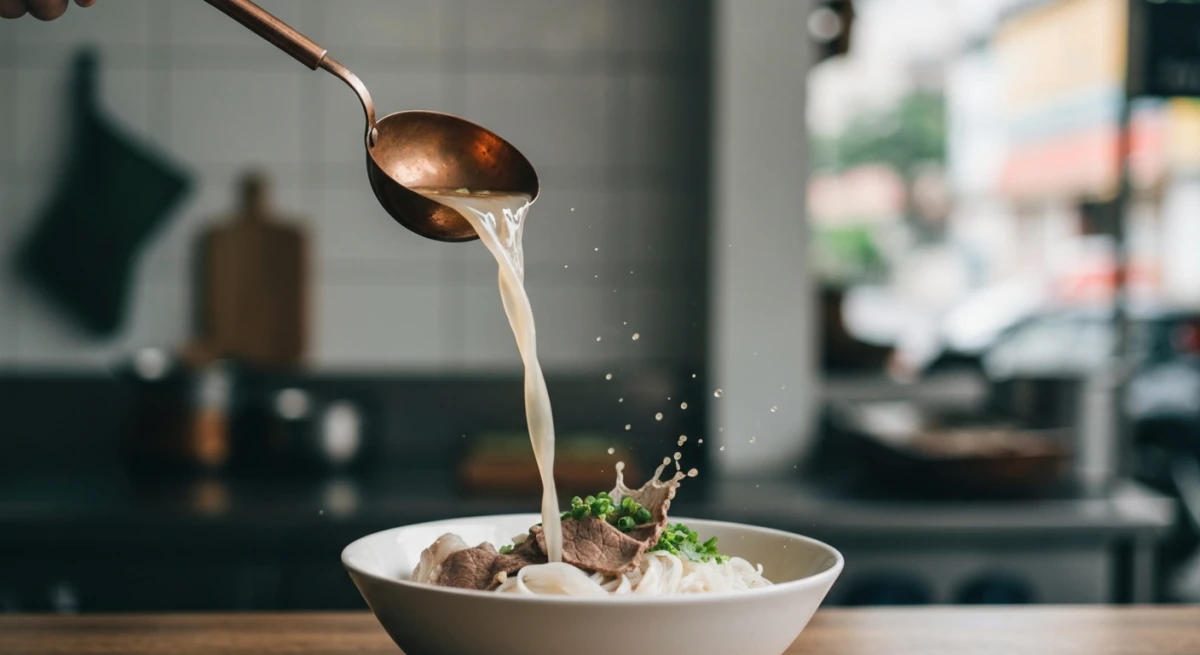
The Ultimate Ha Noi Food Tour Guide: Local Secrets, DIY Itinerary & Safety Tips
Vietnam’s capital is a culinary sensory overload. Motorbikes surge like schools of fish, the humid air smells of charred pork and star anise, and the sidewalks are claimed by thousands of tiny, colorful plastic stools. To the uninitiated, navigating Hanoi’s culinary labyrinth can be intimidating. But beneath the chaotic surface lies one of the world's most sophisticated street food cultures.
Whether you decide to hire a local guide or embark on a self-guided adventure, a ha noi food tour is the absolute best way to experience the city's living history. This comprehensive guide covers everything from the classic dishes you cannot miss and a step-by-step DIY itinerary, to the unwritten street food etiquette and critical food safety tips to keep your stomach happy.
Guided vs. Self-Guided: Which Ha Noi Food Tour is Right for You?
When planning your culinary journey, your first major decision is choosing between a structured, guided street food tour and a self-guided (DIY) exploration. Both approaches have distinct advantages depending on your budget, travel style, and comfort level with street food.
1. The Classic Old Quarter Walking Food Tour
Perfect for first-time visitors or solo travelers who want an easy introduction to the city. A local guide acts as a cultural translator. They will take you deep into hidden residential alleys (ngõ) that you would never find on Google Maps. They handle the ordering, explain the complex history behind each dish, and ensure you are eating at vendors with impeccable hygiene standards.
- Cost: Typically ranges from $25 to $45 USD per person, including all food and drinks.
- Best For: Foodies who want to learn the stories behind the recipes without worrying about navigation.
2. The High-Octane Motorbike Food Tour
For those seeking a thrill alongside their meals, jumping on the back of a scooter driven by a licensed local guide is the ultimate adventure. Motorbike tours allow you to venture far beyond the tourist-heavy Old Quarter and explore culinary hotspots in districts like Truc Bach, Ba Dinh, and Hai Ba Trung.
- Cost: Ranges from $55 to $95 USD per person.
- Best For: Travelers wanting to cover more ground, experience Hanoi's famous traffic safely, and eat truly hyper-local dishes.
3. The Chef-Led Early Morning Market Tour
If you are a serious home cook or culinary professional, some tours are led by local chefs. These usually begin at the crack of dawn (around 4:00 AM or 5:00 AM) to visit wholesale markets like Long Bien. You will watch mountains of fresh herbs, produce, and seafood arrive, learn about the flavor profiles of Northern Vietnamese cuisine, and sample traditional breakfast dishes at their absolute freshest.
- Cost: Upwards of $70 to $120 USD per person.
- Best For: Serious culinary enthusiasts and photographers.
4. The DIY Street Food Tour (Self-Guided)
If you are an independent traveler who loves the thrill of discovery, a self-guided food tour offers complete freedom. You can eat at your own pace, spend as little as $10–$15 USD total, swap out dishes based on dietary preferences, and choose exactly where you sit. The trade-off is that you must navigate the language barrier, manage the traffic on foot, figure out how to order, and assume the risk of choosing vendors without local validation.
Fortunately, with the detailed itinerary and safety tips outlined below, you can execute a flawless DIY food tour with complete confidence.
The Ultimate DIY Ha Noi Food Tour Itinerary
This step-by-step itinerary is designed to take you on an independent culinary journey through Hanoi’s historic core. It is structured chronologically, mapping out a full day of eating like a local.
8:00 AM — Breakfast: Bánh Cuốn (Steamed Rice Rolls)
Skip the hotel buffet. Hanoians start their day with a light, delicate plate of bánh cuốn.
- The Dish: To make bánh cuốn, an artisan stretches a piece of linen cloth tightly over a large pot of boiling water, creating a makeshift steamer. They ladle a spoonful of fermented rice flour batter onto the cloth, quickly spreading it with a wooden ladle into a paper-thin circle before covering it with a lid. Within seconds, the batter steams into a translucent crepe. The cook uses a thin bamboo stick to lift the sheet, fills it with seasoned minced pork and wood ear mushrooms (mộc nhĩ), and rolls it up. It is finished with a generous dusting of golden, crispy fried shallots.
- How to Eat It: It is served with a bowl of warm, diluted fish sauce (nước chấm) seasoned with sugar, lime (or kumquat juice), garlic, and chili. Dip each roll into the sauce, pairing it with fresh herbs like coriander and perilla. For an authentic protein boost, order it with chả lụa (steamed Vietnamese pork sausage) or ask for a soft-poached egg steamed directly into the rice sheet (bánh cuốn trứng).
- Where to Go:
- Bánh Cuốn Bà Xuân (16 Hòe Nhai Slope, Ba Đình) — A historic, Michelin-selected spot where the family has been steaming rolls for over three decades.
- Bánh Cuốn Thanh Vân (12-14 Hàng Gà, Hoàn Kiếm) — Conveniently located in the Old Quarter, famous for its ultra-smooth texture and variety of fillings (including shrimp and chicken).
10:30 AM — Mid-Morning Fuel: Classic Northern Phở
Phở is Vietnam's national dish, but Northern phở (phở Bắc) is a distinct breed. Unlike its southern counterpart, which is loaded with bean sprouts, fresh basil, and sweet hoisin sauce, Northern phở is characterized by its simplicity, elegance, and pristine, clear broth.
- The Dish: Choose between phở bò (beef) or phở gà (chicken). The broth is an architectural masterpiece, simmered for 12 to 24 hours with beef bones, charred ginger, onions, and warming spices like star anise, cinnamon, cloves, and black cardamom. The noodles (bánh phở) are wide, flat, and soft, topped with thin slices of meat and a heavy handful of green onions and cilantro.
- How to Eat It: First, taste the broth pure. Then, season it the Northern way. Add a few slices of fresh bird's eye chili or a squeeze of fresh kumquat (quất). Most importantly, add a splash of garlic vinegar (dấm tỏi) from the jar on the table. Do not ask for hoisin or sweet chili sauce—it is considered an insult to the chef's broth in Hanoi! Grab some quẩy (crispy deep-fried dough sticks) and dip them directly into the broth until they are slightly soft but still crunchy.
- Where to Go:
- Phở Gia Truyền Bát Đàn (49 Bát Đàn, Hoàn Kiếm) — Famous for its rich, deeply savory broth and tender beef. Expect a queue during peak hours.
- Phở Sướng (24 Ngõ Trung Yên, Hoàn Kiếm) — A hidden gem tucked away in a narrow alley, serving an incredibly clean and aromatic broth.
1:00 PM — Lunch: Bún Chả (Charcoal-Grilled Pork)
Bún chả is arguably Hanoi’s most famous culinary export, catapulted to global fame when President Barack Obama and Chef Anthony Bourdain shared a meal at Bun Cha Huong Lien in 2016. It is a lunch-only affair; you will rarely find authentic bún chả stalls open past 2:00 PM.
- The Dish: The charcoal grill is the heart of any bún chả stall. Fat drippings hit the glowing coals, sending up plumes of fragrant, caramelized smoke that drift down the street. The dish consists of three main elements: a warm bowl of dipping sauce filled with charcoal-grilled pork patties (chả viên), caramelized pork belly slices (chả miếng), and pickled green papaya; a plate of fresh rice vermicelli noodles (bún); and a massive basket of fresh green herbs (perilla, lettuce, mint, and coriander).
- How to Eat It: Do not pour the noodles into the meat bowl all at once. Instead, grab a small nest of noodles with your chopsticks, submerge them into the warm, smoky fish sauce broth alongside a piece of pork and a few herbs, and eat them together in one mouthwatering bite. Pair this with nem cua bể (crispy crab spring rolls), which are cut into bite-sized pieces and dipped in the same sauce.
- Where to Go:
- Bún Chả Đắc Kim (1 Hàng Mành, Hoàn Kiếm) — A legendary Old Quarter institution since 1966, known for its generous portions and intensely flavorful, smoky pork.
- Bún Chả Sinh Từ (Multiple locations, including 100 Hai Bà Trưng) — Highly popular among locals for its perfectly balanced dipping sauce and consistent quality.
2:30 PM — Afternoon Treat: Bánh Mì (Hanoi Style)
- The Dish: Hanoi's bánh mì is a masterclass in culinary restraint. While Saigon's version is stacked high with colorful cold cuts, pickled daikon, and heavy cilantro, Hanoi's traditional sandwich focuses on a warm, crusty baguette stuffed simply with a thick layer of silky liver pâté, salted pork floss (ruốc), sliced ham, cucumber, and a thin drizzle of fiery, locally-made chili sauce.
- How to Eat It: Eat it warm while walking down the busy streets. The contrast of the hot, flaky bread with the cool cucumber and rich, savory pâté is unbeatable.
- Where to Go:
- Bánh Mì 25 (25 Hàng Cá, Hoàn Kiếm) — Iconic, tourist-friendly, offering fresh ingredients and excellent vegetarian options.
- Bánh Mì Phố Cổ (38 Đinh Liệt, Hoàn Kiếm) — Famous for its rich, traditional pâté that melts into the warm bread.
- Bánh Mì Trâm / Bánh Mì Sốt Vang (252 Cửa Nam, Hoàn Kiếm) — For a unique twist, try bánh mì sốt vang (crusty baguette dipped in a rich, red-wine beef stew heavily influenced by French culinary heritage).
4:00 PM — Savory Snack: Bánh Xèo & Bánh Tôm (Sizzling Crepes & Shrimp Cakes)
As the afternoon heat begins to mellow, make your way toward West Lake or navigate the Old Quarter alleyways for a crispy, savory snack.
- The Dish: Bánh xèo is a sizzling, crispy crepe made from rice flour, water, and turmeric, filled with pork, shrimp, and bean sprouts. Bánh tôm (West Lake shrimp cakes) are whole, sweet freshwater prawns battered and deep-fried on top of sweet potato slices until beautifully golden.
- How to Eat It: For bánh xèo, cut a piece of the crispy crepe, place it on a sheet of dry rice paper, pile on fresh herbs and cucumber slices, roll it up tightly, and dip it into a sweet-and-sour fish sauce. For bánh tôm, wrap the crispy prawn cake in large lettuce leaves with herbs and dip.
- Where to Go:
- Bánh Tôm Cô Ầm (Ngõ Đồng Xuân, Hoàn Kiếm) — Tucked inside the bustling Dong Xuan market alley, serving some of the lightest, crispiest shrimp cakes in the city.
- Bánh Tôm Thanh Tâm (43 Phủ Tây Hồ, Tây Hồ) — Located right by West Lake, offering scenic views and ultra-fresh prawns.
5:30 PM — The Ultimate Pick-Me-Up: Cà Phê Trứng (Egg Coffee)
No ha noi food tour is complete without trying the city's legendary liquid gold.
- The Dish: The story of cà phê trứng is one of creative resilience. In 1946, Mr. Nguyen Giang was working as a bartender at the elegant Sofitel Legend Metropole hotel when a severe milk shortage struck during the First Indochina War. He whisked egg yolks with sugar, condensed milk, and a touch of cheese or butter to create a creamy, velvety topping for strong, bitter Vietnamese robusta coffee.
- How to Eat It: Egg coffee is served hot in a small cup nestled in a bowl of warm water to maintain its temperature. Use a small spoon to eat the thick, custard-like foam first—it tastes like a liquid tiramisu—before sipping the dark, intense coffee below.
- Where to Go:
- Café Giảng (39 Nguyễn Hữu Huân, Hoàn Kiếm) — The original birthplace of egg coffee. You must walk down a narrow, blink-and-you-miss-it corridor to reach the bustling, multi-story cafe filled with low wooden chairs.
- Café Đinh (13 Đinh Tiên Hoàng, Hoàn Kiếm) — Founded by Mr. Giang’s daughter, this rustic, atmospheric cafe is hidden up a dark staircase above a clothing shop, offering a tiny balcony overlooking Hoan Kiem Lake.
7:30 PM — Dinner: Bún Cá (Fish Noodle Soup) or Chả Cá (Turmeric Dill Fish)
For dinner, transition away from pork and beef to explore Hanoi's masterful treatment of freshwater fish.
- The Dish: You have two excellent choices here. Bún cá is a comforting soup featuring crispy deep-fried fish fillets, chewy rice noodles, fresh dill, tomatoes, and green onions in a tangy broth made from fish bones and pineapples. Alternatively, try Chả Cá Lã Vọng, a celebrated northern specialty where chunks of river fish marinated in turmeric and galangal are pan-fried tableside with massive mounds of fresh dill and spring onions.
- How to Eat It: For bún cá, add a touch of vinegar, chili, and fresh herbs, and enjoy the contrast of the crispy fish soaking up the sour broth. For Chả cá, transfer the cooked fish and dill from the hot skillet into your bowl, add vermicelli, roasted peanuts, fresh herbs, and a splash of pungent mắm tôm (fermented shrimp paste) or sweet fish sauce, and mix.
- Where to Go:
- Bún Cá Sâm Cây Si (5 Ngõ Trung Yên, Hoàn Kiếm) — Famous for its hearty fish soup and delicious "fish cakes" (chả cá viên) wrapped in leaves.
- Chả Cá Lã Vọng (14 Chả Cá, Hoàn Kiếm) — The historic restaurant that gave the entire street its name, serving this dish for generations.
9:00 PM — Late Night Cap: Bia Hơi & Street Food Snacks
- The Dish: Bia hơi is fresh, preservative-free draft beer brewed daily and delivered in metal kegs to local street corners. It contains around 3% alcohol and is incredibly light and refreshing. It is the cheapest beer in the world, usually costing between 7,000 and 15,000 VND (about $0.30 to $0.60 USD) per glass.
- The Vibe: Sitting at a bia hơi corner is not just about drinking; it’s a cultural phenomenon known as "nhậu" (drinking and socializing over small plates of food). Pair your cold draft beer with street side drinking snacks like nem chua rán (fried fermented pork rolls), đậu phụ rán (crispy fried tofu with salt and green onions), or roasted peanuts.
- Where to Go:
- Ta Hien Beer Street (Ngã tư Tạ Hiện - Lương Ngọc Quyến) — The epicenter of nightlife for travelers and local youth. It is chaotic, loud, and incredibly fun.
- Bia Hơi Bát Đàn or any local corner under a giant banyan tree with a metallic keg on display. Look for the yellow sign saying "Bia Hơi Hà Nội."
Street Food Etiquette: Surviving the Plastic Stool Culture
Eating on the streets of Hanoi is an active sport. To blend in with the locals and navigate the stalls seamlessly, keep these unwritten rules of etiquette in mind:
- The Stool Hierarchy: Sidewalk dining in Hanoi utilizes incredibly small plastic stools. The lower the stool, the more casual (and often more delicious) the stall. Don't be shy about sitting down—even if you are tall, the stools are surprisingly sturdy. If a stall is crowded, expect to share a small table with strangers. Just exchange a polite nod and focus on your food.
- The Floor is the Trash Can: This is often the biggest shock for Western travelers. In traditional Hanoi street stalls, used paper napkins, lime wedges, and herb stems are thrown directly onto the floor beneath the table. The staff sweeps the floor periodically between waves of customers. While it may feel counterintuitive to litter, keeping trash on the table is seen as cluttered and impolite to the next guests.
- Cleaning Your Utensils: Before diving into your meal, grab a paper napkin from the table dispenser and wipe down your chopsticks and metal spoon. For an extra layer of sanitation, many locals squeeze a drop of fresh lime juice onto the napkin or dip the chopsticks into their hot broth first.
- How to Pay: When you are finished, catch the eye of the owner or waiter and say, "Em ơi, tính tiền!" (pronounced "em oy, tinh tee-en"). In Vietnam, the youngest person usually serves, so "Em ơi" is a polite way to get their attention. Tipping is not expected or customary at street food stalls, though rounding up to the nearest 5,000 or 10,000 VND is appreciated.
The "Hanoi Belly" Prevention Guide: Street Food Safety
Getting sick is the ultimate fear of any traveler. However, skipping street food in Hanoi means missing the soul of the city. Follow these smart, practical food safety guidelines to enjoy your ha noi food tour without any unpleasant side effects:
- The Crowds Never Lie: The absolute golden rule of street food safety is high turnover. Look for stalls packed with local families and young Vietnamese locals. A high volume of customers means the ingredients are bought fresh daily, cooked quickly, and never sit around at room temperature.
- Watch the Broth Pot: When ordering soups like phở or bún cá, make sure the broth pot is actively boiling. A piping hot, rolling boil kills any potential bacteria. Avoid stalls where the broth is merely lukewarm.
- The Truth About Ice: A common myth is that travelers must avoid ice (đá) entirely in Vietnam. In Hanoi’s established cafes and restaurants, ice is completely safe. The ice is manufactured in commercial factories in the form of hollow, cylindrical tubes and delivered daily. It is made from purified water. You only need to be cautious of crushed, hand-shaved ice from rural or highly remote roadside stalls.
- Freshness Check for Greens: Vietnamese food relies heavily on raw herbs. If the herb basket on your table looks wilted, dirty, or has brown spots, do not eat them. At busy stalls, herbs are washed thoroughly in clean water and cycled through quickly, making them perfectly safe to consume.
- Stay Hydrated & Carry Hand Sanitizer: Always wash your hands or use alcohol-based hand sanitizer before eating, as navigating Hanoi's streets means your hands will collect dust. Keep a bottle of bottled water handy to stay hydrated in the humid tropical climate.
- What to Pack in Your Medical Kit: Just in case your stomach is particularly sensitive, pack a small travel medical kit. Include activated charcoal (which absorbs toxins), Pepto-Bismol, Imodium (use only if you need to survive a long transit day, as it is better to let your body flush things out), and oral rehydration salts.
Frequently Asked Questions (FAQ)
Is street food in Hanoi safe for children and pregnant women?
Yes, street food can be safe, but you should exercise extra caution. Stick to highly reputable, brick-and-mortar street food establishments rather than completely transient pavement vendors. Opt for fully cooked, steaming hot dishes like phở or pan-fried chả cá, and avoid raw vegetables, fresh herbs, and uncooked shellfish to minimize any risk.
How much does a typical street food meal cost in Hanoi?
Street food in Hanoi is incredibly affordable. A bowl of world-class phở or a plate of bún chả generally costs between 40,000 and 70,000 VND ($1.60 to $2.80 USD). Snacks like bánh cuốn or bánh tôm cost around 30,000 to 50,000 VND ($1.20 to $2.00 USD), while a hot cup of egg coffee is typically 30,000 to 45,000 VND ($1.20 to $1.80 USD).
Are there vegetarian or vegan options on a Ha Noi food tour?
While traditional Hanoian cuisine is heavily meat- and fish-sauce-centric, Hanoi has a thriving Buddhist vegetarian (ăn chay) culture. Look for signs that say "Quán Chay" or "Cơm Chay" (vegetarian restaurant). Many classic dishes can be adapted; for example, you can find phenomenal mushroom-based bánh cuốn chay or vegetarian phở chay in dedicated Buddhist eateries around the Hoan Kiem and West Lake districts.
What is the best time of day to take a food tour?
The best times are early morning (6:30 AM – 9:00 AM) for authentic breakfast dishes like bánh cuốn and to see the local markets come alive, or early evening (5:30 PM – 8:30 PM) when the atmospheric street food scene in the Old Quarter reaches its peak. Note that certain dishes, like bún chả, are traditionally lunch-only items, so planning your day chronologically is key.
Savoring Hanoi's Culinary Soul
A ha noi food tour is far more than a checklist of delicious dishes; it is an immersive window into the resilient spirit and rich history of Vietnam's capital. From the smoky charcoal grills on bustling sidewalks to the quiet, centuries-old alleys where families have perfected a single recipe for generations, every bite tells a story. Armed with this guide, you are ready to pull up a plastic stool, pick up your chopsticks, and dive headfirst into one of the greatest culinary adventures of your life.