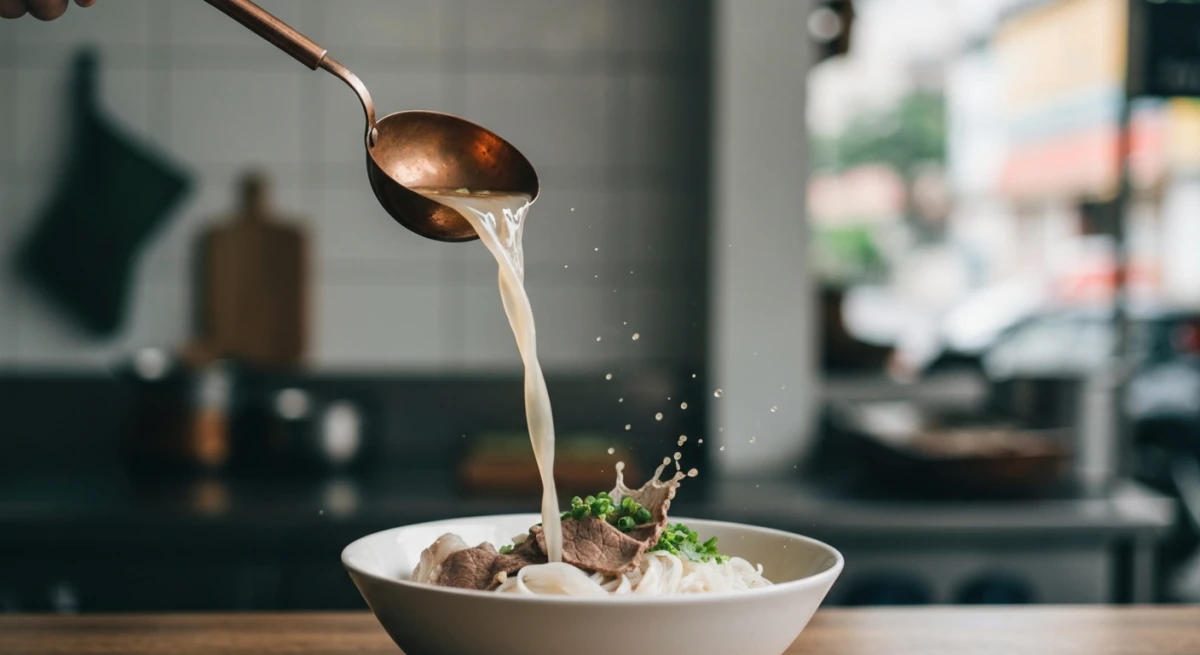
When planning a culinary adventure in Southeast Asia, embarking on a food tour vietnam hanoi style is an absolute rite of passage. Hanoi's narrow streets and ancient alleys are a sensory playground. The air is thick with the sweet smoke of charcoal-grilled pork, the fragrant steam of long-simmered bone broths, and the lively chatter of locals sitting on tiny plastic stools. Hanoi is widely considered the culinary heartbeat of Vietnam, boasting a food culture that has remained fiercely traditional and deeply distinct from the sweeter, herb-heavy flavors of the south.
Whether you choose to book a premium guided tour with a local expert or plan a self-guided journey through the historic Old Quarter, diving into the street food scene is the single best way to understand the history, people, and soul of this 1,000-year-old city. This comprehensive guide covers everything you need to know to curate the ultimate Hanoi street food experience, including the best guided tour operators, a step-by-step DIY itinerary, essential safety tips, and a breakdown of legendary dishes you cannot miss.
Guided vs. DIY: Choosing Your Ideal Hanoi Food Tour
One of the first decisions you will face is whether to hire a local guide or explore the streets on your own. Both approaches have unique benefits, and your choice will ultimately depend on your budget, sense of adventure, and desire for cultural context.
The Guided Tour Experience: Deeper Cultural Access
If you want to bypass the guesswork and dive straight into the most authentic, hygienic, and culturally rich spots, a guided food tour is highly recommended, especially for your first evening in the city.
A great local guide does far more than just order food for you; they act as a cultural bridge. They will explain the complex history behind each dish, teach you the proper street food etiquette, and introduce you to the beloved 'aunties' who have been cooking the same single recipe on the sidewalk for forty years.
Furthermore, booking an organized food tour vietnam hanoi ensures you visit vendors with impeccable hygiene records. Top-tier operators personally vet their stalls for water filtration and clean preparation practices, giving you peace of mind. Some of the most highly rated guided tours include:
- Curious About Vietnam: Founded by Lylla (known online as Ms. Yummyface), this independent, locally run company is famous for its small group sizes (maximum of seven guests). They focus strictly on authentic, non-touristy Northern Vietnamese flavors and provide guests with an exclusive 'Hanoi Black Book' full of local recommendations.
- A Chef's Tour (Hanoi Dawn Tour): For the hardcore foodies and street photographers, this tour starts at the crack of dawn (around 4:00 AM). Led by a professional Hanoian chef, you will visit the chaotic Long Bien wholesale market and the vibrant Quang Ba Flower Market, eating hearty breakfast dishes alongside the vendors as the city wakes up.
- Michelin-Nominated Walking Tours: With the introduction of the Michelin Guide to Hanoi, several tours now curate itineraries centered around Michelin-recommended street food stalls, offering an affordable taste of critically acclaimed local cuisine.
The DIY Approach: Freedom and Flexibility
For independent travelers, a self-guided food tour offers unparalleled freedom. You can set your own pace, stop whenever you see something intriguing, and easily bypass dishes that do not appeal to your palate.
Exploring Hanoi's food scene on your own is incredibly budget-friendly. Most street food dishes in Hanoi cost between 30,000 to 70,000 VND ($1.20 to $2.80 USD), meaning you can eat a massive multi-course feast for under ten dollars. The primary challenge of the DIY approach is navigating the language barrier and avoiding the sanitized, watered-down tourist traps that line the main thoroughfares of the Old Quarter.
The Taste of the North: What Makes Hanoi's Food Unique?
Before diving into the dishes, it is crucial to understand the philosophy of Northern Vietnamese cuisine. Many travelers mistakenly view Vietnamese food as a single, homogenous entity. In reality, the culinary divide between the North (Hanoi) and the South (Saigon) is vast.
Southern Vietnamese cuisine is characterized by bold, vibrant, and sweet flavors, heavily influenced by the abundance of tropical coconut palms, sugar cane, and a year-round harvest of fresh, leafy herbs.
In contrast, Northern Vietnamese cuisine is refined, subtle, and deeply balanced. Hanoi’s flavors rely on clean, savory depth rather than sugar and heavy chili heat. Here, black pepper is the primary warming spice, and the broths are cooked for hours to extract clean, mineral-rich umami from bones. Fresh herbs are used selectively—think aromatic dill in fish dishes, perilla (tía tô) with grilled meats, and green onions in noodle soups. Acid is introduced cleanly through fresh local kumquats (quất) or light garlic-infused vinegar, rather than heavy sweet-and-sour sauces.
The Ultimate Self-Guided Hanoi Street Food Itinerary
If you choose to tackle the culinary maze of the Old Quarter on your own, this step-by-step walking itinerary is designed to take you on a progressive feast. It balances sweet, savory, crispy, and comforting flavors, moving logically through the streets of Hoan Kiem.
Stop 1: Bánh Cuốn Gia Truyền Thanh Vân (14 Hàng Gà)
Start your afternoon with one of Hanoi’s most delicate specialties: Bánh Cuốn (steamed rice rolls). Watch the chefs at the front of the shop pour fermented rice batter onto a tightly stretched cotton cloth over a pot of boiling water. Within seconds, the paper-thin sheet is scraped off with a bamboo stick, filled with minced pork and wood ear mushrooms, and rolled up. It is topped with a generous handful of crispy fried shallots and served with a bowl of light, warm dipping sauce made of diluted fish sauce, lime, and garlic. Ordering Tip: Order the Bánh Cuốn Nhân Thịt Heo (pork filling) and ask for a side of Chả Quế (cinnamon pork paste) to dip in the sauce.
Stop 2: Bún Chả Tuyết 34 (34 Hàng Than)
Walk north toward Hàng Than street to experience Bún Chả, the definitive lunchtime dish of Hanoi. You will smell the stall before you see it; the scent of pork caramelizing over natural charcoal drifts down the entire block. Bún Chả consists of charcoal-grilled pork belly strips and minced pork patties swimming in a warm, sweet-and-savory broth of fish sauce, vinegar, and sugar, accompanied by green papaya pickles. You are served a plate of cold rice vermicelli noodles (bún) and a massive basket of fresh herbs (perilla, lettuce, and Vietnamese balm). How to Eat It: Grab a small bundle of noodles, dip them into the warm pork broth, add a few herbs, and eat everything in one mouthful. Don't forget to order a crispy Nem Cua Bể (deep-fried crab spring roll) to share.
Stop 3: Bún Cá Sâm Cây Si (5 Ngõ Trung Yên)
Tucked deep inside Ngõ Trung Yên, a narrow alleyway connecting Hàng Bạc and Ngõ Gạch streets, lies a legendary local gem. Bún Cá Sâm Cây Si specializes in fish noodle soup. This dish features golden, crispy deep-fried fish cakes and tender pieces of white fish in a beautifully balanced, sweet-and-sour tomato broth infused with dill, celery, and pineapple. Must-Order: Alongside your noodle soup, order their famous Cá Cuốn Thịt—crispy, deep-fried rolls of fish stuffed with seasoned minced pork. It is a texture and flavor combination unique to this specific alley.
Stop 4: Bánh Mì Mama (54 Lý Quốc Sư)
No food tour of Vietnam is complete without Bánh Mì. While Southern-style baguettes are stuffed with a mountain of cold cuts, pickled daikon, and heavy mayonnaise, Hanoi-style Bánh Mì is simpler and more balanced. At Bánh Mì Mama, located near the historic St. Joseph’s Cathedral, the bread is toasted to a shattering crisp. It is smeared with a rich, savory chicken liver pâté, filled with thinly sliced pork, cucumber, fresh cilantro, and a drizzle of homemade chili sauce that packs a subtle, peppery kick.
Stop 5: Bánh Tôm Cô Ầm (Ngõ Đồng Xuân)
Head toward the bustling Dong Xuan Market and slip into the food alley (Ngõ Đồng Xuân) to find Bánh Tôm (crispy shrimp cakes). These are golden, fried fritters made from a batter of flour and julienned sweet potato, topped with fresh, whole shell-on prawns. The sweetness of the sweet potato pairs beautifully with the crispy, salty crunch of the fried shrimp. Wrap a piece of the hot fritter in a fresh lettuce leaf, add some herbs, and dip it into the accompanying sweet-and-sour fish sauce.
Stop 6: Egg Coffee at Café Đinh (13 Đinh Tiên Hoàng)
For dessert, head toward Hoan Kiem Lake. While tourists flock to the original Café Giảng, those in the know head to Café Đinh, run by the daughter of the man who invented egg coffee (Cà Phê Trứng). To find it, you must walk through a narrow, dark hallway of a bag shop, climb a steep, rustic wooden staircase, and enter a smoky, low-lit room overlooking the lake. The egg coffee here is legendary: a shot of thick, bitter robusta coffee topped with a velvety, meringue-like custard made of egg yolks whipped with condensed milk and sugar. It tastes like a warm, liquid tiramisu.
Stop 7: Bia Hơi Junction (Tạ Hiện & Lương Ngọc Quyến)
End your culinary trek at the famous Bia Hơi Junction. Sit on a tiny blue plastic stool on the sidewalk, order a glass of Bia Hơi (fresh, unpasteurized draft beer brewed daily and delivered in metal kegs), and watch the chaotic neon energy of Hanoi wash past. At roughly 10,000 VND ($0.40 USD) a glass, it is the cheapest beer in the world. Pair it with Nem Chua Rán (deep-fried fermented pork rolls) for the ultimate Hanoian nightcap.
7 Legendary Hanoi Dishes You Cannot Afford to Miss
If you want to dive deeper into the local culinary landscape, make sure you seek out these seven highly specific regional dishes. Each represents a unique facet of Northern Vietnam’s rich culinary history.
1. Phở Bò (Beef Noodle Soup)
Though Phở is eaten nationwide, its spiritual home is Hanoi. Traditional Hanoian beef pho is highly minimalist; it does not feature the bean sprouts, hoisin sauce, or sweet broth found in the south. The star is the broth—clear, light, and deeply aromatic, spiced with charred ginger, cinnamon, and star anise. Where to try it: Phở Gia Truyền Bát Đàn (49 Bát Đàn) for a classic, clear broth, or Phở Thìn (13 Lò Đúc) for their famous Phở Bò Tái Lăn, where beef is flash-fried with garlic before being added to the soup.
2. Chả Cá Lã Vọng (Sizzling Turmeric Fish with Dill)
This dish is so iconic that an entire street in the Old Quarter was renamed after it. It consists of firm chunks of hemibagrus fish (a type of catfish) marinated in turmeric and galangal, then pan-fried tableside on a portable gas stove with massive heaps of fresh dill and green scallions. Where to try it: Chả Cá Thăng Long (6B Đường Thành). Eat it by combining the sizzling fish and greens in a bowl with rice noodles, roasted peanuts, fresh herbs, and a splash of pungent fermented shrimp paste (mắm tôm) or mild fish sauce.
3. Phở Trộn (Dry Chicken Pho)
During the hot summer months, Hanoians swap hot soup for Phở Trộn. This dish features flat rice noodles topped with shredded chicken, crispy fried shallots, crushed peanuts, fresh herbs, and a sweet, savory soy-based dressing. It is served cold with a small bowl of clear broth on the side. Where to try it: Phở Hạnh (65 Lãn Ông).
4. Cháo Sườn Sụn (Cartilage Pork Rib Porridge)
A popular comfort food and late-night snack, Hanoi-style Cháo Sườn is completely different from coarse rice congees. The rice is ground into a fine, smooth flour before cooking, resulting in a silky, baby-food-like texture. It is cooked in a rich pork rib stock and served with tender chunks of pork cartilage, savory shredded pork floss (ruốc), and crispy pieces of fried dough (quẩy). Where to try it: Cháo Sườn Huyền Anh (14 Đồng Xuân), located right outside the market.
5. Bún Rêu Cua (Crab Noodle Soup)
This vibrant, colorful soup features a tangy broth made from tomatoes, tamarind, and freshwater field crabs. The broth is topped with fried tofu puffs, blocks of congealed pig’s blood (huyết), a soft crab paste cake, and finished with a mountain of fresh, shredded banana flower and perilla leaves. Where to try it: Bún Riêu Trang (23 Nguyễn Siêu).
6. Bánh Tôm (Crispy Prawn Fritters)
A specialty born on the shores of Hanoi's scenic West Lake (Hồ Tây). These fritters are made of sweet potato batter and whole, fresh prawns, fried to a brilliant golden orange. The combination of sweet, starchy potato and savory, crispy seafood is incredibly satisfying. Where to try it: Nhà hàng Thanh Tâm (43 Phủ Tây Hồ).
7. Kem Xôi (Sticky Rice Ice Cream)
An underrated street dessert that perfectly bridges traditional flavors and modern cravings. It features a base of warm, pandan-infused green sticky rice topped with a scoop of vanilla or coconut ice cream and a sprinkle of crispy, toasted coconut flakes. Where to try it: Kem Xôi Thu Nga (8 Hai Bà Trưng).
Navigating Dietary Restrictions and Street Food Safety in Hanoi
Eating on the street can be intimidating for first-time visitors, particularly regarding food safety and navigating food allergies. However, with a few basic precautions, you can enjoy Hanoi’s culinary offerings safely and confidently.
Street Food Hygiene: The Truth About 'Hanoi Belly'
Getting sick from street food is highly preventable if you follow these time-tested rules:
- Seek Out High Turnover: The safest street food stalls are those packed with local families. A high volume of customers means ingredients are purchased fresh daily and do not sit out in the heat.
- Observe the Ice: Many travelers avoid ice entirely, but Hanoi’s heat makes cold drinks essential. Look for 'tube ice' (cylindrical ice with a hole through the middle). This ice is mass-produced in sanitary factories using purified water and is perfectly safe. Avoid crushed block ice, which is often transported and handled manually.
- Sanitize Your Utensils: Do as the locals do: take a slice of fresh lime from the table and rub it over your chopsticks and metal spoon before eating, or wipe them down with a clean paper napkin.
- Stick to Bottled Water: Avoid tap water completely. Stick to bottled water, canned beers, or hot, freshly brewed tea (Trà Nóng).
Vegetarian and Vegan Dining (Ăn Chay)
While Northern Vietnamese cuisine is heavily meat-centric, Hanoi has a thriving Buddhist vegetarian community.
To find vegetarian food, look for signs displaying the words 'Chay' or 'Cơm Chay' (vegetarian rice). Learn the phrase 'Tôi ăn chay' (I eat vegetarian) or 'Không thịt, không nước mắm' (No meat, no fish sauce). Many Buddhist temples serve incredible, inexpensive vegetarian buffets on the 1st and 15th days of the lunar calendar. For a premium dining experience, restaurants like Ưu Đàm Chay and Sadhu offer exquisite, fully vegetarian interpretations of classic Northern Vietnamese dishes.
Gluten-Free and Celiac Travel
Traveling with a gluten allergy in Hanoi is relatively straightforward compared to Western countries, as the primary carb source is rice rather than wheat. Noodles like bún (rice vermicelli) and phở (flat rice noodles), as well as bánh cuốn sheets, are naturally gluten-free.
However, you must be cautious of hidden gluten:
- Bánh Mì: Made from wheat flour and must be avoided entirely.
- Deep-Fried Items: Fritters like Bánh Tôm and Bánh Gối use wheat flour in their batters.
- Soy Sauce: Used frequently in dry noodle dishes (phở trộn). Stick to soup-based dishes, which rely almost exclusively on pure, gluten-free fish sauce (nước mắm) for seasoning.
FAQs About Planning a Food Tour in Hanoi
How much does a guided food tour in Hanoi cost?
Basic group tours booked through major online platforms usually cost between $20 and $35 USD per person. Premium, small-group walking tours led by independent food experts (such as Curious About Vietnam or A Chef's Tour) generally cost between $45 and $65 USD per person. These boutique options are highly recommended because their smaller sizes allow access to hyper-local alleyway vendors that cannot accommodate large tourist crowds.
Is street food in Hanoi safe for children?
Yes! Many street food dishes in Hanoi are mild, sweet, and comforting, making them highly approachable for children. Dishes like Bánh Cuốn (soft rice rolls), Bánh Mì (crusty sandwiches), and Kem Xôi (sticky rice ice cream) are universally loved by kids. Stick to highly rated, clean stalls and ensure your child only drinks bottled water.
What should I wear on a walking food tour in Hanoi?
Wear lightweight, breathable clothing and extremely comfortable walking shoes, as you will be navigating uneven sidewalks, high curbs, and busy streets. Avoid long, flowing skirts or pants that might drag on dirty wet market floors. Dress respectfully (shoulders and knees covered) if your tour itinerary includes a stop near temples or historic monuments.
Can food tours in Hanoi accommodate severe peanut allergies?
Yes, but you must be incredibly cautious. Peanuts (đậu phộng or lạc) are a common garnish in Northern dishes, particularly in dry noodle dishes like Phở Trộn and tableside stir-fries like Chả Cá Lã Vọng. If you have a severe allergy, write down the phrase 'Tôi dị ứng với đậu phộng' (I am allergic to peanuts) on your phone to show vendors. Booking a private guided tour is the safest option, as your guide can personally communicate with kitchen staff before any food is prepared.
Conclusion
Embarking on a food tour vietnam hanoi style is more than just a way to fill your belly—it is an immersive dive into the history, geography, and daily rhythms of Vietnam's capital. From the smoky charcoal grills of the Old Quarter to the quiet, ancestral tea houses hidden behind busy storefronts, Hanoi’s food scene rewards those who are willing to step outside their comfort zone, pull up a plastic stool, and eat alongside the locals. Whether you book a dedicated local guide or map out your own street-by-street path, you will leave Hanoi with a deep appreciation for the complex, elegant, and timeless flavors of Northern Vietnam.