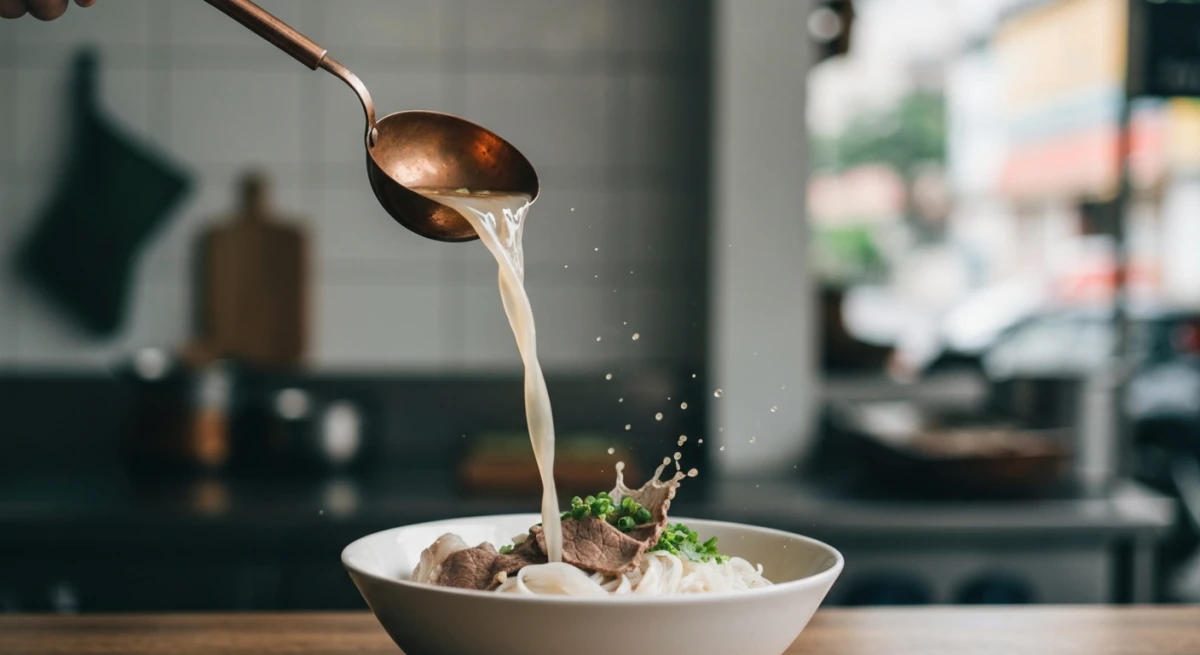
For food lovers around the world, arriving in Saigon is synonymous with one ultimate culinary mission: finding the perfect bowl of noodle soup. In a city where thousands of steam-filled stalls compete for your attention, seeking out the Ho Chi Minh best pho is both an adventure and a rite of passage. Pho is not just a dish in Vietnam; it is a cultural cornerstone, a morning ritual, and a liquid history of the nation. Whether you are craving the clean, delicate, comforting flavors of the North or the sweet, robust, herb-loaded bowls of the South, this guide covers everything you need to know about the most legendary pho spots in Saigon, complete with local secrets, historical context, and expert tips to elevate your dining experience.
Northern vs. Southern Style: Decoding Saigon's Noodle Scene
To truly appreciate the quest for the Ho Chi Minh best pho, one must first understand the great culinary divide of Vietnam. Pho originated in the Northern province of Nam Dinh and was popularized in Hanoi in the early 20th century. However, when hundreds of thousands of Northerners migrated south in 1954, they brought their beloved soup with them. In the fertile, resource-rich environment of Southern Vietnam, the dish evolved rapidly, adapting to the sweeter local palate and the abundance of fresh produce. Today, Saigon is a beautiful battlefield of these two primary styles, offering diners the best of both worlds.
The Northern Style (Phở Bắc)
Northern pho is defined by simplicity, elegance, and purity. It is an exercise in restraint. The broth is clear, light, and delicate, relying on a clean extraction of beef bone marrow simmered for up to 24 hours. Spices like charred ginger, shallots, cinnamon, star anise, cardamom, and cloves are used with absolute precision to create a subtle aroma that does not overpower the beef. The noodles are typically wider and softer, and the only green additions are finely sliced scallions and cilantro. You will not find bean sprouts, sweet hoisin sauce, or fresh basil at a traditional Northern stall. Instead, diners enhance their bowls with pickled garlic slices, fresh bird's eye chili, and sometimes a splash of rice vinegar. A classic Northern variation is phở tái lăn, where slices of beef are quickly stir-fried with garlic in a smoking hot wok before being dropped into the bowl, coating the broth with a thin, incredibly aromatic layer of savory fat.
The Southern Style (Phở Nam)
Southern pho, by contrast, is a celebration of abundance, complexity, and bold flavors. The broth is noticeably sweeter, richer, and darker, often sweetened with rock sugar and seasoned with a heavy dose of fish sauce and charred onions. It is served steaming hot, but the real magic happens at the table, where the diner is presented with a veritable garden of fresh herbs. These typically include Thai basil (húng quế), sawtooth herb (ngò gai), rice-paddy herb (ngò ôm), and mint. Raw or lightly blanched bean sprouts are added to provide a refreshing, crunchy texture. Crucially, Southern pho is accompanied by two essential squeeze bottles: sweet hoisin sauce (tương đen) and spicy chili sauce (tương ớt). Beef meatballs (bò viên) are also a Southern innovation, adding a springy, satisfying bite to the bowl. In Saigon, most locals prefer this style, but the beauty of the city's food culture is that you can easily find both authentic Northern institutions and classic Southern establishments sitting on the same street corner.
The Best Pho Spots in Ho Chi Minh City: Handpicked & Local-Approved
With thousands of options scattered across the city's districts, finding the absolute best can be overwhelming. To help you navigate, we have curated a list of the six most legendary, high-quality, and distinct pho shops in Saigon. These are not merely tourist-friendly destinations; they are culinary landmarks where local families have queued for decades.
1. Phở Lệ: The Southern-Style Icon (District 5 & District 3)
If your goal is to experience the absolute pinnacle of Southern-style beef pho, Phở Lệ is your first essential stop. Established in 1970 in the heart of Saigon's Chinatown (Chợ Lớn) in District 5, Phở Lệ has spent more than five decades perfecting a bowl that is bold, unapologetic, and immensely flavorful. This legendary establishment has consistently earned "Michelin Selected" status, drawing a massive following of both local residents and international travelers.
What sets Phở Lệ apart is its incredibly rich, deeply caramelized broth. Simmered for over eight hours using pristine beef bones and a secret blend of warm spices, the broth has a subtle sweet undertone and a slightly oily, comforting mouthfeel. The noodle bowls here are famously generous, loaded with high-quality cuts of meat. You can customize your order with rare beef slices (tái), tender beef brisket (nạm), melt-in-your-mouth tendon (gân), fatty flank (gầu), or their legendary house-made beef balls (bò viên), which are incredibly springy and packed with savory flavor. The restaurant itself is spacious, clean, and always bustling with energy.
- Address 1 (Original): 413 - 415 Nguyen Trai, Ward 7, District 5
- Address 2: 303 - 305 Vo Van Tan, Ward 5, District 3
- Opening Hours: 6:00 AM – Midnight (District 5)
- Price Range: 80,000 VND – 100,000 VND per bowl
2. Phở Hòa Pasteur: The Historic Institution (District 3)
No discussion of the Ho Chi Minh best pho is complete without mentioning Phở Hòa Pasteur. Operating since 1968, this two-story noodle shop on Pasteur Street is practically a living museum of Saigon's culinary history. In fact, many of the Vietnamese restaurants you see in North America and Europe are named after this very street and this historic shop, which set the global standard for Southern Vietnamese pho.
Phở Hòa's broth is highly aromatic, beautifully balancing the sweet notes of charred shallots and rock sugar with the savory depth of slow-cooked marrow bones. When your bowl arrives, it is crowned with a generous handful of green onions and cilantro. The table at Phở Hòa is famously cluttered with optional add-ons. Aside from the standard mountain of fresh herbs (including Thai basil and sawtooth herb) and bean sprouts, you will find plates of quẩy (golden, crispy Chinese fried dough sticks) and small savory meat pies. Dipping the crispy quẩy into the hot, beefy broth is a beloved local ritual that should not be missed.
- Address: 260C Pasteur Street, Ward 8, District 3
- Opening Hours: 6:00 AM – 10:30 PM
- Price Range: 90,000 VND – 110,000 VND per bowl
3. Phở Phú Vương: The Masterful Hybrid (District 3 & Tân Bình)
For those who appreciate high-quality ingredients, clean presentation, and a broth that perfectly bridges Northern and Southern preferences, Phở Phú Vương is an absolute masterclass. Originally starting as a humble street stall, Phở Phú Vương has grown into a highly organized, modern, and spotlessly clean local favorite. It is particularly popular with overseas Vietnamese (Việt Kiều) who head straight here from the nearby airport for their first authentic taste of home.
Phở Phú Vương represents a unique bridge between styles. The broth begins with a classic, clear Northern foundation—focusing on a clean, bone-sweet flavor—but incorporates the richer spice profile and slight sweetness preferred in the South. The absolute highlight here is the sheer quality and variety of beef cuts. They offer an extensive beef menu for easy ordering. You can select rare sliced steak (tái), slow-cooked flank (nạm), luxurious fatty flank (gầu), crunchy flank (vè), gelatinous tendon (gân), tripe (sách), or rich, fall-off-the-bone ox tail (đuôi bò). The service is lightning-fast, and the dining room is bright and air-conditioned.
- Address 1 (Tan Binh): 339 Le Van Sy, Ward 1, Tan Binh District
- Address 2 (District 3): 447 Hai Ba Trung, Ward 8, District 3
- Opening Hours: 6:00 AM – 10:00 PM
- Price Range: 65,000 VND – 85,000 VND per bowl
4. Phở Phú Gia: The Uncompromising Northern Legacy (District 3)
If you are tired of sweet, herb-laden Southern bowls and want to experience the raw, rustic, and completely authentic taste of old Hanoi, Phở Phú Gia is your culinary sanctuary. Run by a passionate native of Hanoi who has spent over 30 years in Saigon, this small, no-frills shop on Ly Chinh Thang Street makes absolutely no concessions to Southern tastes.
At Phở Phú Gia, you will not find sweet hoisin sauce on the table, and asking for bean sprouts might get you a stern look from the staff. The broth here is legendary: clear, deeply concentrated, and remarkably light, with almost no floating fat. The green onions are chopped into thick, long pieces that wilt beautifully in the hot broth. The signature order is Phở Tái Lăn (seared rare beef pho). When you order this, the chef flash-fries thin slices of beef in a screaming-hot wok with plenty of fresh garlic, then immediately dumps the smoky, garlicky meat into your bowl before pouring over the boiling broth. The resulting soup is incredibly aromatic, savory, and complex, offering a sharp contrast to the sweeter Southern style.
- Address: 146E Ly Chinh Thang, Ward 7, District 3
- Opening Hours: 6:00 AM – 11:00 AM & 5:00 PM – 10:00 PM
- Price Range: 70,000 VND – 90,000 VND per bowl
5. Phở Phượng 25: The Deep & Comforting Canal-Side Gem (District 1)
Tucked away on Hoang Sa Street, running along the scenic Nhieu Loc-Thi Nghe canal in District 1, Phở Phượng 25 is a hidden gem that has steadily earned a cult following among hardcore food enthusiasts. While tourists often stay confined to the central streets of District 1, those in the know walk a bit further to this lively canal-side eatery to experience one of the deepest, most concentrated broths in the city.
Phở Phượng 25 is famous for simmering its bones far longer than the average shop, resulting in a dark, intensely savory, and slightly sweet broth that carries an incredible depth of spice. What truly makes this spot special is its specialty toppings. It is one of the best places in Saigon to enjoy Phở Đuôi Bò (ox tail pho), featuring massive chunks of tender ox tail with delightfully chewy skin. For an incredibly decadent experience, you can also order a side bowl of creamy, hot bone marrow (tủy) or a poached egg yolk (hột gà) submerged in a cup of boiling beef broth, which you can sip alongside your noodles.
- Address: 25 Hoang Sa, Da Kao Ward, District 1
- Opening Hours: 6:00 AM – 9:00 PM
- Price Range: 70,000 VND – 110,000 VND per bowl
6. Phở Việt Nam: The Modern Stone Bowl Masterpiece (District 1)
Located just a short walk from the bustling Ben Thanh Market, Phở Việt Nam (Bến Thành) offers a highly innovative, interactive, and premium dining experience that has caught the attention of the Michelin Guide. While traditionalists might prefer street-side stalls, this sleek, modern restaurant is perfect for those who want absolute cleanliness, fresh ingredients, and a unique way of eating Vietnam's national dish.
Their signature offering is the Phở Thố Đá (Stone Bowl Pho). Instead of arriving pre-assembled, your meal is served in separate components. The centerpiece is a heavy, custom-made stone bowl heated to a scorching temperature, filled with a richly spiced, bubbling beef broth. Beside it sits a plate of raw, thinly sliced premium beef (such as oxtail, ribs, flank, or shank), fresh rice noodles made from scratch daily, and an abundance of fresh herbs. You slowly drop the noodles, beef, and herbs into the boiling stone bowl yourself, controlling the exact doneness of your meat. Because the stone retains heat beautifully, your soup remains piping hot down to the very last spoonful.
- Address: 14 Pham Hong Thai, Ben Thanh Ward, District 1
- Opening Hours: 6:00 AM – 11:00 PM
- Price Range: 80,000 VND – 150,000 VND per bowl
The Anatomy of a Perfect Bowl: How to Eat Pho Like a Saigon Local
To the untrained eye, eating a bowl of pho seems straightforward: you pick up your chopsticks and start eating. However, in Saigon, eating pho is an interactive, highly personalized culinary ritual. To get the absolute most out of your bowl and avoid looking like a complete amateur, follow this step-by-step local guide:
Step 1: Sip the Pure Broth First
Before you touch any of the herbs, sauces, or limes on your table, take your soup spoon and sip the broth completely unadulterated. A master broth takes anywhere from 8 to 24 hours of meticulous simmering, bone-scraping, and spice-balancing. By tasting the broth first, you pay respect to the cook's hard work and establish a baseline flavor. Notice the clarity, the level of sweetness, and the prominent spices.
Step 2: The Herb Garden Preparation
Once you have tasted the pure broth, it is time to customize. If you are eating Southern-style pho, you will be given a large basket of fresh green herbs. Take a few leaves of Thai basil (húng quế) and sawtooth herb (ngò gai). Do not throw them in whole. Tear them roughly with your fingers to bruise the leaves and release their natural aromatic oils, then submerge them deep into the hot broth so they wilt. If you like texture, add a handful of bean sprouts. Locals often prefer blanched sprouts (giá trụng) because they do not cool down the broth, but raw sprouts (giá sống) add a wonderful crisp contrast.
Step 3: Master the Squeeze and Heat
Next, add acidity and heat. Squeeze a fresh wedge of lime directly into the soup—the acidity cuts through the richness of the beef fat and brightens the entire bowl. If you like heat, add a few slices of fresh red bird's eye chili. Be warned: Vietnamese chilies are incredibly potent, so start with one or two slices. Avoid using pre-packaged chili flakes if fresh chilies are available, as the fresh ones provide a much cleaner heat.
Step 4: Create Your Dipping Sauce
Here is the ultimate local insider secret: do not squirt hoisin sauce and chili sauce directly into your soup bowl. Doing so muddies the delicate colors and sweetens the broth to the point where the complex bone-broth flavor is completely lost. Instead, grab a small plastic dipping saucer from the condiment tray. Squeeze a 50/50 ratio of sweet hoisin sauce (tương đen) and chili sauce (tương ớt) side-by-side. Use your chopsticks to pick up a slice of beef from your soup, dip it into this sweet-spicy mixture, and enjoy. This allows you to savor the rich, sauced beef while keeping your broth clean and perfect.
Step 5: The Two-Handed Technique
To eat efficiently, you must use both hands. Hold your chopsticks in your dominant hand to navigate the noodles and meat. Hold your soup spoon in your other hand. With every bite of noodles and beef, scoop up a generous portion of broth with your spoon and consume them together. This ensures a perfect harmony of textures, temperatures, and flavors in every single mouthful.
Insider Tips for Noodle Hunting in Saigon
To ensure your culinary journey is smooth, safe, and incredibly delicious, keep these expert local tips in mind as you embark on your search for the Ho Chi Minh best pho:
- Cash is King: While Ho Chi Minh City is rapidly modernizing, the vast majority of traditional street-side pho stalls and family-run institutions do not accept credit cards or international mobile payments. Always carry some Vietnamese Dong (VND) in cash, preferably in smaller denominations (10,000, 20,000, and 50,000 VND bills), as paying with a 500,000 VND bill at a small stall can be inconvenient for the vendor.
- Avoid the Tourist Traps of Bui Vien: While it might be tempting to grab a bowl of pho on Bui Vien Walking Street or Pham Ngu Lao after a night of drinking, these tourist-centric stalls often serve highly commercialized, bland, and overpriced soups. Walk just five to ten minutes outside the backpacker district into District 3 or District 5 to experience real, soul-satisfying local pho.
- Timing Matters: Pho is traditionally a breakfast dish in Vietnam, and many of the most authentic, neighborhood-specific stalls open at 5:30 AM and sell out completely by 9:30 AM. While larger establishments stay open all day or late into the night, the broth is often at its absolute freshest and most vibrant in the early morning hours.
- Watch out for Table Charges: At iconic shops like Phở Hòa Pasteur, you will notice plates of golden fried dough (quẩy), wet tissues, or small banana-leaf-wrapped packages of pork sausage (chả lụa) pre-placed on your table. These are not free complimentary appetizers. You will only be charged for what you actually consume or open, so feel free to ignore them if you do not want them.
- The Local Cleanliness Indicator: If you are wandering the streets and want to find a good pho spot on the fly, look for two things: a metal cart at the front packed with clean, hanging cuts of beef, and a floor littered with paper tissues. In Vietnam, a floor covered in discarded napkins is actually a sign of a packed, highly popular local joint where customers are eating too fast to care about aesthetics. Just look for where the crowds of locals are parked on tiny plastic stools!
Frequently Asked Questions about Saigon Pho
What is the average price of a bowl of pho in Ho Chi Minh City?
In Ho Chi Minh City, the price of pho can vary depending on the setting. At local street stalls or neighborhood shops, a standard bowl costs between 45,000 VND and 65,000 VND ($1.80 - $2.60 USD). At legendary institutions or Michelin-selected spots like Phở Lệ or Phở Hòa Pasteur, a bowl ranges from 80,000 VND to 110,000 VND ($3.20 - $4.40 USD). Premium stone-bowl concepts can go up to 150,000 VND ($6.00 USD).
Is chicken pho (phở gà) popular in Saigon?
While beef pho (phở bò) is overwhelmingly the most popular and culturally dominant version in Saigon, chicken pho (phở gà) is also widely available and highly delicious. Traditional chicken pho features a lighter, clearer, ginger-infused broth and is served with shredded chicken meat, chewy chicken skin, and sometimes unhatched chicken eggs. Phở Hòa Pasteur serves an excellent chicken version alongside their famous beef options.
Is Saigon pho gluten-free?
Yes! The flat noodles used in pho (bánh phở) are made entirely from rice flour and water, making the noodles naturally gluten-free. Additionally, the broth is simmered from bones, vegetables, and natural spices. However, if you have a severe celiac allergy, you should be cautious of cross-contamination, and avoid adding hoisin sauce (which often contains wheat-based soy fermentation) or eating the fried dough sticks (quẩy), which are made from wheat flour.
Do local pho shops use MSG?
Monosodium glutamate (MSG, or bột ngọt in Vietnamese) is a standard seasoning ingredient in traditional Vietnamese home cooking and street food to enhance savory flavors. While high-end restaurants or specific health-conscious shops may avoid it, most classic street stalls do use a small amount of MSG. If you are highly sensitive to MSG, you can politely ask the cook "không bỏ bột ngọt" (do not add MSG) when ordering, though keep in mind it may already be integrated into the pre-simmered broth.
Conclusion
Embarking on a culinary search for the Ho Chi Minh best pho is more than just a quest for a delicious meal—it is an intimate window into the history, culture, and daily life of Saigon. From the rich, sweet, herb-loaded bowls of Phở Lệ in Chinatown to the smoky, garlicky Northern elegance of Phở Phú Gia, the city's noodle scene offers an endless variety of sensory experiences. By understanding the regional styles, ordering the right cuts of beef, and mastering the local table etiquette of tearing herbs and dipping meats, you can transform a simple bowl of noodle soup into an unforgettable culinary memory. Pack your appetite, keep some cash handy, and dive headfirst into Saigon's vibrant, steam-filled streets.