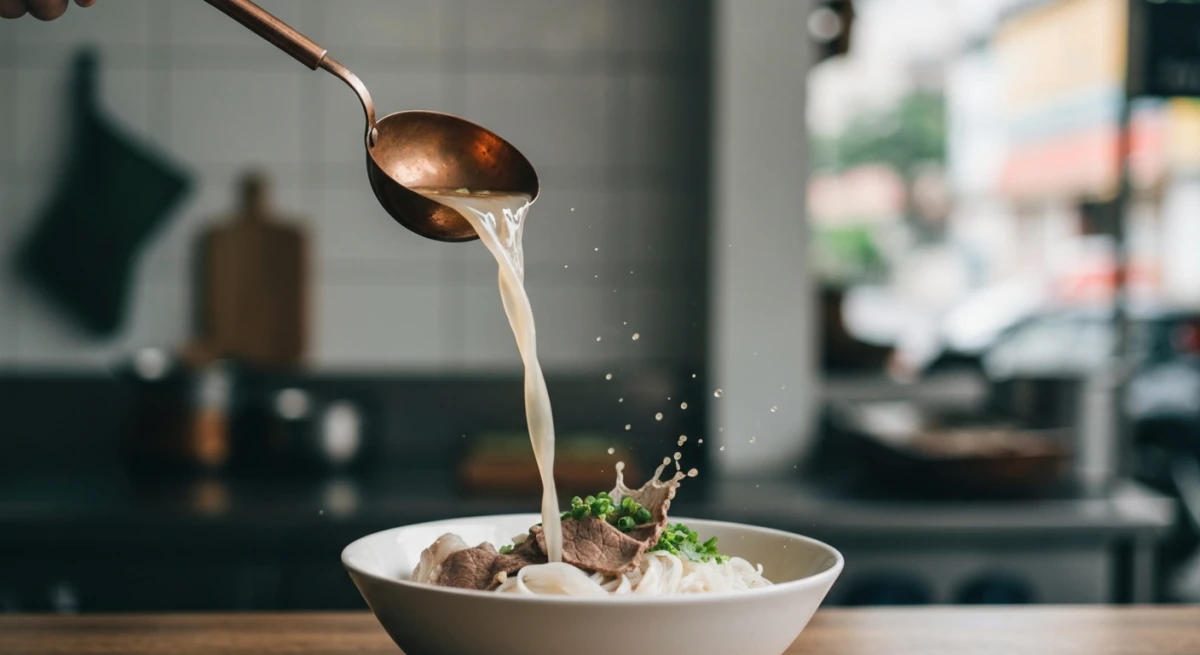
If you are traveling through Saigon and seeking the absolute pinnacle of culinary exploration, you cannot miss out on the rich, aromatic tapestry of Ho Chi Minh Chinatown food. Locally known as Cholon (Chợ Lớn), which translates directly to 'Big Market,' this historic enclave spreads across Districts 5, 6, and 11. It is a bustling, visually striking labyrinth where Cantonese, Teochew, Hokkien, and Hainanese cultures have melted seamlessly into the Vietnamese way of life over the last two centuries. For food lovers, Cholon is nothing short of paradise. In this definitive guide, we will take you on a deep culinary dive into the absolute best street food stalls, century-old restaurants, and hidden gems that make Ho Chi Minh Chinatown food a legendary experience.
The Soul of Cholon: Understanding Saigon's Sino-Vietnamese Culinary Fusion
To truly appreciate Ho Chi Minh Chinatown food, one must understand the rich history of the Hoa people (ethnic Chinese Vietnamese) who call this neighborhood home. In the late 18th century, Chinese immigrants settled along the Tàu Hủ Canal, establishing a vibrant trading hub that eventually merged with the expanding city of Saigon. They brought with them ancestral recipes, cooking techniques, and ingredients that had been refined over generations in southern China.
However, rather than remaining isolated, these culinary traditions adapted to the tropical ingredients, local produce, and unique taste preferences of southern Vietnam. For example, Cantonese roasted meats began utilizing local spices and herbs; Teochew noodle soups integrated Vietnamese fish sauce and aromatic greens; and Hainanese chicken rice evolved to feature the snappy texture of local free-range chickens. The result is a unique, deeply complex Sino-Vietnamese culinary fusion that is softer, fresher, and more herb-heavy than traditional mainland Chinese cuisine, yet retains the rich, slow-simmered depths of wok-hei and historic master broths. When you eat here, you are tasting centuries of migration, survival, and delicious adaptation.
The Iconic Dishes of Cholon and Where to Find Them
When exploring the culinary labyrinth of Cholon, knowing exactly what to order and where to find it makes all the difference. Here are the most famous, mouthwatering dishes you must try, complete with verified addresses, opening hours, and what makes each spot legendary.
1. Mì Sủi Cảo (Chinese Dumpling Noodle Soup)
No trip to Ho Chi Minh's Chinatown is complete without visiting Hà Tôn Quyền Street in District 11, affectionately known to locals as 'Phố Sủi Cảo' (Dumpling Street). As evening falls, this street transforms into a lively open-air dining room with dozens of stalls serving bowls of steaming, handmade sủi cảo.
Unlike northern-style dumplings, Cholon’s sủi cảo feature a whole, snappy river shrimp and savory minced pork wrapped in a thin, silky yellow wrapper that becomes beautifully translucent when boiled. The broth is a golden, incredibly sweet liquid simmered from pork bones, dried shrimp, and dried squid. It is typically garnished with tender bok choy, boiled pork skin (bì), and crispy fried fish skins (da cá chiên giòn) which add a delightful crunch.
- Where to try:
- Sủi Cảo Thiên Thiên: 195–197 Hà Tôn Quyền, Ward 4, District 11
- Sủi Cảo 193: 193 Hà Tôn Quyền, Ward 7, District 11
- Hours: 1:30 PM – 1:00 AM daily
- Price: 40,000 VND – 70,000 VND ($1.60 – $2.80 USD) per bowl
2. Hủ Tiếu Sa Tế (Teochew-Style Satay Noodle Soup)
If you crave rich, bold, and complex flavors, Hủ Tiếu Sa Tế is the ultimate dish to seek out. Originating from Teochew immigrants, this noodle soup is incredibly unique and rare to find outside of Cholon.
The magic lies in the dense, aromatic broth. It is a slow-simmered, velvety gravy infused with up to twenty different ingredients, including roasted peanuts, sesame seeds, lemongrass, chili, garlic, cinnamon, star anise, and five-spice powder. The soup has a nutty, mildly spicy, and deeply savory profile. It is traditionally poured over wide, flat rice noodles (similar to northern pho noodles) and topped with tender slices of beef, venison, or pork, and accompanied by slices of fresh cucumber, tomatoes, cilantro, and sweet basil to balance the richness.
- Where to try: Hủ Tiếu Sa Tế Gia Truyền Tô Ký
- Address: 36 Gò Công, Ward 13, District 5
- Hours: 6:00 AM – 10:30 PM daily
- Price: 70,000 VND – 90,000 VND ($2.80 – $3.60 USD) per bowl
3. Mì Vịt Tiềm (Stewed Duck Noodle Soup)
Mì Vịt Tiềm is a true showstopper of Cantonese-Vietnamese cooking. The centerpiece of this dish is a massive quarter-duck leg that is first marinated in a secret blend of spices, deep-fried to render the fat and achieve a crispy, mahogany skin, and then slow-stewed in a master broth containing traditional Chinese medicinal herbs like goji berries, dates, and cinnamon.
The duck meat is extraordinarily tender, virtually falling off the bone at the touch of a chopstick. It is served alongside springy, yellow egg noodles (mì sợi) that are handmade fresh daily. The broth is dark, sweet, and highly aromatic, served with pickled papaya and green chilies to cut through the rich duck fat.
- Where to try: Mì Vịt Tiềm Hải Ký
- Address: 351 Nguyễn Trãi, Ward 7, District 5
- Hours: 10:00 AM – 11:00 PM daily
- Price: 97,000 VND – 110,000 VND ($3.90 – $4.40 USD) per bowl
4. Bột Chiên (Pan-Fried Rice Cakes)
A classic street food staple across Ho Chi Minh City, Bột Chiên has its roots firmly planted in Teochew culinary traditions. This dish consists of steamed rice flour cakes cut into bite-sized cubes. The cook pan-fries these cubes on a massive, sizzling flat iron skillet until the exterior forms a crispy, golden crust while the interior remains soft and chewy.
Just before serving, eggs are cracked over the rice cakes, binding them together into a beautiful, crispy pancake. It is topped with chopped scallions and served with a side of crunchy, shredded young green papaya and a special tangy, sweet soy sauce dressing.
- Where to try: Bột Chiên 190
- Address: 190 Hải Thượng Lãn Ông, Ward 14, District 5
- Hours: 2:00 PM – 10:00 PM daily
- Price: 25,000 VND – 40,000 VND ($1.00 – $1.60 USD) per plate
5. Cơm Gà Đông Nguyên (Dong Nguyen Chicken Rice)
For Hainanese-inspired comfort food, Cơm Gà Đông Nguyên is an absolute institution in District 5. Operating for decades and constantly packed with local families, this restaurant is famous for its simple yet flawlessly executed chicken rice.
The chicken is steamed to perfection, resulting in incredibly juicy, tender meat with a springy skin. It is served over fragrant, yellow-tinged rice that has been cooked directly in chicken fat and rich chicken broth. The meal is accompanied by a sweet, slow-simmered bowl of hot kale soup or black herbal soup, and a specialized ginger-soy dipping sauce.
- Where to try: Cơm Gà Đông Nguyên
- Address: 801 Nguyễn Trãi, Ward 14, District 5
- Hours: 9:00 AM – 9:00 PM daily
- Price: 50,000 VND – 85,000 VND ($2.00 – $3.40 USD) per serving
6. Chè Hoa (Chinese Sweet Soups and Herbal Desserts)
To end your culinary journey on a traditional note, you must indulge in the therapeutic world of Cantonese sweet soups, locally known as Chè Hoa. Unlike Western desserts, these sweet soups are deeply connected to traditional Chinese medicine, designed to balance the body's 'yin' (cooling) and 'yang' (heating) energies.
The most legendary spot to experience this is Chè Cột Điện (affectionately called the 'Electric Pole Dessert' or 'Chè Ma' / 'Ghost Dessert' due to its late-night hours). Operating since 1938, this humble street stall is run by a fourth-generation Chinese-Vietnamese family who serves legendary desserts right next to an old electric transformer box.
- Must-try desserts:
- Hột gà trà: A hard-boiled egg slow-simmered in a sweet, dark herbal tea. It sounds unusual, but the tea infuses the egg with a rich, herbal, and sweet profile that is surprisingly comforting.
- Chè mè đen: A silky, rich, hot black sesame soup that is incredibly fragrant and roasted.
- Sâm bổ lượng: A refreshing, cold sweet soup packed with lotus seeds, seaweed, barley, dried longan, and red dates.
- Where to try: Chè Cột Điện (Chè Châu Giang)
- Address: 476 Trần Hưng Đạo B, Ward 14, District 5
- Hours: 5:00 PM – 10:30 PM daily
- Price: 15,000 VND – 33,000 VND ($0.60 – $1.30 USD) per bowl
The Ultimate Self-Guided Cholon Food Tour Itinerary
If you have a single afternoon and evening to dedicate to exploring Ho Chi Minh Chinatown food, this curated self-guided itinerary will give you the most efficient, culturally immersive, and delicious experience possible.
Phase 1: 3:00 PM – Temples and Light Afternoon Snacks
Start your afternoon in the heart of District 5 at Miếu Nhị Phủ (264 Hải Thượng Lãn Ông), a stunning Hokkien temple built in the early 18th century. Walk through the smoky courtyards, admire the historic architecture, and soak in the peaceful ambiance.
Once you’ve built up a small appetite, walk just a few minutes down the road to Bột Chiên 190 (190 Hải Thượng Lãn Ông). Order a single plate of crispy bot chien to share. Watch the vendor work the massive flat iron skillet—a sensory introduction to the sights and sounds of Cholon.
Phase 2: 4:30 PM – Historic Streets and Duck Noodles
From Hải Thượng Lãn Ông, make your way onto Nguyễn Trãi Street. This street is the commercial heart of Cholon, lined with historic shophouses, fashion boutiques, and traditional herbal medicine pharmacies. Walk down the street to visit Chùa Bà Thiên Hậu (Ba Thien Hau Temple at 710 Nguyễn Trãi), one of the oldest and most beautiful Chinese temples in Saigon, dedicated to the Goddess of the Sea.
As the sun begins to set and the air cools, head directly to Mì Vịt Tiềm Hải Ký (351 Nguyễn Trãi). Order their signature stewed duck noodle soup. The rich, medicinal aroma of the broth and the fall-off-the-bone tenderness of the fried duck leg will redefine your expectations of what noodle soup can be.
Phase 3: 6:30 PM – The Dumpling Feast of Hà Tôn Quyền
With your stomach partly full, hail a quick Grab bike or taxi and head to Hà Tôn Quyền Street in District 11. By this time, the street will be buzzing with motorbikes, bright neon signs, and energetic street vendors beckoning you to sit.
Grab a plastic stool at Sủi Cảo Thiên Thiên (195-197 Hà Tôn Quyền). Order a bowl of steamed sủi cảo with deep-fried fish skins. If you are feeling adventurous, order the 'Sủi cảo thập cẩm,' which comes loaded with dumplings, pork skin, squid, and fish balls. It is a lively, fast-paced street food experience that represents the true heartbeat of Saigon.
Phase 4: 8:30 PM – Late-Night Herbal Sweets
End your night back in District 5 at Chè Cột Điện (476 Trần Hưng Đạo B). Sit at one of the small metal tables arranged on the sidewalk under the warm glow of the streetlights. Order a comforting bowl of hot black sesame soup (chè mè đen) or the sweet tea egg (hột gà trà). It is the perfect, cooling, and therapeutic way to digest your epic feast and reflect on the rich heritage of Cholon.
Beyond the Plate: The Historic Markets of Chinatown
While the individual street stalls are spectacular, Cholon's culinary culture is deeply anchored in its historic wet markets. If you are an early riser, exploring these markets provides an unfiltered look into how Ho Chi Minh Chinatown food begins its journey from raw ingredient to finished dish.
Phùng Hưng Market (The Morning Food Paradise)
Located in District 5, Phùng Hưng Market is a vibrant morning market that is highly frequented by local residents. If you visit between 6:00 AM and 10:00 AM, you will find narrow alleyways packed with vendors selling fresh seafood, vegetables, and exotic herbs.
Crucially, Phùng Hưng is also home to incredible breakfast stalls. Here, you can find freshly steamed dim sum (há cảo and xíu mại) served straight out of large bamboo steamers, Teochew-style rice noodle rolls, and traditional Chinese pastries like 'bánh tiêu' (fried hollow donuts) and 'giò cháo quẩy' (fried dough sticks) to dip into hot bowls of congee or thick, local Robusta coffee.
Bình Tây Market (The Architectural Wholesaler)
Bình Tây Market (57A Tháp Mười, District 6) is the largest and most famous market in Cholon. Built in the 1920s by a wealthy Chinese merchant named Quách Đàm, the market features a stunning combination of French colonial engineering and traditional Chinese pagoda-style architecture.
While Bình Tây is primarily a wholesale market for goods, clothes, and spices, it features a massive wet market and a central food court on the ground floor. Here, you can wander through stalls selling dried seafood, authentic Chinese spices, and massive bags of lotus seeds. The food court offers incredibly affordable local dishes, making it a great place to stop for a quick lunch of hủ tiếu or fresh spring rolls.
Practical Tips for Navigating Cholon's Culinary Maze
To ensure your self-guided tour goes as smoothly as possible, keep these essential insider tips in mind:
- Embrace the Grab App: Cholon is located roughly 6 kilometers west of District 1 (the main tourist center). It is highly sprawling and covers a massive geographical area. Walking from District 1 is not feasible. The best way to get there and hop between food spots is by using the Grab app to book cheap, reliable motorbike or car rides.
- Carry Cash (VND): Practically all the legendary street stalls, dessert spots, and market vendors in Cholon operate on a cash-only basis. Credit cards are not accepted. Ensure you carry smaller denominations of Vietnamese Dong (such as 10,000, 20,000, and 50,000 bills) for easy transactions.
- Learn Basic Food Vocabulary: While many vendors in Cholon are bilingual (speaking both Vietnamese and Cantonese), English is not widely spoken in these deeply local areas. Having a translate app ready or learning basic terms like 'Mì' (egg noodles), 'Sủi cảo' (dumplings), 'Nước' (soup/broth), and 'Khô' (dry/sauce-mixed style) will help immensely.
- Mind the Timing: Cholon’s food scene is highly time-sensitive. Wet markets like Phùng Hưng are best visited early in the morning (6:00 AM - 9:00 AM). Conversely, iconic street food hubs like Hà Tôn Quyền’s dumpling street and Chè Cột Điện only come alive in the late afternoon and run deep into the night (4:30 PM - late).
Frequently Asked Questions (FAQ)
What makes Ho Chi Minh Chinatown food different from standard Vietnamese food?
While Vietnamese food heavily emphasizes fresh raw herbs, light broths, and fish sauce, Chinatown food (Cholon) blends these elements with deep, wok-fried flavors, master broths, five-spice powder, and traditional Chinese medicinal herbs. It is a unique fusion that is richer and sweeter than northern Vietnamese food, but lighter and more herb-forward than mainland Chinese cuisine.
Is Cholon (District 5) safe to visit for tourists at night?
Yes, Cholon is exceptionally safe for tourists, even late at night. The streets are busy, well-lit, and filled with local families dining out. However, as with any crowded city environment, keep an eye on your personal belongings, especially in bustling markets and on busy sidewalks where motorbikes pass close by.
What is the single most famous street for street food in Cholon?
Hà Tôn Quyền Street in District 11 is arguably the most famous food street in the area. It is internationally renowned for its dozens of sủi cảo (dumpling) stalls that turn the entire street into a vibrant, smoky outdoor dining hall every evening.
Can vegetarians find food in Ho Chi Minh's Chinatown?
Yes! Many Chinese-Vietnamese residents practice Mahayana Buddhism, which emphasizes vegetarianism. You will find several excellent vegetarian restaurants (known as 'Quán Chay') throughout District 5, especially around the major pagodas. These spots serve delicious, plant-based versions of classic Chinese-Vietnamese noodle soups and stir-fries.
Conclusion
Exploring the vibrant streets of Cholon is not just about filling your stomach; it is a sensory journey through centuries of history, migration, and cultural adaptation. From the rich, peanut-infused broth of Hủ Tiếu Sa Tế at Tô Ký to the comforting, therapeutic sweet soups of Chè Cột Điện, every single bite of Ho Chi Minh Chinatown food tells a story of a community that worked tirelessly to preserve its heritage while embracing its Vietnamese home. Grab your appetite, jump on a motorbike, and dive into the unforgettable culinary world of Cholon.