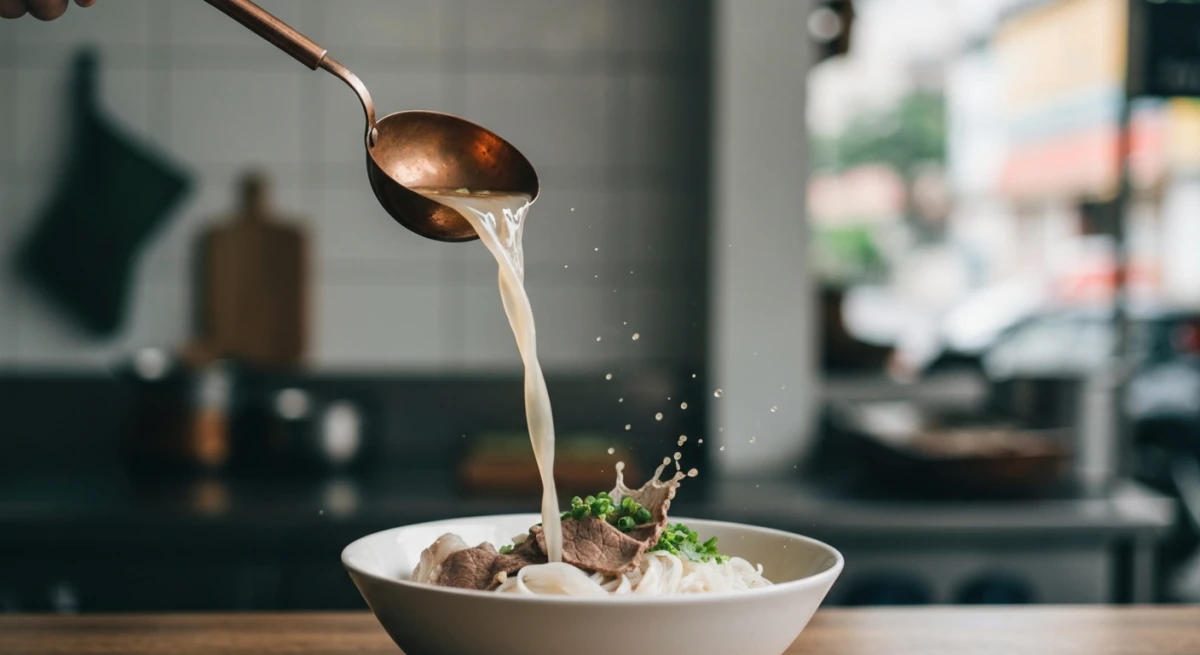
To step onto the chaotic streets of Saigon is to enter one of the most exciting culinary theaters on earth. The air is thick with the aroma of caramelized pork, sizzling lemongrass, and deeply spiced beef broths bubbling in giant metal pots. If you want to understand the beating heart of this city, you have to eat on the sidewalk. This comprehensive hcmc street food guide is designed to take you far beyond the standard tourist tracks, plunging you straight into the hidden alleyways ("hẻm") where multi-generational family recipes are served on tiny plastic stools.
Eating on the streets of Saigon isn't just a budget-friendly way to travel; it is an intimate encounter with a culture that expresses its history, warmth, and resilience through every single bowl of noodles and crispy baguette. Let's dive deep into the ultimate guide to navigating the spectacular world of Saigon's street kitchens.
The Cultural Tapestry of Saigon's Street Kitchens
Ho Chi Minh City is a culinary melting pot. Unlike other regions of Vietnam that boast strict culinary boundaries, Saigon's street food is beautifully democratic and wildly experimental. It is a canvas painted with historical migrations and cultural intersections. Here, you will find the delicate, savory techniques of the North, the fiery, herb-heavy compositions of Central Vietnam, and the sweet, coconut-infused abundance of the Mekong Delta.
But the culinary influences do not stop at regional borders. Decades of Chinese migration, particularly concentrated in the Chợ Lớn (Chinatown) area of District 5, have blessed the city with incredible wok-fried delights, roasted meats, and delicate noodle soups. French colonial rule left behind a permanent love affair with crusty baguettes, rich liver pâté, and silky caramel custards (bánh flan). More recently, modern waves of international influence have introduced flavors from Korea, Thailand, and Japan, which are quickly adapted into localized street snacks.
To truly appreciate hcmc street food, you must also understand "nhậu" culture. "Nhậu" refers to the social act of gathering with friends to drink cold beer and feast on sharing-plates of grilled meats, fresh seafood, and spicy snails late into the night. It is boisterous, chaotic, and incredibly welcoming. When you pull up a tiny plastic chair on a crowded sidewalk, you aren't just consuming calories—you are actively participating in a communal ritual of joy, resilience, and sensory celebration.
The Hall of Fame: 8 Essential HCMC Street Food Dishes
To conquer the Saigon food scene, you need to know exactly what to order. While there are thousands of variations, these eight legendary dishes represent the absolute pinnacle of local street gastronomy.
1. Bánh Mì (The Iconic Baguette Sandwich)
The Vietnamese baguette is a masterclass in contrasting textures and flavors. Crispy and warm on the outside, feather-light on the inside, it is sliced open and layered with a rich smear of French-style liver pâté, home-style egg mayonnaise, multiple cold cuts of pork, pickled daikon and carrots, fresh cucumber strips, fiery bird's eye chilies, and a handful of fresh cilantro.
- Bánh Mì Huỳnh Hoa (26 Lê Thị Riêng, District 1): Known as the "heavyweight champion" of Saigon bánh mì. It is densely packed with layers of premium meats and ultra-rich pâté. Be prepared for long lines and a premium price tag (around 65,000 to 75,000 VND), but it is a massive portion easily shared by two.
- Bánh Mì Hồng Hoa (62 Nguyễn Văn Tráng, District 1): A lighter, more balanced alternative favored by locals for its incredibly fresh, crispy bread and generous heaps of fresh herbs.
- Bánh Mì Chảo Hoa Mã (53 Cao Thắng, District 3): For a sit-down breakfast, order their "bánh mì chảo"—a sizzling personal skillet loaded with fried eggs, sausage, bacon, and pâté, served with a hot, crusty baguette on the side.
2. Hủ Tiếu Nam Vang (Cambodian-Style Pork Noodle Soup)
While Phở dominates the global conversation about Vietnamese noodles, Hủ Tiếu Nam Vang is the true darling of southern street culture. Originating from Phnom Penh (Nam Vang) but highly adapted to southern Vietnamese tastes, this noodle dish features thin, chewy rice noodles doused in a rich, sweet pork-bone broth. It is topped with minced pork, sliced pork loin, quail eggs, plump shrimp, and liver. Pro-tip: You can order it "nước" (with the hot broth poured over the noodles) or "khô" (dry noodles tossed in a savory soy-tamarind sauce, with the piping hot broth served on the side). Always pile on the fresh garlic chives, Chinese celery, and a squeeze of lime.
- Hủ Tiếu Nhân Quán (122D Cách Mạng Tháng Tám, District 3): Famous for its rich, aromatic broth and ultra-fresh ingredients, this is a local favorite that is buzzing late into the night.
3. Bột Chiên (Fried Rice Flour Cakes with Egg)
Bột Chiên is the ultimate late-night comfort food. Steamed cubes of rice flour and tapioca starch are fried on a massive, flat cast-iron skillet until the edges turn incredibly crispy while the centers remain soft and chewy. The cook then cracks a couple of eggs over the top, scattering fresh scallions to bind the crispy cakes together. It is served with a mountain of shredded green papaya and a sweet-tangy soy dipping sauce.
- Bột Chiên Đạt Thành (277 Võ Văn Tần, District 3): Watch the chef manipulate the heavy metal spatulas with mesmerizing speed over an open flame. The contrast of the crispy egg and sweet-sour papaya is sublime.
4. Cơm Tấm (Broken Rice)
Historically, "broken rice" consisted of fractured rice grains that couldn't be sold commercially, making it a humble meal for farmers and laborers. Today, it is Saigon’s most celebrated breakfast and lunch. The fragrant broken rice is topped with a marinated, charcoal-grilled pork chop (sườn nướng), a wedge of steamed egg-and-pork meatloaf (chả trứng), and shredded pork skin tossed in toasted rice powder (bì). A generous drizzle of sweet, scallion-infused fish sauce ties the whole plate together.
- Cơm Tấm Ba Ghiền (84 Đặng Văn Ngữ, Phú Nhuận District): Famously featured on global food shows, their pork chops are massive, juicy, smoky, and absolutely legendary.
5. Bánh Xèo & Bánh Khọt (Sizzling Crepes and Savory Mini-Pancakes)
Bánh Xèo gets its name from the "hissing" sound ("xèo") the rice batter makes when poured onto a searing hot skillet. Colored yellow with turmeric and rich with coconut milk, this giant crepe is stuffed with pork slices, shrimp, mung beans, and bean sprouts. To eat it, tear off a piece of the crispy crepe, wrap it in a large mustard green or lettuce leaf along with fresh herbs, and dip it into sweet-and-sour fish sauce. Bánh Khọt is its bite-sized cousin—crispy little batter cups topped with a single shrimp and scallion oil, cooked in a specialized multi-mold heavy iron pan.
- Bánh Xèo Ăn Là Ghiền (74 Sương Nguyệt Ánh, District 1): Excellent variety of fillings and exceptionally crispy crepes served in a comfortable open-air setting.
6. Ốc (Saigon Snails and Shellfish)
You have not fully experienced Saigon until you have spent an evening sitting on a low stool at an "Ốc" stall. This isn't just about French-style garden snails; "ốc" encompasses a massive array of freshwater and saltwater bivalves, crabs, and shellfish. The variety of cooking preparations is staggering: snails sauteed in rich garlic butter, clams steamed with lemongrass and chili, sweet snails tossed in a salted egg yolk sauce, or scallops grilled over charcoal with scallion oil and crushed peanuts.
- Vĩnh Khánh Street in District 4: This entire street transforms into a bustling seafood carnival after 6:00 PM, filled with smoke, music, and thousands of diners.
7. Bánh Tráng Trộn (Shredded Rice Paper Salad)
This is the quintessential snack of Saigon's youth. Strips of dry rice paper are tossed in a plastic bag with quail eggs, shredded green mango, dried beef jerky, tiny dried shrimp, fresh Vietnamese coriander (rau răm), roasted peanuts, chili oil, and a sweet-tart tamarind-kumquat dressing. The result is a chewy, spicy, sour, and intensely savory salad that is highly addictive.
- Nguyễn Thượng Hiền Street in District 3: Known as the "Bánh Tráng Trộn street," dozens of vendors line this narrow road, mixing ingredients in large metal bowls at lightning speed.
8. Chuối Nướng (Grilled Banana in Sticky Rice)
To satisfy your sweet tooth, seek out this classic southern dessert. Sweet bananas are wrapped in a layer of pandan-infused sticky rice, enveloped in banana leaves, and grilled over hot coals until the rice develops a smoky, crispy crust. The hot banana is then sliced up and drenched in a warm, sweet, salty coconut sauce topped with toasted sesame seeds and chewy tapioca pearls.
- Hẻm 378 Võ Văn Tần in District 3: Look for smoke billowing from a small metal grill on the sidewalk where a local family has been grilling sweet bananas for decades.
The Ultimate District-by-District Street Food Safari
To navigate the massive geography of HCMC, you need a targeted geographic plan. The city’s culinary magic is concentrated in specific neighborhoods, each boasting its own distinct flavor profile. Here is where to focus your exploration:
District 1: The Central Hub
While District 1 is the commercial and tourist center, it still maintains incredible pockets of street food. Skip the overpriced tourist traps and head to Nguyễn Văn Chiêm Food Street (located near Diamond Plaza). Established by the government to support street vendors, this clean, organized row of stalls offers excellent morning and lunchtime meals like bun thit nuong (grilled pork with rice vermicelli) and fresh fruit juices. For an evening vibe, the Saigon Food Street along the iconic Nguyễn Huệ Walking Street features over 50 vendors representing culinary styles from every region of Vietnam. Alternatively, Bến Thành Street Food Market (26-28-30 Thủ Khoa Huân) provides a clean, hip, and slightly western-friendly environment to try local classics with craft beer.
District 3: The Alleyway Havens
District 3 is a leafy, historic neighborhood defined by winding alleys ("hẻm") and vibrant residential blocks. It is home to Alley 287 Nguyễn Đình Chiểu, a narrow passage packed to the brim with small eateries serving steaming bowls of bún riêu (crab tomato noodle soup), bánh canh cua (thick crab noodle soup), and freshly wrapped spring rolls (gỏi cuốn). Walk this alley during the mid-morning or late afternoon to experience local food culture at its most organic and unhurried.
District 4: The Seafood & Snails Mecca
Historically known as a rough, working-class dock area, District 4 has evolved into Saigon's premier night-eating destination. Vĩnh Khánh Street is a sensory overload of neon signs, smoke from charcoal grills, and the clinking of beer glasses. This is the capital of "Ốc" (snails). For a daytime adventure in District 4, wander down Alley 20 Thước (20 Thuoc Street), a tightly packed residential alleyway famous for sweet custards, crispy fried chicken, and savory noodles at absolute bargain prices.
District 10: The Local Market Experience
For the ultimate immersive experience, head to the Hồ Thị Kỷ Street Food Lane in District 10. Nestled inside Saigon’s largest wholesale flower market, this narrow grid of alleys (primarily occupying Hẻm 66 Hùng Vương) is a street food wonderland. As the sun sets, the lanes are illuminated by glowing lanterns and string lights. Hundreds of vendors serve everything from Cambodian-style grilled skewers to spicy Korean-inspired rice cakes, sweet coconut ice cream served in real shells, and deep-fried snacks. It is lively, crowded, and incredibly energetic.
Navigating Saigon's Alleys Safely: An Insider's Street Food Survival Guide
Eating street food in HCMC is an unforgettable adventure, but it requires a bit of street-smart wisdom to keep your stomach happy and your experience stress-free. Follow these insider rules to eat safely and confidently:
1. Watch the Crowd (The Popularity Rule)
High turnover is the best guarantee of food safety. A stall packed with locals sitting on plastic stools indicates two things: the food is delicious, and the ingredients are fresh because they are constantly being replenished. Avoid stalls where the prepared food has been sitting exposed to dust and heat for hours with no customers in sight.
2. Demystify the Ice (Is the Water Safe?)
A common worry among travelers is the safety of ice ("đá") in drinks like fresh sugarcane juice ("nước mía") or iced jasmine tea ("trà đá"). In modern Saigon, almost all commercial ice is manufactured in dedicated, sterile factories using purified water. Look for ice that is shaped like uniform cylinders with a hole running through the center (tube ice). This is factory-made and completely safe. Avoid large, irregular blocks of ice crushed by hand with a rusty mallet, as they are often transported under less-than-hygienic conditions.
3. Inspect the Broths and Herbs
Ensure that noodle soups are served piping hot. The boiling broth sterilizes the bowl and ingredients. When served with a plate of fresh herbs and greens, inspect them briefly. They should look crisp, clean, and vibrant. If they look wilted or muddy, simply ask the vendor for a fresh batch or dip them directly into your boiling broth for a few seconds to sterilize them.
4. Master the Payment Etiquette
Street food in Saigon is remarkably cheap. Expect to pay between 20,000 and 60,000 VND ($0.80 to $2.50 USD) for a hearty dish. Carry small bills (10,000, 20,000, and 50,000 VND notes), as vendors often struggle to make change for large 500,000 VND bills. Increasingly, local vendors accept digital payments via banking QR codes (VietQR) or e-wallets, but cash is still king on the sidewalk.
5. Keep a Sanitizer Handy
Since you will be eating with your hands (especially when wrapping Bánh Xèo or peeling grilled shrimp), always carry a small bottle of hand sanitizer and a pack of wet wipes. Most street food tables will have a box of paper tissues, but they are generally used for wiping down chopsticks and spoons before you eat—a highly recommended habit!
HCMC Street Food Frequently Asked Questions
Is street food safe to eat in Ho Chi Minh City?
Yes, HCMC street food is generally very safe. The vast majority of vendors rely on repeat local customers, meaning hygiene is a high priority. To minimize risk, choose busy stalls, ensure your food is cooked fresh to order, and stick to purified cylinder ice.
How much does street food cost in HCMC?
Street food in Saigon is exceptionally budget-friendly. Simple snacks like bánh mì or bánh tráng trộn cost between 20,000 and 40,000 VND ($0.80 - $1.60 USD). A substantial bowl of phở, hủ tiếu, or a plate of broken rice (cơm tấm) ranges from 45,000 to 80,000 VND ($1.80 - $3.20 USD). A massive feast of snails and beer might run between 150,000 and 250,000 VND ($6.00 - $10.00 USD) per person.
Are there vegetarian street food options in Saigon?
Absolutely. Look for signs that say "Chay" (which translates to vegetarian/vegan). Because of Buddhist traditions, vegetarian food is highly popular, especially on the 1st and 15th days of the lunar month. You can find vegetarian versions of almost every classic dish, including hủ tiếu chay, phở chay, and bánh mì chay.
What is the best time of day to eat street food?
Street food is a 24-hour affair in HCMC. Mornings (6:00 AM to 9:00 AM) are dominated by cơm tấm and noodle soups. Afternoons are great for quick snacks like bánh tráng trộn or sweet desserts. The real magic happens after dark (from 6:00 PM onwards), when snail stalls, barbecue joints, and bustling night food markets come alive with energy.
Should I book a guided motorbike street food tour?
If it is your first time in Vietnam, a guided motorbike food tour is highly recommended. Professional local guides will help you navigate the chaotic traffic safely, introduce you to hidden alleys you would never find on your own, and explain the complex ingredients behind each dish. It is an incredible way to build your culinary confidence before exploring solo.
Conclusion
Embarking on a culinary journey through the lanes of Ho Chi Minh City is more than just a culinary trip—it is an immersion into the soul of Vietnam. The sidewalk is Saigon’s living room, where stories are shared over sizzling plates of snails, cold beers, and steaming bowls of broth. Do not let the intense traffic or the language barrier intimidate you. Pull up a tiny plastic stool, flash a smile, point to what looks delicious, and prepare yourself for some of the most memorable meals of your life.