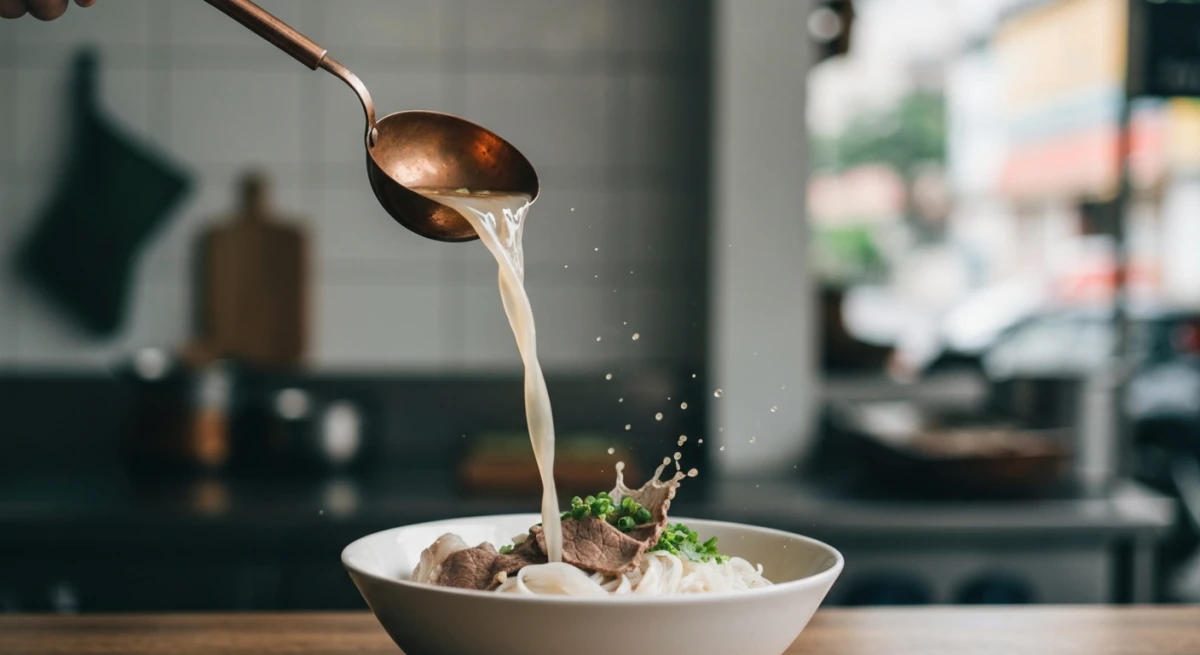
To experience the sensory overload of Ho Chi Minh City—affectionately known by locals as Saigon—you must go where the motorbikes park, the smoke rises, and the tiny plastic stools are packed. Finding the perfect ho chi minh city food market isn't just a matter of locating a place to eat; it's an immersion into a living, breathing culinary ecosystem. From the historic, bustling halls of Ben Thanh to the fragrant, alleyway-bound night markets of District 10, Saigon's food markets offer a masterclass in Vietnamese texture, flavor, and community.
Whether you are a first-time visitor craving a bowl of piping hot Pho or a seasoned foodie looking for the deep, complex flavors of Mekong Delta offal stew, this comprehensive guide will steer you through the labyrinthine alleyways of Saigon's best food markets. We will break down where to go, what to order, how to avoid the common tourist traps, and how to eat like a true local.
1. The Iconic Giants: Navigating Ben Thanh Market and Beyond
For over a century, Ben Thanh Market has stood as the symbolic heart of Ho Chi Minh City. Situated in District 1, its iconic clock tower is a landmark recognized worldwide. But for food lovers, Ben Thanh represents a double-edged sword. It is highly accessible and offers an incredible variety of Southern Vietnamese classics under one roof, yet it is also the most tourist-heavy and expensive market in the city.
The Day Experience: Ben Thanh's Indoor Food Court
Step inside the cavernous, yellow-walled market during the day, and follow your nose to the central food section. Here, long rows of closely packed food stalls (known locally as quầy ăn uống) are marked by glowing glass displays piled high with colorful ingredients.
- Must-Try Dishes Here: Start with Bánh Bèo (steamed rice cakes topped with dried shrimp, mung bean paste, and crispy pork skin) or Bún Thịt Nướng (grilled pork over cold rice vermicelli noodles, fresh herbs, and a splash of sweet fish sauce). To finish, stop by one of the famous Chè (sweet dessert soup) stalls, where you can customize a glass with layers of kidney beans, jelly, water chestnut, and rich coconut milk.
- The Vibe: Energetic, loud, and intimate. You will sit on a narrow wooden bench, inches away from the vendor preparing your meal. Expect vendors to call out to you as you walk by—stay polite, smile, and choose the stall that has the busiest crowd of local shoppers.
The Night Shift: Ben Thanh's Sidewalk Seafood & BBQ
As the indoor market closes around 6:00 PM, the surrounding streets of Phan Boi Chau and Phan Chu Trinh transform into an open-air night market. Blue-tarped tents are raised, and charcoal grills are fired up.
- The Food: This is where you come for seafood. Huge plates of grilled scallops with spring onion oil and crushed peanuts (Sò Điệp Nướng Mỡ Hành), stir-fried mud snails in coconut milk (Ốc Len Xào Dừa), and whole grilled fish wrapped in banana leaves dominate the menus.
- The Verdict: While the atmosphere is electric with the backdrop of the illuminated market facade, keep in mind that prices here are significantly marked up compared to local neighborhoods. Expect to pay premium tourist rates, but the convenience and spectacle make it a worthy stop for your first night in Saigon.
Ben Thanh Street Food Market (Thu Khoa Huan)
Just a stone's throw from the historic building at 26-28-30 Thu Khoa Huan Street sits the Ben Thanh Street Food Market. It is crucial to distinguish this modern, hipster-friendly food hall from the traditional market.
- Concept: Designed specifically for foreign tourists and younger locals, this semi-outdoor venue features trendy industrial design, vibrant street-art murals, and clean, organized stalls.
- The Food: It serves a curated selection of popular Vietnamese street foods alongside Western, Thai, and Indian options. You can easily find Bánh Mì, grilled skewers, and fresh fruit smoothies in a clean, sanitized environment.
- Pros & Cons: It is highly photogenic, features live music on weekends, and provides a gentle, hygienic introduction to street food. However, it lacks the raw, authentic atmosphere of a traditional market, and you will pay double the price for slightly altered, milder flavors suited to Western palates.
2. The Street Food Paradises: Ho Thi Ky and Cho 200
If you want to leave the tourist bubble behind and dive into the true heart of Saigon’s night-market culture, you must head to District 10 and District 4. These areas are home to markets that prioritize flavor, speed, and budget over tourist-friendly signs.
Ho Thi Ky Food Market (District 10)
Tucked deep inside Alley 52 on Ho Thi Ky Street, this is arguably the most exciting and vibrant night-time ho chi minh city food market active today. During the daytime, Ho Thi Ky is famous as Saigon's largest wholesale flower market, with trucks delivering fresh roses, lilies, and orchids from Da Lat. But as the sun sets around 4:00 PM, the floral aromas give way to the irresistible smell of sizzling lard, lemongrass, and grilled meats.
- The Cambodian Connection: What sets Ho Thi Ky apart is its unique history. The surrounding neighborhood has been home to a large Vietnamese-Cambodian community for decades. As a result, this market is the best place in Saigon to try authentic Cambodian-influenced street food.
- Bò Nướng Sả (Cambodian Lemongrass Grilled Beef): These succulent beef skewers are marinated in a pungent paste of lemongrass, turmeric, and garlic, then grilled over hot coals. They are served with a tangy, crunchy pickled papaya salad.
- Chè Campuchia (Cambodian Sweet Soup): Stop at the famous stall run by Co Huong to try this legendary dessert. It features steamed pumpkin stuffed with rich egg custard, served in a sweet coconut sauce with durian and water chestnut.
- Modern Street Food Trends: Ho Thi Ky is also a playground for teenage culinary trends. Here, you’ll find experimental snacks like grilled octopus brushed with spicy chili sauce, cheese-stuffed meatballs, fried quail eggs cooked in tiny clay pans, and giant cups of peach or kumquat tea.
- Insider Tip: The alleyway is incredibly narrow, and local motorbikes still squeeze through the crowds. Walk on the sides, keep your belongings secure, and prepare for a beautiful, chaotic sensory overload.
Cho 200 (District 4)
For decades, District 4 carried a reputation as a gritty, rough-and-tumble neighborhood. Today, it is celebrated as one of the ultimate street food sanctuaries in Vietnam. At the center of this culinary renaissance is Cho 200 (also known as the Xom Chieu Market area), localized along Hẻm 200 (Alley 200) on Xom Chieu Street.
- The Vibe: This is a pure, unadulterated residential food street. There are no English menus, no souvenir stands, and very few Western tourists. Instead, you'll find hundreds of locals sitting on low plastic stools under neon lights, eating intensely flavorful meals at rock-bottom prices.
- Signature Dish: Phá Lấu (Beef Offal Stew): District 4 is the spiritual home of Phá Lấu. This classic Southern dish features beef offal (stomach, tripe, and intestines) slow-simmered in a rich, orange-hued broth seasoned with coconut milk, lemongrass, five-spice, and chili. It is served steaming hot in a small bowl, accompanied by a crispy Vietnamese baguette (Bánh Mì) or instant noodles (Mì Phá Lấu), and a sweet-and-sour kumquat dipping sauce. Don't let the ingredients intimidate you—the meat is exceptionally tender, and the broth is deeply comforting and aromatic.
- Other Gems: Try Súp Cua (a thick, comforting crab and quail egg soup), Bột Chiên (pan-fried rice cakes scrambled with eggs and green onions), and Ốc (sea snails) cooked in sweet garlic butter.
3. The Local Night Hubs: Tan Dinh and Ba Chieu Markets
To see where working-class Saigonese go for a late-night supper after a long shift, you need to venture to the historic markets of Tan Dinh and Ba Chieu. These markets serve as essential community gathering spaces and offer incredibly high-quality food.
Tan Dinh Market (District 1)
Located on the northern edge of District 1, Tan Dinh Market is easily recognizable by its beautiful French colonial facade. While the market itself sells textiles and fresh produce during the day, the perimeter turns into a legendary night food hub as darkness falls. It sits directly opposite the famous "Pink Church" (Tan Dinh Church), making it a perfect evening stop after sightseeing.
- The Legendary Night Stalls: As the shops inside close, the wide sidewalks surrounding the market are taken over by some of the longest-running food stalls in the city.
- Xôi Gà Tân Định (Tan Dinh Chicken Sticky Rice): This is not just any sticky rice; it is a legendary institution. The warm, chewy glutinous rice is topped with shredded chicken, a whole fried chicken drumstick or wing, Chinese sweet sausage (lạp xưởng), and a secret, intensely savory soy-based sauce.
- Cháo Sườn (Pork Rib Congee): If you want something light and comforting, look for the stalls selling silky, slow-cooked rice porridge served with tender pork ribs and crispy pieces of fried dough (quẩy).
- Why It’s a Gap Competitors Miss: Most guides suggest Tan Dinh only for daytime photo-ops of the pink church. They completely overlook the vibrant night food market on the side of Hai Ba Trung street, which offers some of the cleanest and most delicious traditional late-night dining in District 1.
Ba Chieu Market (Binh Thanh District)
Located in Binh Thanh District, just a 15-minute ride from the city center, Ba Chieu Market is a massive wholesale and retail hub that remains largely untouched by tourism. The food section here is raw, fast-paced, and incredibly cheap.
- Xôi Gà Bà Chiểu (The Ultimate Midnight Sticky Rice): Hidden at the back corner of the market, this stall is famous across the entire city. Operating late into the night, they serve portions of sticky rice topped with incredibly crispy, deeply marinated fried chicken or savory char siu pork, drizzled with a rich scallion oil (mỡ hành) and a sweet-savory chili sauce.
- Seafood and Snail Stalls: Ba Chieu is also a fantastic place to experience a local Ốc (snail/shellfish) feast. Sit down at any of the busy stalls near the market's exterior and order grilled clams with peanuts, sweet and sour tamarind snails, or mud crabs stir-fried with salt and chili.
Binh Tây Market (District 5 / Cholon)
If you wish to explore the Chinese-Vietnamese culinary heritage of Saigon, Binh Tay Market in Cholon (Chinatown) is an essential stop. Built in the late 1920s with beautiful Chinese-style architecture and a central courtyard, it operates primarily as a wholesale giant.
- The Food Court: The wet food section and indoor food court at Binh Tay are outstanding for breakfast and lunch. Here, the dishes reflect a century of Chinese-Vietnamese fusion.
- Must-Try Dishes: Order a bowl of Hủ Tiếu Nam Vang (Phnom Penh-style noodle soup with a rich pork broth, shrimp, quail eggs, and minced pork) or Vịt Quay (roasted duck with exceptionally crispy skin served over egg noodles).
4. The Market Hopper’s Culinary Glossary: 10 Must-Try Dishes
When stepping into a ho chi minh city food market, the sheer variety of dishes can be overwhelming. To help you order with confidence, keep this handy culinary glossary on your phone.
| Vietnamese Name | Pronunciation Guide | English Description | Best Market to Find It |
|---|---|---|---|
| Bánh Xèo | Bahn Sair-o | Crispy, savory rice crepe stuffed with pork, shrimp, and bean sprouts. Eaten wrapped in mustard greens and herbs. | Ben Thanh Market |
| Bún Thịt Nướng | Boon Thit Noo-ung | Cold rice vermicelli noodles topped with lemongrass-grilled pork, fresh herbs, peanuts, and sweet fish sauce. | Ben Thanh Market |
| Phá Lấu | Fah Low | Tender beef offal stewed in a rich, five-spice and coconut milk broth. Served with bread. | Cho 200 (District 4) |
| Bánh Tráng Nướng | Bahn Trang Noo-ung | Often called "Vietnamese Pizza." A grilled rice paper sheet topped with egg, green onions, minced pork, and chili mayo. | Ho Thi Ky Market |
| Xôi Gà | Soy Gah | Warm, savory glutinous rice topped with shredded or fried chicken, green scallion oil, and soy glaze. | Tan Dinh Market / Ba Chieu Market |
| Hủ Tiếu Nam Vang | Hoo Tee-u Nam Vang | A pork and seafood noodle soup with a rich broth, pork slices, quail eggs, and shrimp. Cambodian-Chinese origin. | Binh Tay Market (District 5) |
| Ốc Len Xào Dừa | Oak Len Sao Zua | Sea snails stir-fried in a rich, sweet, and aromatic lemongrass-coconut cream sauce. | Cho 200 / Ben Thanh Night Market |
| Bột Chiên | Bot Chee-un | Crispy pan-fried rice flour cubes scrambled with egg, served with sweet soy sauce and green papaya shred. | Cho 200 (District 4) |
| Chè | Chair | A broad term for Vietnamese sweet dessert soups, featuring jellies, coconut cream, fruits, and beans over crushed ice. | Ben Thanh Market (Indoor) |
| Bò Lá Lốt | Baw Lah Lote | Ground beef seasoned with spices, wrapped in wild betel leaves, and grilled over charcoal. Highly aromatic. | Ho Thi Ky Market |
5. Essential Insider Tips for Navigating HCMC Food Markets
To ensure your street food adventure is memorable for all the right reasons, follow these practical, field-tested tips from seasoned Saigon foodies.
1. Master the Ride-Hailing Apps
Do not try to walk between these markets—the heat, humidity, and chaotic traffic make long-distance walking exhausting. Instead, download Grab, Gojek, or Xanh SM (the local electric taxi app) onto your phone before you go.
- Why? It ensures you get upfront, transparent pricing. A motorbike taxi (GrabBike) is the fastest way to weave through HCMC's infamous traffic jams, and it is incredibly cheap (usually under $2 USD for a 15-minute ride).
2. Spot the Hygiene Signals
Food safety is a common concern for travelers visiting any ho chi minh city food market. However, you can easily avoid an upset stomach by looking for these key indicators:
- High Turnover: Choose stalls that have a steady stream of local families, office workers, or students. High turnover means the ingredients are fresh and haven't been sitting out in the heat.
- Clean Prep Stations: Look for vendors who use stainless steel tables, wear gloves, and have a clear separation between the person handling the food and the person handling the cash.
- Ice Safety: In Saigon, ice (đá) is commercially produced in factories and safe to consume. Tube ice with a hollow center is perfectly safe to have in your sugar cane juice or iced tea.
3. Haggle with Grace (Where Appropriate)
In night food markets, food prices are usually fixed and clearly displayed on menus or boards. There is no need to haggle for your meals—in fact, attempting to do so can be considered rude.
- When to Negotiate: If you are shopping for souvenirs, clothes, or coffee beans inside Ben Thanh or Binh Tay Market, bargaining is expected. Start by offering 40% to 50% of their initial asking price and negotiate politely with a smile. If they don't agree, walk away—often, they will call you back to make the deal.
4. Carry Small Cash Denominations
Most traditional market vendors do not accept credit cards. While locals use QR codes via bank apps (VietQR), as a tourist, cash is king.
- Tip: Keep a stash of smaller bill denominations—10,000, 20,000, and 50,000 VND. Handing a vendor a 500,000 VND bill for a 20,000 VND snack can be frustrating for them, as they may not have enough change early in the evening.
6. Frequently Asked Questions (FAQ)
What is the best night food market in Ho Chi Minh City?
For the absolute best variety of local street food and a lively, energetic atmosphere, Ho Thi Ky Food Market in District 10 is widely considered the top night food market. If you prefer a more sanitized, modern environment with Western conveniences, Ben Thanh Street Food Market is a great alternative.
Is the street food in Saigon markets safe for tourists to eat?
Yes, the vast majority of street food in Saigon is safe. To minimize risk, choose stalls with high customer turnover, ensure your food is cooked hot and fresh to order, and drink beverages with commercially manufactured tube ice.
What are the typical opening hours for food markets in HCMC?
Indoor traditional markets (like Ben Thanh and Binh Tay) typically operate from 6:00 AM to 6:00 PM. Specialized street food night markets (like Ho Thi Ky and the perimeter of Tan Dinh) come alive starting around 4:00 PM or 5:00 PM and run until 11:00 PM or midnight.
How much does street food cost at a Ho Chi Minh City food market?
Street food in Saigon is incredibly affordable. In local markets like Cho 200 or Ho Thi Ky, a delicious meal (like a bowl of noodle soup, a plate of sticky rice, or a portion of grilled skewers) will cost between 20,000 VND and 50,000 VND ($0.80 to $2.00 USD). In tourist-heavy areas like Ben Thanh, expect to pay 80,000 VND to 150,000 VND ($3.20 to $6.00 USD) for similar dishes.
What should I wear when visiting the food markets?
Wear lightweight, breathable clothing and comfortable, closed-toe shoes. Saigon is warm year-round, and market alleys can get damp or crowded. Avoid wearing expensive jewelry, and keep your backpack or purse worn in front of you to prevent opportunistic bag snatching by passing motorbikes.
Conclusion
Exploring a Ho Chi Minh City food market is far more than a simple dining experience; it is an adventure that engages all your senses. From the smoky sweetness of Cambodian lemongrass beef at Ho Thi Ky to the comforting rich broth of a District 4 Pha Lau, each market tells a unique story about Saigon’s history, cultural diversity, and unmatched passion for food. Grab your appetite, jump on a GrabBike, and prepare to discover the incredible flavors that make this city the undisputed street food capital of Southeast Asia.