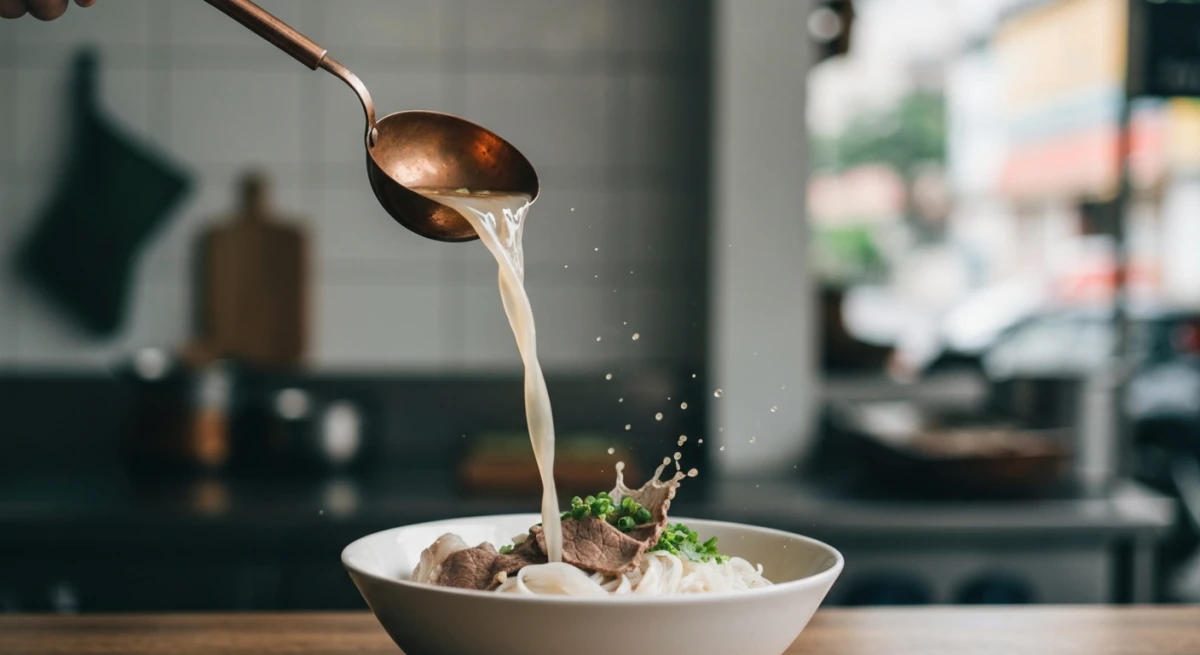
When it comes to culinary travel in Vietnam, the historic alleys of Hanoi and the buzzing streets of Saigon usually capture the spotlight. However, nestled along the country's central coast lies a rising culinary powerhouse that demands your attention. If you are planning a trip, finding the ultimate must eat da nang dishes is the key to unlocking the true soul of Central Vietnam. Shaped by the abundance of the East Sea and the rich agricultural heritage of the surrounding Quang Nam province, Da Nang's food scene is a masterclass in bold, uncompromised flavors. From fragrant, turmeric-laced noodles to charcoal-grilled skewers wrapped in wild herbs, eating here is an unforgettable sensory adventure.
In recent years, the international culinary world has taken notice. The prestigious Michelin Guide expanded its footprint here, highlighting several humble street food stalls alongside upscale dining establishments. Whether you are squatting on a tiny plastic stool on a bustling sidewalk or dining with ocean views, this comprehensive guide will walk you through the absolute must eat da nang dishes, the legendary local spots where you can find them, and practical tips to eat like a true local.
1. The Signature Seven: Iconic Da Nang Dishes You Can't Miss
To truly understand Da Nang’s culinary DNA, you have to start with the classics. These seven dishes represent the peak of central Vietnamese flavor—balancing sweet, salty, sour, savory, and spicy in every single bite.
Mì Quảng (Quang-Style Noodles)
If Da Nang had an official culinary ambassador, it would undoubtedly be Mì Quảng. Originating from the neighboring Quang Nam province, this dish is a beautiful, texture-rich creation that defies the traditional classification of 'noodle soup.' Unlike Pho, which features noodles submerged in hot broth, Mì Quảng uses a very concentrated, intensely savory broth ladled sparingly over wide, flat rice noodles (which are often dyed a vibrant yellow with fresh turmeric).
The toppings are incredibly diverse. A classic bowl includes fresh shrimp, tender pork belly, and quail eggs, though you will also find variations featuring chicken, beef, or even caramelized field frog (Mì Quảng Ếch). What truly brings the dish to life, however, is the texture. Every bowl is topped with toasted peanuts, chopped scallions, and a crispy sesame rice cracker (bánh tráng nướng). It is served alongside a mountain of fresh herbs, including shredded banana blossoms, mint, lettuce, and perilla.
How to eat it like a local: Do not eat the noodles straight away! First, squeeze a wedge of fresh lime over the bowl. Crush your crispy rice cracker into bite-sized pieces and toss them directly in. Grab a handful of fresh herbs, drop them into the bowl, and give everything a vigorous mix so the shallow, savory broth coats every single ingredient. Take a bite, followed by a crunch of a raw green bird's-eye chili for that authentic, spicy kick.
- Nu Đồ (11/1 Thiet Ban, Hai Chau): Run by a MasterChef Vietnam finalist, this charming eatery serves an elevated, exceptionally clean version of Mì Quảng with deep flavor profiles and beautiful presentation.
- Mì Quảng Cô Sáu (37b Pham Quang Anh, Son Tra): A beloved local favorite known for its rich, traditional broth and authentic neighborhood vibe.
- Mì Quảng Vân Mập (54 Ho Nghinh, Son Tra): Located near My Khe Beach, this spot is famous for its generous toppings and fiercely local flavor.
Bún Chả Cá (Fish Cake Noodle Soup)
Being a coastal city, Da Nang boasts an incredible abundance of fresh fish, which is processed daily into springy, flavorful fish cakes (chả cá). This makes Bún Chả Cá one of the ultimate comfort foods for locals, regularly eaten for breakfast or late-night dinners.
The magic of Da Nang’s Bún Chả Cá lies in its complex, sweet-and-sour broth. Unlike northern fish soups, this broth is slow-simmered with pork bones and a colorful medley of local vegetables, including sweet pumpkin, green cabbage, pineapple, and tomatoes. A subtle addition of local fermented shrimp paste (mắm ruốc) gives the broth an incredible depth of umami.
The soup is loaded with two types of fish cakes: steamed (chả cá hấp) and fried (chả cá chiên), which are delightfully chewy and infused with dill and garlic.
How to eat it like a local: Dress your bowl with a spoonful of minced garlic and chili, a squeeze of lime, and a generous handful of raw split morning glory stems and herbs. Many locals also add a tiny dollop of raw fermented shrimp paste directly into the broth to amplify the savory notes.
- Bún Chả Cá Hờn (113/03 Nguyen Chi Thanh, Hai Chau): Widely considered the gold standard in Da Nang, this legendary spot serves a deeply flavorful broth and exceptionally springy, handmade fish cakes.
- Bún Chả Cá 109 (109 Nguyen Chi Thanh, Hai Chau): A Michelin-selected local institution that offers a clean, reliable, and absolutely delicious dining experience.
Bánh Xèo & Nem Lụi (Sizzling Crepes & Lemongrass Pork Skewers)
In Da Nang, Bánh Xèo and Nem Lụi are inseparable partners. Together, they create one of the most interactive and satisfying eating experiences in the city.
Bánh Xèo in Central Vietnam is distinct from the larger, softer version found in the south. Here, they are smaller, cooked in individual iron pans to achieve an ultra-crispy, golden exterior. The batter—made of rice flour, turmeric, and coconut milk—is fried to a crackling crisp and stuffed with pork, tiny river shrimp, and fresh bean sprouts. Nem Lụi consists of seasoned minced pork paste molded onto lemongrass skewers and grilled over hot charcoal until smoky and caramelized.
The real star of this culinary show is the dipping sauce. Instead of the light fish-sauce-based nước chấm used elsewhere, Da Nang stalls serve a warm, thick, and incredibly rich dipping sauce made from ground peanuts, pork liver, and fermented soy beans.
How to eat it like a local: Lay a sheet of dry rice paper flat on your hand. Place a leafy green lettuce leaf on top, followed by a handful of herbs (such as mint, perilla, and sour carambola slices). Place a piece of crispy Bánh Xèo onto the greens. Next, place a Nem Lụi skewer inside, wrap the rice paper tightly around it, and slide the wooden lemongrass stalk out of the bottom. Dip the entire roll deeply into the warm peanut-liver sauce and enjoy the glorious explosion of textures and savory flavors.
- Bánh Xèo Bà Dưỡng (K280/23 Hoang Dieu, Hai Chau): Tucked away at the end of a narrow, smoky alley, this is Da Nang’s most famous Bánh Xèo spot. It is chaotic, perpetually packed, and serves the absolute best dipping sauce in town.
- Bánh Xèo Tôm Nhảy Cô Ba (248 Nguyen Tri Phuong, Thanh Khe): Famous for its 'jumping shrimp' version, utilizing incredibly fresh, sweet shrimp that cook beautifully inside the crispy batter.
Bánh Tráng Cuốn Thịt Heo (Pork Belly Rolls with Fermented Anchovy Sauce)
If you love fresh wraps but want something incredibly rich, Bánh Tráng Cuốn Thịt Heo is a mandatory addition to your culinary bucket list. The dish consists of boiled pork belly served alongside a platter of fresh herbs, dry rice paper, and thin, wet sheets of steamed rice noodles (bánh ướt).
What makes the pork belly here unique is the precision of the cut. Local spots specialize in slicing the pork so that there is a layer of tender rind on both ends of each strip. The accompanying vegetable platter is a botanical garden on a plate, featuring up to a dozen different wild herbs, green bananas, cucumber, and sour starfruit.
The dipping sauce, Mắm Nêm, is what defines this dish. It is a highly aromatic, pungent sauce made from fermented anchovies, mixed with minced pineapple, garlic, chili, and lime juice. It is sweet, intensely savory, and wonderfully spicy.
How to eat it like a local: Place a sheet of dry rice paper on your plate. Gently lay a wet sheet of bánh ướt on top of it (this adds a beautiful, soft texture). Layer on a mix of herbs, cucumber, and green banana, then top it with a slice of double-skinned pork belly. Roll it up tightly, dip it generously into the Mắm Nêm, and savor the balance of the fresh, crunchy herbs against the rich, fatty pork and bold sauce.
- Quán Trần (4 Le Duan, Hai Chau): A polished, highly popular restaurant chain known for its pristine ingredients, double-skinned pork cuts, and perfectly balanced Mắm Nêm.
- Quán Đại Lộc (97 Trung Nu Vuong, Hai Chau): A local favorite that serves massive portions of tender pork and a stunning variety of fresh, locally sourced herbs.
Cháo Vịt & Gỏi Vịt (Duck Porridge & Duck Salad)
Porridge might sound like simple comfort food, but Da Nang's local duck specialists have turned it into a culinary phenomenon. This dish gained international prestige when the Michelin Guide awarded Quán Nhân a Bib Gourmand.
These eateries exclusively use local duck breeds, specifically those raised on Cam Nam Island. These ducks are prized for their lean, exceptionally tender meat and a complete lack of gamey odor. The ducks are poached to perfection, and the resulting golden, fatty broth is used to simmer rice, mung beans, and coix seeds into a rich, velvety porridge (Cháo Vịt).
The porridge is served alongside Gỏi Vịt—a bright, zesty salad of thinly sliced cabbage, banana blossoms, fresh herbs, and tender pieces of poached duck, all tossed in a sweet-and-sour ginger fish sauce (nước mắm gừng).
How to eat it like a local: Do not mix the salad into the porridge. Instead, enjoy them side by side. Dip the tender pieces of duck from the salad directly into the fiery ginger sauce, and follow each bite with a warm, comforting spoonful of the savory duck porridge.
- Quán Nhân (83 Phan Tu, My An, Ngu Hanh Son): A legendary, Michelin Bib Gourmand-winning street food spot that stays open late, drawing massive crowds for its comforting porridge and incredible duck salad.
- Cô Chủ Nhỏ (30 Loseby, Son Tra): Another Michelin-recognized establishment celebrated for its clean dining space and beautifully prepared, refreshing duck dishes.
Bún Mắm Nêm (Vermicelli with Roasted Pork & Anchovy Sauce)
For foodies seeking a flavor profile that is bold and unapologetic, Bún Mắm Nêm is the ultimate must eat da nang masterpiece. It is a dry noodle bowl that completely bypasses the subtle broths of Northern Vietnam in favor of pure, concentrated flavor.
The base consists of cold rice vermicelli noodles topped with crispy-skinned roasted pork belly (thịt quay), chewy Da Nang beef sausage (chả bò), boiled young jackfruit, fresh herbs, roasted peanuts, and crispy fried shallots. The entire bowl is then drenched in Mắm Nêm—the same intense, fermented anchovy sauce used for the pork rolls.
The resulting dish is a sensory overload: the crunch of the roasted pork rind, the chewiness of the noodles, the fragrance of the herbs, and the pungent, fiery kick of the sauce.
How to eat it like a local: Toss the bowl thoroughly before your first bite to ensure the Mắm Nêm is evenly distributed. Keep a cold glass of sugarcane juice or iced green tea nearby—this dish is notoriously spicy, and locals love it that way!
- Bún Mắm Nêm Bà Thuyên (K424/03 Le Duan, Thanh Khe): Operating out of a tiny, atmospheric residential alley for over three decades, this stall serves the absolute gold standard of Bún Mắm Nêm in Da Nang.
- Bún Mắm Nêm Cô Liên (52 Tran Binh Trong, Hai Chau): A beloved neighborhood spot known for its incredibly generous toppings and beautifully balanced, highly spicy sauce.
Bánh Canh Yến (Thick Noodle Soup with Snakehead Fish)
Bánh Canh is a thick, chewy noodle made from tapioca starch, rice flour, or a combination of both, giving it a texture highly reminiscent of Japanese udon. In Da Nang, Bánh Canh is often served in a thick, gelatinous broth made by simmering pork bones and fresh snakehead fish (cá lóc).
The local favorite spot, Bánh Canh Yến, has been operating for over 30 years and boasts a Michelin recommendation. Their broth is rich and comforting, filled with tender chunks of seasoned snakehead fish, springy fish cakes, quail eggs, and crispy fried dough sticks (quẩy) that are perfect for soaking up the delicious soup.
- Bánh Canh Yến (253 Nguyen Hoang, Hai Chau): Known for its impeccably clean, chewy hand-cut noodles and a deep, soul-warming broth that has kept locals coming back for decades.
2. The Ultimate Seafood Feast: Coastal Dining in Da Nang
You cannot visit a coastal paradise like Da Nang without indulging in a fresh seafood (hải sản) feast. The city's eastern shoreline is lined with massive, open-air seafood restaurants where the dining experience is highly interactive, lively, and incredibly fresh.
The Seafood Ordering Ritual
When you step into a classic Da Nang seafood joint, you won't be handed a standard printed menu. Instead, you will be led to a massive wall of plastic tubs and glass tanks filled with live sea creatures.
Here is how the process works:
- Select your catch: Walk along the tanks and point out what you want. You can choose from red snapper, clams, blue crabs, spiny lobsters, oysters, sea snails, and giant prawns.
- Weigh and price: The staff will scoop up your selection, weigh it in front of you, and quote a price per kilogram (which is typically very reasonable compared to Western standards).
- Choose your preparation style: You must specify how you want each item cooked.
Here are the classic Vietnamese preparation styles you must try:
- Nướng Mỡ Hành (Grilled with green onion oil and crushed peanuts): This is the absolute best way to eat scallops, oysters, and mussels. The smoky grill flavor combined with the rich oil and crunchy peanuts is heavenly.
- Hấp Sả (Steamed with lemongrass and fresh chili): Ideal for clams, squid, and snails. This simple cooking style highlights the natural, sweet flavor of the fresh seafood.
- Rang Me (Stir-fried with sweet and tangy tamarind sauce): Perfect for mud crabs or giant tiger prawns. The thick, caramelized sauce is incredibly delicious, and you will want to order a loaf of French bread (bánh mì) to soak it up.
- Sốt Bơ Tỏi (Stir-fried in garlic butter): A crowd-pleasing option that works beautifully with snails, lobster, or prawns.
Top Seafood Restaurants to Visit
- Quán Năm Đảnh (K139/H59/38 Tran Quang Khai, Tho Quang): This is the ultimate local legend. Hidden deep inside a maze of narrow residential alleys in the Son Tra district, it is incredibly cheap and wildly popular. Navigating your way here is a rite of passage for foodies, and the reward is exceptionally fresh, highly spiced seafood dishes.
- Hải Sản Bé Mặn (100 Vo Nguyen Giap, Son Tra): Located right on the main beach road, Bé Mặn is massive, loud, chaotic, and energetic. It offers a spectacular view of the ocean and boasts some of the freshest and most diverse catches in the city.
- Nhà Hàng Thanh Thế (326 Ong Ich Khiem, Hai Chau): If you prefer a slightly more relaxed, mid-range dining environment away from the coastal crowds, this central spot serves outstanding seafood classics with excellent service.
3. Street Food Safaris: Exploring Da Nang's Culinary Hubs
If you want to sample a wide variety of Da Nang's local specialties in a single afternoon, heading to one of the city's bustling markets or food streets is highly recommended. These hubs are a sensory playground filled with sweet aromas, sizzling pans, and the lively chatter of local diners.
| Market / Culinary Hub | Best Time to Visit | Must-Try Dishes | Vibe / Experience |
|---|---|---|---|
| Con Market (Chợ Cồn) | 3:00 PM – 7:00 PM | Ốc hút (spicy snails), Bánh bèo, Bánh bột lọc, Chè (sweet soups) | Highly authentic, crowded, cheap, and loved by locals. |
| Son Tra Night Market | 7:00 PM – 11:00 PM | Grilled seafood skewers, Bánh tráng nướng (Vietnamese pizza), Coconut jelly | Lively, tourist-friendly, next to the famous Dragon Bridge. |
| Han Market (Chợ Hàn) | 9:00 AM – 3:00 PM | Chả bò (beef sausage), Dried seafood souvenirs, Bánh khô mè | Indoor, historical, great for daytime exploration and souvenirs. |
Con Market (Chợ Cồn): The Street Food Epicenter
Located in the heart of the commercial district, Con Market is the culinary crown jewel of Da Nang. While the indoor section sells household goods and dried foods during the day, the outdoor food court springs to life in the mid-afternoon.
As you walk down the narrow paths, you will find vendors sitting behind massive metal trays piled high with food. Pull up a tiny plastic stool and try Ốc Hút (sucking snails cooked in a fragrant broth of lemongrass, ginger, coconut milk, and chili). You suck the snails directly out of their shells, releasing a burst of sweet, spicy broth.
Follow this with a platter of Bánh Bèo—delicate steamed rice cakes served in tiny ceramic cups, topped with savory shrimp powder, crispy pork rinds, and scallion oil, drizzled with a sweet fish sauce. Finish your culinary safari with a glass of Chè, a traditional sweet dessert soup made with coconut milk, shaved ice, grass jelly, and various sweet beans.
4. Practical Guide: How to Eat Like a Da Nang Local
To make the most of your culinary journey, it helps to understand the local dining culture and etiquette. Eating in Vietnam is a social, tactile experience, and following these simple tips will help you dine with confidence.
Navigating the Table Condiments
Every local dining table in Da Nang is equipped with a specific array of condiments. Understanding how to use them is key to customizing your meal to your personal taste:
- Chén Nước Mắm (Fish Sauce): Usually served plain or with sliced chilies. Use this for dipping spring rolls or seasoning noodle dishes.
- Ớt Xiêm Xanh (Green Bird's-Eye Chilies): These small green peppers are incredibly spicy but possess a wonderfully fresh, citrusy aroma. Locals love taking small bites of raw chili between mouthfuls of noodles.
- Tỏi Ngâm (Pickled Garlic): Thinly sliced garlic pickled in vinegar. Adding a few slices to beef noodles or fish soup cuts through the richness and adds a pleasant acidity.
- Chanh (Lime Wedges): Always squeeze a wedge of lime into your noodle broths to brighten the flavors before eating.
Essential Local Etiquette & Tips
- The Wet Tissue Charge: At almost every local restaurant in Da Nang, you will find a sealed wet tissue (khăn lạnh) placed on your table. Note that these are not free; the restaurant will charge a small fee (typically 2,000 to 5,000 VND / $0.10 to $0.20 USD) per tissue used. It is completely normal and very cheap, but good to know!
- Using Grab for Transportation: Many of the best, most authentic local eateries are tucked away in deep alleys or residential neighborhoods. The easiest and most stress-free way to reach them is by using the Grab app (the Southeast Asian equivalent of Uber) to book a cheap motorcycle or car ride. It eliminates any language barriers and ensures you arrive at the exact address.
- Food Safety Guidelines: Da Nang’s food scene is highly hygienic compared to other regional hubs, but it pays to be smart. Look for stalls with high customer turnover (a sure sign of fresh ingredients) and always stick to bottled water. Pack hand sanitizer and get into the habit of using it before every meal.
5. Frequently Asked Questions (FAQ)
What is the absolute number one must eat da nang dish?
If you only have time for one meal in Da Nang, make it Mì Quảng (Quang-Style Noodles). It is the culinary symbol of the region, beautifully combining the unique textures of chewy turmeric noodles, crunchy rice crackers, and fresh herbs in a highly concentrated, savory broth that you cannot find anywhere else in the world.
Is the food in Da Nang spicy?
Central Vietnamese cuisine is famous for being the spiciest in the country. However, most restaurants serve the chili on the side or drizzle it on top. If you have a low tolerance for heat, you can simply ask the vendor for 'không cay' (not spicy) when ordering.
Are there good vegetarian or vegan options in Da Nang?
Yes! Da Nang has a thriving Buddhist community, which means vegetarian (chay) food is widely available and incredibly delicious. Look for restaurants with the word 'Quán Chay' on their sign. Excellent spots include Ngọc Chi (32 Thái Phiên) and Shamballa for a more upscale, atmospheric vegetarian dining experience.
How much does a street food meal cost in Da Nang?
Da Nang is incredibly budget-friendly. A hearty bowl of Mì Quảng or Bún Chả Cá at a local street food stall will typically cost between 25,000 and 45,000 VND ($1.00 to $1.80 USD). A massive, fresh seafood feast for two people at a beachside restaurant will usually range from 300,000 to 600,000 VND ($12.00 to $24.00 USD), depending on your selection.
Conclusion
Da Nang's culinary scene is a vibrant, unforgettable tapestry of coastal freshness and deep-rooted central Vietnamese tradition. By stepping away from the tourist-heavy hotel strips and diving into the smoky alleys of Bánh Xèo Bà Dưỡng or pulling up a stool at the Michelin-recommended Quán Nhân, you will experience the true heart of this incredible city. Grab a cold local Larue beer, order a steaming bowl of turmeric noodles, and embark on a culinary adventure that will stay with your taste buds long after you return home.