Must Eat Ho Chi Minh: The Ultimate 2026 Saigon Food Guide
In many parts of the world, culinary tradition is a rigid, carefully guarded museum. In Ho Chi Minh City (still affectionately called Saigon by locals), food is a living, breathing, rapidly evolving organism. While Hanoi’s culinary identity is anchored in delicate, subtle, and centuries-old ancestral recipes, Saigon is Vietnam’s culinary Wild West.
Historically, as a melting pot of Southern farmers, Chinese immigrants from Cholon (Chinatown), Khmer communities, and French colonial influences, Saigon created a food culture that is bolder, sweeter, spicier, and vastly more experimental. Here, sugar is used generously to balance salty fish sauce, herbs are piled so high they resemble a mini-forest on your table, and the concept of "fusion" isn't a modern marketing term—it's been the daily reality for generations.
To truly understand what you must eat in Ho Chi Minh, you have to understand the art of personalization. In Saigon, almost every dish comes with a side array of fresh herbs (rau sống), lime wedges, bird’s eye chilies, pickled garlic, and multiple dipping sauces. A bowl of soup isn't just served to you; it’s a canvas. The chef provides the foundation, but you paint the final flavor profile.
The Southern Flavor Blueprint: Why Saigon’s Food Scene is Different
Saigon’s culinary landscape is shaped by geography and history. Located in the fertile Southern region near the Mekong Delta, the city has always had access to an abundance of fresh produce, tropical fruits, sugarcane, and seafood. This natural wealth translates directly onto the plate. Unlike the North, where salt and black pepper dominate, Southern Vietnamese cuisine embraces sweetness, heat, and rich coconut-based broths.
Furthermore, the waves of migration have left indelible marks on the local palate:
- The Chinese Influence: Cholon (District 5) brought wok-hei techniques, roasted meats, and egg noodles, blending seamlessly into local noodle soups like Hủ Tiếu.
- The Khmer & Cambodian Connection: Phnom Penh's trading routes brought unique herbs, sour flavor profiles, and fermented seafood pastes.
- The French Legacy: Colonial rulers introduced the baguette, pâté, butter, and coffee—which the Vietnamese quickly transformed into the global sensations of Bánh Mì and Cà Phê Sữa Đá.
If you want to experience the absolute pinnacle of flavor complexity, this city is a playground where street food stalls hold Michelin Bib Gourmand titles right alongside high-end, contemporary dining rooms.
The Big Four: Iconic Dishes You Can't Miss
If you only have 48 hours in the city, these four dishes are absolute non-negotiables. They represent the baseline of the Saigonese palate.
1. Cơm Tấm (Broken Rice)
Historically a peasant dish made from damaged, unsellable rice grains left over from the milling process, Cơm Tấm has evolved into Saigon's definitive comfort food. The broken grains have a unique, slightly dry, and fluffy texture that absorbs savory sauces beautifully.
A classic plate of Cơm Tấm Sườn Nướng features a thin, charcoal-grilled pork chop marinated in lemongrass, garlic, honey, and fish sauce. It’s accompanied by bì ( shredded pork skin tossed in toasted rice powder), chả trứng (a steamed pork and egg meatloaf with cellophane noodles), a drizzle of green scallion oil (mỡ hành), and sweet-and-sour fish sauce.
- Where to Eat It:
- Cơm Tấm Ba Ghiền (84 Đặng Văn Ngữ, Phú Nhuận District): A legendary, Michelin Bib Gourmand-recognized spot famous for its humongous, thick-cut pork chops that completely cover the plate.
- Cơm Tấm Sà Bì Chưởng (179 Trần Bình Trọng, District 5): Owned by famous Vietnamese streamers, this modern spot offers consistently high-quality ingredients, excellent marinades, and a cleaner dining environment.
2. Bánh Mì (The Ultimate Portable Feast)
While you can find bánh mì on every street corner in Vietnam, Saigon’s rendition is larger, crunchier, and packed with a dizzying variety of cold cuts. The local baguette is baked with a mix of wheat and rice flour, resulting in an incredibly airy interior and a crust that shatters like glass upon the first bite.
The standard Bánh Mì Thịt Nguội (cold cut bánh mì) is slathered with rich, house-made liver pâté and egg yolk mayonnaise, then layered with various types of Vietnamese ham (chả lụa), headcheese, cured pork, pickled daikon and carrots, fresh cucumber spears, cilantro, and a fierce kick of bird's eye chili.
- Where to Eat It:
- Bánh Mì Huỳnh Hoa (26 Lê Thị Riêng, District 1): Known as the "heavyweight champion" of Saigon sandwich spots. It is a massive, multi-layered meat bomb that can easily feed two people. Prepare for a queue, but it moves fast.
- Bánh Mì 37 Nguyễn Trãi (39 Nguyễn Trãi, District 1): If cold cuts aren't your thing, this street cart specializes in round, smoky, charcoal-grilled pork patties (bánh mì trung) drenched in a rich, sweet-savory brown sauce.
3. Phở Nam (Southern-Style Pho)
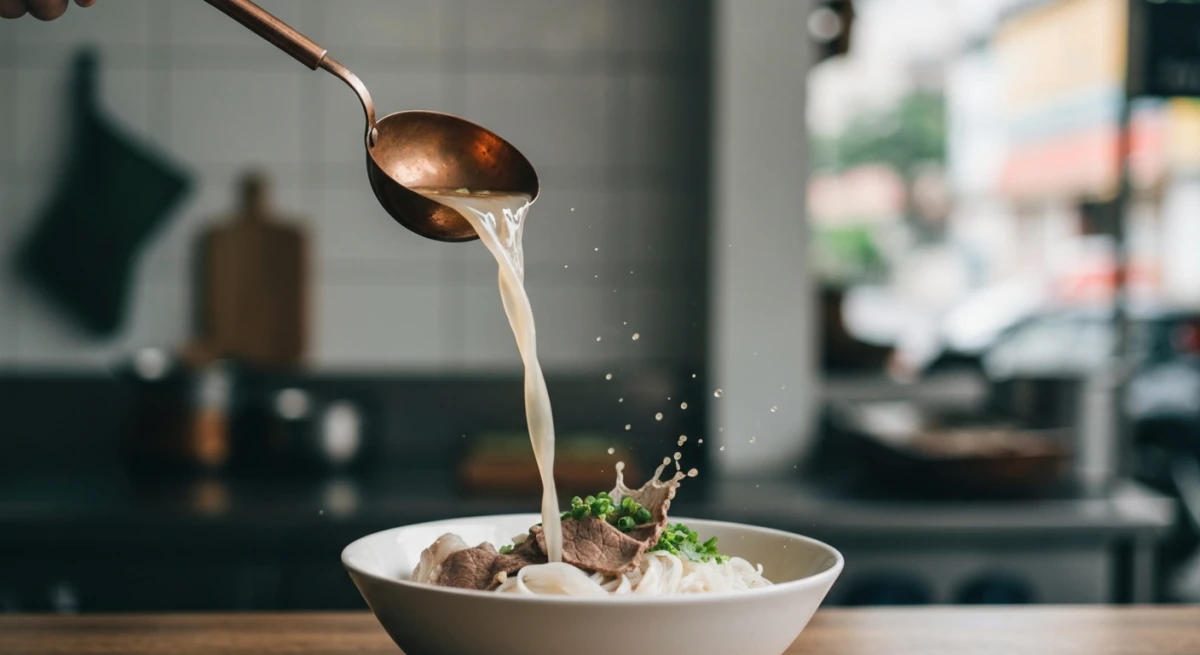
Many travelers are surprised to find that Phở in Saigon is a completely different beast than its northern counterpart. Northern Pho (Phở Bắc) is minimalist, focusing on a clear, savory broth and simple flat noodles. Southern Pho (Phở Nam) features a slightly sweeter, highly aromatic broth flavored with charred onions, ginger, star anise, cinnamon, and cloves.
Crucially, Phở Nam is served with a massive basket of fresh herbs (including Thai basil, saw-tooth herb, and rice paddy herb), fresh bean sprouts, lime, and chilies. On the table, you’ll always find hoisin sauce (tương đen) and chili sauce (tương ớt), which locals use for dipping the tender beef cuts or swirling directly into the broth.
- Where to Eat It:
- Phở Lệ (415 Nguyễn Trãi, District 5): Celebrated for its rich, slightly sweeter broth and incredibly tender beef meatballs (bò viên).
- Phở Hòa Pasteur (260C Pasteur, District 3): One of the oldest and most famous pho institutions in the city, serving generous portions in a historic, bustling shophouse setting.
4. Bún Thịt Nướng (Grilled Pork Vermicelli)
When the midday heat of Saigon makes hot soup unappealing, Bún Thịt Nướng is the perfect refreshing alternative. This cold noodle salad combines room-temperature rice vermicelli noodles with a mountain of fresh herbs, shredded lettuce, cucumber, pickled carrots, and daikon.
It is topped with sizzling, charcoal-grilled pork shoulder, crispy chả giò (deep-fried egg rolls), a heavy sprinkle of crushed peanuts, and scallion oil. To eat, you pour a generous bowl of light, sweet-and-sour fish sauce (nước chấm) over the top, mix everything together, and enjoy the perfect contrast of warm, smoky meat and cold, crunchy vegetables.
- Where to Eat It:
- Bún Thịt Nướng Chị Tuyền (175/9 Cô Giang, District 1): Hidden down an alleyway, this iconic spot serves an incredible version with exceptionally crispy egg rolls and deeply caramelized pork.
Beyond the Classics: Street Food & Night Market Treasures
To elevate your culinary journey from tourist to local expert, you must venture into the world of Saigon's specialized street food.
1. Ốc (Snails and Shellfish)
Eating ốc is not just about the food; it’s an essential cultural ritual in Saigon. Đi ăn ốc (going out for snails) is a highly social activity where groups of friends sit on low plastic stools at night, drinking cold beers and ordering plate after plate of diverse shellfish.
The varieties are endless: mud creepers in sweet coconut milk (ốc len xào dừa), sweet snails sauteed in salted egg yolk sauce (ốc hương hoàng kim), or scallops grilled with scallion oil and peanuts (sò điệp nướng mỡ hành). Don't forget to use the sweet-and-sour ginger dipping sauce.
- Where to Eat It:
- Ốc Đào (212B/C79 Nguyễn Trãi, District 1): Highly popular, clean, and offering a massive menu with English translations.
- Ốc Như (24 Điện Biên Phủ, District 3): A legendary local spot that gets incredibly packed. Go early (around 4 PM or 5 PM) to secure a seat and ensure they haven't run out of the best catches.
2. Hủ Tiếu Nam Vang (Phnom Penh Noodle Soup)
Hủ Tiếu Nam Vang is a beautiful testament to Saigon’s multicultural history. Originating as a Cambodian noodle dish with Chinese roots, it has been thoroughly adopted and adapted by Southern Vietnamese cooks.
The dish features chewy tapioca noodles served either "wet" (in a sweet, pork-bone-based broth) or "dry" (tossed in a rich soy-and-garlic sauce with the broth served on the side). The bowl is loaded with toppings: minced pork, sliced pork loin, quail eggs, whole shrimp, and sometimes pork liver or heart. It is served with unique greens like Chinese celery and garlic chives.
- Where to Eat It:
- Hủ Tiếu Nhân Quán (122D Nguyễn Trãi, District 1): A fantastic, high-volume establishment open 24/7 that serves exceptionally fresh ingredients and a rich, deeply savory dry sauce.
3. Bột Chiên (Fried Rice Cakes)
A popular after-school snack and late-night post-drinking meal, Bột Chiên is of Chinese origin but heavily localized. Thick cubes of taro or rice flour cakes are pan-fried on a massive, flat iron skillet until the exteriors are incredibly crispy while the interiors remain chewy.
The cook then cracks one or two eggs over the cakes, folding them together, and tops the dish with a handful of fresh green scallions. It’s served with a pile of crunchy, shredded green papaya and a sweet, diluted soy sauce for dipping.
- Where to Eat It:
- Bột Chiên Đạt Thành (277 Võ Văn Tần, District 3): A classic, highly rated local spot that has been frying up some of the crispiest bột chiên in the city for decades.
4. Bánh Xèo (Sizzling Savory Crepe)
While Central Vietnam makes small, thick pancakes, Southern Bánh Xèo are colossal, thin, and paper-crisp. Named after the loud "sizzling" (xèo) sound the rice batter makes when poured onto a searing hot skillet, this crepe is flavored with turmeric powder and coconut milk, then stuffed with pork belly, whole shrimp, and mung beans.
To eat, tear off a piece of the crispy crepe, wrap it inside a large mustard green or lettuce leaf along with fresh herbs, roll it up tightly, and dip it deep into sweet-and-sour fish sauce.
- Where to Eat It:
- Bánh Xèo 46A (46A Đinh Công Tráng, District 1): Made world-famous by Anthony Bourdain, this open-air restaurant still serves excellent, massive crepes cooked over traditional charcoal stoves.
5. Phá Lấu (Braised Offal Soup)
For the culinary adventurer, Phá Lấu is a beloved local delicacy that you won't easily find outside of Southern Vietnam. Originating from Chinese immigrants, this dish features beef or pork offal (including stomach, intestines, and lung) braised in a rich, spicy, orange-hued broth seasoned with five-spice powder and coconut milk.
It is traditionally served bubbling hot in a small bowl, accompanied by a crispy Vietnamese baguette (bánh mì) or instant noodles (mì phá lấu). You dip the tender, chewy pieces of offal into a sweet, sour, and spicy kumquat dipping sauce that perfectly cuts through the richness of the coconut broth.
- Where to Eat It:
- Phá Lấu Cô Thảo (243/29G Tôn Đản, District 4): Tôn Đản street in District 4 is legendary for street food, and Cô Thảo is the absolute queen of phá lấu, serving locals for decades.
6. Bún Mắm (Fermented Fish Noodle Soup)
If Northern Vietnam has the delicate phở, the Mekong Delta (and by extension, Saigon) has Bún Mắm—a bold, uncompromising, highly pungent noodle soup that is the ultimate umami bomb. The broth is flavored with fermented fish paste (mắm cá sặc or mắm cá linh), which gives it a deep, muddy-brown color and an incredibly rich, savory taste balanced with lemongrass and sugarcane juice.
The soup is loaded with thick rice noodles, crispy roasted pork belly (heo quay), slices of squid, plump shrimp, and steamed fish. It is always accompanied by an incredible array of aquatic vegetables from the Mekong Delta, including water mimosa, purple stems of water lilies, and banana blossom curls.
- Where to Eat It:
- Bún Mắm Vy Dạ (190 Hồng Bàng, District 5): A fantastic spot to experience this authentic Southern dish in a clean and highly welcoming environment.
Sweet Treats & Caffeine Culture: How to Drink Like a Saigonese
No food guide to Ho Chi Minh City would be complete without addressing the city’s true fuel: coffee and sweet desserts.
1. Cà Phê Sữa Đá (Vietnamese Iced Coffee)
Saigon runs on Cà Phê Sữa Đá. Made from dark-roasted Robusta beans brewed slowly through a small metal drip filter (phin), this coffee is incredibly strong, intensely bitter, and deeply aromatic. It is poured directly over a generous dollop of sweet condensed milk and a glass filled to the brim with crushed ice.
- Where to Experience It:
- Cà Phê Vợt Phan Đình Phùng (330/30 Phan Đình Phùng, Phú Nhuận District): Operating for over 80 years, this 24/7 stall uses a traditional "stocking" or "cloth filter" (vợt) method to brew smooth, rustic coffee. Sit on a tiny stool on the sidewalk to drink it for an authentic experience.
- Okkio Caffe (various central locations): For a modern, specialty coffee experience, Okkio represents Saigon’s booming cafe culture, serving exquisitely roasted local Arabica and Robusta blends in beautifully designed spaces.
2. Chè (Sweet Dessert Soups)
If you have a sweet tooth, Chè is the ultimate Vietnamese dessert. These sweet soups, puddings, and drinks come in dozens of variations. They are typically made with a base of coconut milk, sweetened mung beans, black-eyed peas, grass jelly, tapioca pearls, and seasonal fruits like durian or jackfruit, served over crushed ice.
- Where to Eat It:
- Chè Thanh Tâm (84 Bùi Hữu Nghĩa, District 5): A beloved Chinese-Vietnamese dessert spot specializing in herbal sweet soups, black sesame paste, and coconut-infused jelly desserts.
Saigon Street Food Survival Guide: Etiquette, Districts, and Safety
Navigating the chaotic streets of Saigon can be intimidating for first-timers. Use these insider tips to eat safely and confidently like a seasoned local.
1. The Ice Rule (Is the water safe?)
A common worry for travelers is getting sick from the water or ice. In Ho Chi Minh City, tourist spots and busy local stalls almost exclusively use commercially manufactured tube ice (đá bi), which is perfectly safe for consumption. If the ice has a hollow center, it was machine-made with purified water. Avoid crushed ice shaved from large blocks of questionable storage conditions, but don't hesitate to enjoy your cà phê sữa đá at popular street stalls.
2. The "Khăn Lạnh" (Wet Wipe) Fee
When you sit down at many local restaurants, the staff will immediately place a packaged, wet, scented wipe (khăn lạnh) on your table. Be aware that these are not free; they usually cost between 2,000 to 5,000 VND (about 10–20 cents). If you use it, it will be added to your final bill. If you don't want to pay, simply leave it unopened on the side.
3. Eat Geographically to Beat the Traffic
Saigon is a massive, sprawling metropolis with notorious traffic congestion. To maximize your eating time, group your food stops by district:
- District 1: The central tourist hub. Great for high-quality, convenient spots like Bánh Mì Huỳnh Hoa, Bún Thịt Nướng Chị Tuyền, and specialty cafes.
- District 3: A leafy, beautiful district adjacent to District 1, home to classic institutions like Phở Hòa Pasteur and excellent snail stalls (Ốc Như).
- District 5 (Cholon): The historic Chinatown. Head here for incredible Chinese-Vietnamese fusion, Hủ Tiếu Nam Vang, and sweet Chè.
- Phú Nhuận / Bình Thạnh Districts: Great off-the-beaten-path culinary adventures with authentic neighborhood street food markets.
Frequently Asked Questions (FAQ)
What makes Southern Pho different from Northern Pho?
Southern Pho (Phở Nam) has a sweeter, more robustly spiced broth and is served with a mountain of fresh herbs, bean sprouts, lime, and dipping sauces (hoisin and chili sauce). Northern Pho (Phở Bắc) is much simpler, focusing on a clear, savory, delicate broth with only beef and scallions, without the extra herbs or sweet sauces.
Is street food safe in Ho Chi Minh City?
Yes, street food in HCMC is generally very safe, provided you follow a few basic rules. Look for stalls with a high turnover of local customers—this guarantees that the ingredients are fresh and haven't been sitting out. Avoid lukewarm buffets; always opt for dishes cooked hot and fresh to order right in front of you.
Can vegetarians find good food in HCMC?
Absolutely! Look for signs that say "Quán Chay" (vegetarian restaurant). Because Buddhism is widely practiced, HCMC has an incredible array of vegetarian restaurants serving plant-based versions of classics like Phở Chay, Bánh Mì Chay, and Bún Thịt Nướng Chay. Many spots offer highly creative mock meats made from tofu and mushrooms.
Do I need to tip at local food stalls?
Tipping is not traditional or expected at casual street food stalls, local shophouses, or family-run restaurants in Vietnam. However, in modern Western-style cafes or high-end dining spots, leaving a small tip (5–10%) or rounding up the bill is highly appreciated by the hard-working staff.
Wrap-Up: Embracing the Chaos of Saigon's Food Scene
Eating in Ho Chi Minh City is a fully immersive, sensory experience. It requires you to dodge motorbikes, sit on tiny colorful plastic stools on the sidewalk, and communicate via pointing and smiles. But beneath the chaotic surface lies one of the world's most sophisticated, fresh, and deeply satisfying food cultures. By stepping out of your comfort zone and seeking out these local institutions, you won't just feed your hunger—you'll experience the vibrant, beating heart of Saigon itself.
Now, grab your chopsticks, pull up a plastic stool, and let the culinary adventure begin!