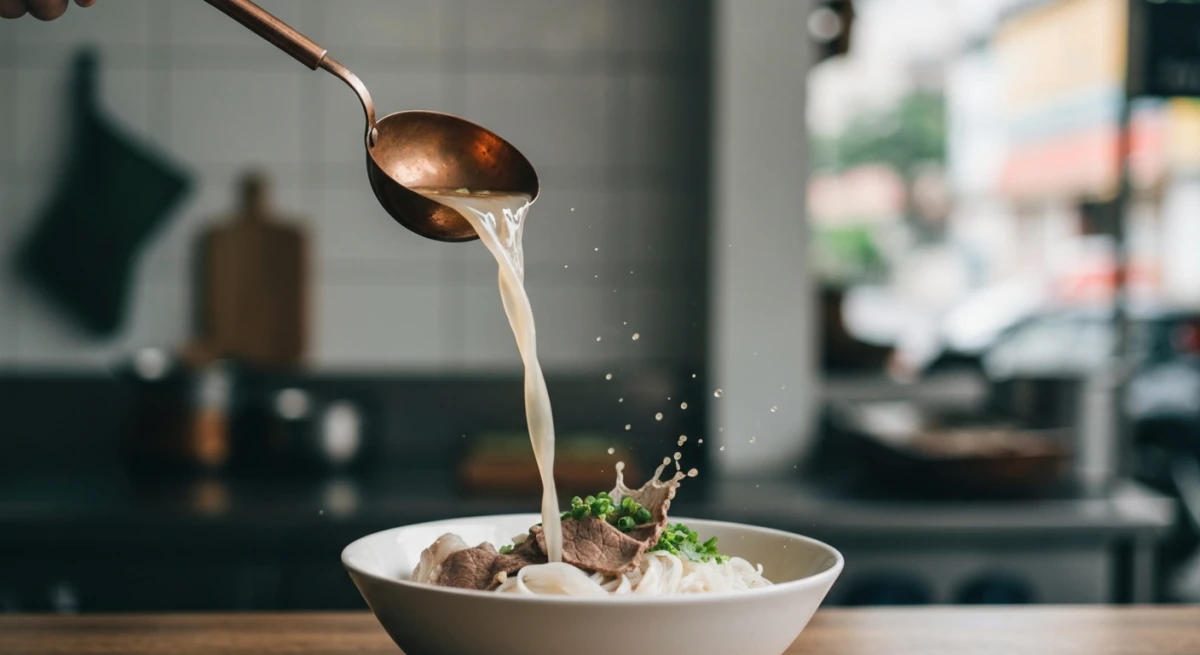
Ho Chi Minh City, still affectionately called Saigon by locals, is a sensory overload. Motorbikes flow like rapid rivers, neon signs reflect in monsoon puddles, and the sweet, savory smoke of charcoal grills hangs thick in the air. For any traveler, the ultimate way to decipher this sprawling metropolis is through its plate. If you are planning a visit, knowing the must eat food in ho chi minh city is the key to unlocking the soul of southern Vietnam. Unlike the delicate, minimalist flavors of the north, Southern Vietnamese cuisine is an unapologetic celebration of bold contrasts: sweet, salty, herbaceous, sour, and intensely aromatic. To help you navigate this culinary wonderland, this guide goes beyond tourist traps to bring you the definitive, local-approved dishes that define the Saigonese dining experience.
The Golden Standard of Saigon Breakfasts
Breakfast in Ho Chi Minh City is not a quiet, indoor affair. It is an energetic, sidewalk-bound ritual. As the city wakes up, the sidewalks transform into bustling dining rooms set with low plastic tables and stools.
Cơm Tấm (Broken Rice): The King of Saigonese Comfort Food
Originally a humble dish eaten by poor rice farmers who utilized fractured grains rejected during the milling process, Cơm Tấm has risen to become the undisputed breakfast king of Ho Chi Minh City. What makes broken rice so special is its unique texture—the smaller, fractured grains absorb flavors beautifully and possess a drier, lighter mouthfeel than standard jasmine rice.
A classic plate of Cơm Tấm Sườn Bì Chả is an orchestral arrangement of textures and temperatures. The centerpiece is the Sườn Nướng, a thin pork chop marinated in lemongrass, garlic, shallots, and sweetened fish sauce, caramelized over hot charcoal. This is accompanied by Bì (shredded pork skin tossed in toasted rice powder), Chả Trứng (a savory steamed egg, pork, and wood-ear mushroom meatloaf), and a generous drizzle of mỡ hành (scallion oil). The entire plate is brought to life by a sweet, thick chili-infused fish sauce poured over the top, offset by a side of pickled daikon and carrot.
Where to eat it:
- Cơm Tấm Ba Ghiền (84 Đặng Văn Ngữ, Phú Nhuận District): Honored with a Michelin Bib Gourmand, this legendary spot serves portions so massive they spill over the plate. The smoke from their street-side grill is a local landmark in itself.
- Cơm Tấm Nguyễn Văn Cừ (74 Nguyễn Văn Cừ, District 1): Known as one of the most expensive plates of broken rice in the city, but locals swear by the unparalleled quality of their thick, perfectly caramelized pork chops.
Bánh Mì Hòa Mã: The Original Skillet Breakfast
While the world knows bánh mì as a portable, paper-wrapped sandwich, Saigon’s oldest bánh mì institution serves it deconstructed in a sizzling metal skillet. Open since 1958, Bánh Mì Hòa Mã is a living relic of culinary history.
When you order the Bánh Mì Chảo (pan-fried bread), you are presented with a hot, sizzling cast-iron skillet bubbling with fried eggs, slices of Vietnamese ham (chả lụa), pate, caramelized onions, and sweet-cured pork sausage. You tear off chunks of the incredibly crispy, fresh-baked baguette and use them to scoop up the runny yolk, rich pate, and savory meats, cut occasionally by a bite of their signature pickled cucumbers, carrots, and radishes.
Where to eat it:
- Bánh Mì Hòa Mã (53 Cao Thắng, District 3): Arrive before 7:30 AM to secure a tiny plastic stool tucked against the brick walls of a quiet alleyway.
Bò Né: Sizzling Steak and Eggs
If you crave a heavy, energy-packed breakfast, Bò Né is Saigon’s answer to the Western steak and eggs. The name translates playfully to "dodging beef," a reference to how customers must lean back to avoid the hot grease spitting from the cow-shaped iron plates.
The dish features marinated beef strips, a dollop of rich liver pate, a wedge of laughing cow cheese, and onions, all seared on a screamingly hot cast-iron platter. It is served with a fresh baguette, a side of fresh cucumber and tomato salad, and a small bowl of soy sauce mixed with chili. It is a savory and immensely satisfying morning ritual.
Where to eat it:
- Bò Né Lệ Hồng (489/29/20 Huỳnh Văn Bánh, Phú Nhuận District): A hidden gem tucked away in a maze of alleys, serving some of the tenderest beef in town.
Soulful Soups and Noodles Beyond Pho
While Northern Vietnam is famous for its strict, purist approach to Phở, Southern Vietnam’s noodle scene is a vibrant playground of diverse broths, abundant herbs, and multi-ethnic influences.
Hủ Tiếu Nam Vang: The True Noodle Champion of the South
If you ask a local for their daily noodle preference, many will bypass phở in favor of Hủ Tiếu. Originating as a Cambodian-Chinese dish, it has been thoroughly localized into Saigon’s ultimate comfort soup.
The hallmark of Hủ Tiếu Nam Vang is its complex, slightly sweet pork bone broth, boiled for hours with dried squid and rock sugar. The bowl is loaded with thin tapioca noodles (which have a delightfully chewy texture), minced pork, prawns, quail eggs, pork liver, and heart. It can be ordered nước (wet, in a steaming broth) or khô (dry, where the noodles are tossed in a rich, savory soy-based sauce and served with a bowl of broth on the side).
Where to eat it:
- Hủ Tiếu Nhân Quán (122D Cách Mạng Tháng Tám, District 3): A highly popular chain known for its incredibly clean broth and top-tier ingredients.
Bún Thịt Nướng: The Ultimate Refreshing Noodle Bowl
For hot Saigon afternoons when a hot soup sounds unappealing, Bún Thịt Nướng is the perfect antidote. It is a dry, cold noodle bowl that balances smoky warmth with crisp freshness.
The base of the bowl consists of cold rice vermicelli noodles (bún), shredded lettuce, bean sprouts, cucumbers, and a mountain of fresh herbs like mint and sweet basil. Atop this bed sits freshly grilled lemongrass-marinated pork (thịt nướng), crispy deep-fried imperial spring rolls (chả giò), and crushed roasted peanuts. To eat, you pour a generous portion of sweet-and-sour garlic-chili fish sauce (nước mắm chua ngọt) over the bowl and toss everything together. Every bite is a flawless harmony of textures—crunchy, soft, warm, cool, savory, and sweet.
Where to eat it:
- Bún Thịt Nướng Nguyễn Trung Trực (1 Nguyễn Trung Trực, District 1): Located right in the heart of the city, this street-side cart serves up beautifully charred pork with an incredibly crispy chả giò.
Southern Phở: Herb-Packed and Sweetly Complex
Phở in Ho Chi Minh City is a radically different beast than its Hanoi cousin. In Saigon, the broth is sweeter, deeper, and spiced heavily with star anise and cinnamon. More importantly, Southern-style Phở is served with an abundant platter of fresh mountain herbs—sawtooth herb (ngò gai), Thai basil (húng quế), rice paddy herb, and fresh lime.
Furthermore, while Hanoians look down on condiments, Saigonese diners love to customize their bowls. It is standard practice to squeeze lime, add fresh bird's eye chilies, and squirt hoisin sauce (tương đen) and sriracha (tương ớt) directly into the broth or onto a small side saucer for dipping the beef.
Where to eat it:
- Phở Lệ (415 Nguyễn Trãi, District 5): Located in the heart of Chinatown, this legendary shop serves an intensely flavorful, rich Southern broth that has been drawing massive crowds for decades.
Sizzling Wraps and Herbal Masterpieces
Eating in Saigon is a tactile, hands-on experience. Some of the finest culinary treasures require you to ditch the utensils and get your fingers dirty.
Bánh Xèo: The Sizzling Savory Crepe
The name Bánh Xèo translates to "sizzling cake," capturing the dramatic hiss of the turmeric-infused rice batter hitting a scorching-hot, oiled wok. Southern-style Bánh Xèo is massive—resembling a giant golden taco—far larger than the smaller versions found in central Vietnam.
The batter, seasoned with turmeric powder and coconut milk, is poured into a wok and swirled until paper-thin. It is filled with pork belly, small shrimp, mung beans, and fresh bean sprouts, then folded in half once the edges are incredibly crispy.
To eat Bánh Xèo correctly, you must follow a ritual. Tear off a piece of the crispy crepe, place it onto a large leaf of mustard greens or lettuce, pile on fresh herbs (mint, fish mint, Thai basil), roll it into a tight bundle, and dip it into sweet-and-sour chili fish sauce.
Where to eat it:
- Bánh Xèo 46A (46A Đinh Công Tráng, District 1): Made famous worldwide by legendary chef Anthony Bourdain on Parts Unknown, this bustling open-air restaurant cooks their crepes over traditional charcoal stoves, lending them a distinct smoky char.
Bò Lá Lốt: Grilled Beef in Betel Leaves
Bò Lá Lốt is a masterpiece of street-food engineering. Ground beef is seasoned with garlic, shallots, and five-spice powder, wrapped into small cigar-like tubes using wild betel (lolot) leaves, and then grilled over charcoal.
As the betel leaves heat up, they release an intoxicating, herbal, slightly peppery aroma that infuses the beef inside. The rolls are served on a platter with rice vermicelli sheets (bánh hỏi), rice paper wrappers, a garden of fresh herbs, star fruit, and green banana slices.
You wrap a beef roll, some noodles, and herbs into the rice paper and dip it into mắm nêm—a pungent, sweet-and-sour fermented anchovy dipping sauce mixed with crushed pineapple. The flavor combination is explosive, complex, and deeply addictive.
Where to eat it:
- Bò Lá Lốt Cô Giang (93 Cô Giang, District 1): A fantastic local street-side vendor where you can watch the owner grill hundreds of fragrant beef rolls over red-hot coals.
The Nocturnal Street Scene: Snails, Shellfish, and Bot Chien
As dusk falls, Saigon’s dining landscape undergoes a dramatic transformation. The night belongs to the culture of "Nhậu"—the Vietnamese art of socializing, drinking cold beer, and eating savory snacks late into the night.
Ốc: The Ultimate Seafood Street Experience
If there is one absolute must eat food in Ho Chi Minh City that captures the city's social fabric, it is Ốc (which translates literally to "snails," but encompasses all manner of clams, oysters, crabs, and shellfish). Going out for ốc is a lively, multi-hour affair where friends gather over cold beers and share dozens of small plates.
These are not the delicate French escargots; Vietnamese snail dishes are loud, spicy, and packed with flavor. The preparation methods are endless: sweet snails stir-fried with salted egg yolk sauce, blood cockles stir-fried with garlic and pork lard, mud creepers simmered in sweet coconut milk, or scallops grilled on the half shell with scallion oil and crushed peanuts.
Where to eat it:
- Vĩnh Khánh Street (District 4): Known as Saigon's "Snail Street," this chaotic, neon-drenched thoroughfare is lined with dozens of competing seafood stalls. Grab a table at Ốc Oanh (534 Vĩnh Khánh) and soak in the electric atmosphere, street performers, and incredible seafood.
Bột Chiên: Late-Night Crispy Comfort Food
A beloved street-side snack that traces its roots to the city's Chinese-Vietnamese heritage in District 5 (Chợ Lớn). Bột Chiên consists of cubed rice flour cakes that are steamed, then fried on a massive flat iron skillet until the exterior forms an ultra-crispy, golden crust while remaining chewy on the inside.
Once the rice cakes are crispy, the cook cracks two eggs over them, scattering a handful of green onions on top to form a cohesive, sizzling pancake. It is served with a mountain of shredded raw green papaya to cut through the richness, accompanied by a tangy, sweet-and-sour soy-based dipping sauce.
Where to eat it:
- Bột Chiên Đạt Thành (277 Võ Văn Tần, District 3): A legendary spot that has been perfecting this crispy, comforting snack for generations.
Essential Liquid Gold & Sweet Cravings
No culinary journey through Ho Chi Minh City is complete without experiencing the drinks and sweet desserts that keep the locals hydrated and satisfied under the tropical sun.
Cà Phê Sữa Đá: The Fuel of the City
In Saigon, coffee is not just a drink; it is a way of life. The signature brew is Cà Phê Sữa Đá—intensely strong, dark-roasted Robusta beans slow-dripped through a metal filter (phin) directly over a thick layer of sweetened condensed milk, then poured over a tall glass of crushed ice. The result is a thick, chocolaty, sweet, and highly caffeinated beverage that will power you through hours of walking.
For a historic twist, seek out Cà Phê Vợt (stocking filter coffee), where coffee is brewed in large clay pots using a fabric filter resembling a stocking, a method that dates back over a century.
Where to eat/drink it:
- Cà Phê Vợt Phan Đình Phùng (330/2 Phan Đình Phùng, Phú Nhuận District): Operating 24/7 for over 70 years, this alleyway gem brews rich, velvety coffee using ancestral clay pots over charcoal.
Chè: Southern Sweet Soups
To satisfy your sweet tooth, head to a street-side Chè stall. Southern-style Chè is characterized by the heavy use of rich, fragrant coconut cream. You can choose from dozens of varieties featuring shaved ice, grass jelly, sweet mung bean paste, lotus seeds, water chestnut, and tropical fruits like jackfruit and durian.
Where to eat it:
- Chè Khánh Vy (Chung Cư Ngô Gia Tự, Sư Vạn Hạnh, District 10): Famous for their "Chè tray" (Mâm Chè), where you are served a tray containing 16 different small bowls of warm and cold sweet soups to sample.
A First-Timer's Survival Guide to Saigon Street Food
Venturing into the street food scene of a major Asian metropolis can feel intimidating. Here are some crucial insider tips to help you navigate Ho Chi Minh City’s culinary landscape like a seasoned local.
1. Follow the Crowds
The absolute best indicator of food safety, freshness, and quality is a crowd of locals. A stall packed with families and motorbikes parked outside means the turnover of ingredients is incredibly rapid. Your food will be cooked fresh to order, dramatically reducing any risk of stomach issues.
2. Embrace the "Trash" Etiquette
Do not be shocked to see used napkins, lime wedges, and peanut shells discarded directly on the floor beneath tables. In local Vietnamese street-food culture, keeping the table clean is the priority, and the staff sweeps the floor clean periodically throughout the night.
3. Watch Your Ice (Trà Đá)
Historically, travelers were warned to avoid ice in Vietnam. Today, however, almost all urban stalls in Ho Chi Minh City use commercially produced, purified tube ice (đá bi). If you see cylindrical ice with a hole through the center, it is perfectly safe to consume in your iced tea (Trà Đá) or coffee.
4. Venture Out of District 1
While District 1 (the downtown core) has excellent dining, it is heavily tailored to tourists. For the most authentic, budget-friendly, and unaltered flavors, take a short taxi or Grab ride to District 3, District 4 (the street food paradise), or District 10.
Frequently Asked Questions (FAQs)
What is the most famous food in Ho Chi Minh City?
The most iconic dish associated specifically with Ho Chi Minh City is Cơm Tấm (Broken Rice). While Phở and Bánh Mì are eaten nationwide, Cơm Tấm is uniquely rooted in Saigon’s history and culture, representing the ultimate Southern comfort food.
Is street food safe to eat in Ho Chi Minh City?
Yes, street food in Saigon is generally very safe, provided you apply common sense. Look for stalls that have a high turnover of local customers, prepare their dishes on-site in an open kitchen, and maintain a clean prep area. Stick to bottled water, and ensure meat dishes are served piping hot.
How much does a street food meal cost in Ho Chi Minh City?
Street food in Saigon is incredibly budget-friendly. A typical bowl of noodles, a plate of broken rice, or a stuffed bánh mì will cost anywhere from 30,000 VND to 70,000 VND (approximately $1.20 to $3.00 USD). Even a massive feast of street snails with beers will rarely exceed $10 to $15 USD per person.
How do Southern and Northern Vietnamese cuisines differ?
Northern cuisine (centered around Hanoi) tends to be older, more traditional, simpler, and balanced, relying heavily on black pepper rather than chili, with lighter broths. Southern cuisine (centered around Saigon) is bolder, sweeter, and spicier, utilizing fresh herbs, coconut milk, and chili, heavily influenced by historical trade and agricultural abundance.
What is the best way to experience street food in Ho Chi Minh City?
For first-timers, booking a motorbike-based food tour is highly recommended. Local student guides will safely navigate the chaotic traffic on scooters, taking you to off-the-beaten-path alleys and explaining the cultural history behind each dish.
Conclusion
Eating your way through Ho Chi Minh City is more than just a culinary checklist—it is an immersion into a vibrant, living culture. From the comforting crackle of a sizzling plate of Bò Né at sunrise to the lively clink of beer glasses over plates of garlic-butter snails at midnight, every meal tells a story of adaptation, community, and resilient flavor. Put on some comfortable shoes, find a free plastic stool, and let Saigon’s streets guide your palate. Your next unforgettable meal is waiting just around the corner.