The Soul on a Sidewalk: An Introduction to Hanoi's Culinary Landscape
When you first step into the atmospheric maze of Hanoi's Old Quarter, the first thing that hits you isn't the chaotic roar of motorbikes, but the sweet, smoky, and herbaceous aroma wafting from the sidewalks. Hanoi is a city that lives, breathes, and eats outdoors. If you are searching for the absolute must eat food in hanoi, you must be prepared to leave white-tablecloth expectations at the door. Here, the culinary crown belongs to the street.
From steaming cauldrons of 20-hour bone broth to the aromatic sizzle of fresh turmeric fish on tiny tabletop grills, the capital's food culture is a beautiful balance of centuries-old northern Vietnamese traditions, French colonial influences, and a resilient spirit of local culinary adaptation. This comprehensive guide will take you far beyond the typical tourist traps, spotlighting local mainstays, Michelin Bib Gourmand awardees, and hidden alleyway secrets that define the authentic Hanoian flavor profile. Prepare to pull up a tiny plastic stool, grab your chopsticks, and embark on a culinary journey through one of the world's finest food cities.
1. The Undisputed Legends: Phở and Bún Chả
No culinary pilgrimage to northern Vietnam is complete without diving deep into the city's two most iconic creations. While you can find these dishes globally, tasting them in their birthplace is a transformative experience for any food lover.
Phở Bò and Phở Gà (Beef and Chicken Noodle Soup)
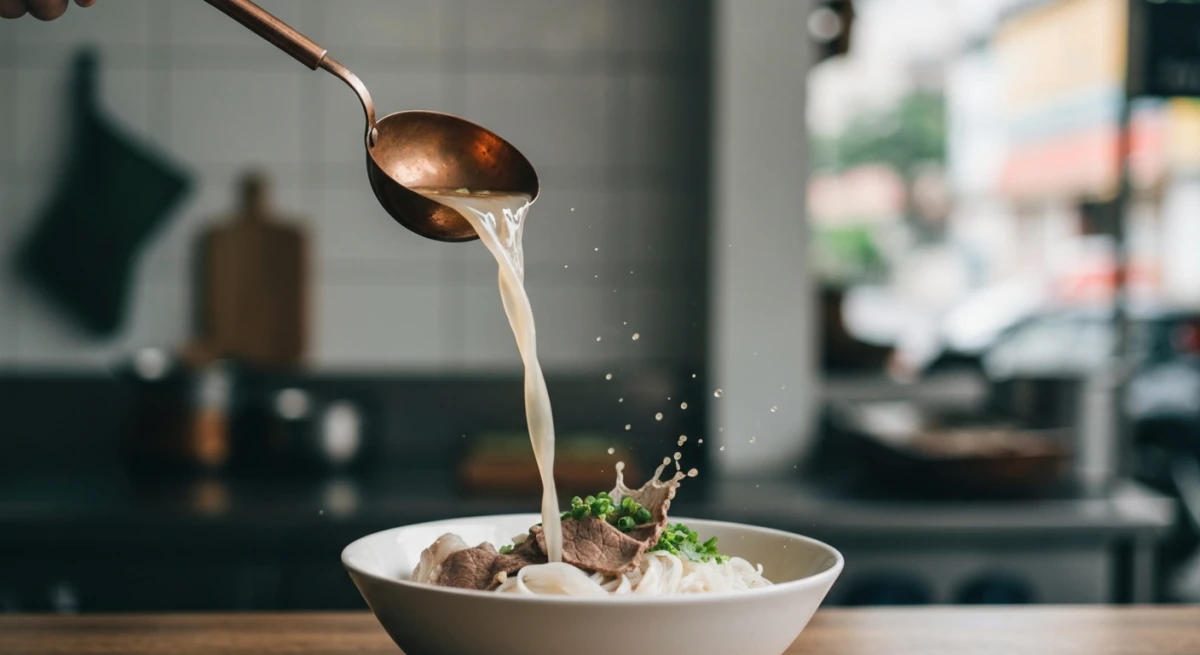
Unlike the sweeter, herb-loaded Pho of southern Vietnam (Saigon), Hanoi-style Pho focuses on simplicity, purity, and depth of flavor. The broth is clear, delicately spiced with star anise, cinnamon, and black cardamom, and served with flat, artisanal rice noodles and a simple scattering of green onions. It is traditionally a morning ritual, though you can find exceptional bowls late into the night. It represents the pinnacle of northern comfort food.
- Phở Bò Ấu Triệu (34 Ấu Triệu Street): This legendary, family-run spot is a Michelin Bib Gourmand favorite. Run by the daughter of the famous Pho Tu Lun, her specialty is the phở bò tái nạm (beef soup with tender flank and raw minced beef cooked gently by the boiling broth poured over top). The broth here is slightly rich and murky, boasting an incredibly deep bone flavor. Be sure to arrive before 10:00 AM, as they frequently sell out.
- Phở Gia Truyền Bát Đàn (49 Bát Đàn Street): A timeless classic in the Old Quarter. Expect to queue up on the sidewalk, pay in advance, and carry your own piping hot bowl of beef pho to a small wooden table. The broth is famously clear and clean, with perfectly tender, thin-sliced beef.
- Phở Gà Nguyệt (5 Phủ Doãn Street): If you prefer chicken, this Bib Gourmand-recognized eatery is your sanctuary. They specialize in chicken pho (phở gà), serving both comforting soup versions and phở trộn (dry mixed noodles with chicken, fresh herbs, peanuts, and a savory soy-based sauce). Open until midnight, it is the ultimate late-night comfort stop.
Bún Chả (Charcoal-Grilled Pork with Rice Noodles)
If Pho is the soul of Hanoi, Bun Cha is its heartbeat. This dish features smoky, caramelized pork patties and sliced pork belly grilled over glowing charcoal embers, served submerged in a warm, sweet-savory dipping sauce made of fish sauce, vinegar, sugar, and lime, accompanied by green papaya slices, a mountain of fresh herbs, and cold vermicelli noodles (bún).
- Bun Cha Ta (21 Nguyễn Hữu Huân Street): Spanning six narrow floors in the heart of the Old Quarter, this Bib Gourmand spot is famous for its exceptional balance of sweet and tangy dipping sauce and incredibly juicy pork. Add their crispy fried seafood spring rolls (nem hải sản) for a crunch that perfectly contrasts the soft rice noodles.
- Bún Chả Đắc Kim (1 Hàng Mành Street): For those seeking massive, rustic portions, Dac Kim has been serving hungry patrons since 1965. It represents the quintessential chaotic Hanoi dining experience—sitting on tiny plastic stools on the pavement while plates of perfectly charred pork are set before you.
2. Hidden Old Quarter Gems: The Essential Street Food Hierarchy
Beyond the global heavyweights, Hanoi’s streets hold culinary masterpieces that demand space on your itinerary. These are the dishes locals eat when they want something light, texturally complex, or deeply comforting.
Bánh Cuốn (Steamed Rice Rolls)
Banh Cuon is a delicate art form. A thin batter of fermented rice flour is ladled onto a tightly stretched cloth over a pot of boiling water, steamed in seconds, and gently lifted off with a bamboo stick. It is then stuffed with minced pork and wood ear mushrooms, rolled up, and sprinkled with crispy fried shallots. Dip it into a warm sauce spiked with a drop of cà cuống (giant water bug essence, if you are brave enough) and eat it alongside chả lụa (Vietnamese pork sausage).
- Bánh Cuốn Bà Hoành (66 Tô Hiến Thành): Famous for their razor-thin, silky sheets of steamed rice cake and incredibly fragrant shallots.
- Bánh Cuốn Nóng Kim Thoa (49 Tạ Hiện Street): Located in the bustling heart of the nightlife district, this cozy spot serves fresh, steaming rolls made to order directly in front of you.
Chả Cá (Sizzling Turmeric Dill Fish)
This unique northern dish is so celebrated that it has an entire street named after it (Phố Chả Cá). White fish is marinated in turmeric, galangal, and shrimp paste, then pan-fried tableside in a sizzling skillet filled with a generous mountain of fresh dill and spring onions. You assemble your own bowl with rice noodles, roasted peanuts, fresh herbs, and a splash of pungent mắm tôm (fermented shrimp paste) or sweet fish sauce.
- Chả Cá Thăng Long (6B Đường Thành Street): A fantastic, hygienic, and highly consistent spot that elevates this classic dish. The fish is perfectly tender, the dill is vibrantly fresh, and the staff happily help tourists master the tableside cooking process.
Phở Cuốn (Rolled Pho Noodles)
When Hanoi’s intense humidity hits, locals swap hot noodle soups for Phở Cuốn. Originating in the Truc Bach lake area, this dish takes wide, uncut sheets of steamed pho noodles and rolls them around stir-fried garlic beef, fresh lettuce, and coriander. It is served cold with a sweet, garlic-chili dipping sauce.
- Phở Cuốn Chinh Thắng (7-9 Nguyễn Khắc Hiếu Street): The historic birthplace of this refreshing dish. Pair your rolled pho with an order of phở chiên phồng—deep-fried squares of puffed pho dough topped with stir-fried beef and gravy.
Bánh Mì (The Vietnamese Baguette)
Hanoi’s banh mi style is distinct from its southern counterpart. While Saigon-style banh mi is massive and stuffed with cold cuts, cucumbers, pickled daikon, cilantro, mayo, and chili, Hanoi-style banh mi tends to be simpler, warmer, and more focused on the rich liver pâté, crispy fried shallots, a smear of butter, and savory pork floss, all toasted to a shatteringly crisp texture.
- Bánh Mì 25 (25 Hàng Cá Street): Extremely popular among travelers but maintains exceptionally high standards with fresh ingredients, warm, crispy bread, and a wide variety of fillings (including great vegetarian options).
- Bánh Mì Trâm (252 Cửa Nam): Famous for their bánh mì sốt vang (baguette dipped in a rich, French-influenced beef red wine stew). It is the perfect, comforting meal for cool Hanoi evenings.
Bún Riêu (Crab and Tomato Noodle Soup)
This tangy, crimson noodle soup features a complex broth made from freshwater crabs, ripe tomatoes, and tamarind. It is topped with fluffy crab paste cakes, fried tofu, green onions, and sometimes beef, snails, or pork knuckles. It offers an incredible balance of sweet, sour, and savory flavors.
- Bún Riêu Phố Cổ (11 Hàng Bạc Street): Nestled in a tiny, atmospheric alleyway, they serve an incredibly savory and sour bowl of bun rieu that locals flock to every single afternoon.
3. Elevating the Street: Hanoi’s Michelin and Bib Gourmand Revolution
The arrival of the Michelin Guide in Vietnam marked a dramatic shift. Rather than focusing purely on ultra-luxury establishments, the guide recognized that Hanoi’s culinary heart resides in humble, multi-generational family kitchens. If you want to experience world-class dining without the pretension (or the massive price tag), these spots are unmatched.
Tầm Vị (4C Hàng Mành Street)
As one of Hanoi’s few Michelin-starred restaurants, Tầm Vị offers a nostalgic journey back to a traditional northern Vietnamese home. The restaurant is beautifully decorated with vintage Indochine wooden furniture, faded photographs, and rustic tableware. The menu focuses on simple, home-cooked family meals (cơm gia đình).
Do not expect molecular gastronomy here. Instead, expect culinary perfection in simplicity: braised pork belly with eggs, sour fish soup, stir-fried water spinach with garlic, and crispy fried tofu. It feels like eating a home-cooked meal prepared by a local grandmother, elevated to absolute perfection. Tip: Reservations are mandatory weeks in advance.
Phở Khôi Hói (50 Hàng Vải Street)
Added to the Michelin Bib Gourmand list, this local favorite has been serving incredible beef pho for over three decades. Known locally as the "Coach Park Pho" (due to its popularity with legendary Korean football coach Park Hang-seo), this spot is famous for its crispy brisket (gầu giòn). The brisket is boiled using a meticulous three-hour process to achieve a crunchy, firm texture, then served in a rich, deeply savory broth simmered for over 20 hours. It is an absolute must-visit for serious pho connoisseurs.
4. The Sweet and Liquid Side of Hanoi
Hanoi's culinary identity is just as defined by what you drink (or eat with a spoon) as what you chew. The city's beverage culture is a highly social affair that stretches from early morning coffee runs to late-night street-side gatherings.
Cà Phê Trứng (Egg Coffee)
Born out of necessity during the French war in 1946 when fresh milk was scarce, egg coffee has become a legendary local specialty. Whisked egg yolk, condensed milk, and sugar are beaten into a thick, creamy, meringue-like custard, which is then poured over hot, robust Vietnamese robusta coffee. It tastes like a rich, liquid tiramisu.
- Café Giảng (39 Nguyễn Hữu Huân Street): Founded by Mr. Nguyen Giang, the creator of egg coffee himself. Tucked down a narrow alleyway, this cozy cafe serves the original, velvet-smooth recipe.
- Café Đinh (13 Đinh Tiên Hoàng Street): Located on the second floor of an ancient building overlooking Hoan Kiem Lake, Cafe Dinh offers a slightly stronger, more rustic version of egg coffee favored by local artists and students.
Bia Hơi (Fresh Draft Beer)
Bia Hoi is more than just cheap beer; it is a cultural institution. Brewed fresh daily without preservatives, this light, refreshing lager (around 3% alcohol) is delivered in metal kegs to street corners every afternoon. Locals and travelers sit side-by-side on plastic stools, clinking glasses, eating boiled peanuts or fried tofu, and watching the city rush by.
- Bia Hơi Corner (Ta Hien and Luong Ngoc Quyen Streets): The energetic epicenter of Hanoi's nightlife. While touristy, it is a rite of passage for any first-time visitor. For a more authentic experience, wander just a few blocks away into any neighborhood street where you see a sign reading "Bia Hơi Hà Nội."
5. Insider's Guide to Navigating Hanoi Street Food Like a Local
To truly unlock the best culinary experiences, you must understand the unwritten rules of the Hanoi street scene.
- Look for Specialization: The best street food stalls in Hanoi do not have extensive multi-page menus. They do one thing, and they have been perfecting that single dish for generations. If a stall sells pho, bun cha, banh mi, and spring rolls all on one sign, keep walking.
- Embrace the Sidewalk: The most rewarding meals are often served on blue and red plastic stools that feel like they were made for children. Do not let the lack of air conditioning or polished decor deter you; this is where the magic happens.
- Watch the Crowd: A simple rule of thumb in Hanoi is to follow the locals. If you see a sidewalk packed with parked motorbikes and local families shouting orders over steam-filled cauldrons, you have found a goldmine.
- Food Safety Tips: Worried about your stomach? Stick to high-turnover stalls where the ingredients are constantly rotating. Choose soup spots where the broth is kept at a rolling boil, and opt for fully cooked meats if you have a sensitive system. Bring sanitizing hand wipes, as napkins on street tables are often thin paper strips meant for wiping utensils rather than hands.
Frequently Asked Questions (FAQ)
Is street food in Hanoi safe to eat?
Yes, Hanoi’s street food is generally very safe, especially if you eat at stalls with high customer turnover. High volume means ingredients are fresh and do not sit out. Ensure that hot dishes like Pho are served boiling hot, and stick to bottled water.
How much does a typical street food meal cost in Hanoi?
Hanoi remains one of the most affordable culinary destinations in the world. A steaming bowl of Michelin-recommended Pho or a plate of Bun Cha will typically cost between 40,000 to 70,000 VND ($1.60 to $2.80 USD). Even a meal at the Michelin-starred Tầm Vị will only cost around $15 to $25 USD per person.
What is the difference between Pho in Hanoi vs. Saigon (Ho Chi Minh City)?
Hanoi Pho is defined by its subtle, clear broth, wider rice noodles, and minimal garnishes (usually just green onions and a squeeze of lime or garlic vinegar). Saigon Pho is sweeter, uses thinner noodles, and is served with a massive plate of fresh herbs (basil, saw-tooth herb), bean sprouts, hoisin sauce, and chili sauce, allowing the diner to heavily customize the flavor.
Where can vegetarians find good food in Hanoi?
While Vietnamese cuisine uses fish sauce extensively, Hanoi has a vibrant Buddhist tradition that supports excellent vegetarian dining. Look for signs that say "Chay" (vegetarian). Outstanding options include Uu Dam Chay for upscale vegetarian dining, or local Cơm Chay stalls which offer cheap, buffet-style vegan dishes.
The Final Bite
Hanoi is not a city of passive observation; it demands your full sensory participation. By stepping onto the sidewalks, pulling up a plastic stool, and diving into a bowl of steaming broth or sizzling pork, you are participating in a living history that spans generations. Let your taste buds guide you through the alleyways, embrace the chaos of the Old Quarter, and discover for yourself why this capital city is universally hailed as one of the culinary wonders of the world.