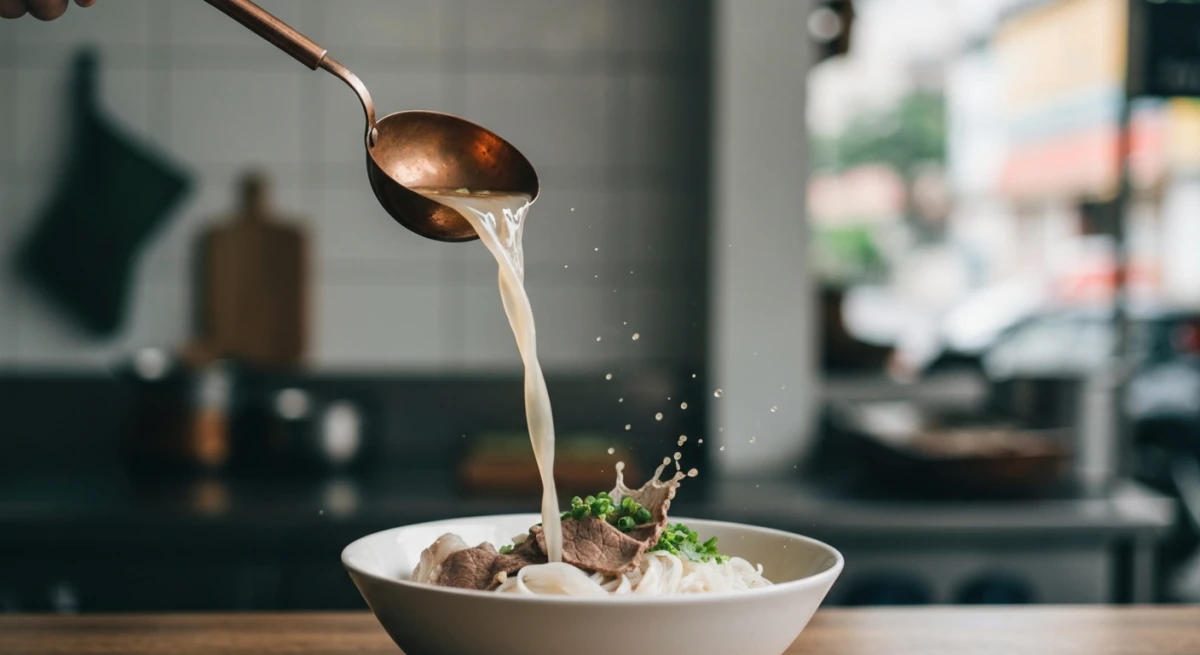
Saigon (officially known as Ho Chi Minh City) is a breathtakingly chaotic metropolis powered by the energy of millions of motorbikes, a neon-lit skyline, and the irresistible aromas of sizzling meats and bubbling broths drifting through its narrow alleys. If you are preparing to visit, you aren't just taking a vacation—you are embarking on one of the world's finest culinary pilgrimages. The sheer diversity of dishes here can be dizzying, but finding the absolute must eat food in saigon is the key to unlocking the true soul of Southern Vietnam.
In Saigon, food is not merely sustenance; it is a shared social ritual, a lifestyle, and a source of deep local pride. From roadside stands perched on narrow street corners to historic multi-generational eateries and Michelin-vetted gems, the city offers a flavor landscape that is sweeter, herbier, and bolder than its northern counterpart in Hanoi. This comprehensive, expert-curated guide will navigate you through the ultimate must eat food in saigon, explaining not just what to eat, but how to eat it and where to find the most authentic versions in the city.
1. The Holy Trinity of Southern Vietnamese Staples
To understand Saigon's culinary DNA, you must start with the three dishes that form the foundation of local daily life. These aren't just meals; they are cultural institutions.
Cơm Tấm (Broken Rice)
Historically, Cơm Tấm was a humble peasant dish. During the rice milling process, fractured rice grains that couldn't be sold as premium grade were set aside. Resourceful farmers and laborers in the Mekong Delta and Saigon began cooking these "broken" grains, finding that they absorbed flavors beautifully. Today, Cơm Tấm is Saigon's most cherished signature dish, eaten at any hour of the day.
A plate of Cơm Tấm Sườn Nướng (broken rice with grilled pork chop) is a masterclass in balance. It starts with a base of warm, fluffy, slightly dry broken rice. This is topped with a thin, caramelized pork chop that has been marinated in a sweet-savory blend of lemongrass, garlic, shallots, fish sauce, and honey before being grilled over hot charcoal. The plate is elevated by several key accompaniments:
- Chả Chưng: A steamed or baked savory egg custard meatloaf packed with minced pork, wood-ear mushrooms, and glass noodles.
- Bì: Shredded pork skin tossed in roasted rice powder (thính), which adds a subtle, nutty crunch.
- Mỡ Hành & Tóp Mỡ: A drizzle of hot scallion oil and crispy fried pork fat croutons.
- Đồ Chua: A light pickle of daikon radish and carrots to cut through the richness of the meat.
The crowning glory is the dressing: a generous spoonful of sweet, garlic-and-chili-infused fish sauce (nước mắm pha) poured over the entire plate.
Where to experience it: Cơm Tấm Ba Ghiền (84 Đ. Đặng Văn Ngữ, Phú Nhuận District). This legendary spot is famous for its colossal, thick-cut pork chops that completely cover the plate beneath them. For a more central, modern, but highly rated experience, visit Cơm Tấm Sà Bì Chưởng (179 Trần Bình Trọng, District 5).
Bánh Mì
While the French introduced the baguette to Vietnam during the colonial era, the Saigonese truly revolutionized it. They lightened the dough by adding rice flour—creating an ultra-airy interior and a paper-thin, crispy crust—and filled it with vibrant, local ingredients. A Southern-style Bánh Mì is a world apart from the minimalist versions found in Hanoi; here, it is packed to the absolute brim.
When you order a classic Bánh Mì Thịt (pate and mixed pork cold cuts), the vendor performs a lightning-fast assembly ritual. First, the warm bread is sliced open and swiped with a generous smear of rich, savory French-style pork liver pâté, followed by a thick layer of homemade egg yolk mayonnaise (bơ). Next comes a mountain of meats: sliced chả lụa (Vietnamese pork sausage), jambon (ham), and head cheese (giò thủ). This savory foundation is balanced by a refreshing crunch of raw cucumber strips, cilantro sprigs, long-cut green onions, and pickled daikon and carrots. Finally, a splash of savory soy-based sauce and several slices of fiery bird's eye chili are tucked inside.
Where to experience it: Bánh Mì Huỳnh Hoa (26 Đ. Lê Thị Riêng, District 1). Often called the "heavyweight champion" of bánh mì, this wildly popular stall packs nearly a pound of ingredients into a single, incredibly rich sandwich. If you prefer a lighter, more balanced, yet equally delicious alternative, head to Bánh Mì Hồng Hoa (62 Nguyễn Văn Tráng, District 1).
Phở Nam (Southern-Style Pho)
While Pho originated in the Northern province of Nam Định, Saigon adopted the noodle soup and gave it an unmistakable Southern makeover. Northern pho is characterized by its minimalist, clear, and savory beef broth. Southern-style Pho (Phở Nam), however, features a sweeter, darker, and more robustly spiced broth simmered with roasted ginger, onions, star anise, cinnamon, cloves, and coriander seeds.
The noodle bowl is accompanied by a massive platter of fresh herbs, including Thai basil (húng quế), saw-tooth herb (ngò gai), cilantro, and blanched or raw bean sprouts. Crucially, Southern pho is served with dipping sauces on the side: hoisin sauce (tương đen) and sriracha (tương ớt). Locals will either squeeze these sauces directly into their broth to deepen the flavor or squeeze them into a small side saucer to dip the tender cuts of beef—which range from rare beef (tái) and flank (nạm) to chewy tendon (gân) and beef meatballs (bò viên).
Where to experience it: Phở Lệ (302-304 Võ Văn Tần, District 3). Operating since the 1970s, Phở Lệ is revered for its intensely flavorful, rich broth and high-quality beef cuts. Another outstanding historic venue is Phở Hòa Pasteur (260C Pasteur, District 3), where plates of fried dough sticks (quẩy) sit on the tables ready to be dunked into your steaming bowl.
2. Interactive and Crispy Street Food Favorites
Saigonese dining is highly tactile and interactive. Many of the most popular street food items require you to use your hands, tear fresh herbs, and assemble your own perfect bites.
Bánh Xèo (Sizzling Savory Crepe)
Named after the dramatic "sizzling" sound (xèo) the rice batter makes when splashed onto a scorching hot, oiled skillet, Bánh Xèo is a masterpiece of textures. The Southern Vietnamese version is enormous—often the size of a large frying pan—contrasting with the smaller, thicker crepes found in Central Vietnam.
The yellow batter gets its vibrant color from turmeric powder, and its rich, slightly sweet flavor from coconut milk. It is poured thin and fried until the edges curl and become shatteringly crisp. Inside, the crepe is stuffed with thin slices of pork belly, whole shell-on shrimp, soft mung beans, and a mountain of fresh bean sprouts that steam gently within the folded pocket.
To eat Bánh Xèo like a local, you must abandon your utensils. Tear off a piece of the crispy crepe, placing it inside a large, peppery mustard leaf (cải bẹ xanh) or a leafy piece of lettuce. Add a selection of fresh herbs—such as mint, fish mint, perilla, and sweet basil—then roll it into a neat parcel. Dip the roll deeply into a sweet-and-sour fish sauce (nước chấm) spiked with lime, garlic, chili, and shredded pickled radish. Every bite is a spectacular contrast of hot and cold, crispy and soft, rich pork and herbaceous freshness.
Where to experience it: Bánh Xèo 46A (46A Đinh Công Tráng, District 1). This open-air, alleyway restaurant gained global fame after being featured by Anthony Bourdain, and it remains one of the best places to watch skilled chefs fry multiple giant crepes simultaneously over blazing charcoal burners.
Bún Thịt Nướng (Cold Rice Noodles with Grilled Pork)
While Northern Bún Chả serves warm pork patties swimming in a dipping broth with noodles on the side, Saigon's Bún Thịt Nướng is a beautifully integrated, cold noodle salad bowl. It is the ultimate lunch dish—refreshing, highly fragrant, and incredibly satisfying.
At the bottom of the bowl lies a bed of fresh, finely shredded lettuce, cucumber, sweet basil, and mint. This is topped with soft, room-temperature rice vermicelli noodles (bún). The star of the dish is the thinly sliced pork, which has been marinated in lemongrass, garlic, honey, and sesame oil, then grilled over open flames until heavily caramelized and smoky. The bowl is garnished with crushed roasted peanuts, fried shallots, scallion oil, pickled carrots, and often a couple of crispy chả giò (imperial fried spring rolls) sliced into bite-sized pieces.
To enjoy, pour the accompanying sweet, diluted fish sauce (nước mắm chua ngọt) directly over the entire bowl, toss everything thoroughly with your chopsticks, and savor the balance of smoky, sweet, crunchy, and savory flavors.
Where to experience it: Bún Thịt Nướng Chị Tuyền (175 Cô Giang, District 1). This spot is legendary for its exceptionally tender grilled pork and its mouthwatering chả giò, attracting long lines of locals and in-the-know travelers daily.
Bánh Tráng Trộn (Mixed Rice Paper Salad)
If you want to experience the modern pulse of Saigon's youth street food culture, you must seek out a Bánh Tráng Trộn vendor. What started as a clever way to use up leftover scraps of dry rice paper has evolved into the city's most beloved street snack.
Vendors construct this salad à la minute. Strips of dry rice paper are placed in a large mixing bowl and tossed with sour green mango julienne, hard-boiled quail eggs, chewy strips of sweet-and-spicy dried beef jerky, tiny dried shrimp, roasted peanuts, and fried shallots. The magic lies in the dressing: a splash of savory soy sauce, tangy kumquat juice, spicy chili oil, and aromatic green scallion oil. Finally, a generous handful of fresh Vietnamese coriander (rau răm) is folded in. The rice paper quickly absorbs the liquids, transforming from dry and brittle to delightfully chewy. It is a thrilling explosion of spicy, sour, sweet, and deeply savory notes.
Where to experience it: You will find Bánh Tráng Trộn carts parked outside school gates, public parks, and popular gathering spots like the Turtle Lake (Hồ Con Rùa) roundabout in District 3 or the Nguyen Hue Walking Street after sunset.
3. Soul-Warming Soups Beyond Pho
While Pho dominates the international conversation, Saigon's soup repertoire is vast and incredibly diverse, drawing on Chinese, Cambodian, and regional Vietnamese influences.
Hủ Tiếu Nam Vang (Phnom Penh Noodle Soup)
Hủ Tiếu Nam Vang is perhaps the most definitive noodle soup of Saigon, highlighting the historical trade routes of the Mekong Delta. "Nam Vang" is the Vietnamese name for Phnom Penh, the capital of Cambodia. The dish was brought to Saigon by Cambodian-Chinese immigrants and quickly adapted to local tastes.
The soul of Hủ Tiếu Nam Vang is its broth, which is simmered for hours using pork bones, dried squid, and dried shrimp, resulting in a sweet, clear, deeply savory liquid. The bowl is filled with chewy tapioca noodles (which have a delightfully springy texture), minced pork, lean pork slices, whole shrimp, a quail egg, and fresh chives. For the adventurous eater, it is traditionally served with tender pieces of pork liver and heart.
You can order this dish in two ways:
- Hủ Tiếu Nước: The classic soup version where everything is bathed in the steaming broth.
- Hủ Tiếu Khô: The dry version, where the springy noodles are tossed in a rich, slightly sweet soy-and-oyster-sauce dressing, topped with the meats and a mountain of crispy fried garlic. The piping hot pork broth is served in a separate small bowl on the side.
Where to experience it: Hủ Tiếu Nam Vang Nhân Quán (122D Đ. Cách Mạng Tháng 8, District 3). This bustling 24-hour restaurant is widely considered the gold standard for the dry (khô) version of this multi-cultural noodle soup.
Bún Riêu Cua (Crab and Tomato Noodle Soup)
Bún Riêu is a rustic, comforting soup that perfectly showcases the Vietnamese mastery of freshwater ingredients. The broth is built on a base of crushed freshwater paddy crabs, tomatoes, and tamarind, creating a striking orange-red soup that is wonderfully tart, sweet, and deeply savory.
The soup is poured over thin, soft rice vermicelli noodles and packed with fried tofu puffs (which absorb the broth like little sponges), pieces of tender pork knuckle, and cubes of dark, congealed pig's blood (huyết)—which has a mild, savory flavor and a texture similar to silken tofu. The star ingredient is the riêu cua—delicate, fluffy crab cakes made from crab paste, egg, and minced pork that float on the surface of the soup. It is served with a side of shredded banana blossoms, water spinach split-stems, and fresh herbs, along with a dollop of pungent fermented shrimp paste (mắm tôm) for those who want to supercharge the umami profile.
Where to experience it: Bún Riêu Gánh Chợ Bến Thành (163 Đ. Lê Thánh Tôn, District 1). Having operated as a simple sidewalk stall outside Ben Thanh Market's west gate for over 40 years, this iconic business has moved into a bright, clean shophouse nearby, still serving the same rich, comforting bowls that made them famous.
Bún Bò Huế (Spicy Lemongrass Beef Noodle Soup)
Hailing from the imperial city of Huế in Central Vietnam, Bún Bò Huế has found a passionate second home in Saigon. It is the bold, fiery sibling to the gentle Pho.
The broth is a complex work of culinary art: beef bones and pork knuckles are simmered with immense quantities of fresh lemongrass and fermented shrimp paste (mắm ruốc), then finished with a vibrant layer of chili oil. This yields a broth that is spicy, salty, deeply savory, and intensely aromatic. Rather than thin flat noodles, Bún Bò Huế uses thick, round, slippery rice noodles. The bowl is loaded with slices of tender beef shank, gelatinous pork knuckle (móng giò), sweet Vietnamese ham (chả lụa), and savory pork or crab balls.
Where to experience it: Bún Bò Huế Út Hưng (6C Tú Xương, District 3). Tucked away on a quiet street, this family-run spot serves a beautifully balanced, authentic broth that isn't overly sweetened, staying true to its central Vietnamese roots.
4. The Night-Time Snail Cult: Welcome to Quán Ốc
To truly understand the late-night social fabric of Saigon, you must participate in the local phenomenon of "ăn ốc" (eating snails). As dusk falls, streets across the city light up with neon signs of "Quán Ốc" (snail restaurants). This is not just a meal; it is a beloved culinary subculture. Groups of friends, families, and coworkers gather around low metal tables on tiny plastic stools, drinking ice-cold beers (usually Saigon Special or Tiger) and sharing dozens of small, highly seasoned seafood plates.
The term "ốc" refers broadly to all manner of freshwater and marine snails, clams, oysters, cockles, and crabs. What makes the Saigon snail scene so spectacular is the incredible variety of preparation styles. When you order, you select your shellfish and choose how you want it cooked:
- Xào Bơ Tỏi (Stir-fried in Garlic Butter): Rich, sweet, and loaded with roasted garlic. Always order a side of plain Bánh Mì to mop up the decadent butter sauce.
- Sốt Trứng Muối (Salted Egg Yolk Sauce): A modern favorite where the shellfish is drenched in a thick, velvety, sweet-and-savory salted egg yolk sauce.
- Nướng Mỡ Hành (Grilled with Green Onion Oil): Typically done with scallops or large clams, which are grilled over charcoal and topped with fragrant scallion oil and crushed roasted peanuts.
- Xào Sả Ớt (Sautéed with Lemongrass and Chili): A fiery, fragrant option that pairs beautifully with cold beer.
- Hấp Sả (Steamed with Lemongrass): A clean, simple preparation that highlights the fresh sweetness of the shellfish, served with a spicy ginger-lime dipping sauce.
Popular varieties to try include Ốc Hương (sweet-scented snails, incredible in salted egg yolk sauce), Ốc Móng Tay (razor clams, perfect stir-fried with water spinach or rau muống), and Sò Lông (hairy blood cockles grilled with scallion oil).
Where to experience it: Ốc Đào (Hẻm 212B Nguyễn Trãi, District 1). Located down a labyrinth of narrow alleys, this legendary restaurant is always packed and offers a massive menu of expertly prepared snails. For an even more cinematic, sensory street food experience, head to Vĩnh Khánh Street in District 4. This entire street is a smoky, buzzing paradise of outdoor snail stalls, roaring charcoal grills, and vibrant local energy.
5. Sweet Treats and Liquid Gold: Saigon's Café and Dessert Scene
After indulging in savory, spicy street food, it is time to cool down and experience the sweet, caffeinated side of the city.
Cà Phê Sữa Đá (Iced Condensed Milk Coffee)
Saigon runs on coffee. It is not just a morning beverage; it is a constant companion throughout the day. The legendary drink of the city is Cà Phê Sữa Đá.
Vietnamese coffee is primarily made from Robusta beans, which contain twice the caffeine of Arabica beans and possess a deep, bitter, earthy chocolate flavor profile. The coffee is brewed slowly using a small metal drip filter called a phin. The dark, concentrated brew drips directly onto a generous layer of sweet, thick condensed milk at the bottom of the glass. Once the drip is complete, you stir the mixture vigorously until it turns a beautiful caramel hue, then pour it over a glass packed with crushed ice. It is sweet, intensely creamy, incredibly strong, and a vital antidote to Saigon's tropical humidity.
Where to experience it: You can get a spectacular cup of coffee at virtually any roadside cart with a "Cà Phê Sữa Đá" sign. For a classic, nostalgic experience, seek out a Cà Phê Bệt (sidewalk coffee) vendor near the Notre Dame Cathedral, where you can sit on cardboard sheets on the pavement and sip your coffee like a local. For a more trendy setting, explore the iconic Cafe Apartments at 42 Nguyễn Huệ, a former mid-century apartment building converted into dozens of unique, stylish independent coffee shops overlooking the pedestrian walking street.
Chè (Sweet Dessert Soups)
To satisfy your sweet tooth, look for a vibrant Chè stall. These sweet dessert soups are served either warm or over crushed ice, featuring a mesmerizing array of colors and textures.
A typical Chè menu allows you to mix and match various ingredients, including sweet mung bean paste, soft red kidney beans, pandan jelly strips, chewy tapioca pearls, water chestnuts wrapped in tapioca flour, lotus seeds, and pieces of fresh tropical fruits like jackfruit and longan.
Where to experience it: Bé Chè (Stall 1154, inside Ben Thanh Market, District 1). Operating since 1968, this historic stall is the perfect place to sit on a wooden bench inside the bustling market and cool off with a colorful glass of Chè Thái or Chè Ba Màu (Three-Color Dessert).
6. Street Food Districts: How to Eat Off the Beaten Path
While District 1 is the geographical and tourist heart of Ho Chi Minh City, the true culinary magic happens when you venture into the surrounding residential neighborhoods. If you want to escape the tourist crowds and find the absolute freshest, most affordable, and authentic must eat food in saigon, dedicate an afternoon or evening to exploring these legendary street food enclaves:
District 4: The Street Food Capital
Located just across the canal from District 1, District 4 was historically a gritty port district. Today, it has transformed into the ultimate street food haven. The density of food stalls here is astonishing.
- Chợ 200 (Market 200): A narrow, buzzing residential alleyway lined with dozens of food stalls selling everything from Súp Cua (crab soup) to Phá Lấu (a rich, coconut-milk-based stew of beef offal served with bread).
- Vĩnh Khánh Street: As mentioned, this is the premier destination for late-night snail feasts and lively street-side barbecues.
District 3: Historic Alleys and Apartments
District 3 offers a wonderful blend of leafy, French-colonial streets and bustling local neighborhoods.
- Nguyễn Thiện Thuật Apartment Complex: Built in the late 1960s, this historic residential complex features deep, narrow alleyways packed with multi-generational noodle shops, banh mi carts, and dessert stalls. It is an incredibly atmospheric place to wander and follow your nose.
District 10: The Scent of Flowers and Street Snacks
District 10 is a vibrant, youthful district that remains largely untouched by mainstream tourism.
- Chợ Hồ Thị Kỷ (Ho Thi Ky Flower Market): By day, this is Saigon's largest wholesale flower market, filled with stunning displays of roses, lilies, and orchids. By night, the main alleyway adjacent to the market transforms into a thrilling street food market. It is highly popular with local university students, offering hundreds of stalls serving trendy snacks, Cambodian-influenced dishes, grilled skewers, and sweet treats at incredibly low prices.
Frequently Asked Questions
Is street food in Saigon safe to eat?
Yes, street food in Saigon is generally very safe, provided you use basic common sense. Look for stalls that have a high turnover of local customers; this ensures that the ingredients are fresh and constantly being replenished, rather than sitting out in the heat. Choose vendors where the food is cooked to order on hot grills or in bubbling cauldrons. The ice used in drinks in Saigon is typically manufactured in commercial factories using purified water and is safe to consume. However, if you have a highly sensitive stomach, stick to bottled water and avoid raw, unpeeled vegetables.
What are the best options for vegetarians and vegans in Saigon?
Saigon is surprisingly friendly for vegetarians and vegans, largely due to the country's deep Buddhist heritage. Look for the word "Chay" (vegetarian). On the 1st and 15th days of the lunar month, many locals eat strictly vegetarian food, and nearly every street stall or restaurant will offer outstanding vegetarian versions of classics like Bánh Mì Chay, Phở Chay, and Bún Thịt Nướng Chay (often replacing meat with beautifully seasoned tofu, mushrooms, and wheat gluten). There are also hundreds of dedicated "Quán Chay" (vegetarian restaurants) ranging from humble buffet stalls to upscale dining establishments.
How do I pay at street food stalls in Saigon?
Cash remains king in the world of Saigon street food. While modern cafes and larger restaurants readily accept credit cards, local street vendors and alleyway stalls only accept cash or local bank transfers via QR codes (VietQR), which require a Vietnamese bank account. Always carry physical cash, ideally in smaller denominations (10,000 VND, 20,000 VND, and 50,000 VND). Trying to pay a street vendor for a 30,000 VND banh mi with a 500,000 VND note can be difficult, as they may not have enough change.
What is the best time of day to go food hunting in Saigon?
Saigon's food scene operates on a distinct rhythm. Early mornings (6:00 AM to 9:00 AM) are perfect for hot noodle soups like Pho or Hu Tieu, and fresh, warm Banh Mi. Midday (11:30 AM to 1:30 PM) is the prime time for Com Tam (broken rice) and Bun Thit Nuong, as office workers flood the streets for lunch. The street food scene truly explodes after sunset (6:00 PM onwards), when the heat of the day dissipates. This is the ultimate time to explore night markets, snail stalls (Quan Oc), and street food alleys.
Conclusion
Saigon's culinary landscape is a thrilling, unapologetic celebration of bold flavors, fresh ingredients, and deep-rooted cultural heritage. To truly appreciate the city, you must step out of your comfort zone, embrace the chaotic hum of motorbikes, pull up a tiny plastic stool, and eat alongside the locals. From the smoky, sweet caramelized pork of Cơm Tấm to the rich, layered crunch of Bánh Mì, the unforgettable seafood feasts of Quán Ốc, and the icy, sweet rush of Cà Phê Sữa Đá, the must eat food in saigon is guaranteed to leave a lasting impression on your palate and your heart. Armed with this guide, you are ready to navigate the alleys of Ho Chi Minh City like a seasoned culinary expert. Chúc ngon miệng (bon appétit)!