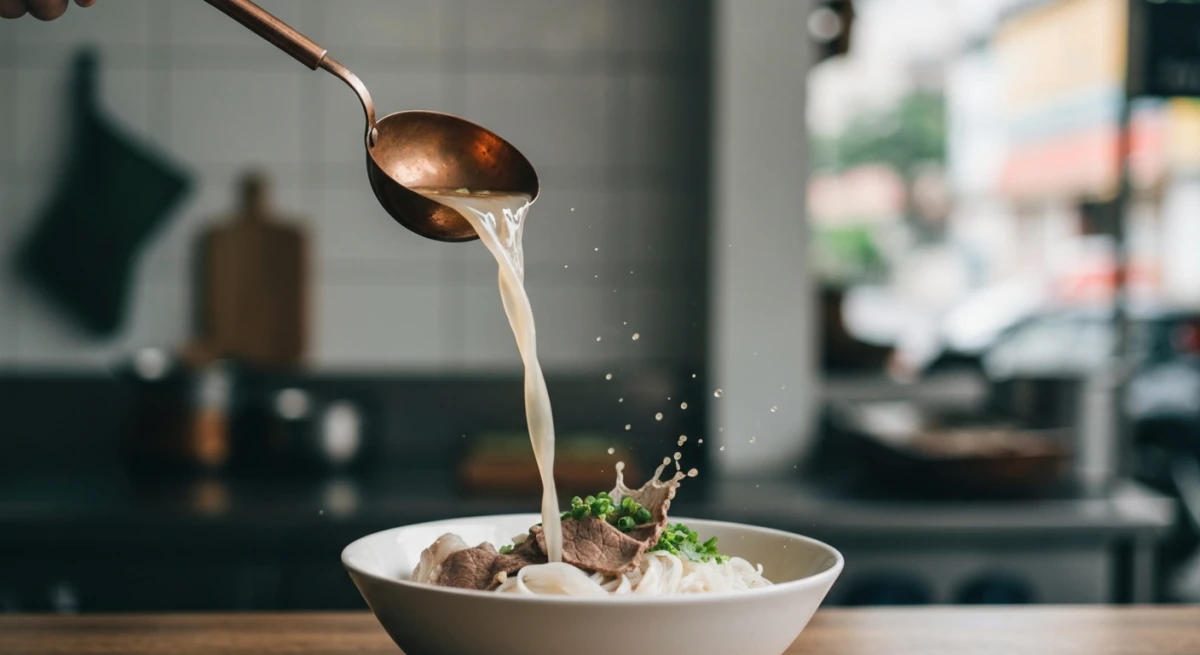
Welcome to the chaotic, sensory-rich, and utterly delicious world of Saigon local food. Ho Chi Minh City, still affectionately called Saigon by its residents, is a culinary pressure cooker where diverse regional traditions, colonial histories, and vibrant street life collide. From the moment you step onto the buzzing streets, your senses are flooded with the sweet aroma of caramelized pork grilling over charcoal, the sharp hiss of savory crepes hitting a blazing hot skillet, and the herbal steam rising from massive pots of simmering broth.
For a first-time visitor, navigating this culinary landscape can be intimidating. Many tourists find themselves stuck within the sanitized confines of District 1's tourist spots, missing the true culinary soul of the city. To experience authentic Saigon local food, you must do as the Saigonese do: sit on a tiny plastic stool on a crowded sidewalk, dodge the passing motorbikes, and let your taste buds guide you. This comprehensive guide is designed to take you deep into the heart of Saigon’s local food scene, highlighting iconic dishes, neighborhoods, and expert etiquette.
The Soul of Southern Vietnamese Flavor: What Makes Saigon Food Different?
To understand Saigon local food, one must first understand the geography and history of Southern Vietnam. Unlike the colder, more conservative North, where dishes are defined by simplicity, purity, and subtle seasoning, Southern Vietnamese cuisine is bold, sweet, herbaceous, and unapologetically rich.
This distinct flavor profile is the result of several geographical and cultural factors:
The Sweetness of the South: Southern Vietnamese cooking is famous for its generous use of sugar and coconut milk. This sweet-forward palate is heavily influenced by the neighboring Mekong Delta, a region rich in sugar cane and coconut plantations. Sugar is used not just in desserts, but to balance savory marinades, dipping sauces, and broths.
The Abundance of Fresh Herbs (Rau Sống): In Saigon, a plate of food is never served alone. It is almost always accompanied by a small mountain of fresh raw herbs and leafy greens. You will encounter Thai basil (húng quế), saw-tooth herb (ngò gai), rice paddy herb (rau ôm), fish mint (diếp cá), lettuce, and wild forest leaves. These herbs are not decorative garnishes; they are essential structural components of the dish, providing crisp textures and sharp contrasts to fatty meats.
Colonial and Migrant Influences: Saigon has always been a melting pot. The French colonial era left an indelible mark on the food culture, most famously seen in the ubiquitous bánh mì (derived from the French baguette) and the local love for iced milk coffee (cà phê sữa đá). Additionally, the city’s large ethnic Chinese community, concentrated in District 5 (Chợ Lớn), introduced stir-frying, dry noodles, and roasted meats, while nearby Khmer influences contributed complex spice pastes and sour profiles.
The Street Culture: In Saigon, the sidewalk is the dining room. Cooking is done in the open air, allowing passersby to smell the food before they see it. This has fostered a deeply communal food culture centered around freshness, rapid preparation, and highly specialized vendors who often perfect a single dish over generations.
The Daily Rhythm of a Saigonese Foodie: Morning to Midnight Eats
In Saigon, food is not bound by strict Western dining times. Instead, the city operates on a continuous, beautifully orchestrated culinary schedule. Knowing when to eat certain dishes is just as important as knowing where to eat them. Many of the best local vendors operate for only a few hours a day, catering to specific daily cravings.
Breakfast (6:00 AM – 9:00 AM)
As the city wakes up and the morning air is still relatively cool, locals look for hearty, energizing meals.
- Cơm Tấm (Broken Rice): While many travelers find the idea of eating a giant pork chop and rice for breakfast unusual, for the Saigonese, cơm tấm is the ultimate morning fuel. The sweet-savory smoke of grilling pork chops (sườn nướng) rising from sidewalk carts is the classic sensory alarm clock of Saigon.
- Hủ Tiếu Nam Vang: This comforting pork and seafood noodle soup is another breakfast favorite. It features chewy tapioca noodles served either in a rich pork-bone broth or dry (hủ tiếu khô) with the broth served on the side.
Lunch (11:30 AM – 1:30 PM)
When the midday heat peaks, locals seek out quick, satisfying meals that won't weigh them down, or they head to shaded stalls.
- Cơm Bình Dân (Commoner’s Rice): These humble buffet-style eateries are found in every alley. Vendors display dozens of metal trays filled with home-style dishes like caramelized pork belly with eggs (thịt kho tộ), stuffed bitter melon soup (canh khổ qua), and ginger chicken (gà kho gừng). You simply point to what you want over a bed of white rice.
- Bún Thịt Nướng: A refreshing bowl of cold rice vermicelli noodles topped with warm grilled pork, crispy spring rolls (chả giò), pickled daikon and carrots, fresh herbs, crushed peanuts, and a generous pour of sweet-and-sour fish sauce. It’s the perfect light yet flavorful midday meal.
Afternoon Snack / "Ăn Vặt" (3:00 PM – 5:30 PM)
As school lets out and the workday winds down, Saigon enters "ăn vặt" (snacking) hour. Sidewalks transform into social hubs for students and young professionals.
- Bánh Tráng Trộn (Mixed Rice Paper Salad): Strips of dry rice paper are tossed with shredded green mango, beef jerky, quail eggs, dried shrimp, fresh Vietnamese coriander (rau răm), and a sweet-tangy chili-tamarind dressing. It's sour, spicy, sweet, and incredibly addictive.
- Bột Chiên (Fried Rice Cake): Cubes of steamed rice flour are fried on a flat iron skillet until crispy on the outside and chewy on the inside, then bound together with whisked eggs and topped with scallions and pickled papaya.
Dinner and Late-Night Hangouts (6:00 PM – Midnight)
As the sun sets and the temperature drops, dining becomes a social, leisurely affair.
- Ăn Ốc (Eating Snails): This is the definitive Saigon evening experience. Groups of friends gather at open-air snail stalls (quán ốc) to share plates of various shellfish cooked in lemongrass, chili, coconut milk, garlic, or sweet tamarind sauce, washed down with ice-cold local beers.
- Lẩu (Vietnamese Hotpot): Perfect for late-night gatherings, groups gather around a bubbling pot of sour-spicy broth, cooking seafood, meat, tofu, and fresh vegetables right at the table.
6 Iconic Saigon Local Food Masterpieces You Must Try (And Where to Find Them)
If you want to experience the true essence of Saigon local food, skip the basic tourist recommendations and seek out these six iconic masterpieces at these highly rated, local-approved spots.
1. Cơm Tấm Sườn Bì Chả (Broken Rice with Pork Chop, Shredded Pork Skin & Egg Meatloaf)
Originally a cheap dish made from fractured rice grains that farmers couldn't sell, cơm tấm has risen to become the culinary king of Saigon. The broken grains absorb flavors beautifully. A classic plate of cơm tấm sườn bì chả features a sweet-and-savory marinated pork chop grilled over charcoal, bì (thinly shredded pork skin tossed with roasted rice powder), and chả trứng (a steamed pork-and-egg meatloaf containing wood-ear mushrooms and glass noodles). It is served with pickled vegetables, a bowl of light broth, and a sweet, thick fish sauce (nước mắm ngọt).
- Where to try it: Cơm Tấm Ba Ghiền (84 Đặng Văn Ngữ, Phú Nhuận District). This legendary spot is famous for serving massive, thick pork chops that completely cover the plate of broken rice. It’s smoky, deeply caramelized, and incredibly satisfying.
2. Bánh Mì Thịt Nướng (Grilled Pork Baguette)
While the classic bánh mì pate (cold cuts, pate, and mayo) is famous worldwide, the local Saigonese favorite is often bánh mì thịt nướng. This version swaps the cold cuts for freshly grilled, smoky pork patties. The heat from the meat slightly melts the rich mayonnaise and pate, contrasting beautifully with the cold, crunchy pickled daikon, cucumber, cilantro, and fresh chilies, all encased in a warm, shatteringly crisp baguette.
- Where to try it: Bánh Mì 37 Nguyễn Trãi (37 Nguyễn Trãi, District 1). This is not a shop, but a street cart tucked down an alleyway. The vendor grills sweet-savory pork patties over charcoal right on the street, assembling them into crusty baguettes with a signature dark, savory sauce. Get there early in the afternoon, as they sell out fast!
3. Hủ Tiếu Nam Vang (Phnom Penh Noodle Soup)
Though phở is Vietnam’s national dish, it originates from the North. In Saigon, hủ tiếu is the undisputed noodle favorite. Hủ tiếu Nam Vang reflects the city’s historical ties with Cambodia and southern Chinese merchants. The broth is made by boiling pork bones, dried shrimp, and squid for hours, resulting in a sweet, clear, savory broth. The bowl is loaded with chewy tapioca noodles, minced pork, sliced pork, shrimp, quail eggs, and fresh chives. We highly recommend ordering it "dry" (hủ tiếu khô), where the noodles are tossed in a savory soy-garlic sauce, and the hot broth is served on the side.
- Where to try it: Hủ Tiếu Nhân Quán (122D Cách Mạng Tháng T8, District 3). A beloved local institution open late into the night, known for its pristine broth, fresh ingredients, and perfectly cooked, chewy noodles.
4. Bánh Xèo (Sizzling Crepe)
Named after the loud sizzling sound (xèo) the batter makes when poured onto a searing hot pan, bánh xèo is a crispy, turmeric-spiced rice flour crepe filled with pork belly, shrimp, mung beans, and bean sprouts. The Southern version of bánh xèo is massive compared to its Central Vietnamese counterpart, cooked in large woks to achieve a thin, lacey, and extremely crispy edge. To eat it, you tear off a piece of the crepe, wrap it inside a large mustard leaf along with fresh herbs, roll it up, and dip it into a sweet chili fish sauce.
- Where to try it: Bánh Xèo Bà Hai (119 Lê Văn Linh, District 4). Tucked away in a local market area, this spot serves exceptionally crispy crepes with a massive mountain of wild herbs, many of which you won't find in tourist restaurants.
5. Bò Lá Lốt (Grilled Beef in Betel Leaves)
This dish is a masterclass in aromatics. Ground beef is seasoned, wrapped in wild betel leaves (lá lốt) to form small cigar-like rolls, and grilled over hot charcoal. The heat releases the essential oils from the betel leaves, imparting a smoky, peppery, and slightly herbaceous flavor to the juicy beef inside. It is served with rice vermicelli noodles, rice paper, a plate of fresh forest herbs, green bananas, star fruit, and mắm nêm—a pungent, fermented pineapple-anchovy dipping sauce that adds a bold savory-sweet kick.
- Where to try it: Bò Lá Lốt Thanh Vy (267 Minh Phụng, District 11). Wrap everything together in rice paper for a perfect explosion of textures and flavors.
6. Ốc (Street Snails & Shellfish)
You cannot claim to have experienced Saigon local food without going out for ốc. The term ốc refers broadly to all kinds of sea snails, freshwater snails, clams, oysters, and crabs. The magic lies in the sauces. You can order blood cockles sauteed in garlic butter (sò huyết cháy tỏi), sweet-and-sour tamarind mud snails (ốc len xào dừa), or grilled scallops with green onion oil and peanuts (sò điệp nướng mỡ hành). Eating ốc is a sensory, hands-on, and highly social experience.
- Where to try it: Ốc Oanh (534 Vĩnh Khánh, District 4). Located on Saigon's famous "Seafood Street," this place is loud, smoky, crowded, and serves some of the freshest, most intensely flavored shellfish in the city.
Beyond District 1: The Best Food Streets and Neighborhood Alleys
To find the most authentic and wallet-friendly Saigon local food, you must escape the tourist bubble of District 1 (like the overpriced stalls inside Bến Thành Market) and head to the high-density residential districts. Here are the premier food neighborhoods where locals go to feast.
Vĩnh Khánh Street (District 4)
Just across the canal from District 1 lies District 4, historically a working-class neighborhood and now a legendary street food paradise. As evening falls, Vĩnh Khánh Street transforms into an open-air seafood market. The sidewalks are packed with low tables, red-hot charcoal grills, and massive displays of fresh seafood on ice. The atmosphere here is electric, filled with the sounds of clinking beer glasses, sizzling grills, and street performers.
Hồ Thị Kỷ Alley (District 10)
Hidden deep within Saigon’s largest wholesale flower market is a labyrinth of alleys that host a spectacular street food market. Because of District 10’s diverse migrant population, Hồ Thị Kỷ is famous for Cambodian-Vietnamese fusion dishes, sweet soups (chè), grilled pork skewers with lemongrass, and various regional snacks. It’s narrow, crowded, and incredibly fun to explore on foot.
Vạn Kiếp Street (Bình Thạnh / Phú Nhuận District)
Bordering District 1, Vạn Kiếp Street is a beloved dining strip for local college students and young professionals. This street has a bit of everything: bánh canh cua (crab tapioca noodle soup), bún mắm (fermented fish noodle soup), bột chiên, and endless milk tea shops. It is highly concentrated, allowing you to easily hop from one stall to another for a self-guided food crawl.
Phan Xích Long (Phú Nhuận District)
Known to locals as the "food street" of Phú Nhuận, Phan Xích Long is lined with hundreds of eateries. While the main road features larger, modern restaurants, the branching alleys hold spectacular, long-standing street food gems serving regional specialities from Central and Northern Vietnam, making it a perfect spot to compare diverse Vietnamese culinary styles in one neighborhood.
Street Food Etiquette: How to Order and Eat Safely
Eating street food in Saigon is an art form. To ensure you have the best experience while keeping your stomach happy, keep these essential local tips in mind.
1. The Wet Tissue Rule (Khăn Lạnh)
When you sit down, the vendor will often place a packaged wet paper towel on your table. Beware: these are not free! They usually cost around 2,000 to 5,000 VND (about $0.10 to $0.20 USD) each. If you use it, it will be added to your final bill. If you don't want to pay for it, simply leave it unopened on the table, or carry your own tissues.
2. Sauce Pairing Mastery
Vietnamese food is all about balance. Most dishes are served with a specific dipping sauce. Never pour the sauce directly over the entire dish unless instructed. Instead, pour the sauce into the small side dish provided, and dip each bite as you go. For soups, taste the broth first before adding lime, fresh chili, or condiments like hoisin and chili sauce.
3. Food Hygiene on the Street
While food safety has improved dramatically, tourists should still take sensible precautions:
- Look for high turnover: Eat at stalls that are packed with locals. High turnover means the ingredients are fresh and don't sit out long.
- Watch the preparation: Choose vendors who cook their food to order over a live flame. Avoid dishes containing meats that have been sitting at room temperature in glass cases.
- Ice safety: Most ice (đá) in Saigon is produced in commercial factories and is perfectly safe to consume. Safe ice is typically shaped like hollow cylinders. Avoid crushed ice that looks like it was chipped from a large block, as it may have been transported in unhygienic conditions.
FAQ: Frequently Asked Questions About Saigon Local Food
Is Saigon local food safe for tourists?
Yes, street food in Saigon is generally safe and incredibly delicious. The key is to look for busy stalls with high customer turnover, which ensures the food is freshly prepared. Stick to bottled water, and ensure your hot foods are served piping hot.
How much does a typical street food meal cost in Saigon?
Street food is incredibly affordable. A bowl of noodles, a plate of broken rice, or a bánh mì typically costs between 30,000 to 60,000 VND ($1.25 to $2.50 USD). A lavish seafood and snail feast with beer might cost between 150,000 to 300,000 VND ($6.00 to $12.00 USD) per person.
What is the difference between Pho in Hanoi and Pho in Saigon?
Northern Pho (Hanoi) is defined by its minimalist simplicity, featuring a clear, delicate beef broth and wider rice noodles, served only with green onions and chili. Southern Pho (Saigon) has a sweeter, richer, and more robust broth. It is served with thinner noodles, a massive basket of fresh herbs (like Thai basil and culantro), and sweet hoisin and spicy chili sauces for dipping the meat.
Where can vegetarians find local food in Saigon?
Look for signs that say "Chay" (vegetarian). Buddhist tradition is strong in Vietnam, and on the 1st and 15th days of the lunar month, many locals eat vegetarian. You can find incredible vegetarian versions of local favorites, like hủ tiếu chay and bánh mì chay, at dedicated "Quán Chay" eateries throughout the city.
Conclusion: Sit on the Plastic Stool and Enjoy the Feast
Saigon local food is more than just sustenance; it is the pulse of the city itself. To truly understand Saigon, you must step off the air-conditioned tourist buses, embrace the chaotic hum of the traffic, pull up a tiny red plastic stool, and dive into a bowl of steaming noodles or a plate of smoky broken rice.
By venturing out of District 1 and exploring neighborhood food hubs like District 4's snail streets or District 10's flower market alleys, you will discover a world of bold, sweet, and herbaceous flavors that you won't find anywhere else. So, follow the smoke, trust the crowds of locals, and enjoy the culinary adventure of a lifetime in Vietnam's southern metropolis.