Hanoi is a city that lives, breathes, and eats on the pavement. To step into the capital of Vietnam is to immerse yourself in a sensory whirlwind: the charcoal smoke of roadside grills, the hum of millions of motorbikes, and the rich aroma of star anise rising from massive cauldrons. For those hunting for the best food in hanoi vietnam, the streets are your dining room. This guide goes far beyond the typical tourist traps to take you deep into the narrow alleyways of the Old Quarter, highlighting the legendary stalls, family-run institutions, and secret culinary gems that locals guard with their lives.
Northern Vietnamese cuisine is defined by elegance, subtlety, and deep tradition. Unlike the sweeter, herb-heavy dishes of Saigon, Hanoi's food focuses on clean, delicate flavors that highlight the freshness of raw ingredients. Whether you are craving a steaming bowl of traditional Pho Bac, looking to sit on a plastic stool for the famous "Obama noodles," or seeking the tableside theater of sizzling turmeric fish, this is your ultimate roadmap to eating your way through Hanoi like a seasoned local.
1. The Holy Trinity of Hanoi Street Food
To truly understand Hanoi's food culture, you must begin with the three pillars of its culinary identity. These are not merely dishes; they are daily rituals, masterfully refined over decades—and in some cases, centuries.
Pho Bo & Pho Ga: The Soul of the Capital
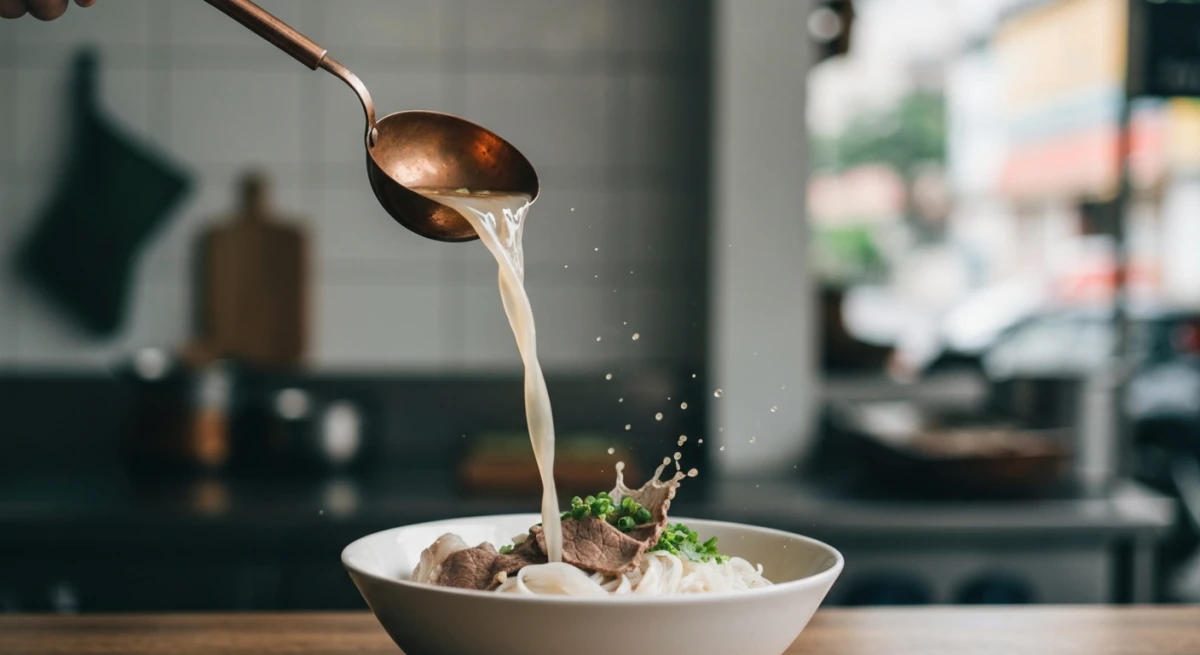
No discussion of the best food in Hanoi, Vietnam, can begin anywhere but with Pho. While Pho has achieved global superstar status, the version you find in Hanoi (Pho Bac) is a different beast entirely from its Southern counterpart. Hanoi Pho is minimal, elegant, and deeply focused on the purity of the broth. You won't find bean sprouts, basil, hoisin sauce, or sriracha on the tables here. Instead, a clean, long-simmered beef or chicken broth is seasoned simply with fresh lime (or kumquat), raw bird's eye chilies, and pickled garlic.
- Pho Bo (Beef Pho): A great bowl of Pho Bo relies on a broth simmered for up to 12 hours with beef marrow bones, charred ginger, onions, star anise, cinnamon, and black cardamom. The meat ranges from tai (rare beef that cooks instantly in the boiling broth) to chin (tender, slow-cooked beef brisket). To experience this in its purest form, head to Pho Gia Truyen Bat Dan (49 Bat Dan Street, Hoan Kiem). This legendary shop is famous for its long, chaotic queues. There is no polite queuing etiquette here; you push your way to the counter, order, pay cash, and carry your own steaming bowl to a low wooden table.
- Pho Ga (Chicken Pho): If beef Pho is rich and hearty, chicken Pho is delicate, bright, and intensely fragrant, garnished with thinly sliced lime leaves. The undisputed master of this dish is Pho Ga Nguyet (5B Phu Doan Street, Hoan Kiem). Recently recognized by the Michelin Guide, this spot serves arguably the finest chicken Pho in the country. You can choose from breast meat, thigh meat, or wings, and opt for either a traditional soup version (nuoc) or a dry, sauce-tossed version (kho).
Bun Cha: The Legend of the "Obama Noodle"
Bun Cha is the quintessential Hanoi lunch. When celebrity chef Anthony Bourdain sat down with President Barack Obama on plastic stools at a local noodle joint in 2016, they catapulted this humble street dish to global fame. Bun Cha consists of charcoal-grilled pork patties (cha bam) and slices of fatty pork belly (cha mieng) served swimming in a warm, sweet-and-sour dipping sauce made of diluted fish sauce, sugar, vinegar, lime juice, garlic, and chili. The bowl is garnished with green papaya and carrot pickles, accompanied by a mountain of cold rice vermicelli (bun) and an abundance of fresh herbs like perilla, cilantro, and lettuce.
To eat it like a local, grab a bunch of noodles, dunk them directly into the warm pork broth, add a few herbs, and take a bite that combines the smoky, caramelized pork with the fresh, herbal crunch and sweet-tangy liquid.
- Where to try it (The Famous Spot): Bun Cha Huong Lien (24 Le Van Huu Street, Hai Ba Trung). Now famously known as "Bun Cha Obama," this multi-story restaurant still displays the exact table and blue plastic stools used by Bourdain and Obama, enclosed in a glass case. Order the "Combo Obama" which includes a bowl of Bun Cha, a crispy seafood spring roll (nem cua be), and a cold Hanoi beer.
- Where to try it (The Local Favorite): Bun Cha Ta (21 Nguyen Huu Huan Street, Hoan Kiem). For a cleaner, air-conditioned environment that doesn't compromise on flavor, this Michelin Bib Gourmand winner is sensational. Their pork patties are exceptionally juicy, and they offer incredible crispy crab spring rolls wrapped in delicate rice paper.
Cha Ca: Sizzling Turmeric Fish with Heaps of Dill
Cha Ca is so iconic to Hanoi that a street in the Old Quarter was officially renamed after it. This dish is a theatrical, sensory experience. Marinated chunks of firm river fish (traditionally hemibagrus, or ca lang) are seasoned with turmeric, galangal, and fermented rice, then grilled over charcoal before being brought to your table in a sizzling, oil-coated cast-iron skillet.
Once the skillet is boiling, the server will dump heaps of fresh dill and spring onions into the pan. As the herbs wilt and release their aromatics, you assemble your bowl: a bed of rice noodles, roasted peanuts, fresh basil, coriander, a piece of the sizzling yellow fish, and a spoonful of the intensely savory, purple fermented shrimp paste (mam tom) whipped with lime juice and sugar until foamy. (Note: If mam tom is too pungent for your taste, you can request regular fish sauce, but the shrimp paste is the traditional soul of the dish).
- Where to try it: Cha Ca Thang Long (6B Duong Thanh Street, Hoan Kiem). Spread across multiple colonial townhouses, this Michelin-selected venue is widely regarded as serving the most consistent, perfectly balanced Cha Ca in Hanoi. The fish is tender, the herbs are incredibly fresh, and the staff will happily guide you through the tableside cooking process.
2. The Underrated Savory Masters: Rice, Crab, and Steamed Delicacies
While Pho and Bun Cha get the lion's share of international press, Hanoi’s culinary depth lies in its lesser-known, highly technical street foods that locals eat daily.
Banh Cuon: Silky-Thin Steamed Rice Rolls
If Hanoi cuisine were a classic poem, Banh Cuon would be its most delicate stanza. Often eaten for breakfast, this dish requires incredible technical skill. The cook pours a ladle of fermented liquid rice batter onto a tightly stretched cloth over a pot of boiling water. In seconds, the steam cooks the batter into a translucent, paper-thin sheet. Using a bamboo stick, the cook lifts the delicate sheet, wraps it around a savory filling of minced pork and wood-ear mushrooms, and brushes it lightly with fragrant scallion oil. It is served hot, topped with crispy fried shallots, a side of sliced Vietnamese pork sausage (cha lua), and a warm, mild dipping sauce that you can customize with lime, garlic, and fresh chilies.
- Where to try it: Banh Cuon Ba Hoanh (66 To Hien Thanh Street, Hai Ba Trung). This Michelin-Selected institution specializes in the Thanh Tri style of Banh Cuon. Unlike the stuffed versions, these are paper-thin, empty layers of folded rice sheets brushed with scallion oil. They are incredibly light and paired with rich, thick-cut grilled pork or pork sausage.
- The Old Quarter Gem: Banh Cuon Gia Truyen Thanh Van (14 Hang Ga Street, Hoan Kiem). Watch the women steam and roll these delicacies at lightning speed right at the entrance. They offer variations filled with shrimp or chicken, and you can even request an egg version (banh cuon trung) where a soft-poached egg yolk is wrapped inside the warm rice sheet.
Bun Rieu Cua: The Vibrant Crab and Tomato Noodle Soup
For many Hanoi residents, Bun Rieu Cua is the ultimate comfort noodle soup, eclipsing Pho. Built on a bright, crimson-colored broth made from tomatoes, fried tofu, and pulverized freshwater paddy crabs, Bun Rieu is acidic, tangy, and profoundly savory. The magic of the broth lies in dam bong (a local fermented rice vinegar), which gives it a sharp, fruity sourness that cuts through the rich crab paste. The soup is topped with rieu cua—soft, cloud-like clumps of crab meat and roe—along with fried tofu puffs. Adventurous eaters will often add snail (bun rieu oc), beef, or crispy pork fat cracklings (top mo).
- Where to try it: Bun Rieu Gia Ngoai (4 Hang Dieu Street, Hoan Kiem). Operating since 1987, this tiny local favorite buys its crabs fresh every morning. The broth is incredibly bright, clean, and balanced—a masterclass in Northern Vietnamese culinary precision.
- The Old Quarter Classic: Bun Rieu Cua 11 Hang Bac (11 Hang Bac Street, Hoan Kiem). A beloved breakfast spot situated in the heart of the Old Quarter. Sit on a low stool on the pavement and enjoy a steaming, savory bowl as the city wakes up around you.
Xoi: Heavy-Duty Savory Sticky Rice
For a carb-heavy, intensely filling meal that will fuel hours of exploring, seek out Xoi (Vietnamese sticky rice). While sticky rice is a breakfast staple across the country, Hanoi elevates it to an art form. The base is typically xoi xeo, yellow sticky rice colored naturally with turmeric powder and topped with a mountain of shaved mung bean paste and a generous drizzle of liquid pork fat. From there, you can customize your bowl with various toppings: caramelized pork belly (thit kho tau), shredded chicken, Chinese sausage, fried eggs, or pate.
- Where to try it: Xoi Yen (35b Nguyen Huu Huan Street, Hoan Kiem). This multi-story restaurant is a Hanoi institution. It is crowded at almost any hour of the day or night. It’s fast, chaotic, highly caloric, and absolutely delicious.
3. Essential Hanoi Cafes & Liquid Gold: Egg Coffee and Bia Hoi
A culinary journey to find the best food in Hanoi, Vietnam, is incomplete without exploring the city’s legendary beverage scene. Hanoi’s cafe culture is among the most vibrant in the world, combining French architectural leftovers with uniquely Vietnamese ingenuity.
Cafe Trung (Egg Coffee): Liquid Tiramisu
Egg coffee is Hanoi’s gift to the world. Invented in 1946 by a bartender named Nguyen Giang during the First Indochina War, egg coffee was born out of a severe shortage of fresh milk. Giang whipped egg yolks with sweetened condensed milk to create a thick, velvety custard, which he then poured over strong, dark Vietnamese Robusta coffee. The result is a heavenly, warm concoction that tastes remarkably like liquid tiramisu or coffee custard.
To keep the coffee hot, the cup is usually served floating in a small bowl of warm water. Do not stir it immediately; use a spoon to eat the rich egg cream on top first, then gradually mix the bitter coffee underneath for a perfect balance of sweet and bold.
- Where to try it: Cafe Giang (39 Nguyen Huu Huan Street, Hoan Kiem). This is the birthplace of egg coffee, still run by the descendants of Nguyen Giang. To find it, you must walk down a narrow, unassuming hallway that opens up into a rustic courtyard filled with low wooden tables and tiny stools.
- The Hidden Lake-View Alternative: Cafe Dinh (13 Dinh Tien Hoang Street, Hoan Kiem). Run by Nguyen Giang's sister, this second-floor cafe is much rougher around the edges, playing classic rock music and offering a tiny balcony that overlooks the chaotic traffic around Hoan Kiem Lake.
Bia Hoi: The Cheapest Beer in the World
For a truly authentic local evening, head to a street corner to experience Bia Hoi (fresh draught beer). Brewed daily without preservatives and delivered in metal kegs each morning, Bia Hoi is incredibly light, crisp, and refreshing (around 3% to 4% alcohol). It is meant to be consumed cold and fast, poured into rustic, recycled green glass mugs. Bia Hoi is not just about the cheap drink (usually costing between 7,000 to 11,000 VND, or less than 50 US cents per glass); it is about the social atmosphere. Locals gather on sidewalks after work to clink glasses, yell "Mot, Hai, Ba, Yo!" (One, Two, Three, Cheers!), and snack on roasted peanuts, fried tofu, or green mango salad.
- Where to try it: While the intersection of Ta Hien and Luong Ngoc Quyen (known as "Beer Street") is famous among backpackers, it can be overwhelmingly commercialized. For a more authentic experience, seek out any street corner displaying a yellow sign that reads "Bia Hoi Ha Noi" and is packed with locals sitting on plastic chairs.
4. Tam Vi: Affordable Michelin-Starred Northern Dining
For travelers seeking a sit-down dining experience that celebrates the comfort of traditional Northern Vietnamese home cooking, there is one place you absolutely must reserve in advance: Tam Vi.
Awarded a prestigious Michelin Star, Tam Vi is designed to resemble a nostalgic, antique Northern Vietnamese home, decorated with vintage wooden furniture, Chinese character plaques, and warm, low lighting. The menu focuses on simple, rustic dishes that a Vietnamese family would eat on a daily basis, elevated to perfection.
- What to order: Try the slow-braised caramelized pork belly with soft-boiled eggs (thit kho tau), deep-fried tofu in a rich tomato sauce, fresh crab soup with luffa, and crisp stir-fried water spinach with garlic. It is a beautiful, peaceful contrast to the chaotic street-side dining of the Old Quarter, proving that Hanoi’s culinary mastery translates flawlessly from plastic stools to high-end dining tables.
- Where to find it: Tam Vi (109 Yen The Street, Dong Da Ward). Reservations are highly recommended several weeks in advance.
5. Smart Dining Tips: How to Eat Like a Local in Hanoi
Hanoi’s street food scene can be intimidating for first-time visitors. To make the most of your culinary adventure and stay healthy, keep these local tips in mind:
- Embrace the Plastic Stools: The best food in Hanoi, Vietnam, is consistently found on the street, served by vendors operating out of ground-floor shopfronts who spill out onto the sidewalk. Do not be afraid of the tiny plastic chairs; they are a fundamental part of the communal culinary experience.
- Follow the Crowds: Look for stalls that are packed with locals, especially multi-generational families or office workers. A high turnover rate ensures that the ingredients are fresh, the broth is hot, and the food safety risks are minimized.
- Master the Table Condiments: Vietnamese tables are stocked with a variety of self-service condiments. Learn what they are:
- Quay (Fried dough sticks): Perfect for tearing up and soaking in the broth of your Pho or Bun Rieu.
- Toi Ot (Pickled garlic and chili vinegar): A spoonful of this tangy, spicy condiment elevates beef Pho broth.
- Tac (Kumquats) or Chanh (Limes): Always squeeze a bit of citrus into your soups to brighten the flavor.
- Carry Cash: Street food vendors in Hanoi almost never accept credit cards. Keep plenty of small-denomination Vietnamese Dong (10,000, 20,000, and 50,000 VND bills) on hand. Paying with a 500,000 VND bill at a street cart is heavily frowned upon as vendors often do not have enough change.
- Timing is Everything: Many of the best food spots in Hanoi specialize in a single dish and operate during strict hours. Some are strictly breakfast spots (closing by 9:30 AM), while others only open for lunch (11:00 AM to 1:30 PM). Plan your food tour around these traditional meal times to avoid showing up to a closed shutter.
Frequently Asked Questions (FAQ)
What is the most famous food in Hanoi?
The most famous food in Hanoi is undoubtedly Pho (specifically Pho Bo, beef noodle soup) and Bun Cha (grilled pork with rice vermicelli noodles). Bun Cha gained massive international fame after President Barack Obama and chef Anthony Bourdain ate it together at Bun Cha Huong Lien in 2016.
How much does street food cost in Hanoi?
Street food in Hanoi is incredibly affordable. A standard bowl of Pho or Bun Rieu typically costs between 40,000 and 65,000 VND ($1.60 to $2.60 USD). A plate of Bun Cha ranges from 50,000 to 80,000 VND ($2.00 to $3.20 USD). Egg coffee costs around 25,000 to 40,000 VND ($1.00 to $1.60 USD).
Is Hanoi street food safe to eat?
Yes, Hanoi street food is generally very safe to eat. To avoid getting sick, choose busy stalls with high customer turnover, ensure the broth is boiling hot when served, and drink bottled water. Avoid ice at very remote or quiet stalls, though ice at busy Old Quarter cafes is usually safe.
What is the difference between Pho in Hanoi and Pho in Saigon?
Hanoi Pho (Pho Bac) is simpler, more delicate, and savory, focusing on a clear, pure broth with fewer herbs and no bean sprouts or sweet dipping sauces. Southern Pho (Pho Nam) features a sweeter broth, wider noodles, and is served with a mountain of fresh herbs, bean sprouts, hoisin sauce, and sriracha.
What is the "Obama noodle" in Hanoi?
The "Obama noodle" refers to Bun Cha, specifically the version served at Bun Cha Huong Lien (24 Le Van Huu Street). It earned this nickname because Former US President Barack Obama feasted on it with Anthony Bourdain during his historic visit to Vietnam in 2016.
Conclusion
Hanoi is a city that rewards the curious and the brave. Its food is not meant to be enjoyed in sterile, air-conditioned isolation, but rather on the vibrant, chaotic streets, surrounded by the hum of motorbikes and the chatter of locals. Every bowl of Pho, every plate of crispy spring rolls, and every sip of egg coffee tells a story of survival, creativity, and deep cultural pride. So pack your walking shoes, leave your culinary comfort zone behind, and dive headfirst into the unforgettable flavors of Hanoi. Your taste buds will thank you.