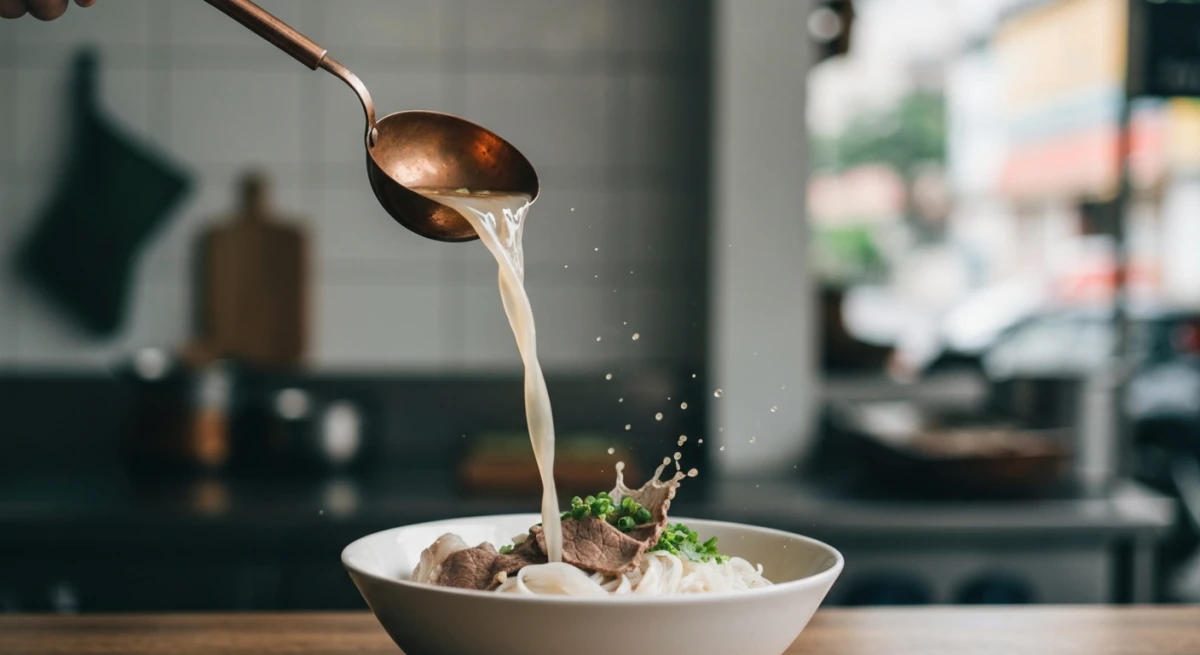
When travelers plan their culinary adventures through Vietnam, Hanoi’s delicate Pho and Ho Chi Minh City’s sweet, dynamic street foods often steal the spotlight. However, nestled along the country’s central coast is a sprawling culinary paradise that demands your full attention. The best food in da nang vietnam is defined by its bold, uncompromising central flavors: punchy fermented fish sauces, fiery local chilies, mountain-harvested wild herbs, and seafood hauled fresh from the East Sea.
This coastal metropolis doesn't just feed you; it challenges and delights your palate with textural variety and deep, savory profiles. Whether you are hunting for a rustic bowl of turmeric-infused noodles in a hidden alley or dining on live-caught seafood right on the beach, this comprehensive guide will walk you through the ultimate must-eat dishes, Michelin-recognized establishments, and local culinary secrets that standard tour guides completely overlook. Get ready to eat your way through Da Nang like a true local.
1. The Holy Trinity of Da Nang Specialties
To truly understand the culinary identity of Da Nang, you must begin with the dishes that locals eat daily. These three core masterpieces are deeply rooted in the history of the central region and display the incredible balance of texture, temperature, and taste that characterizes Central Vietnamese cuisine.
Mì Quảng (Quang-Style Turmeric Noodles)
If Da Nang had a signature national anthem in food form, it would be Mì Quảng. Originating from the surrounding Quang Nam province, this dish is not quite a soup and not quite a salad—it occupies a beautiful middle ground.
- The Anatomy of the Bowl: Thick, wide flat rice noodles—frequently tinted a beautiful golden-yellow with ground fresh turmeric—are layered over a bed of raw, crisp lettuce, baby mustard greens, mint, and shredded banana blossoms. It is topped with your choice of protein (traditionally shrimp, pork belly, and quail eggs, though chicken, frog, and snakehead fish are also highly popular). A remarkably rich, highly concentrated pork-and-shrimp bone broth is ladled over the noodles—just enough to wet the bottom of the bowl, not submerge it. The dish is finished with a mountain of roasted peanuts, chopped scallions, and a large, crispy sesame rice cracker (bánh tráng).
- How to Eat It: Do not eat the components individually. Crumble the sesame cracker directly into the bowl, add a squeeze of fresh lime, a few slices of green chili, and toss everything together vigorously. Every mouthful should contain the crunch of the cracker, the chewiness of the noodle, the richness of the concentrated broth, and the refreshing bite of the raw herbs.
- Where to Try It:
- Mì Quảng Bà Vị (166 Lê Đình Dương, Hải Châu District): Operating for decades, their classic pork and shrimp Mì Quảng is the golden standard. The broth is incredibly savory and deeply caramelized.
- Mì Quảng Ba Mua (95A Nguyễn Tri Phương, Thanh Khê District): Famous for its wide variety of toppings, including their legendary frog Mì Quảng (Mì Quảng Ếch), which features incredibly tender, claypot-simmered frog meat.
Bánh Xèo & Nem Lụi (Sizzling Savory Crepes & Pork Skewers)
While southern-style Bánh Xèo is massive, thin, and sweet, Da Nang’s version is a completely different beast. Here, the savory crepes are small, thick, and cooked in smoking-hot cast-iron pans to achieve a mind-bogglingly crispy outer crust.
- The Sizzle and the Stuffing: The batter—made of rice flour, coconut milk, and turmeric—is poured into the pan where it sizzles (xèo) violently. It is stuffed generously with pork belly, sweet river shrimp, and fresh bean sprouts, then folded in half.
- The Supporting Star (Nem Lụi): Bánh Xèo is almost always ordered alongside Nem Lụi—minced pork paste seasoned with shallots and fish sauce, wrapped around stalks of fragrant lemongrass, and grilled over red-hot charcoal until smoky and caramelized.
- The Secret Sauce: While other regions serve Bánh Xèo with a sweet fish sauce dip (nước chấm), Da Nang restaurants serve a warm, thick, and velvety dipping sauce (tương đậu phộng) made from ground pork liver, roasted peanuts, soy sauce, and sesame. It is incredibly rich, nutty, and savory.
- How to Eat It: Take a sheet of thin rice paper, layer a handful of fresh lettuce, Vietnamese mint, perilla, and sour starfruit or green banana slices. Place a piece of crispy Bánh Xèo and a skewered Nem Lụi on top. Pull the lemongrass skewer out, roll the rice paper tightly into a neat spring roll, and dip it deeply into the warm liver-peanut sauce.
- Where to Try It:
- Bánh Xèo Bà Dưỡng (K280/23 Hoàng Diệu, Hải Châu District): Tucked deep at the end of a narrow domestic alleyway, this legendary eatery is a chaotic, sensory-rich experience. The charcoal smoke billows as dozens of pans sizzle simultaneously, serving what is universally considered the best Bánh Xèo in the city.
Bún Chả Cá (Fish Cake Noodle Soup)
Being a major coastal city, Da Nang transforms its daily ocean catch into incredibly springy, savory fish cakes (chả cá). This noodle soup is the ultimate breakfast of champions for locals.
- The Broth and the Fish Cakes: Unlike the clear, pork-heavy broths of the south, Da Nang's Bún Chả Cá broth is cooked by simmering fresh fish bones alongside sweet pumpkin, pineapples, tomatoes, cabbage, and bamboo shoots. This yields a light, naturally sweet, and slightly tangy broth with an appetizing orange hue. The fish cakes come in two varieties: steamed (chả cá hấp) or golden-fried (chả cá chiên), made from mackerel, barracuda, or featherback fish seasoned heavily with black pepper and garlic.
- How to Eat It: Season your steaming bowl with a spoonful of fiery minced garlic and chili, a squeeze of lime, and a tiny dollop of purple shrimp paste (mắm ruốc) to unleash the ultimate umami profile. Accompany it with a mountain of split water spinach and fresh herbs.
- Where to Try It:
- Bún Chả Cá Hờn (113/3 Nguyễn Chí Thanh, Hải Châu District): Awarded a prestigious Bib Gourmand by the Michelin Guide, this multigenerational family-run gem serves a "special" (đặc biệt) bowl topped with rich crab roe cakes alongside fried and poached fish cakes.
- Bún Chả Cá Ông Tạ (113A Nguyễn Chí Thanh, Hải Châu District): Just down the street, this local institution is famous for its massive portions, crystal-clear sweet broth, and perfectly bouncy mackerel cakes.
2. Beyond the Classics: Hidden Street Food Gems
If you only eat the iconic dishes, you are missing half of Da Nang's culinary soul. The local streets are filled with lesser-known culinary marvels that offer complex textures and intensely fermented flavors that showcase the true depth of Central Vietnamese home cooking.
Bánh Tráng Cuốn Thịt Heo (Pork Wraps with Fermented Dipping Sauce)
This is perhaps the ultimate interactive meal in Central Vietnam, celebrated for its simplicity and the incredible quality of its raw ingredients.
- The Double-Fat Pork Slice: The star of this dish is boiled pork belly. However, local masters boil the pork so perfectly that each slice retains a strip of skin and fat on both ends (known as thịt heo hai đầu da).
- The Platter: The pork is served with sheets of dry rice paper, a layer of thin steamed flat rice noodles (bánh ướt), and a mesmerizing platter of up to a dozen fresh wild herbs and vegetables, including green mango, cucumber, perilla, fish mint, lettuce, and wild banana blossom.
- The Fermented Kick: The dipping sauce is Mắm Nêm—a thick, fermented anchovy sauce spiked with crushed pineapple, garlic, chili, lime, and sugar. It is pungent, salty, sweet, and intensely aromatic.
- Where to Try It:
- Quán Mậu (35 Đỗ Thúc Tịnh, Cẩm Lệ District): An incredibly authentic, no-frills local spot that serves arguably the most tender pork and perfectly balanced Mắm Nêm in town.
- Quán Trần (4 Lê Duẩn, Hải Châu District): A highly popular, clean, and slightly more modern venue to try this classic dish.
Bún Mắm Nêm (Fermented Anchovy Noodle Salad)
For those who love intense, uncompromising flavors, Bún Mắm Nêm is an absolute must-try. Unlike the hot noodle soups common in Vietnam, this is a dry, room-temperature noodle dish designed to beat the coastal heat.
- The Composition: A bed of fresh rice vermicelli noodles is topped with crispy roasted pork belly (thịt heo quay), boiled pork ear slices, or minced beef. This is combined with raw lettuce, mint, young papaya salad, and toasted peanuts. The entire bowl is then doused in pungent, spicy, and deeply savory fermented anchovy sauce (mắm nêm).
- Where to Try It:
- Bún Mắm Cô Thảo (K23/14 Trần Kế Xương, Hải Châu District): Located in a legendary street food alley, this humble stall serves a fiercely authentic bowl that will make your tastebuds sing.
Cháo Vịt (Duck Porridge) at Quán Nhân
While chicken porridge is common across Asia, Da Nang excels at Cháo Vịt—a comforting, velvety rice porridge cooked in a rich, slow-simmered duck bone broth.
- The Michelin Touch: Quán Nhân (83 Phan Tứ, Ngũ Hành Sơn District) was awarded a Michelin Bib Gourmand for its slow-simmered duck porridge. They utilize a highly prized local duck breed from Cam Nam Island, slow-cooking the rice with mung beans and coix seeds directly in the duck broth.
- The Experience: You receive a bowl of comforting, aromatic porridge alongside a stunning plate of sliced poached duck or a vibrant, zesty duck salad tossed with shredded cabbage, banana blossoms, and fresh coriander, all dressed in a sweet and spicy ginger fish dipping sauce.
Kem Bơ (Avocado Ice Cream) at Bắc Mỹ An Market
For dessert, forget standard ice cream parlors. Head directly to the bustling food court of the historic Bắc Mỹ An wet market for a cup of legendary local Kem Bơ.
- The Preparation: Fresh, locally sourced ripe avocados are blended into a thick, buttery, unsweetened green paste. This paste is topped with a generous scoop of sweet, homemade coconut milk ice cream, a splash of sweetened condensed milk, and finished with a handful of toasted, crispy coconut ribbons.
- The Vibe: Sit on a tiny plastic stool inside the buzzing market, watch the vendors work at lightning speed, and enjoy the contrast of the rich, buttery avocado with the icy, sweet coconut cream.
- Where to Try It:
- Kem Bơ Cô Vân (Khu Hàng Ăn Uống, Chợ Bắc Mỹ An, 25 Nguyễn Bá Lân): For over three decades, Cô Vân’s stall has been the ultimate temple of avocado ice cream, beloved by university students and traveling foodies alike.
3. Sea-to-Table Feast: The Ultimate Da Nang Seafood Experience
You cannot claim to have experienced the best food in da nang vietnam without indulging in a sprawling seafood feast. Stretching along miles of pristine coastline, Da Nang has direct access to some of the richest fishing grounds in the East Sea. The local seafood culture is highly social, casual, and focused on showcasing the pristine freshness of the catch with minimal, expert seasoning.
The Seafood Ritual: How it Works
When you visit a classic Da Nang seafood joint, you won't find a standard paper menu. Instead, you walk up to a wall of large, bubbling oxygenated plastic tanks containing live crabs, lobsters, clams, oysters, prawns, and reef fish.
You point to what you want, negotiate the price per kilogram, and specify your preferred cooking method:
- Hấp Sả: Steamed with lemongrass, ginger, and chili (perfect for clams and snails).
- Nướng Mỡ Hành: Grilled over charcoal with scallion oil and crushed roasted peanuts (the absolute best way to eat oysters and scallops).
- Rang Me: Stir-fried in a thick, tangy, sweet-and-sour tamarind sauce (essential for mud crabs and prawns).
Must-Order Da Nang Seafood Delicacies
- Chip Chip (Lemongrass Clams): These small, triangular local clams are the quintessential Da Nang beer food. Steamed in a claypot with loads of lemongrass, ginger, and hot chilies, they are sweet, briny, and spicy. Dip them in a small saucer of green chili-lime salt.
- Hàu Nướng Mỡ Hành (Grilled Scallops & Oysters): Plump, juicy oysters or sea scallops are grilled on their shells over open embers. As they cook, they are spooned with fragrant lard, green scallion oil, and crispy shallots, then topped with crushed peanuts.
- Mực Lá Nướng Sa Tế (Grilled Cuttlefish with Chili Paste): Thick, meaty cuttlefish scored in a diamond pattern, slathered in spicy lemongrass sate paste, and grilled until char-flecked and tender.
Where to Eat Seafood in Da Nang
- Hải Sản Bé Mặn (Lô 8 Võ Nguyên Giáp, Sơn Trà District): This is the grand, roaring epicenter of Da Nang's coastal dining. It is massive, incredibly chaotic, and located right across the street from the beach. It is loud, messy, and serves some of the absolute freshest seafood in Vietnam.
- Hải Sản Bé Ni 2 (Võ Nguyên Giáp, Son Tra): A brilliant, beachside alternative that is open 24/7. It offers massive live tanks and a vibrant, friendly atmosphere.
- Hải Sản Năm Đảnh (139/59/38/10 Trần Quang Khải, Sơn Trà District): Tucked deep inside an incredibly confusing labyrinth of residential alleys in the Son Tra peninsula, this legendary spot is famously difficult to find but massively popular because almost every single seafood plate is priced at an incredibly cheap, flat local rate.
4. A Foodie's Geographic Guide: Where to Eat in Da Nang
Da Nang is split geographically by the majestic Han River, creating distinct culinary neighborhoods. Understanding the layout of the city will help you plan your dining itinerary efficiently.
| Neighborhood / District | Culinary Vibe | Best For | Key Locations & Streets |
|---|---|---|---|
| Hải Châu (City Center) | Historic, traditional, authentic, fast-paced | Street food stalls, multi-generational family eateries, local coffee shops | Hoàng Diệu, Nguyễn Chí Thanh, Lê Hồng Phong, Con Market |
| Mỹ An / An Thượng | Expat-friendly, coastal, bohemian, global | Vegan/vegetarian cafes, international food, hip brunch spots, craft beer | Nguyễn Bá Lân, Phan Tứ, Bắc Mỹ An Market, An Thuong Pedestrian Streets |
| Sơn Trà (Coastline) | Scenic, casual, seafood-driven, lively | Sea-to-table seafood feasts, grilled street meats, late-night ocean breeze dining | Võ Nguyên Giáp, Trần Quang Khải, Son Tra Night Market |
Hải Châu: The Heartland of Local Food
If you want to experience the authentic hustle of Vietnamese street food dining, Hải Châu is your playground. Located on the west side of the Han River, this district is packed with narrow streets where family recipes have been passed down for generations. It is home to both Con Market (Chợ Cồn) and Han Market (Chợ Hàn), both of which feature massive food courts where you can sample dozens of sweet and savory dishes for under $2 per plate.
Mỹ An & An Thượng: The Coastal Fusion Hub
On the east side of the Han River lies the beachside district of Ngũ Hành Sơn. The Mỹ An area (particularly the An Thượng expat enclave) blends local Vietnamese cuisine with global influences. Here, you will find incredibly high-quality vegan cafes (like Roots Plant-Based Cafe or Chickpea Eatery), specialty coffee roasters, and beautiful modern Vietnamese restaurants (like Thìa Gỗ) which elevate traditional street food classics into beautifully presented, air-conditioned dining experiences.
5. Pro-Tips for Navigating Da Nang’s Street Food Scene
To eat like an absolute pro and avoid any culinary-travel mishaps, keep these essential local guidelines in mind:
- Embrace the Dipping Sauces: Central Vietnamese food is all about customization. Your table will always be stocked with fresh limes, garlic cloves, fresh green chilies, chili paste, and various fish sauces. Don't be afraid to use them—taste the dish first, then adjust the sweet, sour, salty, and spicy elements to your personal liking.
- The "Wet Towel" Fee: Almost every casual local restaurant in Da Nang will place a sealed, wet wet-wipe (khăn lạnh) on your table. Note that these are not free; they typically cost a small fee of 2,000 to 5,000 VND ($0.10 to $0.20) per towel, which will be added to your bill if you open them.
- The Trash Etiquette: In traditional, hyper-casual street food stalls, it is completely normal and expected to throw used paper napkins, lime wedges, and food shells directly onto the floor beneath your table. The staff sweep the floors continuously throughout the night. If you keep them on the tiny table, you will simply run out of room for your food!
- Download the Grab App: Da Nang doesn’t have a subway system, and walking in the midday heat can be brutal. Download the Grab app on your phone before you arrive. It is incredibly cheap, safe, and efficient for booking scooter or car rides directly to these hard-to-find alleyway eateries.
6. Frequently Asked Questions (FAQ) About Da Nang Cuisine
What is the most famous dish to eat in Da Nang?
Without a doubt, Mì Quảng (Quang-style turmeric noodles) is the most famous and culturally significant dish in Da Nang. It perfectly encapsulates the agricultural and coastal abundance of the Central Vietnam region.
Is street food in Da Nang safe to eat?
Yes, Da Nang's street food is generally very safe and hygienic. Because of the high volume of local diners, ingredients at popular stalls are rotated rapidly and served incredibly fresh. To be safe, choose stalls that are busy with locals, ensure your food is prepared piping hot, and drink bottled water.
Where can I find the best seafood in Da Nang?
For a massive, high-energy beachfront experience, head to Hải Sản Bé Mặn on Võ Nguyên Giáp street. For an ultra-affordable, local adventure, navigate the narrow alleys to find Hải Sản Năm Đảnh.
What makes Da Nang’s food different from Hanoi or Saigon?
Da Nang (and Central Vietnamese food in general) favors much bolder, spicier, and saltier profiles. It relies heavily on deeply fermented seafood pastes (like mắm nêm and mắm ruốc) and fresh local chilies, whereas northern food is more balanced and subtle, and southern food leans heavily towards sweetness and coconut milk.
Conclusion
Da Nang is far more than just a gateway to the ancient town of Hoi An or a relaxing beach stopover; it is one of Southeast Asia's most thrilling, dynamic culinary capitals. From the crunchy, savory perfection of Bánh Xèo Bà Dưỡng to the comforting, rich duck porridge at Quán Nhân and the chaotic joy of fresh beachfront seafood, the best food in da nang vietnam invites you to slow down, pull up a tiny plastic stool, and appreciate the bold, beautifully complex flavors of Central Vietnam. Grab your chopsticks and start exploring—your ultimate culinary adventure awaits.