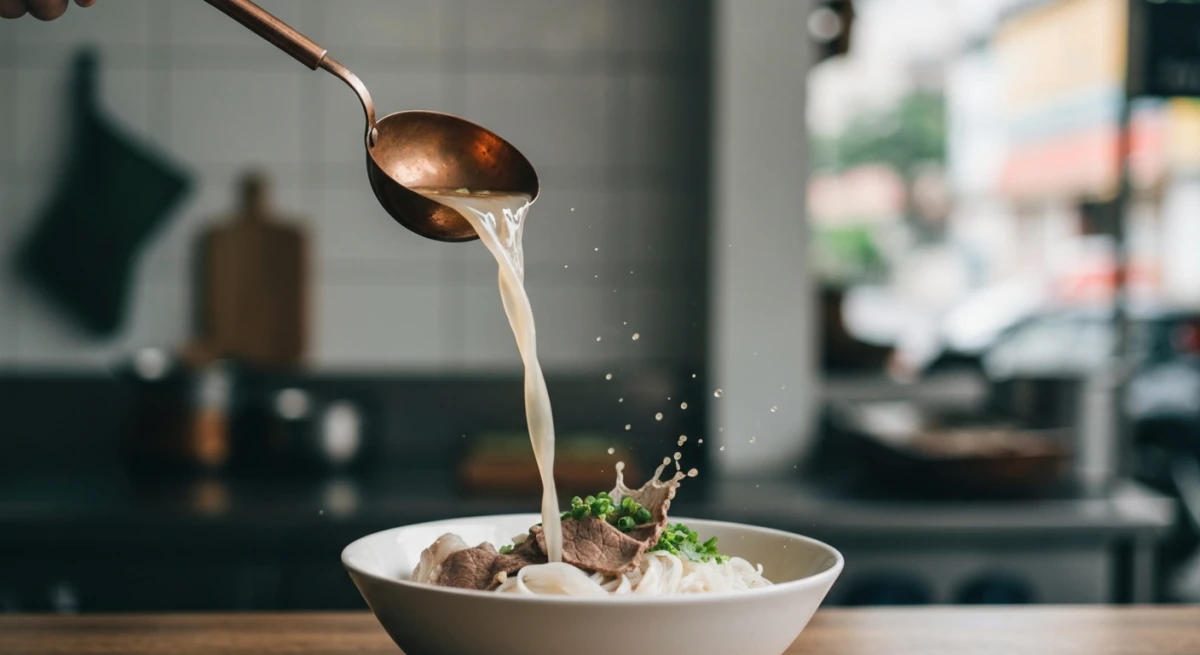
As the sun dips below the horizon and the neon signs of Saigon flicker to life, a sensory symphony begins. The air fills with the sweet, caramelized aroma of pork chops grilling over open charcoal, the sharp hiss of savory crepes searing in hot woks, and the fragrant, spiced steam of beef broths that have simmered for over twelve hours. Welcome to Ho Chi Minh City—historically known as Saigon—a chaotic, energetic, and utterly delicious metropolis that stands as one of the world's premier culinary destinations. Finding the best ho chi minh food is not merely about visiting high-end restaurants; it is an immersive journey through winding alleys, bustling wet markets, and sidewalk stalls where generations-old family recipes are served on tiny plastic stools.
Unlike the subtle and refined flavors of Northern Vietnam, Southern Vietnamese cuisine is bold, unapologetically sweet, rich with coconut milk, and heavily laden with fresh herbs. In this comprehensive dining guide, we will dive deep into the absolute best ho chi minh food, uncovering the iconic dishes you cannot miss, detailing hidden neighborhood gems, and sharing the essential rules of local street food etiquette so you can eat like a true Saigonese.
1. The Soul of Saigon: Iconic Dishes You Cannot Miss
To truly understand the culinary DNA of Ho Chi Minh City, you must start with the classics. These are the dishes that locals eat daily, serving as the benchmark of Saigon's food culture.
Cơm Tấm (Broken Rice)
Originally a humble peasant dish, Cơm Tấm is now the undisputed breakfast of champions in Saigon. Historically, rice farmers in the Mekong Delta could not sell the fractured, broken rice grains that broke during the milling process. Instead of throwing them away, they kept these "broken" grains (gạo tấm) for their own families. When they migrated to Saigon, they brought this starch with them, eventually transforming it into a citywide obsession. Today, Cơm Tấm is a beautifully complex plate of textures and flavors.
A classic plate of Cơm Tấm Sườn Bì Chả comprises several essential elements:
- Sườn Nướng: A pork chop marinated in a mixture of lemongrass, garlic, shallots, honey, soy sauce, and fish sauce, then grilled over glowing charcoal until beautifully caramelized and smoky.
- Bì: Shredded pork skin tossed in toasted, finely ground rice powder (thính). It adds a subtle nutty flavor and a delightful, chewy texture.
- Chả Trứng: A steamed egg meatloaf made of minced pork, wood ear mushrooms, glass noodles, and salted egg yolk, topped with a bright yellow egg yolk glaze.
- Mỡ Hành: A generous drizzle of scallion oil over the broken rice grains.
- Nước Mắm Pha: A sweet, slightly thick, garlic-and-chili-spiked fish sauce that ties the entire dish together.
Where to eat it:
- Cơm Tấm Ba Ghiền (84 Đặng Văn Ngữ, Phú Nhuận District): A legendary institution famous for its massive, thick pork chops that completely cover the plate of rice. It is smoky, crowded, and consistently rated as one of the best spots in the city.
- Cơm Tấm Hồng Calmette (259 Calmette, District 1): An excellent, centrally located gem that serves a slightly more refined but deeply authentic version. The pork is incredibly tender, and the sweet fish sauce is perfectly balanced.
Bánh Mì
The Vietnamese Bánh Mì is a masterclass in French-Vietnamese fusion. During the colonial era, the French introduced the wheat baguette, butter, and pâté. Once the Vietnamese reclaimed control, they adapted the bread—adding rice flour to the dough to make the baguette lighter, airier, and incredibly crispy on the outside—and stuffed it with a dazzling array of local ingredients. The Southern-style Bánh Mì is characterized by its heavy, meat-packed fillings and a generous array of fresh herbs and pickles.
A classic Saigon Bánh Mì contains a spread of rich liver pâté, home-style mayonnaise, various Vietnamese cold cuts (chả lụa), head cheese, jambon, pickled daikon and carrots (đồ chua), fresh cucumber slices, cilantro, and fiery red bird's eye chilies, all finished with a splash of savory seasoning.
Where to eat it:
- Bánh Mì Huỳnh Hoa (26 Lê Thị Riêng, District 1): The absolute heavyweight champion of Saigon bánh mì. It is a legendary, multi-layered "meat monster" packed with an incredibly rich spread of pâté and half a dozen varieties of pork. It is heavy, highly indulgent, and easily shared by two people.
- Bánh Mì Bảy Hổ (19 Huỳnh Khương Ninh, District 1): Operating for over 80 years, this street stall offers an old-school, lighter, and highly nostalgic style of Bánh Mì. The secret is in their homemade, deeply savory pâté, which is still made using a closely guarded family recipe.
Phở Nam Bộ (Southern-Style Phở)
While Phở originated in Northern Vietnam, Ho Chi Minh City has put its own distinct, dramatic twist on this iconic noodle soup. Northern Phở (Phở Bắc) is minimalistic, focusing on a clear, delicate beef broth, wide noodles, and simple green onions. In contrast, Southern Phở (Phở Nam Bộ) is a sweet, heavily spiced, and incredibly interactive affair.
The Southern broth is simmered for up to 18 hours with roasted ginger, onions, star anise, cinnamon, cardamom, coriander seeds, and cloves, and is sweetened with rock sugar. It is served with thinner rice noodles and an abundance of beef cuts, including rare beef (tái), brisket (nạm), flank (vè giòn), tendon (gân), and tripe (sách). Crucially, Southern Phở is always served with a massive basket of fresh herbs—including Thai basil (húng quế), saw-tooth herb (ngò gai), and raw bean sprouts—and a small saucer for mixing hoisin sauce and chili sauce to dip the beef.
Where to eat it:
- Phở Lệ (415 Nguyễn Trãi, District 5): Celebrated for its rich, sweet, deeply beefy broth and exceptionally flavorful homemade beef meatballs (bò viên).
- Phở Hòa Pasteur (260C Pasteur, District 3): A legendary, multi-generational restaurant that has been serving aromatic bowls of Phở since the late 1960s. The herb basket here is legendary for its freshness and variety.
Bún Thịt Nướng
If you find Saigon's tropical heat too intense for a piping hot bowl of noodle soup, Bún Thịt Nướng is your savior. This cold rice noodle salad is a vibrant, refreshing, and incredibly satisfying dish. It consists of a base of shredded lettuce, fresh herbs, cucumber, and bean sprouts, topped with cold rice vermicelli noodles, smoky charcoal-grilled pork shoulder (marinated in lemongrass, garlic, and sesame), crispy imperial rolls (chả giò), crushed roasted peanuts, pickled vegetables, and scallion oil.
Instead of a hot broth, the entire dish is drenched in a generous amount of sweet-and-sour nước chấm (diluted fish sauce with lime, sugar, garlic, and chili). When mixed together, every bite is a perfect balance of smoky, sweet, savory, crunchy, and fresh elements.
Where to eat it:
- Bún Thịt Nướng Chị Tuyền (175 Cô Giang, District 1): Famed for its exceptionally savory grilled pork and massive, ultra-crispy spring rolls that shatter satisfyingly with every bite.
2. Southern Specialties & Hidden Culinary Gems
Beyond the famous classics, Ho Chi Minh City's food scene is packed with unique southern specialties and local favorites that display the sheer variety of Vietnamese culinary techniques.
Hủ Tiếu Nam Vang (Phnom Penh Noodle Soup)
Hủ Tiếu Nam Vang is a fascinating reflection of the multi-ethnic history of Southern Vietnam. The dish originated in Cambodia (Nam Vang is the Vietnamese name for Phnom Penh) and was brought to Saigon by Chinese-Cambodian immigrants. It is characterized by a sweet, clear broth made from pork bones and dried squid, served with chewy tapioca noodles (hủ tiếu dai).
The bowl is loaded with an incredibly diverse array of toppings: minced pork, sliced pork heart and liver, quail eggs, plump shrimp, and fresh chives. It is commonly ordered in two styles: "ướt" (wet, with the noodles served in the hot broth) or "khô" (dry, where the chewy noodles are tossed in a sweet-savory soy-based sauce and served with a bowl of the rich broth on the side).
Where to eat it:
- Hủ Tiếu Nhân Quán (122D Cách Mạng Tháng 8, District 3): A highly popular local chain that serves some of the most consistent, rich, and deeply satisfying Hủ Tiếu Nam Vang in the city.
Bò Né (Sizzling Steak and Eggs)
Bò Né is Saigon's beloved version of steak and eggs, typically eaten as a hearty breakfast. The name literally translates to "dodging beef," which refers to the physical action customers must take to avoid the spitting grease when the blisteringly hot, cow-shaped cast-iron skillet is placed on their table.
The skillet features a thin beef steak cooked in butter, a sunny-side-up egg, a dollop of rich liver pâté, and sometimes a small pork meatball (xíu mại). It is served with a fresh, crispy baguette, which you use to scoop up the runny egg yolk, melted pâté, and savory meat juices. A small plate of pickled cucumbers and onions is served on the side to provide a crisp, acidic contrast to the rich meat.
Where to eat it:
- Bò Né Lệ Hồng (489/29/20 Huỳnh Văn Bánh, Phú Nhuận District): Tucked away in a quiet alley, this local gem has been serving some of the tenderest, most flavorful sizzling beef in Saigon for decades.
Bánh Xèo (Sizzling Crispy Crepe)
While Bánh Xèo is eaten across Vietnam, the Southern-style version is massive—often the size of a hubcap—compared to the smaller, thicker Central-style crepes. The name "Bánh Xèo" translates to "sizzling cake," named after the dramatic sound the rice flour batter makes when it hits a smoking hot, oil-slicked wok.
The batter is made of rice flour, water, coconut milk, and turmeric powder, which gives the crepe its vibrant yellow color (which many foreigners mistake for egg). It is fried to an ultra-thin, lacy, and crispy finish, then stuffed with pork belly, shrimp, mung beans, and fresh bean sprouts.
Eating Bánh Xèo is a highly tactile, hands-on ritual. You tear off a piece of the crispy crepe, place it inside a large, peppery mustard leaf (lá cải xanh) or lettuce leaf, pack it with fresh herbs like mint, perilla, and basil, roll it up tightly, and dip it into sweet-and-sour chili-garlic fish sauce.
Where to eat it:
- Bánh Xèo 46A (46A Đinh Công Tráng, District 1): Made famous globally by travel food shows, this legendary open-air spot still serves massive, incredibly crispy Bánh Xèo cooked over traditional charcoal stoves.
Ốc (Street-Side Snails and Shellfish)
In Ho Chi Minh City, eating snails (ăn ốc) is much more than just a meal—it is a cultural phenomenon. It is the quintessential evening pastime of "nhậu" (the Vietnamese culture of drinking, eating, and socializing with friends). As night falls, groups of locals gather around low metal tables on the sidewalk, cracking open cold beers and sharing plates of fresh snails and shellfish.
The variety of snails is staggering, ranging from sweet mud snails (ốc hương) and garlic-sautéed periwinkles to grilled scallops and giant sweet clams. They are prepared in an array of highly addictive ways: stir-fried with rich garlic and pork lard, sautéed in sweet coconut cream, roasted with chili salt, or steamed with fresh lemongrass and ginger.
Where to eat it:
- Vĩnh Khánh Street (District 4): This street is the ultimate mecca for snail lovers. As evening approaches, the entire street transforms into a smoky, high-energy outdoor culinary runway. Head to Ốc Oanh (534 Vĩnh Khánh, District 4), which is famous for its vibrant atmosphere and legendary grilled scallops with green onion oil and roasted peanuts.
3. Navigating Saigon's Food Neighborhoods: A District-by-District Guide
To find the absolute best ho chi minh food, you need to step out of the standard tourist zones. The city is divided into several districts, each possessing its own unique culinary personality.
District 1: The Vibrant Epicenter
While District 1 is the modern, tourist-centric heart of the city, it still holds deep culinary historical roots. Here, you will find iconic, long-standing institutions like Bánh Mì Huỳnh Hoa and Bánh Xèo 46A. While prices are generally higher, and the crowds are thick, the quality remains exceptionally high. If you want to escape the tourist traps in District 1, head to the Đa Kao ward or the alleys of the Cô Giang ward, where local street vendors still cater primarily to residents and office workers.
District 3: The Local's Playground
Bordering District 1, District 3 is a beautiful, leafy neighborhood characterized by colonial-era villas, tree-lined streets, and deep, labyrinthine alleys. It is the perfect place to experience authentic, everyday Saigon dining. The area surrounding the Bàn Cờ Market (Chợ Bàn Cờ) is a spectacular street food goldmine. Here, generations-old family stalls serve incredibly affordable noodle soups, fresh spring rolls, and traditional Vietnamese desserts (chè) without the tourist markups.
District 4: The Street Food Kingdom
Historically a gritty port district, District 4 has evolved into the ultimate street food haven of Ho Chi Minh City. This compact, high-density district is packed with incredibly lively food streets. Beyond the legendary snail stalls of Vĩnh Khánh Street, District 4 is famous for Phá Lấu—a rich, deeply flavorful, coconut-curry stew made of pork or beef offal, slowly simmered with lemongrass and spices and eaten with a fresh, crispy baguette. Head to Chợ 200 (Market 200) for an overwhelming array of cheap, delicious snacks.
District 5 (Chợ Lớn / Chinatown)
Chợ Lớn, encompassing District 5 and parts of District 6, is home to one of the largest Chinatowns in the world. The culinary scene here is a historic, delicious marriage of Cantonese cooking techniques and Southern Vietnamese ingredients. Must-try dishes in District 5 include Mì Vịt Tiềm—a rich, herbal noodle soup featuring a massive, fall-off-the-bone tender duck leg that has been stewed with Chinese herbs and deep-fried to crisp the skin—and Sủi Cảo (pork and shrimp dumplings) served in steaming bowls of sweet bone broth on Hà Tôn Quyền Street.
4. The Rules of the Street: How to Eat Like a Local in Ho Chi Minh City
Street food in Ho Chi Minh City can feel overwhelming to first-time visitors. To help you navigate the sensory overload, here are the unwritten rules of local dining:
The Magic of the Herb Basket
When you sit down for noodles or crepes, you will almost always be presented with a large, communal basket of fresh green herbs. These are not decorative garnishes; they are essential, active ingredients meant to balance the richness of the food.
- Ngò Gai (Sawtooth Coriander): Earthy, citrusy, and strong—perfect for tearing into hot Phở broth.
- Húng Quế (Thai Basil): Sweet and anise-like, providing a fresh contrast to savory beef.
- Tía Tô (Perilla Leaf): Peppery, slightly minty, and earthy—ideal for wrapping around crispy Bánh Xèo.
- Tip: Do not dump the entire basket into your soup at once. Tear a few leaves at a time as you eat to preserve their crisp texture and bright, volatile oils.
Deciphering the Tabletop Condiments
Saigon dining is highly collaborative. The chef prepares the base, but you are expected to customize it to your exact liking using the array of jars on the table. You will typically find fish sauce (nước mắm), soy sauce, pickled garlic slices, fresh bird's eye chilies, lime wedges, and house-made chili paste (sa tế). If your broth feels too sweet, add a squeeze of lime; if it needs depth, a splash of fish sauce; if you want heat, a few slices of raw chili.
How to Choose a Safe Street Food Stall
Street food in Saigon is generally highly safe, but a few basic guidelines will ensure a happy stomach:
- Look for High Turnover: A stall packed with local families and young people means the ingredients are constantly being rotated and served fresh. Avoid stalls where cooked food is sitting out in the open air with no customers.
- Observe the Setup: Choose stalls where the prep station is clean, utensils are kept dry, and the cooking area is visible.
- Follow the Clock: Eat when the locals eat. The best street stalls open early for breakfast (6:00 AM – 8:30 AM) or lunch (11:30 AM – 1:00 PM). If you show up at 2:30 PM, you will likely be eating leftovers that have been sitting in the tropical heat.
Crucial Culinary Beverages to Pair with Your Meal
To survive Saigon's heat and complement the intense flavors of the food, you must pair your meals with local drinks:
- Cà Phê Sữa Đá: The legendary Vietnamese iced milk coffee. Dark-roasted robusta beans are slow-brewed through a metal filter (phin) directly onto thick, sweet condensed milk, then poured over crushed ice. It is sweet, incredibly strong, and highly addictive.
- Nước Mía: Freshly pressed sugarcane juice. It is squeezed through rollers with a hint of calamansi citrus, which cuts the intense sweetness of the sugar cane. It is incredibly refreshing on a humid afternoon.
- Trà Đá: Iced green or jasmine tea. It is served virtually everywhere for a fraction of a dollar and serves as the perfect, light palate cleanser between bites of rich food.
5. Frequently Asked Questions About Best Ho Chi Minh Food
Is the street food ice safe to drink in Ho Chi Minh City?
Yes, the ice (đá) in Ho Chi Minh City is generally very safe. In the past, ice was transported in large blocks and broken up manually, which carried contamination risks. Today, almost all restaurants and street vendors use industrially produced, purified tube ice (đá bi) delivered by local ice factories. If you see cylindrical ice with a hole through the middle, it is completely safe to consume.
What is the difference between Northern and Southern Vietnamese food?
Northern Vietnamese food (centered around Hanoi) is older and more traditional. It favors subtle, balanced, and savory flavors, relying heavily on black pepper rather than chilies, and uses fewer herbs. Southern Vietnamese food (centered around Saigon) is heavily influenced by the tropical climate and abundant agriculture of the Mekong Delta. It is much sweeter, incorporates coconut milk, utilizes a massive variety of fresh herbs, and is generally spicier.
Can I find high-quality vegetarian food in Saigon?
Absolutely! Vietnam has a rich Buddhist tradition, and vegetarian food (known as "Chay") is highly integrated into the culture. Many locals eat purely vegetarian on the 1st and 15th days of the lunar month. You will find dedicated "Quán Chay" (vegetarian eateries) all over the city serving incredibly creative, plant-based versions of classic noodle soups, clay pot dishes, and mock meats. For a premium, upscale vegetarian dining experience, check out Hum Vegetarian in District 3.
What is the single most unique food to try in Ho Chi Minh City?
If you want a dish that is truly unique to Saigon's culinary identity, it is Cơm Tấm (Broken Rice). While you can find Bánh Mì and Phở throughout Vietnam, Cơm Tấm is the true culinary soul of Ho Chi Minh City. The texture of the broken grains combined with the sweet, caramelized, charcoal-smoke flavor of the grilled pork chop is a culinary experience you cannot replicate anywhere else.
6. Conclusion: Your Next Culinary Adventure Awaits
Ho Chi Minh City is a place where culinary rules are meant to be broken, where ancient traditions blend seamlessly with modern global influences, and where every meal is an unforgettable experience. The best ho chi minh food is not found behind sterile glass windows or inside air-conditioned shopping malls; it is found out on the vibrant pavement, under the shade of a colorful umbrella, amid the comforting roar of passing scooters.
Do not be afraid to step out of your comfort zone. Pull up a tiny plastic stool, point to what looks delicious, accept the steaming bowl of noodles or crispy sandwich handed to you, and let your taste buds guide you through the beautiful, chaotic culinary wonderland of Saigon.