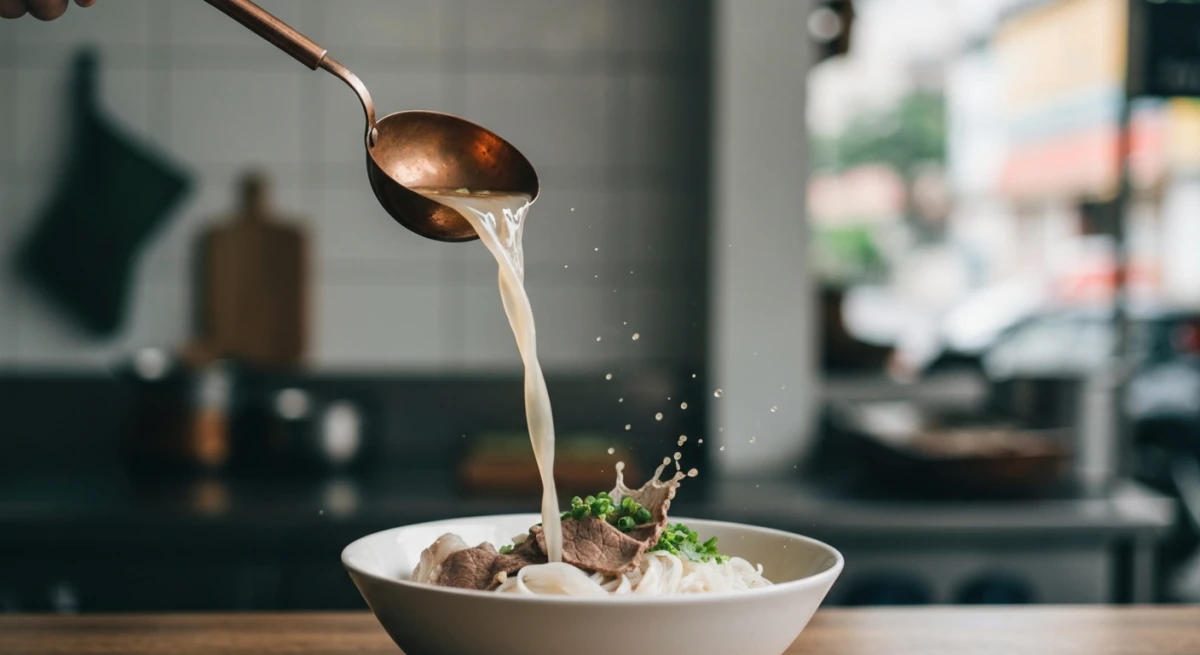
Saigon - officially known as Ho Chi Minh City - is a relentless, beautiful sensory overload. The roar of a million motorbikes, the neon glow of skyscrapers, and the fragrant steam rising from roadside pots form a city that is alive 24/7. But if you want to understand the true pulse of this southern metropolis, you have to eat your way through it. Finding the best food to eat in saigon is more than just checking off a bucket list; it is a deep dive into a culinary culture shaped by migrations, royal histories, French colonial influences, and the lush bounty of the Mekong Delta.
Whether you are a first-time traveler trying to navigate the chaotic alleyways of District 1 or a seasoned foodie looking for the ultimate bowl of dry-style noodles, this guide is your culinary North Star. Unlike generic lists that only scrape the surface of TripAdvisor recommendations, this comprehensive guide will take you deep into local residential blocks, reveal hidden alleyway (hem) secrets, explain complex southern flavor profiles, and give you the practical tools to dine like a local. Grab your chopsticks, call a Grab bike, and let's explore the incredible culinary landscape of Saigon.
Iconic Southern Classics: The Holy Trinity of Saigonese Cuisine
When it comes to southern Vietnamese cuisine, sweetness, fresh herbs, and smoky charcoal flavors reign supreme. Unlike the subtle, minimalist profile of northern Hanoi, Saigon's food is bold, uninhibited, and heavily influenced by the abundant produce of the Mekong. To begin your culinary journey, you must start with the three pillars of Saigon's daily diet.
Com Tam (Broken Rice): The Soul of the Working Class
Com Tam is the quintessential Saigon dish. Historically, "broken rice" consisted of damaged grains fractured during the milling process - cheap byproducts that farmers could not sell. Resourceful street vendors cooked these fragments and topped them with caramelized, charcoal-grilled pork chops (suon nuong), creating an affordable, filling breakfast for manual laborers. Today, Com Tam has transcended its humble origins to become a beloved national treasure eaten at any hour.
A standard plate of Com Tam Suon Bi Cha is a masterclass in texture and balance. The star is the thin, marinated pork chop, grilled over open coals until the edges are caramelized and sticky. It is accompanied by bi (shredded pork skin dusted with toasted rice powder), cha trung (a savory, baked steamed egg-and-meatloaf cake with glass noodles and wood-ear mushrooms), a sunny-side-up egg with a runny yolk, and pickled daikon and carrot. The entire dish is brought together by mo hanh (scallion oil) drizzled over the rice and a generous splash of sweet, garlicky fish sauce (nuoc mam pha).
- Where to try it:
- Com Tam Ba Ghien (84 Dang Van Ngu, Phu Nhuan District): Famous for its massive, thick-cut pork chops that overflow the plate. It is smoky, tender, and intensely flavorful.
- Com Tam Bui Sai Gon (Various locations): A reliable, cleaner chain favored by locals for its consistent marinade and excellent sweet fish sauce.
Hu Tieu Nam Vang: Saigon's Ultimate Melting Pot Noodle
While Pho dominates international headlines, Hu Tieu Nam Vang is the noodle soup that truly captures the multicultural heart of Saigon. "Nam Vang" is the Vietnamese name for Phnom Penh, the capital of Cambodia. This dish originated as a Cambodian-Chinese noodle soup that migrated to the Mekong Delta, where Saigonese chefs customized it with southern sweetness and localized ingredients.
Unlike the beef-centric Pho, Hu Tieu Nam Vang is pork-focused. The broth is brewed for hours from pork bones, dried squid, and daikon, yielding a rich, slightly sweet, and savory depth. A classic bowl features thin, chewy tapioca noodles (hu tieu dai) loaded with toppings: sliced pork loin, minced pork, quail eggs, plump prawns, liver, and sometimes pork heart.
When ordering, you must choose between two styles:
- Hu Tieu Nuoc (Wet): The noodles and toppings are served submerged in the piping-hot, aromatic broth.
- Hu Tieu Kho (Dry): The noodles are tossed in a rich, dark savory sauce made of soy sauce, oyster sauce, and garlic oil. The toppings are arranged on top, and the hot broth is served on the side in a small bowl. This is the preferred way for local foodies, as it preserves the chewiness of the noodles while allowing you to sip the broth separately.
- Where to try it:
- Hu Tieu Nhan Quan (122D Cach Mang Thang Tam, District 3): A legendary spot open late, famous for its incredibly fresh prawns and intensely savory dry-tossed sauce.
- Hu Tieu Thanh Xuan (62 Ton That Thiep, District 1): A historic shop operating for over seven decades, known for its unique crab-inflected gravy sauce.
Banh Mi: The French Legacy Reimagined
You cannot talk about Saigon street food without discussing Banh Mi. The French introduced the baguette to Indochina, but the Saigonese liberated it. They added rice flour to the wheat dough to make the crumb lighter and the crust incredibly crispy, split it open, and stuffed it with an explosion of Vietnamese flavors: rich pate, mayonnaise, cold cuts (cha lua, jambon), pickled daikon and carrots, fresh cucumber spears, cilantro, and fiery bird's eye chilies.
In Saigon, the debate over who serves the best Banh Mi is fierce and highly personal.
- Banh Mi Huynh Hoa (26 Le Thi Rieng, District 1): Known as the "heavyweight champion" of Banh Mi. It is an absolute meat bomb, packed with multiple layers of house-made cold cuts, a thick spread of rich, buttery pate, and creamy mayonnaise. It is heavy, expensive by local standards, and often has a massive queue - but it is a rite of passage for any food lover.
- Banh Mi Hong Hoa (54 Nguyen Van Trang, District 1): If Huynh Hoa is too overwhelming, Hong Hoa offers a more balanced, traditional option. The baguettes are baked fresh on-site, providing a flawless crust-to-filling ratio.
- Banh Mi Bay Ho (19 Huynh Khuong Ninh, District 1): A multi-generational street cart that has been serving loyal patrons for over 80 years. Their secret lies in their warm, savory meats and a simple, nostalgic flavor profile.
Regional Adaptations: How Saigon Transforms the Classics
Saigon is a city of immigrants, receiving millions of people from the North, Center, and rural South. These internal migrants brought their regional dishes with them, but over time, Saigon's distinct culinary style adapted them to fit the sweeter, bolder preferences of the local palate.
Pho Nam (Southern-Style Pho)
Pho originated in northern Vietnam, where it is characterized by a clear, minimalist beef broth, wider rice noodles, and a simple garnish of scallions. When Pho traveled south to Saigon, it underwent a dramatic evolution.
Southern-style Pho (Pho Nam) features a richer, sweeter broth sweetened with rock sugar and charred onions. The noodles are thinner, and the dish is served with a mountain of fresh herbs: Thai basil, culantro (sawtooth herb), rice paddy herb, and bean sprouts. Furthermore, locals sweeten and spice their bowls with hoisin sauce and sriracha chili sauce.
- Where to try it:
- Pho Le (413-415 Nguyen Trai, District 5): Many food experts call this the absolute best beef noodle soup in the city. The broth is deeply aromatic, fatty, and sweet, filled with tender slices of rare beef and homemade beef meatballs.
- Pho Minh (63/6 Pasteur, District 1): For a slightly more nostalgic, old-school Saigon vibe, this alleyway spot has been serving customers since the 1940s.
Bun Bo Hue (Spicy Beef and Pork Noodle Soup)
Hailing from the imperial city of Hue in Central Vietnam, Bun Bo Hue is a fiery noodle soup that features thick, round rice noodles, beef shanks, pork knuckles, and cubes of pig's blood jelly. The broth is a complex masterpiece brewed from beef bones, heavy lemongrass, and fermented shrimp paste (mam ruoc).
In Saigon, Bun Bo Hue is dialed up in sweetness and the spice is slightly rounded out, making it more approachable but no less flavorful. It is served with shredded banana blossom, shredded red cabbage, and mint.
- Where to try it:
- Bun Bo Hue Dong Ba (110A Nguyen Du, District 1): Known for its generous toppings and a rich, lemongrass-forward broth that pays true homage to its Hue roots while pleasing the local palate.
Street Food Masterpieces: Beyond the Tourist Bubble
To truly experience Saigon's culinary soul, you must leave the air-conditioned dining rooms and pull up a tiny plastic stool on a bustling sidewalk. This is where the magic happens.
Bun Thit Nuong: Textural Perfection in a Bowl
If you are looking for a meal that offers the perfect contrast of warm, cold, crunchy, and savory, Bun Thit Nuong is your answer. Unlike noodle soups, this is a dry noodle salad.
The foundation is a bed of cold, soft rice vermicelli noodles (bun). Atop this sits warm, smoky, lemongrass-marinated grilled pork (thit nuong), fresh herbs (mint, sweet basil, perilla), shredded lettuce, bean sprouts, and pickled vegetables. It is crowned with crushed roasted peanuts, fried shallots, and sliced crispy egg rolls (cha gio). You pour sweet, tangy fish sauce over the entire bowl, mix it thoroughly, and enjoy a symphony of textures in every bite.
- Where to try it:
- Bun Thit Nuong Chi Tuyen (195 Co Giang, District 1): Chi Tuyen is legendary. Their grilled pork is tender with just the right amount of char, and their egg rolls are famously crispy.
Bun Rieu: The Savory Crab and Tomato Elixir
While tourists flock to Pho, locals often crave Bun Rieu, a rustic, comforting noodle soup that features a complex, reddish broth. The broth gets its signature color and deep flavor from stewed tomatoes, tamarind, and fermented shrimp paste.
The soul of Bun Rieu is the rieu - fluffy cakes made of freshwater crab meat, pork, and egg. A bowl is typically loaded with fried tofu blocks, congealed pig's blood jelly (huyet), pork ribs or snails, and a slice of Vietnamese pork sausage. It is served with an abundant plate of shredded banana blossoms, water spinach split into thin ribbons, and fresh herbs. A spoonful of purple shrimp paste (mam tom) and a squeeze of lime at the table are essential to balance the sweet and savory broth.
- Where to try it:
- Bun Riêu Nguyễn Cảnh Chân (18/5 Nguyen Canh Chan, District 1): Tucked away in a quiet alley, this stall serves a beautifully clean, deeply flavorful broth with generous portions of crab cakes.
Banh Xeo & Banh Khot: The Art of the Wrap
Banh Xeo translates to "sizzling cake," named after the loud hiss the rice batter makes when poured into a blazing-hot, oiled skillet. This giant, crispy crepe is colored yellow with turmeric powder and filled with pork belly, prawns, mung beans, and bean sprouts.
Banh Khot is its bite-sized cousin - miniature, puffy rice-pancake cups cooked in a special cast-iron mold, typically topped with a single fresh shrimp, scallion oil, and a dusting of dried shrimp powder.
Eating these dishes is an interactive, tactile experience. Do not use your chopsticks to eat them directly! Instead, tear off a piece of the crispy crepe, place it onto a large leaf of mustard greens or lettuce, add a handful of fresh herbs (such as Vietnamese coriander, fish mint, and basil), roll it up tightly with your fingers, and dip it deep into sweet-and-sour fish sauce.
- Where to try it:
- Banh Xeo 46A (46A Dinh Cong Trang, District 1): Immortalized by Anthony Bourdain, this open-air restaurant serves massive, whisper-thin, incredibly crispy crepes cooked over charcoal.
- Banh Khot Co Ba Vung Tau (402-404 Cao Thang, District 10): An excellent, clean establishment specializing in pristine, crispy Banh Khot with a mountain of fresh, washed herbs.
The Shellfish Obsession: Saigon's Iconic "Oc" Culture
In Saigon, eating snails (oc) is not just about the food; it is a lifestyle. It is the ultimate manifestation of nhau - the Vietnamese culture of meeting friends after work to drink cold beers, socialize, and snack on small plates late into the night.
Sidewalk snail stalls offer dozens of varieties of saltwater and freshwater snails, clams, scallops, and mud creepers. They are cooked to order using diverse techniques: sauteed in sweet coconut milk, stir-fried with rich garlic butter, roasted with chili and salt, or steamed with fragrant lemongrass. Do not miss Oc Huong Sot Trung Muoi (sweet snail in rich salted egg yolk sauce) or So Long Nuong Mo Hanh (grilled blood cockles or clams topped with scallion oil and crushed peanuts).
- Where to try it:
- Oc Dao (212B/C79 Nguyen Trai, District 1): Highly popular and hidden in a deep maze of alleys, offering consistent quality and an extensive menu.
- Oc Khanh (25/5 Nguyen Binh Khiem, District 1): Owned by a famous Vietnamese actress, this spot is beloved for its clean preparation and superb dipping sauces.
Sweets, Sips, and Coffee Culture: How Saigon Hydrates
Saigon is hot, tropical, and perpetually humid. To survive the heat, the locals have mastered the art of liquid refreshment and sweet treats.
Ca Phe Sua Da: The Dark, Sweet Fuel of Saigon
Vietnamese coffee is not just a drink; it is a daily ritual. Robust beans are slow-roasted (often with butter or cacao) and brewed using a metal drip filter (phin). The strong, bitter concentrate drips slowly over a thick layer of sweetened condensed milk. Stirred vigorously with a mountain of crushed ice, Ca Phe Sua Da is sweet, chocolatey, intensely strong, and guaranteed to jumpstart your day.
To experience the historical roots of this culture, seek out Ca Phe Vot (stocking filter coffee). Instead of modern metal phins, these vintage cafes brew coffee using long cloth filters in clay pots kept warm over charcoal stoves.
- Where to try it:
- Cheo Leo Cafe (109/36 Nguyen Thien Thuat, District 3): Operating since 1938, this is Saigon's oldest active coffee shop. Sit on a tiny stool in the alley and watch the third-generation owners brew coffee using their heritage methods.
- Ca Phe Vot Ba Lu (Cho Phung Hung, District 5): Located inside a bustling Chinese market, they still roast their own beans with butter and sugar on-site.
Nuoc Mia (Sugarcane Juice)
When walking the scorching streets in the afternoon, look for the silver machines with large steering-wheel cranks. These are sugarcane presses. Fresh stalks of sugarcane are rolled through the press along with a small calamansi citrus fruit, yielding a pale-green juice that is naturally sweet, slightly tart, and incredibly hydrating.
Chuoi Nep Nuong: A Sweet Street Classic
If you hear a smoky sweet aroma drifting down a street corner, you are likely close to a Chuoi Nep Nuong vendor. This is a ripe, sweet banana wrapped in sticky rice infused with coconut milk, wrapped in banana leaves, and grilled over charcoal until the exterior is crispy and browned. It is cut into bite-sized pieces and served warm, drowned in sweet coconut milk and topped with toasted sesame seeds.
Navigating Saigon's Culinary Geography: District-by-District Food Map
To master the best food to eat in saigon, you have to understand how the city is laid out. Saigon is divided into numbered and named districts, each possessing its own unique culinary personality.
| District | Culinary Personality | Key Dishes to Seek Out |
|---|---|---|
| District 1 | The historic center. Blends high-end dining, historic street carts, and iconic markets. | Banh Mi Huynh Hoa, Bun Thit Nuong Chi Tuyen, Pho Minh |
| District 3 | Hip, residential, and tree-lined. Packed with narrow, food-filled alleys (hem). | Ca Phe Vot Cheo Leo, Banh Beo Thanh Nga, Hu Tieu Nhan Quan |
| District 4 | Formerly a rough port district; now a legendary street food and seafood paradise. | Grilled snails (Oc), shellfish, street-side BBQ on Vinh Khanh Street |
| District 5 (Cho Lon) | Saigon's historic Chinatown. Rich, slow-cooked herbal soups and noodle dishes. | Roasted duck, dumplings, pulled noodles (Mi Keo), Chinese herbal desserts |
| District 10 & Phu Nhuan | Dense residential zones. Uncompromised flavors, massive portions, and incredibly cheap prices. | Com Tam Ba Ghien, Che Khanh Vy, local snack food streets |
District 4: The Ultimate Street Food Mecca
If you only have one night to dedicate purely to street food, cross the bridge into District 4. Once a rugged port area, it has transformed into a culinary playground. Head directly to Vinh Khanh Street. As soon as the sun goes down, this street turns into a smoky, neon-lit runway of seafood grills, hotpot joints, and snail stalls. Music blares, street performers swallow fire, and tables spill onto the asphalt. It is chaotic, loud, and representatively Saigonese.
District 5: The Chinese Heritage of Cho Lon
Cho Lon (Big Market) is one of the world's largest Chinatowns. The culinary style here is distinct from the rest of Saigon, blending Cantonese, Teochew, and Hainanese traditions with Vietnamese ingredients. Here, you will find Mi Keo (hand-pulled noodles), succulent roasted duck with crispy skin, steamed dumplings, and herbal sweet soups (Sam Bo Luong) meant to cool the body's internal heat.
Saigon Dining Etiquette and Insider Tips
Eating street food can be intimidating for beginners. Follow these practical local rules to navigate the curbside dining scene with confidence.
- Look for the "Crowd Gauge": The gold standard of street food safety and quality is turnover. If a stall is packed with locals shouting orders and motorbikes are parked three-deep on the curb, the ingredients are guaranteed to be fresh and of high quality.
- The "Wet Wipe" Trap: When you sit down, the vendor will often place a packaged, wet towel (khan lanh) on your table. Note that these are not free; they usually cost between 2,000 to 5,000 VND ($0.10 to $0.20 USD) each. If you use it, it will be added to your final bill. If you don't want to pay, simply leave it unopened.
- Learn the Condiment Tray: Every table has a tray of condiments. Chili paste (sa te) provides a smoky, spicy kick; pickled garlic (toi ngam) helps cut through the grease of noodle soups; fresh bird's eye chilies are incredibly hot; while hoisin and sriracha are perfect for southern-style Pho to sweeten the broth or dip the meats.
- Embrace the Trash on the Floor: In traditional street food stalls, it is customary to drop used napkins, lime wedges, and toothpick wrappers directly onto the floor beneath your table. The staff sweeps the floor clean between rushes. A dirty floor during peak hours is actually a sign of a highly popular, fast-moving stall!
- How to Order "Dry" vs. "Wet": If you are ordering noodles (like Hu Tieu or Mi), you can ask for them dry by saying "kho" (pronounced like "co") or wet (with soup) by saying "nuoc" (pronounced like "nook").
Frequently Asked Questions (FAQ)
What is the absolute most famous food to eat in Saigon?
While Pho is nationally famous, the most iconic and distinctly Saigonese dish is Com Tam (Broken Rice). It embodies the history, resourcefulness, and flavor profile of the south. Banh Mi and Hu Tieu Nam Vang are also must-try staples.
Is street food in Saigon safe for tourists to eat?
Yes, street food in Saigon is generally very safe, provided you follow basic guidelines. Choose busy stalls with high local turnover, as this ensures the food has not been sitting out. Stick to fully cooked, hot meals, and ensure that drinking ice (da) is tube-shaped with holes in the middle, indicating it was produced in an automated, hygienic ice factory rather than chipped from a block of ice of unknown origin.
How much does street food cost in Ho Chi Minh City?
Street food is incredibly affordable. A standard bowl of noodles, a plate of Com Tam, or a crispy Banh Mi will typically cost between 30,000 to 70,000 VND ($1.20 to $3.00 USD). A local sugarcane juice or iced coffee will set you back about 15,000 to 25,000 VND ($0.60 to $1.00 USD).
What makes Southern Vietnamese food different from Northern food?
Southern Vietnamese cuisine is characterized by its bold, vibrant flavors. It is noticeably sweeter than northern food, utilizing fresh coconut milk, sugarcane, and palm sugar. Southern dishes also feature a massive variety of fresh, raw herbs, whereas Northern dishes lean towards clean, subtle, and savory flavor profiles using black pepper instead of chili.
Where can I find the best street food alleys in Saigon?
Some of the most legendary street food alleys include Alley 284 Le Van Sy (District 3), Alley 200 Xom Chieu (District 4), and the food street of Nguyen Thuong Hien (District 3). Simply wander down these alleys during the evening to find an endless array of affordable delicacies.
Conclusion
Saigon's food culture is a living, breathing map of its history and people. It is a city where culinary boundaries are constantly pushed, yet old-world traditions are fiercely protected inside narrow residential alleyways. To find the best food to eat in saigon, you have to embrace the chaos, look past the rustic plastic stools, and let your senses guide you. Each bowl of Hu Tieu tells a story of migration, and each bite of smoky Com Tam connects you to the generations of hard-working locals who built this vibrant metropolis. So, venture beyond the tourist traps of District 1, dive deep into the local alleys, and experience one of the greatest food cities on earth, one unforgettable bite at a time.