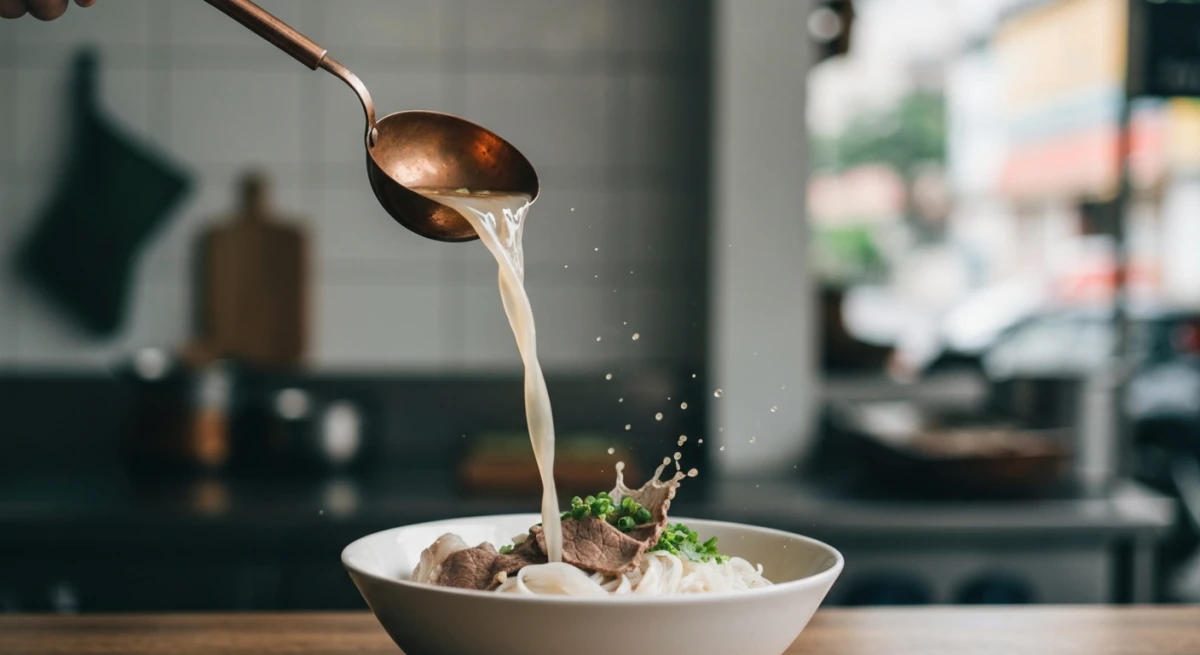
To truly understand Saigon—formally known as Ho Chi Minh City—you must pull up a low blue plastic stool on a crowded sidewalk, dodge a stream of oncoming motorbikes, and let the scent of charcoal-grilled pork and simmering bone broth wash over you. Saigon is not a city that hides its light under a bushel; its heartbeat is raw, chaotic, and deliciously exposed. From the alleyways of District 3 to the neon-lit food streets of District 4, this southern metropolis is widely considered one of the world's greatest culinary arenas.
If you are looking for the absolute best food in Saigon, you have arrived at the ultimate resource. While many tourist guides merely scratch the surface of Ben Thanh Market, this comprehensive, expert-backed guide dives deep into the neighborhoods, secret alleyways, and iconic street stalls that locals guard with their lives. We will walk you through the essential dishes, pinpoint the exact locations to find them, dissect the neighborhood flavor maps, explore the city’s modern culinary revolution, and arm you with the ultimate 24-hour food itinerary. Let’s eat.
1. The Soul of the Streets: Iconic Saigonese Breakfast Staples
Breakfast in Saigon is an active, outdoor sport. Long before the midday heat settles over the city, streets are alive with metal carts, folding tables, and the clattering of chopsticks. While Western breakfasts lean sweet or simple, Saigon starts its day with bold, savory, and complex textures designed to fuel you through a humid morning.
Cơm Tấm (Broken Rice)
If there is one dish that belongs entirely to Saigon, it is Cơm Tấm. Originally a peasant dish born out of necessity, it utilizes broken rice grains—the fractured, unsellable fragments left behind during the milling process. Because these small grains absorb water differently, they yield a unique, fluffy, slightly dry texture that acts as the perfect canvas for savory toppings.
A classic plate of Cơm Tấm Sườn Nướng Chả Ốp La is an artistic composition of textures and flavors. It features a thin, intensely caramelized charcoal-grilled pork chop (marinated in lemongrass, fish sauce, garlic, and honey), a slice of Chả Trứng (a steamed pork-and-egg meatloaf packed with glass noodles and wood ear mushrooms), a sprinkle of Bì (shredded pork skin dusted with toasted rice powder), and a perfectly fried egg (Ốp La) with a runny yolk. The entire plate is drizzled with bright green scallion oil (Mỡ Hành) and served with pickled carrots, daikon, and a side of sweet, garlicky fish sauce (Nước Chấm).
- Where to try it:
- Cơm Tấm Ba Ghiền (84 Đặng Văn Ngữ, Phú Nhuận District): A legendary, Michelin Bib Gourmand-approved spot famous for its colossal, thick-cut pork chops that completely cover the plate. The smoky aroma from the outdoor grill can be smelled from blocks away.
- Cơm Tấm Nguyễn Văn Cừ (74 Nguyễn Văn Cừ, District 5): Frequently cited as one of the most expensive broken rice plates in the city, but fiercely defended by locals for its incredibly tender, thick-cut marinated ribs.
Bánh Mì
While Hanoi treats the Bánh Mì as a minimalist, balanced snack, Saigon treats it as a heavily loaded, decadent masterpiece. The Saigonese baguette is incredibly light, airy, and ultra-crisp, splitting open to accommodate an eye-watering array of savory layers.
The anatomy of a true Saigon Bánh Mì includes a generous smear of rich, spreadable pork liver pâté, a layer of homemade egg yolk mayonnaise, several varieties of cold cuts (such as Chả Lụa pork roll, head cheese, and jambon), slow-roasted pork belly, pickled daikon and carrot juliennes, crisp cucumber spears, raw cilantro sprigs, and a fiery kick of sliced bird's eye chilies. A splash of savory Maggi seasoning liquid gold binds it all together.
- Where to try it:
- Bánh Mì Huỳnh Hoa (26 Lê Thị Riêng, District 1): Known colloquially as the "pate powerhouse," this is arguably Saigon's most famous—and crowded—sandwich shop. A single sandwich here is so dense with meat and pâté that it easily weighs half a kilogram and can comfortably feed two.
- Bánh Mì Hồng Hoa (62 Nguyễn Văn Tráng, District 1): If you prefer a lighter, crispier bread-to-filling ratio, Hồng Hoa is a local favorite. Their roasted pork (Heo Quay) sandwich features incredibly crackly skin and juicy meat.
- Bánh Mì Bảy Hổ (19 Huỳnh Khương Ninh, District 1): For a taste of history, this humble street cart has been serving customers since the 1930s, utilizing a highly guarded family recipe for their homemade pâté and meats.
Bún Thịt Nướng
For those hot, sticky mornings when hot soup feels like a challenge, Bún Thịt Nướng is the ultimate solution. This dish consists of cold rice vermicelli noodles topped with sliced charcoal-grilled pork, crispy Chả Giò (deep-fried egg rolls stuffed with pork and mushrooms), a mountain of shredded lettuce, fresh herbs (mint, sweet basil, perilla), bean sprouts, pickled vegetables, and a generous sprinkle of crushed peanuts and fried shallots.
You eat this by pouring a generous bowl of sweet, tangy, and slightly spicy garlic fish sauce over the entire bowl, mixing it thoroughly so that every bite contains a perfect harmony of cold, hot, crunchy, herb-forward, and sweet-savory notes.
- Where to try it:
- Bún Thịt Nướng Hoàng Văn (137 Chấn Hưng, Tân Bình District): A beloved neighborhood spot recognized by the Michelin Guide, where the pork is grilled to smoky perfection over open coals and the spring rolls are consistently fresh and shatteringly crisp.
2. Noodle Culture: Beyond Just a Bowl of Pho
To many international travelers, Vietnamese noodle culture begins and ends with Pho. But in Saigon, Pho is just the tip of a deeply complex, regional, and cross-cultural noodle iceberg. Because Saigon is a melting pot of migrants from all over Vietnam and neighboring countries, its noodle scene is spectacularly diverse.
Saigon-Style Pho
Pho originated in the North (Hanoi), but when it migrated south in the mid-20th century, it underwent a dramatic evolution. While Northern Pho (Phở Bắc) is minimalist, featuring a clear, delicate beef broth and wide noodles with no herbs or sauces, Southern Pho (Phở Nam) is a maximalist's dream.
Saigon's broth is darker, slightly sweeter, and heavily spiced with star anise, cinnamon, clove, and charred ginger. It is served with a veritable forest of fresh herbs on a side plate—including Thai basil, saw-tooth herb (Ngò Gai), rice paddy herb, and lime wedges. Diners are encouraged to customize their bowl with sweet black hoisin sauce and spicy Sriracha-style chili sauce.
- Where to try it:
- Phở Hòa Pasteur (260C Pasteur, District 3): Operating for decades on one of Saigon's most historic streets, this restaurant serves a classic, sweet, and robust southern broth. Plates of Bánh Quẩy (savory fried dough sticks) sit on the tables; dip them directly into your hot broth.
- Phở Lệ (303-305 Võ Văn Tần, District 3): A temple to beef noodle soup. Their broth is deeply rich and oily, packed with sweet beef marrow flavor. Order the Phở Tái Nạm (rare beef and tender flank).
Hủ Tiếu Nam Vang (Phnom Penh Noodle Soup)
If you want to eat like a true Saigonese local, swap your Pho for Hủ Tiếu Nam Vang. This noodle soup represents Saigon's multicultural heritage, combining Cambodian, Chinese, and Vietnamese culinary influences.
The dish features chewy, translucent tapioca noodles in a light, intensely savory pork bone broth flavored with dried squid and shallots. The toppings are incredibly diverse: ground pork, sliced pork loin, plump shrimp, quail eggs, and occasionally pork liver and heart. It can be ordered Nước (wet, in broth) or Khô (dry). The dry version is highly recommended: the noodles are tossed in a rich, sweet soy-and-garlic sauce, and the hot pork broth is served in a separate bowl on the side, allowing you to alternate between bite and sip.
- Where to try it:
- Hủ Tiếu Nhân Quán (122D Cách Mạng Tháng Tám, District 3): A legendary, bustling multi-location spot that serves what many consider the golden standard of Hủ Tiếu in Saigon. The dry sauce is perfectly balanced, and the seafood is exceptionally fresh.
Bún Riêu (Crab and Tomato Noodle Soup)
For a burst of color and complex umami, Bún Riêu is a must-try. This reddish, tomato-based noodle soup features thin rice vermicelli in a broth made from pork bones and freshwater paddy crabs. The highlight of the bowl is the pillowy rafts of crab paste mixed with egg, along with fried tofu puffs, juicy tomatoes, cubes of congealed pig’s blood (Huyết), and a piece of tender pork rib.
The final touch is a dollop of pungent fermented shrimp paste (Mắm Tôm) and a squeeze of lime, which transforms the broth into a savory, tangy, and deeply satisfying culinary experience.
- Where to try it:
- Bún Riêu Gánh (4 Phan Bội Châu, District 1): Located right outside the east gate of Ben Thanh Market, this simple eatery has transitioned from a street pole carrier to a bricks-and-mortar institution, serving a delightfully sweet and tangy bowl that has attracted foodies for over 30 years.
3. The Art of "Nhậu" and "Ốc" (Saigon’s Famous Snail and Drinking Culture)
You cannot write a guide to the best food in Saigon without dedicating a section to Nhậu. In Vietnamese, Nhậu is a verb that translates roughly to "drinking and feasting for fun." It is a cornerstone of southern social life. As the sun sets and the tropical heat dissipates, groups of friends, colleagues, and families gather at open-air street restaurants to drink cold lager over large blocks of ice and share countless small, highly flavorful plates.
The undisputed king of the Nhậu scene is Ốc (which practically refers to all manners of shellfish, clams, mud creepers, and sea snails).
Saigonese chefs prepare shellfish in an infinite variety of ways, turning simple seafood into flavor bombs:
Ốc Hương Sốt Hoàng Kim: Sweet snail stir-fried in a rich, creamy, and salty salted egg yolk sauce. You will want to order a plain French baguette to mop up every drop of this sauce.
Ốc Móng Tay Xào Tỏi: Razor clams flash-fried in a hot wok with massive amounts of crispy, caramelized garlic and morning glory (Rau Muống).
Nghêu Hấp Sả: Clams steamed in a fiery, aromatic broth of lemongrass, ginger, chili, and pineapple.
Sò Điệp Nướng Mỡ Hành: Scallops grilled on their shells over charcoal, topped with bubbling scallion oil, crushed roasted peanuts, and fried shallots.
Where to try it:
- Vĩnh Khánh Street (District 4): This is the absolute epicenter of Saigon’s street seafood culture. As night falls, this entire street turns into a smoky, neon-lit theater of food. Head to Ốc Oanh (537 Vĩnh Khánh), a massive, chaotic open-air joint. Expect loud music, motorbikes idling right next to your table, and the best wok-fried razor clams in the city.
- Ốc Đào (212B/C79 Nguyễn Trãi, District 1): Tucked away in a winding alleyway, this spot is highly popular with locals who prefer a slightly calmer environment than District 4, without sacrificing any of the bold, spicy, and buttery seafood flavors.
4. Neighborhood Flavor Maps: Where to Eat by District
Saigon is vast, officially divided into numbered and named districts. Each has its own distinct personality, architectural style, and culinary specialties. To truly explore the best food in Saigon, you must treat each district as its own unique food trail.
District 1: The Heart of the Action While District 1 is the commercial hub, it contains a brilliant mix of rustic hidden alleyway spots and world-class restaurants.
- Bếp Mẹ Ỉn (136/9 Lê Thánh Tôn): Tucked in a narrow alleyway steps away from Ben Thanh Market, this charming, retro-themed restaurant serves stellar homestyle Southern comfort food. Their Bánh Xèo (a giant, crispy sizzling crepe stuffed with pork, shrimp, and bean sprouts) is exceptionally thin, lacy, and shatter-free.
- Pizza 4P's (Multiple locations, including Ben Thanh and Le Thanh Ton): You might ask, "Why eat pizza in Vietnam?" Because Pizza 4P's is a legendary Japanese-founded institution that has revolutionized casual dining in the country. They produce their own artisanal cheeses (like fresh burrata) in the Vietnamese highlands, serve wood-fired pizzas with local toppings like ginger pork and flower blossoms, and practice a beautiful philosophy of "Omotenashi" (heartfelt hospitality).
District 3: The Alleyway Haven Just next to District 1, District 3 offers a more local, relaxed pace. It is defined by its deep, interconnected alleys (Hẻm), which house some of the city’s longest-running family food stalls. Wander through the Bàn Cờ Market area to find street-side vendors selling hot bowls of Bánh Canh Cua (crab tapioca noodle soup) or sweet Chè dessert cups.
District 4: Street Food Paradise Historically a rough-and-tumble port area, District 4 is now a foodie paradise. It has the highest population density in the city, meaning its narrow streets are packed to the brim with food. Tôn Đản Street is a spectacular culinary strip where you can sample everything from Chuối Nếp Nướng (grilled bananas wrapped in sweet sticky rice and coconut milk) to crispy fried chicken (Gà Rán).
District 5 (Chợ Lớn / Chinatown) Chợ Lớn is home to one of the world's largest Chinatowns, dating back to the late 18th century. The food here is a stunning hybrid of southern Chinese cooking (primarily Cantonese and Teochew) and Vietnamese ingredients. Walk down Hà Tôn Quyền Street, famous for its concentration of historic wonton and dumpling shops (Sủi Cảo), or visit Quán Lão Sài Gòn for incredible roasted duck.
5. Modern Gastronomy: Saigon’s Michelin Revolution and Specialty Coffee
While Saigon’s street food legacy is undisputed, the city has recently undergone a dramatic fine dining renaissance. With the launch of the official Michelin Guide in Vietnam, local and diaspora chefs are pushing culinary boundaries, blending traditional Vietnamese flavors with modern French, Japanese, and global techniques.
The Michelin Revolution
- Anăn Saigon (89 Tôn Thất Đạm, District 1): Helmed by Chef Peter Cuong Franklin, Anăn was the first restaurant in Saigon to receive a Michelin Star. Located right in the middle of a bustling, historic wet market (Chợ Cũ), Anăn takes inspiration from street food to create elevated masterpieces. They famously went viral for their "$100 Bánh Mì"—which incorporates French foie gras, truffle, and caviar into the humble sandwich—and their molecular gastronomy interpretations of Pho and Bun Cha.
- ST25 by KOTO (District 1): Named after Vietnam's award-winning ST25 fragrant rice, this gorgeous restaurant showcases seasonal, indigenous Vietnamese ingredients while serving as a social enterprise training disadvantaged youth for careers in hospitality.
Saigon's Obsessive Café Culture
Saigon does not merely drink coffee; it lives and breathes it. Vietnam is the world's second-largest exporter of coffee, and Saigon's cafe scene is a beautiful collision of classic sidewalk tradition and cutting-edge third-wave specialty roasters.
Cà Phê Sữa Đá (Classic Iced Milk Coffee): The lifeblood of the city. Locally grown Robusta beans are brewed slowly through a small metal drip filter (Phin) directly over sweet, thick condensed milk. The resulting mixture is poured into a tall glass packed with crushed ice. It is dark, syrupy, intensely caffeinated, and delightfully sweet.
Cà Phê Muối (Salt Coffee): Originally from the imperial city of Hue, this sweet, salty, and creamy concoction has taken Saigon by storm. A thick layer of salted cream sits atop strong robusta coffee, creating a salted-caramel-like flavor profile.
Cà Phê Trứng (Egg Coffee): A northern import that Saigon has fully embraced. Egg yolks are whipped with sugar and condensed milk until they form a dense, meringue-like custard, which is floated on top of hot, dark espresso.
Where to drink:
- Vy Cà Phê (277E Lê Thánh Tôn, District 1): A legendary sidewalk establishment where you can sit on low wooden stools, drink incredibly strong, traditional robusta, and watch the chaotic world of Saigon spin past.
- Okkio Caffe (Multiple locations, including Tôn Thất Đạm): A stunningly designed specialty roaster that highlights Vietnam's emerging Arabica bean market, serving exquisite pour-overs and creative signature drinks in retro-futuristic interiors.
6. Practical Tips for Foodies: How to Eat Safely and Smartly
Eating your way through a dynamic city like Saigon can feel overwhelming. To ensure your food tour is memorable for all the right reasons, follow these insider tips on street food safety, etiquette, and navigation.
Navigating Street Food Safely (Avoiding "Saigon Belly")
- Look for the crowds: High customer turnover is the single best indicator of fresh food. Stalls packed with locals mean the ingredients are constantly being replenished, leaving no time for meats to sit out in the tropical heat.
- Watch the prep area: A clean prep area, clean cooking oil, and a cook who wears gloves or uses tongs are excellent signs.
- Ice is generally safe: Travelers often worry about the ice in Vietnam. In Saigon, almost all commercial establishments and street vendors use manufactured, cylindrical "ice tubes" with holes in the middle. This ice is made from purified water in clean factories and is safe to consume. Avoid shaved ice from giant blocks of unknown origin.
- Wipe down utensils: Before eating, take a lime wedge from the table container and squeeze it over your chopsticks and spoon, then wipe them dry with a clean paper tissue. It’s a standard local habit that sanitizes your dining tools.
A Curated 24-Hour Saigon Food Itinerary
If you only have one day to eat your way through Saigon, here is your high-intensity, flavor-packed roadmap:
- 08:00 AM – The Power Breakfast: Start your morning at Cơm Tấm Ba Ghiền in Phú Nhuận. Fuel up on their legendary, sweet-savory charcoal-grilled pork chop over broken rice.
- 09:30 AM – Coffee & People Watching: Walk off your breakfast and head to Vy Cà Phê in District 1. Grab a low stool on the sidewalk and order a classic Cà Phê Sữa Đá.
- 12:30 PM – Lunch Noodle Quest: Head to Hủ Tiếu Nhân Quán for a dry Phnom Penh noodle soup (Hủ Tiếu Khô). Make sure to mix the noodles thoroughly before your first bite.
- 03:30 PM – Afternoon Sweet Treat: Seek out a street vendor in District 3 or 4 selling Chuối Nếp Nướng (charcoal-roasted bananas wrapped in sticky rice) or try some fresh tropical fruits (mango, mangosteen, rambutan).
- 07:00 PM – The Nighttime Nhậu: Take a Grab taxi to Vĩnh Khánh Street in District 4. Find a table at Ốc Oanh, order a bucket of local cold beers, and feast on garlic razor clams, lemongrass clams, and grilled scallops with scallion oil.
- 10:30 PM – Late-Night Comfort: Cap off your night with a bowl of comforting Bún Riêu Gánh near Ben Thanh Market or a late-night Bánh Mì from Bánh Mì Huỳnh Hoa to share with a travel buddy.
Frequently Asked Questions About Saigon's Food Scene
What is the difference between food in Hanoi and Saigon?
Hanoi's cuisine leans toward subtle, delicate, and deeply traditional flavors, utilizing fewer spices and focusing heavily on the purity of the core ingredients. Saigon's cuisine, by contrast, is bold, sweet, and heavily influenced by historical trade, immigration, and global ingredients. Saigonese food uses more sugar, coconut milk, fresh herbs, and fiery bird's eye chilies.
Can vegetarians find good food in Saigon?
Absolutely. While Vietnamese food relies heavily on fish sauce (Nước Mắm), Saigon has a deep-seated Buddhist heritage, resulting in a thriving vegetarian culture. Look for restaurants displaying the sign Chay (which means vegetarian/vegan). Hum Vegetarian (District 3) is a world-class, beautifully styled restaurant serving sophisticated, plant-based Vietnamese dishes. Many local street food stalls also offer Hủ Tiếu Chay or Bánh Mì Chay made with mock meats, tofu, and mushrooms.
Is tipping expected at local restaurants in Saigon?
Tipping is not traditional or expected at casual street food stalls, local cafes, or family-run joints. However, in mid-to-high-end restaurants, craft beer bars, or fine dining establishments in District 1, tipping is highly appreciated. Some westernized spots may add a 5% to 10% service charge to the bill.
What is the best way to get around Saigon for a food tour?
The most efficient, affordable, and authentic way to travel between food stops is by using Grab (the Southeast Asian equivalent of Uber). You can download the app and book a "GrabBike" (motorcycle taxi) or a "GrabCar" (standard car taxi). The prices are fixed beforehand, preventing any taxi-meter scams, and it allows you to easily hop between distant districts.
Conclusion
Saigon’s food scene is not merely a collection of restaurants; it is a sensory assault, a cultural narrative, and a warm invitation. The best food in Saigon is found where the boundaries between kitchen and street dissolve—where family recipes passed down through generations are cooked right on the sidewalk for anyone with a craving and a few thousand Vietnamese Dong. Whether you are cracking open sweet sea snails on a smoky roadside in District 4 or sipping elevated cocktails alongside molecular pho in a high-rise in District 1, Saigon promises a culinary adventure that will forever redefine the way you think about food. Pack your appetite, leave your fancy clothes behind, and prepare to fall in love with one of the greatest food cities on earth.